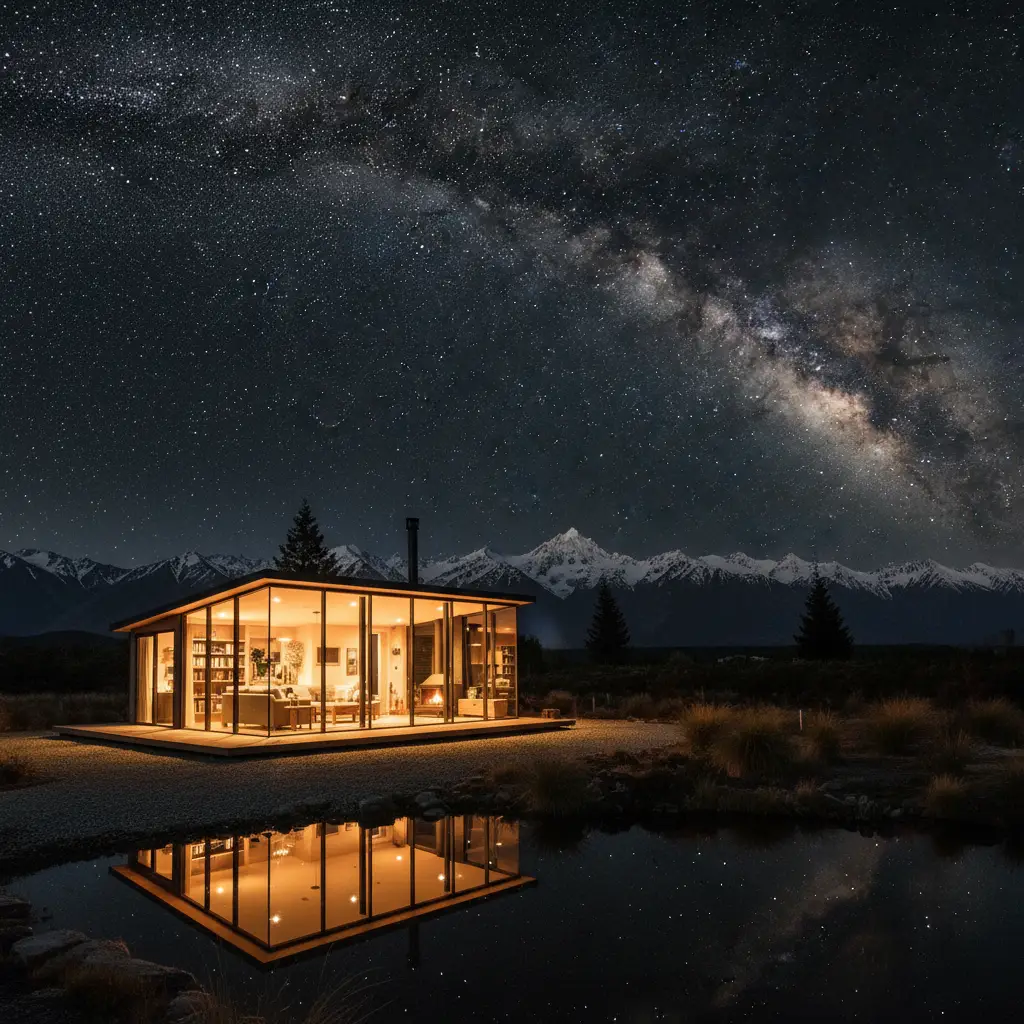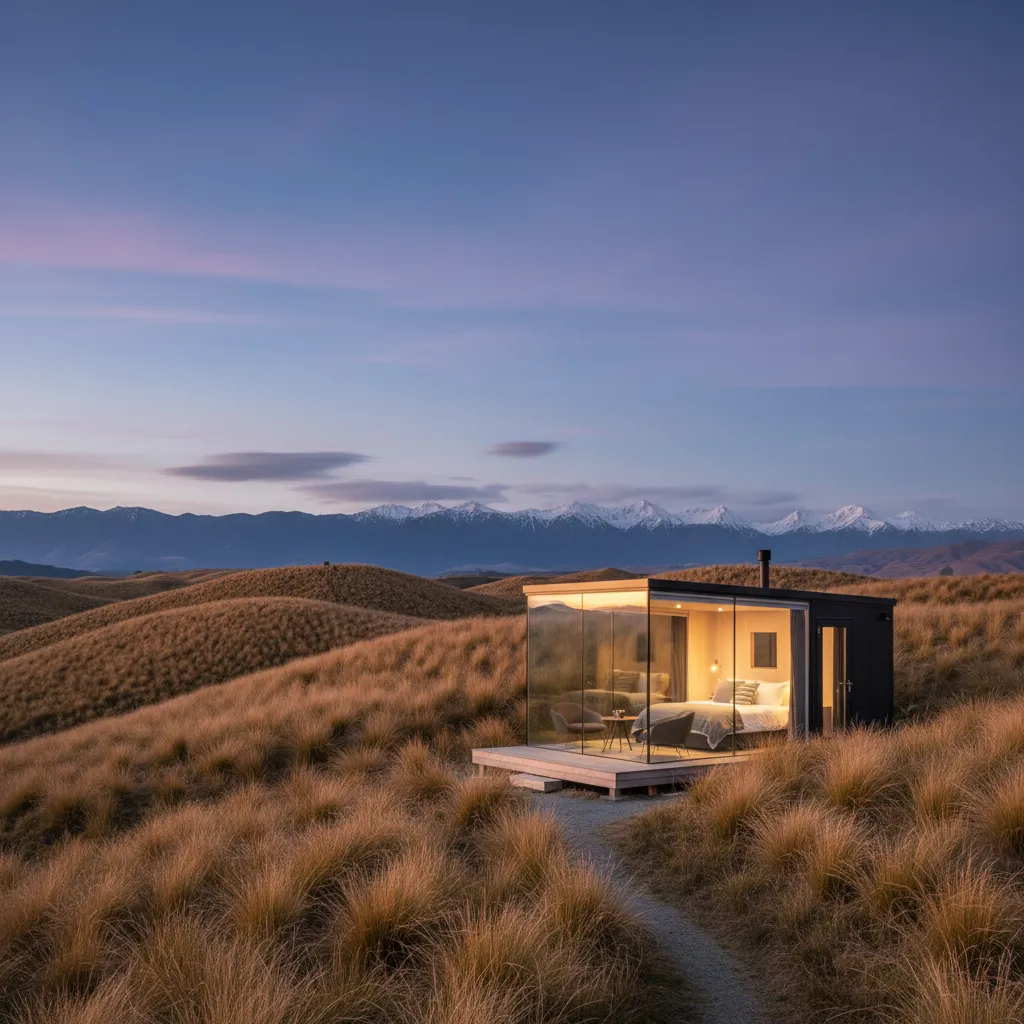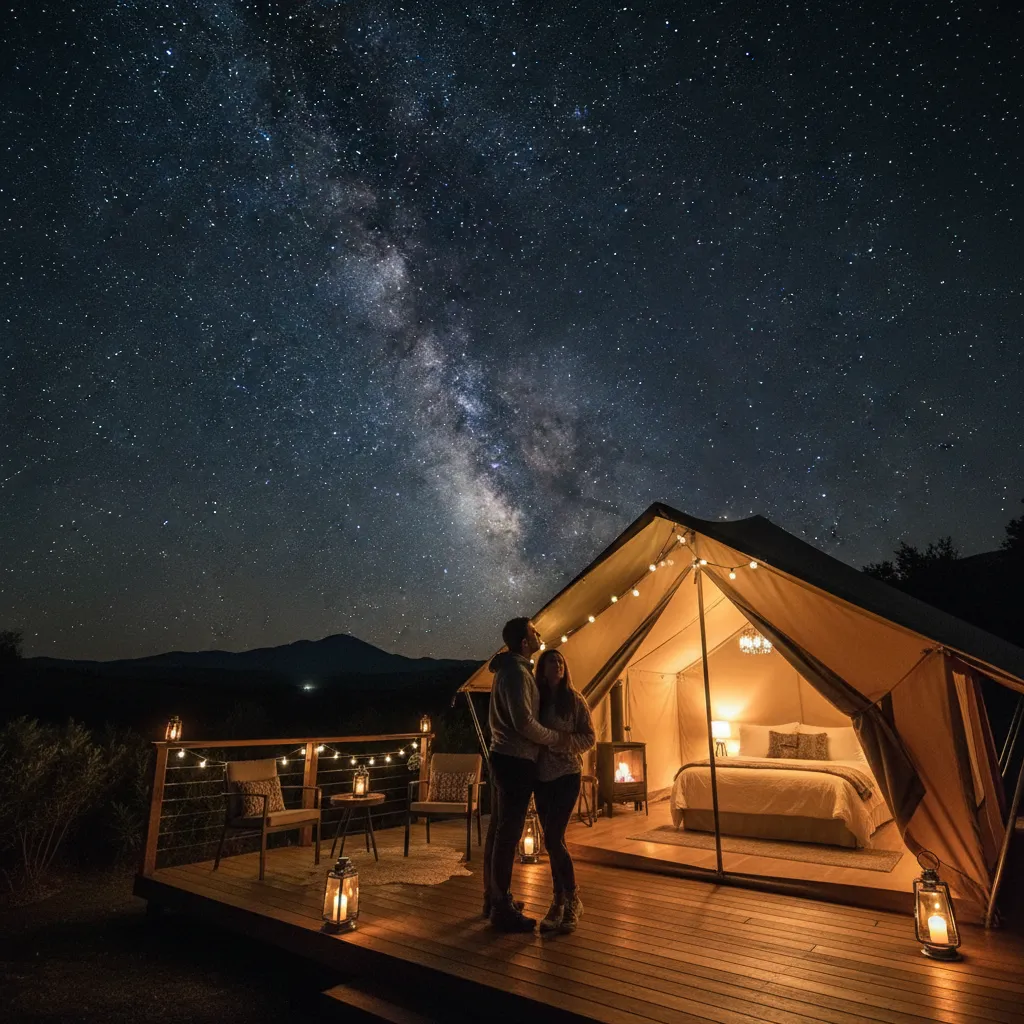
The best glass cabins for stargazing are architecturally designed accommodations located within International Dark Sky Reserves, featuring floor-to-ceiling thermally insulated glass for unobstructed celestial viewing. In New Zealand, top-tier options like SkyScape and PurePods combine isolated locations with strict light pollution controls, offering luxury immersion during the Matariki winter season.
New Zealand has rapidly established itself as the world’s premier destination for astrotourism, driven largely by the establishment of the Aoraki Mackenzie International Dark Sky Reserve and the cultural resurgence of Matariki (the Māori New Year). For the discerning traveler, the days of shivering in a heavy coat while gazing upward are over. The emergence of high-end glass cabins allows enthusiasts to experience the cosmos from the comfort of a luxury suite.
This guide explores the architectural marvels that are redefining the stargazing experience, focusing on thermal efficiency, location privacy, and the specific benefits of viewing the southern skies through high-tech glass.
Why Glass Cabins are Superior for Winter Viewing
The primary challenge of serious stargazing in the Southern Hemisphere, particularly in the South Island of New Zealand, is the climate. The clearest skies often occur during the winter months (June through August), coinciding with the rise of Matariki. However, ambient temperatures in the Mackenzie Basin and Central Otago can drop well below -5°C (23°F) overnight. Glass cabins provide a technological solution that bridges the gap between immersion and comfort.
Thermal Efficiency and Optical Clarity
Modern glass cabins utilize advanced glazing technologies that were previously reserved for commercial skyscrapers. To be considered one of the “best” cabins for stargazing, the structure must utilize low-emissivity (Low-E) glass. This microscopic coating reflects heat back into the interior while allowing the full spectrum of visible light to pass through from the outside. This ensures that while you are watching the Milky Way, the internal temperature remains a constant, comfortable 21°C without excessive energy consumption.
Furthermore, the structural glass used in premium accommodations like PurePods or SkyScape is engineered for optical clarity. Unlike standard residential windows which may have slight tints or impurities that distort light, these cabins often use low-iron glass. This material removes the greenish tint found in standard float glass, ensuring that the colors of the Aurora Australis or the brightness of Alpha Centauri are viewed with absolute fidelity.
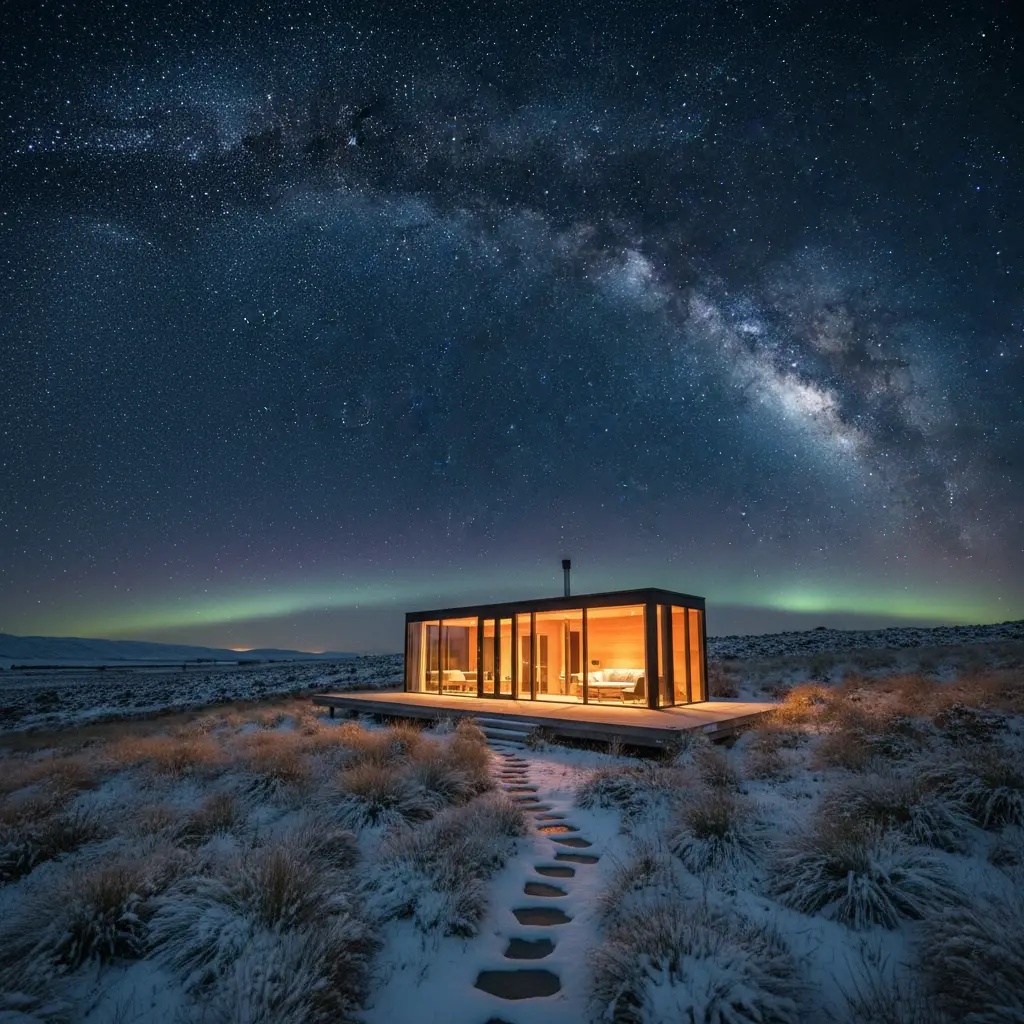
The immersive “Fishbowl” Effect
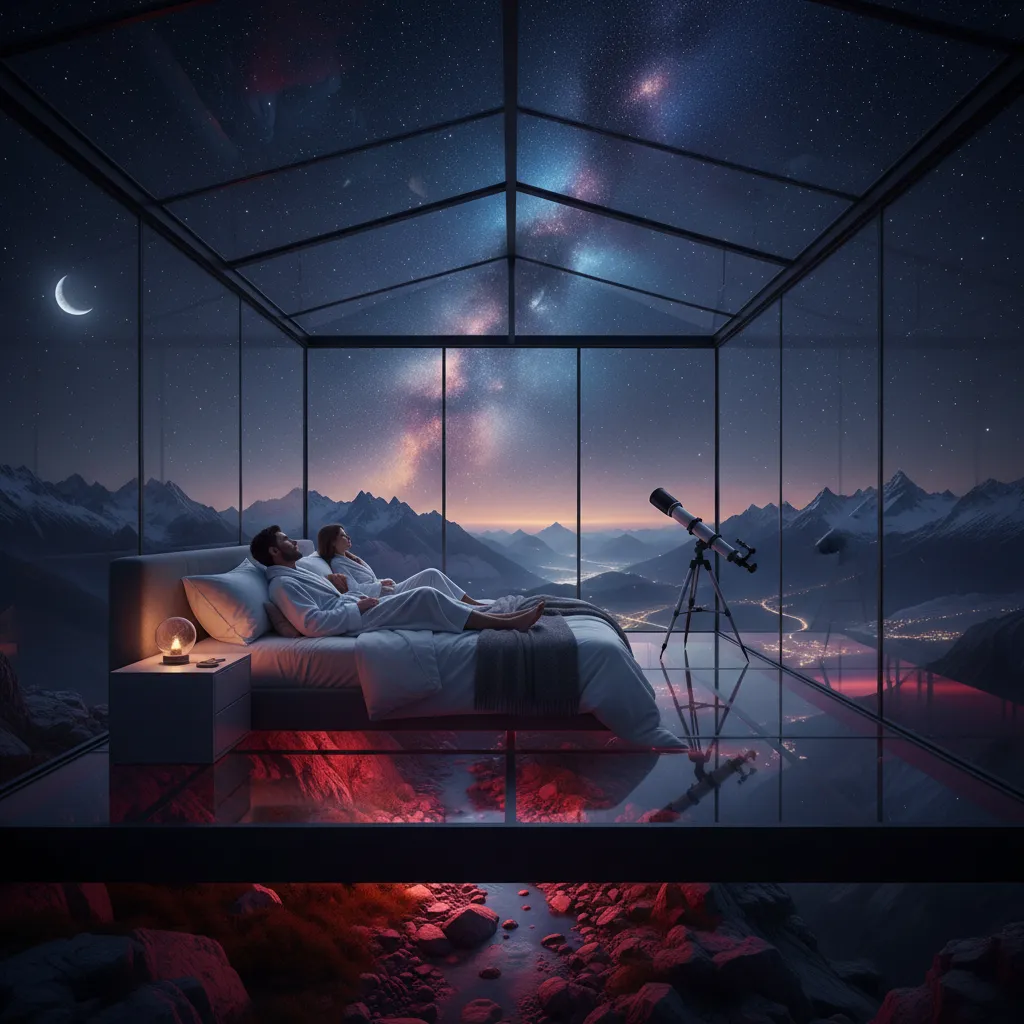
Psychologically, the experience of sleeping in a glass cabin differs vastly from a hotel room with a skylight. The best glass cabins offer 360-degree views or, at a minimum, a complete glass ceiling and frontal facade. This creates a sensory illusion of being outdoors. When the internal lights are dimmed, the glass boundaries seem to dissolve, leaving the occupant feeling as though they are floating in the dark sky sanctuary. This immersion is critical for “dark adaptation”—the process by which the human eye adjusts to low light to perceive faint stars—which can be maintained comfortably for hours while lying in bed.
Light Pollution Control and Location Strategy
A glass cabin is only as effective as its location is dark. The commercial success of New Zealand’s glass accommodation sector is tied directly to the preservation of the night sky. The best operators do not simply drop a glass box in a field; they engage in rigorous light pollution mitigation strategies.
Adhering to the Bortle Scale
Top-tier stargazing accommodations are invariably located in areas measuring Class 1 or Class 2 on the Bortle Scale. This scale measures the brightness of the night sky. In a Class 1 location, such as parts of the Aoraki Mackenzie International Dark Sky Reserve, the Milky Way casts a visible shadow on the ground, and phenomena like the Zodiacal light are clearly visible.
Site-Specific Engineering
To maintain this darkness, the cabins themselves are engineered to minimize light spill. This involves:
- Red-Light Integration: Many cabins are equipped with red LED night lighting. Red light has a longer wavelength and does not trigger the breakdown of rhodopsin (visual purple) in the eye, preserving night vision.
- Automated Blinds: While the goal is transparency, privacy and light control are managed via automated blinds that can be deployed if the moon is too bright or for daytime privacy.
- Remote Positioning: The defining feature of the “best” cabins is isolation. PurePods, for example, are often located 1km or more from the nearest road or car park, ensuring no vehicle headlights sweep across the viewing pane.
Top Picks: From Kaikoura to Queenstown
When evaluating the market for the absolute best glass cabins for stargazing in New Zealand, four distinct operators stand out based on optical quality, location darkness, and luxury amenities.
1. SkyScape (Twizel / Mackenzie Basin)
Located on the Ben Ohau Station, SkyScape is arguably the gold standard for earth-sheltered glass accommodation. These units are built into the earth, with a massive glass roof spanning the sleeping area.
- Why it wins: It is located deep within the International Dark Sky Reserve. The design minimizes wind exposure (common in the valley) while maximizing vertical views.
- The View: Direct line of sight to the Southern Cross and the Magellanic Clouds.
- Amenities: Outdoor cedar tubs which allow for “wet” stargazing before retreating to the climate-controlled glass interior.
2. The PurePods (Various Locations)
PurePods have franchised the concept of total immersion. Their cabins are made almost entirely of heavy-duty glass, including the floors and ceilings. For stargazing, three specific locations stand out:
- Kahutara (Kaikoura): High elevation with coastal views. The lack of city light from the ocean side creates a pitch-black canvas for the stars.
- Greystone (Waipara): Located above a vineyard. While slightly closer to Christchurch, the valley walls block most light pollution.
- Atatu (Catlins): Far south, offering the best chance to see the Aurora Australis (Southern Lights) through the glass walls.
3. The Lindis (Ahuriri Valley)
For the ultra-luxury market, The Lindis offers mirrored glass pods. While the main lodge is an architectural masterpiece, their separate pods are designed to blend into the landscape.
- Why it wins: The Ahuriri Valley is ecologically distinct and virtually uninhabited. The silence is as profound as the darkness.
- Design: The mirrored glass provides total privacy during the day (reflecting the tussock) and transparency from the inside out.
4. Cross Hill Lodge & Domes (Lake Hāwea)
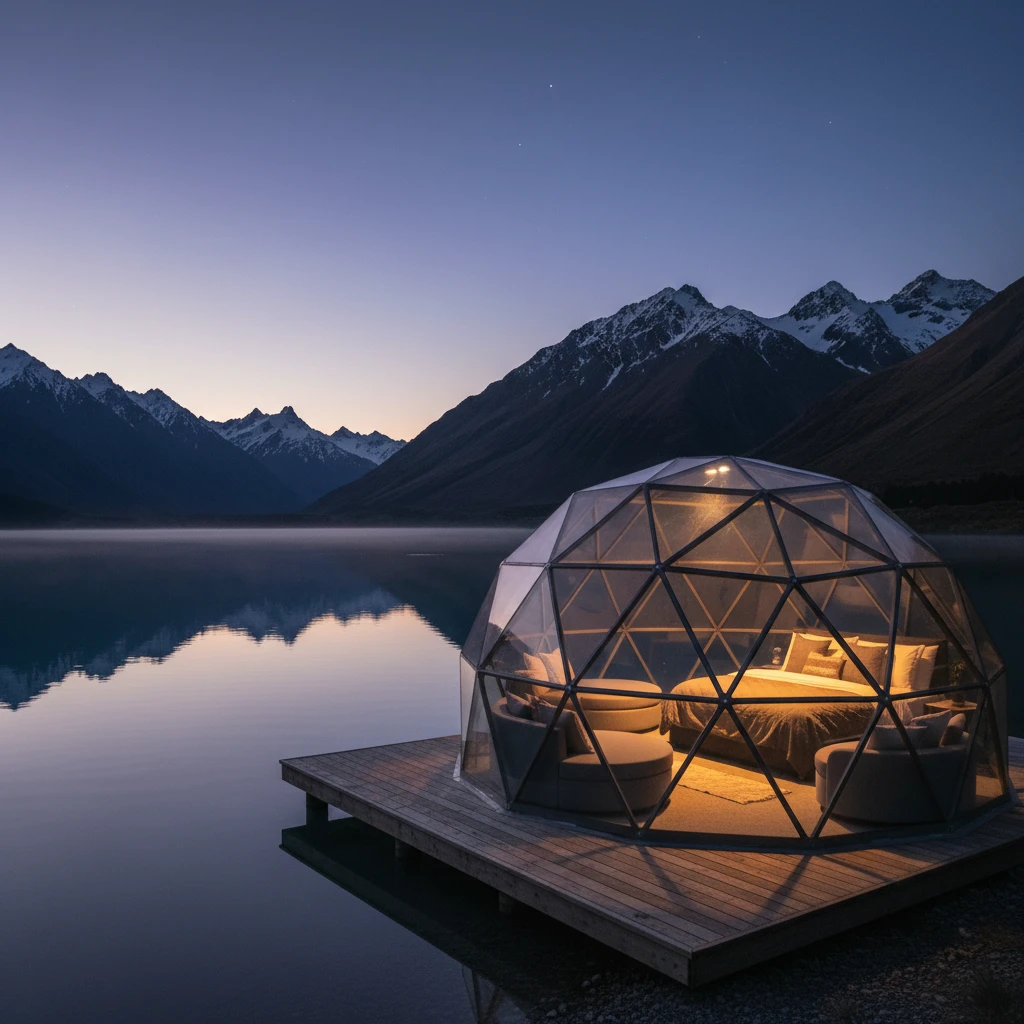
While technically geodesic domes rather than rectangular glass cabins, the effect is similar. Located near Wanaka, these structures use high-clarity distinct windows to create a planetarium-like feel.
- Commercial Appeal: Often more accessible than the exclusive lodges, offering a “glamping” vibe with high-end amenities.
The Matariki Connection
Understanding the cultural context enhances the commercial value of these stays. Matariki is the Māori name for the star cluster known as the Pleiades. Its rising in mid-winter marks the Māori New Year. In recent years, New Zealand has designated Matariki as a public holiday, causing a surge in demand for stargazing tourism.
Booking a glass cabin during the Matariki period (typically late June or July) offers a dual experience: the astronomical beauty of the cluster itself, and the cultural connection to the land (whenua) and sky (rangi). Many high-end operators now provide guidebooks or audio tours explaining the significance of the nine stars of Matariki, turning a passive viewing experience into an educational journey. When searching for the best glass cabins, look for operators that acknowledge this cultural heritage, as they often provide superior interpretive materials.
Booking Lead Times and Availability
Due to the highly specialized nature of these accommodations—often limited to one to five units per property—availability is the single biggest hurdle for travelers.
Strategic Booking Windows
To secure a prime date, particularly around the new moon (when skies are darkest) or during the Matariki holiday, the following lead times are recommended:
- Peak Winter (June – August): Book 9 to 12 months in advance. This is the prime season for the Galactic Core visibility and auroras.
- Shoulder Season (September – November): Book 6 months in advance. The nights are shorter, but the temperatures are milder.
- Summer (December – February): Book 4 to 6 months in advance. Note that true darkness arrives very late (after 11:00 PM) in NZ summers, reducing the viewing window, though the weather is superior.
Pricing Expectations
Travelers should anticipate premium pricing reflecting the engineering and exclusivity of these units. Rates generally range from $600 NZD per night for entry-level pods to over $3,000 NZD per night for luxury lodge-associated glass suites. Most operators require a minimum two-night stay during peak season to reduce turnover logistics in remote locations.
Frequently Asked Questions
Are glass cabins private if the walls are transparent?
Yes, privacy is a core design element. These cabins are typically situated on large private stations, kilometers away from public roads or other guests. Most also feature automated blinds or switchable privacy glass that turns opaque at the touch of a button for peace of mind.
Do glass cabins get cold in the winter?
No. The “best” rated glass cabins utilize double or triple-glazed units with argon gas fills for insulation. They are equipped with underfloor heating, heat pumps, or bio-fuel fires, ensuring the interior remains tropical even if it is freezing outside.
Can you see the Aurora Australis from inside the cabin?
Yes, provided you are far enough south (like the Catlins or Mackenzie Basin) and the solar activity is high (Kp index of 5 or higher). The optical clarity of the glass allows the transmission of the aurora’s colors, though stepping outside will always offer the most vivid view.
What is the best time of year for stargazing in a glass cabin?
Winter (June to August) is superior for three reasons: the galactic core of the Milky Way is overhead, the nights are longest (giving you more viewing time), and the cold air holds less moisture, resulting in sharper, crisper stars.
Is there Wi-Fi in these remote glass cabins?
It varies by operator. PurePods intentionally exclude Wi-Fi to encourage a “digital detox” and connection with nature. However, luxury options like The Lindis or SkyScape typically offer high-speed Starlink internet for guests who wish to remain connected.
How do I clean the glass if it rains or snows?
You don’t need to. The glass is often treated with hydrophilic coatings that help shed water and dirt. Snow buildup usually melts quickly due to the internal heat of the cabin escaping through the glass, or it can be a beautiful feature to watch melt from your bed.