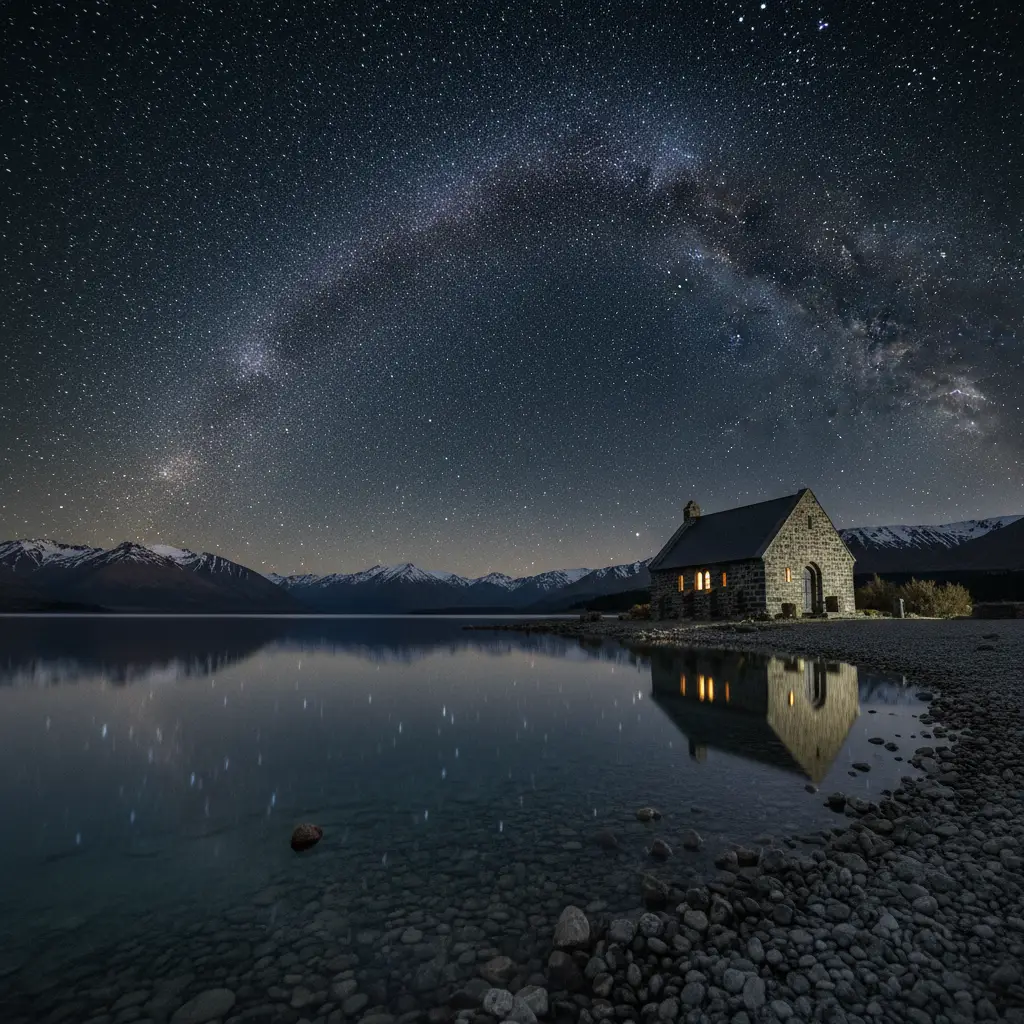
The best stargazing locations in NZ are centered around its International Dark Sky Sanctuaries, specifically the Aoraki Mackenzie International Dark Sky Reserve, Great Barrier Island (Aotea), and Stewart Island (Rakiura). These world-renowned sites offer minimal light pollution, making them premier destinations for viewing the Milky Way, the Aurora Australis, and the Matariki cluster during the Māori New Year celebrations in June and July.
New Zealand is widely regarded as one of the finest countries on Earth for celestial observation. With large swathes of the country protected from light pollution and a geographical position that grants access to the unique features of the Southern Hemisphere sky, it is a bucket-list destination for astronomers and casual stargazers alike. As the country celebrates Matariki, the Māori New Year, the focus on the night sky intensifies, transforming these locations into hubs of cultural and astronomical significance.
New Zealand’s Premier Dark Sky Sanctuaries
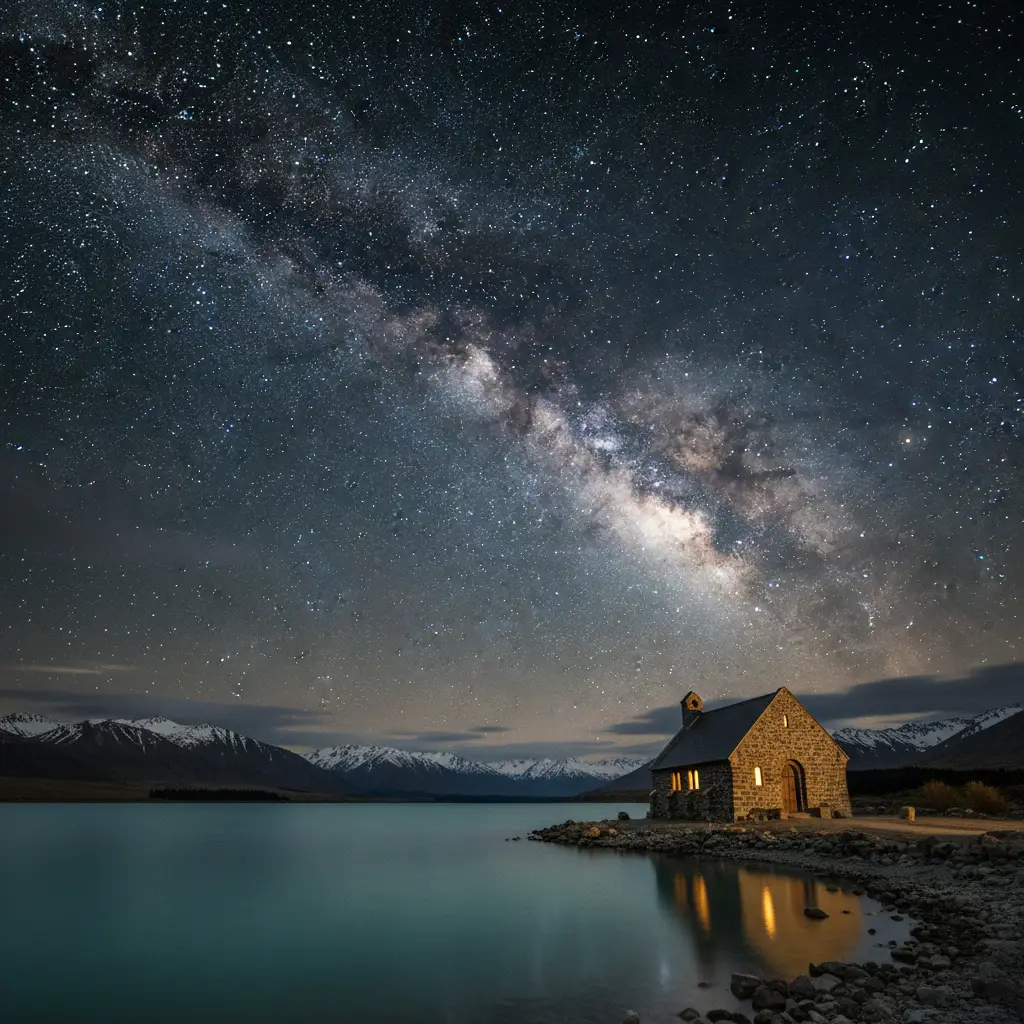
To experience the cosmos in its rawest form, one must venture into the designated Dark Sky Sanctuaries and Reserves. These areas possess a “Gold Tier” status, meaning their night skies are almost entirely free from artificial light interference.
Aoraki Mackenzie International Dark Sky Reserve
Located in the South Island, the Aoraki Mackenzie International Dark Sky Reserve is the crown jewel of New Zealand stargazing. Encompassing 4,300 square kilometers, it includes Lake Tekapo, Twizel, and Mt Cook Village. It was the first reserve of its kind in the Southern Hemisphere and remains one of the largest in the world.
The geography here is unique; the high country plateau sits above the low-lying cloud layers that often obscure views in coastal areas. During the winter months of June and July—coinciding with Matariki—the nights are long, crisp, and incredibly clear. Visitors here can expect to see the Magellanic Clouds (satellite galaxies to the Milky Way) and the Southern Cross with the naked eye.
Great Barrier Island (Aotea)
Ideally situated off the coast of Auckland, Great Barrier Island (Aotea) was the first island in the world to be designated an International Dark Sky Sanctuary. Unlike a “reserve,” a “sanctuary” is generally more remote and focuses on protecting the fragile nature of the darkest sites on Earth.
For travelers based in the North Island who cannot make the journey south, Aotea offers an uncompromising view of the cosmos. The island is off the grid, meaning there is no reticulated electricity supply, which naturally minimizes light pollution. The local community is deeply committed to preserving this darkness, making it a serene location to reflect on the rising of Matariki.
Stewart Island (Rakiura)
Further south lies Stewart Island, known in Māori as Rakiura, which translates to “The Land of Glowing Skies.” This name is a reference to the Aurora Australis (Southern Lights), which are frequently visible from this latitude. In 2019, it was officially accredited as a Dark Sky Sanctuary.
Rakiura offers a wilder, more rugged experience. With 85% of the island protected as a National Park, the lack of development ensures that the stars appear to touch the horizon. It is one of the few places where you can observe the celestial sphere while listening to the call of the Kiwi bird in the surrounding native bush.
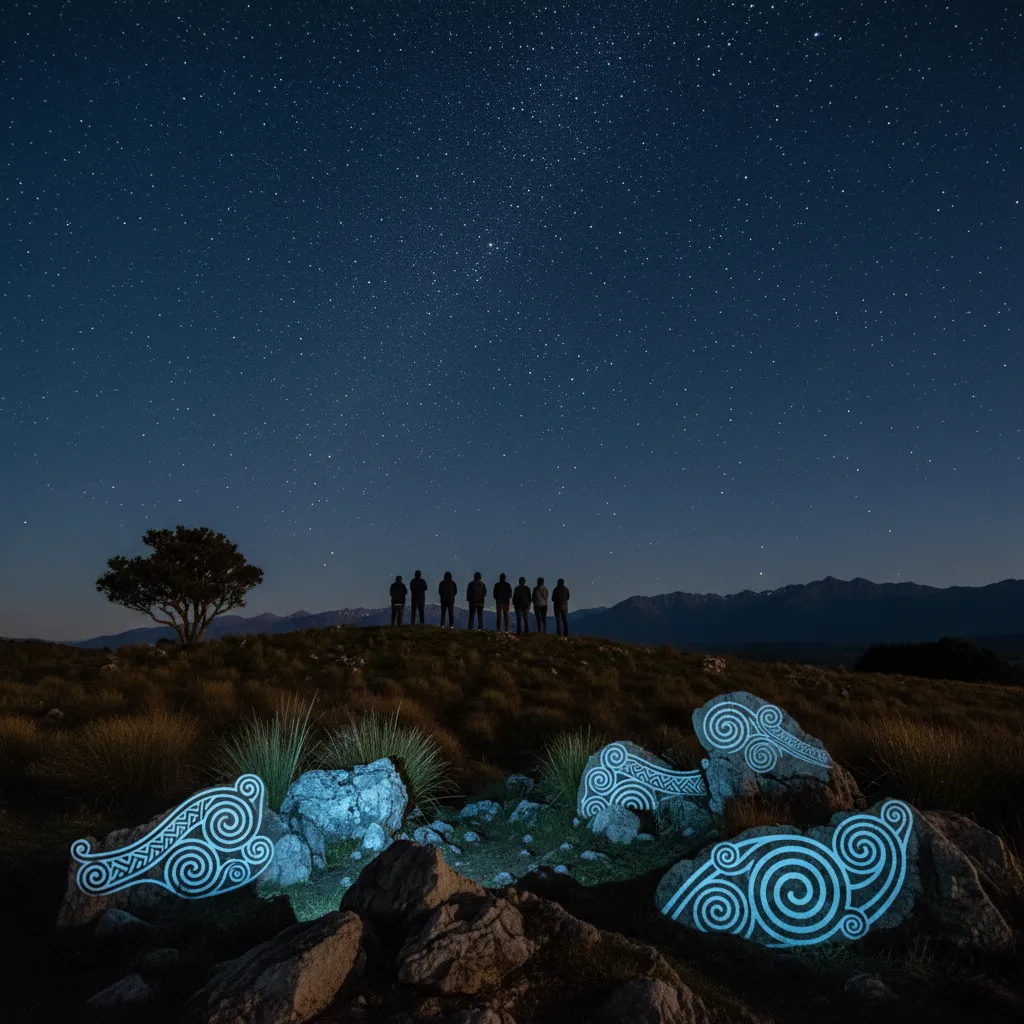
Matariki: The Māori New Year Connection
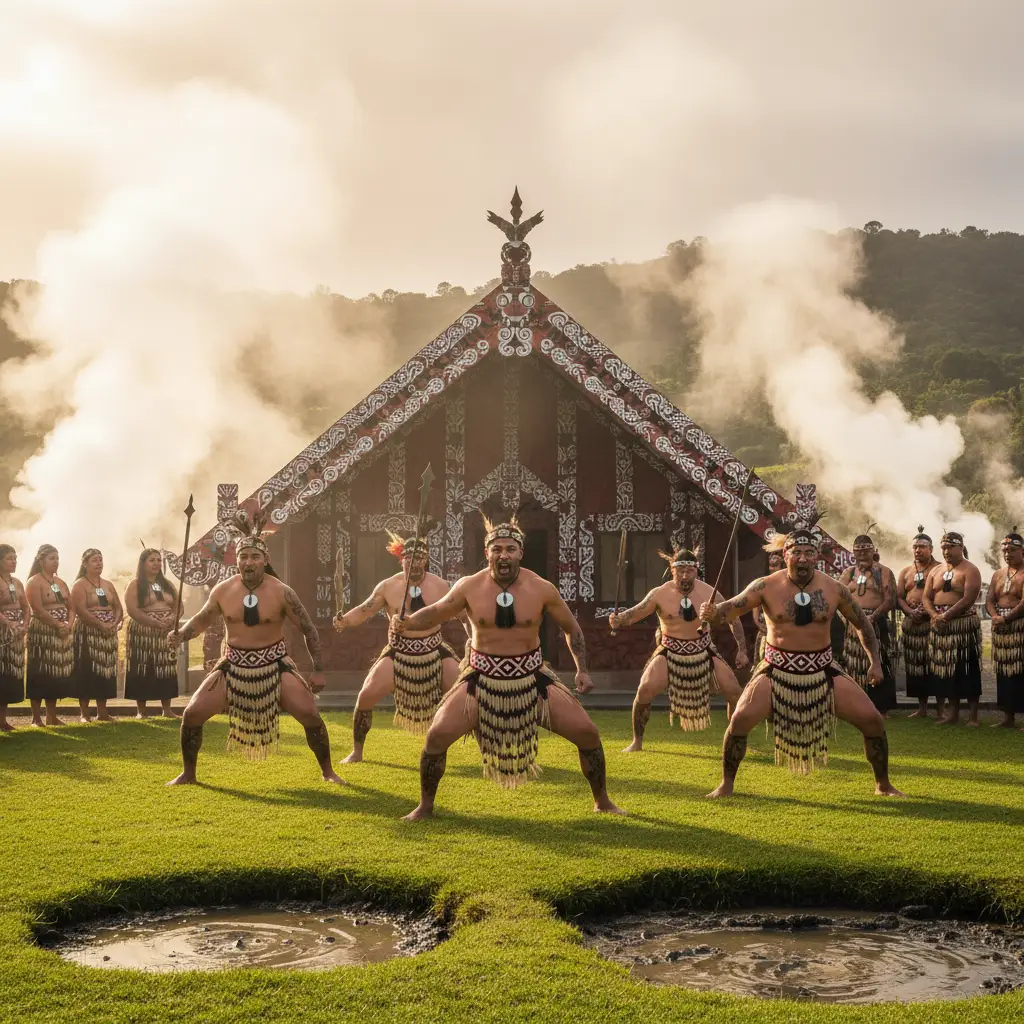
Understanding the best stargazing locations in NZ requires an appreciation of Matariki. Matariki is the Māori name for the star cluster known as the Pleiades. The rising of this cluster in mid-winter marks the beginning of the Māori New Year.
The Cultural Importance of the Night Sky
For Māori, the stars were not just pretty lights; they were navigational aids, seasonal indicators, and spiritual connectors. When Matariki rises in the north-eastern horizon just before dawn (usually in late June or July), it signals a time to remember those who have passed away, celebrate the present, and plan for the future.
Commercial stargazing during this period often incorporates storytelling (pūrākau). Guides will point out the nine distinct stars of Matariki (Matariki, Pōhutukawa, Tupuānuku, Tupuārangi, Waipuna-ā-rangi, Waitī, Waitā, Ururangi, and Hiwa-i-te-rangi) and explain their dominion over different environmental elements, such as fresh water, salt water, and crops. This adds a profound layer of depth to the visual experience, transforming a tour into a cultural immersion.
Best Vantage Points in Auckland and Wellington
Not everyone can travel to remote sanctuaries. Fortunately, New Zealand’s major cities have pockets of darkness suitable for observing the Matariki cluster and the broader night sky.
Auckland (Tāmaki Makaurau)
Despite being the largest city, Auckland’s geography provides excellent escape routes from light pollution.
- Shakespear Regional Park: Located at the tip of the Whangaparaoa Peninsula, this park is shielded from the city glow. It is a popular spot for amateur astronomers.
- Waiheke Island: A short ferry ride away, the eastern end of Waiheke is surprisingly dark. Several vineyards and lodges offer Matariki-themed dinners followed by stargazing.
- Awhitu Peninsula: On the southwest distinct of the Manukau Harbour, this area is remote and offers expansive views of the southern sky, essential for spotting the Aurora.
Wellington (Te Whanganui-a-Tara)
The capital city is nestled among hills which help block stray light.
- Red Rocks (Pariwhero): On the south coast, looking directly toward Antarctica, this is the premier spot in Wellington for dark skies. The rugged coastline adds a dramatic foreground for astrophotography.
- Zealandia Ecosanctuary: While primarily a wildlife sanctuary, Zealandia runs “Zealandia by Night” tours. While the focus is on fauna, the valley is dark enough to see a brilliant array of stars, and guides often discuss Māori astronomy.
- Wairarapa Dark Sky Reserve: Just an hour’s drive over the Remutaka ranges, the Wairarapa region is currently working towards full certification and already offers skies that rival the Mackenzie Basin.
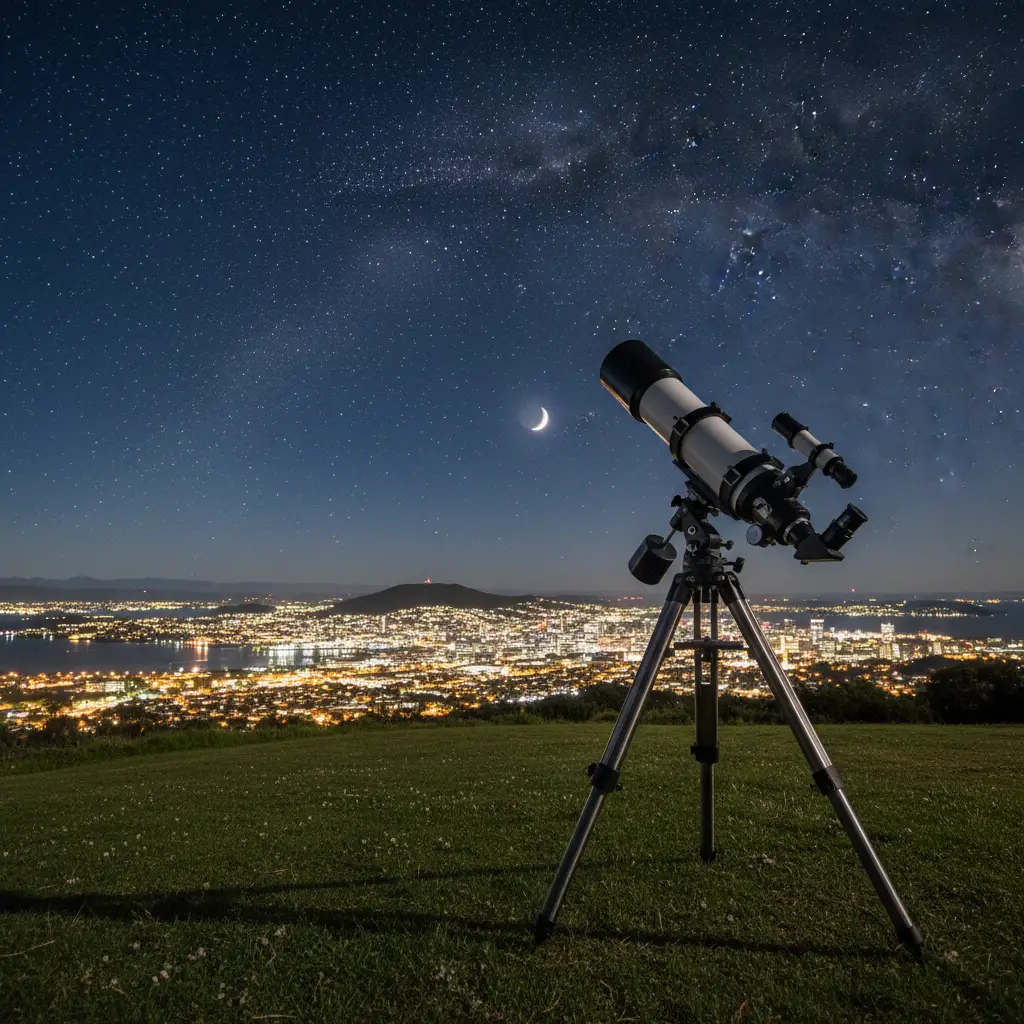
Top Guided Stargazing Tours for June/July
For the “Commercial” search intent, booking a professional tour is highly recommended, especially during the peak Matariki season. These operators provide high-end telescopes, expert knowledge, and often, warm clothing.
Dark Sky Project (Lake Tekapo)
The industry leader in astrotourism. They offer several experiences, including the summit experience at the University of Canterbury Mt John Observatory. This is a world-class research facility. During Matariki, their tours are heavily booked, so advanced reservation is critical. They blend scientific astronomy with Māori cosmology seamlessly.
Skyline Stargazing (Queenstown)
Accessible via the Skyline Gondola, this tour takes place high above Queenstown. While there is some light pollution from the town below, the altitude helps clarity. It is an excellent option for families or those who want a “dinner and stars” package.
Good Shepherd Tours
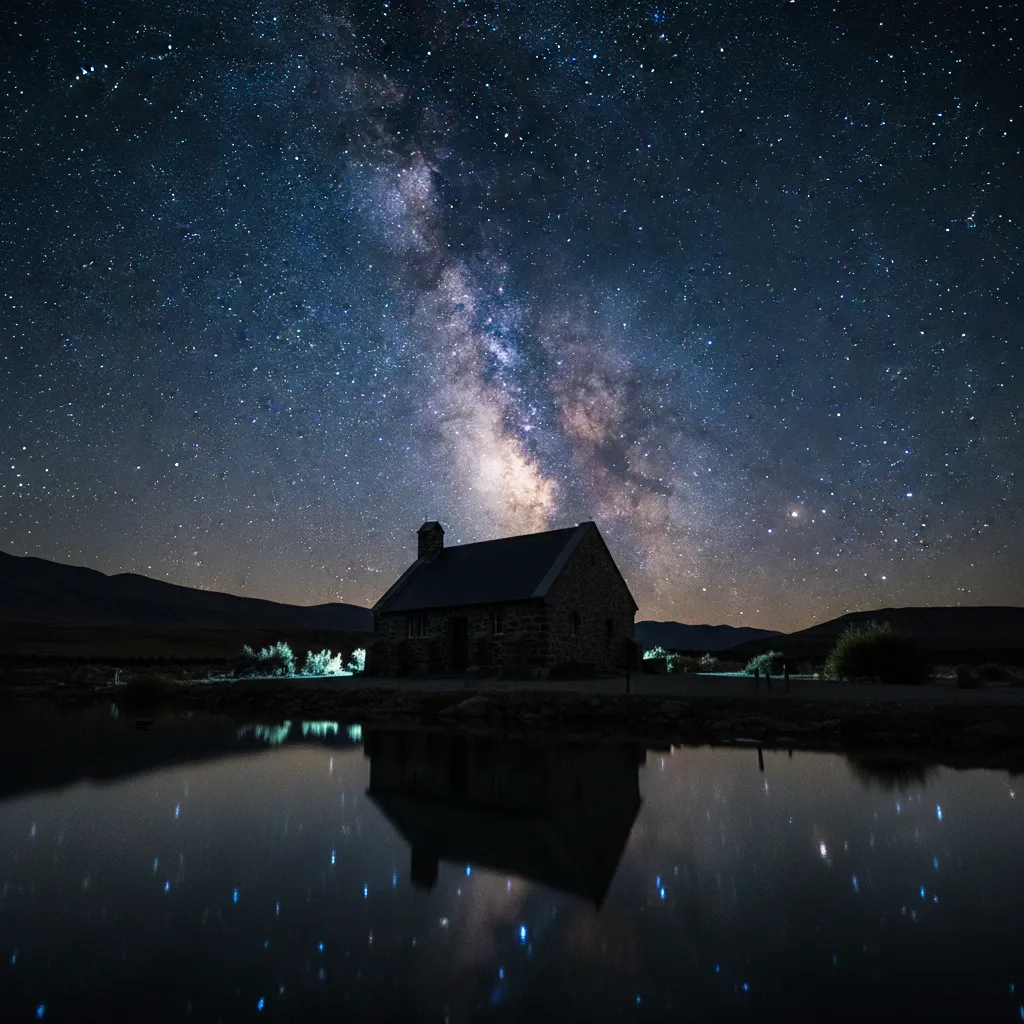
Operating around the iconic Church of the Good Shepherd, smaller boutique operators offer photography-centric tours. If your goal is to capture that perfect Instagram shot of the Milky Way arching over the church, these specialized guides are worth the investment.
Horizon Tours (Dunedin)
Dunedin creates a unique offering with the “Southern Skies Star Gazing” tour. They focus on Māori narratives and provide a cozy experience with blankets and hot beverages, often on the Otago Peninsula where the skies are exceptionally dark.
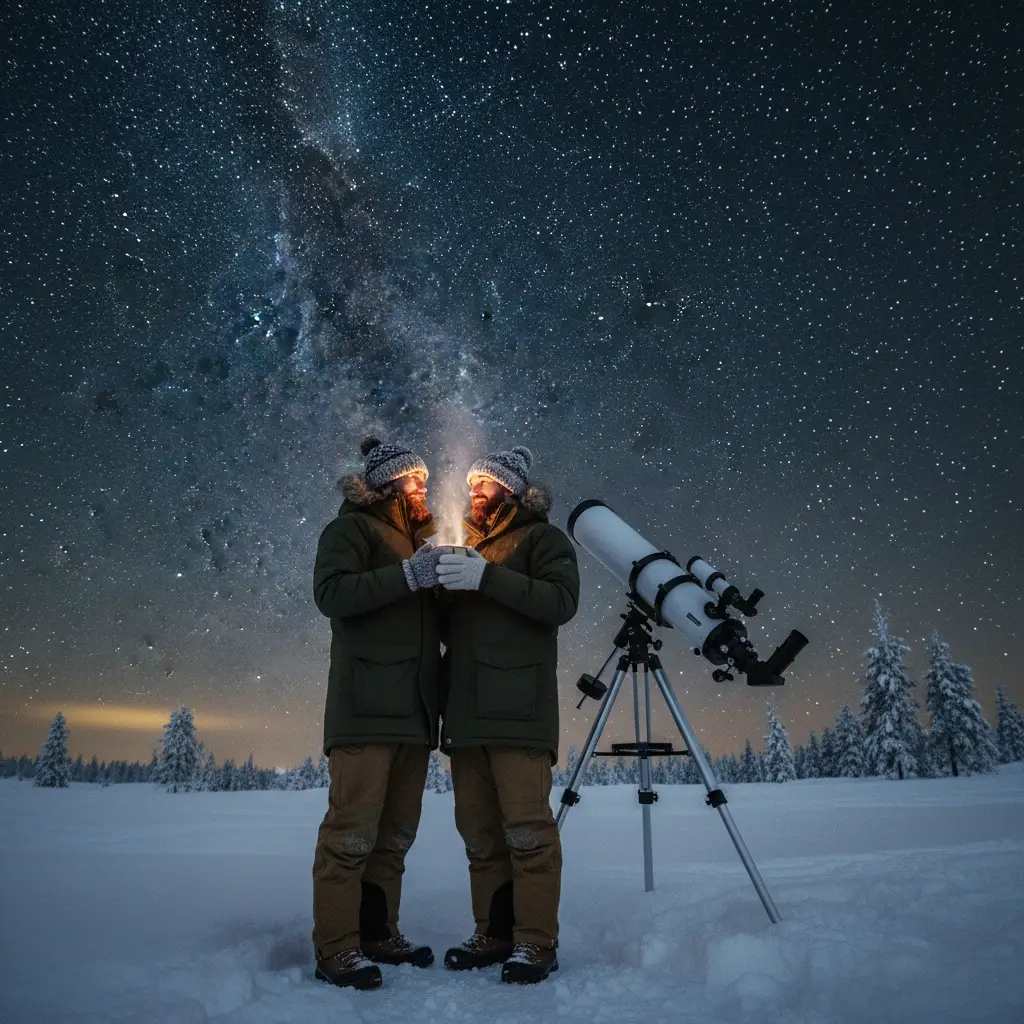
What to Bring: The Stargazer’s Survival Kit
Stargazing in New Zealand during June and July is a winter activity. Temperatures in the Mackenzie Basin can drop to -5°C or lower at night. Being unprepared can ruin the experience.
Essential Clothing
Merino Layers: Start with a high-quality merino wool base layer. It wicks moisture and traps heat better than cotton.
Insulated Jacket: A down jacket (puffer) is essential. Look for high fill power.
Extremities: 40% of body heat is lost through the head. A beanie is mandatory. Touch-screen compatible gloves are also recommended so you can operate your camera or phone without freezing your fingers.
Gear and Gadgets
Red Light Torch: White light destroys night vision, which takes 20 minutes to adapt. Use a headlamp with a red light mode to navigate in the dark without ruining the view for yourself or others.
Binoculars: While telescopes are great, a pair of 10×50 binoculars is the best tool for scanning the Milky Way. They are portable and provide a wide field of view.
Tripod: If you plan to take photos, a sturdy tripod is non-negotiable to prevent camera shake during long exposures.
Frequently Asked Questions
What is the best month for stargazing in New Zealand?
Winter months (June, July, August) are the best for stargazing in NZ. The air is crisp and holds less moisture, resulting in clearer skies. Additionally, the galactic core of the Milky Way is most visible during these months, and the nights are longest, providing more viewing time.
Where can I see the Southern Lights (Aurora Australis) in NZ?
The further south you go, the better your chances. Stewart Island (Rakiura), The Catlins, Lake Tekapo, and the Otago Peninsula are the top locations. You need a clear view to the south and high solar activity (Kp index) to see them.
Is Matariki visible from everywhere in New Zealand?
Yes, Matariki is visible from most of New Zealand, but the timing varies slightly depending on your latitude and the local horizon. It rises in the north-east before dawn. Dark sky locations offer the best chance to see the faint stars of the cluster clearly.
Do I need a telescope to see the Milky Way in NZ?
No. In New Zealand’s Dark Sky Sanctuaries, the Milky Way is clearly visible to the naked eye. It appears as a bright, cloudy band stretching across the sky. However, binoculars or a telescope will reveal the millions of individual stars that make up that “cloud.”
How much do stargazing tours cost in NZ?
Prices vary significantly. Basic tours can start around $50-$90 NZD per person. Premium tours, such as those at Mt John Observatory or private photography workshops, can range from $180 to $300+ NZD per person.
What happens if it is cloudy during my stargazing tour?
Most reputable operators offer an “indoor experience” alternative involving planetarium shows or virtual reality tours if the weather doesn’t cooperate. Some offer partial refunds or the ability to reschedule, so always check the cancellation policy before booking.
For those looking to plan their trip around viewing the stars, being able to locate celestial objects easily is key. Check out our Interactive Night Sky Map Tool: Locate Matariki Now.
If you are planning a Matariki celebration involving younger audiences, don’t forget to include some simple and fun activities, like singing traditional songs. We have compiled a list of great Matariki Waiata for Kids.
To help integrate cultural learning into your home or classroom, consider downloading our visually appealing Maramataka Posters, which illustrate the phases of the Māori lunar calendar.