
A Matariki stargazing tour is a specialized cultural astronomy experience in New Zealand that focuses on the rising of the Matariki star cluster (Pleiades) during mid-winter. These tours combine world-class dark sky viewing with Māori storytelling, navigation history, and cultural celebrations, offering a unique opportunity to book immersive astrotourism experiences in locations like the Aoraki Mackenzie International Dark Sky Reserve.
New Zealand is rapidly becoming the world’s premier destination for astrotourism, offering crystal-clear skies and a unique cultural perspective on the cosmos. With the recent establishment of Matariki as a public holiday, the demand to book Matariki stargazing tours has skyrocketed. Whether you are an amateur astronomer or a cultural traveler, securing a spot on these guided experiences allows you to witness the celestial signaling of the Māori New Year while standing beneath some of the darkest skies on Earth.
What is a Matariki Stargazing Tour?
Matariki is the Māori name for the star cluster known internationally as the Pleiades or the Seven Sisters. Its appearance in the pre-dawn sky in mid-winter (typically June or July) marks the beginning of the Māori New Year. Unlike standard astronomy tours that focus primarily on constellations and planets through a scientific lens, a Matariki stargazing tour is deeply rooted in cultural heritage.
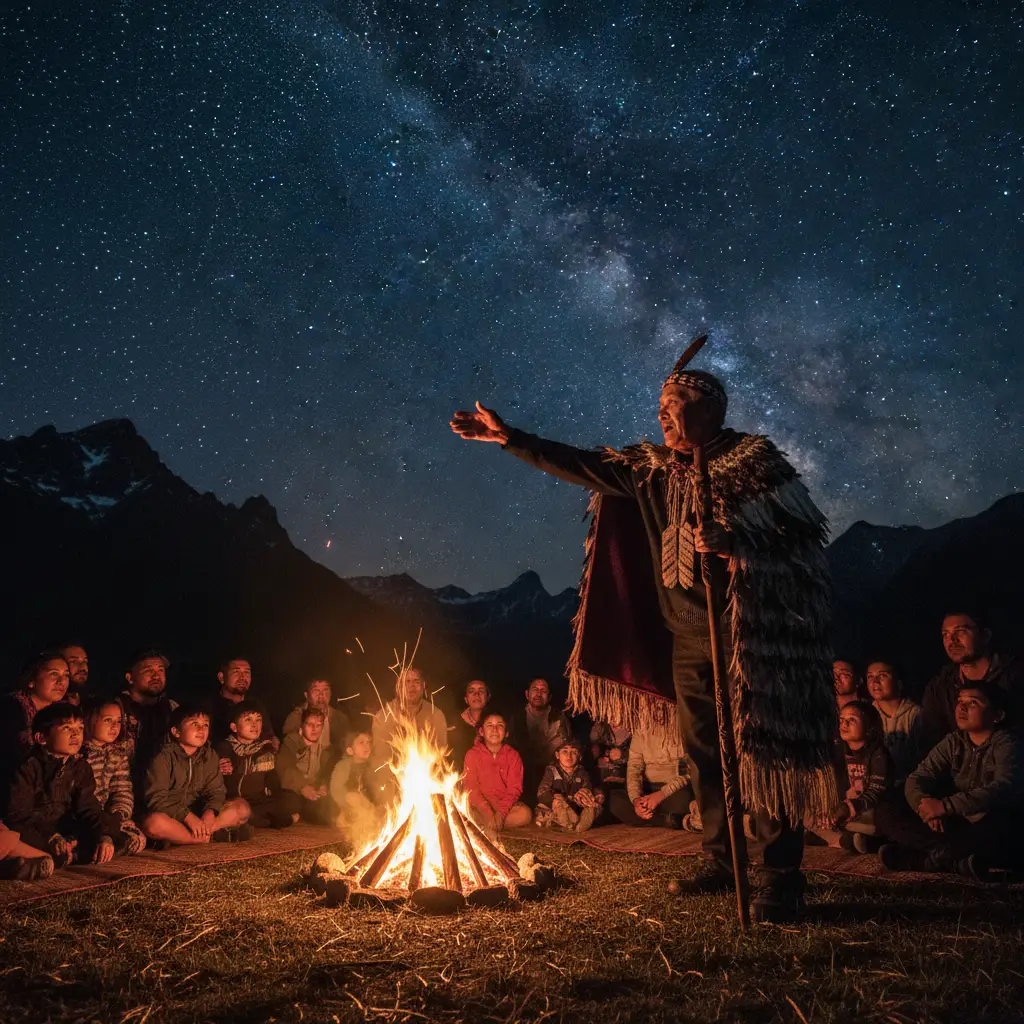
When you look to book a Matariki stargazing tour, you are signing up for a dual experience. First, you gain access to high-tech telescopes and expert astronomical guidance. Second, and perhaps most importantly, you are immersed in Tātai Arorangi (Māori astronomy). Guides often recount legends of the stars, explain how Polynesian navigators used celestial bodies to traverse the Pacific Ocean to Aotearoa, and detail the significance of each star in the Matariki cluster regarding harvest, weather, and remembrance of the dead.
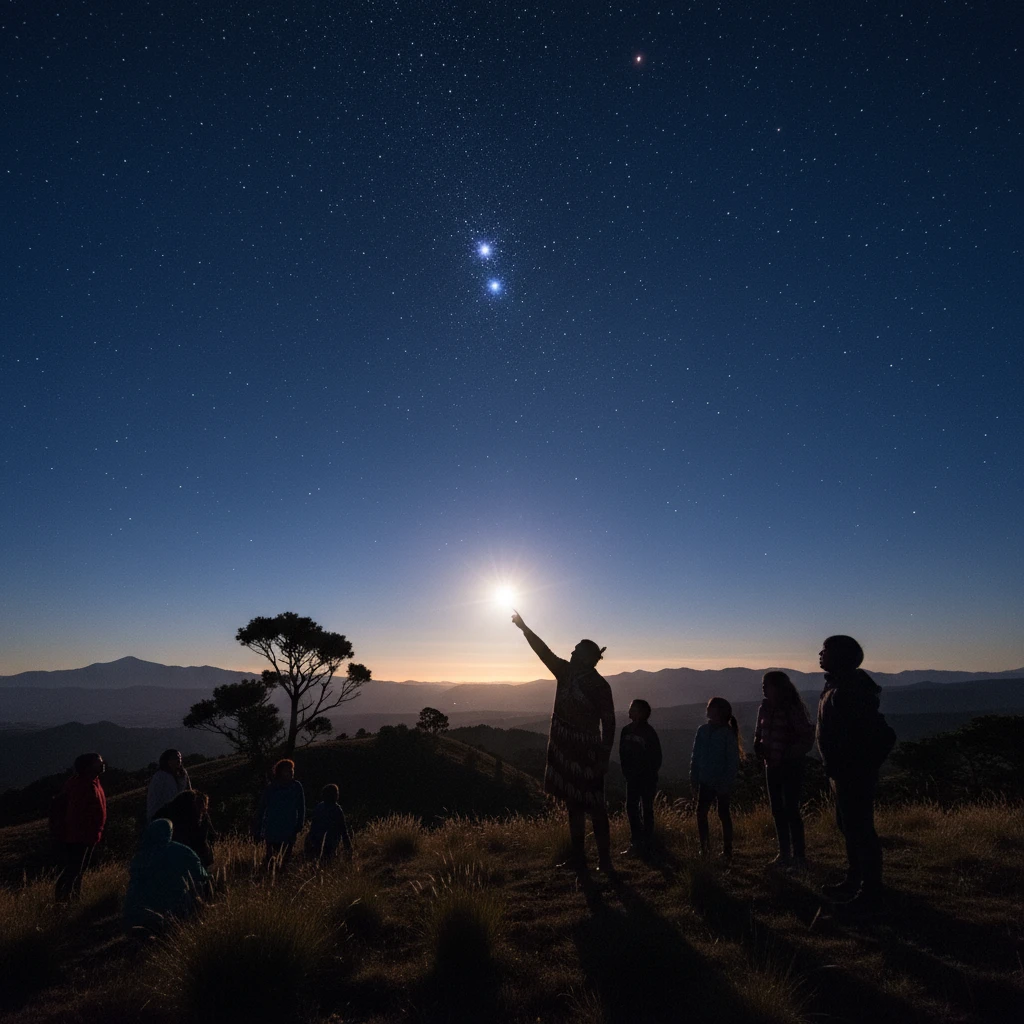
Top Dark Sky Reserves for Stargazing
New Zealand is home to several International Dark Sky Sanctuaries and Reserves, making it one of the best places on the planet to observe the Milky Way and the Matariki cluster. If you are planning to book a tour, these are the prime locations to consider.
Aoraki Mackenzie International Dark Sky Reserve
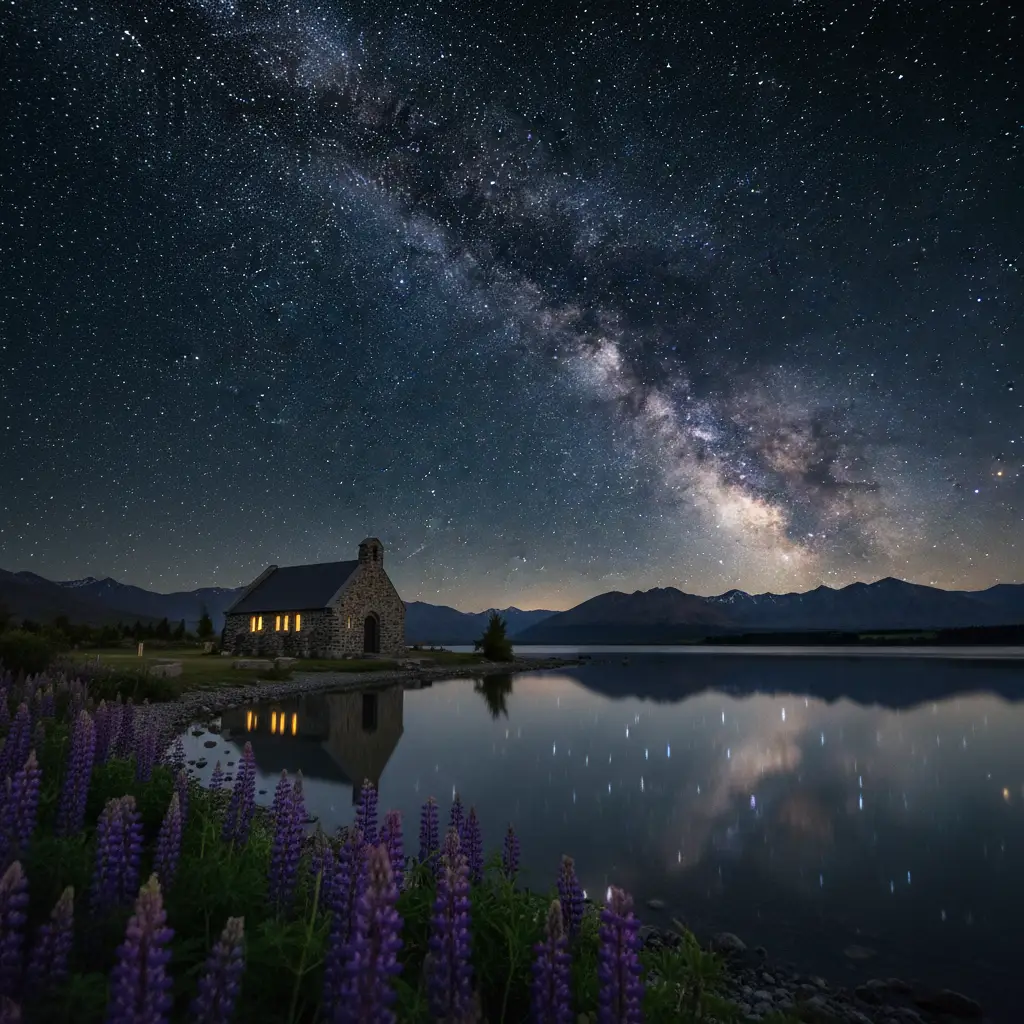
Located in the heart of the South Island, the Aoraki Mackenzie International Dark Sky Reserve is the largest of its kind in the Southern Hemisphere and one of only a handful of “Gold Status” reserves globally. This area includes Lake Tekapo, Twizel, and Aoraki/Mt Cook Village. The lack of light pollution here is absolute, providing a viewing experience that is unrivaled.
The Dark Sky Project (Tekapo): This is the premier operator in the region. Their tours at the Mt. John Observatory offer a mix of naked-eye observation and telescopic viewing. During the Matariki season, their programs are heavily tailored toward the cultural significance of the new year.
Hermitage Hotel (Mt Cook): The Big Sky Stargazing tour operates from the base of New Zealand’s tallest mountain. The dramatic alpine scenery combined with the pristine night sky makes this a bucket-list experience. Booking well in advance is essential for dates in June and July.
Great Barrier Island (Aotea)
Great Barrier Island was the first island in the world to be designated an International Dark Sky Sanctuary. Located off the coast of Auckland, it is accessible yet feels worlds away. The island has no reticulated electricity, which naturally keeps light pollution to a minimum. Local operators offer intimate, small-group experiences that feel personal and deeply connected to the land (whenua).
Stewart Island (Rakiura)
Rakiura literally translates to “The Land of Glowing Skies.” As the southernmost Dark Sky Sanctuary, it offers not only incredible views of Matariki but also the highest probability of spotting the Aurora Australis (Southern Lights). Tours here are rugged and wild, often taking place on beaches where the sound of kiwi calling accompanies the crashing waves.
Urban Stargazing: Auckland, Christchurch, and Dunedin
You do not always need to travel to remote wilderness areas to enjoy the night sky. New Zealand’s cities offer surprising opportunities for astronomy enthusiasts who want to book Matariki stargazing tours without leaving urban centers.
Auckland Stardome & Observatories
The Stardome Observatory & Planetarium in Auckland is a hub for astronomical education. Located in One Tree Hill Domain, it offers regular planetarium shows and telescope viewings. During Matariki, Stardome runs special programs that explain the science and mythology of the cluster. It is an excellent option for families or those on a tighter schedule who cannot travel to the South Island.
Christchurch & Banks Peninsula
Christchurch is the gateway to the Mackenzie region, but it also has its own stargazing spots. The Port Hills offer a quick escape from city lights. Furthermore, tours operating out of the Banks Peninsula provide coastal views of the night sky. The Christchurch Antarctic Centre also occasionally hosts astronomy events, linking the southern skies to Antarctic exploration.
Dunedin’s Southern Lights
Dunedin is renowned for its physics and astronomy department at the University of Otago, and the city has a strong culture of stargazing. The Dunedin Beverly-Begg Observatory is a local favorite. Because of its southern latitude, Dunedin is another prime spot for those hoping to catch the Aurora Australis alongside their Matariki observations.
The Cultural Significance of Māori Astronomy
To truly appreciate why you should book a Matariki stargazing tour, one must understand the depth of Māori astronomy. For centuries, Māori tohunga (experts) observed the night sky to predict weather, time harvest, and navigate vast oceans.
Matariki is not just a single star but a cluster. In Māori tradition, there are usually nine visible stars, each with a specific domain:
- Matariki: The mother of the other stars, signifying reflection and hope.
- Pōhutukawa: Connects to those who have passed on.
- Tupuānuku: Associated with food grown in the ground.
- Tupuārangi: Associated with food from the sky (birds, fruit).
- Waitī: Associated with freshwater food.
- Waitā: Associated with saltwater food.
- Waipuna-ā-rangi: Associated with rain.
- Ururangi: Associated with the winds.
- Hiwa-i-te-rangi: The wishing star, associated with future aspirations.
When you participate in a guided tour, you are learning a system of knowledge that has sustained a culture for hundreds of years. This educational component transforms a simple sightseeing trip into a profound cultural exchange.
How to Book Your Matariki Stargazing Experience
Booking a tour during the Matariki period requires planning. Since Matariki is now a public holiday in New Zealand, domestic tourism spikes during this long weekend, and international interest is growing rapidly. Here is a step-by-step guide to securing your spot.
1. Identify Your Dates
Matariki shifts every year based on the lunar calendar, usually falling between late June and mid-July. Check the official date for the public holiday, but remember that the cluster is visible in the early morning sky throughout this period. Tours operate nightly, weather permitting.
2. Choose Your Operator
Select an operator based on your location and desired comfort level.
- For Luxury: Look at packages that include accommodation at the Hermitage Hotel or lakeside lodges in Tekapo.
- For Adventure: Consider photography tours that hike to remote locations for the perfect shot.
- For Families: The Dark Sky Project’s “Dark Sky Experience” (indoor) is great for kids if the weather is poor, while the outdoor crater experience is suitable for older children.
3. Book in Advance
Do not wait until you arrive in New Zealand to book Matariki stargazing tours. Popular slots (especially the darker times around the new moon) sell out months in advance. Visit the official websites of operators like Ngāi Tahu Tourism, Dark Sky Project, or Horizon Tours in Dunedin to make direct reservations.
4. Check Cancellation Policies
Stargazing is weather-dependent. Most reputable operators offer a refund or a “cloudy night” alternative (like a planetarium show or virtual reality experience) if the sky is obscured. Always read the fine print regarding weather cancellations before you pay.
What to Expect on a Guided Astrotourism Experience
If this is your first time on an astrotourism tour, you might be wondering about the logistics. Here is a breakdown of the typical experience.
Cold Weather Gear is Mandatory
Matariki occurs in the middle of the New Zealand winter. In alpine regions like Tekapo and Mt Cook, temperatures at night can easily drop to -5°C or lower. Operators usually provide heavy-duty down jackets, but you must bring thermal layers, gloves, beanies, and sturdy footwear. You cannot enjoy the stars if you are freezing.
Red Light Etiquette
To preserve night vision, white light (cell phones, flashlights) is strictly prohibited during the tour. Guides will use red light torches. It takes about 20 minutes for human eyes to fully adapt to the dark, revealing the depth of the Milky Way.
High-Tech Equipment
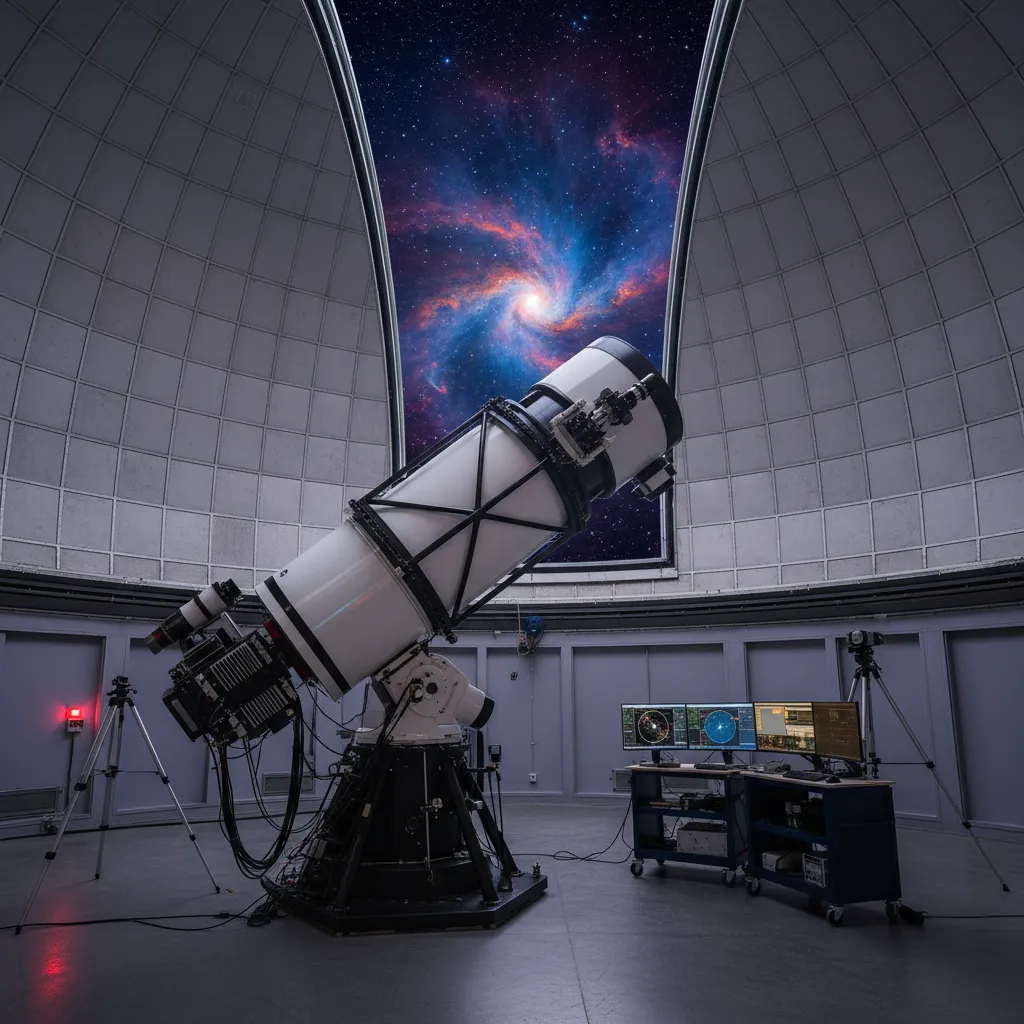
You will have access to 9.25 to 14-inch telescopes. Through these, you won’t just see stars; you will see the Jewel Box cluster, the rings of Saturn, Jupiter’s moons, and the Alpha Centauri system. The Matariki cluster itself is best viewed with binoculars or the naked eye due to its spread, but telescopes reveal the intricate details of surrounding nebulae.
People Also Ask
When is the best time to see Matariki in New Zealand?
The best time to see Matariki is in mid-winter, specifically late June to early July. It appears in the north-eastern horizon shortly before sunrise (pre-dawn). The specific dates for the Matariki public holiday shift annually according to the Maramataka (Māori lunar calendar).
Do I need a telescope to see Matariki?
No, you do not need a telescope. Matariki is an open star cluster visible to the naked eye. In fact, binoculars often provide a better view than high-power telescopes because they allow you to see the entire cluster at once. However, a telescope is useful for viewing individual stars within the cluster.
How much does a stargazing tour in NZ cost?
Prices vary significantly. A basic guided walk might cost around $50-$80 NZD. Premier observatory tours in Tekapo or Mt Cook typically range from $150 to $200 NZD per adult. Private or photography-specific tours can cost upwards of $300 NZD.
Can I see the Southern Lights during a Matariki tour?
It is possible, but not guaranteed. The Aurora Australis is a natural phenomenon dependent on solar activity. However, the winter months (when Matariki is visible) offer the long, dark nights required to see the aurora, especially from southern locations like Stewart Island, Dunedin, or Tekapo.
Is Matariki stargazing suitable for children?
Yes, many operators offer family-friendly tours. However, keep in mind the late hours and very cold temperatures. Some observatories have age restrictions for summit tours (often 5 or 8 years and up), but offer indoor planetarium experiences suitable for all ages.
What happens if it is cloudy on the night of my tour?
If the weather prevents stargazing, most operators will offer a full refund or the option to reschedule. Some larger facilities, like the Dark Sky Project, offer an indoor multimedia experience as an alternative, which showcases the night sky using high-definition projection and storytelling.