
Booking a dark sky sanctuary tour allows visitors to experience the world’s most pristine night skies in protected locations like Aotea Great Barrier Island and Lake Tekapo. These guided experiences provide access to professional telescopes, expert astronomical storytelling, and unparalleled views of the Milky Way, Southern Cross, and Magellanic Clouds.
New Zealand is rapidly becoming the premier destination for astrotourism globally. With its isolated geography and commitment to conservation, the country offers some of the darkest skies on Earth. Whether you are looking to reconnect with the cosmos, celebrate Matariki (the Māori New Year), or simply witness the sheer magnitude of the Milky Way, securing a spot on a professional tour is essential. This guide covers everything you need to know to book a dark sky sanctuary tour in Aotea and Tekapo, ensuring a transformative experience under the stars.
Why Book a Dark Sky Sanctuary Tour?
In an age of increasing light pollution, true darkness is becoming a rare commodity. A Dark Sky Sanctuary is a public or private land that has an exceptional or distinguished quality of starry nights and a nocturnal environment that is protected for its scientific, natural, or educational value, its cultural heritage and/or public enjoyment. New Zealand hosts some of the most prestigious accreditations from the International Dark-Sky Association (IDA).
When you book a dark sky sanctuary tour, you aren’t just paying for a view; you are investing in a curated educational journey. Professional guides provide context to the celestial expanse, pointing out constellations that have guided navigators for centuries. For those interested in the cultural fabric of New Zealand, these tours often integrate Māori astronomy (Tātai Arorangi), explaining how celestial bodies like Matariki signal the changing of seasons and influence daily life.
What is the difference between a Sanctuary and a Reserve?
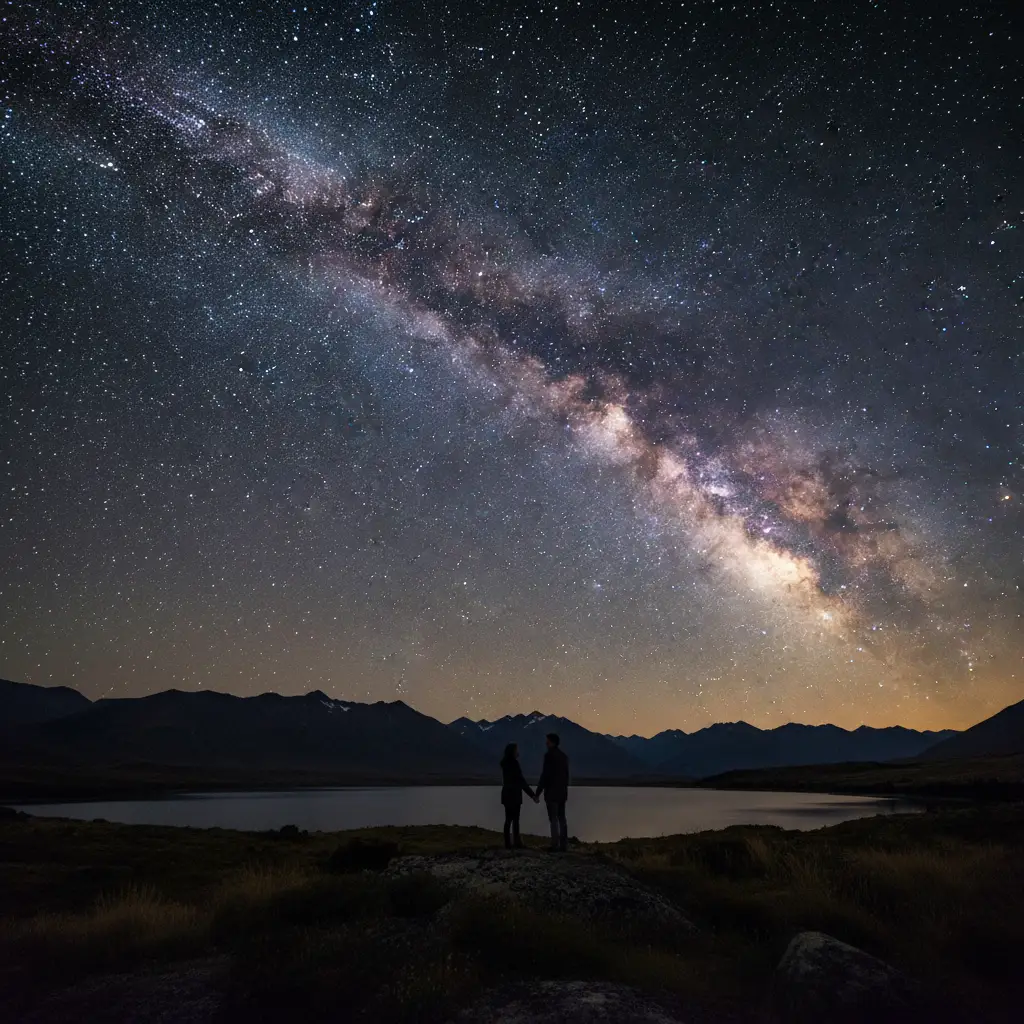
While both designations protect the night sky, they differ in isolation and accessibility. A Dark Sky Reserve, like Aoraki Mackenzie, generally consists of a core area meeting minimum criteria for sky quality and natural darkness, surrounded by a peripheral area that supports dark sky preservation. A Dark Sky Sanctuary, like Aotea Great Barrier Island, is typically situated in a very remote location with few (if any) nearby threats to the quality of its dark night skies. Sanctuaries are designed to increase awareness of these fragile sites and promote their long-term conservation.
Aotea Great Barrier Island: The Sanctuary Experience
Aotea Great Barrier Island was the first island in the world to be designated an International Dark Sky Sanctuary. Located 90 kilometers northeast of Auckland, it is off the grid—literally. There is no reticulated electricity on the island, which naturally minimizes light pollution. This isolation makes it a prime location to book a dark sky sanctuary tour for those seeking tranquility and deep connection with nature.
Top Tour Operators on Aotea
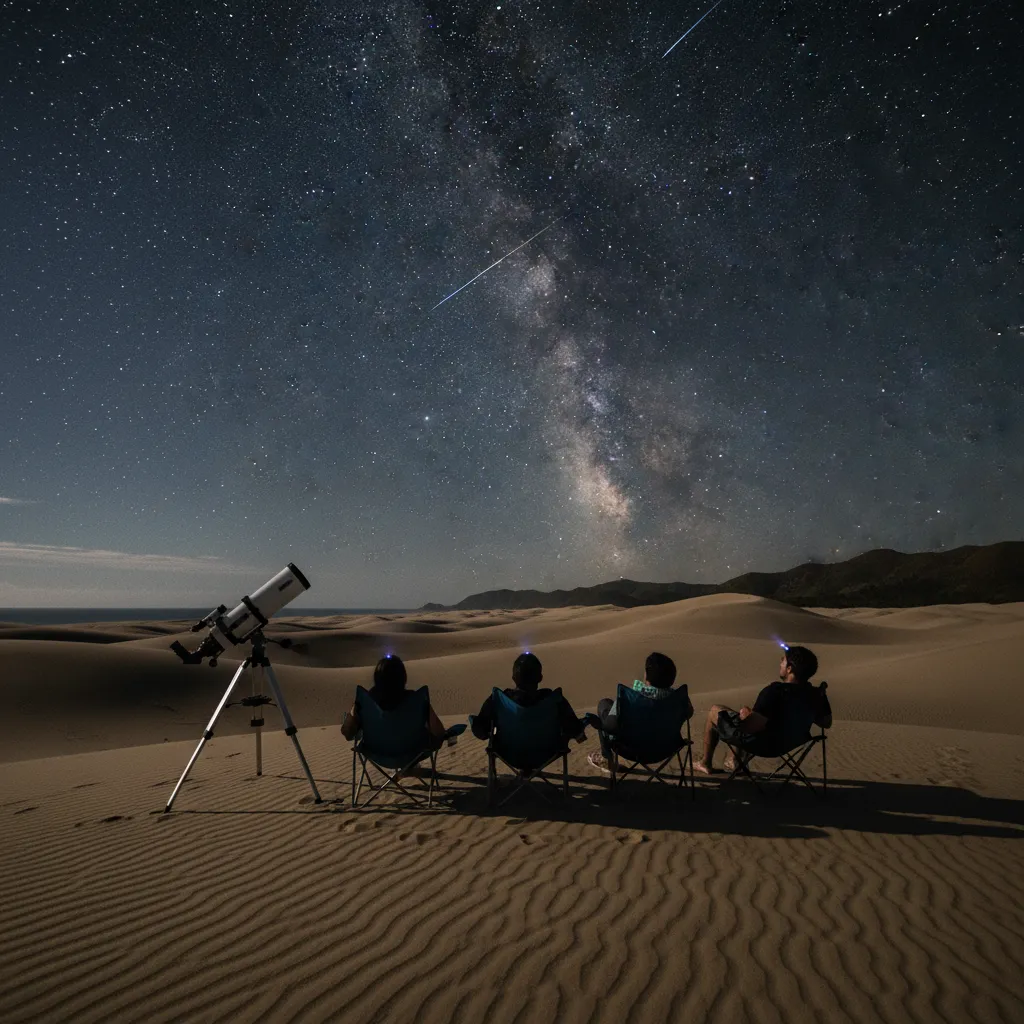
The primary operator on the island is “Good Heavens.” They offer comprehensive stargazing packages that are tailored to the environment. Their experiences are often mobile, taking advantage of the best viewing spots depending on the weather and season. When you book with them, you can expect comfortable moon chairs, hot chocolate or herbal tea, and high-powered telescopes.
Key Highlights of Aotea Tours:
- Intimacy: Small group sizes ensure a personalized experience.
- Off-Grid Atmosphere: The lack of streetlights creates a profound darkness that allows faint stars to pop.
- Ocean Sounds: Many viewing locations are near the coast, adding the soothing sound of waves to the visual spectacle.
Logistics for Aotea
To participate in these tours, visitors must travel by light plane (a 30-minute flight from Auckland) or ferry (4.5 hours). Because the island relies on solar and generator power, the vibe is rustic yet sophisticated. It is crucial to book accommodation well in advance, especially during the summer months and around Matariki, as options are limited.
Tekapo and the Aoraki Mackenzie Dark Sky Reserve
If you prefer an alpine environment, the Aoraki Mackenzie International Dark Sky Reserve is the largest in the Southern Hemisphere. Centered around Lake Tekapo and Aoraki/Mt Cook, this region is the heavyweight champion of New Zealand astrotourism. The infrastructure here is world-class, making it easy to book a dark sky sanctuary tour that fits various budgets and interest levels.
The Dark Sky Project
The Dark Sky Project (formerly Earth & Sky) is the major operator in Tekapo. They offer several distinct experiences:
- Summit Experience (Mt John Observatory): This is the premier tour. Visitors are transported to the top of Mount John, home to New Zealand’s leading astronomical research observatory. The elevation takes you above low-lying mists and offers 360-degree views.
- Crater Experience (Cowan’s Hill): A slightly more sheltered and accessible option, perfect for families. The location is nestled in a purpose-built crater to block out any residual light from the township.
- Dark Sky Experience (Indoor): A daytime multimedia experience that dives into Māori astronomy and the science of the universe. This is an excellent add-on or backup if the weather is poor.
Why Choose Tekapo?
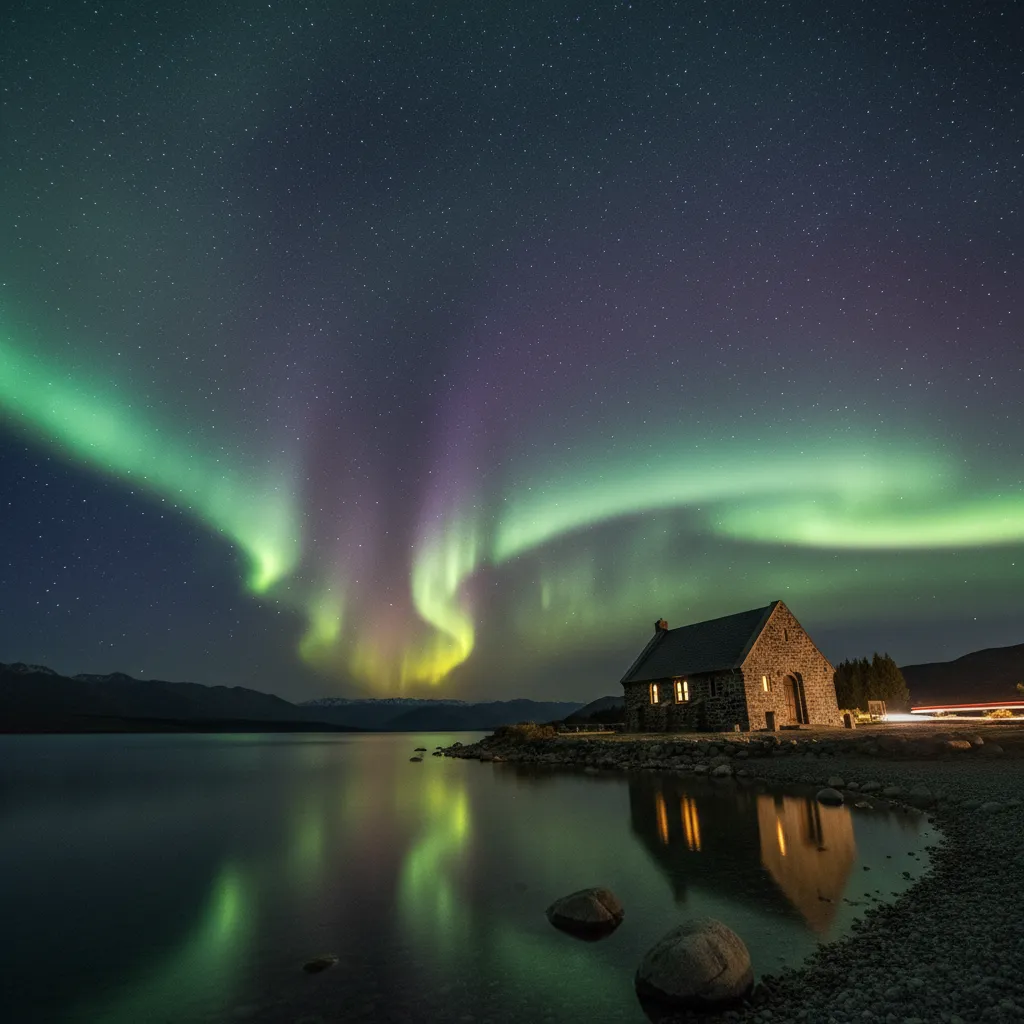
Tekapo offers a blend of luxury and adventure. You can spend the day soaking in the Tekapo Springs and the night exploring the cosmos. The region is also famous for the Church of the Good Shepherd, arguably the most photographed building in the country at night. However, note that the Church area is public; paid tours take you to exclusive, private locations with better equipment and no crowds.
What to Expect on a Guided Astronomy Tour
When you book a dark sky sanctuary tour, you are paying for expertise and technology that goes far beyond the naked eye. Here is a breakdown of the typical experience:
Professional Grade Equipment
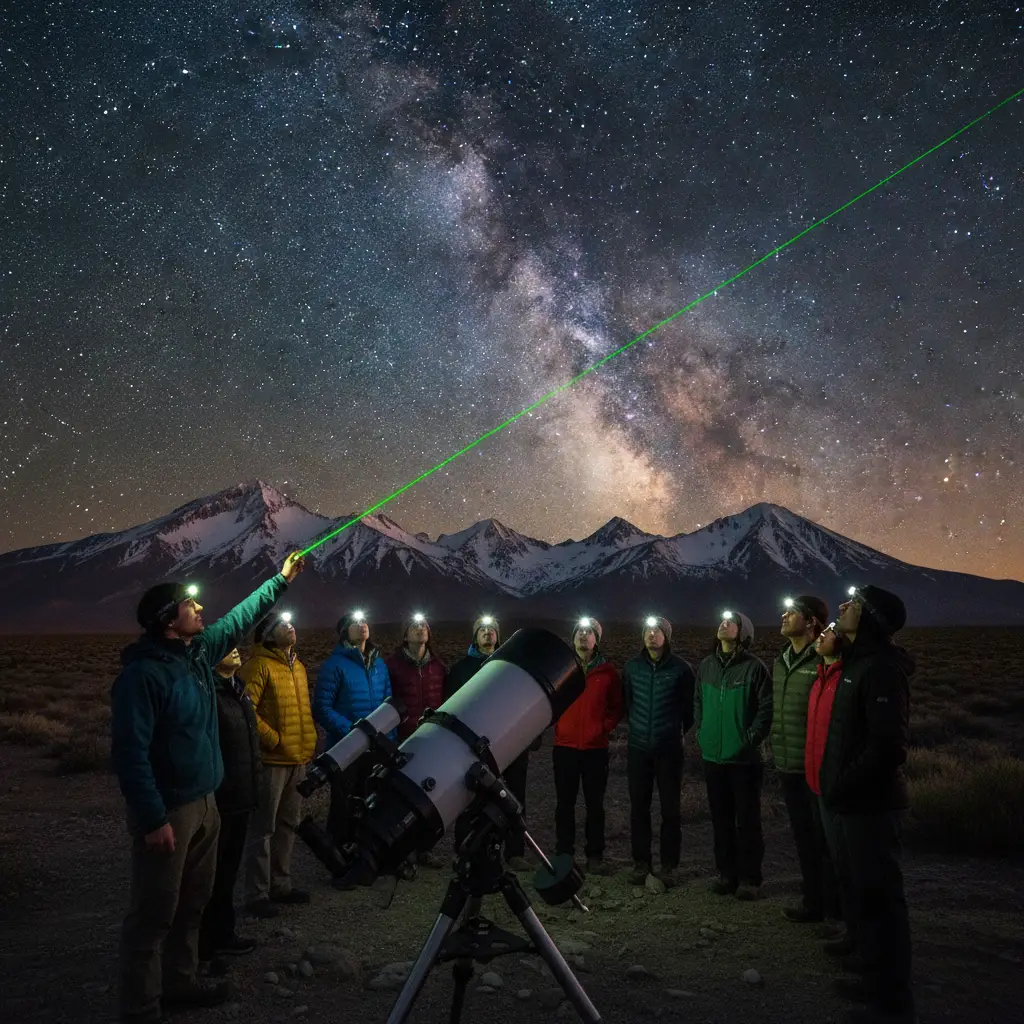
Operators use high-end telescopes, often ranging from 9.25-inch to 14-inch apertures or larger. These instruments can resolve the rings of Saturn, the bands of Jupiter, and deep-sky objects like the Jewel Box cluster or the Tarantula Nebula. Guides will align these telescopes to specific targets, ensuring you see the best celestial highlights available that night.
Storytelling and Navigation
The human element is critical. Guides use high-powered laser pointers to trace constellations across the sky. In New Zealand, this involves a dual narrative: the Western scientific perspective and the indigenous Māori perspective. You will learn how to find South using the Southern Cross (Te Punga) and the Pointers, a vital skill for early navigators.
Astrophotography Opportunities
Many tours offer astrophotography services. Guides are often skilled photographers who can help you adjust your DSLR settings to capture the Milky Way. Some operators, like the Dark Sky Project, will take a professional photo of your group under the stars, which is included in the package or available for purchase.
Matariki and Seasonal Availability
Timing your visit is crucial for the best experience. While tours operate year-round, the visibility of specific objects changes.
Why is Matariki important for dark sky tours?
Matariki is the Māori name for the star cluster known as the Pleiades. Its reappearance in the mid-winter dawn sky marks the Māori New Year. This period (typically June or July) is a time of cultural celebration, reflection, and planning. Booking a tour during the Matariki season offers a deeper cultural resonance. Guides will focus heavily on the significance of these stars, explaining how they were used to predict the harvest and remember those who have passed.
Winter vs. Summer Stargazing
- Winter (June – August): The galactic core of the Milky Way is directly overhead, appearing brightest and most spectacular. The nights are long, allowing for earlier tour times (great for families). However, temperatures can drop well below freezing, especially in Tekapo.
- Summer (December – February): The weather is milder, but true darkness arrives very late (often after 10:30 PM). The orientation of the Milky Way changes, but objects like Orion are prominent.
How to Book and Prepare for Your Tour
Demand for these experiences has skyrocketed. To ensure you don’t miss out, follow these strategic steps when looking to book a dark sky sanctuary tour.
Booking Strategy
- Book in Advance: For peak times (Christmas, Chinese New Year, Matariki), book at least 3 months in advance.
- Check the Moon Phase: The best stargazing occurs during the New Moon phase when the sky is darkest. A Full Moon can wash out fainter stars, though viewing the moon itself through a telescope is spectacular.
- Understand Cancellation Policies: Weather is unpredictable. Most reputable operators offer a full refund or the option to reschedule if cloud cover prevents viewing. Always check the specific terms regarding “weather cancellations” before paying.
What to Wear
Do not underestimate the cold. Standing still while observing through a telescope lowers your body temperature quickly. Even in summer, alpine and island nights can be chilly.
- Thermal Layers: Merino wool base layers are essential.
- Outerwear: A windproof and waterproof down jacket.
- Footwear: Sturdy, closed-toe shoes or boots with warm socks.
- Accessories: Beanies and gloves (preferably fingerless or touch-screen compatible for operating cameras).
By preparing adequately and choosing the right location—be it the rugged isolation of Aotea or the alpine grandeur of Tekapo—you are guaranteed a celestial encounter that will stay with you for a lifetime. The New Zealand night sky is a taonga (treasure); booking a guided tour is the respectful and most rewarding way to experience it.
What is the best time of year to book a dark sky tour in New Zealand?
Winter (June to August) is generally considered the best time for stargazing in New Zealand. The air is crisp and clear, the nights are long, and the galactic core of the Milky Way is most visible overhead. This also coincides with Matariki.
How much does a dark sky sanctuary tour cost?
Prices vary by operator and exclusivity. Standard group tours typically range from $80 to $180 NZD per adult. Private tours or exclusive photography workshops can cost significantly more, often starting around $500 NZD.
Can I see the Southern Lights (Aurora Australis) on these tours?
It is possible, but never guaranteed. The Aoraki Mackenzie Dark Sky Reserve (Tekapo) is far enough south to witness the Aurora Australis during periods of high solar activity. Winter offers the best chances due to longer hours of darkness.
Do I need to bring my own telescope?
No, you do not need to bring your own equipment. When you book a commercial dark sky tour, high-quality telescopes and binoculars are provided by the operator. Guides will set them up and align them for you.
Is Aotea Great Barrier Island or Tekapo better for stargazing?
Both are world-class but offer different experiences. Tekapo offers alpine scenery and a large observatory infrastructure. Aotea offers a remote, island sanctuary experience with warmer temperatures and an off-grid atmosphere. Choose based on your travel itinerary and preferred environment.
What happens if it is cloudy on the night of my tour?
Most operators have a weather policy. If the sky is too cloudy for stargazing, they may offer an indoor educational experience, a partial refund, or the option to reschedule for the following night. Always check the specific operator’s policy before booking.