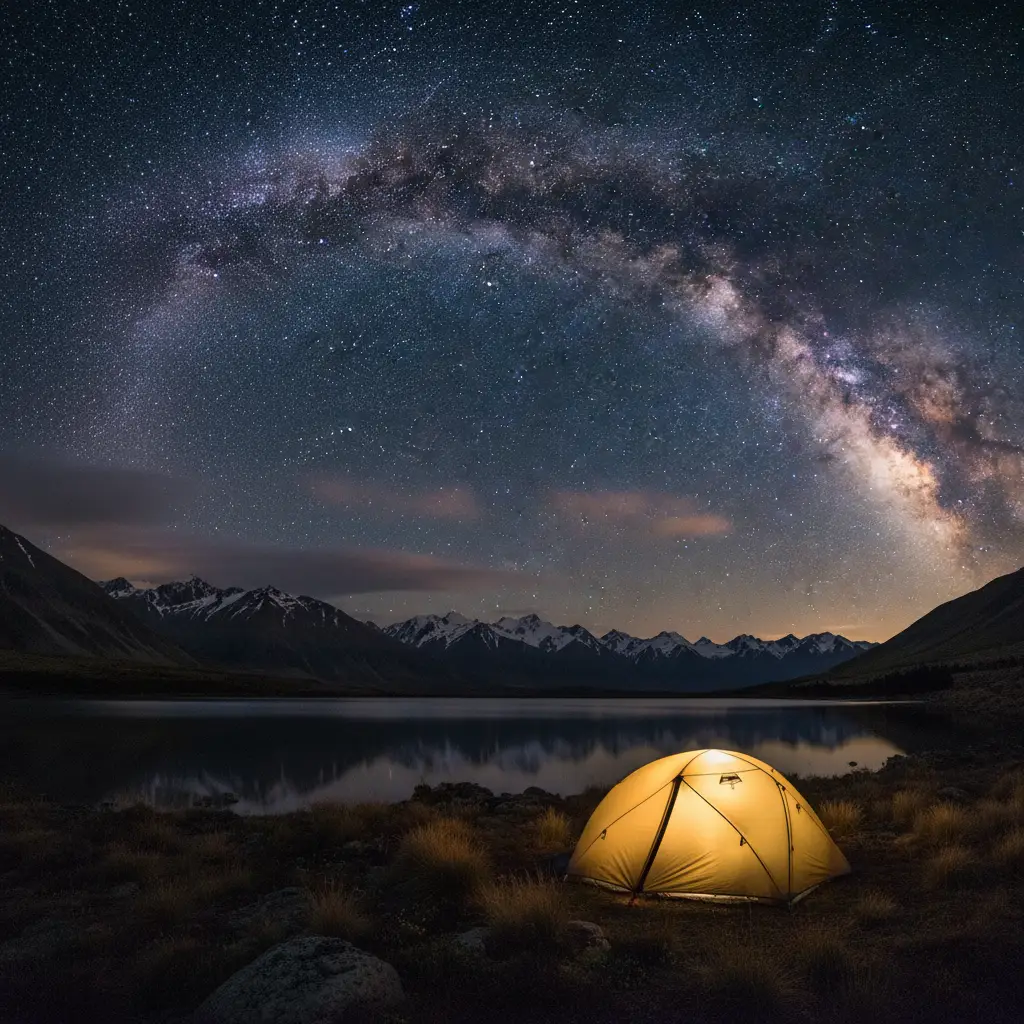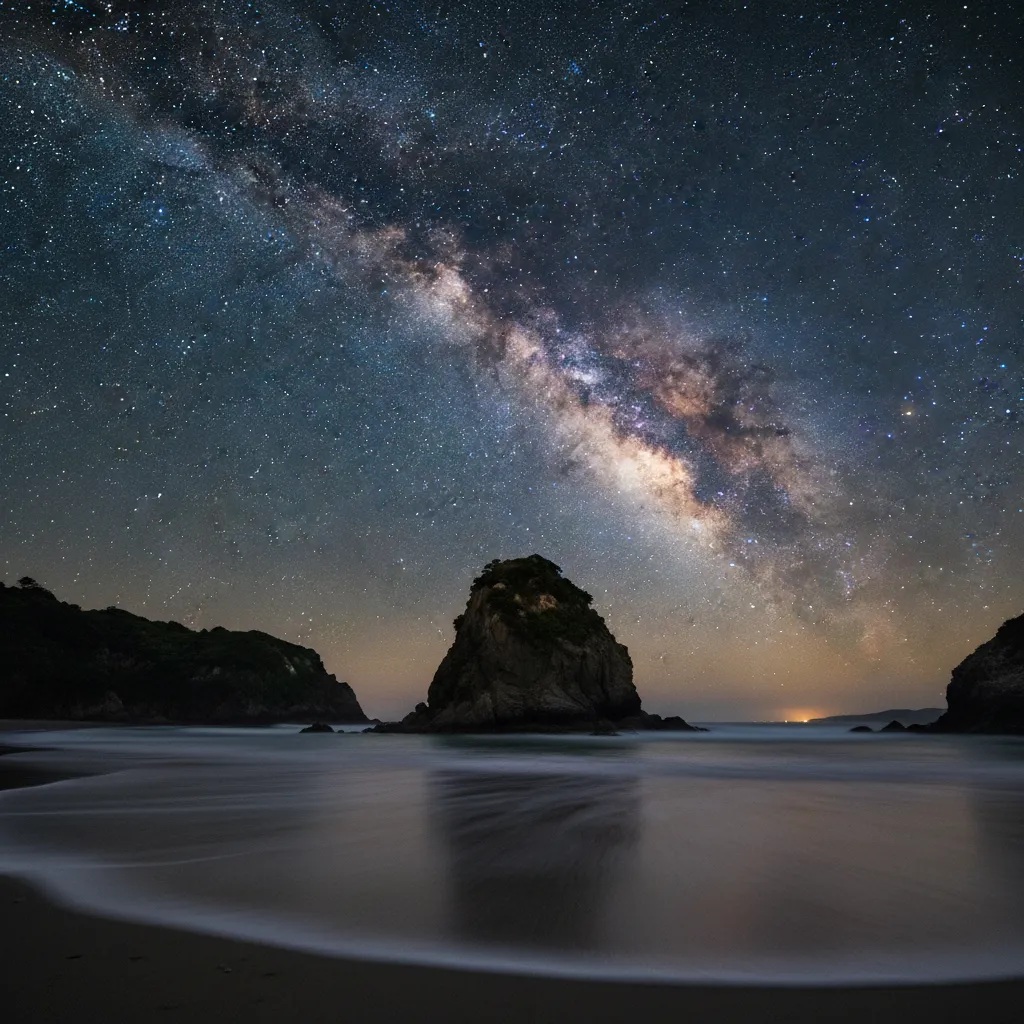
To book a stargazing tour in Wanaka, choose a certified operator specializing in dark sky experiences, such as Wanaka Stargazing or tours based in the Cardrona Valley. These excursions typically include professional guides, high-powered telescope viewing, astrophotography services, and warm refreshments. Booking in advance is essential, particularly during the winter months and Matariki season, to secure your spot under the pristine Southern Hemisphere sky.
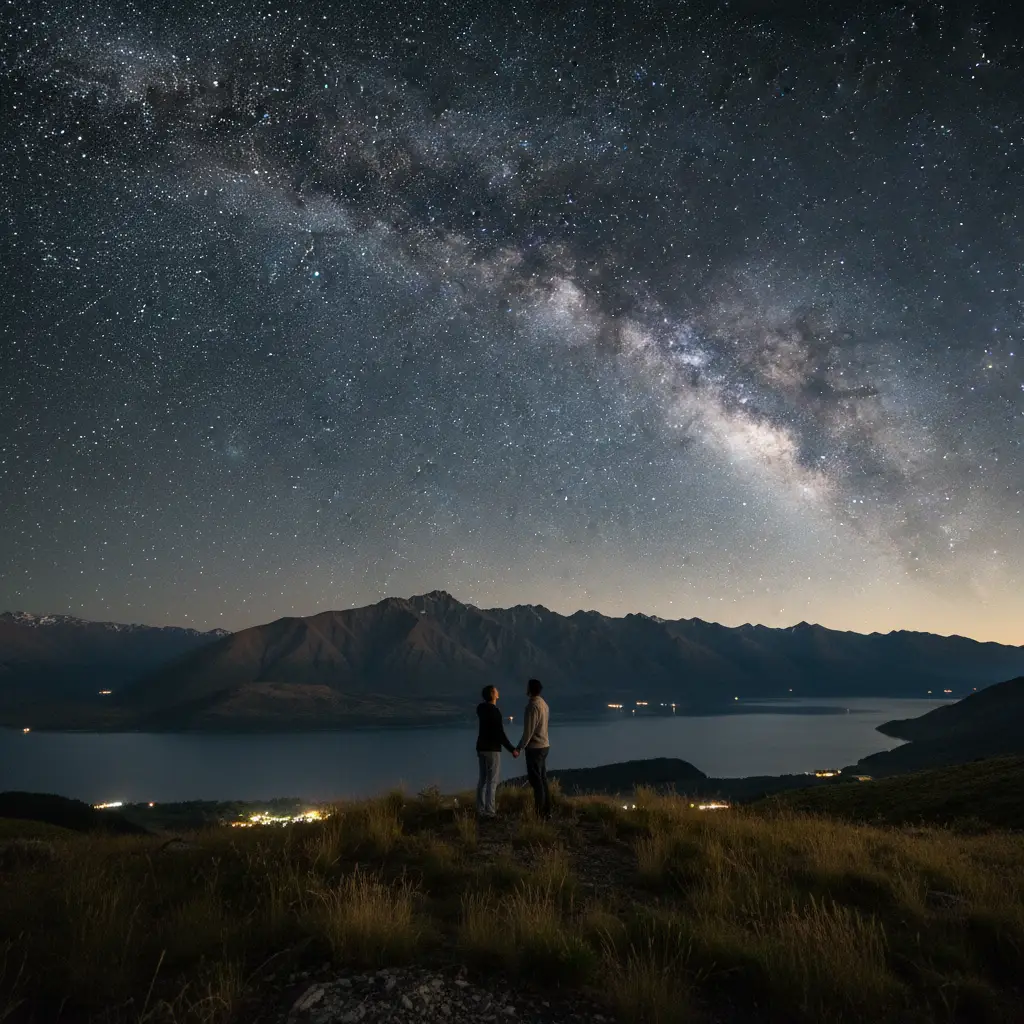
Wanaka, set against the dramatic backdrop of the Southern Alps, offers some of the clearest night skies in New Zealand. While Lake Tekapo is often the first name that comes to mind for astronomy, Wanaka provides an equally spectacular, often more intimate celestial experience. Whether you are a dedicated astronomer or a traveler seeking a romantic evening under the stars, securing a reservation for a guided tour is the most effective way to unlock the secrets of the Southern sky.
Why Book a Stargazing Tour in Wanaka?
New Zealand is rapidly becoming the world’s premier destination for dark sky tourism, and Wanaka is a jewel in this crown. When you book a stargazing tour in Wanaka, you are investing in access to Zone 1 or Zone 2 dark skies, meaning light pollution is virtually non-existent. This allows for the naked-eye visibility of thousands of stars that are otherwise invisible in urban environments.
The Southern Hemisphere Advantage
The primary reason to book a professional tour rather than simply looking up from your hotel balcony is the access to the Southern Sky’s exclusive features. The center of the Milky Way galaxy passes directly overhead in the Southern Hemisphere, offering a density of stars and nebulae that cannot be seen from Europe or North America. Key celestial highlights include:
- The Southern Cross (Crux): The most iconic constellation in the southern skies.
- Alpha Centauri: The closest star system to our solar system.
- The Magellanic Clouds: Two dwarf galaxies orbiting the Milky Way, visible to the naked eye.
- The Jewel Box Cluster: A stunning collection of colorful stars.
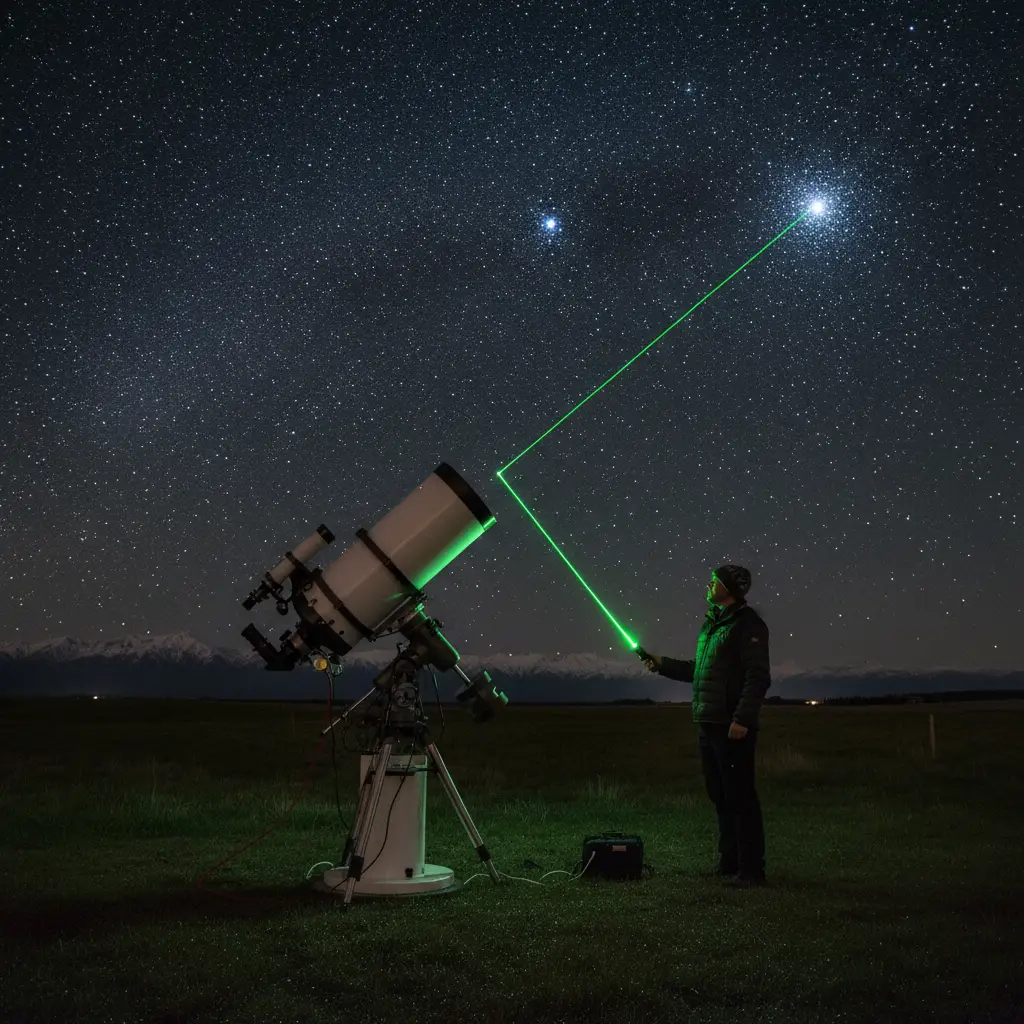
Professional guides are trained to navigate these features using laser pointers and telescope alignment, turning a chaotic blanket of lights into a structured map of the universe.
Comparison of Wanaka Stargazing Operators
When you decide to book a stargazing tour in Wanaka, you generally have two main categories of experiences: dedicated astronomy tours and alpine observatory experiences. Understanding the difference is crucial for satisfying your search intent and getting the experience you desire.
1. Dedicated Wanaka Stargazing Experiences
These operators focus purely on the astronomy aspect. They often drive guests to a secluded location away from the township’s ambient light. The primary focus here is education and observation. They utilize portable but powerful computerized telescopes (often 8-inch or 10-inch Dobsonians or Schmidt-Cassegrains).
Pros: Intimate setting, lower price point, focus on storytelling.
2. Alpine & Cardrona Valley Tours
Located a short drive from Wanaka, the Cardrona Valley offers high-altitude viewing. Some tours operate in conjunction with alpine resorts, taking guests up ski lifts or via 4WD to elevated platforms. The thinner atmosphere at altitude can sometimes provide slightly better clarity.
Pros: Dramatic mountain scenery, unique transport (gondola/4WD), often includes dining options.
Tour Inclusions: What to Expect
Price is not the only factor when you look to book a stargazing tour in Wanaka. The value is often found in the inclusions. A premium tour is designed to be a sensory experience that keeps you comfortable despite the alpine chill.
Optical Equipment
The cornerstone of the tour is the hardware. Top-tier operators provide access to observatory-grade telescopes. You should expect to see the craters of the Moon in high definition, the rings of Saturn (depending on the season), and the bands of Jupiter. Binoculars are often provided for wider field viewing while waiting for the main telescope.
Astrophotography
One of the most sought-after inclusions is a professional photo under the stars. Capturing the Milky Way requires long-exposure settings that smartphone cameras struggle with. Many operators include a digital download of a high-resolution photo of you and your group with the galaxy in the background. When booking, check if this is included in the ticket price or an add-on.
Comfort and Refreshments
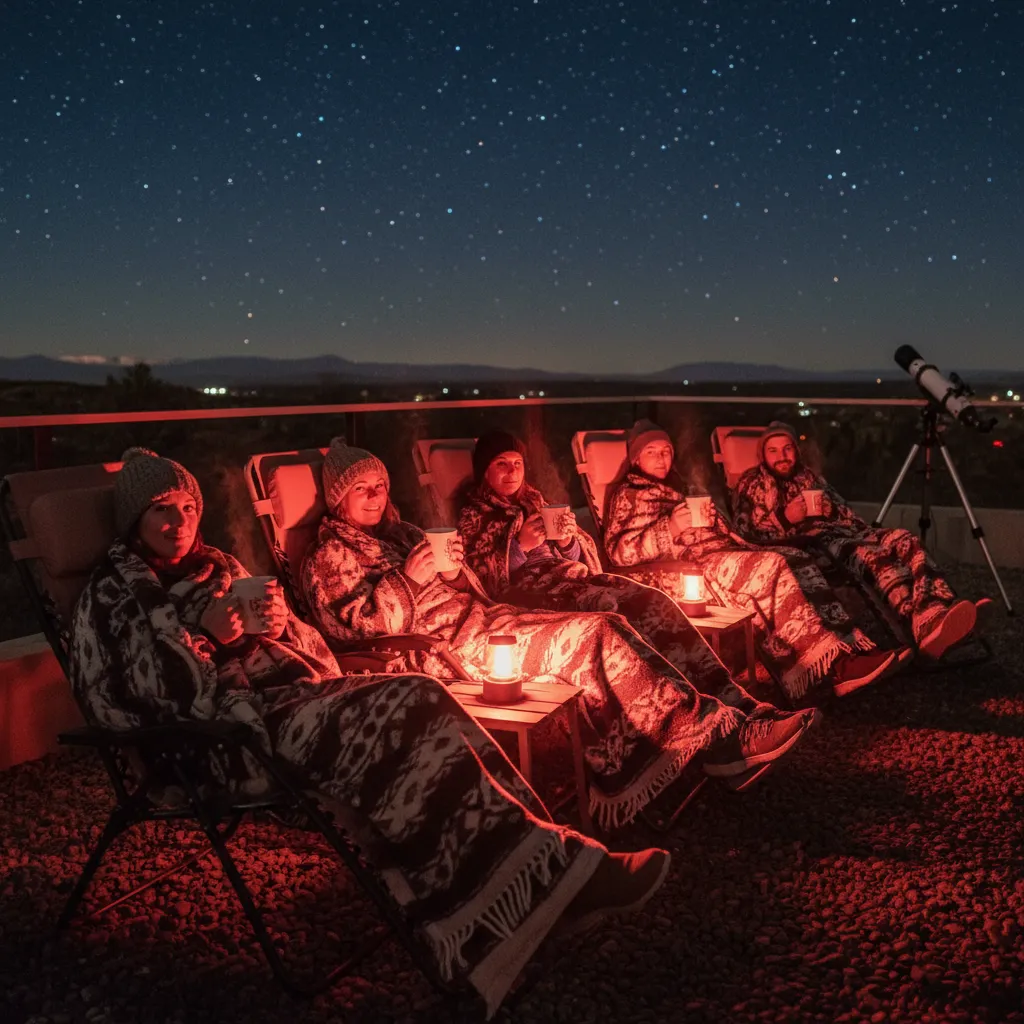
Stargazing involves standing still in temperatures that can drop below freezing, even in shoulder seasons. The best operators provide:
- Hot Chocolate & Mulled Wine: Essential for keeping warm and adding a cozy atmosphere to the night.
- Blankets and Down Jackets: Many tours offer the use of heavy-duty parkas.
- Seating: Reclining chairs allow you to gaze directly up without straining your neck.
Private vs. Group Tour Options
For those ready to book, a critical decision is whether to join a public group or secure a private guide.
Group Tours
Best for: Budget-conscious travelers, solo travelers, and families.
Group tours are social and cost-effective. They usually cap at around 10-15 people to ensure everyone gets adequate time at the telescope. The dynamic often involves a guide giving a group presentation followed by individual viewing time. The cost is generally per person.
Private Tours
Best for: Proposals, serious photography enthusiasts, and VIP experiences.
Booking a private stargazing tour in Wanaka guarantees that the telescope is yours for the night. You dictate the pace. If you want to spend 20 minutes looking at the Orion Nebula, you can. Private tours also allow for more in-depth astrophotography tuition if you have brought your own camera gear. The price is usually a flat rate for the session.
Matariki and Cultural Astronomy
In New Zealand, stargazing is deeply intertwined with Māori culture. When you book a tour, you are likely to hear stories regarding celestial navigation and legends of the gods.
The Rise of Matariki
Matariki is the Māori name for the Pleiades star cluster. Its rising in mid-winter marks the Māori New Year. Tours operating during June and July often have a special focus on Matariki, explaining its significance in agriculture, navigation, and remembrance. This adds a profound cultural layer to the scientific observation, transforming the tour from a physics lesson into a spiritual connection with the land and sky.
How to Book: Pricing and Availability
To successfully book a stargazing tour in Wanaka, timing is everything. The town is a high-demand destination, and operator capacity is limited by the number of telescopes and guides available.
When to Book
Advance Booking: It is recommended to book at least 2-3 weeks in advance, especially for travel dates between June and August (ski season/Matariki) and December to February (summer tourist peak).
Last Minute: While walk-ins are occasionally possible, they are risky. However, because stargazing is weather-dependent, some travelers prefer to book 48 hours out when the weather forecast is more reliable.
Cancellation Policies and Weather
This is the most critical aspect of the transaction. Before you enter your credit card details, read the weather policy. Most reputable operators offer:
- Full Refund: If the operator cancels due to cloud cover.
- Indoor Alternative: Some operators offer a planetarium-style indoor presentation if the sky is cloudy. Ensure you know if you are booking a “weather-dependent” ticket or an “all-weather” ticket. If you strictly want to see real stars, ensure you can get a refund if it’s cloudy.
Typical Pricing Tiers (NZD)
While prices fluctuate, general market rates are as follows:
- Adult Group Ticket: $85 – $130 NZD
- Child Group Ticket: $45 – $75 NZD
- Family Pass: $250 – $350 NZD
- Private Tour: $400+ NZD (per session)
Conclusion
Booking a stargazing tour in Wanaka is more than just a transaction; it is a ticket to one of the most humbling experiences in nature. Whether you are sipping hot chocolate while listening to Māori legends or gazing through a telescope at a galaxy millions of light-years away, the memories created under the Wanaka sky are indelible. Ensure you check the lunar calendar (New Moon is best for deep sky objects), dress warmer than you think necessary, and book early to secure your window to the universe.
People Also Ask
Is stargazing better in Wanaka or Tekapo?
Both locations offer world-class dark skies within the Mackenzie Basin region. Tekapo is part of the Aoraki Mackenzie International Dark Sky Reserve and is more famous, often resulting in larger crowds. Wanaka offers a similar quality of darkness but often provides a more intimate, less commercialized experience with equally stunning alpine backdrops.
Can you see the Southern Lights from Wanaka?
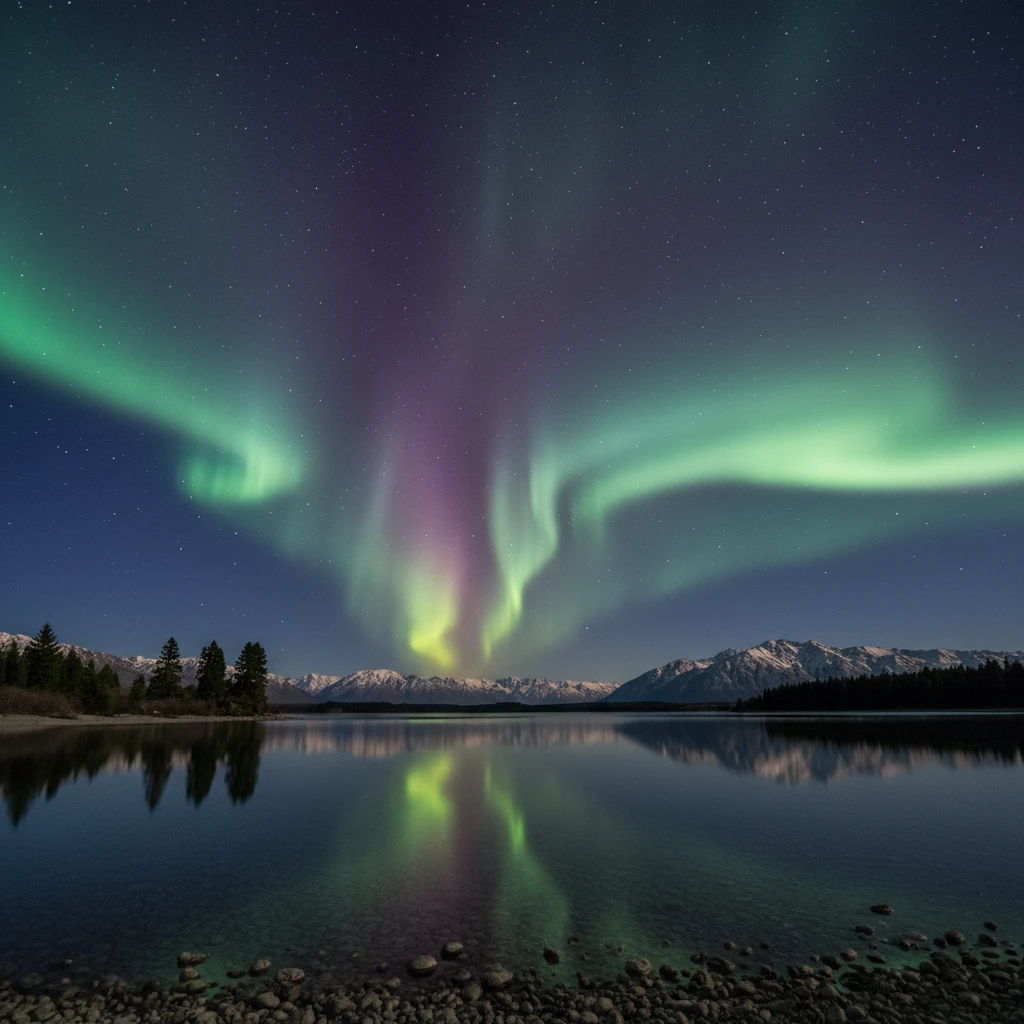
Yes, it is possible to see the Southern Lights (Aurora Australis) from Wanaka, particularly during the winter months (May to August) when solar activity is high. However, auroras are natural phenomena and cannot be guaranteed. Stargazing tours focus on constant celestial bodies, with an aurora being a lucky bonus.
What is the best time of year for stargazing in Wanaka?
Winter (June to August) is generally considered the best time because the nights are longest, and the air is crisp and clear, providing excellent visibility. This also coincides with the rise of Matariki. However, stargazing is a year-round activity, and summer offers warmer temperatures for standing outside.
How much does a stargazing tour cost in Wanaka?
Standard group tours typically range from $85 to $130 NZD per adult. Children’s tickets are usually cheaper, and family passes are available. Private tours are significantly more expensive, often starting around $400 NZD depending on the duration and exclusivity.
Do stargazing tours operate in cloudy weather?
Most operators will cancel and refund the tour if visibility is poor, as the experience relies on clear skies. However, some operators have indoor planetarium facilities or virtual reality alternatives. Always check the specific cancellation policy regarding weather before booking.
Is stargazing suitable for children?
Yes, stargazing is a fantastic educational activity for children. Most operators welcome children, though some may have a minimum age limit (often 5 or 6 years old) due to the late hours and the need for patience and quiet. It is essential to dress children very warmly as they feel the cold faster than adults.