
Traditional kai workshops are immersive educational experiences in New Zealand where participants learn customary Māori food preparation techniques. These hands-on sessions cover tikanga (protocols) for harvesting, rongoā (medicinal plants) foraging, hāngī earth oven cooking, and kaimoana (seafood) preservation, connecting learners deeply with the whenua (land) and indigenous culinary heritage.
As Matariki rises and the New Zealand seasons shift, the demand for authentic cultural experiences has never been higher. Participating in traditional kai workshops offers more than just a cooking lesson; it is an invitation to understand the spiritual and physical connection Māori have with the environment. Whether you are looking to master the art of the hāngī pit in the North Island or identify edible ferns in the native bush, these workshops provide the transactional gateway to cultural competency and culinary delight.
Why Book a Traditional Kai Workshop?
Food, or kai, is the cornerstone of Māori hospitality, known as manaakitanga. To feed someone is to honor them, and the preparation of that food is steeped in history, science, and protocol. In 2024, as New Zealanders and international visitors alike seek deeper connections with Aotearoa, traditional kai workshops have evolved from simple demonstrations into comprehensive, multi-day wānanga (learning forums).
These workshops are particularly poignant during Matariki (the Māori New Year). This is a time for remembering those who have passed, celebrating the present, and planning for the future—often centered around the harvest. Booking a workshop during this season ensures you are participating in a living, breathing cultural cycle.
Hands-on Hāngī Workshops in the North Island
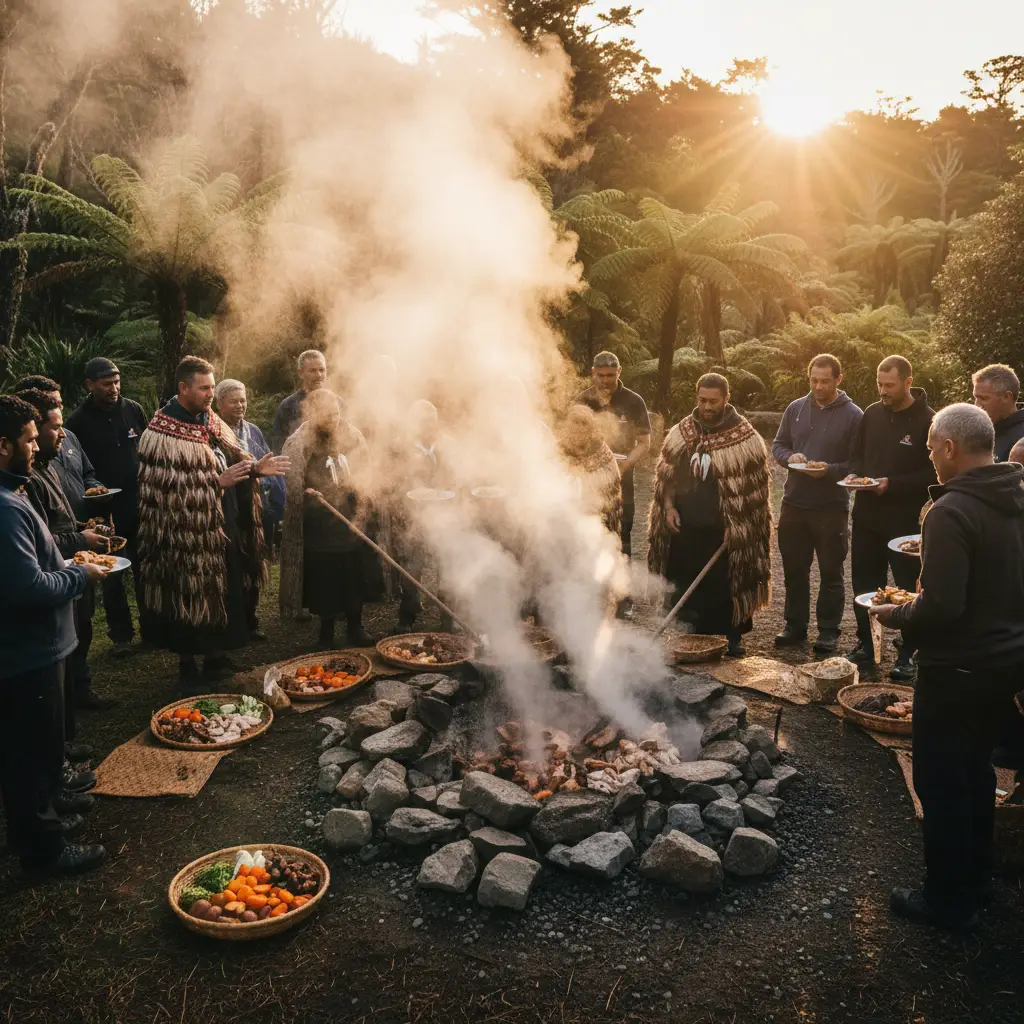
The hāngī is perhaps the most iconic method of Māori cooking, yet few people understand the technical precision required to execute it successfully. It is not merely “cooking in the ground”; it is an engineering feat involving thermal mass, steam regulation, and timing.
What Will You Learn in a Hāngī Workshop?
Most reputable workshops in the North Island—particularly in regions like Rotorua, Northland, and the Bay of Plenty—will take you through the entire lifecycle of the hāngī:
- Digging the Pit: Understanding soil types and dimensions required for the number of manuhiri (guests).
- Selecting the Stones: Not all rocks are suitable. You will learn to identify volcanic stones that can withstand intense heat without exploding.
- The Fire (Ahi): Techniques for stacking timber to heat the stones to optimum temperature (often until they are white-hot).
- Basket Packing: The art of layering meats (pork, mutton, chicken) and vegetables (kūmara, pumpkin, potato, cabbage) to ensure even cooking.
- Covering: The critical step of trapping the steam using wet sacks and soil.
Top Locations for Hāngī Experiences
The geothermal regions of the central North Island offer unique variations, including steam cooking using natural vents. However, traditional earth-pit hāngī workshops are best sourced through local Marae interactions or cultural eco-tourism providers in Northland (Te Tai Tokerau), where the practice remains a weekly staple for many communities.
Foraging for Rongoā and Edible Plants
New Zealand’s native bush is a pantry and a pharmacy if you know where to look. Foraging workshops focus on mahinga kai (food gathering places) and the identification of native flora for both sustenance and healing (rongoā).
Identifying Edible Natives
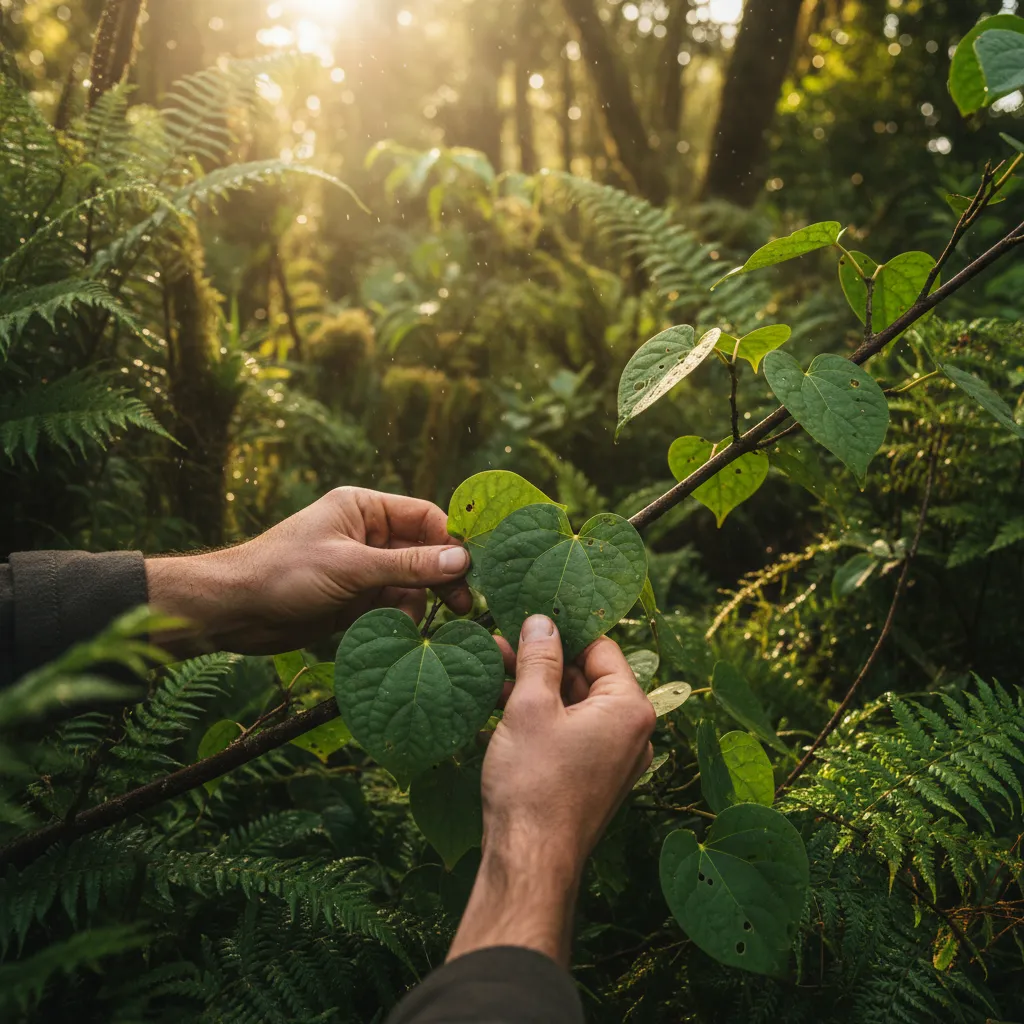
A guided foraging walk is essential for safety and conservation. You cannot simply walk into a reserve and take what you please; kaitiakitanga (guardianship) teaches us to take only what is needed and ensure sustainability. Key plants often covered include:
- Pikopiko: The curled fronds of specific ferns, often described as ‘bush asparagus’.
- Kawakawa: Distinguished by its heart-shaped leaves (often with holes eaten by the looper moth, which indicates potency), used for tea and balms.
- Horopito: The ‘pepper tree’, used as a spicy seasoning for meats.
- Karengo: A type of seaweed harvested on the coast, high in nutrients.
The Rongoā Component
Many traditional kai workshops overlap with Rongoā Māori. Here, the focus shifts to the medicinal properties of the plants. You will learn how to prepare distinct balms, tonics, and poultices. Instructors emphasize the spiritual aspect of harvesting, including the recital of karakia (prayer) before cutting any plant life, acknowledging Tāne Mahuta (god of the forest).
Seafood Preparation and Preservation Classes
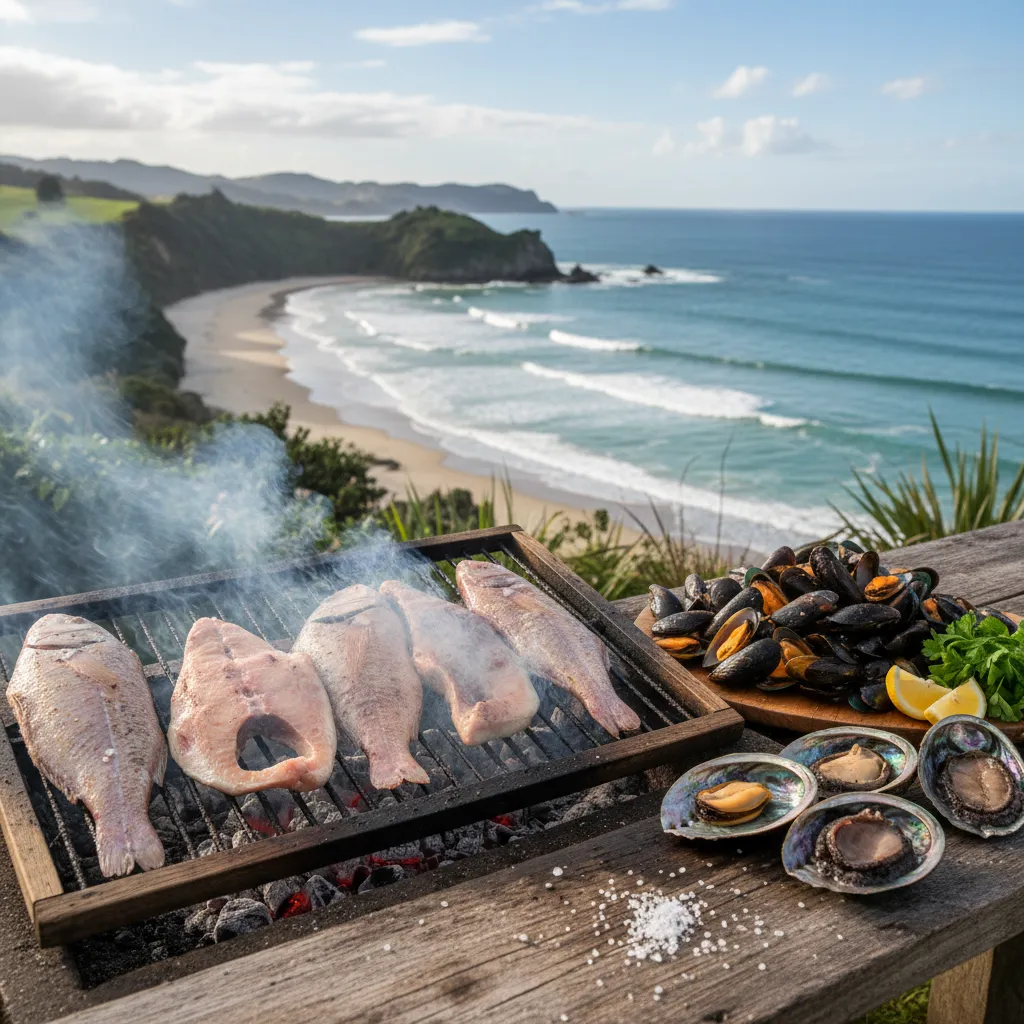
For an island nation, the ability to harvest and preserve seafood (kaimoana) is a vital survival skill and cultural touchstone. These workshops are often held in coastal regions like the Coromandel, East Coast, and Nelson.
Smoking and Drying Techniques
Preservation extends the shelf life of the catch and enhances flavor. Workshops typically cover:
- Ika (Fish) Smoking: Learning the difference between hot and cold smoking. Participants learn to brine fish (using brown sugar and salt mixes) and select the right wood chips (mānuka or pōhutukawa) for the smoker.
- Drying: Traditional sun-drying or wind-drying techniques for species like shark or eels (tuna).
- Raw Fish (Ika Mata): The preparation of raw fish marinated in citrus and coconut cream, balancing acidity and texture.
Sustainable Harvesting Protocols
Crucially, these sessions educate participants on the legal and customary limits of gathering. You will learn about measuring catch sizes, returning undersized shellfish to the ocean correctly, and respecting rāhui (temporary bans) placed on areas to allow stocks to replenish.
Booking Links and Seasonal Sessions for 2024
To secure your place in a traditional kai workshop for the 2024 season, it is recommended to book well in advance, especially for sessions coinciding with Matariki (June/July). Below is a guide to the types of providers offering these transactional experiences.
1. Wānanga and Marae-Based Courses
Many local marae run community education classes. These are often the most authentic and affordable options.
- How to book: Check the Facebook pages of local Marae or search for “Community Education [Region] Kai Workshop”.
- Best for: Deep cultural immersion and community connection.
2. Eco-Tourism and Cultural Tours
Commercial operators provide polished, half-day or full-day experiences ideal for travelers.
- Providers to search for: Look for “Kapiti Island Nature Tours” (often include food components), “Rotorua Cultural Experiences”, or “Napier Māori Tours”.
- Best for: Convenience, transport inclusion, and English-language detailed explanations.
3. Rongoā Specialists
Specific practitioners often run weekend retreats focusing solely on plants and food medicine.
- Seasonal note: Spring and Summer are peak times for plant identification, though some root/bark harvesting happens in Autumn.
- Best for: Those specifically interested in health, wellness, and botany.
Checklist Before Booking
Before you commit to a transaction, ensure you check the following:
- Dietary Requirements: Traditional kai can be meat-heavy; check if vegetarian options are available for the hāngī.
- Physicality: Foraging walks can involve off-track hiking. Ensure the difficulty level matches your fitness.
- Tikanga: Ask if there is a pōwhiri (welcome ceremony) so you can dress appropriately and prepare.
People Also Ask (PAA)
What foods are typically cooked in a Hāngī?
A traditional hāngī usually includes meats such as pork, mutton, lamb, and chicken, alongside root vegetables like kūmara (sweet potato), potato, pumpkin, and carrots. Stuffing and cabbage are also common additions, all taking on a distinct smoky, earthy flavor from the hot stones and soil.
How much do traditional kai workshops cost in NZ?
Prices vary significantly based on the provider. Community-based marae workshops may cost between $50-$100 NZD to cover ingredient costs. Commercial full-day eco-tourism experiences involving foraging, cooking, and dining can range from $250 to $450 NZD per person.
Is it safe to forage for food in New Zealand forests?
While many plants are edible, New Zealand also has poisonous plants (like Tutu) that can be fatal if ingested. It is critical to never forage without expert guidance or confirmed identification. Participating in a guided workshop is the safest way to learn.
Can children participate in kai workshops?
Yes, most workshops are family-friendly and encourage intergenerational learning. However, hāngī preparation involves hot stones and heavy lifting, so supervision is required. Foraging walks are generally excellent for children, fostering an early appreciation for nature.
What is the difference between Rongoā and Kai?
Kai refers specifically to food for sustenance (eating). Rongoā refers to Māori medicine, which can include plant-based remedies (rongoā rākau), massage (mirimiri), and spiritual healing. While some plants like Kawakawa are used in both, the intent and preparation methods differ.
Do I need to speak Māori to attend these workshops?
No, you do not need to be fluent in Te Reo Māori. Instructors are accustomed to teaching people from all backgrounds. However, learning a few key words and being open to the cultural protocols will greatly enhance your experience.