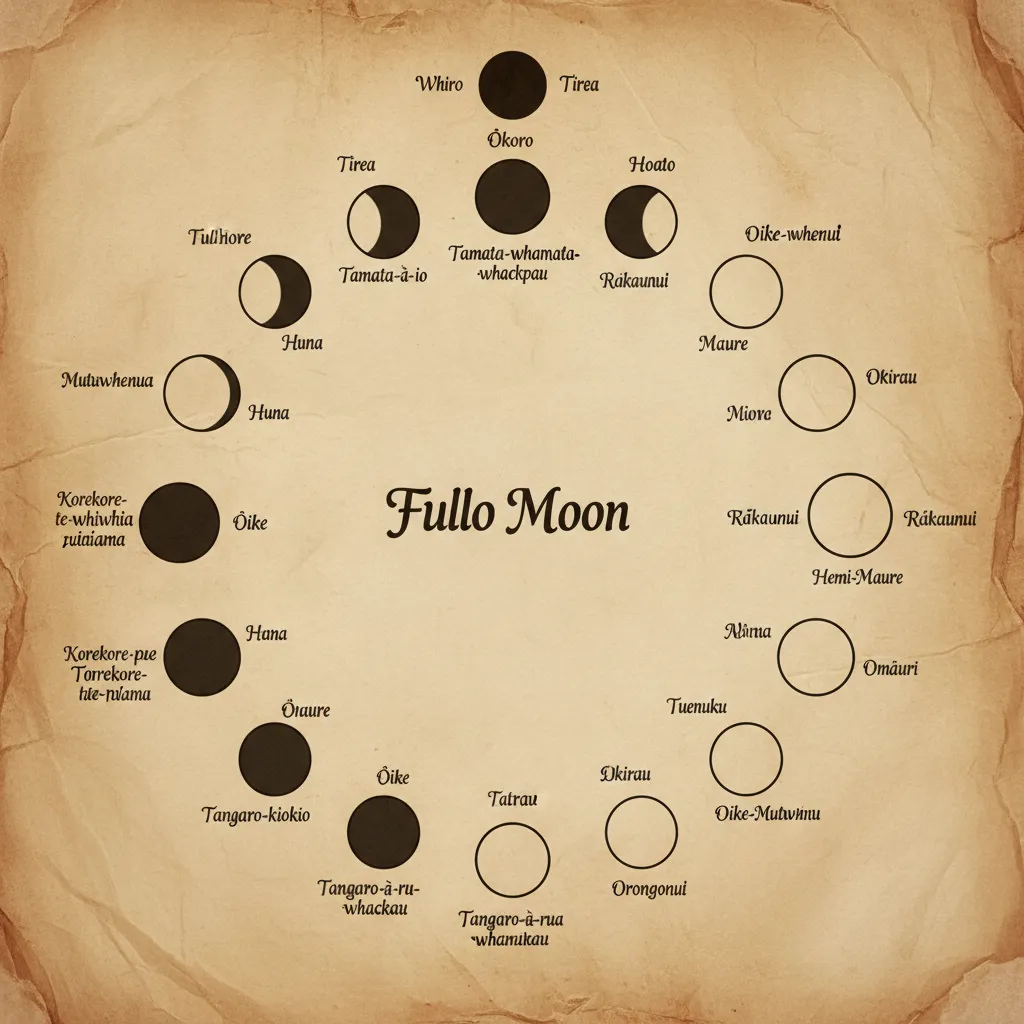
To buy a Maramataka calendar for the 2024/2025 cycle, prioritize purchasing directly from authentic Māori creators and verified retailers such as Living by the Stars, Awhi Company, or the Te Papa Store. These calendars typically run from Matariki (June/July) to the following Matariki, aligning with the lunar year rather than the Gregorian January start.
As the resurgence of indigenous knowledge continues to shape Aotearoa New Zealand’s cultural landscape, the demand for authentic Maramataka resources has skyrocketed. Whether you are a gardener, a fisherman, a student of mātauranga Māori, or simply someone seeking a deeper connection to the natural rhythms of the environment, finding the right lunar planner is essential. This guide covers everything you need to know to buy the perfect Maramataka calendar for the upcoming year.
Top Rated Maramataka Calendars for 2024/2025
When looking to buy a Maramataka calendar, it is crucial to understand that you are not just purchasing a date keeper; you are acquiring a system of time that observes the energy levels of the earth and the moon. Unlike standard solar calendars, Maramataka planners are often released mid-year to coincide with the rising of Matariki (the Pleiades) or Puanga (Rigel), marking the Māori New Year.
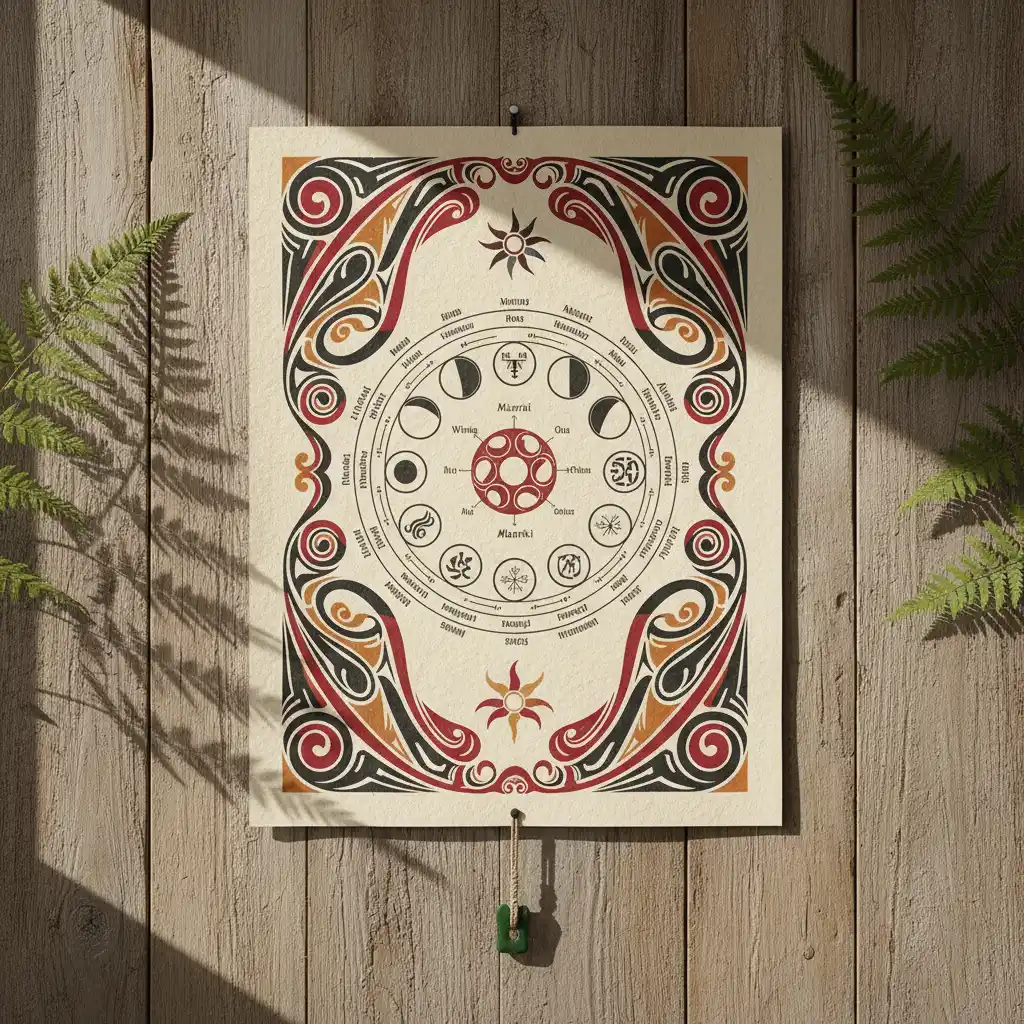
1. Living by the Stars (Dr. Rangi Matamua)
Widely considered the gold standard in modern Maramataka revitalisation, products from Living by the Stars are grounded in the extensive research of Professor Rangi Matamua. His planners are excellent for those who want scientific accuracy combined with traditional knowledge. They typically feature detailed explanations of the phases and are ideal for educational purposes.
2. Awhi Company
For those seeking aesthetic beauty combined with functionality, Awhi Company produces stunning resources. Their Maramataka journals are particularly popular among professionals and students. They often include spaces for reflection, gratitude (whakawhetai), and energy tracking, making them more than just a calendar—they are a tool for hauora (well-being).
3. The Moon Journal (Tuhi Stationery)
Tuhi Stationery offers a range of bi-lingual planners that are perfect for learners of Te Reo Māori. Their layouts are intuitive, allowing users to track their energy levels alongside the moon’s cycle. Buying from Tuhi supports a business dedicated to normalizing Māori language in everyday office and home environments.
4. Local Iwi Dial Charts
It is important to note that Maramataka can vary slightly between iwi (tribes) based on geography and horizon lines. Many local marae or iwi trusts sell dial charts (visual wheels) that are specific to their region (rohe). If you are deeply connected to a specific area, look for a local variation to ensure your fishing and planting times align perfectly with your local environment.
Books and Resources for Beginners
If you decide to buy a Maramataka calendar, you may find yourself needing a companion guide to interpret it fully. The calendar tells you what phase it is, but a good book will tell you how to utilize that phase for maximum productivity or rest.
Essential Reading
- “Matariki: The Star of the Year” by Dr. Rangi Matamua: This is the definitive text on the subject. It debunks myths and provides a deep historical context. It is an essential purchase alongside your calendar.
- “Living by the Moon” (Te Whānau Mārama): Various authors have contributed to this space. Look for guides that offer practical advice on gardening (māra kai) and fishing (hī ika) in accordance with the lunar pull.

Understanding the Key Phases
When you buy your calendar, look for these critical high-energy and low-energy phases:
- Whiro (New Moon): Generally a time for low energy, reflection, and planning. It is often considered a bad time for planting or fishing.
- Rakaunui (Full Moon): High energy. A time for action, high productivity, and community gathering.
- Tangaroa Phases: Excellent for fishing and productivity.
- Korekore Phases: ‘Kore’ implies nothingness or void. These are days to rest, refrain from major activity, and conserve energy.
Supporting Indigenous Creators: Why It Matters
As the popularity of Matariki and the Maramataka grows, the market has seen an influx of mass-produced items that may lack cultural integrity. When you search to “buy Maramataka calendar,” the most critical action you can take is to verify the source.
The Importance of Whakapapa (Lineage)
Authentic Maramataka are created by those with whakapapa (genealogy) to the knowledge. This ensures that the information presented is respectful, accurate, and that the profits return to Māori communities. Cultural appropriation in this niche is a real concern; buying cheap knock-offs from overseas marketplaces often results in acquiring calendars with incorrect phases or misappropriated art.
How to Verify Authenticity
- Check the ‘About Us’: Does the creator identify their iwi or hapū?
- Look for the ‘Toi Iho’ Mark: This is a registered trademark used to verify authentic Māori art and products, though not all authentic creators use it.
- Buy Local: Purchase from NZ-based stores like The Poi Room, Te Papa Store, or directly from the artist’s website.

Digital Apps vs. Physical Planners
In 2025, the choice between analog and digital is more relevant than ever. Should you buy a physical Maramataka calendar or subscribe to an app?
Physical Planners: Connection and Tactility
Pros:
Physical planners serve as a visual anchor in your home or office. The act of writing down intentions during the Whiro phase creates a stronger cognitive commitment. They also serve as beautiful pieces of art that celebrate Māori design.
Cons:
They are static. If you travel to a different region, the phase timing might shift slightly, which a static calendar cannot adjust for.
Digital Apps: Precision and Portability
Pros:
Apps can adjust the Maramataka based on your GPS location, offering precise phase times for fishing and tides. They often send notifications for phase changes, which is helpful for beginners.
Cons:
They increase screen time, which can be counter-intuitive if your goal is to reconnect with nature. Many users find a hybrid approach works best: a physical wall planner for the “big picture” and an app for daily specifics.
Maramataka and NZ Dark Sky Tourism
The Maramataka is intrinsically linked to the night sky. Consequently, there is a booming synergy between buying these calendars and the Dark Sky tourism sector in New Zealand. Aotearoa is home to some of the darkest skies in the world, including the Aoraki Mackenzie International Dark Sky Reserve and the Aotea / Great Barrier Island Dark Sky Sanctuary.
Enhancing the Experience
Tourists and locals alike are now buying Maramataka calendars to plan their trips to these sanctuaries. Visiting a Dark Sky reserve during Whiro (New Moon) ensures the darkest skies and the best visibility for stargazing. Conversely, visiting during Rakaunui (Full Moon) might wash out the stars but provides a spectacular moonlit landscape.
Many Dark Sky tourism operators are now incorporating Maramataka storytelling into their tours. Bringing your own calendar or guide allows you to actively participate in identifying the nightly phases and stars, transforming a passive tour into an active cultural learning experience.
Planning Your 2025 Trip
If you are planning a trip to Tekapo, Stewart Island, or Aotea in 2025, buy a Maramataka calendar first. Use it to select your travel dates. Avoid the high-energy, bright-moon nights if deep space photography is your goal. Aim for the Korekore phases for rest and relaxation in these pristine environments.
Frequently Asked Questions
What is the best Maramataka calendar for gardening?
The best Maramataka for gardening is one that specifically highlights the planting days. Look for calendars that distinguish between days good for root vegetables versus above-ground crops. The ‘Living by the Stars’ series often provides excellent environmental cues for planting (māra kai).
When does the Maramataka year start?
The Maramataka year typically begins with the first new moon after the rising of Matariki (the Pleiades) or Puanga (Rigel) in the pre-dawn sky, which usually occurs in June or July of the Gregorian calendar.
Can I use a Maramataka calendar outside of New Zealand?
While the principles of lunar phases (energy levels) apply globally, the specific ecological indicators (flowering of trees, migration of fish) are specific to Aotearoa New Zealand. You may need to adapt the environmental observations to your local hemisphere and season.
Where can I buy a Maramataka calendar online?
You can buy them online from authentic retailers such as the Awhi Company website, Tuhi Stationery, the Te Papa Museum online store, or directly from artist websites like Living by the Stars.
Is the Maramataka the same as a horoscope?
No. While both involve celestial bodies, Maramataka is an environmental and time-keeping system used for survival, agriculture, and resource management, based on generations of empirical observation, rather than personality prediction.
Do Maramataka calendars differ between tribes?
Yes. Different iwi (tribes) may have variations in the names of the moon phases or the specific days they occur, based on their specific geographical location and horizon lines.