
To buy Matariki books in NZ, prioritize specialized retailers like Huia Publishers, Whitcoulls, or independent local bookstores such as Unity Books. For authentic merchandise and art, look for the Toi Iho trademark or purchase directly from indigenous creators at galleries and museum stores to ensure cultural integrity and support the Māori economy.
Matariki, the Māori New Year, is a time of renewal, remembrance, and celebration in Aotearoa New Zealand. As this public holiday grows in significance, so does the demand for high-quality educational resources and culturally significant items. Whether you are a teacher looking to outfit a classroom, a parent wanting to introduce your children to the stars, or an art collector seeking indigenous works, knowing where to shop is crucial. This guide focuses on how to buy Matariki books NZ wide, identify authentic art, and source the best merchandise to celebrate this special time of year.
Top Children’s Books About Matariki
When looking to buy Matariki books NZ retailers offer an impressive selection of literature that bridges the gap between ancient pūrākau (legends) and modern understanding. Books are the primary vehicle for transmitting the knowledge of Matariki to the next generation. They provide context, language acquisition opportunities, and beautiful imagery that brings the star cluster to life.
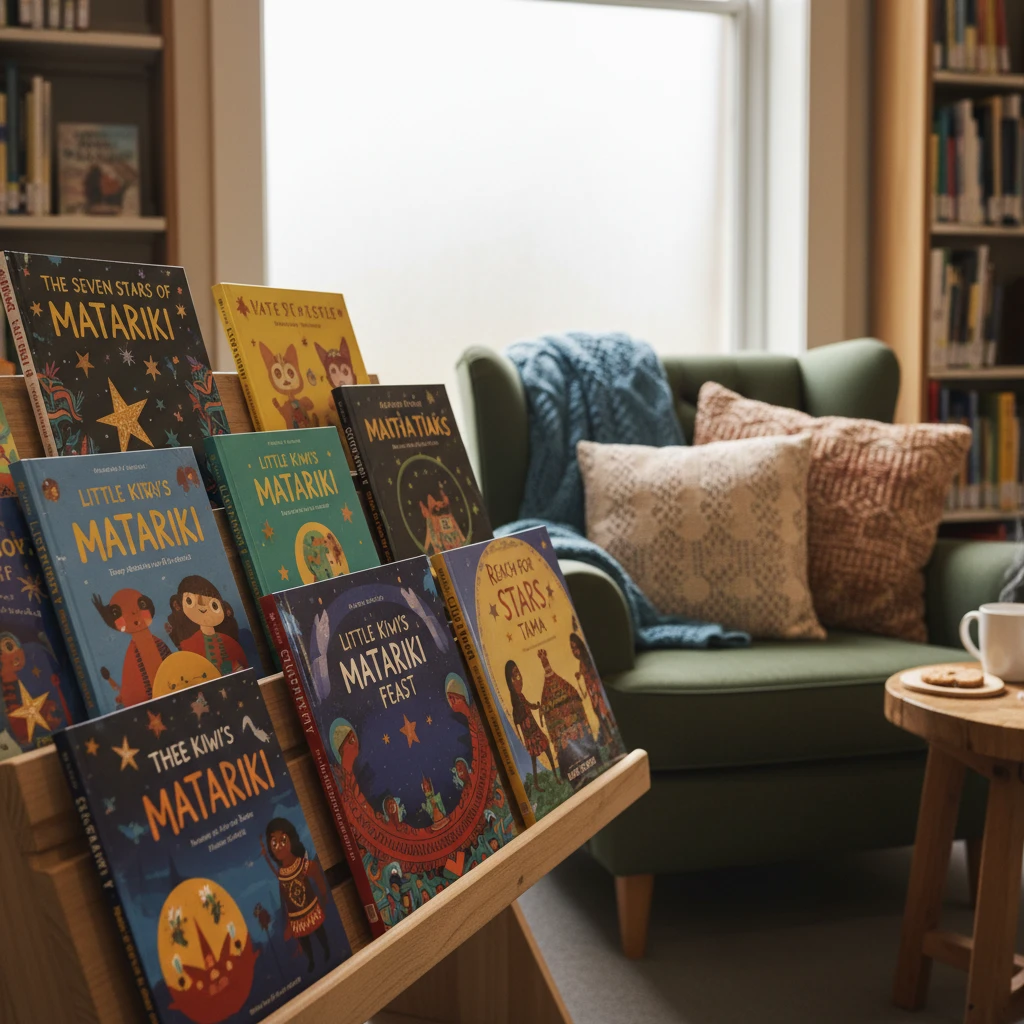
What are the essential Matariki books for young children?
For Early Childhood Education (ECE) and primary school-aged children, the focus should be on visual storytelling and simple concepts regarding the stars. Here are the top recommendations:
- “The Little Kiwi’s Matariki” by Nikki Slade Robinson: This is a staple in New Zealand households. It uses gentle storytelling to explain the awakening of the forest as the stars rise. It is an excellent entry point for toddlers.
- “Matariki Breakfast” by Kat Quin: Part of the popular Kuwi the Kiwi series, this book combines the concept of the holiday with the tradition of sharing kai (food). It is vibrant, funny, and deeply relatable for Kiwi kids.
- “Twinkle, Twinkle, Matariki” by Rebecca Larsen: This book pairs the familiar tune of “Twinkle, Twinkle, Little Star” with the specific names of the Matariki stars, making it a powerful mnemonic device for memorizing the cluster.
What are the best authoritative books for older readers and adults?
To truly understand the astronomical and anthropological depth of the holiday, one must look to the experts. If you intend to buy Matariki books NZ wide for a more mature audience, the works of Dr. Rangi Matamua are non-negotiable.
“Matariki: The Star of the Year” by Dr. Rangi Matamua: This text is often considered the definitive guide. It is based on the manuscripts of his ancestor, Rāwiri Te Kōkau, and deconstructs misconceptions while establishing a framework for modern celebration. It is essential reading for teachers and anyone serious about the holiday.
Māori Star Map Posters and Visual Guides
Visual aids are critical for locating the Pleiades cluster in the pre-dawn sky. Consequently, star map posters have become one of the most sought-after items during the winter months. Unlike standard astronomical charts, Māori star maps often include the specific names of the nine stars recognized in the Matariki cluster (Matariki, Pōhutukawa, Tupuānuku, Tupuārangi, Waipunarangi, Waitī, Waitā, Ururangi, and Hiwa-i-te-rangi) along with their environmental domains.
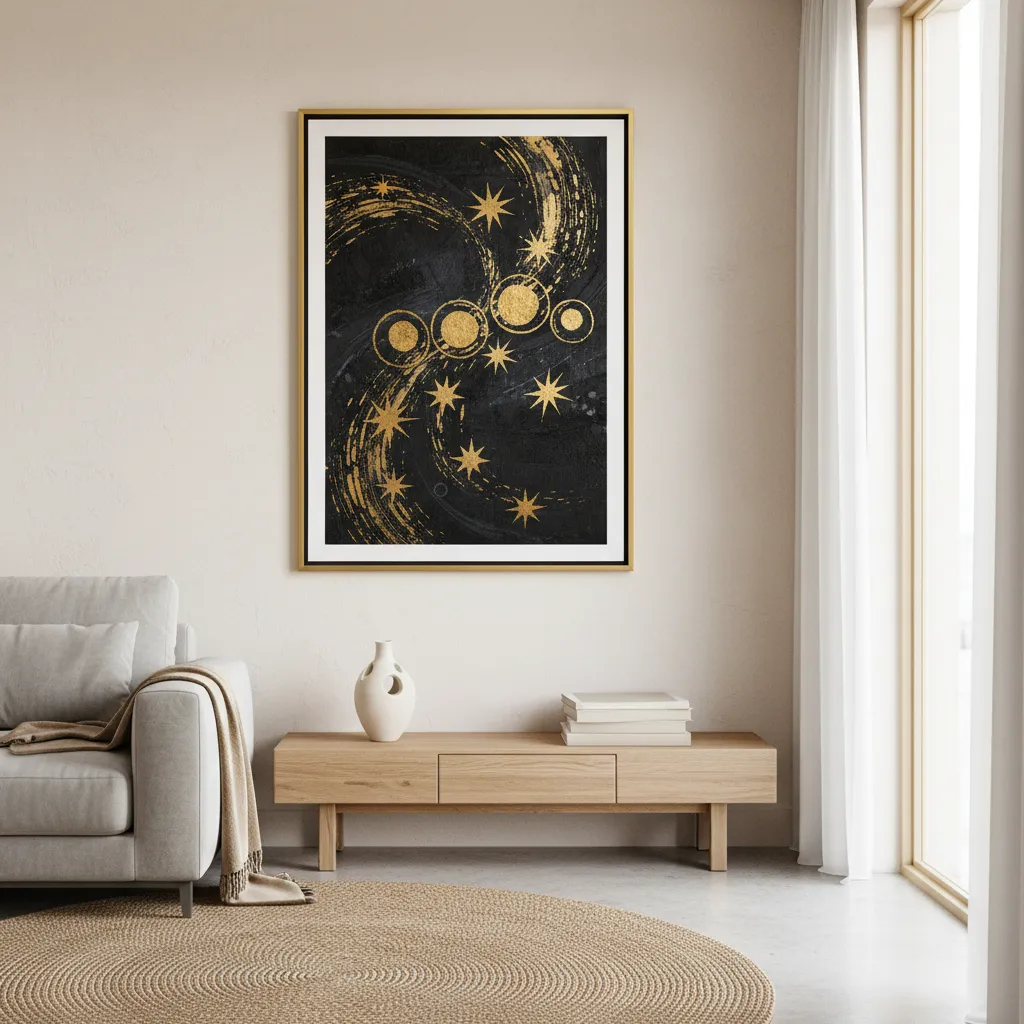
How to choose an accurate star map?
Not all star maps are created equal. When purchasing these items, ensure the artist or publisher has consulted with local iwi or astronomical experts. The orientation of the cluster can change depending on the time of night and the location in New Zealand. High-quality prints often feature:
- Correct Spelling and Macrons: Essential for respecting Te Reo Māori.
- Associated Domains: Good maps illustrate that Tupuānuku is connected to the soil, while Waitī is connected to fresh water.
- Artistic Interpretation: Many contemporary Māori artists create stylized maps that serve as both educational tools and fine art pieces for the home.
Supporting Indigenous Artists: Why Authenticity Matters
As Matariki becomes commercialized, the market is flooded with mass-produced items that often lack cultural connection. When you set out to buy Matariki merchandise, the most ethical choice is to support indigenous artists directly. This ensures that the intellectual property rights of Māori are respected and that the economic benefits return to the communities that have stewarded this knowledge for centuries.
What is the Toi Iho trademark?
Toi Iho is a registered trademark used to certify quality and authenticity in Māori art. When you see this mark on a weaving, carving, or piece of jewelry, it guarantees that the work is created by a person of Māori descent. While not every authentic artist uses the mark, it is the safest indicator for buyers unfamiliar with the local art scene.

Avoiding Cultural Appropriation
Be wary of “Māori-style” patterns sold by overseas manufacturers. These often misuse sacred symbols. Instead, look for artist bios and origin stories. Authentic art comes with a whakapapa (genealogy) or a story explaining the design’s significance. Buying a print from a local artist at a market or gallery is infinitely better than buying a generic patterned towel from a big-box chain.
Where to Buy Authentic Merchandise in NZ
Finding the right place to shop is key to securing high-quality goods. Below are the primary channels where you can buy Matariki books NZ and other cultural treasures.
Museum and Gallery Stores
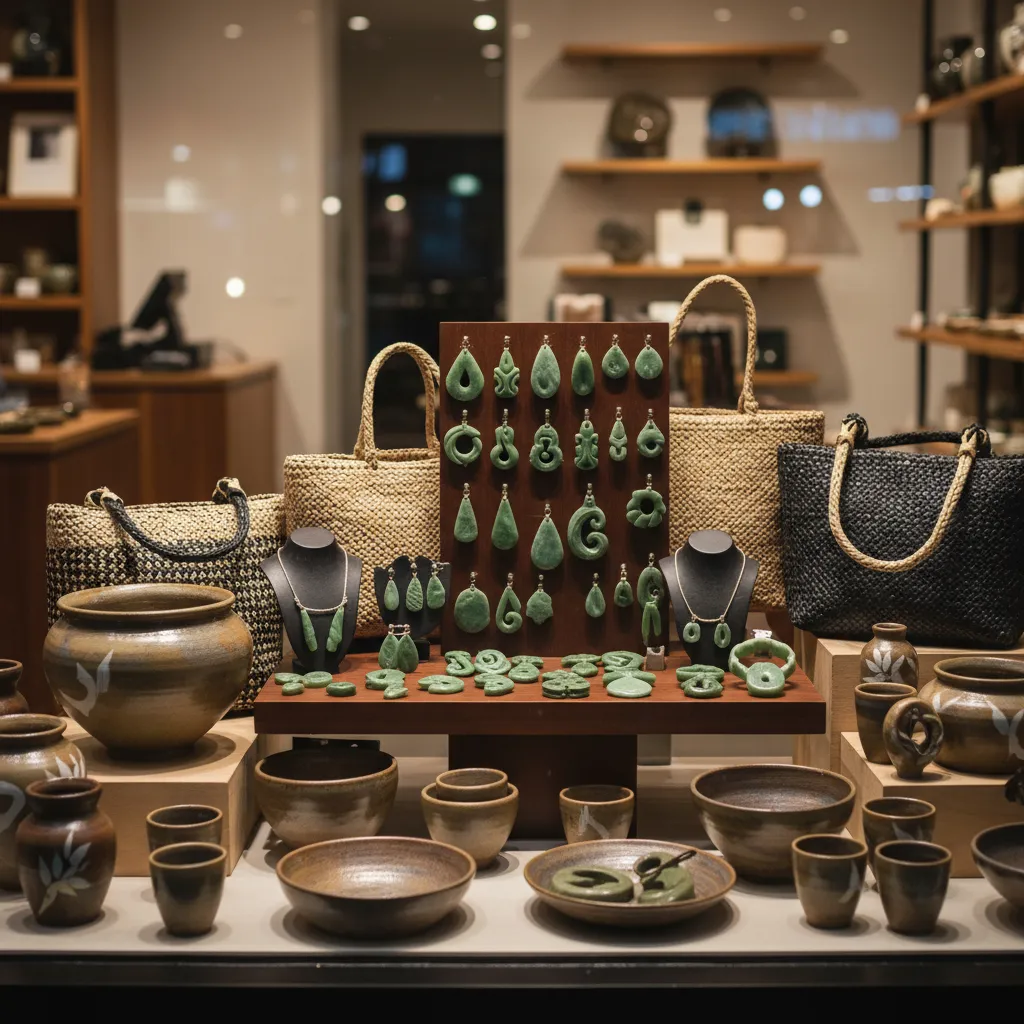
Institutions like Te Papa Tongarewa (Wellington), Auckland War Memorial Museum, and local regional galleries curate their shops meticulously. They source directly from established and emerging Māori artisans. Merchandise found here—from jewelry to ceramics—is usually of high artistic merit and culturally safe.
Specialized Online Retailers
Several online platforms are dedicated to New Zealand and Māori products:
- Huia Publishers: The go-to source for Māori literature. If you want to buy Matariki books NZ, start here.
- Kura Gallery: Specializes in authentic Māori art and design.
- Poi Yeah: Offers contemporary poi and educational resources.
- Chooice (formerly Chooice.co.nz): A Facebook-based marketplace turned website that features thousands of small Kiwi businesses, many of which are Māori-owned.
Educational Resources for Schools and ECE
For educators, the search intent is often focused on classroom packs and bulk resources. Matariki provides a unique opportunity to integrate science, astronomy, and social studies.
Where can teachers find comprehensive kits?
Beyond standard books, teachers should look for:
- Te Reo Māori Flashcards: Visual aids for learning the names of the stars and related vocabulary.
- Magnet Sets: Interactive whiteboard tools that allow students to arrange the cluster.
- Downloadable Resource Packs: Websites like Te Kete Ipurangi (TKI) and Twinkl NZ offer digital resources, but physical kits can be purchased from educational suppliers like The Te Reo Māori Classroom.
Matariki Clothing and Wearable Art
Wearing the kaupapa (theme) is a popular way to celebrate. This includes everything from high-end fashion to casual streetwear.
Is it appropriate for non-Māori to wear Matariki designs?
Generally, yes, provided the clothing is purchased from a reputable source and worn with respect. Wearing a t-shirt designed by a Māori artist that celebrates the New Year is a sign of solidarity and celebration. However, avoid items that utilize moko (facial tattoo) designs or specific whakapapa that does not belong to you. Brands like Aho Creative and Kahu Collective produce stunning, culturally rich clothing that is appropriate for everyone to wear.
Conclusion
Celebrating the Māori New Year is about reflection, learning, and looking forward. When you decide to buy Matariki books NZ, or invest in art and merchandise, you are participating in the revitalization of indigenous knowledge. By choosing to spend your money with authentic creators and specialized retailers, you ensure that the spirit of Matariki—sharing, growing, and remembering—is upheld in the commercial space. Whether it is a simple children’s book or a masterfully carved taonga, these items serve as physical reminders of the stars that guide us.
People Also Ask
What is the best Matariki book for toddlers?
“The Little Kiwi’s Matariki” by Nikki Slade Robinson is widely considered the best book for toddlers due to its simple narrative, engaging illustrations, and introduction to the basic concepts of the holiday.
Where can I buy Matariki flags and bunting?
You can buy Matariki flags and bunting from educational supply stores like MTA (Modern Teaching Aids) or from local Māori-owned businesses on marketplaces like Chooice and Felt.
Is it okay for non-Māori to wear Matariki merchandise?
Yes, it is generally acceptable for non-Māori to wear Matariki-themed clothing as a show of support and celebration, provided the items are authentic and purchased from reputable Māori designers.
What gifts are appropriate for Matariki?
Appropriate gifts focus on the themes of the holiday: harvesting, cooking, and learning. Good options include gardening tools, cookbooks, native plants, books about the stars, or locally made arts and crafts.
How do I identify authentic Māori art?
Look for the “Toi Iho” trademark, which certifies authenticity. Alternatively, research the artist to ensure they have a verified connection to the culture, or buy from reputable galleries like Kura Gallery or museum stores.
When should I buy Matariki decorations?
It is best to buy decorations in late May or early June, as stock levels are highest before the holiday peaks in late June or July. Many retailers release their seasonal collections around New Zealand Music Month (May).