
Traditional Māori gardening tools, such as the kō, timo, and kaheru, are handcrafted wooden implements designed for cultivating crops like kūmara in harmony with Papatūānuku (the Earth). To buy authentic traditional Māori gardening tools, discerning buyers should source directly from Toi Iho registered carvers, New Zealand cultural heritage centers, or specialized galleries that support indigenous craftsmanship and the preservation of matauranga Māori.
The resurgence of interest in regenerative agriculture and indigenous knowledge has sparked a renewed demand to buy traditional Māori gardening tools. These implements are not merely functional objects; they are taonga (treasures) that connect the user to the land and the history of Aotearoa. Unlike mass-produced steel tools, traditional instruments are often carved from native hardwoods, designed to disturb the soil ecosystem as little as possible while ensuring optimal growth for crops like kūmara, taro, and hue (gourds).
Essential Traditional Māori Gardening Tools
Before looking to purchase these items, it is crucial to understand the specific function and form of the primary tools used in traditional horticulture (maara kai). Each tool was developed over centuries to suit the specific soil types and root vegetables of New Zealand.
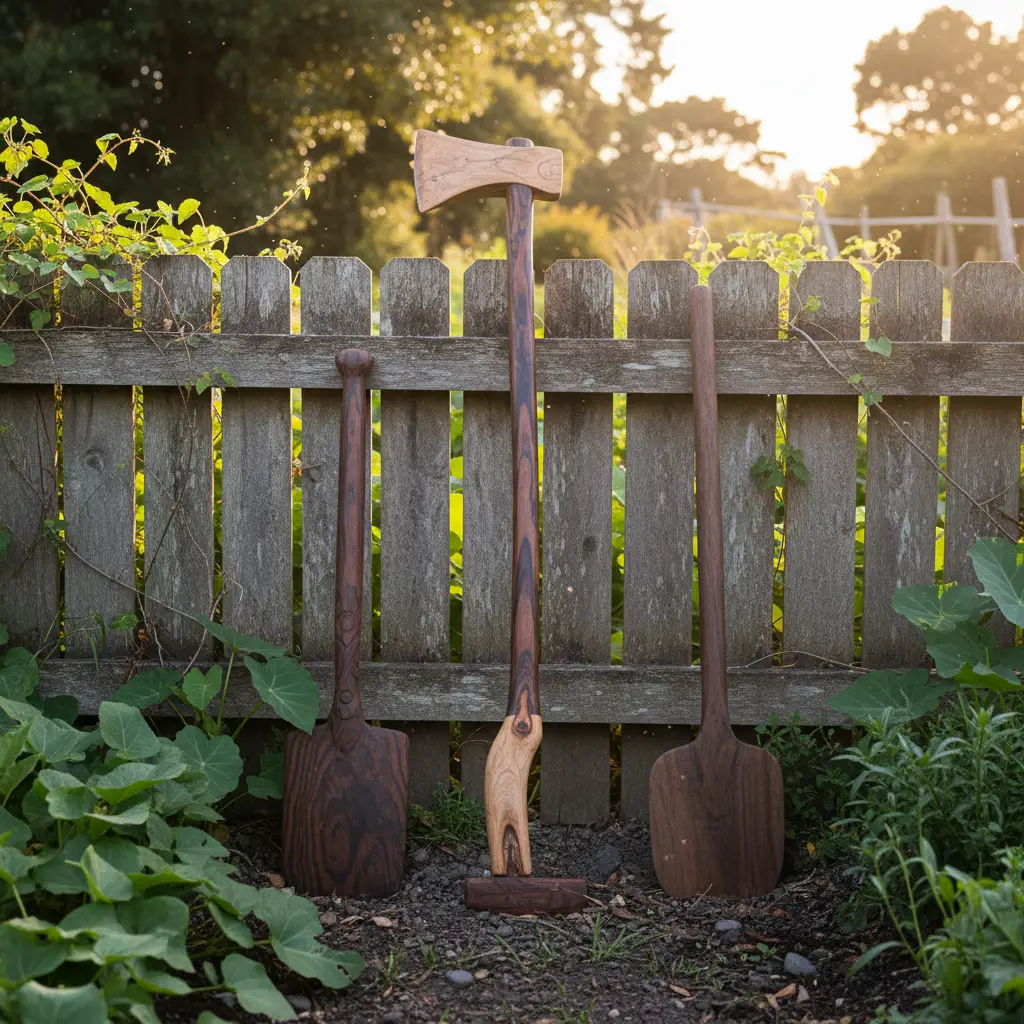
The Kō (Digging Stick)
The Kō is arguably the most recognizable and essential tool in the Māori gardening arsenal. It functions primarily as a digging stick but is far more sophisticated than the name implies. Typically measuring between two to three meters in length, the Kō is used to loosen soil and prepare holes for planting.
When you buy a Kō, look for the teka (footrest). This is a cross-piece lashed or carved near the bottom of the shaft, allowing the gardener to apply body weight to drive the point deep into the earth. The Kō allows for deep aeration of the soil without the inversion caused by modern plows, preserving the soil structure and microbiome.
The Timo (Grubber)
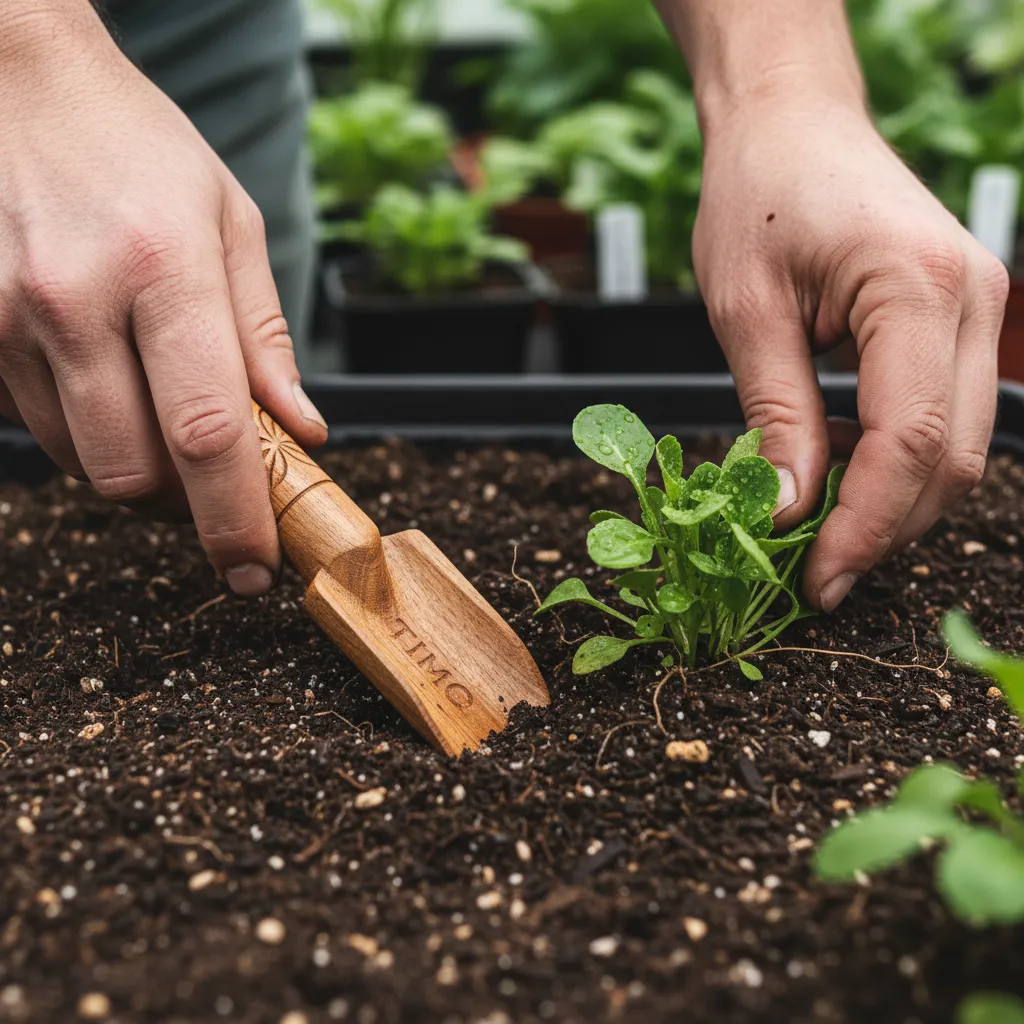
The Timo (sometimes spelled timotimo) is a smaller, handheld tool often made from the fork of a tree branch, utilizing the natural strength of the wood’s grain. It functions similarly to a modern grubber or hand hoe.
Gardeners use the Timo for surface work. It is ideal for weeding around delicate plants and loosening the top layer of soil to mound up earth around the growing kūmara tubers (a process called puke). Because of its ergonomic shape, it allows the gardener to work while squatting, maintaining a closeness to the crops.
The Kaheru (Spade)
The Kaheru serves as the Māori spade. These come in various shapes and sizes, often resembling a paddle or a long-handled scoop. Unlike the Kō, which pierces, the Kaheru is used for cutting the soil, weeding, and lifting crops during harvest.
When searching to buy a Kaheru, you will find variations intended for different soil types. Some have short handles for close work, while others have long shafts for leverage. High-quality Kaheru are carved from dense timbers like Maire or Pūriri to withstand the pressure of levering soil.
Uses for the Kō, Timo, and Kaheru in Modern Gardens
Integrating these tools into a modern garden is not just an aesthetic choice; it is a commitment to sustainable gardening practices. These tools were designed for low-impact cultivation, which aligns perfectly with modern permaculture and no-dig gardening philosophies.
Soil Aeration without Destruction
The primary benefit of the Kō is its ability to aerate heavy soils. By driving the Kō into the ground and leveraging it back and forth, you introduce oxygen to the root zone and break up compaction pans without turning the soil over. This preserves the fungal networks (mycelium) that are critical for nutrient transport.
Precision Weeding
The Timo allows for surgical precision when removing weeds. Because it is a hand tool, the gardener has full control, reducing the risk of damaging the crop’s roots. This is particularly useful in dense planting systems or raised beds where space is at a premium.
Harvesting Root Vegetables
Using a wooden Kaheru or Kō to harvest potatoes, kūmara, or carrots often results in less damage to the vegetables compared to sharp steel spades. The wood is more forgiving, and the rounded edges of traditional designs tend to push produce aside rather than slicing through it.
Finding Artisan Makers and Authenticity
The market for traditional Māori gardening tools is niche. You generally cannot find these items in big-box hardware stores. To ensure you are buying a functional tool rather than a tourist souvenir, you must look for specific indicators of quality and provenance.
Where to Buy
1. Toi Iho Registered Artists:
Toi Iho is a trademark that denotes authentic Māori art and craftsmanship. Buying from a carver with this accreditation ensures that the tool is made by a person of Māori descent and follows appropriate cultural protocols.
2. Cultural Heritage Centers and Marae:
Many cultural centers in regions like Rotorua, Northland, and the East Coast have attached galleries or workshops. Purchasing here often supports educational programs.
3. Specialized Online Galleries:
There are a select number of New Zealand-based online galleries that represent Māori carvers. Look for sites that provide the name of the artist, their iwi (tribe) affiliation, and details about the wood used.
Material Matters
Authentic tools are made from New Zealand native hardwoods known for their density and durability. When browsing, look for mentions of:
- Mānuka or Kānuka: Known for extreme hardness and straight grain.
- Pūriri: One of the strongest timbers, often used for heavy-duty tools.
- Maire: Traditionally preferred for the Kō due to its weight and strength.
Avoid tools made from softwoods like Pine unless they are strictly for decorative wall hanging. Functional tools must be hardwood.
Supporting Local Māori Businesses
When you choose to buy traditional Māori gardening tools, you are engaging in an economic exchange that supports the revitalization of culture. The knowledge of how to make these tools—the specific angle of the blade, the balance of the shaft, the method of lashing the teka—is matauranga (knowledge) that has been passed down or reclaimed through careful research.
The Economic Impact
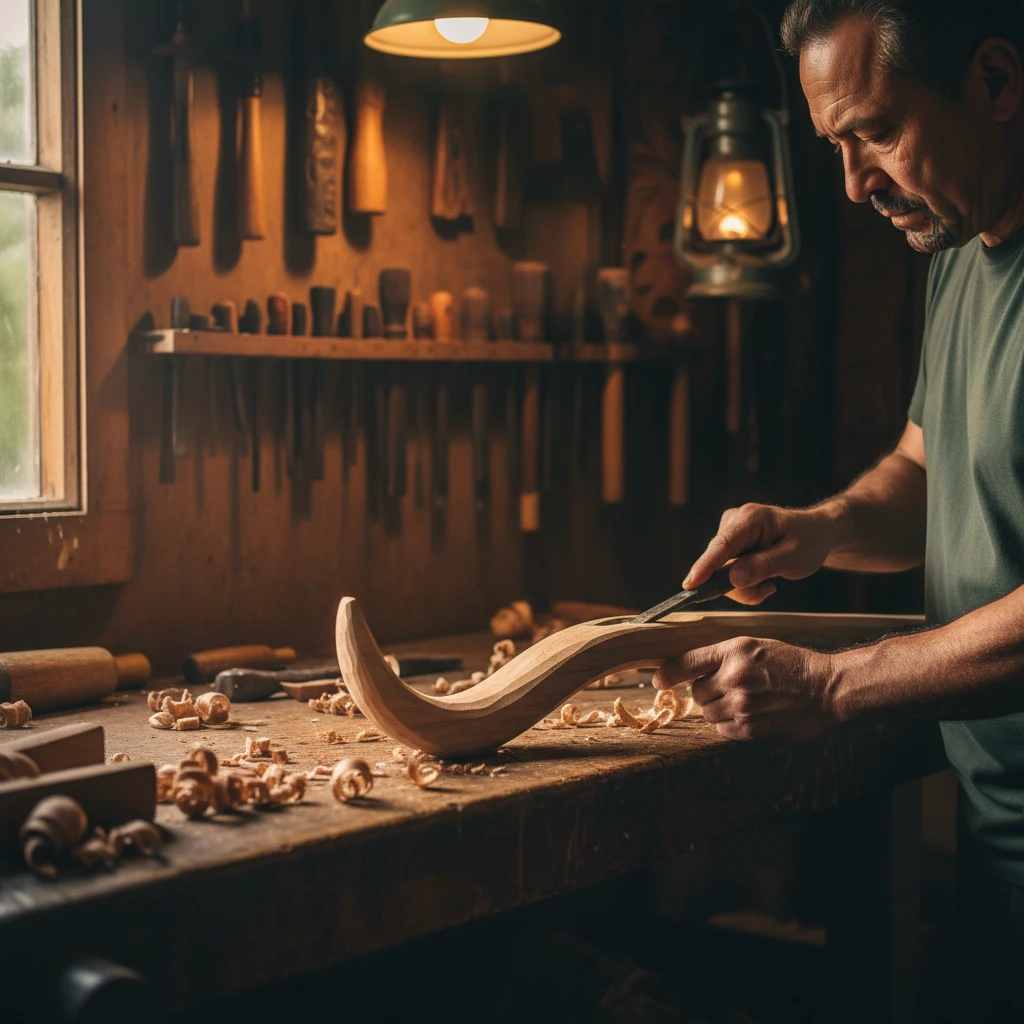
Purchasing from local carvers helps sustain traditional arts as a viable career path. It allows artisans to spend time in the forest (ngahere), sourcing materials sustainably, and mentoring the next generation of carvers. This creates a circular economy where cultural practice fuels economic well-being.
Cultural Appreciation vs. Appropriation
Buying these tools for use in your garden is a form of cultural appreciation. It acknowledges the wisdom of Māori horticultural engineering. However, it is important to treat the tools with respect. In Māori culture, tools used for food production are tapu (sacred) in the sense that they should not be stepped over or used for unclean purposes.
Unique Gift Ideas for Gardeners
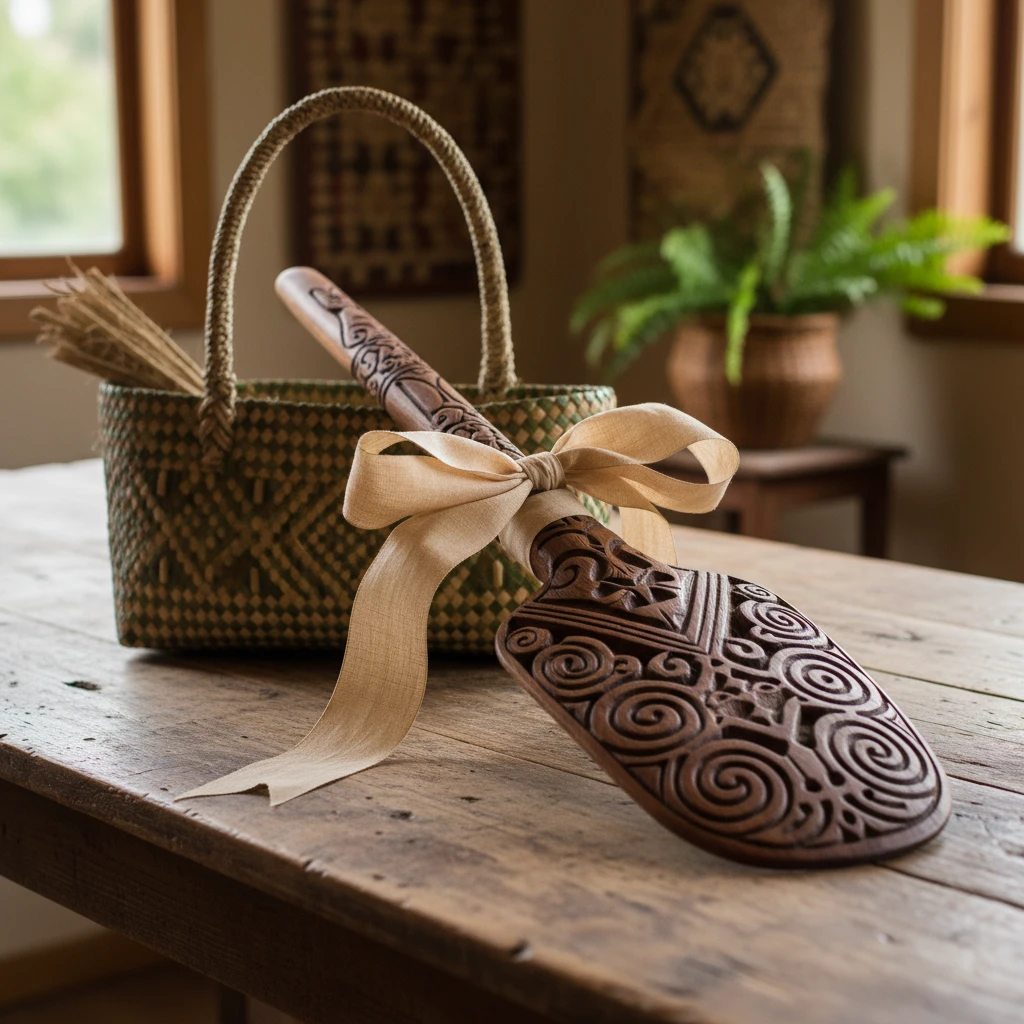
If you are looking for a gift for a dedicated gardener, a permaculturist, or someone passionate about New Zealand history, a traditional tool is an exceptional choice. It is a gift that tells a story.
The “Starter” Set
For a functional gift, a Timo is often the best entry point. It is smaller, more affordable, and immediately useful in any size garden, from a balcony planter to a quarter-acre block. It serves as a beautiful introduction to Māori gardening concepts.
The Ceremonial Kō
For significant occasions—such as buying a first home, retirement, or a major birthday—a fully carved Kō is a profound gesture. While fully functional, many owners choose to display them as artworks when not in use during the planting season.
Care and Maintenance of Wooden Tools
Unlike stainless steel, wooden tools require specific care to maintain their integrity and longevity.
- Cleaning: Wipe clean after every use. Do not leave them soaking in water, as the wood will swell and eventually crack.
- Oiling: Regularly oil the wood to prevent it from drying out. Traditional oils include shark liver oil, but modern equivalents like raw linseed oil or tung oil are excellent for preserving the timber.
- Storage: Store in a cool, dry place out of direct sunlight. UV rays can degrade the wood fibers over time.
People Also Ask
What are the best woods for traditional Māori gardening tools?
The best woods are dense New Zealand natives such as Maire, Pūriri, Mānuka, and Akeake. These timbers are selected for their strength, weight, and resistance to rotting, making them ideal for digging and soil manipulation.
Can I use a Kō for modern gardening?
Yes, the Kō is excellent for modern gardening, particularly for deep soil aeration and planting trees or potatoes. It functions similarly to a broadfork or heavy digging bar, loosening soil without destroying its structure.
What is the difference between a Timo and a Grubbing tool?
Functionally, they are similar, but a Timo is traditionally carved from a single forked branch, offering superior strength along the grain. The Timo is designed specifically for squatting work and mounding soil around root crops.
Are traditional Māori tools expensive to buy?
Yes, they can be more expensive than mass-produced tools because they are handcrafted by skilled artisans. Prices reflect the labor, the scarcity of quality native timber, and the cultural expertise required to make them.
Where can I learn to use these tools properly?
You can learn to use these tools at workshops hosted by local Marae, community gardens focused on Maara Kai (food gardens), or through wānanga (educational courses) on traditional Māori horticulture offered by various educational institutions in New Zealand.
Is it culturally appropriate for non-Māori to use these tools?
Yes, it is generally considered appropriate and welcomed for non-Māori to use these tools for gardening, provided they are used with respect and for their intended purpose of cultivating food. Supporting Māori artisans by purchasing these tools is encouraged.


