
Matariki workplace ideas focus on remembrance, celebrating the present, and planning for the future within a professional setting. Effective celebrations include hosting shared kai (morning teas) with traditional ingredients, engaging in cultural competency workshops, acknowledging staff contributions, and integrating core Māori values like Whanaungatanga and Kaitiakitanga into long-term business policies to foster a culturally inclusive environment.
With the establishment of Matariki as an official public holiday in Aotearoa New Zealand, businesses have a unique opportunity to engage with Māori culture in a meaningful, non-performative way. It is a time for organizations to pause, reflect on the past year’s achievements, honor those who have passed, and set strategic intentions for the year ahead.
Crafting Appropriate Corporate Messaging
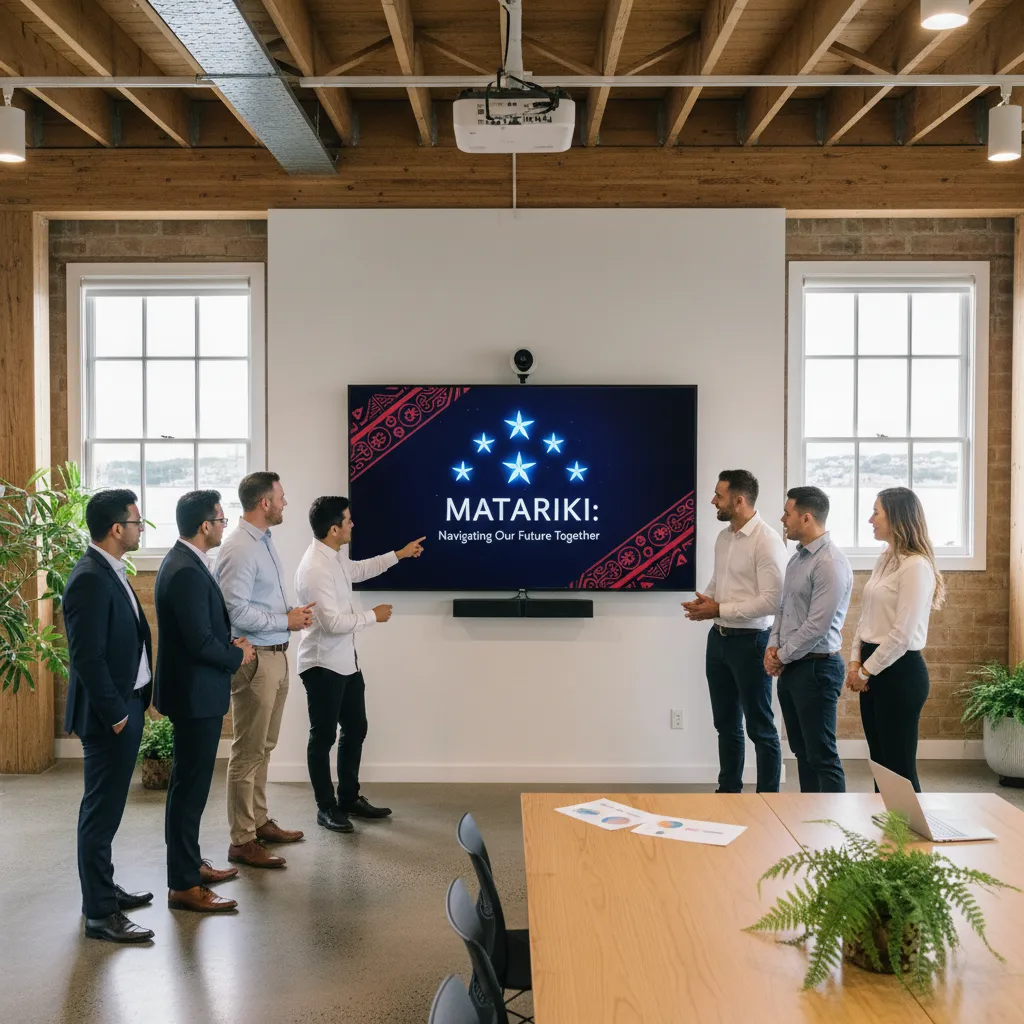
Before hanging decorations or ordering food, the foundation of any Matariki celebration must be respectful and accurate communication. Matariki is not merely a “festival”; it is a significant period of environmental and spiritual renewal. Corporate messaging should reflect this depth, avoiding commercialization or tokenism.
Understanding the Tone
The tone of your internal and external communications should be reflective and restorative. Unlike the high energy of the Gregorian New Year (January 1st), Matariki occurs in mid-winter. It is a time for storytelling, rest, and learning. Ensure your emails, newsletters, and social media posts prioritize education over sales.
Key Terminology to Use
Using Te Reo Māori correctly elevates the mana (prestige) of your workplace celebration. Here are key terms to incorporate into your corporate communications:
- Mānawatia a Matariki: A phrase used to welcome and celebrate Matariki.
- Whānau: Family, but in a workplace context, it can refer to the team or extended network.
- Kai: Food, which is central to the celebration.
- Kōrero: Conversation or discussion.
Avoiding Cultural Appropriation
When designing graphics or branding for your event, ensure you are using Māori designs (kowhaiwhai) correctly. If your business does not have an internal cultural advisor, consider consulting with a local iwi representative or a cultural consultant to ensure your imagery respects the genealogy (whakapapa) of the art forms.
Planning a Staff Morning Tea or Hāngī
Food is the great connector in Te Ao Māori (the Māori world). Sharing kai connects the physical body to the stars, specifically the star Tupu-ā-nuku (connected to food grown in the ground) and Tupu-ā-rangi (food from the sky/trees). A shared meal is the most practical and appreciated of all Matariki workplace ideas.
The Modern Office Hāngī
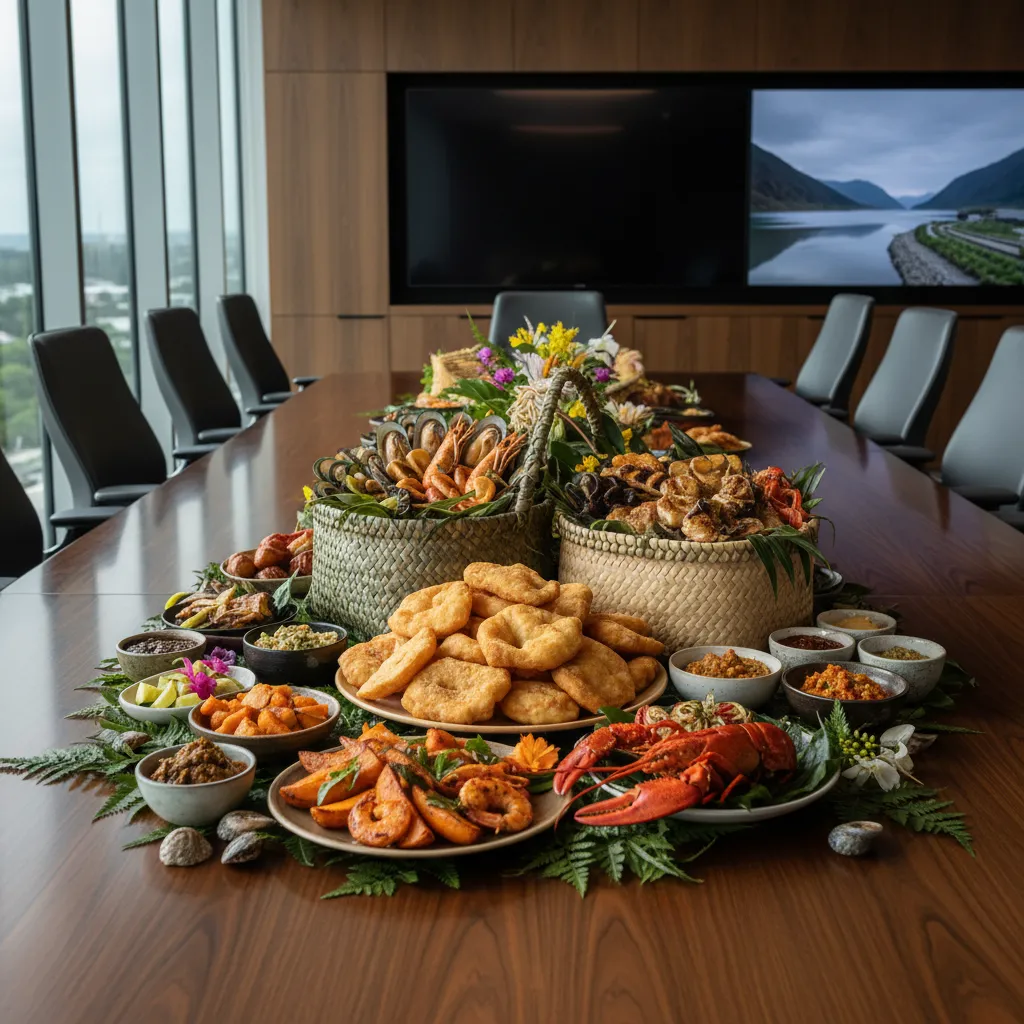
While digging a pit in the corporate car park is rarely feasible, you can replicate the flavors of a hāngī using modern catering or slow cookers. This provides the “taste of home” that resonates deeply with Kiwi employees.
Menu Suggestions:
- Pork and Puha: Slow-cooked pork with sow thistle.
- Kumara Sourdough: A modern twist on traditional root vegetables.
- Steamed Pudding: Served with custard, a staple comfort food.
- Fried Bread: Essential for any Māori feast.
Hosting a Matariki Morning Tea
If a full meal isn’t possible, a morning tea is a standard corporate alternative. However, elevate it beyond store-bought biscuits. Encourage staff to bring a plate of food that represents their own heritage. This aligns with the Matariki value of Kotahitanga (unity), acknowledging that while we celebrate an indigenous event, we bring our diverse backgrounds to the table.
Zero Waste and Kaitiakitanga
Matariki is intrinsically linked to the environment. Celebrating it while creating excessive plastic waste is contradictory. Embrace Kaitiakitanga (guardianship) by:
- Using ceramic plates and metal cutlery instead of disposables.
- Ensuring all food scraps are composted.
- Sourcing ingredients locally to reduce food miles.
Meaningful Gift Ideas for Employees
Gift-giving during Matariki should focus on sustainability, wellness, and supporting local Māori economy. Unlike Christmas, which often involves novelty items, Matariki gifts should offer utility or connection to nature.
Supporting Pakihi Māori (Māori Businesses)
The most impactful way to source corporate gifts is to buy from Māori-owned businesses. This stimulates the local economy and ensures authenticity.
Top Corporate Gift Recommendations
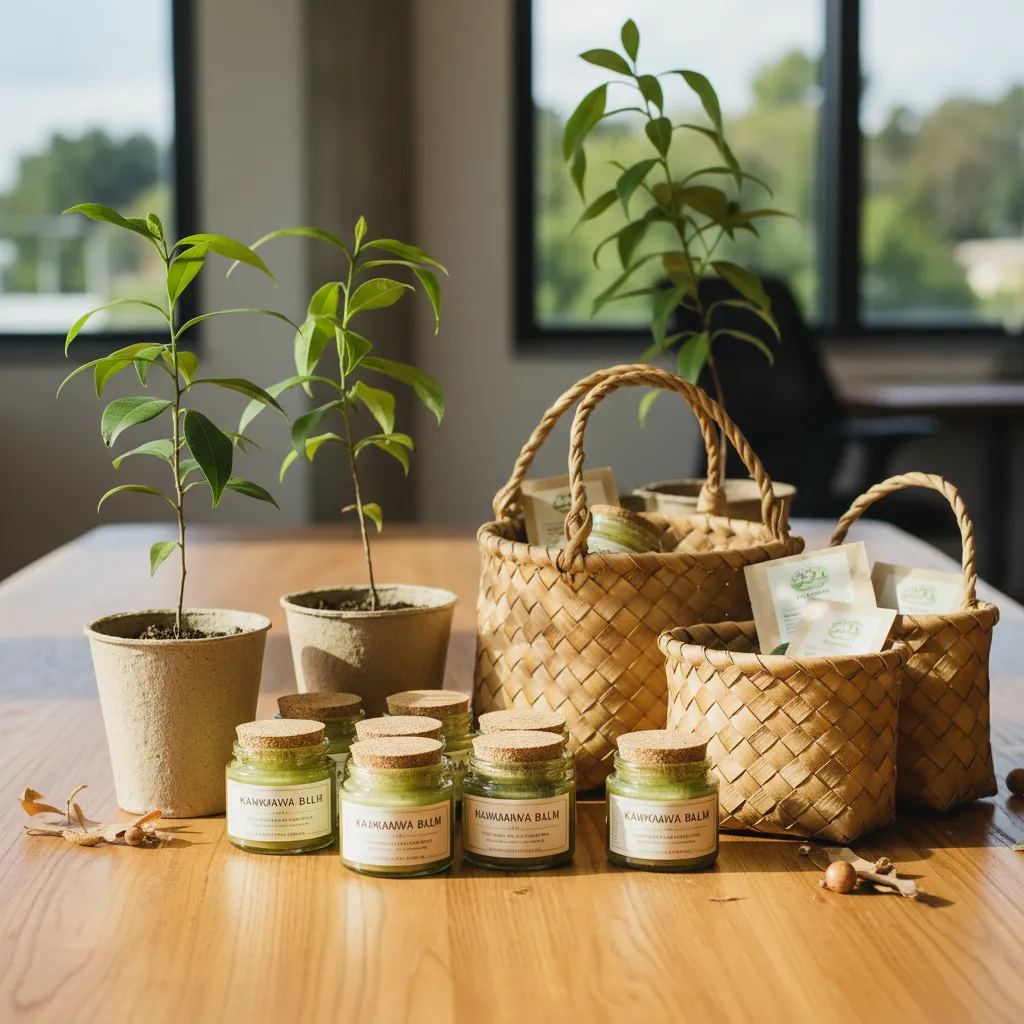
- Native Tree Seedlings: Encourages staff to plant a tree, connecting with Tupu-ā-nuku. This is a gift that grows and contributes to the environment.
- Rongoā Māori Products: Balms, teas, or soaps made from native plants like Kawakawa or Manuka. These promote wellness and rest.
- Books on Aotearoa History: Educational resources that help staff learn more about the land they work on.
- Taonga (Treasures): For senior staff or significant recognition, bone or pounamu carvings (sourced ethically) carry deep meaning.
Integrating Māori Values into Business Policy
The most profound “celebration” of Matariki is not an event, but a shift in corporate consciousness. Matariki marks a time to audit your business practices and see if they align with the values of the land you operate on. This moves your organization from observation to integration.
Whanaungatanga (Relationship Building)
The Concept: Building strong relationships through shared experiences and working together which provides people with a sense of belonging.
Business Application:
Review your onboarding process. Does it strictly cover compliance, or does it welcome the new employee into the whānau? Consider implementing a “buddy system” (Tuakana-Teina model) where senior staff mentor junior staff, fostering a cycle of learning and support.
Manaakitanga (Hospitality and Care)
The Concept: Showing respect, generosity, and care for others.
Business Application:
Evaluate your employee wellness policies. Matariki is a time of rest. Do your leave policies support mental health days? Are you flexible with working hours during the darker winter months? Demonstrating Manaakitanga means prioritizing the holistic well-being of your staff over pure output.

Kaitiakitanga (Guardianship)
The Concept: Guardianship and protection, particularly of the natural environment.
Business Application:
Use Matariki as the start of your fiscal year for sustainability goals. Launch your annual sustainability report during this period. Commit to reducing your carbon footprint, going paperless, or sponsoring local conservation projects. This aligns your corporate CSR (Corporate Social Responsibility) directly with indigenous values.
Educational Activities and Team Building
For teams that want to engage actively, workshops and educational sessions provide high value. These activities should be led by experts to ensure cultural safety.
Waiata (Song) Sessions
Learning a workplace waiata is a powerful team-building exercise. Singing together releases endorphins and synchronizes the group. It also provides the team with a cultural asset they can use when welcoming guests or opening meetings in the future.
Weaving (Raranga) Workshops
Bringing in a weaver to teach staff how to make simple flax flowers (putiputi) is a meditative and tactile experience. It allows staff to step away from screens, use their hands, and learn about the harvesting protocols of Harakeke (flax).
Star Gazing and Navigation
If your team works late or you can organize an evening event, a star-gazing session is deeply traditional. Hire an astronomer or a cultural guide who can point out the Matariki cluster and explain the significance of each star. This connects the modern worker with the ancient navigators who first settled Aotearoa.
Setting Intentions (Wawata)
Matariki includes the star Hiwa-i-te-rangi, the wishing star. Host a session where the team sets collective goals for the year. This shouldn’t just be about KPIs (Key Performance Indicators) but about the culture of the workplace. Ask questions like: “What kind of team do we want to be in 12 months?” or “What legacy do we want to leave?”
Frequently Asked Questions
What is the best way to wish someone Happy Matariki in a professional email?
The most appropriate phrase is “Mānawatia a Matariki,” which translates to “Celebrate Matariki” or “Welcome Matariki.” You can sign off emails with “Ngā mihi o Matariki” (Greetings of Matariki).
Is it appropriate for non-Māori businesses to celebrate Matariki?
Yes, absolutely. Matariki is a public holiday for all of Aotearoa. However, it is crucial to celebrate with respect, humility, and a willingness to learn, rather than trying to commercialize the holiday.
What are the 9 stars of Matariki and their meanings for work?
Each star has a domain (e.g., Tupu-ā-nuku for soil, Waitī for fresh water). In a work context, you can align these with different departments—e.g., Waitī could represent your environmental team, while Matariki (the mother star) represents leadership and wellbeing.
What food is traditionally eaten during Matariki?
Foods preserved for winter or harvested at that time are traditional. This includes kumara, fish, birds (historically), and preserved goods. A modern workplace can serve roasted root vegetables, seafood chowder, and fry bread.
How can we celebrate Matariki remotely or with hybrid teams?
You can host virtual shared lunches where everyone brings a dish and explains its story, organize online guest speakers to discuss Māori history, or send digital gift cards for Māori-owned businesses.
When should we start planning for Matariki?
Matariki dates change every year based on the lunar calendar (Maramataka), usually occurring in June or July. It is best to start planning your corporate activities 2-3 months in advance, especially if you intend to book cultural advisors or caterers.