
Matariki etiquette for non-Māori centers on engaging with Tikanga (cultural protocols) through three key pillars: remembrance of the deceased, celebrating the present with kai (food), and planning for the future. Key practices include using the greeting “Mānawatia a Matariki,” attempting correct pronunciation of star names, and avoiding the commercialization of this sacred period.
As Aotearoa New Zealand embraces Matariki as a public holiday, there is a growing desire among non-Māori (Tauiwi) to participate in the celebrations respectfully. Matariki, the Māori name for the Pleiades star cluster, signals the Māori New Year. It is a time of renewal, reflection, and connection to the environment. However, navigating the cultural nuances of this indigenous celebration requires an understanding of context, humility, and a willingness to learn.
Understanding the Significance of Matariki
Before diving into specific etiquette, it is crucial to understand what you are observing. Matariki is not merely a “festival of lights” or a generic mid-winter party. It is deeply rooted in the astronomical knowledge of ancestors who used the stars to navigate the ocean and determine the success of the coming harvest.
For non-Māori, the first step in proper etiquette is education. Matariki appears in the mid-winter sky (usually late June or July) and brings a distinct shift in the seasonal rhythm. It is a time to stop, rest, and reflect. Unlike Western New Year celebrations which are often loud and boisterous, Matariki carries a more introspective and solemn tone, particularly in its early phases.

The celebration is tripartite:
- Remembrance: Honouring those who have passed away since the last rising of Matariki.
- Celebrating the Present: Gathering with whānau (family) and friends to share kai (food) and gratitude.
- Looking to the Future: Planning for the year ahead and setting intentions.
What is the Appropriate Greeting for Matariki?
Language is the gateway to culture, and using the correct greeting is one of the simplest yet most powerful ways to show respect. Many non-Māori worry about saying the wrong thing, but effort is highly valued in Te Ao Māori (the Māori world).
How do I say “Happy Matariki”?
While “Happy Matariki” is widely understood, it is an anglicized phrasing. The most culturally appropriate greeting advocated by Māori language experts is:
“Mānawatia a Matariki”
This phrase translates roughly to “Celebrate Matariki” or “Welcome Matariki.” It focuses on honouring the presence of the star cluster and the season it brings. You can use this greeting in emails, spoken conversation, or when opening a gathering during the holiday period.
Etiquette Tip: When greeting someone, ensure you are making eye contact and speaking with warmth. If you are unsure of the pronunciation, listening to audio guides online from reputable sources like Te Taura Whiri i te Reo Māori (Māori Language Commission) is highly recommended before attempting it in public.
Pronunciation Basics for the Star Names
Matariki is the name of the cluster, but it is also the name of the mother star. Surrounding her are eight children (in the most common narrative, though some iwi recognize seven or more). Each star holds dominion over a specific environmental aspect. Mispronouncing these names can inadvertently alter their meaning, so taking time to practice is a sign of respect.
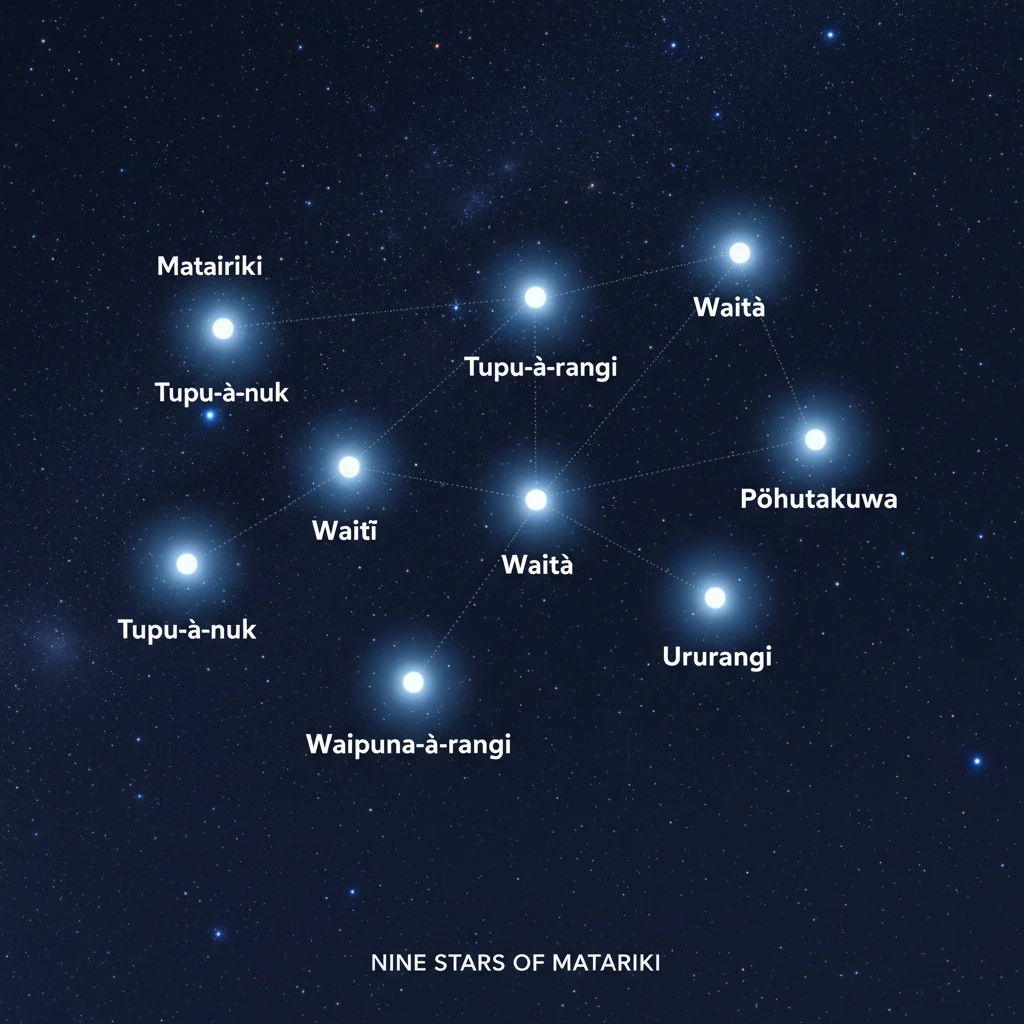
Here is a guide to the nine stars (Te Iwa o Matariki) and their associations:
- Matariki: The mother star, signifying reflection, hope, and the connection to the environment.
- Pōhutukawa: Connects to those who have passed on. It is the star of remembrance.
- Tupu-ā-nuku: Connects to food grown in the ground (kumara, potatoes).
- Tupu-ā-rangi: Connects to food from the sky (birds, fruit from trees).
- Waitī: Connects to fresh water and the food within it.
- Waitā: Connects to the ocean and salt water food sources.
- Waipuna-ā-rangi: Connects to the rain.
- Ururangi: Connects to the winds.
- Hiwa-i-te-rangi: The wishing star, connected to granting our desires for the coming year.
Pronunciation Tips
Remember that vowels in Te Reo Māori are generally pronounced as follows:
- A as in ‘car’
- E as in ‘egg’
- I as in ‘feet’
- O as in ‘or’
- U as in ‘to’
Break the names down into syllables. For example, Waipuna-ā-rangi is pronounced Wai-pu-na-ah-rung-ee. Slowing down your speech is better than rushing and stumbling.
Respecting the Tapu Nature of the Holiday
One of the most critical aspects of Matariki etiquette for non-Māori is understanding the concept of tapu (sacredness/restriction) and noa (neutrality). Matariki is a time when the veil between the living and the dead is considered thin.
The Hautapu Ceremony
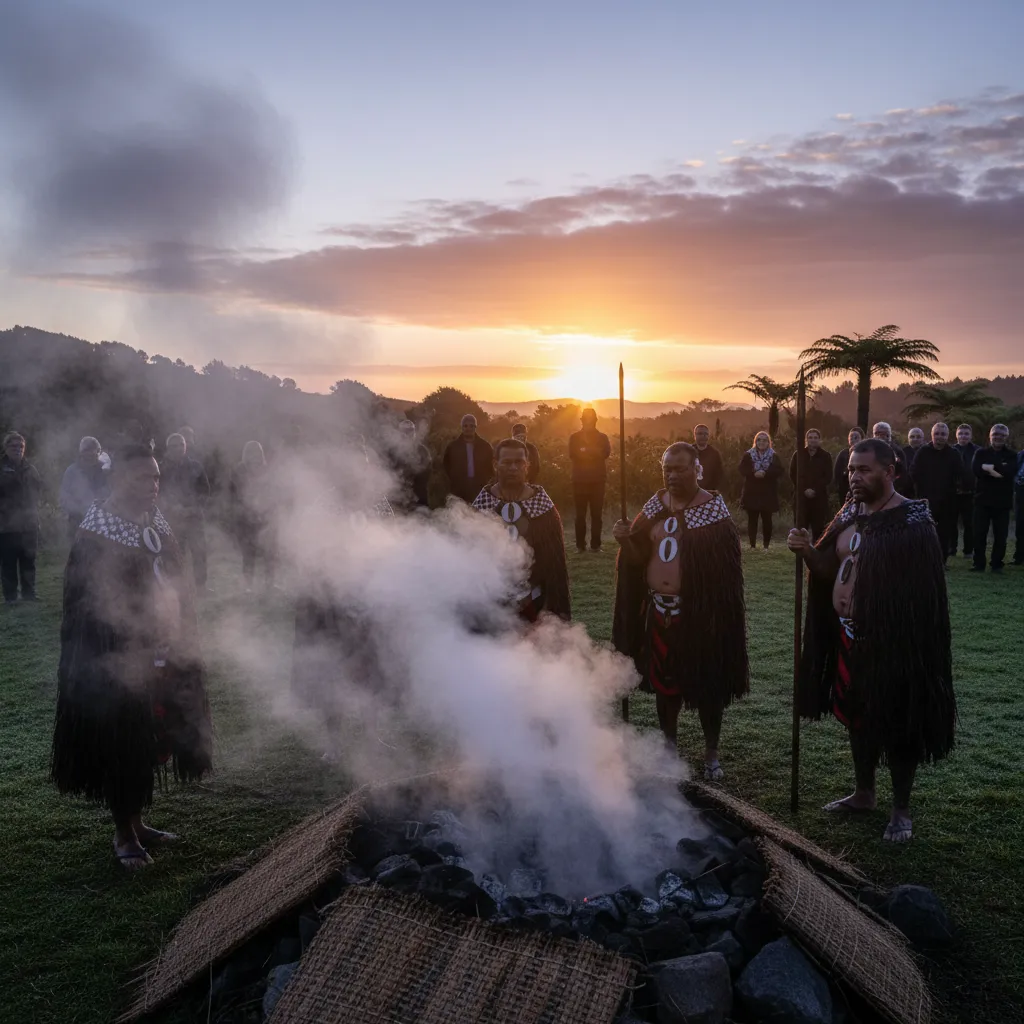
Traditional celebrations often involve a Hautapu ceremony, where food is cooked in an earth oven (umu) and the steam is released to feed the stars. If you are invited to witness such a ceremony, strict protocols apply.
- Silence: During the karakia (prayers) and the reading of names of the deceased, absolute silence is required.
- Photography: Generally, photography is not permitted during the sacred parts of the ceremony unless explicitly stated otherwise by the organizers. Always ask permission before raising a camera.
- Food: Do not eat until the ceremony has concluded and the whakanoa (lifting of the tapu) process has occurred, usually signified by the sharing of kai.
Handling the Subject of Death
Because the star Pōhutukawa is linked to the dead, it is appropriate to mention and remember loved ones who have died in the past year. For non-Māori, this can be a shared human experience. It is respectful to listen when Māori share stories of their ancestors and to share stories of your own departed loved ones if the context invites it. However, avoid trying to lead these ceremonies; instead, support the space created by Tangata Whenua (people of the land).
Cultural Appropriation vs. Appreciation
As Matariki becomes more mainstream, the line between appreciation and appropriation can blur. Non-Māori businesses and individuals must navigate this carefully.
Commercialization Concerns
Matariki should not be treated as a commercial opportunity to slap a logo on a product for a “Matariki Sale.” This is considered highly offensive and contrary to the spirit of the holiday, which emphasizes conservation, sustainability, and community.
Appropriate Appreciation:
A business hosting a morning tea for staff to learn about the stars, or a company planting trees to honour Tupu-ā-nuku.
Inappropriate Appropriation:
Selling “Matariki-themed” alcohol (alcohol causes harm, which contradicts the life-affirming nature of the holiday) or using sacred star patterns on disposable items like napkins that will be thrown in the trash.
Practical Ways to Celebrate for Non-Māori
You do not need to be Māori to celebrate the values of Matariki. The holiday promotes universal values of environmental stewardship, family connection, and reflection. Here are respectful ways to participate:
1. Share Kai (Food)
Food is the agent of noa—it brings people together and neutralizes tapu. Hosting a potluck dinner with friends or family is a perfect way to celebrate. Try to include ingredients that represent the stars, such as kumara (sweet potato) for Tupu-ā-nuku or fish for Waitā.
2. Environmental Stewardship
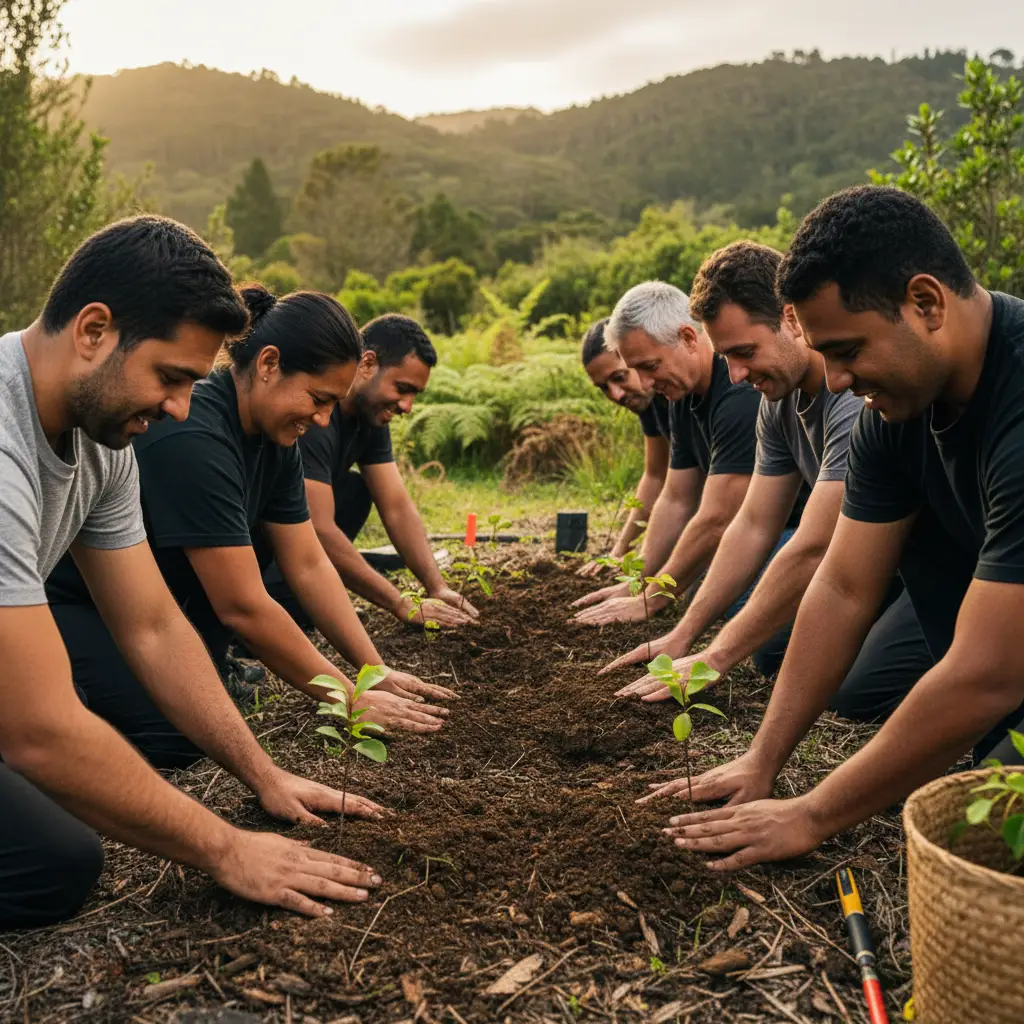
Since the stars represent different environmental domains, taking action to protect them is the highest form of respect.
- Clean up a local stream (honouring Waitī).
- Plant native trees (honouring Tupu-ā-nuku).
- Reduce your carbon footprint (honouring Ururangi).
3. Learn a Karakia or Waiata
Learning a simple grace (karakia mō te kai) or a song (waiata) shows a genuine commitment to the culture. Ensure you learn the meaning behind the words, not just the sounds.
Common Mistakes to Avoid
Even with good intentions, mistakes happen. Here are a few to watch out for:
- Comparing it to Christmas or Halloween: Matariki is unique. Avoid trying to fit it into a Western holiday template. It is not about exchanging gifts; it is about presence and remembrance.
- Tokenism: Don’t just put up a decoration and ignore the principles. If you display Matariki imagery, back it up with an action, like a charity donation or a staff education session.
- Ignoring Regional Differences: Different Iwi (tribes) have different narratives. Some celebrate Puanga (Rigel) rather than Matariki because of their geographic location. Be aware of the local Iwi’s traditions in your specific area of New Zealand.
Frequently Asked Questions
Can anyone celebrate Matariki?
Yes, absolutely. While Matariki is a Māori tradition, the values of remembrance, celebrating the present, and looking to the future are universal. Non-Māori are encouraged to participate, provided they do so with respect and an understanding of the cultural origins.
What food is traditionally eaten during Matariki?
Foods that come from the domains of the stars are traditional. This includes kumara (sweet potato) from the earth, birds or berries from the forest, freshwater fish (like eels), and saltwater kaimoana (seafood). A Hāngī (earth oven) is the most traditional method of cooking, but a roast or potluck is perfectly acceptable.
Is Matariki a religious holiday?
Matariki is spiritual and cultural, but not religious in a dogmatic sense. It is based on astronomy and environmental observation. While it involves karakia (prayer) and spiritual concepts like tapu, people of all faiths (or no faith) can appreciate the focus on nature, family, and remembrance.
When exactly is Matariki celebrated?
The dates change every year because Matariki follows the Māori lunar calendar (Maramataka). It usually falls in late June or July. The public holiday date is determined by a government advisory group guided by Māori experts to align with the closest Friday to the lunar rising.
What do the Matariki stars represent?
The stars represent different environmental elements: Matariki (health/mother), Pōhutukawa (the dead), Tupu-ā-nuku (soil/crops), Tupu-ā-rangi (sky/birds), Waitī (freshwater), Waitā (ocean), Waipuna-ā-rangi (rain), Ururangi (wind), and Hiwa-i-te-rangi (wishes/aspirations).
Is it offensive to work on Matariki?
Matariki is now a public holiday in New Zealand, intended for rest and reflection. While essential services must continue, it is culturally encouraged to take the day to be with family and disconnect from the grind of daily work if possible. It is not “offensive” to work if required, but resting aligns better with the holiday’s purpose.