
Matariki cultural appropriation refers to the misuse or commercial exploitation of the Māori New Year without genuine understanding or respect for its spiritual significance, particularly the remembrance of ancestors (hunga mate). To avoid appropriation, celebrations must be grounded in mātauranga Māori (Māori knowledge), prioritizing community, environmental stewardship, and reflection over superficial branding or profit-driven sales.
As Aotearoa New Zealand embraces Matariki as a public holiday, the line between cultural appreciation and cultural appropriation becomes a critical focal point for educators, businesses, and the general public. Understanding how to engage with this indigenous celebration requires navigating complex cultural concepts with humility and a willingness to learn.
What Constitutes Matariki Cultural Appropriation?
Cultural appropriation, in the context of Matariki, occurs when elements of the Māori New Year are adopted by non-Māori entities—often corporations or organizations—in a way that strips them of their original meaning, trivializes their spiritual weight, or uses them primarily for financial gain without benefiting the source community.
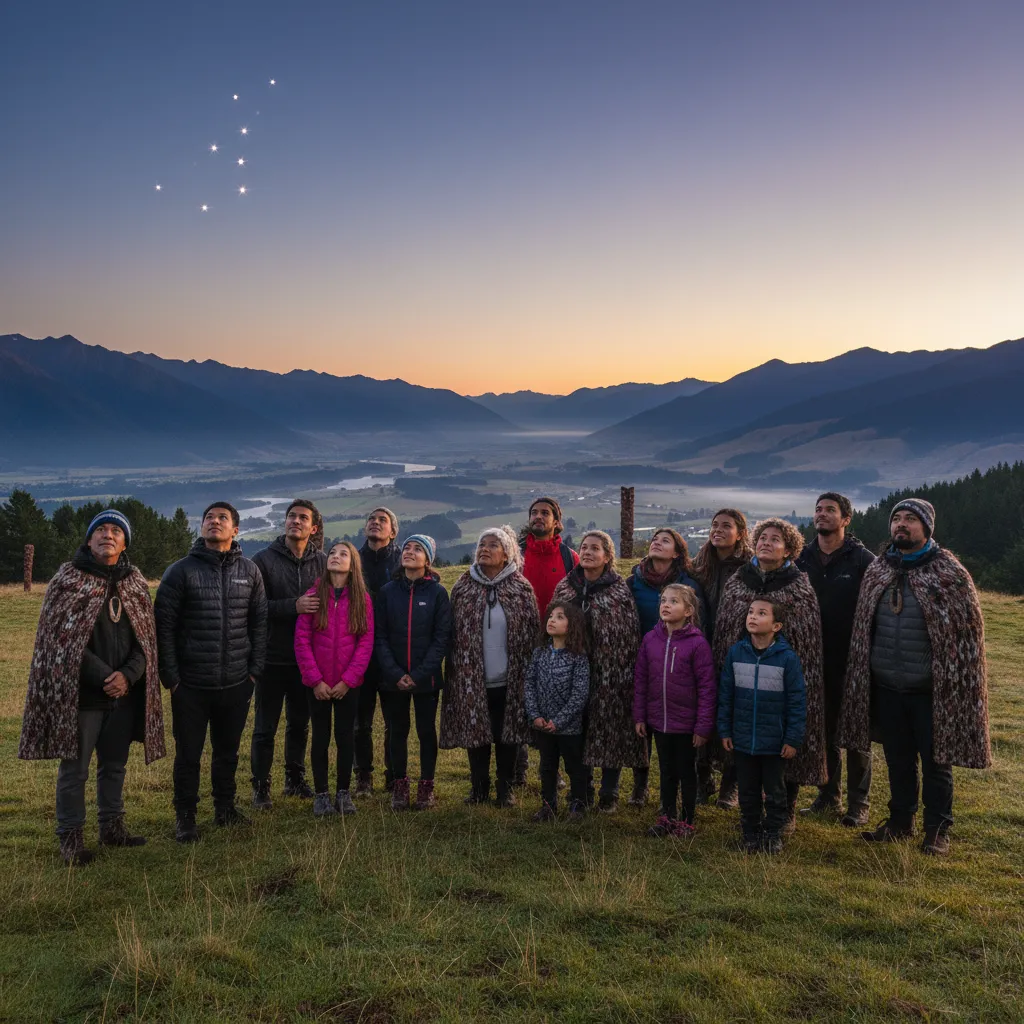
Matariki is not merely a “festival of lights” or a generic mid-winter Christmas. It is a profound period of astronomical significance marking the rising of the Pleiades star cluster. It signals a time to remember those who have passed in the previous year, to celebrate the present harvest, and to plan for the future. When businesses slap a “Matariki Sale” sticker on old inventory or use sacred patterns (kowhaiwhai) incorrectly on disposable products, they commodify a taonga (treasure) that belongs to Māori culture.
Why is Commodification a Problem?
The primary issue with commodification is that it displaces the mana (authority/prestige) of the holiday. If Matariki becomes synonymous with retail discounts rather than environmental awareness and whakapapa (genealogy), the cultural integrity of the event erodes. This is particularly sensitive given the history of colonization in New Zealand, where Māori language and practices were actively suppressed for generations. To now exploit these practices for profit, without deep engagement with the culture, is seen as a continuation of colonial extraction.
How Can You Celebrate Without Appropriating?
Moving from appropriation to appreciation requires a shift in intent. Appreciation involves a desire to learn, to participate in accordance with local tikanga (customs), and to support Māori sovereignty over their own traditions. It is about being an invited guest who respects the house rules, rather than a tourist who rearranges the furniture.
Educate Before You Celebrate
The most effective antidote to appropriation is education. Before hosting an event or creating content, individuals should understand the three major themes of Matariki:
- Remembrance: Honoring those who have passed away since the last rising of Matariki.
- Celebrating the Present: Gathering with whānau (family) and friends to share kai (food) and gratitude.
- Looking to the Future: Planning for the year ahead and setting intentions.
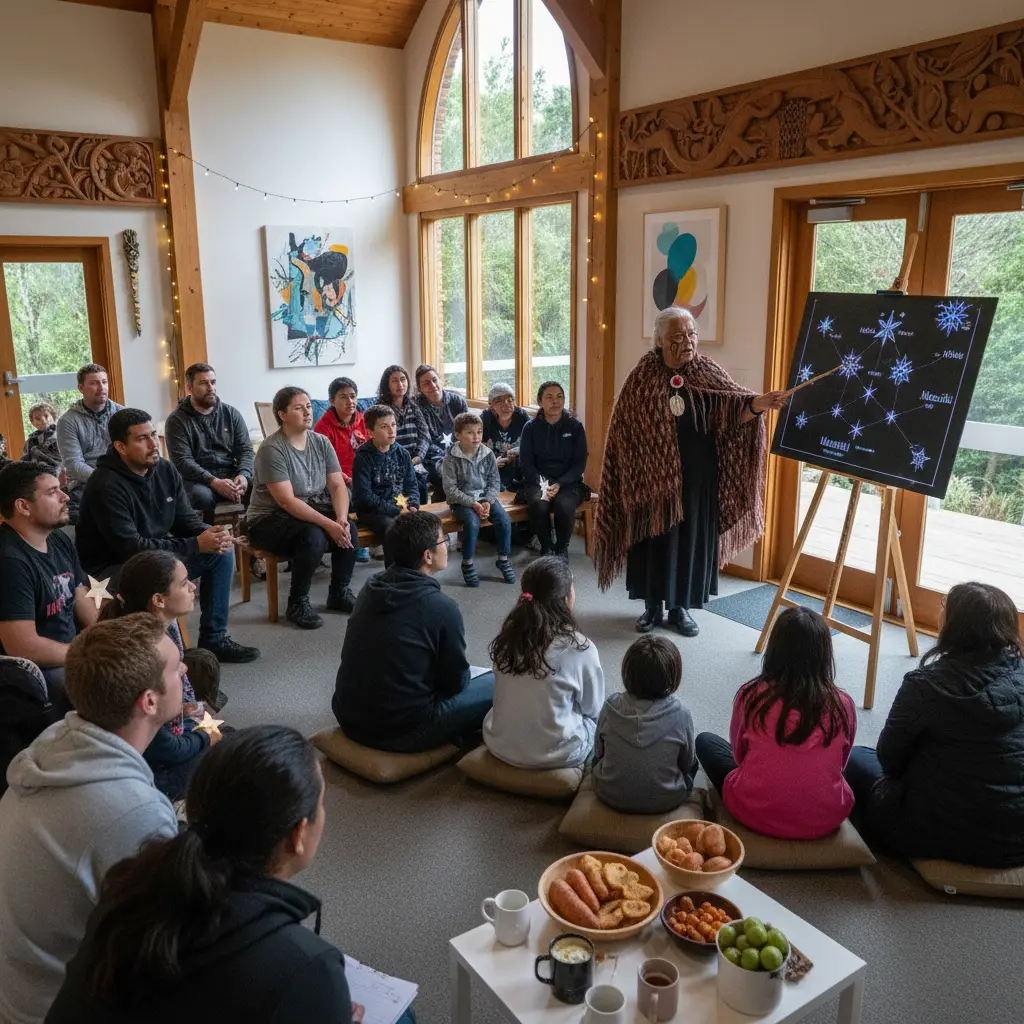
If your celebration does not align with these pillars, reconsider your approach. For example, a loud, alcohol-fueled party may not align with the reflective nature of the holiday, whereas a shared morning tea discussing goals for the year fits perfectly.
Why is Correct Pronunciation Essential?
Language is the vessel of culture. In Te Ao Māori (the Māori world), names carry mana. Mispronouncing the names of the Matariki stars, or the word Matariki itself, can be perceived as a lack of effort or respect. While fluency is not expected of everyone, intent and effort are visible.
The Names of the Stars
Matariki is the name of the cluster, but also the mother star. The other eight stars in the cluster (according to most iwi traditions) each govern a specific domain of the environment. Correctly pronouncing these names acknowledges their specific roles:
- Matariki: Connected to health and wellbeing.
- Pōhutukawa: Connected to those who have passed on.
- Tupuānuku: Connected to food grown in the ground.
- Tupuārangi: Connected to food from the sky (birds) and trees.
- Waipuna-ā-rangi: Connected to the rain.
- Waitī: Connected to fresh water.
- Waitā: Connected to salt water.
- Ururangi: Connected to the winds.
- Hiwa-i-te-rangi: Connected to the wishing star/future aspirations.
Tip for Pronunciation: Break the words down. Vowels in Te Reo Māori are constant (A as in ‘car’, E as in ‘egg’, I as in ‘eat’, O as in ‘or’, U as in ‘to’). Practice saying Ma-ta-ri-ki slowly before speeding up. Utilizing online resources like the Māori Dictionary or listening to audio guides provided by Te Papa Tongarewa is highly recommended.
How Do We Respect the Tapu (Sacredness) of Matariki?
In Māori culture, tapu refers to sanctity or sacredness, while noa refers to the ordinary or common. Matariki possesses a high degree of tapu because of its connection to the dead (via the star Pōhutukawa). This is a time when the spirits of the deceased are said to be released into the sky to become stars.
Navigating the Sacred and the Common
Respecting this tapu means ensuring that commercial or frivolous activities do not overshadow the solemnity of remembrance. For instance, it is generally considered inappropriate to commercialize the specific aspect of remembering the dead. Marketing campaigns should steer clear of imagery that trivializes ancestors.
Food (kai) is an agent of noa—it lifts tapu and brings people back to a state of normality. This is why feasting is a central part of Matariki, usually after the formal ceremonies (hautapu) are complete. Hosting a shared meal is one of the most culturally safe and respectful ways for non-Māori to participate, as it aligns with the value of manaakitanga (hospitality).

What are the Guidelines for Businesses Using Matariki Branding?
For businesses in the tourism and education sectors, Matariki offers a unique opportunity to showcase New Zealand’s unique culture. However, the risk of “culture washing” is high. The Matariki Advisory Committee has released guidelines to help businesses navigate this.
Is It Appropriate to Have a “Matariki Sale”?
Generally, no. Using Matariki solely as a vehicle to drive sales for unrelated products (e.g., “Matariki Mattress Sale”) is widely considered cultural appropriation. It reduces a spiritual event to a transaction. However, if a business is selling products that genuinely support the values of Matariki (e.g., books on astronomy, gardening tools for the new planting season, or art by Māori creators), the connection is more authentic.
Checklist for Ethical Business Engagement
- Consultation: Have you engaged with local iwi or Māori advisors? Different regions celebrate Matariki differently (some iwi celebrate Puanga instead). Local knowledge is vital.
- Alignment with Values: Does your initiative promote environmental sustainability, community well-being, or education?
- Giving Back: Are you profiting from the culture without contributing to it? Consider donating a portion of proceeds to Māori charities or environmental restoration projects.
- Staff Education: Have you trained your staff on the significance of Matariki so they can represent it respectfully to customers?

Summary: The Do’s and Don’ts of Matariki
To ensure your celebration is culturally safe and respectful, refer to this quick guide.
Do:
- Do learn the names and meanings of the stars.
- Do attend public events organized by mana whenua (local tribal authority).
- Do use the time to reflect on loved ones who have passed.
- Do plan for the year ahead and set goals (wawata).
- Do share kai with your community, workplace, or family.
- Do look after the environment (te taiao) by planting trees or cleaning waterways.
Don’t:
- Don’t commercialize the holiday with unrelated sales or gimmicks.
- Don’t mix Matariki with other cultural holidays (e.g., Halloween or Christmas themes).
- Don’t use Māori iconography (like moko or kowhaiwhai) without permission or understanding of its meaning.
- Don’t treat it as just a “party”—maintain a balance of celebration and solemn reflection.
- Don’t assume one size fits all—acknowledge that iwi variations exist (e.g., Puanga celebrations in the West/South).
By following these guidelines, we contribute to a national identity that honors the indigenous heritage of Aotearoa. Matariki is a time for unity, but that unity must be built on a foundation of respect and understanding. When we avoid cultural appropriation, we open the door to genuine cultural exchange and a richer experience for everyone involved.
People Also Ask
Is it offensive to say Happy Matariki?
No, it is not offensive. Saying “Ngā mihi o Matariki, te tau hou Māori” (Greetings of Matariki, the Māori New Year) or simply “Happy Matariki” is a welcomed way to acknowledge the holiday, provided it is said with genuine intent.
Can non-Māori celebrate Matariki?
Yes, Matariki is a public holiday for all people in Aotearoa New Zealand. Non-Māori are encouraged to participate by learning about the stars, reflecting on the past, and celebrating with community, as long as they respect the cultural origins of the event.
What creates cultural appropriation?
Cultural appropriation happens when a dominant culture adopts elements of a minority culture for use (often commercial) without permission, understanding, or respect, often stripping the element of its original meaning and context.
Why is Matariki important to New Zealand identity?
Matariki is the first public holiday in New Zealand that recognizes Māori indigenous knowledge (mātauranga Māori). It represents a shift towards a bicultural nationhood where indigenous cycles of time and environment are recognized nationally.
What is the difference between Matariki and Puanga?
Matariki (the Pleiades) is the star cluster that signals the New Year for many iwi. However, for some tribes in the West and South of New Zealand, the landscape blocks the view of Matariki, so they look to the star Puanga (Rigel) to signal the New Year instead.
How can businesses support Matariki authentically?
Businesses can support Matariki by closing to allow staff to celebrate, engaging in environmental restoration, hosting educational workshops, and consulting with local iwi to ensure any branding or events are culturally appropriate.