
Matariki for migrants is an opportunity to connect with Aotearoa’s indigenous culture by observing the Māori New Year. It involves gathering with community, remembering those who have passed, celebrating the present, and planning for the future. Participating respectfully helps new Kiwis deepen their belonging in New Zealand society.
The Significance of Matariki for New Zealanders
For those recently arriving on the shores of Aotearoa, the concept of a mid-winter New Year may seem foreign. However, Matariki is the most significant indigenous celebration in the New Zealand calendar. It marks the reappearance of the Pleiades star cluster in the early morning sky, signaling the beginning of the Māori lunar year. For migrants, understanding Matariki is often the first deep step into true cultural integration.
Historically, Matariki was a marker of time and season. If the stars appeared clear and bright, it signified an abundant season ahead; if they were hazy, it predicted a cold, arduous winter. Today, the holiday has evolved into a period of nation-building and cultural reflection, formally recognized as a public holiday in New Zealand.
The celebration is underpinned by three major principles that are universal, making them accessible to migrants from all backgrounds:
- Remembrance: Honouring those who have passed away since the last rising of Matariki.
- Celebrating the Present: Gathering with friends and family (whānau) to give thanks for what we have.
- Looking to the Future: Planning for the year ahead and setting new intentions.
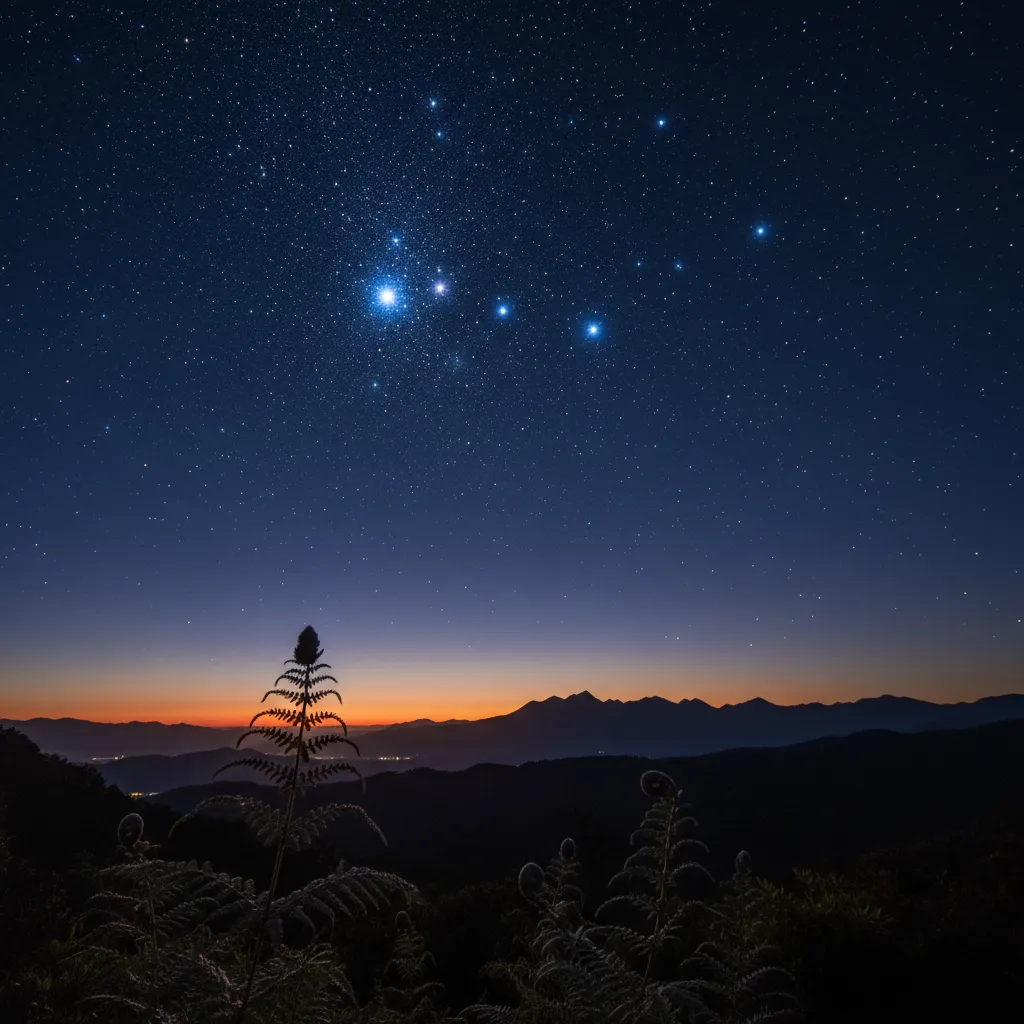
Understanding the Nine Stars of Matariki
While often referred to as the “Seven Sisters” in Greek mythology, Māori astronomy recognizes nine distinct stars within the Matariki cluster. Each star holds dominion over a specific aspect of the environment and wellbeing. Learning these associations provides a profound appreciation for the Māori worldview (Te Ao Māori) and their connection to the natural world.
1. Matariki (The Mother)
The star that signifies reflection, hope, and the health of the people. It is the conductor of the cluster, gathering the others together.
2. Pōhutukawa
This star connects Matariki to the dead. It is the star to which we carry our memories of those who have passed away in the previous year.
3. Tupuānuku
Associated with food grown in the ground. This includes kumara (sweet potato) and other root vegetables. It represents the importance of soil health and agriculture.
4. Tupuārangi
Connected to food that comes from the sky and above the ground, such as birds, berries, and fruits from trees.
5. Waipuna-ā-rangi
Associated with rain. This star determines the rainfall for the coming year, emphasizing the life-giving properties of water.
6. Ururangi
Connected to the winds. The nature of the winds for the year is said to be determined by the visibility of this star.
7. Waitī
Watches over fresh water environments and the food sources within them, such as eels and freshwater crayfish. It emphasizes the health of rivers and lakes.
8. Waitā
Associated with the ocean and food sources from the sea. This is particularly relevant for an island nation like New Zealand.
9. Hiwa-i-te-rangi
The wishing star. This is the star to which you send your dreams and desires for the coming year.
Cultural Appreciation vs. Appropriation
For new migrants, the line between appreciating a culture and appropriating it can sometimes feel blurry. However, in the context of Matariki, New Zealanders generally encourage participation, provided it is done with respect and understanding. Being a “good treaty partner” or a respectful guest in Aotearoa involves engaging with the culture rather than observing it as a spectacle.
What is Cultural Appreciation?
Appreciation involves learning about the history, listening to the stories told by Mana Whenua (local tribes), and participating in a way that honours the traditions. It is about “doing with” rather than “taking from.” For example, attending a public hāngī (earth oven feast) or learning the correct pronunciation of the stars is appreciation.
Avoiding Appropriation
Appropriation occurs when sacred elements are used out of context, usually for commercial gain or without permission. As a migrant, you can avoid this by:
- Not using Māori iconography (like moko/tattoos) on your own merchandise or branding without consultation.
- Avoiding the purchase of cheap, mass-produced “Māori-style” trinkets that are not made by Māori artists.
- Ensuring that you do not claim ownership of the traditions but rather participate as a respectful guest.

How to Celebrate Matariki as a Newcomer
Celebrating Matariki does not require you to be Māori. The holiday has become a unifying event for all people living in Aotearoa. Here are practical ways you can integrate this festival into your new life in New Zealand.
Share Kai (Food)
Food is central to Matariki. It signifies the harvest and the bringing together of people. Host a potluck dinner where friends bring a dish that represents their own culture. This blend of international cuisines with the spirit of Matariki perfectly encapsulates the modern New Zealand experience.
Honour Your Ancestors
Matariki is a time to remember those who have gone before us. Regardless of where your ancestors are from, take time to share stories about them. Display photos of loved ones who have passed and light a candle in their memory. This universal practice bridges the gap between Māori tradition and your own heritage.
Reconnect with Nature (Te Taiao)
Since the holiday is based on environmental cues, use this time to get outside. Plant a native tree, clean up a local beach, or simply take a walk in the bush. Acknowledging the land you now call home is a powerful way to ground yourself in your new country.
Essential Te Reo Māori Phrases for the Holiday
Language is the gateway to culture. Attempting to speak Te Reo Māori shows respect and a willingness to integrate. Even if your pronunciation is not perfect, the effort is highly valued in New Zealand society.
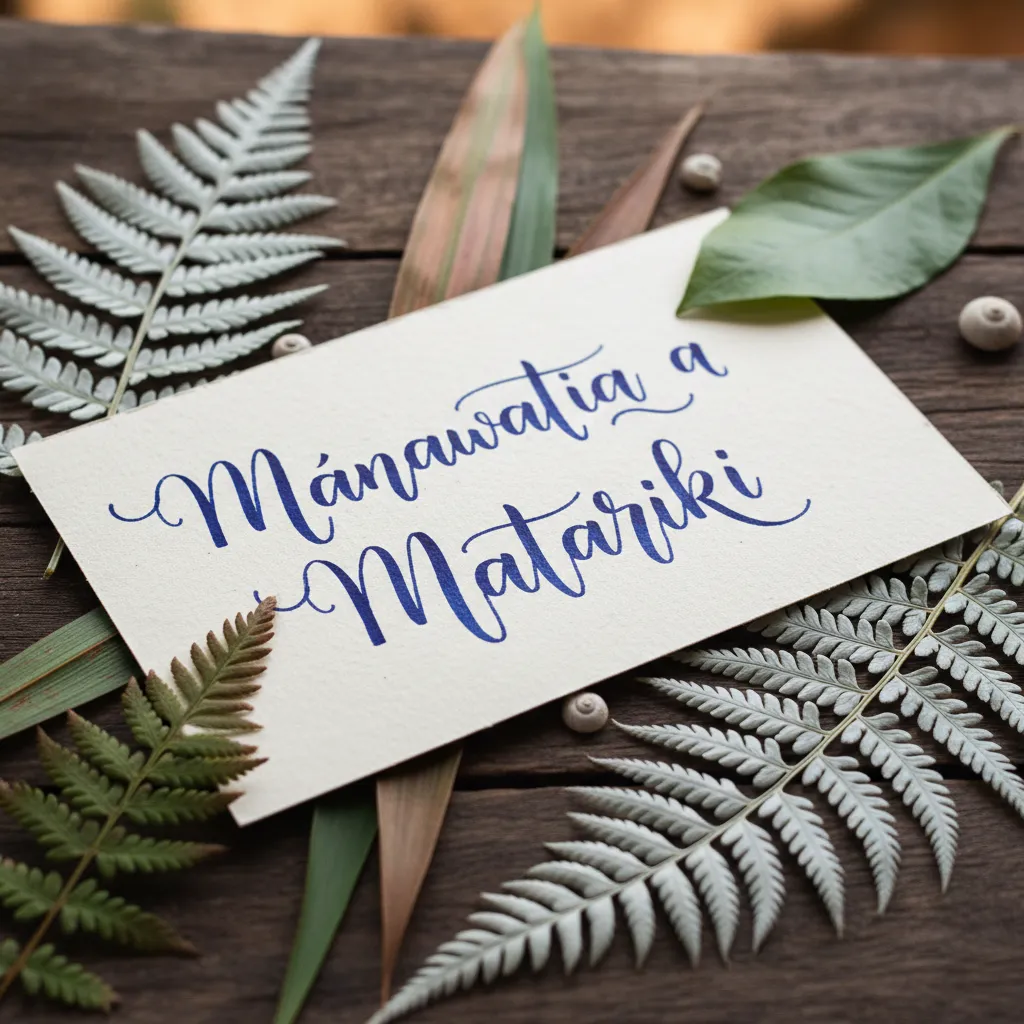
“Mānawatia a Matariki”
Pronunciation: Ma-na-wa-tea ah Ma-ta-ree-key
Meaning: Happy Māori New Year / Celebrate Matariki. This is the standard greeting you will hear and see during the holiday period.
“Ngā mihi o te tau hou”
Pronunciation: Nah me-he aw te toe hoe
Meaning: Greetings for the New Year.
“Tēnā koutou katoa”
Pronunciation: Ten-ah co-toe ca-toa
Meaning: Greetings to you all. This is a formal way to say hello to a group of three or more people, often used at the start of speeches or gatherings.
Joining Public Celebrations and Dawn Ceremonies
Across New Zealand, councils and Iwi (tribes) organize public events ranging from light festivals to solemn dawn ceremonies. Attending these is highly recommended for migrants.
The Hautapu (Dawn Ceremony)
The most traditional way to mark the occasion is the Hautapu. This involves cooking food in an earth oven so that the steam rises to feed the stars. While the full ceremony is often reserved for Iwi, many public versions are held.
What to expect: These events happen before sunrise, so dress warmly. There will be karakia (prayers), waiata (songs), and the calling of the names of the stars. It is a solemn, spiritual atmosphere. As a guest, simply stand quietly, listen, and observe. You do not need to participate in the chanting unless invited, but your respectful presence is participation enough.
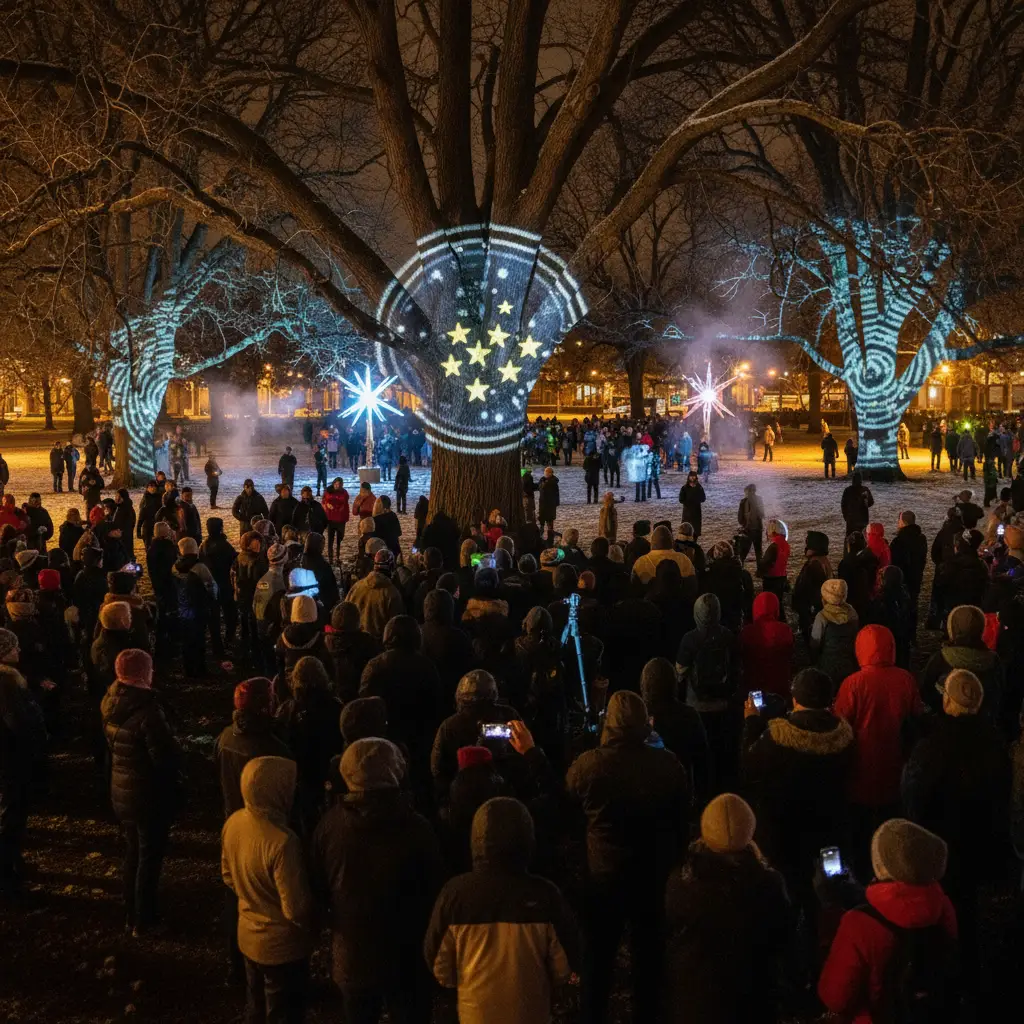
Light Festivals and Concerts
In major cities like Auckland, Wellington, and Christchurch, Matariki is celebrated with large-scale light installations and concerts. These are family-friendly and focus on the storytelling aspect of the holiday. They are excellent entry points for families with young children to learn about the legends of Matariki in an engaging visual format.
People Also Ask
When is Matariki celebrated?
Matariki dates change every year because it follows the Māori lunar calendar (Maramataka). It typically falls in late June or early July. The public holiday is set for the Friday closest to the Tangaroa lunar phase of the rising of the star cluster.
Is Matariki a religious holiday?
While Matariki is spiritual and rooted in Māori mythology, it is not a religious holiday in the Western sense. It is a cultural and environmental observance that people of all faiths (or no faith) can participate in without conflict.
What food is traditionally eaten during Matariki?
Traditional foods include kūmara (sweet potato), fish, eel, and birds, representing the domains of the stars Tupuānuku, Waitā, Waitī, and Tupuārangi. However, a modern Matariki feast can include any food that is shared with love among whānau.
Can I celebrate Matariki if I am not Māori?
Absolutely. The New Zealand government and Māori leaders explicitly invite all New Zealanders, including recent migrants, to celebrate Matariki. It is viewed as a time for nation-building and sharing a unique national identity.
How do I find Matariki events near me?
Local city councils and libraries are the best resources. Websites like Eventfinda and official council pages usually have dedicated Matariki sections listing dawn ceremonies, workshops, and community dinners.
What is the difference between Matariki and Puanga?
In some parts of New Zealand (like Taranaki and Whanganui), the Matariki cluster is hard to see due to geography. Tribes in these areas celebrate Puanga (the star Rigel) instead, which marks the New Year for them. The timing and significance remain largely the same.