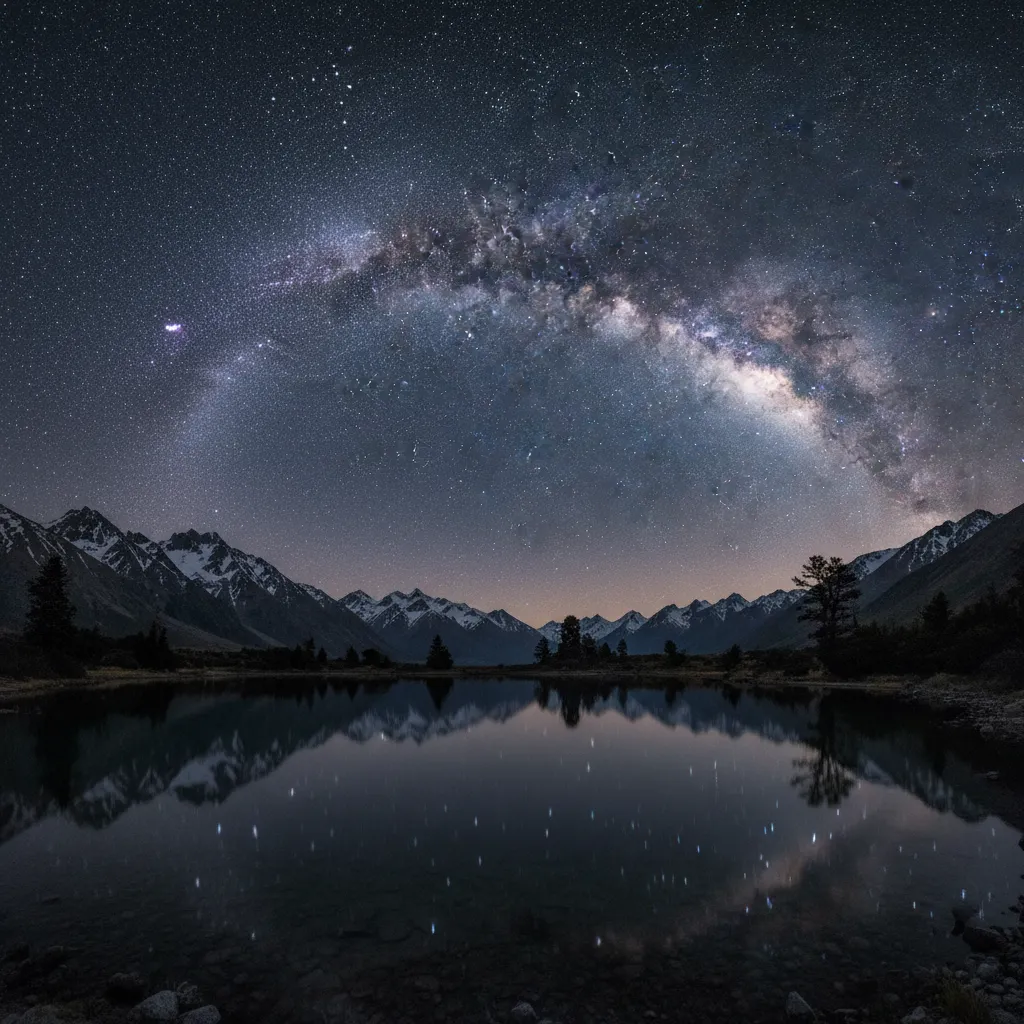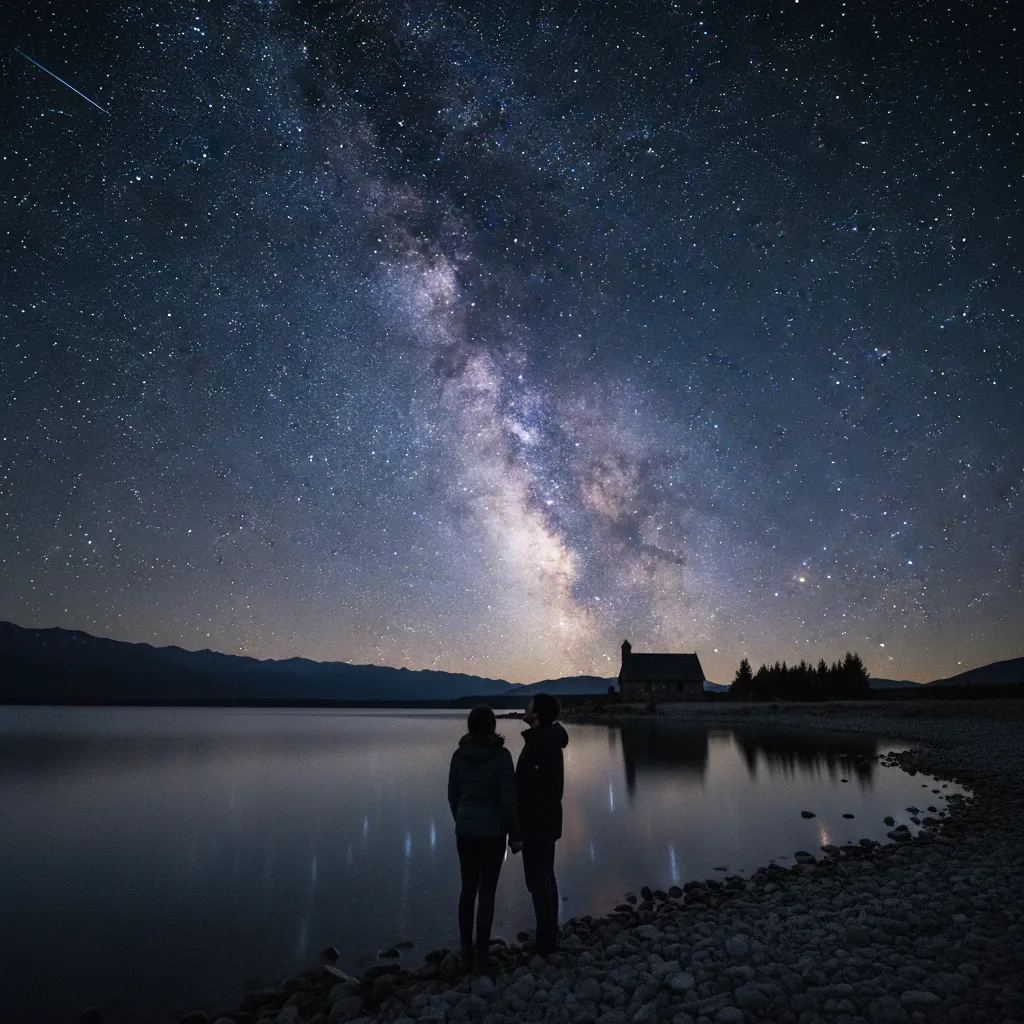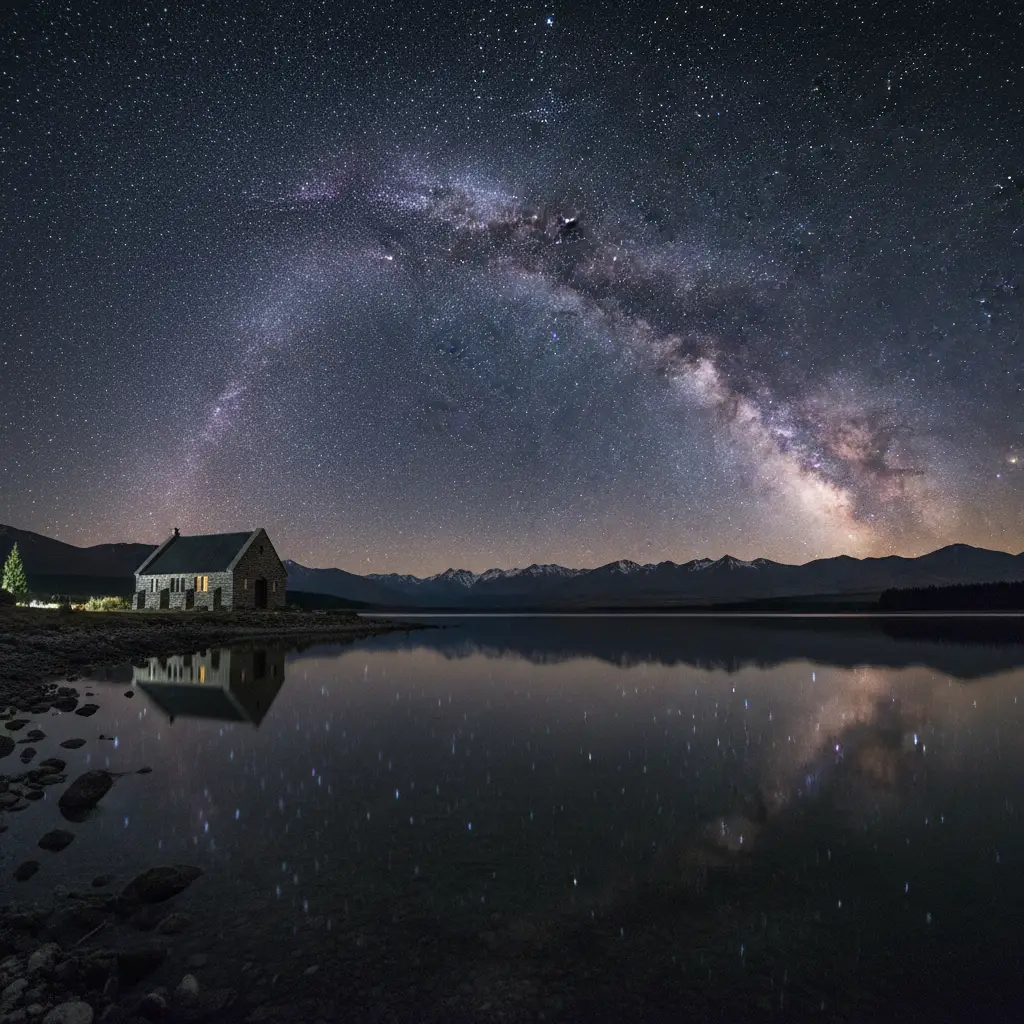
Magellanic Clouds viewing is best experienced from the Southern Hemisphere, particularly within New Zealand’s International Dark Sky Reserves. To observe these dwarf irregular galaxies, look toward the South Celestial Pole on moonless nights, ideally between late spring and autumn. They appear as two distinct, detached nebulous clouds separated from the Milky Way band, easily visible to the naked eye in areas free from light pollution.
How do I view the Magellanic Clouds from New Zealand?
New Zealand offers some of the most pristine viewing conditions in the world for observing the Magellanic Clouds. As circumpolar objects for most of the country, they never set below the horizon, circling the South Celestial Pole indefinitely. However, their visibility and altitude in the sky change throughout the year.
To successfully locate them, you must first escape the light dome of major cities. Locations such as the Aoraki Mackenzie International Dark Sky Reserve, Great Barrier Island (Aotea), and Stewart Island (Rakiura) provide the necessary contrast. The clouds sit roughly 20 degrees from the South Celestial Pole. If you can locate the Southern Cross (Crux) and the bright star Achernar, the clouds form a loose equilateral triangle with these markers. The Large Magellanic Cloud (LMC) is the brighter of the two, while the Small Magellanic Cloud (SMC) is fainter and requires darker skies to resolve clearly.
While they are visible year-round, the optimal viewing window corresponds with the darker months of the Maramataka (Māori lunar calendar) when the moon is in its Whiro (new moon) phase. Late spring through to autumn (November to April) generally places them higher in the evening sky, reducing atmospheric turbulence and extinction.
What are the Large and Small Magellanic Clouds?
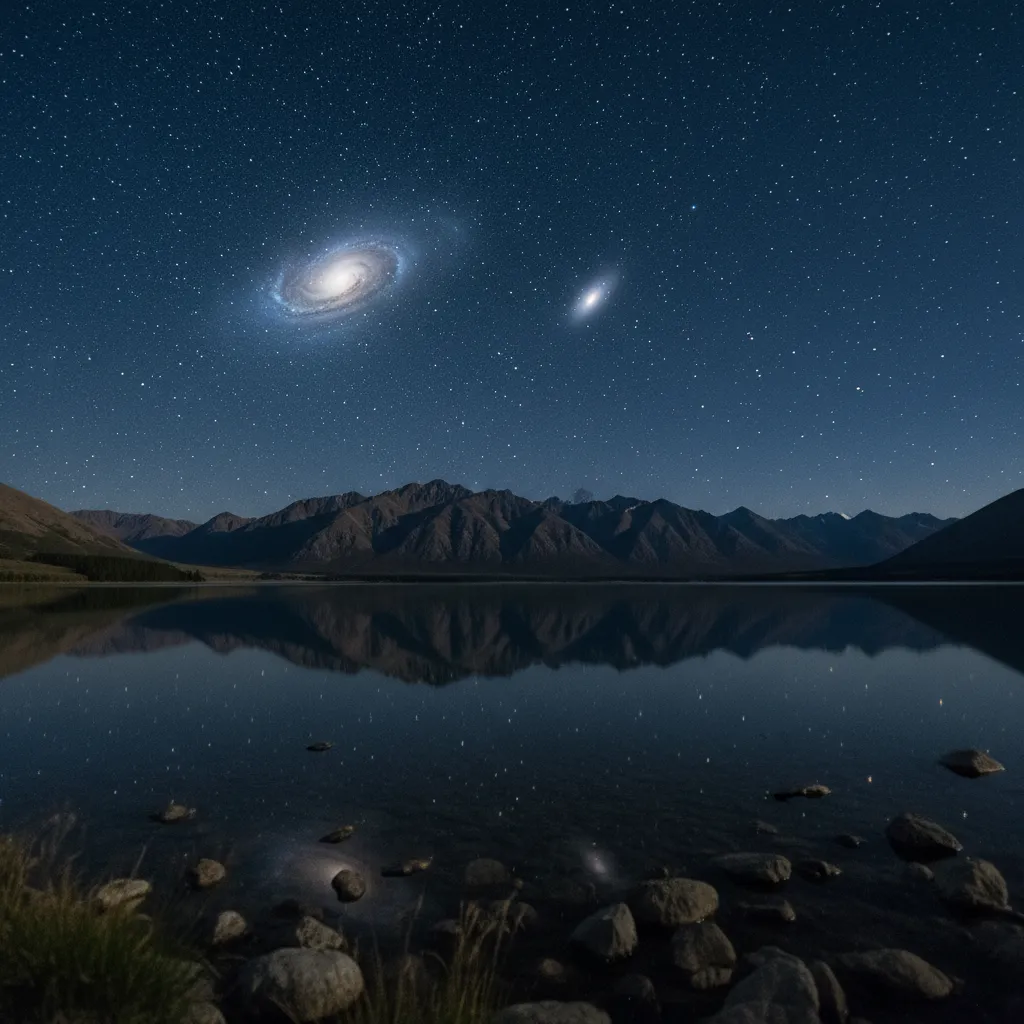
The Large Magellanic Cloud (LMC) and the Small Magellanic Cloud (SMC) are two of our closest galactic neighbors. They are classified as dwarf irregular galaxies and are gravitationally bound to our own Milky Way, eventually destined to merge with it. For astronomers and casual stargazers alike, they represent a unique opportunity to see extragalactic structures with the naked eye—a feat impossible in the Northern Hemisphere.
The Large Magellanic Cloud (LMC)
Located approximately 160,000 light-years away in the constellations Dorado and Mensa, the LMC spans about 14,000 light-years in diameter. It is a hotbed of stellar formation. Within the LMC lies the Tarantula Nebula (30 Doradus), an immense H II region that is one of the most active starburst regions in the Local Group of galaxies. If the Tarantula Nebula were as close to Earth as the Orion Nebula, it would cast shadows on the ground at night. Through binoculars, the LMC appears as a glowing, granular patch of light, while a telescope reveals complex knots of nebulosity and star clusters.
The Small Magellanic Cloud (SMC)
The SMC is further away, at roughly 200,000 light-years, and is located in the constellation Tucana. It is significantly smaller and has a more disrupted structure, likely due to tidal interactions with both the LMC and the Milky Way. It contains a mass of several hundred million suns. In Māori astronomy, these clouds serve as crucial navigational markers and weather predictors. They are often referred to as Ngā Pātari (The Screens) or associated with the anchor of the great sky canoe.
Why is the Carina Nebula a jewel of the Southern Sky?
The Carina Nebula (NGC 3372) is a colossal cloud of gas and dust located approximately 8,500 light-years away. It is one of the largest diffuse nebulae in our skies, four times larger and significantly brighter than the famous Orion Nebula. Yet, because it is positioned deep in the southern sky, it remains less known to northern observers.
At the heart of this nebula lies Eta Carinae, a hypergiant star system that is highly unstable. In the 1840s, Eta Carinae underwent a “Great Eruption,” briefly becoming the second-brightest star in the night sky before fading. Today, it is invisible to the naked eye but can be seen with optical aid. The nebula itself is visible to the naked eye as a bright patch in the Milky Way, not far from the Southern Cross.
When viewing the Carina Nebula through a telescope from a dark site in New Zealand, you can observe the “Keyhole Nebula,” a dark cloud of cold molecules and dust superimposed against the bright nebula. The complex structures of dust pillars and ionization fronts make it a favorite target for astrophotographers visiting the region.
How to spot the Omega Centauri Globular Cluster?
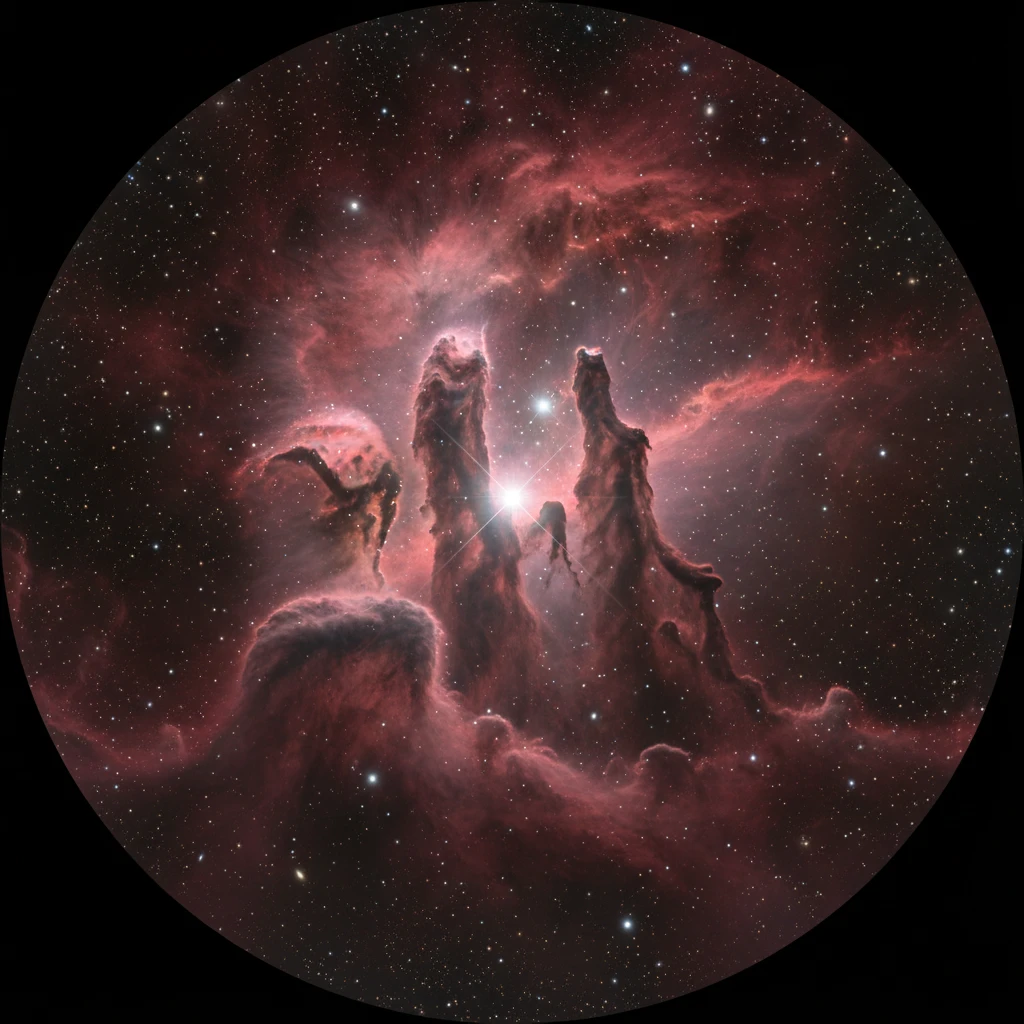
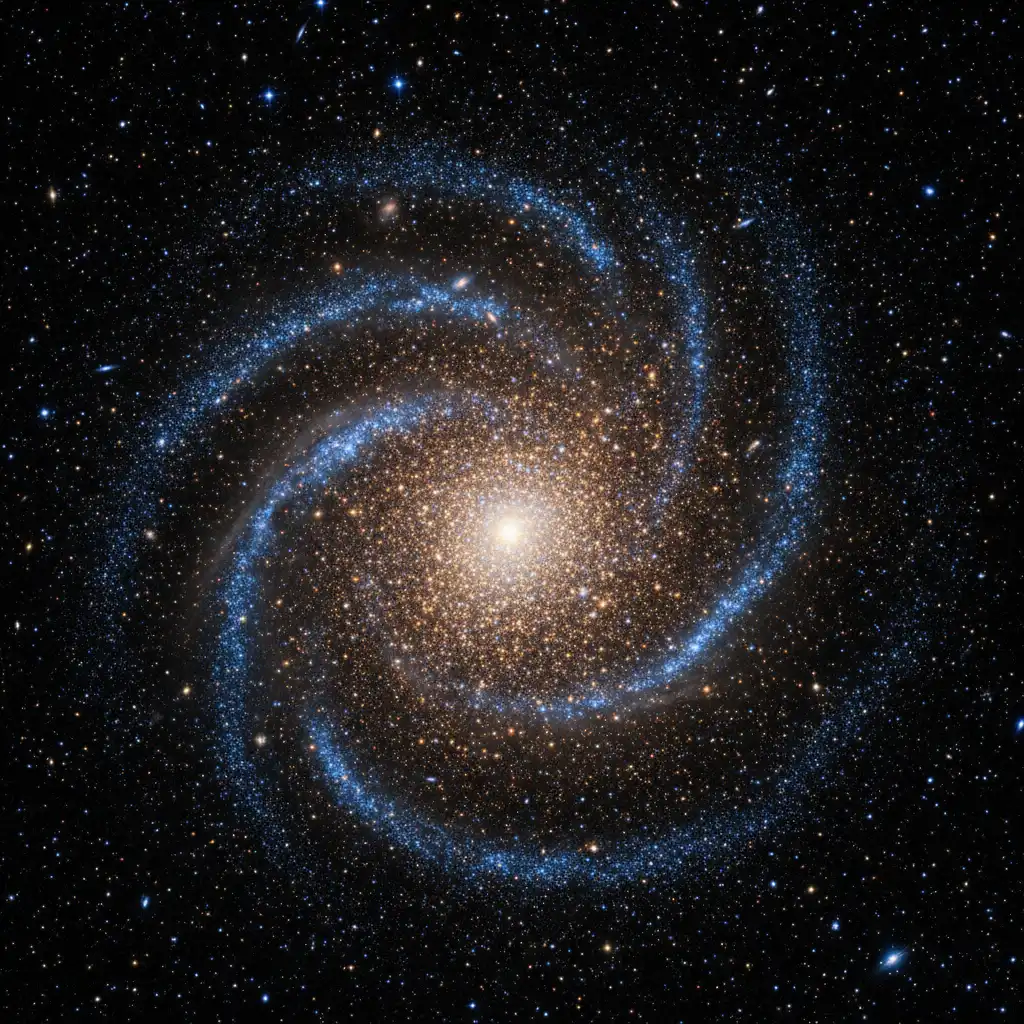
Omega Centauri (NGC 5139) is the largest and brightest globular cluster in the Milky Way, containing approximately 10 million stars tightly packed into a sphere roughly 150 light-years across. Located about 15,800 light-years from Earth in the constellation Centaurus, it is one of the few globular clusters visible to the naked eye.
To the unaided eye, Omega Centauri appears as a fuzzy star, almost like the head of a comet without a tail. It was actually cataloged as a star by Ptolemy, hence its Bayer designation “Omega.” However, even a modest pair of binoculars resolves it into a distinct sphere of light, fading at the edges and brightening intensely toward the core.
Through a 6-inch or larger telescope, the view is spectacular. The cluster resolves into thousands of individual pinpoints of light, resembling a pile of diamond dust on black velvet. Recent research suggests that Omega Centauri may not be a true globular cluster but rather the stripped core of a dwarf galaxy that was absorbed by the Milky Way billions of years ago. This theory is supported by the presence of a black hole at its center and distinct stellar populations of varying ages.
What is the Coalsack Dark Nebula and its cultural significance?
In contrast to the bright nebulas and clusters, the Coalsack is a prominent dark nebula—an interstellar cloud of dust so thick that it blocks the visible light from the stars behind it. It is located in the constellation Crux (the Southern Cross) and overlaps into Centaurus and Musca. It is the most conspicuous dark nebula in the sky, easily visible to the naked eye as a dark patch silhouetted against the bright star field of the Milky Way.
Te Pātiki (The Flounder)
In New Zealand astronomy, the Coalsack holds profound significance. For Māori, this dark patch is known as Te Pātiki (The Flounder). The orientation of Te Pātiki in the night sky was used historically to determine the correct time for fishing flounder. This highlights a fundamental difference in indigenous astronomy: while Western traditions often connect the dots (stars) to form shapes, Māori astronomy frequently assigns meaning to the dark spaces between the stars.
Physically, the Coalsack is roughly 600 light-years away and spans a radius of about 30-35 light-years. It is a molecular cloud where new stars may eventually form, though currently, it serves as a cold, dark curtain in the rich southern sky. Observing it requires no equipment; in fact, binoculars often diminish the effect. The best way to appreciate the Coalsack is to lie back in a dark sky reserve and look at the Southern Cross; the dark void adjacent to the stars Alpha and Beta Crucis is unmistakable.
What equipment is needed for Deep Sky Observation?
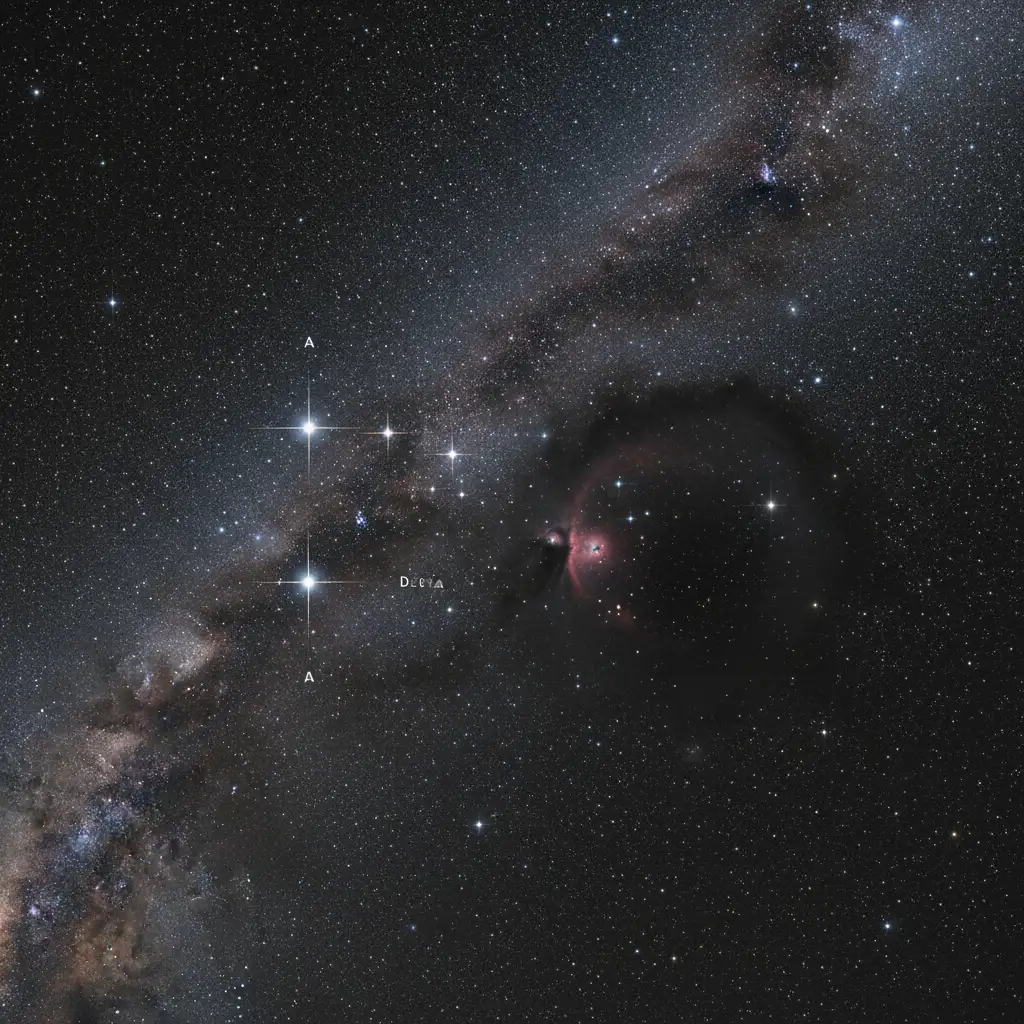
While the Magellanic Clouds and the Coalsack are naked-eye objects, enhancing your viewing experience with optical equipment can reveal the stunning details of deep sky objects like the Carina Nebula and Omega Centauri.
Binoculars
For beginners, binoculars are the most effective tool for “sweeping” the southern skies. A pair of 10×50 or 7×50 binoculars is ideal. They provide a wide field of view, allowing you to see the entirety of the Large Magellanic Cloud or the context of the Coalsack against the Milky Way. Through binoculars, Omega Centauri transforms from a fuzzy star into a clear, glowing orb.
Telescopes
To resolve individual stars in globular clusters or the filamentary structures of nebulas, a telescope is required. A Dobsonian reflector with an aperture of 8 inches (200mm) or larger is the gold standard for visual astronomy. It gathers enough light to show the structure of the Tarantula Nebula inside the LMC and the “V” shaped dust lanes in the Centaurus A galaxy.
Cameras
For those interested in capturing these sights, a DSLR or mirrorless camera with a fast wide-angle lens (f/2.8 or lower) and a sturdy tripod is the starting point. The Magellanic Clouds are bright enough to be captured in a single 15-20 second exposure at ISO 1600 or 3200. For more detailed images of the Carina Nebula, a star tracker is necessary to counteract the earth’s rotation, allowing for longer exposures without star trails.
Frequently Asked Questions
When is the best time to see the Magellanic Clouds in New Zealand?
The Magellanic Clouds are circumpolar and visible year-round from New Zealand. However, the best viewing times are during the darker months of autumn and winter, or late spring evenings when they are high in the sky. Always choose a moonless night for the best contrast.
Can you see the Magellanic Clouds with the naked eye?
Yes, both the Large and Small Magellanic Clouds are visible to the naked eye from dark locations in the Southern Hemisphere. They appear as faint, detached clouds of the Milky Way. Light pollution will make them difficult or impossible to see.
What is the Māori name for the Magellanic Clouds?
In Māori astronomy, the Magellanic Clouds are often referred to as Ngā Pātari (The Screens) or Ngā Pātari-kai-hau. They are also associated with Tuputuputu and Ti’oreore in some tribal traditions, serving as weather indicators.
Are the Magellanic Clouds galaxies?
Yes, they are dwarf irregular galaxies. They orbit the Milky Way and are members of the Local Group. They contain billions of stars, gas, and dust, and are sites of active star formation.
How far away is the Carina Nebula?
The Carina Nebula is approximately 8,500 light-years away from Earth. Despite this distance, it is one of the brightest nebulas in the sky due to its massive size and the intense radiation from the massive stars within it.
Why is the Southern Hemisphere better for astronomy?
The Southern Hemisphere faces the center of the Milky Way galaxy, which is the brightest and most dense part. This provides a richer field of stars, bright nebulas (like Carina), and unique objects like the Magellanic Clouds that are not visible from the north.