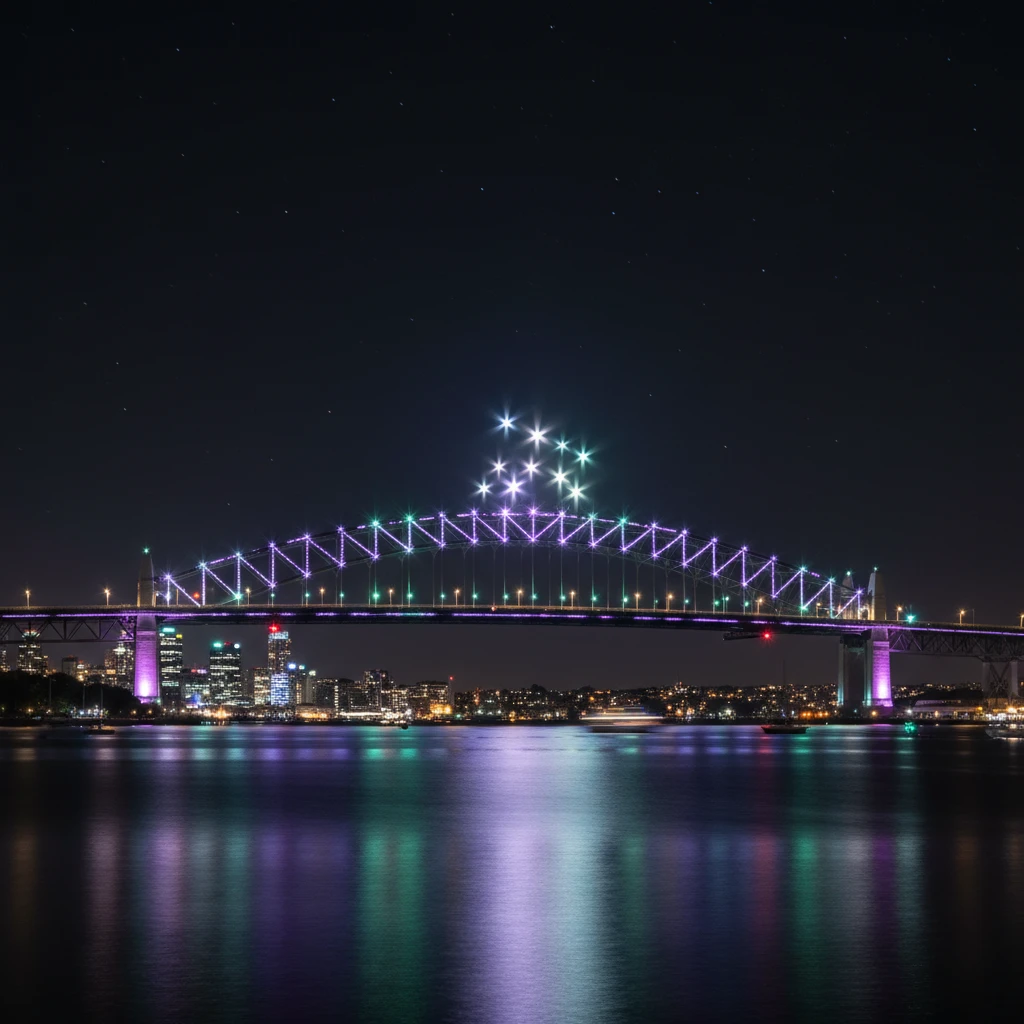
Matariki dinner bookings 2025 are highly sought after for the Aotearoa New Year long weekend, centered around June 20th. To celebrate, participating restaurants across New Zealand launch “Feast Matariki” menus highlighting indigenous ingredients like kūmara, tītī, and kawakawa. Due to high demand, diners should secure reservations at least 4-6 weeks in advance to experience these exclusive cultural culinary events.
As the star cluster rises and Aotearoa prepares to celebrate the Māori New Year, the culinary landscape of New Zealand transforms. Matariki is a time for remembrance, celebrating the present, and looking to the future, and nowhere is this more evident than on the plates of the country’s finest eateries. The act of sharing kai (food) is central to Matariki, known as hākari (feasting), bringing whānau (family) and friends together.
For 2025, the Matariki public holiday falls on Friday, June 20, creating a long weekend ripe for gastronomic exploration. From high-end degustations featuring native botanicals to bustling night markets serving modern hāngī, the options are vast. However, with the festival’s growing popularity, securing a table has become a competitive sport. This guide covers everything you need to know about navigating the culinary celebrations and securing your spot at the table.
What is Feast Matariki 2025?
Feast Matariki is not a singular event but a nationwide movement where the hospitality industry aligns with the cultural significance of the Māori New Year. It is an invitation to explore Aotearoa’s unique food story. In 2025, we expect to see record participation from venues ranging from bistro-style eateries to three-hatted fine dining establishments.
The core philosophy of Feast Matariki revolves around manaakitanga (hospitality) and kaitiakitanga (guardianship). Chefs are tasked with creating dishes that not only taste exceptional but also tell a story of the land and sea. This often involves sourcing ingredients that have been harvested according to the maramataka (Māori lunar calendar).
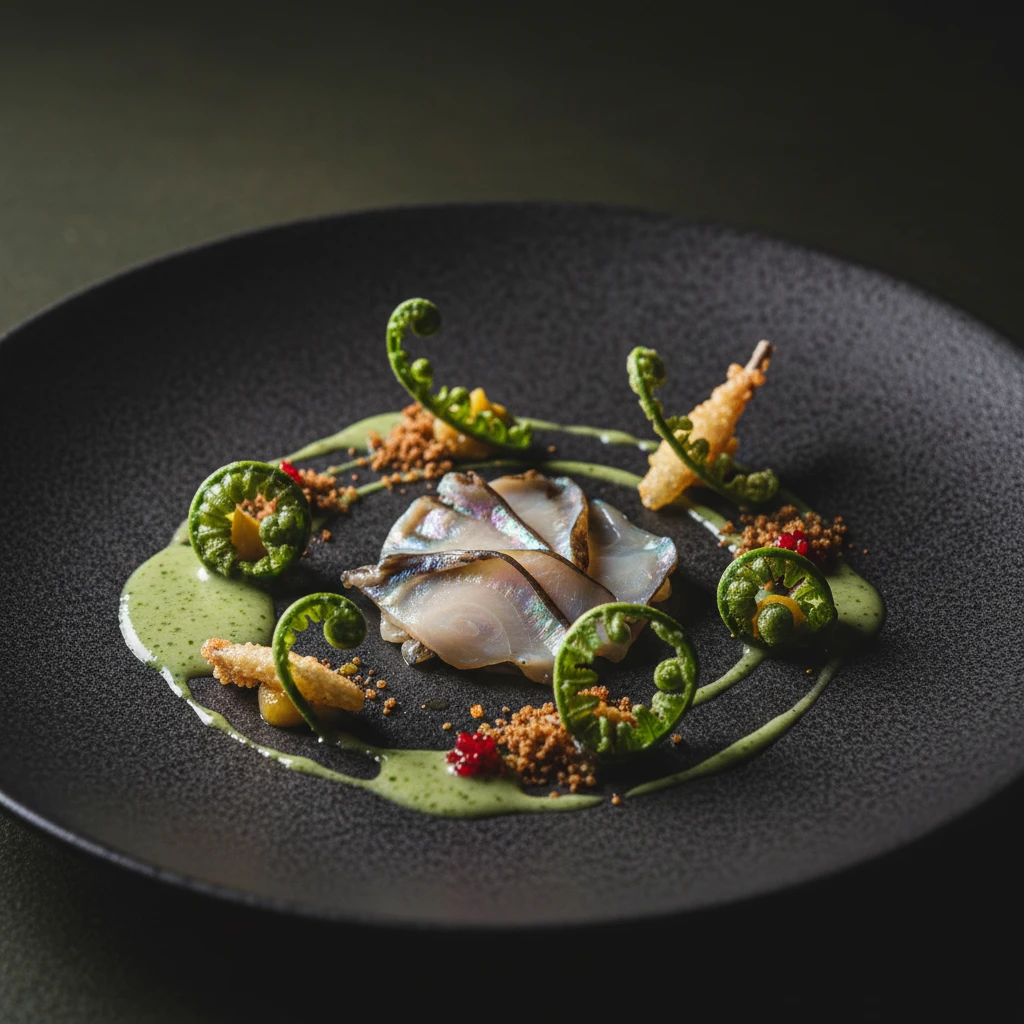
When you look for Matariki dinner bookings 2025, you aren’t just booking a meal; you are booking a cultural experience. Many venues partner with local iwi (tribes) and food producers to ensure authenticity. The menus are often transient, available only during the Matariki period (typically mid-June to mid-July), making them exclusive experiences that cannot be replicated at other times of the year.
Participating Restaurants & Key Locations
While the official list of participating restaurants is typically released closer to the date, historical trends and early announcements give us a strong indication of where the hotspots will be. Major cities like Auckland, Wellington, and Christchurch serve as the primary hubs for these culinary events.
Auckland (Tāmaki Makaurau)
Auckland’s dining scene embraces Matariki with vigor. Expect the Viaduct Harbour and Britomart precincts to feature heavy hitters offering set menus. Restaurants that focus on New Zealand cuisine often lead the charge, integrating ingredients like horopito and pikopiko into sophisticated dishes. In 2025, look out for special collaborations where guest chefs from around the Pacific may join local kitchens to highlight the oceanic connection of the Matariki star cluster.
Wellington (Te Whanganui-a-Tara)
As the capital, Wellington hosts significant official celebrations, and its restaurants follow suit. The “Capital of Kai” often sees restaurants on Cuba Street and the waterfront creating immersive dining experiences. Wellington On a Plate often aligns closely with Matariki themes, so keep an eye out for “Visa Wellington On a Plate” events that might overlap or precede the holiday. High-demand venues here will require bookings as soon as they open, often in early May.
Christchurch (Ōtautahi) & Regional NZ
The South Island offers a distinct flavor profile, often focusing on wild game and seafood from the cold southern waters. Restaurants in Christchurch and surrounding regions like Kaiapoi often host “hāngī with a twist,” utilizing modern combi-ovens to replicate the smoky earthiness of traditional cooking methods in a restaurant setting. Regional hubs like Rotorua are also unmissable, offering perhaps the most authentic traditional hāngī experiences combined with cultural performances.
Special Menus: Indigenous Ingredients Explained
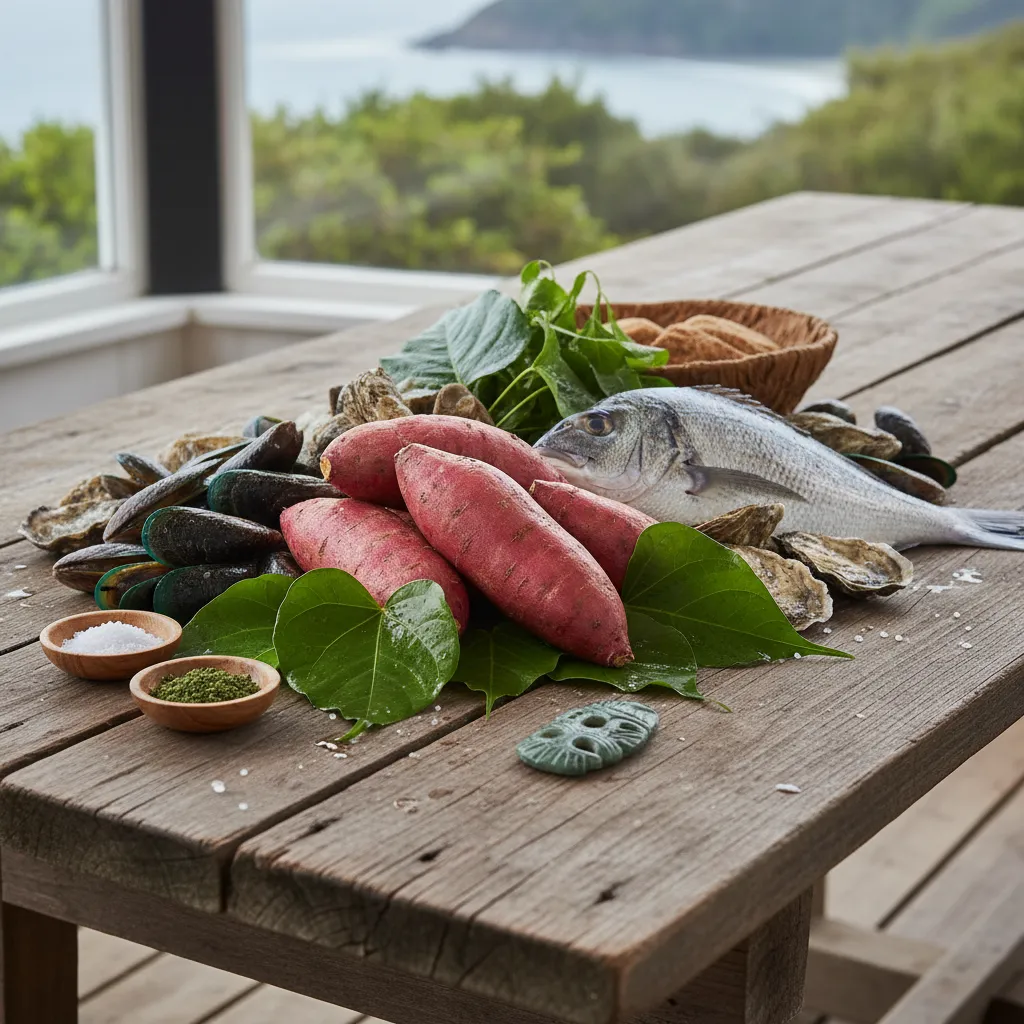
To truly appreciate your Matariki dinner, it helps to understand the ingredients on the menu. Chefs use this time to educate diners on native flora and fauna that have sustained Māori for centuries. Understanding these ingredients will enhance your appreciation of the special menus available for Matariki dinner bookings 2025.
The Stars and the Food
In Māori tradition, specific stars in the Matariki cluster are associated with different food sources. Chefs often curate menus that pay homage to these stars:
- Waitī: Watch over freshwater environments. Expect menus featuring tuna (eel) and kōura (freshwater crayfish).
- Waitā: Represents the ocean. Look for kaimoana (seafood) like pāua (abalone), kina (sea urchin), and ika (fish).
- Tipuānuku: Associated with food grown in the ground. This is where kūmara (sweet potato), taewa (Māori potatoes), and taro shine.
- Tipuārangi: Connects to food from the sky. Menus may feature manu (birds) like duck or chicken, and fruits from trees.
Key Ingredients to Spot
Kawakawa: Often referred to as New Zealand basil, this heart-shaped leaf has a peppery, medicinal taste. It is frequently used in rubs for meats, infused in oils, or brewed as a tea for dessert pairings.
Horopito: Known as the New Zealand pepper tree. It provides a spicy kick and is often used to season venison or lamb, cutting through the richness of the meat.
Kānga Wai: Fermented corn. A traditional delicacy that has a strong, pungent flavor (similar to blue cheese) and a porridge-like consistency. Modern chefs are finding innovative ways to use it in mousses or savory accompaniments.
Tītī (Muttonbird): A salty, fatty bird harvested from the southern islands. It is an acquired taste for some but a prized delicacy. It is often served confit-style to balance its intense richness.
How to Secure Tables for the Long Weekend
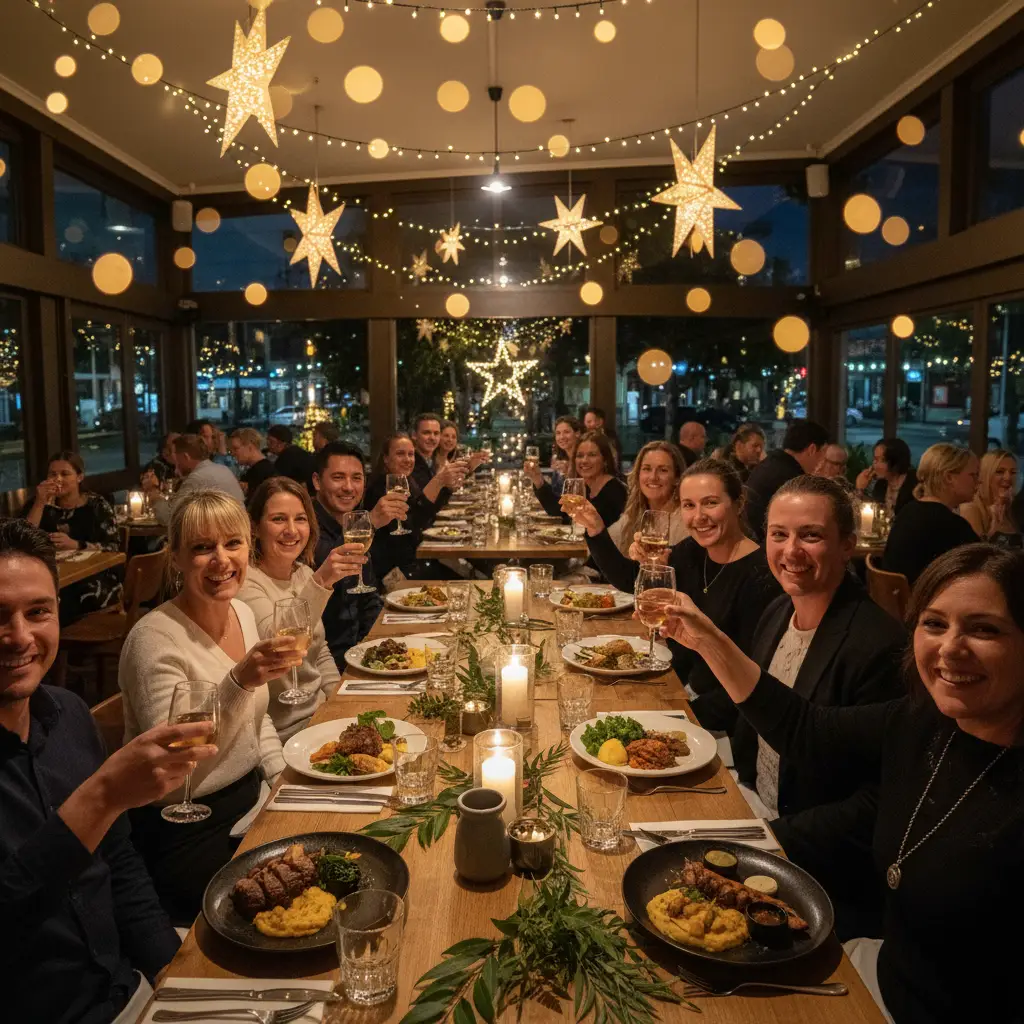
The Matariki long weekend (June 20–22, 2025) will see a surge in domestic tourism. Families take the opportunity to travel, and dining out is a primary activity. Here is a strategic approach to ensuring you don’t miss out on your preferred Matariki dinner bookings 2025.
1. The 6-Week Rule
For top-tier restaurants (those with “Hats” or significant awards), bookings should be made at least 6 weeks in advance. This places your booking window in early May 2025. Mark your calendar. Many restaurants release their online reservation slots 60 or 90 days out.
2. Subscribe to Newsletters
Restaurants often announce their special Matariki set menus to their email subscribers 24-48 hours before the general public. Sign up for newsletters of your favorite venues or local hospitality groups (like Savor Group in Auckland or Kapura in Wellington) to get early access links.
3. Lunch over Dinner
If you find that dinner slots are fully booked for Friday and Saturday night, consider booking a “long lunch.” Many restaurants offer the same Feast Matariki menu at lunchtime. This is often a more relaxed experience and allows you to enjoy the winter daylight.
4. Check Deposit Policies
Be prepared to pay a deposit. Because it is a public holiday weekend, restaurants are strict about no-shows. Expect to pay anywhere from $20 to $50 per person upfront to secure the booking. Ensure you understand the cancellation policy, which usually requires 24-48 hours’ notice for a refund.
Street Food Markets and Night Stalls
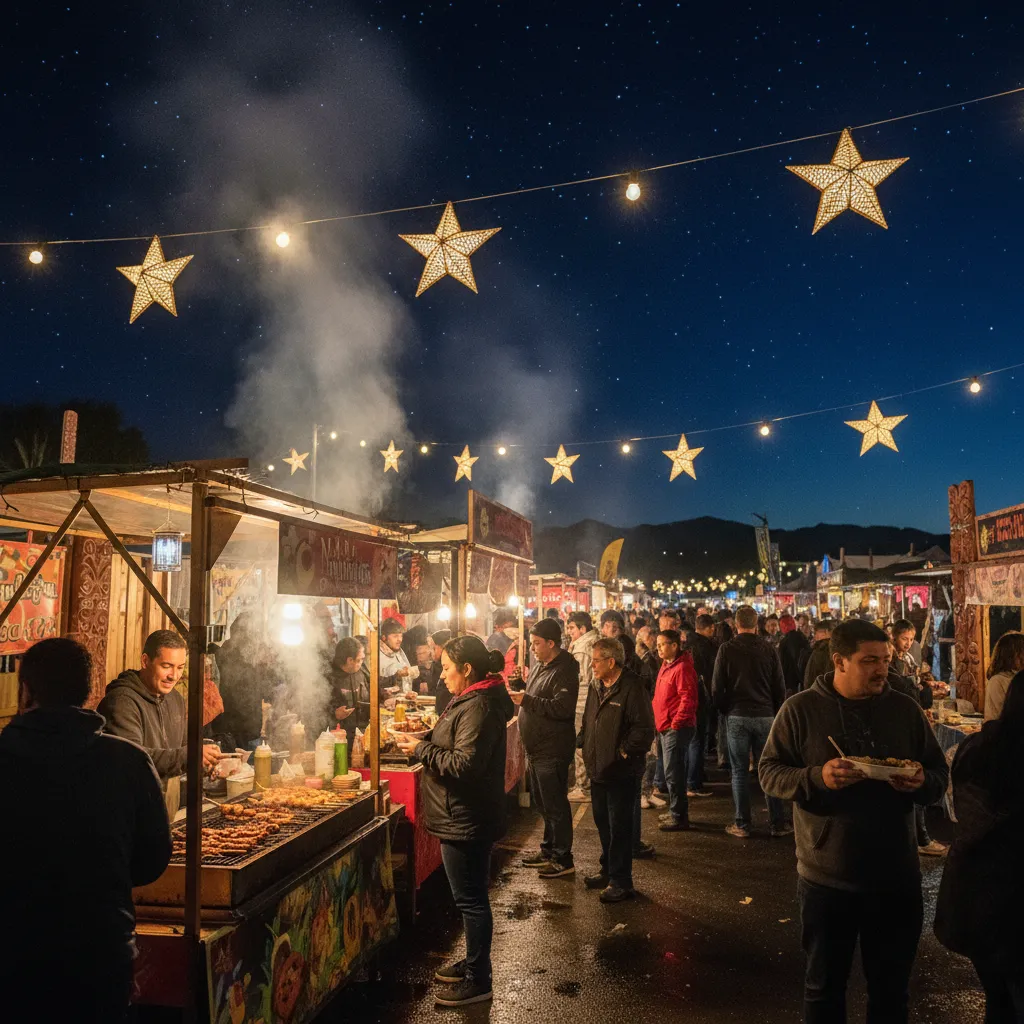
Not all Matariki dining requires a reservation. For a more casual, vibrant atmosphere, the street food markets are an essential part of the festival. These markets often mimic the bustling night markets of Asia but with a distinctly Kiwi flavor profile.
Tohunga Tūmau (Master Chefs) of the Street
At these markets, you will find vendors selling:
- Hāngī Pie: All the elements of a traditional earth oven roast (pork, chicken, potato, pumpkin, stuffing) encased in a flaky pastry. This is the ultimate comfort food.
- Fry Bread Burgers: Traditional Māori fry bread (paraoa parai) used as buns for burgers, often filled with slow-cooked brisket or pulled pork and watercress.
- Creamed Pāua Wontons: A fusion delight mixing Chinese culinary technique with New Zealand seafood.
- Mussel Fritters: Fresh green-lipped mussels in a batter, fried until golden and served with lemon and vinegar.
Where to Find Them
In Auckland, keep an eye on the Matariki Festival schedule for pop-up markets in Silo Park or the CBD. In Wellington, the waterfront often transforms into a food truck laneway. These events are weather-dependent, so check social media pages on the day. While you don’t need a booking, you do need patience; lines for the most popular stalls (especially those selling hāngī) can be long.
Frequently Asked Questions
When should I book for Matariki 2025 dinners?
You should aim to book as early as early May 2025. For high-end restaurants, booking 6 to 8 weeks in advance is recommended to secure a table for the long weekend of June 20th.
What traditional foods are served during Matariki?
Traditional foods include kūmara (sweet potato), tītī (muttonbird), tuna (eel), ika (fish), and shellfish like pāua and kina. These are often prepared using earth ovens (hāngī) or modern slow-cooking methods.
Are there vegetarian options for Feast Matariki menus?
Yes, most participating restaurants offer vegetarian and vegan adaptations of their Matariki menus, focusing on ingredients like pikopiko (fern fronds), kūmara, and puha (sow thistle).
Is Matariki a public holiday in New Zealand in 2025?
Yes, Matariki is a public holiday in New Zealand. In 2025, it falls on Friday, June 20th, creating a three-day long weekend.
Do restaurants charge a surcharge on Matariki?
Yes, because Matariki is a public holiday, many restaurants in New Zealand will apply a surcharge of 15% to cover increased staff wages required by law.
What is the difference between Hāngī and Hākari?
Hāngī refers to the method of cooking food in an earth oven using heated stones. Hākari refers to the feast itself or the act of feasting and hospitality, regardless of the cooking method used.