
DIY Matariki crafts are creative cultural activities designed to celebrate the Māori New Year, focusing on symbolic items like manu tukutuku (kites) and paper lanterns. These projects often utilize natural materials such as harakeke (flax) or recycled goods to honor the connection between the earth and the sky while teaching the significance of the nine stars.
Matariki is a time of renewal, remembrance, and celebration in Aotearoa New Zealand. As the Pleiades star cluster rises, communities come together to reflect on the past year and set intentions for the one ahead. Engaging in Matariki crafts DIY projects is a powerful way to connect with these traditions tangibly. Whether you are a teacher planning a curriculum, a parent looking for holiday activities, or an individual wanting to honor the season, creating manu tukutuku and lanterns brings the spirit of the Māori New Year to life.
Why are Kites Significant in Matariki?
In Māori tradition, kites—known as manu tukutuku or manu aute—hold profound spiritual significance, particularly during the season of Matariki. They are not merely toys but serve as a physical and spiritual link between the earth (Papatūānuku) and the heavens (Ranginui). Historically, kites were flown to facilitate communication with the gods and ancestors.
The act of flying a kite during Matariki symbolizes the fluttering of birds, which were believed to carry messages to the spirit world. As the kite ascends, it draws the flyer’s eyes upward toward the rising star cluster, reinforcing the connection between the people of the land and the celestial bodies that guide their seasons.
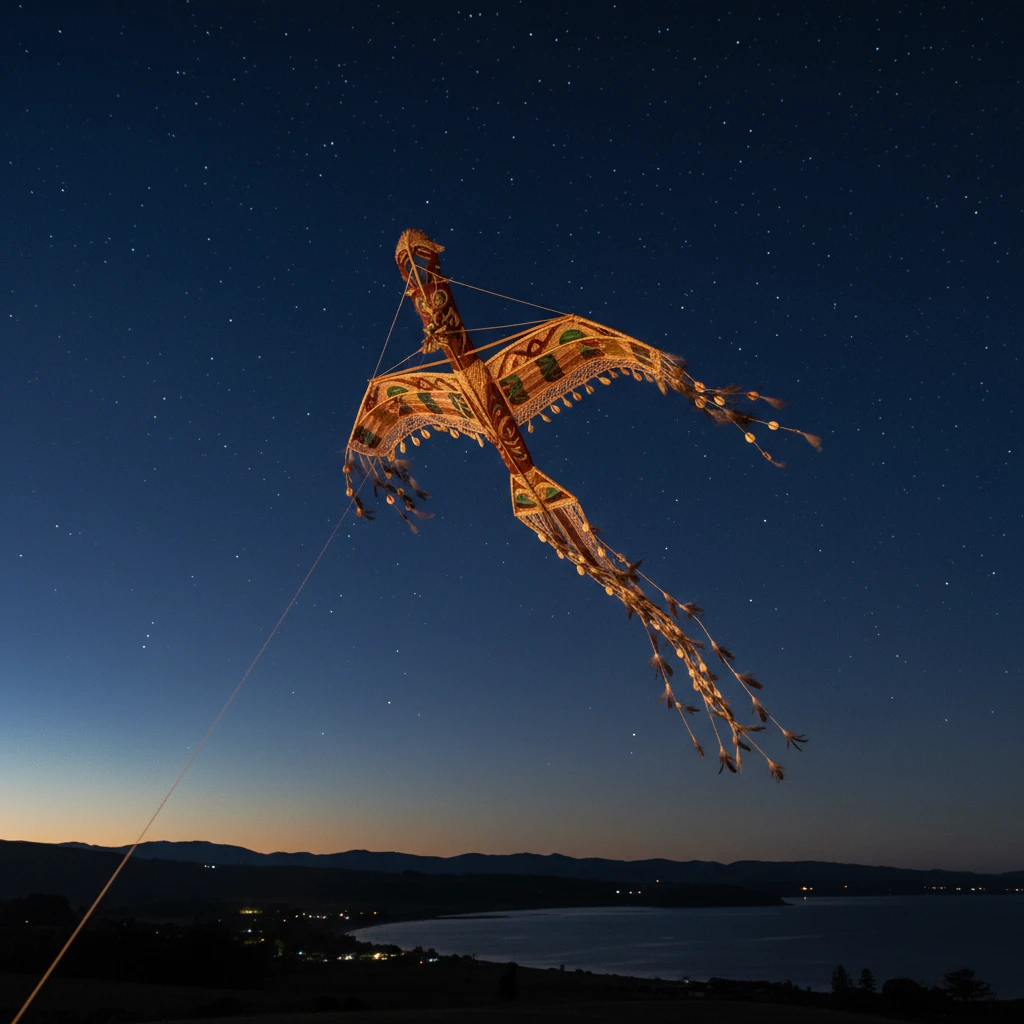
Furthermore, the structure of the kite itself often represents specific deities or birds. The craftsmanship involved in creating a manu tukutuku was highly valued, with intricate designs often reserved for chiefs or significant ceremonial occasions. Today, recreating these kites is a homage to that ancestral ingenuity and a way to keep the stories of the past alive for younger generations.
The Connection to the Winds
Matariki occurs in mid-winter, a time when the winds can be unpredictable. Successfully flying a kite requires an understanding of Tāwhirimātea (the god of wind and weather). Engaging in this craft teaches patience and observation of the natural environment, core values of the Māori worldview (Te Ao Māori).
How to Make a DIY Matariki Kite (Manu Tukutuku)
Creating a simplified version of a manu tukutuku is a fantastic entry point into Matariki crafts DIY. While traditional kites used aute (paper mulberry) bark and toe toe stalks, modern adaptations can use readily available materials while still respecting the traditional form.
Materials You Will Need
- Frame: Bamboo skewers, light dowels, or dried toe toe stalks (if available and harvested respectfully).
- Body: Brown craft paper, baking paper, or lightweight fabric.
- Binding: Natural twine, jute string, or strips of flax (harakeke).
- Decoration: Feathers, paints, markers, and shell pieces.
- Tail: Strips of fabric or ribbon to provide stability.
Step-by-Step Instructions
Step 1: Construct the Frame
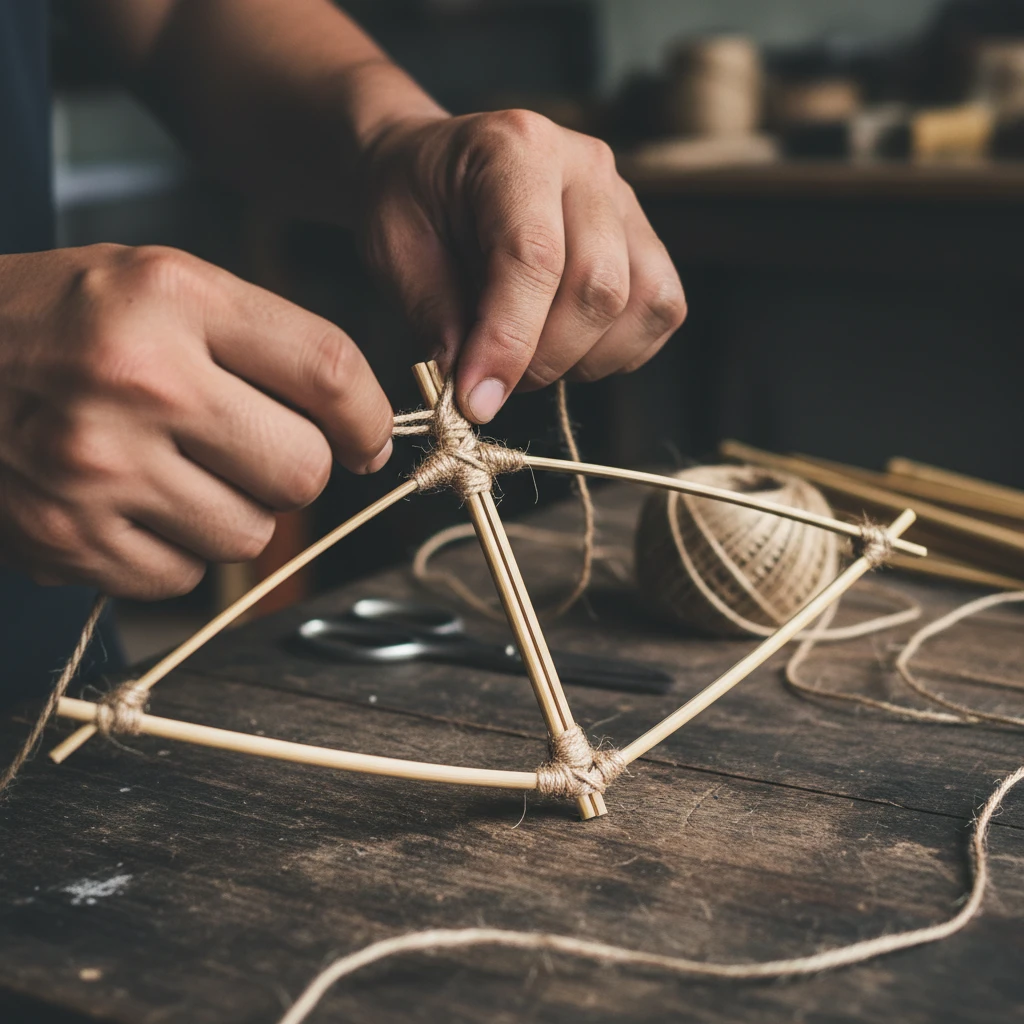
Begin by creating a cross shape with your sticks. For a traditional ‘manu’ (bird) shape, the horizontal stick should be slightly bowed. Lash the two sticks together tightly at the center intersection using your twine. Ensure the knot is secure, as this forms the backbone of your kite.
Step 2: String the Outline
Run a string around the perimeter of the frame, connecting the four ends of the sticks. Pull the string taut to maintain the shape and notch the ends of the sticks to prevent the string from slipping. This creates the edge that you will fold your paper over.
Step 3: Attach the Sail
Lay your frame down on your paper or fabric. Cut around the frame, leaving a 2-3 cm margin. Fold this margin over the perimeter string and glue or tape it down. If you are using traditional methods, you would stitch this fold with flax fiber.
Step 4: Decorate with Meaning
This is where the cultural storytelling begins. Encourage crafters to draw designs that represent the stars of Matariki. For example, draw Waitī and Waitā to represent fresh and salt water, or Tupu-ā-nuku and Tupu-ā-rangi for food from the earth and sky. Attaching feathers to the wingtips adds to the bird-like aesthetic.
Step 5: Attach the Bridle and Tail
Tie a string to the top and bottom of the vertical spine stick to create a bridle. Attach your flying line to this bridle. Finally, attach a long tail to the bottom of the kite. The tail is crucial for stability in the winter winds.
How to Create Paper Lanterns for Light Parades
Light is a central theme of Matariki, symbolizing the return of the sun and the guiding light of the stars. Paper lanterns are a popular craft for community light parades or simply for decorating the home to welcome the New Year.
Designing for Safety and Symbolism
When making lanterns, safety is paramount. We recommend using battery-operated tea lights or LED strings instead of real candles, especially if children are involved in the crafting process.
Simple Cylinder Lantern Method
This method is accessible for all ages and produces a beautiful, glowing effect that highlights the star clusters.
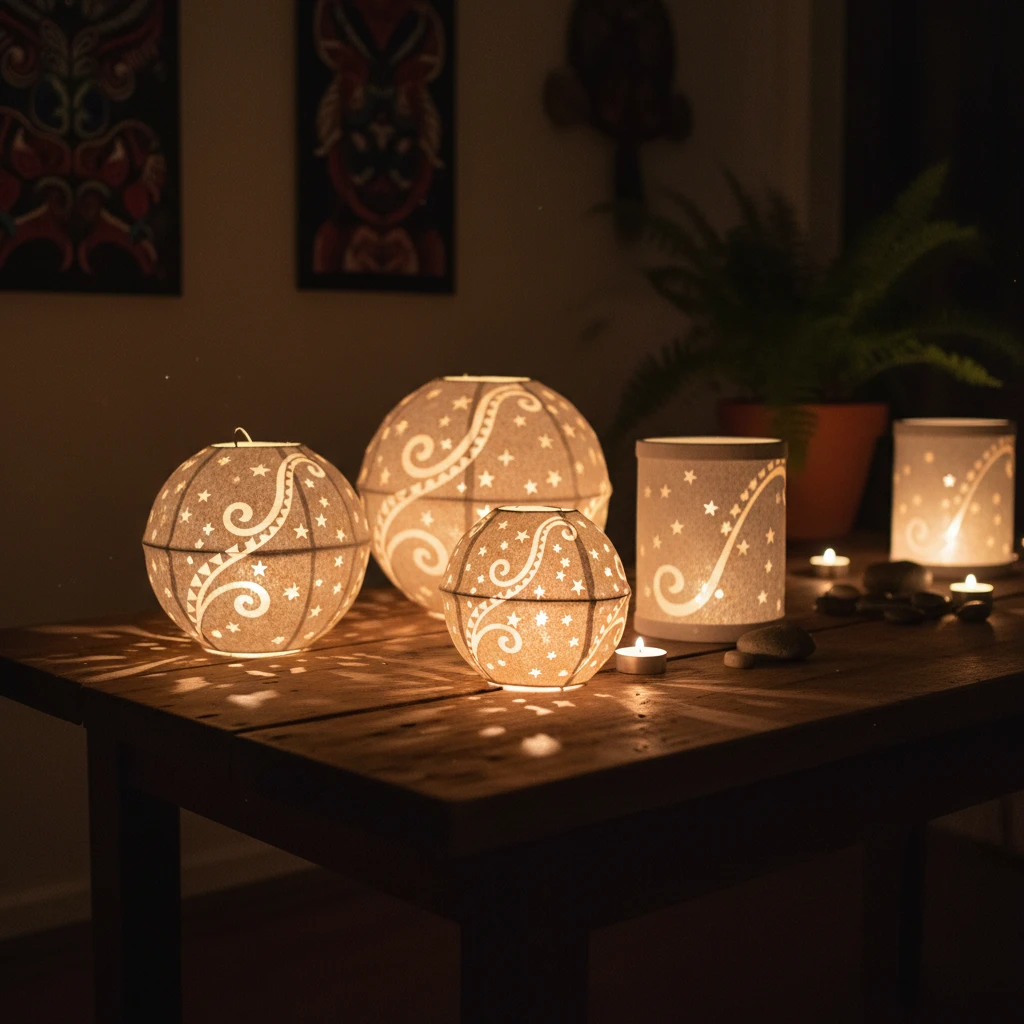
- Prepare the Paper: Use thick tracing paper or oil-rubbed bond paper. The oil makes regular paper translucent, allowing light to shine through warmly.
- Create the Starry Night: Before rolling the paper, lay it flat. Use a pin or a small hole punch to create patterns representing the Matariki cluster (the seven or nine stars). When lit from within, these holes will project “stars” outward.
- Add Cultural Motifs: Use black silhouette cutouts glued to the inside of the paper. Common motifs include the koru (representing new life and growth) or maunga (mountains).
- Form the Cylinder: Roll the paper into a tube and staple or glue the seam.
- Add a Handle: Punch two holes at the top rim and attach a wire or flax handle.
- Lighting: Secure an LED tea light to the base.
What Art Projects Represent the Matariki Stars?
Beyond kites and lanterns, artistic representations of the star cluster itself are essential for educational Matariki crafts DIY sessions. Understanding the specific domain of each star allows for targeted artistic expression.
The Nine Stars Wall Hanging
A popular project is creating a mobile or wall hanging that depicts the nine stars of Matariki. This helps in memorizing their names and meanings.
- Matariki (The Mother): Create a large central star using woven flax or gold-painted cardboard.
- Pōhutukawa: Associated with those who have passed. Use darker colors or memorial text on this star.
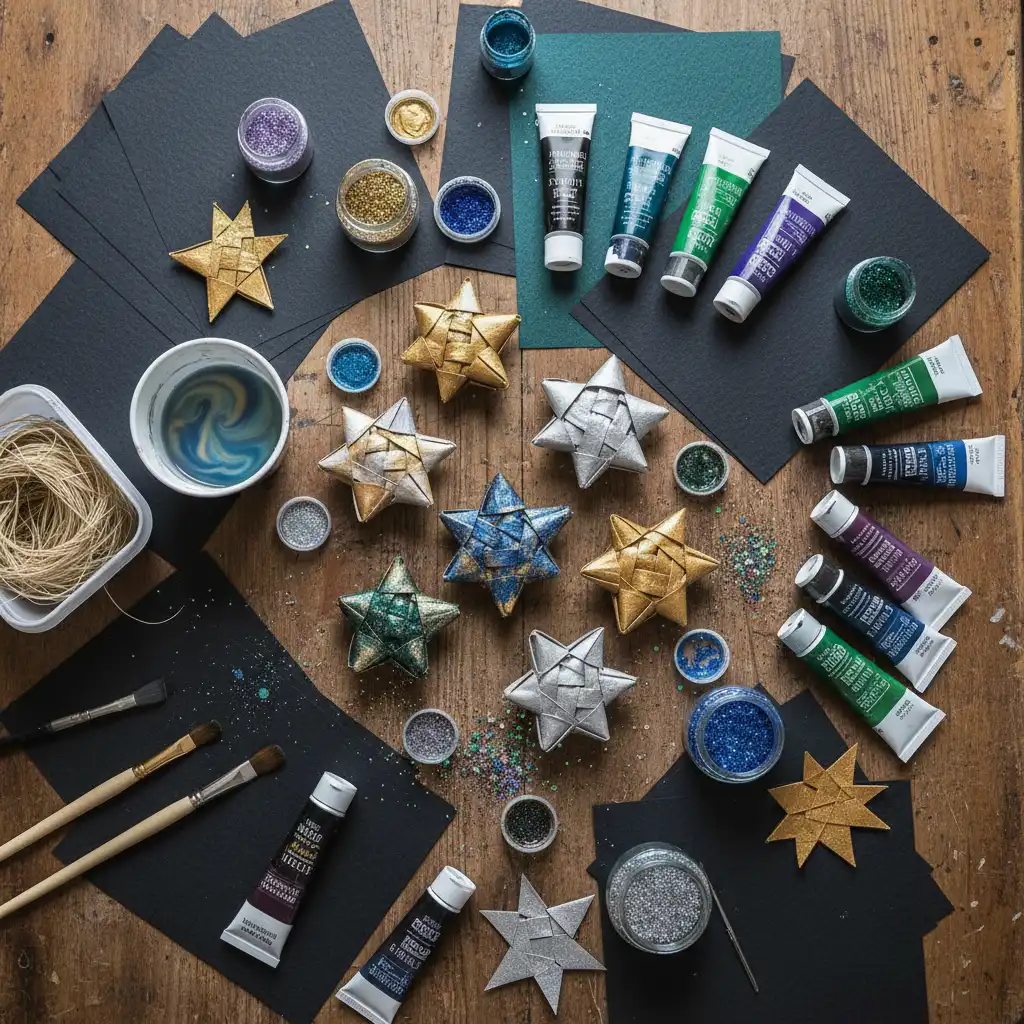
- Hiwa-i-te-rangi: The wishing star. This star is often made with glitter or shimmering materials to represent hopes and dreams.
Galaxy Jars
For a modern twist that appeals to younger children, ‘Galaxy Jars’ can simulate the night sky. Fill a jar with water, a drop of blue or purple food coloring, cotton balls, and biodegradable glitter. Shake it up to see a swirling nebula effect, then paint the constellation of Matariki on the outside of the glass.
Harakeke (Flax) Woven Stars
Weaving is a fundamental Māori art form. Even beginners can learn to weave a simple four-point star from harakeke or craft ribbon. These woven stars can be gifted to friends and whānau (family) as a gesture of goodwill for the year ahead.
Using Sustainable Materials for Cultural Crafts
Matariki is deeply rooted in environmental stewardship (kaitiakitanga). Therefore, the materials chosen for these crafts should reflect a respect for nature. Avoid single-use plastics and non-biodegradable glitter where possible.
Foraging and Harvesting
If you have access to harakeke (flax), ensure you follow proper tikanga (protocol) when harvesting. This includes not cutting the central shoot (the rito) or the leaves immediately surrounding it (the awhi rito), and saying a karakia (prayer) of thanks. Using materials found in nature, such as fallen leaves, twigs, and shells, grounds the craft in the local landscape.
Upcycling for the Future
Recycling is another way to honor Papatūānuku. Old cardboard boxes can become kite frames; glass jars can become lanterns; and scrap fabric can become kite tails. This approach teaches that resources are precious and that beauty can be created from what we already possess.
Frequently Asked Questions
What materials are best for making a traditional Maori kite?
Traditionally, Māori kites (manu tukutuku) were made from natural materials including raupō (bullrush), harakeke (flax), toe toe stems, and aute (paper mulberry bark). For modern DIY versions, you can substitute these with bamboo skewers, brown craft paper, and natural jute twine while still maintaining the traditional aesthetic.
How many stars should be included in Matariki crafts?
While the Pleiades cluster contains hundreds of stars, Matariki is most commonly celebrated with either seven or nine visible stars in Aotearoa New Zealand. Including nine stars is increasingly common to recognize Pōhutukawa and Hiwa-i-te-rangi, offering a more complete representation of the cluster’s significance.
Is it culturally appropriate for non-Maori to make Matariki crafts?
Yes, it is appropriate and encouraged for everyone to participate in Matariki celebrations, including making crafts like kites and lanterns. The key is to engage with the culture respectfully, understanding the meaning behind the symbols and, if possible, learning the correct names and stories associated with the stars.
What is the best time to fly kites during Matariki?
Kites are typically flown during the day when the winds are suitable. However, in the context of the festival, they are most significant during the period when Matariki first rises in the pre-dawn sky (usually late June or July). Flying them is a way to physically connect with the start of the new year.
How do I make a Matariki lantern safe for kids?
To ensure safety, avoid using real flame candles inside paper lanterns. Instead, use battery-operated LED tea lights or glow sticks. This prevents fire hazards while still providing a beautiful glow. Additionally, ensure any wire handles are secured properly so they don’t scratch or poke.
What do the different Matariki stars represent in art?
Each star has a specific domain: Matariki (health/wellbeing), Waitī (freshwater), Waitā (ocean), Tupu-ā-nuku (soil/plants), Tupu-ā-rangi (birds/sky), Waipunarangi (rain), Ururangi (wind), Pōhutukawa (the dead), and Hiwa-i-te-rangi (wishes). Art projects often use colors or symbols related to these elements (e.g., blue for Waitī/Waitā, green for Tupu-ā-nuku).