
Zero waste Matariki decorations are eco-conscious festive ornaments crafted from natural materials like Harakeke (flax) and dried foliage, or repurposed household items. By avoiding single-use plastics and utilizing biodegradable resources, these decorations honor the Māori New Year’s connection to the earth (Papatūānuku) and the principle of kaitiakitanga (guardianship).
Matariki, the Māori New Year, is a time for reflection, celebration, and looking forward to the future. It is marked by the rising of the Matariki star cluster (the Pleiades) and signals a shift in the seasons. As we gather to remember those who have passed and plan for the year ahead, it is increasingly important to align our celebrations with the values of kaitiakitanga—guardianship of the environment. Creating zero waste Matariki decorations is not merely a crafting activity; it is a tangible expression of respect for Papatūānuku (Earth Mother) and Ranginui (Sky Father).
In a world often saturated with plastic, disposable holiday decor, turning to nature and recycled materials offers a grounding alternative. This approach ensures that our festivities do not leave a lasting negative impact on the land we celebrate. From weaving traditional whetū (stars) out of Harakeke to creating ambient lighting from upcycled goods, sustainable decoration allows us to connect deeper with the natural rhythms that Matariki signifies.

Weaving Stars from Harakeke (Flax)
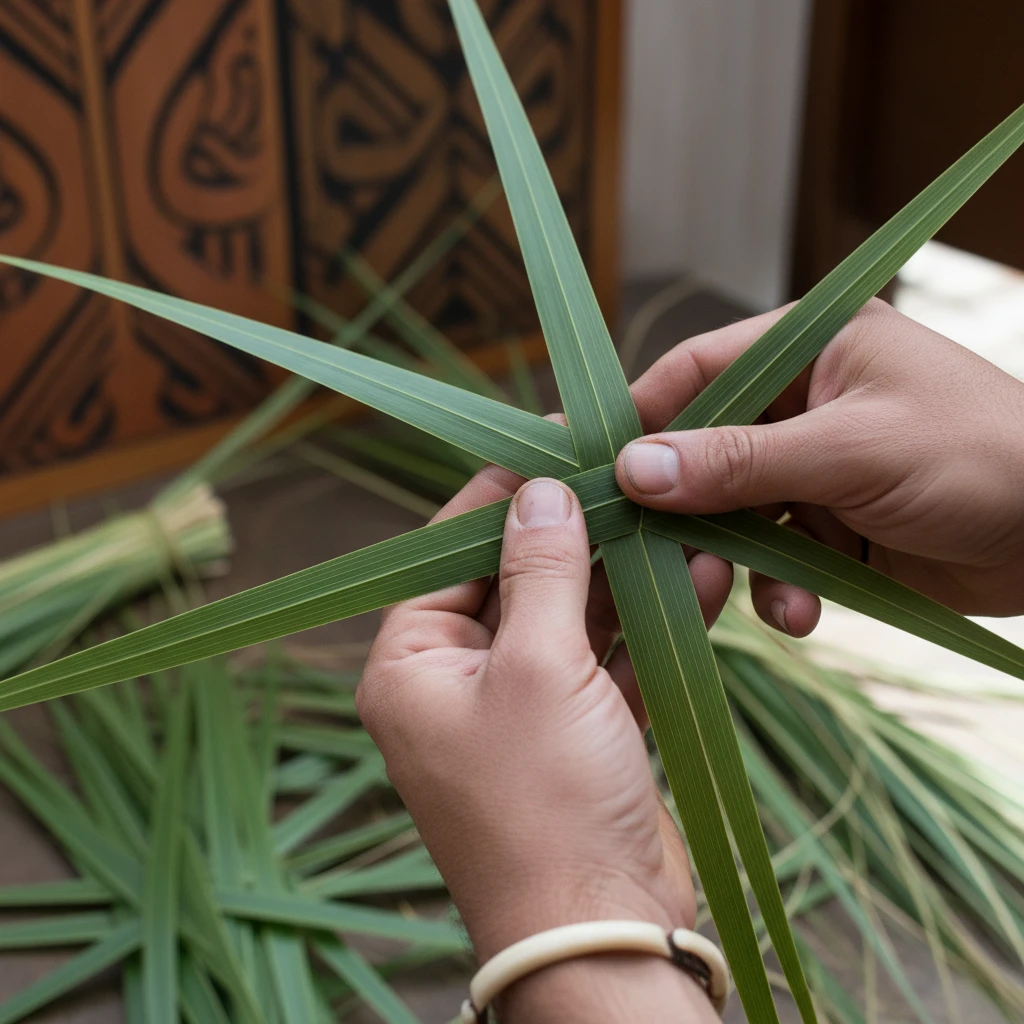
One of the most iconic and culturally significant ways to decorate for Matariki is by using Harakeke (New Zealand flax). This versatile plant has been the backbone of Māori weaving (raranga) for centuries. Creating a whetū (star) from Harakeke is a beautiful way to represent the stars of the Matariki cluster while using a material that is 100% biodegradable and compostable.
Understanding Tikanga and Harvesting
Before you begin weaving, it is essential to understand the tikanga (protocols) surrounding the harvesting of Harakeke. Harvesting is not just about cutting a leaf; it is a practice steeped in respect for the plant’s life cycle. You must never cut the central shoot (the rito, or baby) or the two leaves immediately surrounding it (the awhi rito, or parents). Only the outer leaves (the tīpuna, or grandparents) should be harvested. This ensures the plant continues to grow and thrive.
Additionally, it is traditional to say a karakia (prayer) before harvesting to give thanks, and harvesting should generally be done during the day when the plant is dry, avoiding rain or frost. Any unused offcuts should be returned to the base of the plant to nourish the soil, completing the zero-waste cycle immediately.
Step-by-Step: Creating a Simple Harakeke Star
To create a simple four-point star, follow these steps:
- Preparation: Prepare four strips of flax of equal width (approx 1-2cm). Soften the flax by running the back of a knife or a shell along the strip (a process called hāpine).
- Folding: Fold the strips in half. Interlock them in a specific over-under pattern to create a central square weave.
- Shaping points: Fold the loose ends back toward the center to create the points of the star.
- Securing: Tuck the ends into the weave to secure them. Trim any excess, which can be composted.
These stars can be hung from the ceiling to mimic the night sky, attached to gifts, or placed on the dining table. Because they dry out and turn a beautiful golden tan color, they can be kept for years or returned to the earth when you are finished with them.
Using Dried Flowers and Foliage for Table Settings
Matariki occurs in mid-winter in Aotearoa, a time when many plants are dormant, but the native bush is still vibrant. bringing the outdoors in is a central theme of the holiday. Instead of purchasing plastic garlands or synthetic flowers, utilize dried native flora to create stunning, zero-waste centerpieces.
Selecting Native Plants
When foraging for decorations, always adhere to sustainable harvesting rules: take only what you need, never remove the whole plant, and do not forage in protected reserves. Excellent candidates for drying and display include:
- Toetoe or Pampas (invasive alternative): The long, feathery plumes mimic the clouds and mist often associated with the winter sky. Note: If using Pampas (an invasive species), ensure you dispose of seed heads responsibly (burning or deep burial) to prevent spread, or stick to native Toetoe.
- Manuka and Kanuka: Small sprigs of these plants dry well and retain a rustic structure perfect for table runners.
- Ferns: Dried silver fern fronds (scavenged from the forest floor, not cut fresh) offer an iconic silhouette.
- Kawakawa: Known for its heart-shaped leaves, Kawakawa represents healing and wellness, a perfect theme for the New Year.
Creating a Hākari (Feast) Centerpiece
The Hākari (celebratory feast) is a pinnacle of Matariki celebrations. To dress your table without waste, lay a foundation of hessian or unbleached cotton. Arrange your dried foliage down the center of the table. Intersperse the greenery with stones or driftwood collected from your local beach or river (and returned later). This creates a textural, grounding aesthetic that plastic decorations simply cannot replicate.

Upcycling Household Items for Star Lanterns
Light is a crucial element of Matariki, symbolizing the stars guiding us and the return of the sun. However, store-bought lanterns are often made of cheap plastics and non-recyclable components. Upcycling household waste into lanterns is a creative way to engage the whānau (family) and reduce landfill impact.
Tin Can Manu Tukutuku (Kites) and Lanterns
Traditionally, Manu Tukutuku (kites) were flown to connect the heavens and the earth. You can honor this tradition or the stars themselves by repurposing tin cans from your pantry.
How to make a Tin Can Lantern:
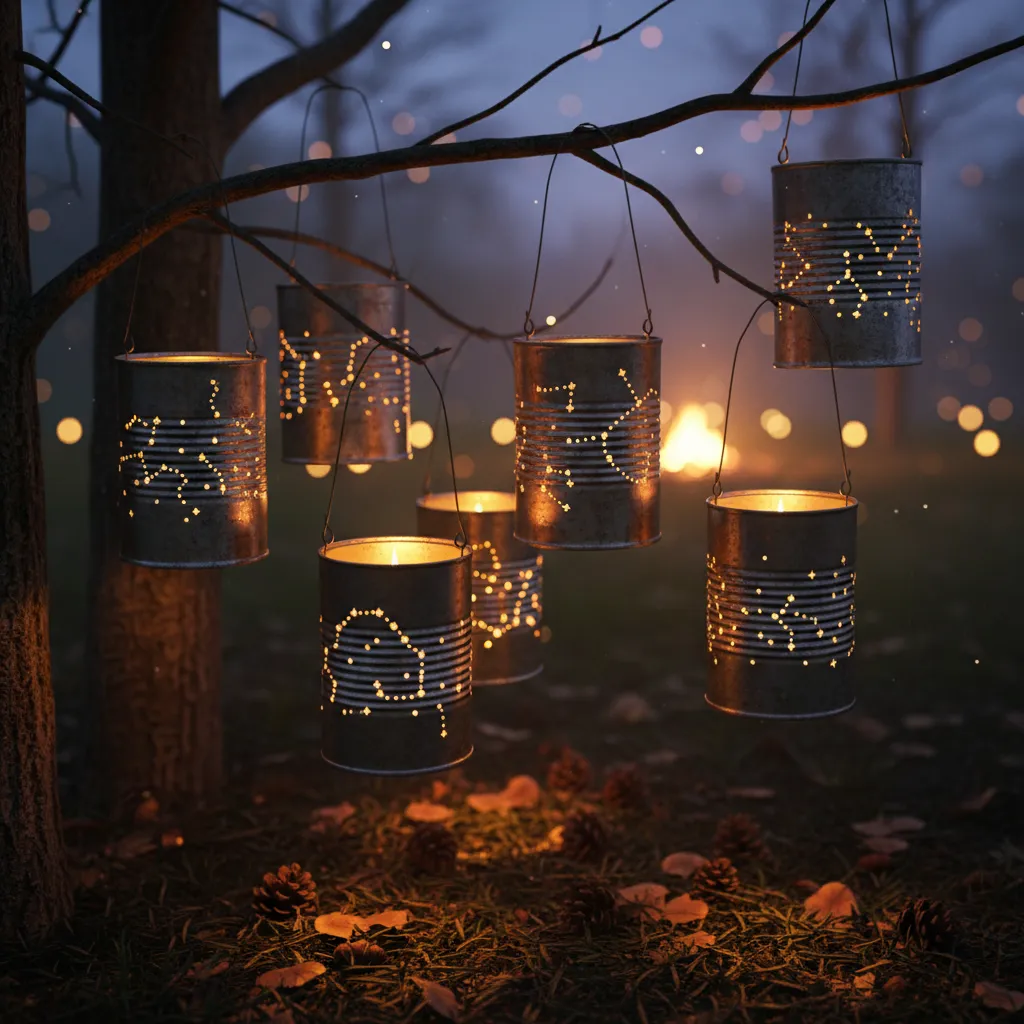
- Clean: Remove labels and thoroughly clean empty food tins.
- Freeze: Fill the tins with water and freeze them. This prevents the metal from denting when you hammer it.
- Design: Using a hammer and a large nail, punch holes into the side of the tin. You can create patterns of the Matariki cluster (Matariki, Waitī, Waitā, Waipuna-ā-rangi, Tupu-ā-nuku, Tupu-ā-rangi, Ururangi, Pōhutukawa, and Hiwa-i-te-rangi).
- Melt and Light: Melt the ice, dry the tin, and place a beeswax candle or a rechargeable LED tea light inside.
When the light shines through the holes, it projects star patterns onto your walls or outdoor pathways. Once the holiday is over, the tins can be recycled in your standard curbside bin.
Cardboard and Paper Scraps
Leftover cardboard boxes or old book pages can be transformed into 3D stars. By cutting cardboard into star shapes and slotting them together, you create rigid ornaments that can be painted with natural dyes or left raw for an earthy look. Old newspapers can be folded into origami stars or paper cranes to hang in clusters, representing the gathering of people.
Biodegradable Options for Outdoor Events
Many communities celebrate Matariki with outdoor gatherings to view the stars. Decorating outdoor spaces requires strict adherence to zero-waste principles to ensure no litter endangers local wildlife.
Edible Decorations
Consider decorations that can be eaten by wildlife or composted directly into the garden. Strings of popcorn and cranberries are a classic biodegradable garland. Alternatively, slice oranges and apples, dry them in a low oven, and hang them with natural jute twine. These catch the light beautifully and smell divine. If they fall off the tree, they simply decompose.
Natural Lighting Solutions
Avoid glow sticks, which are single-use plastics filled with chemicals. Instead, use solar-powered fairy lights which harness the energy of Tamanuiterā (the sun). For a more traditional approach, use beeswax candles in glass jars (to protect from wind). Beeswax is a natural, clean-burning fuel that doesn’t release toxins like paraffin candles. The glass jars can be reused indefinitely for food storage or future decorations.
Why Sustainability Matters During Matariki
Adopting a zero-waste approach to Matariki is not just a modern environmental trend; it is a return to traditional values. Māori ancestors were the original zero-waste practitioners, utilizing every part of a resource and living in harmony with the ecosystem.
Matariki is a time to acknowledge Tupu-ā-nuku (associated with food that grows in the ground) and Tupu-ā-rangi (associated with food from the sky/trees). By filling our homes with plastic decorations that will eventually poison the ground and sky as microplastics, we contradict the very essence of these stars. Choosing natural, recycled, and biodegradable decorations is a powerful way to honor the Atua (gods) and ensure that the environment remains healthy for the generations to come.
What are traditional Matariki decorations made of?
Traditional Matariki decorations are primarily made from natural resources found in the New Zealand environment. This includes Harakeke (flax) for weaving stars and kites, wood and stone for carvings, and feathers or dried foliage for adornment. These materials connect the celebration directly to Papatūānuku (the Earth Mother).
How can I decorate for Matariki without using plastic?
You can decorate without plastic by utilizing nature and household waste. Weave stars from flax or palm leaves, create lanterns from empty tin cans or glass jars, use dried native flowers for arrangements, and make garlands from dried fruit or popcorn. Avoid glitter and synthetic ribbons, opting for jute or hemp twine instead.
What is the significance of the star shape in Matariki decor?
The star shape represents the Matariki cluster itself (the Pleiades). Each of the nine visible stars holds dominion over a specific area of the environment or human wellbeing. Displaying stars honors these celestial bodies and acknowledges their guidance regarding the seasons, harvest, and navigation.
Can I compost Harakeke decorations?
Yes, Harakeke (flax) is 100% organic and compostable. Once your decorations have dried out and you no longer wish to keep them, you can cut them into smaller pieces and add them to your compost bin, or bury them in the garden to return the nutrients to the soil.
What are sustainable alternatives to balloons for Matariki parties?
Sustainable alternatives to balloons include paper pom-poms (which can be recycled), fabric bunting (which can be reused annually), bubbles (using eco-friendly soap), or kites (Manu Tukutuku). These options provide color and movement without the risk of plastic pollution harming wildlife.
How do I preserve dried native flowers for decorations?
To preserve native flowers, harvest them on a dry day. Strip excess leaves from the bottom of the stems, tie them in small bunches, and hang them upside down in a dark, dry, and well-ventilated area for 2-3 weeks. This retains their shape and color without the need for chemical preservatives.