
Matariki resources for teachers are specialized educational materials designed to integrate the Māori New Year into the New Zealand curriculum. These tools range from comprehensive lesson plans and bilingual activity packs to digital interactives, helping kaiako teach the significance of the nine stars, environmental stewardship, and cultural traditions across Early Childhood, Primary, and Secondary levels.
Introduction: Embracing Matariki in Aotearoa Classrooms
With the official recognition of Matariki as a public holiday in New Zealand, the demand for high-quality, culturally responsive Matariki resources for teachers has surged. Educators across Aotearoa are seeking more than just coloring pages; they require deep, curriculum-aligned content that respects tikanga Māori and engages students in meaningful learning. Whether you are a kaiako in an Early Childhood Education (ECE) center, a primary school teacher, or a secondary subject specialist, finding the right tools is essential for delivering a robust educational experience.
Matariki provides a unique opportunity to weave Te Ao Māori (the Māori worldview) into the fabric of daily learning. It is a time for remembrance, celebrating the present, and looking to the future. For educators, this means sourcing materials that cover astronomy, environmental science, social studies, and the arts. This guide explores the best commercial and educational resources available to help you plan a comprehensive unit of work that honors this significant event.
What Are the Best Curriculum-Aligned Matariki Resources?
Effective teaching requires resources that do not exist in isolation but are firmly rooted in the New Zealand Curriculum (NZC) and Te Marautanga o Aotearoa. When evaluating commercial resource packs or subscription services, teachers must look for alignment with specific learning areas such as Social Sciences, Science, and The Arts.
Integrating Social Sciences and History
Top-tier resources for the Social Sciences focus on the history of voyaging, the localized legends (pūrākau) of specific iwi, and the societal structure of pre-European Māori regarding the seasons. Teachers should look for unit plans that include:
- Timeline Cards: Visual aids depicting the seasonal changes associated with the rising of Matariki.
- Iwi-Specific Narratives: Resources that acknowledge that not all iwi celebrate Matariki (some celebrate Puanga). Premium packs often offer variations to respect local tikanga.
- Inquiry Learning Templates: Scaffolding documents that encourage students to research how the holiday has evolved from traditional observances to a modern public holiday.
Science and Astronomy Connections
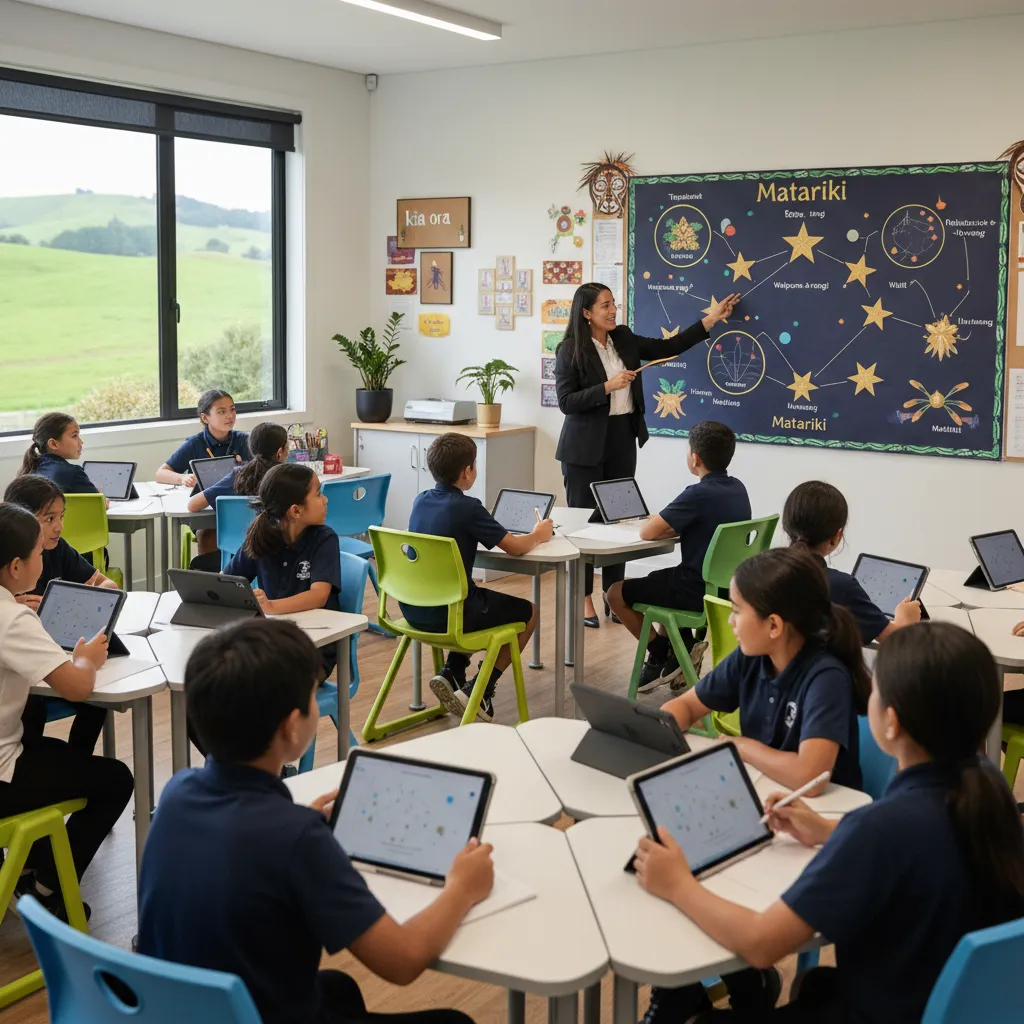
Matariki is fundamentally an astronomical event. High-quality teaching packs often include star charts and interactive sky maps. Look for resources that explain the science of the Pleiades cluster (Matariki) and its heliacal rising. The best resources bridge the gap between western astronomy and Māori astronomy (tātai arorangi), explaining how the visibility of specific stars was used to predict the harvest.
How Can ECE Teachers Implement Matariki Resources?
For Early Childhood Education, resources must align with Te Whāriki, the ECE curriculum. The focus here is on sensory play, simple narratives, and whanaungatanga (building relationships). Commercial resources for this sector often focus on visual and tactile engagement.
Sensory and Artistic Exploration
Toddlers and young children learn best through doing. Premium ECE resource kits often include:
- Playdough Mats: Laminated mats featuring the stars where children can shape dough to match the constellations.
- Natural Material Guides: Instructions for kaiako on how to organize nature walks to collect leaves and stones, connecting to the star Tupu-ā-nuku (connected to food grown in the ground).
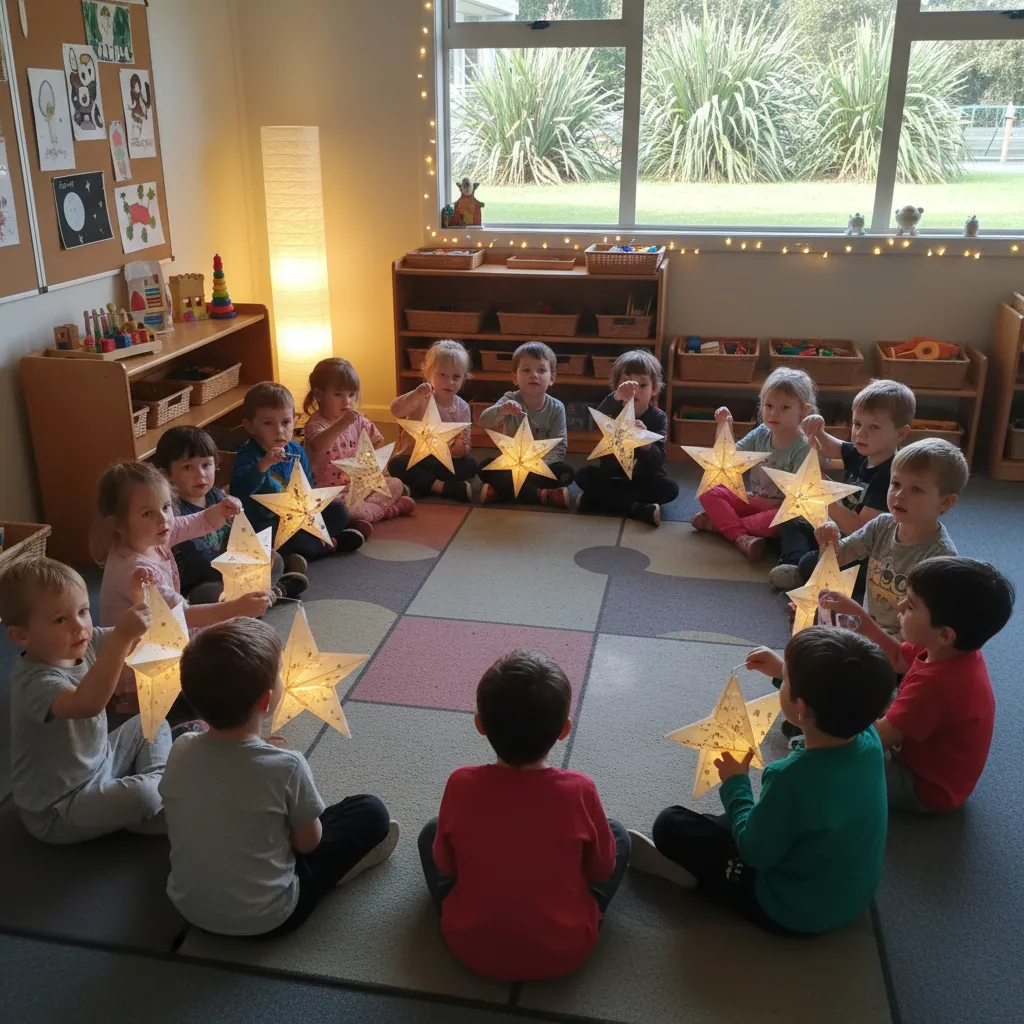
- Light Table Overlays: Translucent star patterns that can be used on light tables to simulate the night sky.
Music and Movement (Waiata and Kori)
Audio resources are indispensable in ECE. Many providers offer digital downloads of Matariki-themed waiata (songs) that are simple, repetitive, and accompanied by action cards. These resources support the strand of Communication (Mana Reo) by introducing basic te reo Māori vocabulary related to the stars and the new year.
What Activities Engage Primary and Intermediate Students?
As students progress to Primary and Intermediate levels (Years 1-8), Matariki resources for teachers need to become more structured and inquiry-based. This is the stage where the individual identities of the nine stars are explored in depth.
The Nine Stars: A Deep Dive
Teachers should invest in resource packs that provide detailed profiles for each of the nine stars: Matariki, Pōhutukawa, Tupu-ā-nuku, Tupu-ā-rangi, Waipuna-ā-rangi, Waitī, Waitā, Ururangi, and Hiwa-i-te-rangi. High-quality commercial packs often provide:
- Reading Comprehension Cards: Differentiated texts about each star’s domain (e.g., Waitī watches over freshwater environments).
- Goal Setting Templates: Utilizing the star Hiwa-i-te-rangi (the wishing star) to facilitate mid-year goal setting and reflection, a crucial part of student self-management.
- Environmental Action Plans: Project-based learning resources that task students with cleaning up a local waterway (Waitī) or planting a garden (Tupu-ā-nuku).
Manu Tukutuku (Kite Making)
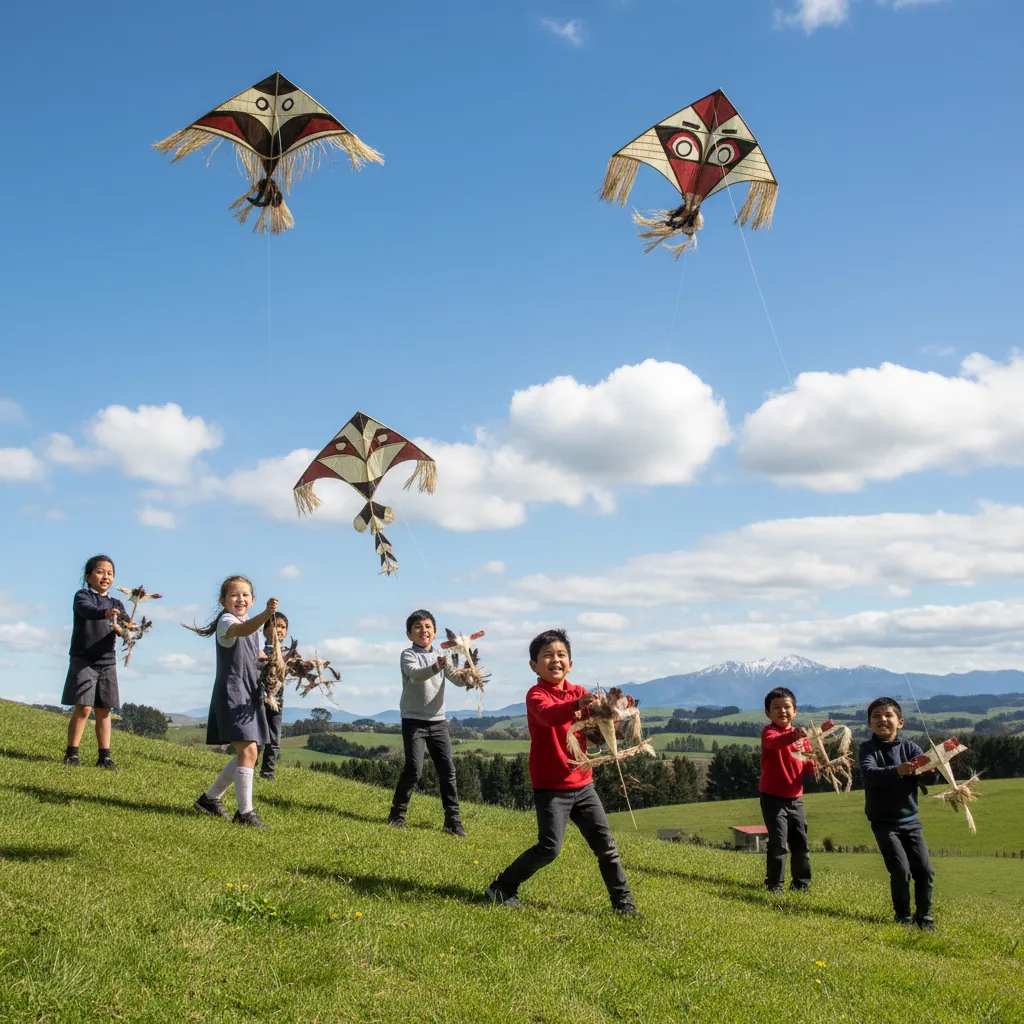
Kite making is a traditional Matariki activity. While free instructions exist, paid teacher resources often provide engineering challenges that combine technology, math, and art. These might include templates for traditional shapes, material lists for sustainable construction, and lesson plans on the physics of flight combined with the spiritual significance of kites connecting heaven and earth.
How to Adapt Matariki for Secondary School NCEA?
In secondary schools, Matariki offers rich potential for NCEA credits across multiple disciplines. Resources for this level are often specialized and academic.
Cross-Curricular Opportunities
Secondary teachers should look for resources that facilitate cross-curricular assessment. For example:
- Science (Physics & Astronomy): Resources detailing the celestial mechanics of the cluster, light years, and stellar formation.
- Geography: Materials exploring how Matariki was used for navigation by Pacific voyagers and how climate change might affect the environmental indicators associated with the stars.
- Visual Arts: Artist studies of contemporary Māori artists who depict Matariki, providing inspiration for student portfolios.
Literacy and Creative Writing
English departments can utilize Matariki to explore New Zealand literature. Anthologies of poetry and short stories centered on the New Year are excellent resources. Teachers can purchase unit plans that analyze these texts and guide students in writing their own pūrākau or reflective essays, focusing on themes of renewal and identity.
Why Are Bilingual Resources Essential?
The revitalization of Te Reo Māori is a core component of education in Aotearoa. Matariki resources for teachers must be bilingual to be truly effective. This supports the government’s strategy for integrating the language into all classrooms.
Bilingual Readers and Journals
Publishers are increasingly producing graded readers in both English and Te Reo Māori. These are invaluable for guided reading sessions. When selecting these resources, look for:
- Macrons: Ensure the text uses correct orthography (tohutō).
- Glossaries: Comprehensive vocabulary lists for teachers who may be learning alongside their students.
- Audio Support: QR codes linking to pronunciation guides or audiobooks are a hallmark of premium modern educational resources.
Digital Apps and Gamification
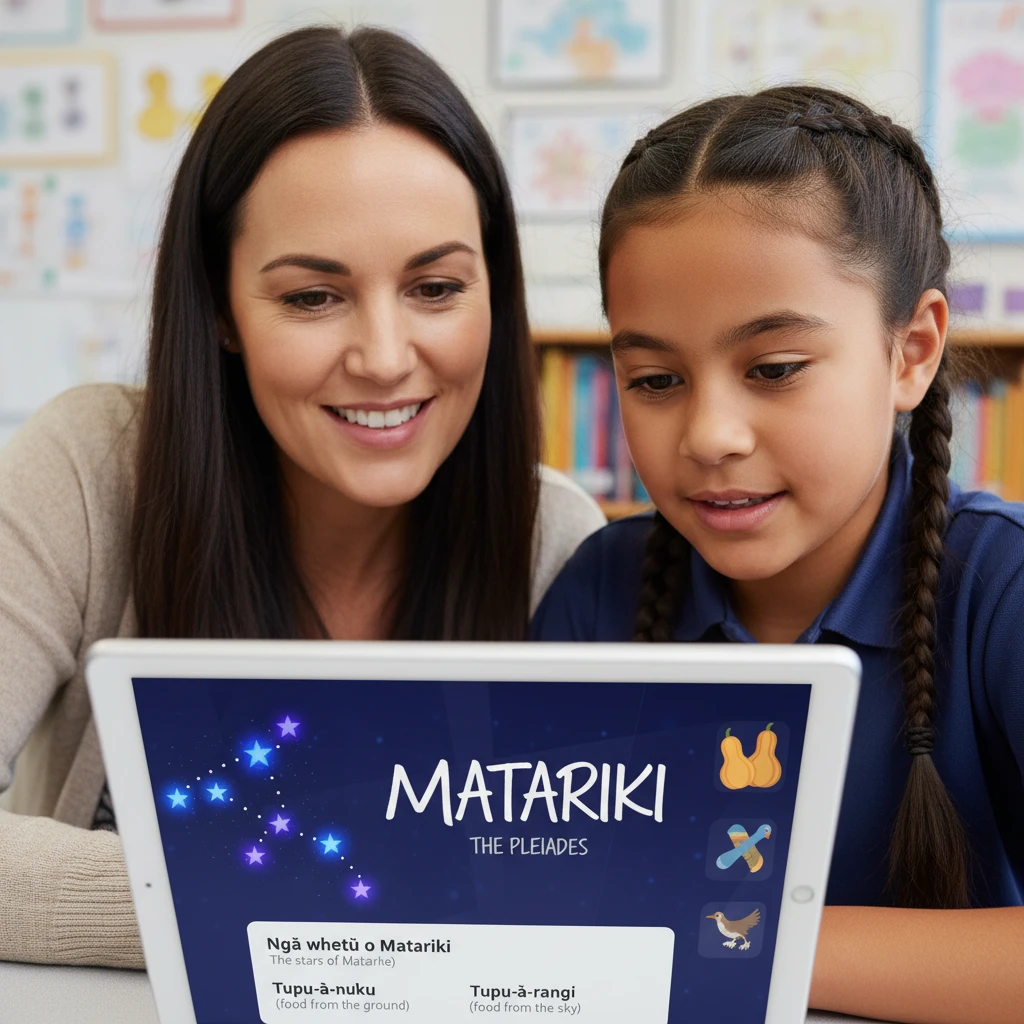
Interactive apps that allow students to explore the night sky in a virtual environment are highly engaging. Many educational technology companies offer licenses for schools. These tools often allow students to toggle between languages, reinforcing vocabulary retention through gamified learning.
Engaging Students with the Public Holiday
Matariki is not just a lesson topic; it is a lived experience. The best resources help schools bridge the gap between the classroom and the community.
School-Wide Event Planning
Commercial resource packs often include “Event Kits” for school-wide celebrations. These might contain:
- Hāngī Guides: Logistics and safety forms for organizing a school hāngī.
- Assembly Scripts: Pre-written scripts for student leaders to present the story of Matariki to the whole school.
- Whānau Engagement Invites: Editable templates to invite parents and the community to share kai (food) and celebrate student learning.
Reflection and Future Planning
Finally, the most powerful resource a teacher can foster is reflection. Use Matariki as a checkpoint. Resources that encourage students to look back at the academic year so far, acknowledge those who have passed away or left the school community, and set intentions for the remainder of the year align perfectly with the spirit of the holiday.
People Also Ask
What are the 9 stars of Matariki?
The nine stars generally recognized in the Matariki cluster are Matariki (the mother), Pōhutukawa, Tupu-ā-nuku, Tupu-ā-rangi, Waipuna-ā-rangi, Waitī, Waitā, Ururangi, and Hiwa-i-te-rangi. Each star holds a specific dominion, such as connection to the dead, food from the earth, food from the sky, rain, freshwater, saltwater, wind, and wishing/aspirations.
How do you celebrate Matariki in the classroom?
Teachers celebrate Matariki by integrating it into the curriculum through storytelling, art (like weaving stars), planting trees or gardens, learning waiata (songs), and sharing kai (food). It is a time for reflecting on the past, planning for the future, and celebrating culture.
Is Matariki a public holiday in NZ?
Yes, Matariki is an official public holiday in New Zealand. The date shifts each year as it follows the Maramataka (Māori lunar calendar), usually falling in late June or early July. It marks the first indigenous public holiday for Aotearoa.
What is the best way to teach Matariki to toddlers?
For toddlers and ECE, the best approach is sensory and play-based. Focus on the concepts of light and dark, stars, and sharing food. Simple crafts, singing songs about the stars, and reading simple picture books are effective methods.
Where can I find free Matariki printables?
Free printables are often available through government educational websites like Te Kete Ipurangi (TKI), the Museum of New Zealand Te Papa Tongarewa website, and various library websites. However, for comprehensive unit plans, commercial education platforms often offer more detailed paid resources.
What does Matariki mean for education in NZ?
For NZ education, Matariki represents a significant opportunity to honor Te Tiriti o Waitangi and embrace mātauranga Māori (Māori knowledge). It allows schools to localize their curriculum, engage with local iwi narratives, and teach environmental sustainability through an indigenous lens.