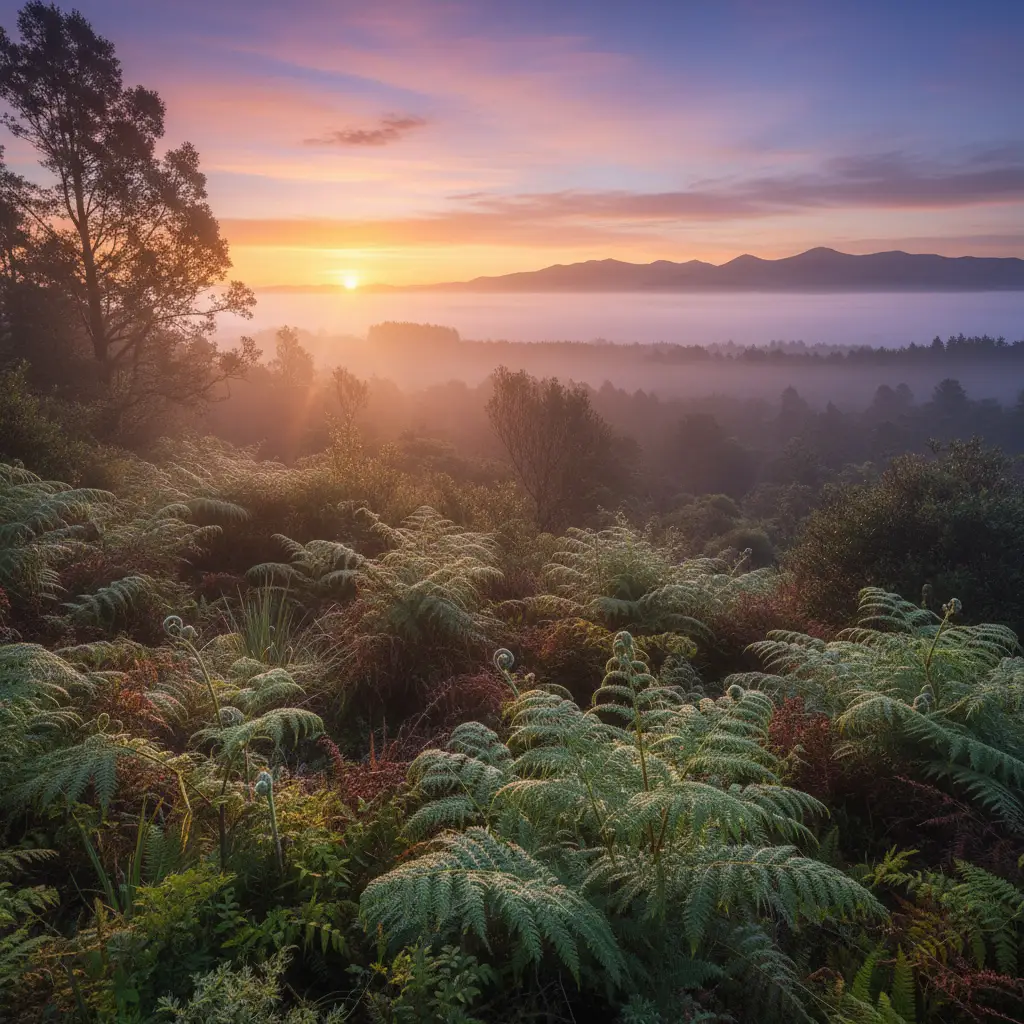
Matariki environmental signs, known as tohu, are natural indicators observed during the Māori New Year to predict the weather and harvest for the coming season. By analyzing the visibility, brightness, and color of the Matariki star cluster, alongside terrestrial signals like flowering plants and animal behavior, Māori experts forecast climate conditions to ensure successful planting and resource management.
Understanding Tohu: The Language of the Environment
In the traditional Māori worldview (Te Ao Māori), the environment is not a passive backdrop but an active communicator. The concept of tohu refers to signs or indicators found in the natural world that provide critical information about the future. These signs are categorized into three distinct realms: tohu o te rangi (signs of the sky), tohu o te whenua (signs of the land), and tohu o te moana (signs of the ocean). Matariki and the Environment signs are perhaps the most significant of these, as they occur at a pivotal transition point in the annual cycle—the Māori New Year.
For pre-colonial Māori, survival depended entirely on the ability to read these environmental signs accurately. There were no meteorological services or satellite forecasts; instead, the tohunga kōkōrangi (expert astronomers) and local observers relied on centuries of accumulated ecological knowledge. They understood that the earth and sky were inextricably linked. A change in the atmosphere, indicated by the stars, would inevitably result in changes to soil moisture, wind patterns, and temperature, which in turn dictated when to plant kūmara (sweet potato), when to harvest, and when to store food supplies.
The rising of Matariki (the Pleiades) in mid-winter was the primary trigger for this period of observation. However, it was not merely seeing the stars that mattered, but how they were seen. The subtle variations in their appearance provided a detailed roadmap for the year ahead. You can use our Interactive Night Sky Map Tool: Locate Matariki Now to see how the cluster appears this season.

How the Brightness of Stars Predicts the Harvest
The most common query regarding Matariki environmental signs is how the brightness of stars predicts the harvest. The correlation between stellar visibility and agricultural yield is rooted in atmospheric science, even if it was framed through spiritual and cultural narratives. The clarity of the stars when Matariki rises provides a direct indication of the atmospheric conditions likely to prevail in the coming season.
Clear and Bright Stars
If the stars within the Matariki cluster appear clear, distinct, and bright, it is interpreted as a positive tohu. A clear view of the cluster indicates a stable atmosphere with less turbulence and moisture interference in the upper atmosphere. Culturally, this predicts a warm, productive season. For the māra (garden), this means conditions will be favorable for planting. The sun will likely be strong, and the soil temperature will rise sufficiently to support vigorous growth of crops like kūmara and hue (gourd). A bright Matariki is the harbinger of a bountiful harvest.
Hazy or Shimmering Stars
Conversely, if the stars appear hazy, shimmer excessively, or seem close together due to atmospheric distortion, it is a negative sign. In meteorological terms, this visual distortion often indicates atmospheric instability, high moisture content, or cold air masses. Culturally, this predicts a cold, wet, or windy season. Such conditions are detrimental to crops, potentially leading to rot, frost damage, or poor tuber formation. When tohunga observed these signs, they would advise the community to delay planting, manage food stores more conservatively, or plant in sheltered areas to mitigate the risk of a poor harvest.
Tohu o te Rangi: Decoding the Cluster
While the cluster as a whole offers a general forecast, specific stars within Matariki are associated with distinct domains of the environment. The brightness or dimness of individual stars allows for a more granular prediction of environmental conditions.
Tupu-ā-nuku (Food from the Earth)
This star is directly connected to food grown in the soil, particularly the kūmara. If Tupu-ā-nuku is the brightest or most distinct star in the cluster during the rising, it signals a highly productive year for gardening. It suggests that the soil conditions will be optimal—neither too wet nor too dry. However, if this star appears dim or smaller than usual, it serves as a warning of potential crop failure, prompting hapū (sub-tribes) to focus on other food sources.
Tupu-ā-rangi (Food from the Sky)
Tupu-ā-rangi governs food sources that originate above the ground, such as birds (kererū, tūī) and fruits from tall trees (like the miro and hīnau berries). A bright Tupu-ā-rangi indicates a season where the forests will be lush, berries will be plentiful, and consequently, bird numbers will be high. This was crucial for planning bird-snaring campaigns. A dim Tupu-ā-rangi would suggest a lean year for the forest, requiring a shift in focus to fishing or stored crops.
Waipunarangi and Ururangi (Rain and Wind)
These two stars are the meteorological heavyweights of the cluster. Waipunarangi is connected to rain. If it is particularly visible, it forecasts a wet season, potentially leading to flooding or waterlogged crops. Ururangi is connected to the winds. If Ururangi dominates the cluster’s appearance, it predicts a turbulent year with storms and gales. Recognizing these Matariki environmental signs allowed communities to reinforce structures and prepare drainage systems in their gardens.

Connection to Eel Migration and Planting Seasons
While the stars provided the long-range forecast, tohu o te whenua (signs of the land) and tohu o te wai (signs of the water) offered immediate, tangible confirmation of the seasonal progression. The observation of animal migration and behavior was a critical component of the Matariki period.
The Migration of Tuna (Eels)
The movement of the longfin and shortfin eel (tuna) is intimately tied to the lunar cycle and the seasonal shifts marked by Matariki. During the colder months associated with the rising of Matariki, eel activity changes. The heke (migration) of mature eels to the sea for breeding typically occurs in autumn, but the behavior of the remaining eels in the swamps and rivers during winter provided clues about the water health and temperature.
If eels were found burying themselves deep in the mud earlier than usual, it was a tohu of a particularly harsh winter. Conversely, active eels suggested milder water temperatures. The star Waitī within the Matariki cluster watches over fresh water and the food within it. When Waitī is bright, it signals that the lake and river ecosystems are healthy and will support a strong population of tuna, koura (crayfish), and other freshwater species.
Aligning Planting with Nature
The planting season was never determined by a fixed calendar date but by environmental readiness. The appearance of Matariki signaled the beginning of the preparation phase, but the physical act of planting was often dictated by the blooming of specific trees or the behavior of birds, which acted as cross-references to the stellar signs. This deep connection to the earth often inspires art and literature, such as in “25 Matariki Quotes: Inspiring Words for Reflection, Growth, and Cultural Celebration”.
For example, the blooming of the Pōhutukawa or the Kōwhai are classic terrestrial signals. However, during Matariki, observers would look at the density of flowering on winter-blooming plants. A heavy flowering season often predicted a long, warm summer to follow, encouraging extensive planting. If the winter foliage was sparse, it reinforced a negative stellar forecast, leading to conservative planting strategies.

Modern Application of Environmental Observation
In the modern world, where technology often disconnects us from natural rhythms, the wisdom of Matariki environmental signs is seeing a resurgence. This is not just a cultural revival but a practical application of sustainable living and climate awareness.
Climate Change and Bio-indicators
The observation of tohu is becoming increasingly relevant in the context of climate change. Indigenous knowledge systems, which rely on long-term observation of local environments, are now recognized as valuable tools for monitoring ecological shifts. Modern practitioners of the Maramataka (Māori lunar calendar) are noticing that traditional signs are shifting—flowers are blooming earlier, and star visibility is being affected by light pollution and atmospheric changes.
By relearning to read these signs, modern New Zealanders can contribute to