Matariki corporate catering in Auckland refers to specialized food services that provide traditional Māori cuisine and contemporary fusion dishes for workplace celebrations of the Māori New Year. These services range from authentic earth-oven Hāngī to modern corporate buffets featuring indigenous ingredients like kumara, horopito, and kaimoana, designed to facilitate a culturally respectful shared feast (Hākari).
Planning a Workplace Shared Lunch (Hākari)
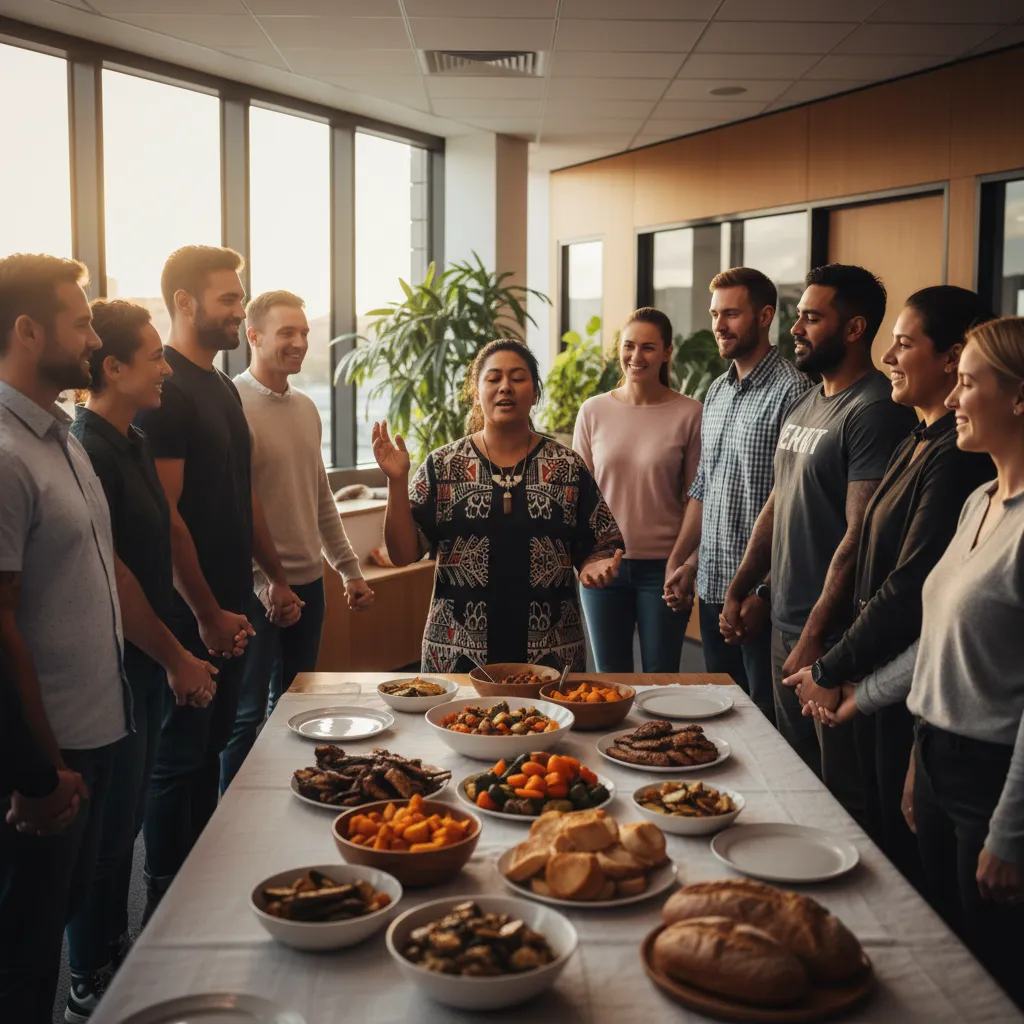
Celebrating Matariki in the corporate sector has evolved from a simple acknowledgment of a public holiday into a profound opportunity for team building, cultural education, and community connection. At the heart of this celebration is the Hākari—the shared feast. In Māori culture, the sharing of food (kai) is not merely about sustenance; it is a mechanism for removing tapu (sacredness/restriction) and transitioning into a state of noa (commonality/safety), allowing for open conversation and bonding.
When planning a workplace Hākari in Auckland, the commercial hub of New Zealand, the expectations for quality and cultural authenticity are high. The event requires meticulous organization to ensure it honors the principles of Matariki: remembrance, celebrating the present, and looking to the future.
Defining the Scope of Your Event
Before contacting caterers, determine the scale of your celebration. Are you hosting a small team lunch, a department-wide gathering, or a client-facing gala? Matariki corporate catering Auckland services are scalable, but the style of service will dictate the atmosphere.
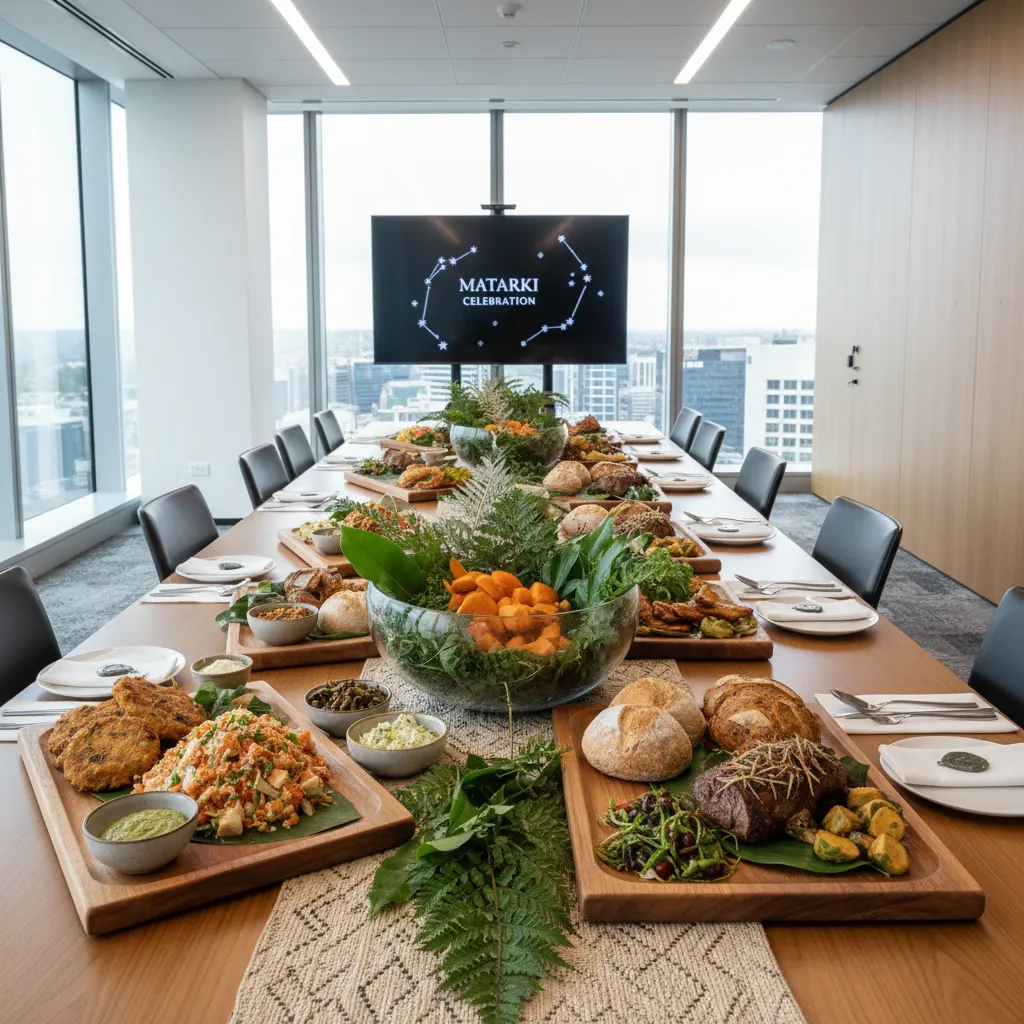
- Casual Whānau Style: Large platters placed in the center of tables to encourage passing and sharing.
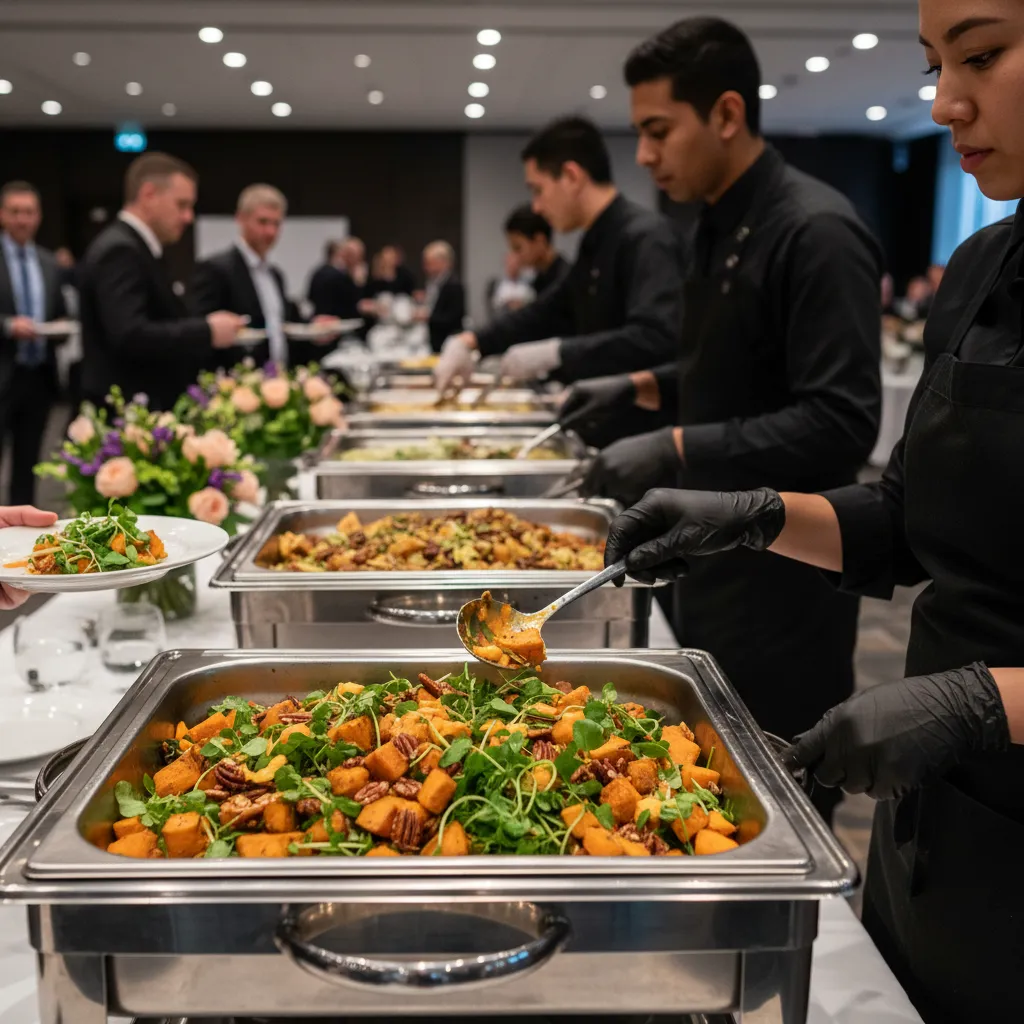
- Buffet Service: Ideal for large corporate groups, allowing for a wider variety of dishes including fry bread, steamed pudding, and various meats.
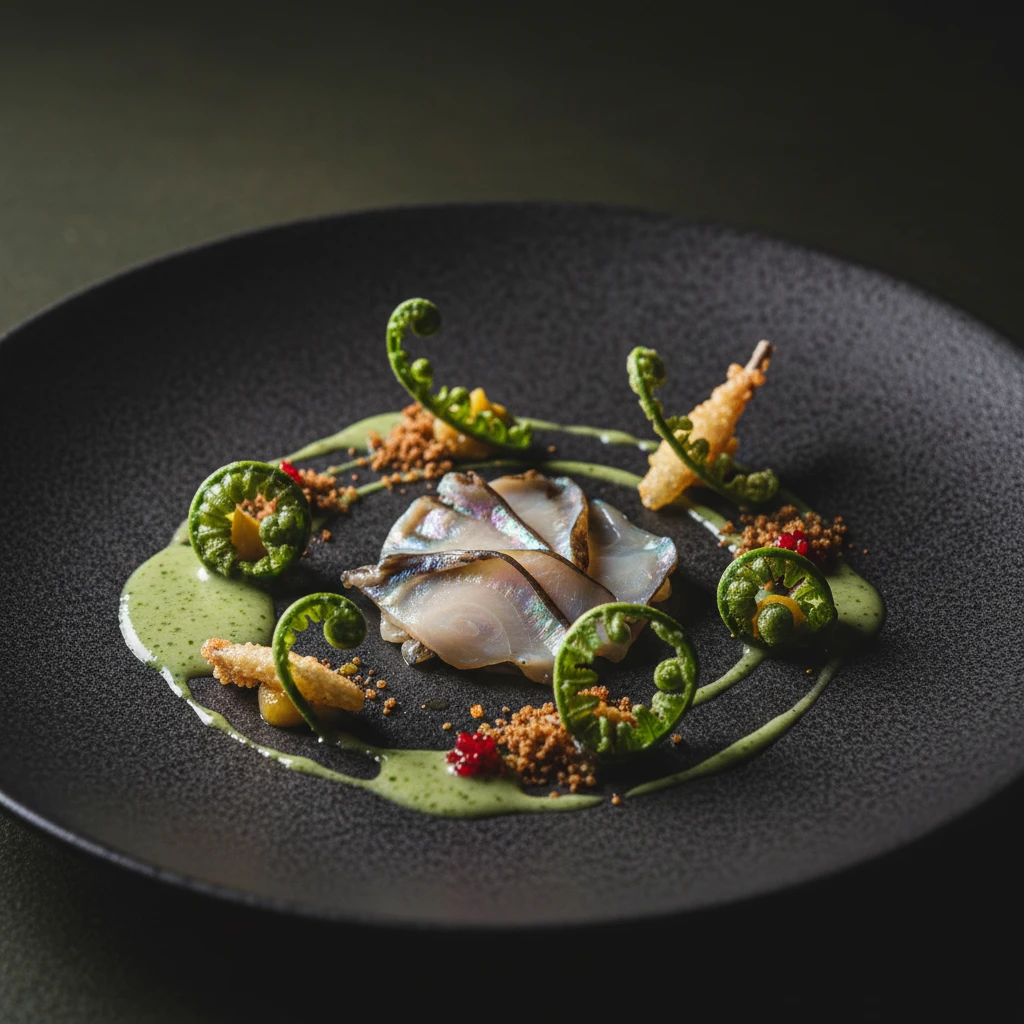
- Plated Fine Dining: Suitable for executive dinners, focusing on high-end indigenous ingredients.
Matariki Corporate Catering Auckland: Selecting Providers
Auckland is home to a diverse range of caterers who specialize in Māori cuisine, from traditional Hāngī masters to Michelin-star trained chefs experimenting with native herbs. Finding the right provider for your “Matariki corporate catering Auckland” search involves looking for authenticity and capacity.
What to Look for in a Caterer
When vetting providers for a June or July event, consider the following criteria:
- Cultural Authenticity: Does the caterer have a whakapapa (genealogy) or deep connection to the cuisine? Authentic providers often source ingredients from Māori producers.
- Capacity for Volume: Traditional Hāngī is labor-intensive. Ensure the caterer can handle your headcount without compromising the quality of the slow-cooked meat.
- Sustainability Practices: Matariki is deeply connected to the environment. Top-tier providers in Auckland are now using biodegradable packaging (such as flax or compostable boxes) rather than plastic, aligning with the environmental guardianship (kaitiakitanga) aspect of the holiday.
Types of Catering Services Available
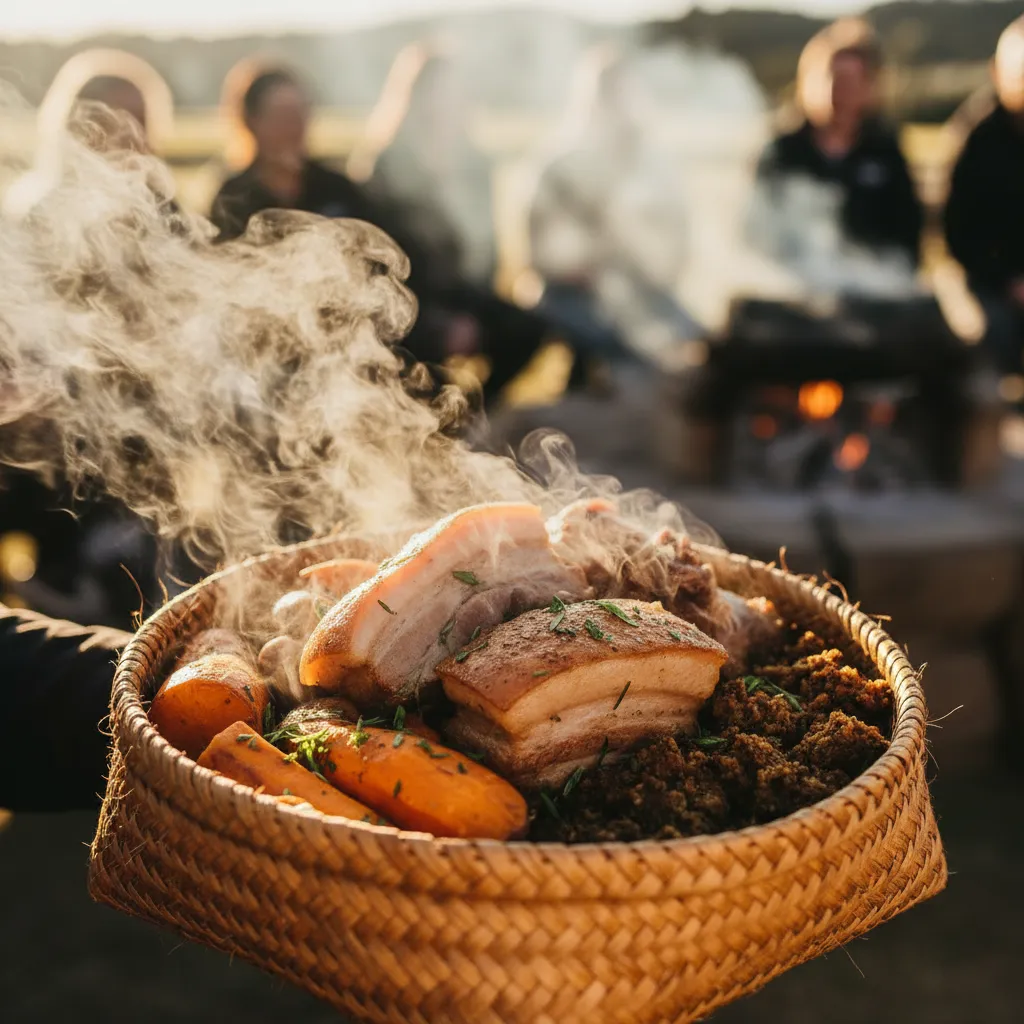
The Traditionalists: These providers focus on the “real deal”—food cooked in earth ovens or high-volume Hāngī steamers. The flavor profile is distinctively smoky and earthy. This is excellent for casual, hearty staff lunches.
The Modern Fusionists: These caterers take elements of Māori kai and elevate them for a corporate palate. Think sliders with pulled pork and watercress, or kumara galettes. This style is often preferred for networking events where finger food is necessary.
Traditional Hāngī vs. Contemporary Fusion Menus
The success of your event hinges on the menu. While the traditional Hāngī is the centerpiece of many celebrations, modern dietary trends and corporate settings often require a broader approach. Below is a breakdown of how to construct a balanced menu.
The Traditional Hāngī Profile
A classic Hāngī menu is heavy on root vegetables and meats. It is comfort food at its finest. If you are ordering a traditional package, expect:
- Meats: Pork, mutton, chicken, and sometimes beef, slow-cooked until falling off the bone.
- Vegetables: Kumara (sweet potato), pumpkin, potato, and cabbage.
- Stuffing: A crucial element, often made with bread, herbs, and onions.
- Fried Bread (Parāoa Parai): Deep-fried dough, best served warm with butter.
Contemporary Fusion for the Modern Office
For a lighter or more sophisticated option, many Auckland caterers offer “Kai Māori Fusion.” This approach respects the ingredients but utilizes modern cooking techniques. This is often more suitable for a working lunch where heavy meals might induce afternoon lethargy.
Popular Fusion Items:
- Horopito Rubbed Venison: Lean meat seasoned with the peppery native horopito leaf.
- Rēwena Bread Bruschetta: Traditional sourdough potato bread topped with tomato and basil or smoked fish pâté.
- Kawakawa Tea Cured Salmon: Using the native kawakawa plant to cure fresh New Zealand salmon.
- Kumara Gnocchi: An Italian twist on the local sweet potato, served with a burnt butter and sage sauce.
- Steamed Pudding with Creme Anglaise: A refined version of the traditional dessert.
Logistics: Bringing the Hāngī to the Boardroom
One of the primary challenges with Matariki corporate catering in Auckland is the logistics of serving hot, steam-cooked food in a high-rise office environment. Unlike standard sandwich platters, Hāngī requires specific handling to maintain temperature and texture.
Delivery and Setup Considerations
Temperature Control: Authentic Hāngī loses heat quickly once unearthed. Ensure your caterer uses professional thermal cambros (insulated transport boxes). Ask them about their “hot holding” capabilities if the lunch service spans more than 30 minutes.
Smell and Ventilation: While the smell of Hāngī is delicious, it is potent. If you are in a shared office building or have client meetings immediately after, consider hosting the lunch in a breakout area with good ventilation or an outdoor terrace if the Auckland winter weather permits.
Service Staff: For larger events, hire service staff through your caterer. Managing a buffet line for 100+ employees requires professionals who can replenish chafing dishes and explain the dishes to staff who may be unfamiliar with the cuisine.
Dietary Requirements and Cultural Food Safety
In the modern Auckland corporate landscape, catering must accommodate a wide array of dietary needs. Fortunately, Māori cuisine is naturally adaptable.
Navigating Dietary Restrictions
Gluten-Free (GF): Traditional Hāngī meats and vegetables are naturally gluten-free. However, the stuffing and bread are not. A good caterer will prepare a separate GF stuffing and offer GF bread options to avoid cross-contamination.
Vegetarian and Vegan: Historically, Hāngī is meat-centric. However, modern providers offer “Veggie Hāngī” baskets cooked separately or in dedicated steamers to ensure no animal fats are used. Smoked tofu or marinated jackfruit are becoming popular substitutes in fusion menus.
Halal: With Auckland’s diverse workforce, Halal certification is frequently requested. Many top Hāngī providers use Halal-certified meats (chicken, lamb, beef) and ensure no alcohol is used in the preparation of sauces or puddings. Always confirm this explicitly with your vendor.
Food Safety (Kai Safety)
Cultural food safety goes beyond hygiene; it includes the respectful handling of food. In Māori custom, food should never be passed over the head, and tables used for food should not be sat upon. Briefing your team on these simple protocols shows cultural competence and respect.
Elevating the Event: Decor and Tikanga
To truly satisfy the search intent for a commercial Matariki event, one must look beyond the plate. The atmosphere is what transforms a lunch into a celebration.
Setting the Scene
Incorporate visual elements that represent the stars of Matariki. Use colors like deep blues, blacks, silvers, and gold. Native flora, such as flax (harakeke) weaving or fern fronds, make for sustainable and culturally appropriate table centerpieces.
Incorporating Tikanga (Protocol)
Karakia (Blessing): It is customary to bless the food before eating. If you do not have a team member confident in doing this, you can learn a simple Karakia mō te kai (grace for food). This acknowledges the source of the food and gives thanks.
Waiata (Song): A song often follows a speech or welcome. Having a simple waiata that the staff can sing together creates a powerful sense of unity.
Frequently Asked Questions
What is the traditional food for Matariki?
Traditional Matariki food typically involves produce harvested at that time of year, such as kumara (sweet potato) and preserved birds or fish. In a modern catering context, this translates to Hāngī (earth oven cooked meats and root vegetables), boil-up, rēwena bread, and steamed pudding.
How much does Matariki corporate catering cost in Auckland?
Costs vary significantly based on service style. A basic Hāngī pack drop-off can range from $18 to $25 per head. Full-service corporate buffets or fusion dining experiences typically range from $45 to $85+ per head, depending on staffing and menu complexity.
Can Hāngī be made gluten-free?
Yes, the core components of Hāngī (meat, potato, kumara, pumpkin) are naturally gluten-free. However, cross-contamination with stuffing and bread is a risk. You must request a dedicated gluten-free preparation from your caterer to ensure safety for celiacs.
What is the difference between Hāngī and Hākari?
Hāngī refers to the specific method of cooking food in an earth oven using heated stones. Hākari refers to the event of the feast or banquet itself. You have a Hākari (feast) which may feature food cooked in a Hāngī.
How far in advance should I book Matariki catering?
Matariki (June/July) is a peak period for Māori caterers in Auckland. It is highly recommended to book your corporate catering at least 4 to 6 weeks in advance to secure your preferred date and menu options.
Do caterers provide vegetarian options for Hāngī?
Yes, most professional Auckland caterers now provide vegetarian and vegan Hāngī options. These are usually cooked in separate baskets or steamers to avoid contact with meat fats, utilizing ingredients like marinated tofu, extra vegetables, and herb-infused stuffing.