
Matariki events in New Zealand are culturally significant celebrations marking the Māori New Year, observed when the Pleiades star cluster rises in mid-winter. These events range from traditional dawn ceremonies (hautapu) and community hāngī feasts to large-scale light festivals and educational workshops, fostering remembrance, abundance, and future planning across the nation.
As the stars of Matariki rise, Aotearoa New Zealand transforms into a landscape of reflection, celebration, and cultural renewal. The recognition of Matariki as a national public holiday has catalyzed a surge in events that blend ancient traditions with modern festivities. Whether you are a local looking to reconnect with your heritage or a visitor seeking a profound cultural experience, the array of Matariki events NZ offers provides a unique window into the Māori worldview (Te Ao Māori). From the wintery depths of the South Island to the subtropical north, communities gather to honor the past, celebrate the present, and plan for the future.
When is the Matariki Public Holiday?
Understanding the timing of Matariki is crucial for planning your attendance at events. Unlike standard calendar holidays, the date of Matariki shifts every year. This is because it follows the Maramataka (the Māori lunar calendar), specifically aligning with the rising of the Matariki star cluster (the Pleiades) during the lunar phase of Tangaroa, typically in June or July.
The establishment of Matariki as a public holiday in 2022 marked a historic moment for New Zealand, being the first public holiday to recognize Te Ao Māori. For tourists and locals alike, this long weekend is the peak time for major festivals, although celebrations often span the entire month.
Upcoming Public Holiday Dates
- 2024: Friday, 28 June
- 2025: Friday, 20 June
- 2026: Friday, 10 July
- 2027: Friday, 25 June
It is advisable to check local listings specifically for the public holiday weekend, as this is when the most significant commercial and community events—such as light shows and street markets—are scheduled to maximize attendance.
What are the Major Matariki Festivals in New Zealand?
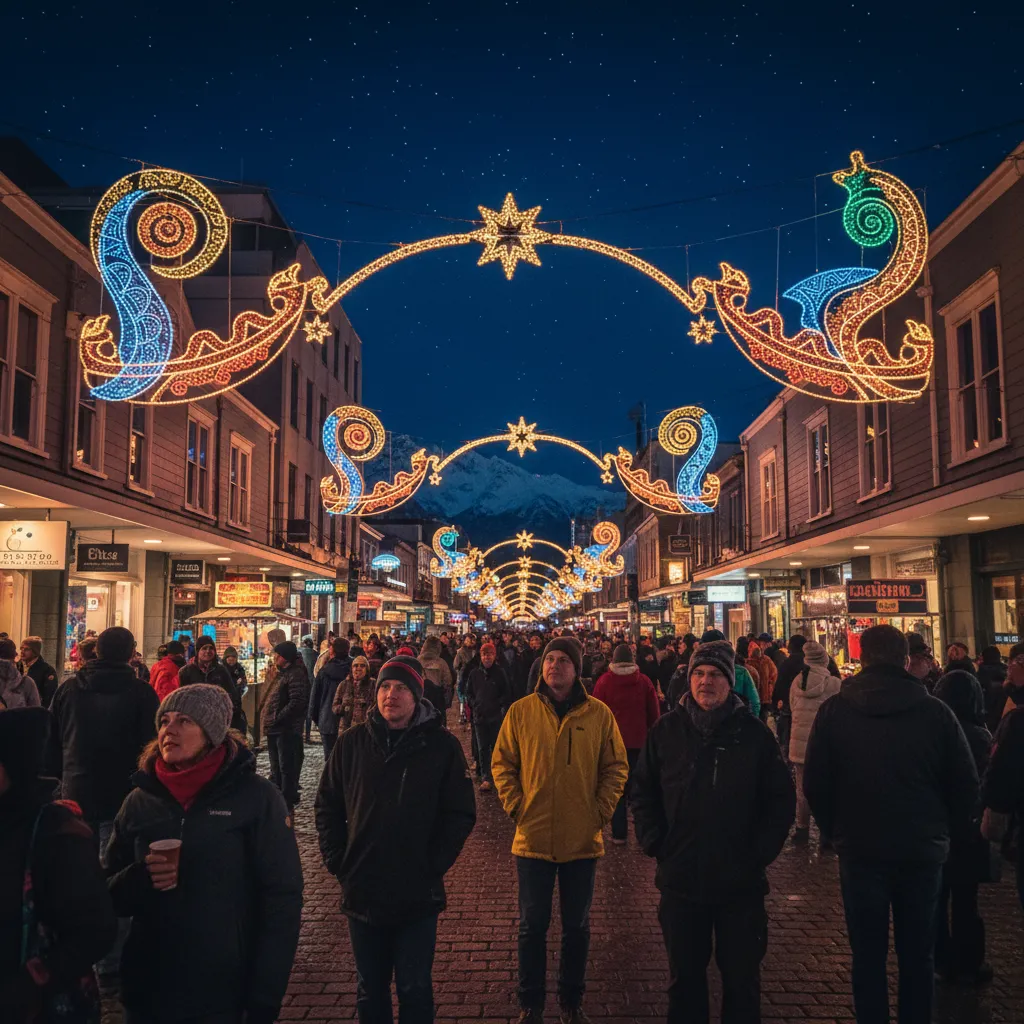
If you are looking for large-scale spectacles, New Zealand’s main centers host extensive festivals that run for several weeks. These events are often commercially supported and feature high-production values, including light projections, musical performances, and large food markets.
Matariki Festival (Auckland)
Tāmaki Makaurau (Auckland) hosts one of the most comprehensive schedules of Matariki events NZ has to offer. The festival typically includes over 100 events across the region. Key highlights often include the lighting of the Auckland Harbour Bridge and the Sky Tower, which glow in dynamic colors representing the sunrise and the stars. The waterfront often hosts light trails, and local iwi (tribes) lead dawn ceremonies on the city’s volcanic cones (maunga).
Tīrama Mai (Christchurch)
In the South Island, Ōtautahi (Christchurch) celebrates with Tīrama Mai. This lighting festival is central to the city’s winter calendar. It features a series of illuminated artworks, light projections, and performances held in the heart of the city, usually around Victoria Square and the Avon River precinct. The focus is on storytelling through light, making it a family-friendly event that combats the long winter nights.
Matariki Arrowtown Lights (Otago)
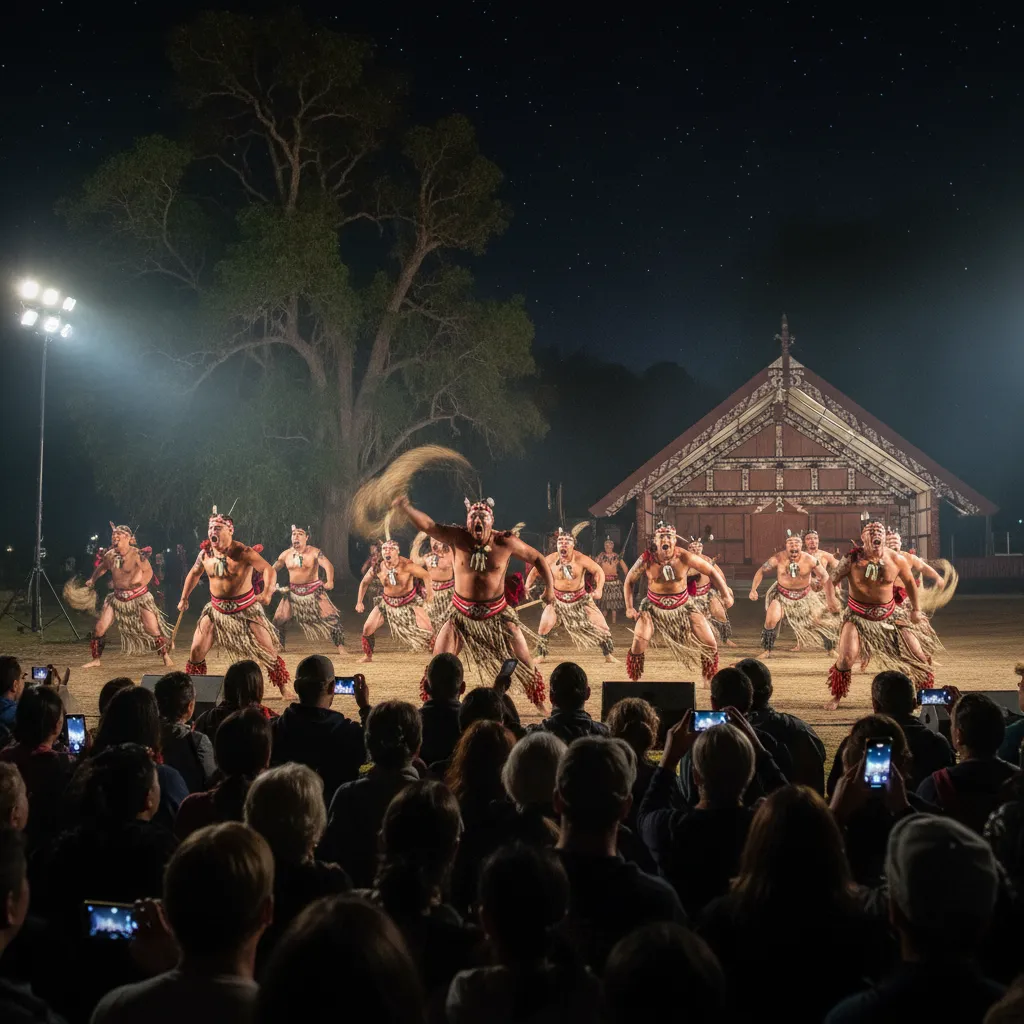
For a more intimate yet visually stunning experience, the historic gold-mining town of Arrowtown hosts the Matariki Arrowtown Lights. Given the region’s clear dark skies, this event beautifully bridges cultural celebration with astrotourism. The main street is illuminated with projections, and the event includes kapa haka performances and educational talks about navigation by the stars.
Te Papa Tongarewa (Wellington)
New Zealand’s national museum, Te Papa, in Wellington, serves as a hub for educational and artistic Matariki events. Their program usually runs for a week or more and includes free whānau (family) activities, star dome experiences, and lectures from leading Māori astronomers. It is an essential stop for those wanting to understand the deeper history and science behind the holiday.
Regional Highlights: North vs South Island
When searching for “Matariki events NZ,” the geography plays a significant role in the type of experience you will encounter. The North Island events often focus on community warmth, geothermal connections, and urban festivals, while the South Island leans into the winter atmosphere with fire festivals and stargazing.
North Island: Geothermal and Cultural Hubs
Rotorua: As a heartland of Māori culture, Rotorua offers deeply authentic experiences. Events here often center around the geothermal landscape—think steam rising against the cold air during a dawn ceremony. Many local tourism operators offer special Matariki hāngī and concert packages.
Bay of Islands: In the far north, events often take place near the Waitangi Treaty Grounds. These celebrations are rich in history and often include workshops on traditional weaving (raranga) and navigation (waka hourua).
South Island: Stargazing and Winter Festivals
Tekapo and Aoraki/Mt Cook: Located in the International Dark Sky Reserve, this is arguably the best place in the world to physically view the Matariki cluster. While events here are quieter and more contemplative, the commercial observatories run special “Matariki under the Stars” tours that are incredibly popular and require booking months in advance.
Dunedin: The Puaka Matariki Festival is unique to the lower South Island. Here, the principal star celebrated is often Puaka (Rigel) alongside Matariki. The festival includes a diverse range of events from Toi Māori (art) exhibitions to community storytelling sessions in local libraries.
Where Can I Find Community Gatherings and Whānau Events?
Beyond the headline festivals, the heart of Matariki beats in local community centers, libraries, and marae. These gatherings are often free or low-cost and focus on participation rather than observation.
Hautapu Ceremonies
The hautapu is a traditional pre-dawn ceremony where food is cooked, and the steam is offered to the stars. In recent years, public hautapu events have become more accessible. Councils often partner with local mana whenua to host these at scenic lookouts or beaches. It is a solemn, spiritual experience that typically involves karakia (prayer) and the calling out of the names of those who have passed away in the previous year.
Tree Planting (Te Whakatō Rākau)
Matariki is connected to the environment, specifically the star Tupu-ā-nuku, which is associated with food that grows in the ground and native plants. Many Department of Conservation (DOC) branches and local councils organize massive tree-planting days during the Matariki long weekend. This is an excellent way for tourists to “give back” to the land (kaitiakitanga) while participating in a meaningful event.
Manu Tukutuku (Kite Flying)
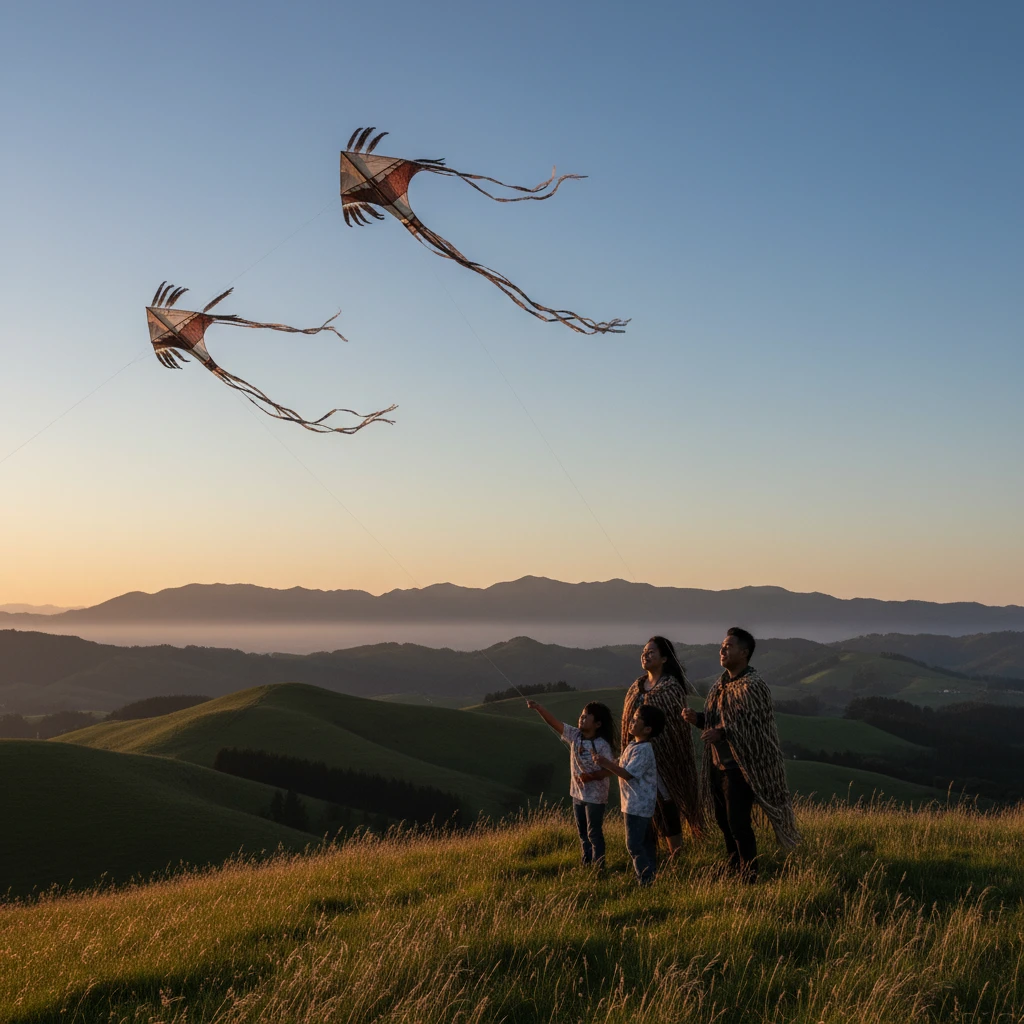
Traditionally, kites were flown to connect the heavens and the earth. You will find “Kite Days” organized in parks across the country, particularly in Auckland and Wellington. These are vibrant, family-centric events where colorful, often handmade, kites fill the winter sky.
How to Plan Your Matariki Long Weekend
Because Matariki is a public holiday, domestic tourism spikes. Planning your long weekend requires strategy to ensure you can access the best events and accommodation.
1. Book Accommodation Early
Popular destinations like Queenstown, Rotorua, and Ohakune fill up rapidly. If you plan to attend a specific festival, such as the Arrowtown Lights, aim to book your accommodation at least three months in advance. Prices can be higher due to the holiday demand.
2. Check the Weather
Matariki occurs in mid-winter. Events, especially those involving stargazing or outdoor light trails, are weather-dependent. Always have a “Plan B” comprising indoor events like museum visits or art galleries. Pack warm layers, including thermals, beanies, and waterproof jackets.
3. Respect the Tikanga (Protocol)
If you attend a marae-based event or a hautapu ceremony, familiarize yourself with basic etiquette. usually, this involves dressing tidily, arriving on time (often before dawn), and waiting to be invited onto the premises. Photography may be restricted during solemn parts of the ceremony, so always ask permission before snapping photos.
4. Create a Balanced Itinerary
A good Matariki itinerary balances entertainment with education.
- Morning: Attend a dawn ceremony or a community breakfast.
- Day: Visit a museum exhibition, participate in a weaving workshop, or go on a nature walk/tree planting.
- Evening: Enjoy a light festival, a night market, or a stargazing tour.
What Traditional Foods are Served at Matariki Events?
Feasting is a central pillar of Matariki, marking the harvest and the filling of food storehouses (pātaka). Commercial and community events heavily feature kai (food) that aligns with the stars Tupu-ā-nuku (grown in the ground) and Tupu-ā-rangi (from the sky/trees).
The Hāngī
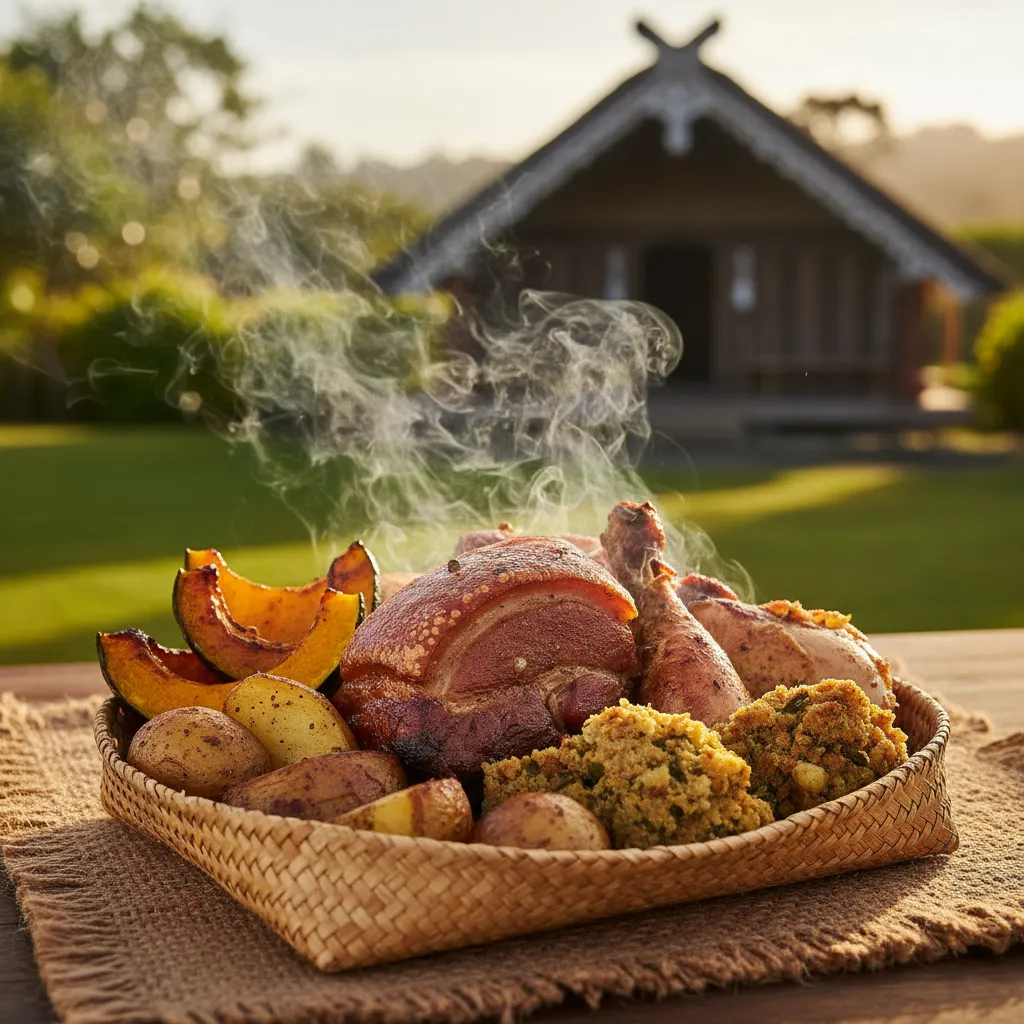
The most iconic food event is the hāngī, where meat and vegetables are slow-cooked in an earth oven using heated rocks. During Matariki, you will find “Hāngī in the Park” events or commercial kitchens offering hāngī packs. The smoky, earthy flavor is distinct and synonymous with Māori hospitality (manaakitanga).
Seasonal Ingredients
Look for menus featuring:
- Kūmara (Sweet Potato): A staple crop harvested before winter.
- Ika (Fish) and Eel: Connected to the star Waitā (freshwater) and Waitī (saltwater).
- Rēwena Bread: A traditional sourdough potato bread often served with butter and jam.
Many high-end restaurants in Auckland and Wellington create special “Matariki Degustation” menus that elevate these indigenous ingredients using modern techniques.
The Cultural Significance of Attending Matariki Events
Participating in Matariki events is more than just entertainment; it is an act of cultural engagement. For the tourism and education sectors, Matariki represents a shift towards “regenerative tourism,” where visitors learn from the land and culture rather than just consuming it.
The nine stars of Matariki each hold dominion over different environmental and social domains. By attending events, you acknowledge these domains. For example, attending a mental health workshop aligns with the star Hiwa-i-te-rangi (the wishing star), while cleaning up a waterway aligns with Waitī. This thematic depth adds layers of meaning to every festival and gathering, distinguishing Matariki events NZ from other global New Year celebrations.
Ultimately, Matariki is about whanaungatanga (kinship). It is a time to come together, share stories, remember those who have left us, and celebrate the potential of the coming year. By stepping into these events, you become part of a living, breathing tradition that defines the unique identity of Aotearoa.
People Also Ask
What date is Matariki 2025?
Matariki will be observed as a national public holiday in New Zealand on Friday, 20 June 2025. The date changes annually based on the Māori lunar calendar (Maramataka) and the reappearance of the Pleiades star cluster.
Is Matariki a public holiday in NZ?
Yes, Matariki is an official public holiday in New Zealand. It was first celebrated as a public holiday on June 24, 2022. It typically falls on a Friday in June or July, creating a long weekend for the nation.
How is Matariki celebrated traditionally?
Traditionally, Matariki was celebrated with the lighting of ritual fires, the making of offerings (such as food) to the stars, farewell ceremonies for the dead, and festivities to celebrate the harvest, including singing, dancing, and kite flying.
What do the 9 stars of Matariki represent?
The stars represent different environmental and social elements: Matariki (health/wellbeing), Pōhutukawa (the dead), Tupu-ā-nuku (food from the ground), Tupu-ā-rangi (food from the sky/trees), Waitī (freshwater), Waitā (saltwater), Waipuna-ā-rangi (rain), Ururangi (wind), and Hiwa-i-te-rangi (wishes/aspirations).
Where is the best place to see Matariki stars?
The best places are areas with low light pollution. The Aoraki Mackenzie International Dark Sky Reserve in the South Island is world-renowned. However, any location away from city lights with a clear view of the northeastern horizon before dawn is suitable.
Are shops open on Matariki?
Matariki is a standard public holiday, meaning trading restrictions like those on Easter Friday or Christmas Day do not generally apply. Most shops, cafes, and tourist attractions remain open, though they may operate on reduced holiday hours, and some may apply a surcharge.