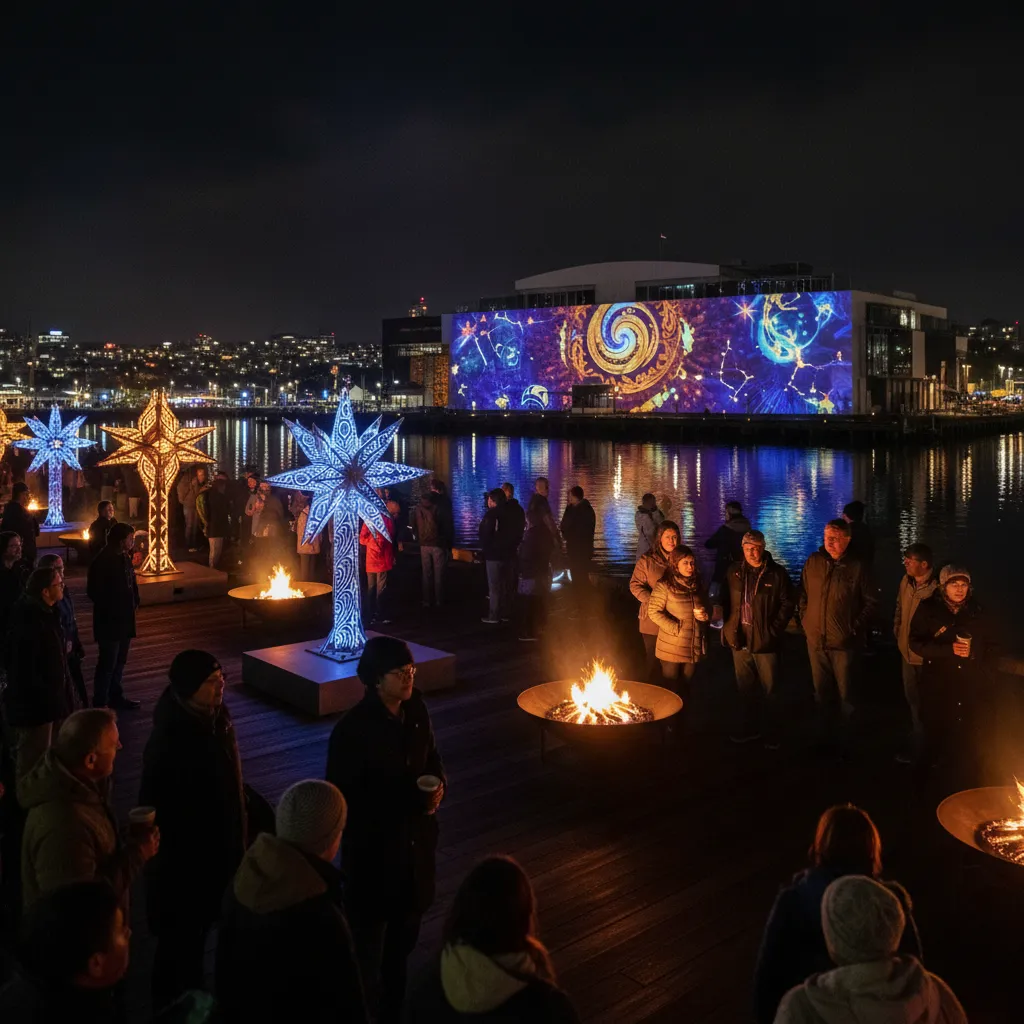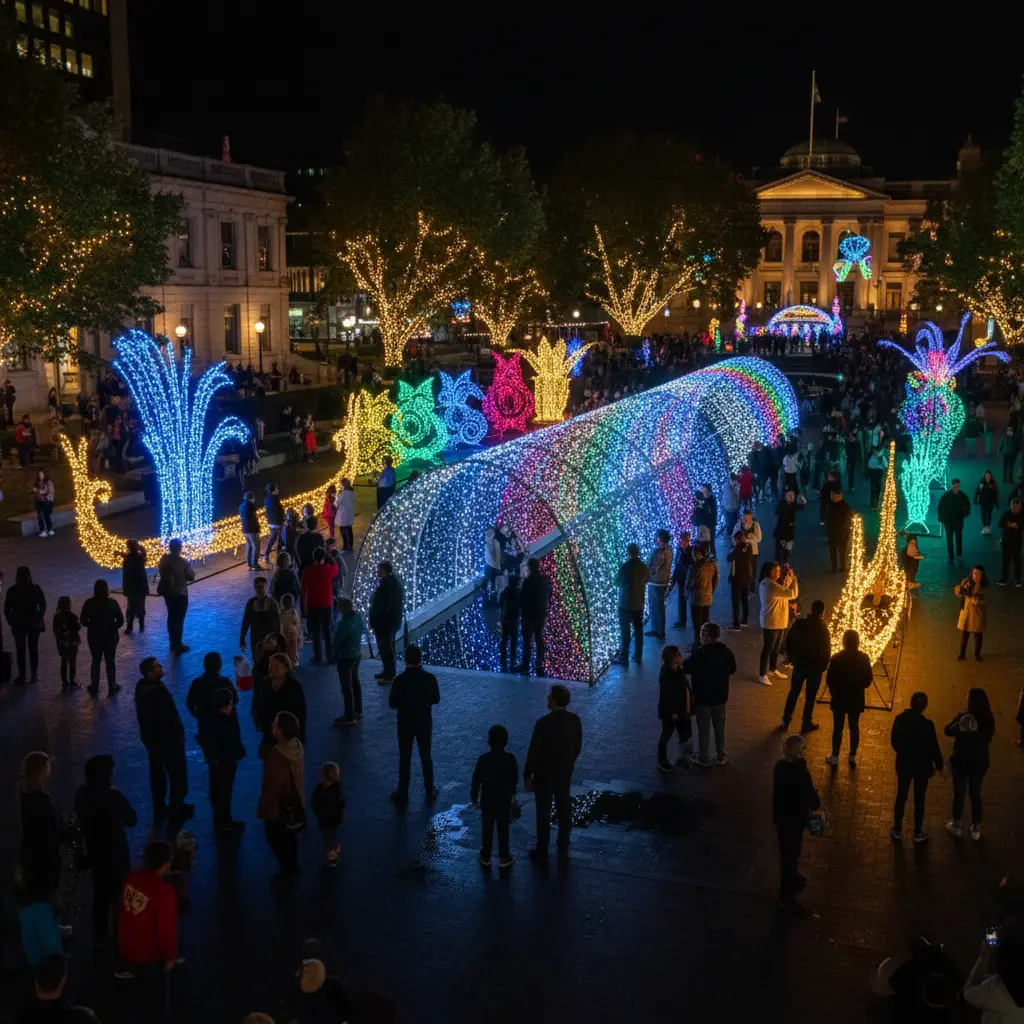
Matariki Rotorua events are immersive cultural celebrations marking the Māori New Year in New Zealand’s geothermal heartland. These festivities typically feature indigenous storytelling, ceremonial hangi feasts at thermal villages like Te Puia, bioluminescent light trails in the Redwoods, and traditional kapa haka performances that honor the rising of the Pleiades star cluster.
Celebrating the Māori New Year: A National Awakening
The rise of the star cluster known as Matariki (the Pleiades) marks a significant transition in the New Zealand calendar. It is a time for remembrance, celebrating the present, and looking to the future. Since becoming an official public holiday, the scale and depth of events across the country have exploded, including the popular Matariki Events Wellington hosts, offering locals and international visitors a profound insight into Te Ao Māori (the Māori world).
While celebrations occur nationwide, the “Golden Triangle” of cultural tourism—specifically focusing on Matariki Rotorua events—offers perhaps the most authentic and geothermal-infused experiences. However, travelers venturing further afield to Hamilton or down south to Dunedin will find distinct regional variations that are equally compelling. This guide provides a transactional roadmap to the best events, ensuring you know exactly where to book and what to expect.
What are the top Matariki Rotorua events?
Rotorua is widely considered the cultural capital of New Zealand, making it the premier destination for Matariki. The region’s high population of Māori and deep connection to geothermal energy creates a unique atmosphere where the earth’s heat meets the winter sky.
Te Puia Matariki Celebrations
Te Puia, home to the New Zealand Māori Arts and Crafts Institute, hosts one of the most significant Matariki programs. Unlike standard tourist shows, their Matariki events are often curated to educate visitors on the specific stars in the cluster and their meanings.
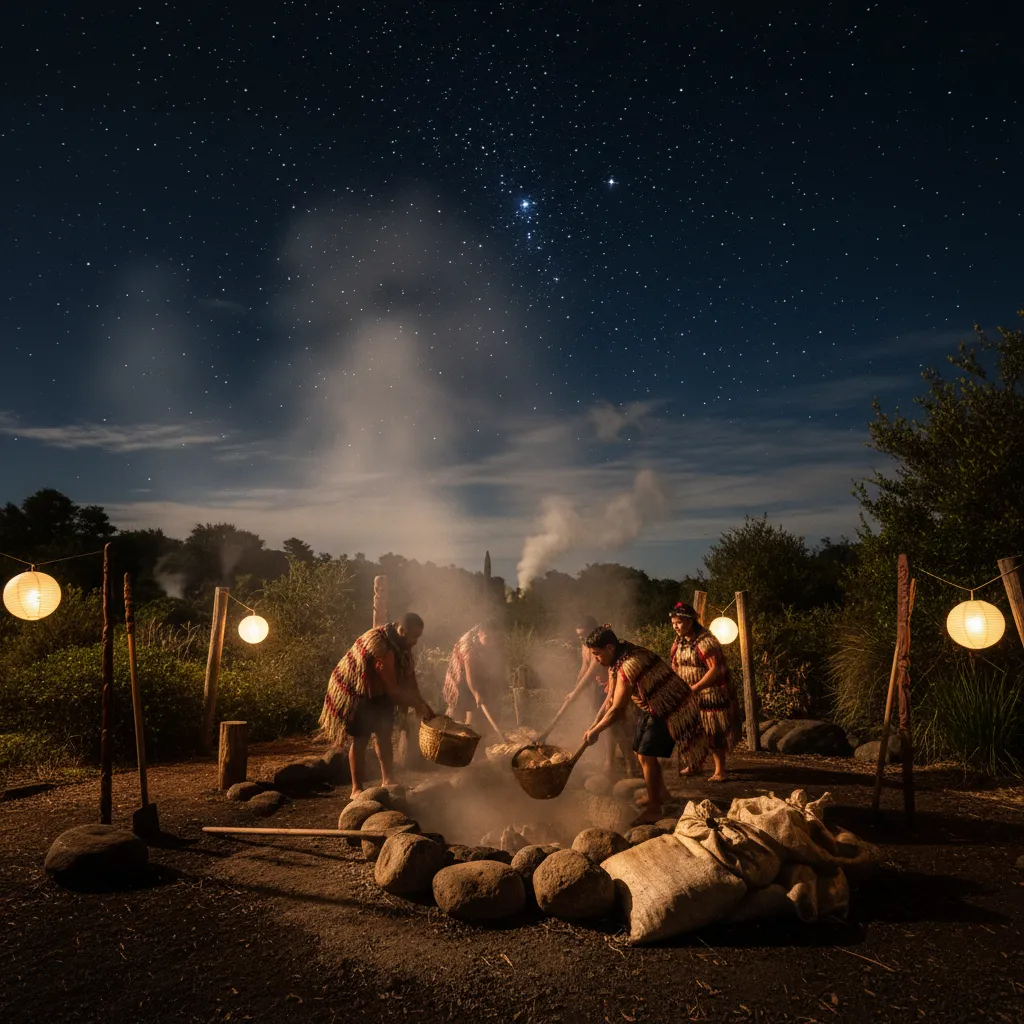
- The Experience: Expect a guided tour through the geothermal valley under the stars, followed by an indigenous feast (kai) prepared using geothermal steam vents and hot pools.
- Cultural Insight: Tohunga (experts) often share whakapapa (genealogy) stories related to the stars, connecting celestial navigation with terrestrial life.
- Booking Advice: These events sell out weeks in advance. Look for “Te Pō” combo tickets during June and July.
Redwoods Treewalk: Nightlights
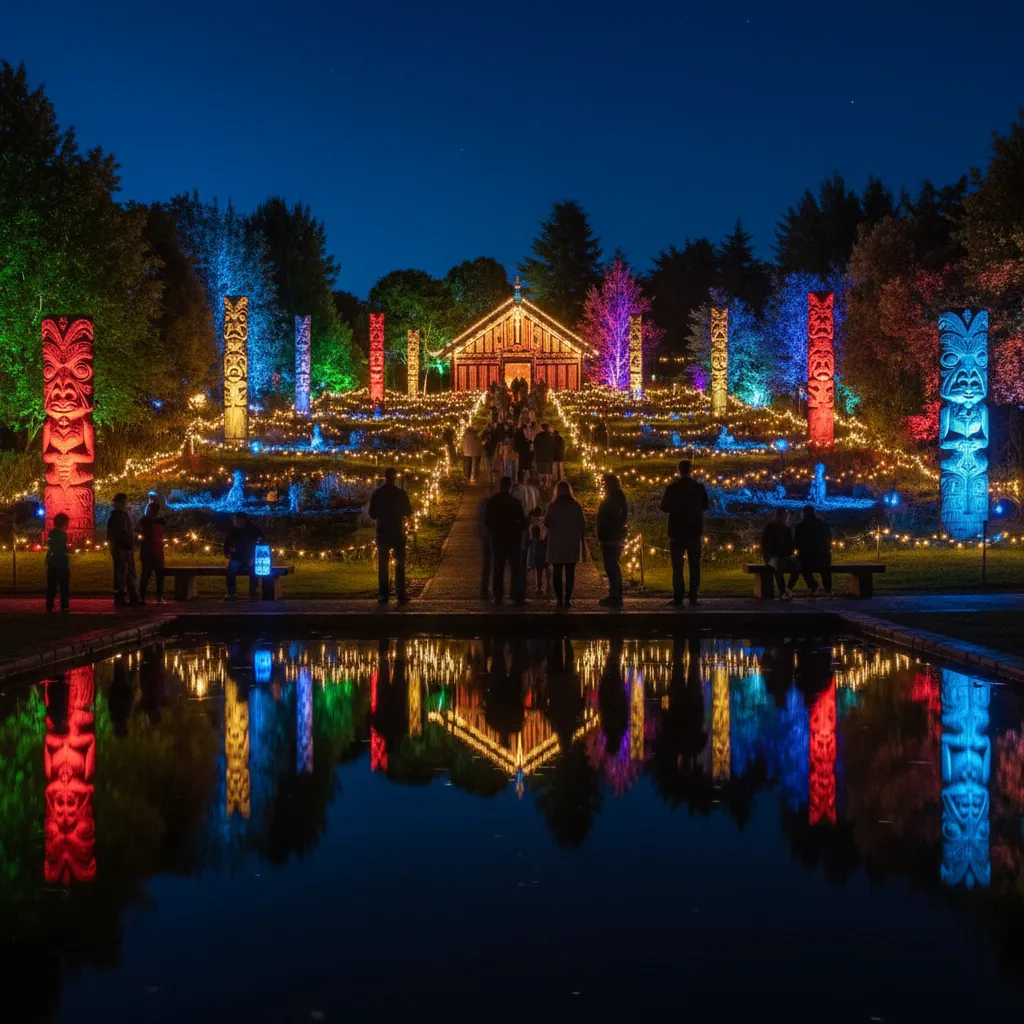
While open year-round, the Redwoods Treewalk takes on a special significance during Matariki. The forest is illuminated by David Trubridge lanterns, but during the New Year, special installations often mimic the star clusters.
Walking high above the forest floor on suspension bridges offers a moment of quiet reflection—a core tenet of Matariki. It is an ideal event for families, as it combines physical activity with visual storytelling.
Lake Rotorua Matariki Markets
Held periodically at the Lakefront, these markets focus on Kai (food) and Toi (art). Matariki is traditionally a time when harvest storehouses were full, so feasting is essential. You will find:
- Traditional Rewena bread.
- Mussel fritters and crayfish.
- Contemporary Māori art, carving, and weaving (raranga).
How do Thermal Villages celebrate Matariki?
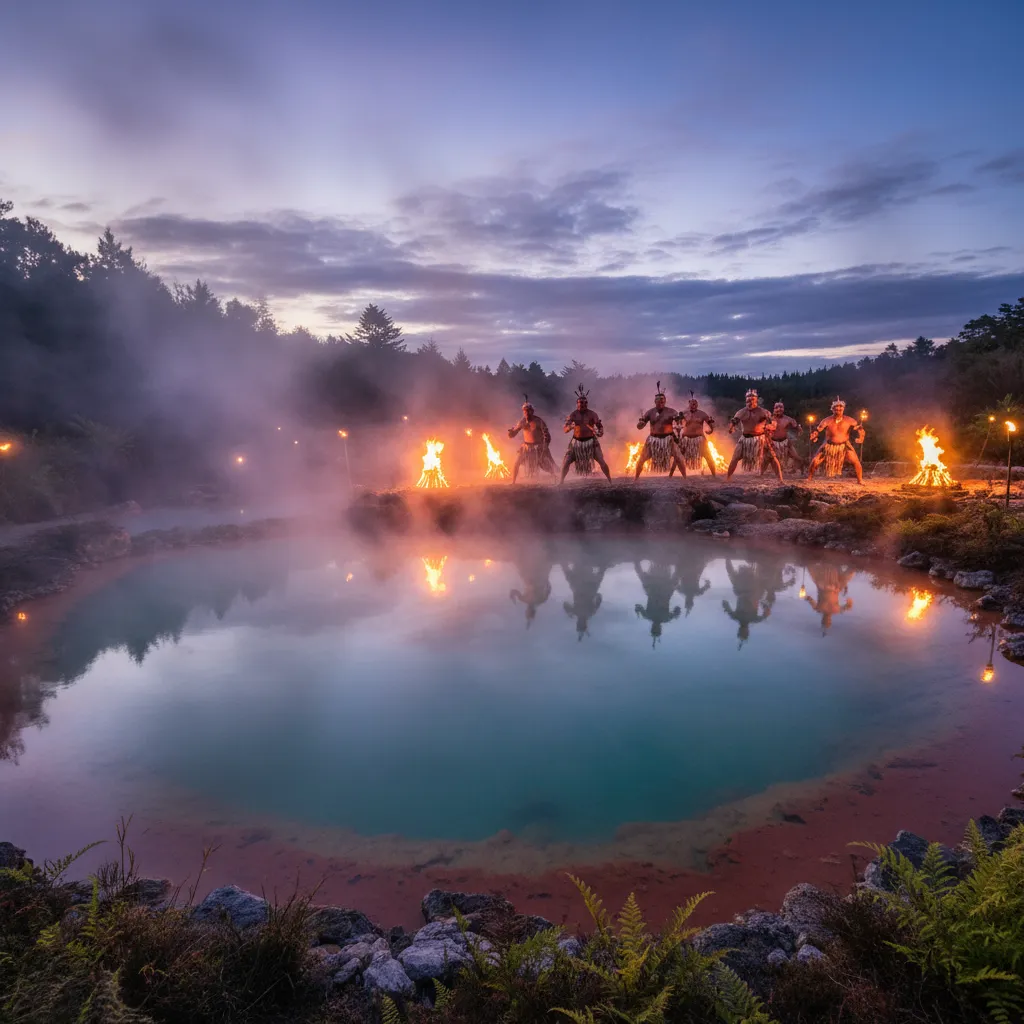
The geothermal villages of Whakarewarewa and Mitai offer a visceral connection to the land (Papatūānuku). During Matariki, the steam rising from the ground is often viewed as a connector between the earth and the sky father (Ranginui).
Whakarewarewa: The Living Māori Village
This village offers a “Matariki Whaka” experience. Because people actually live here amidst the geothermal activity, the events feel incredibly intimate. Visitors can often participate in weaving workshops or learn how to cook corn in the boiling pools. The focus here is on Whanaungatanga (kinship) and welcoming guests into the family fold for the New Year.
Mitai Māori Village
Mitai focuses heavily on the waka (canoe) arrival and the warrior aspects of the culture. Their Matariki packages often include a bush walk to see glow worms—nature’s own reflection of the stars above. The glow worm tours are particularly poignant during Matariki, symbolizing the light in the darkness of winter.
What is happening in Hamilton for Matariki?
Just an hour’s drive from the Matariki Rotorua events, Hamilton (Kirikiriroa) offers a different, garden-centric approach to the celebrations. The Waikato region is rich in agricultural history, aligning perfectly with the harvest aspects of Matariki.
Hamilton Gardens: Te Parapara Garden
The Hamilton Gardens is home to Te Parapara, New Zealand’s only traditional Māori productive garden. During Matariki, this space becomes the focal point for the city.
- Maara Kai (Food Gardens): Tours explain traditional agricultural practices, planting cycles based on the moon (Maramataka), and how kumara was stored for winter.
- Light Installations: In recent years, the gardens have hosted light festivals where the varying themed gardens are illuminated, with Te Parapara featuring traditional poi performances and storytelling sessions.
Waikato Museum Te Whare Taonga o Waikato
The museum typically curates a month-long program called “Manawatia a Matariki.” This is a transactional hub for those wanting to learn crafts. Workshops often include:
- Kite Making (Manu Tukutuku): Kites were traditionally flown to connect the heavens and earth. Families can build and fly their own kites at local parks.
- Star Dom: Portable planetarium shows that identify the nine stars of Matariki and their specific domains (e.g., Waitī for fresh water, Waitā for salt water). To help you identify them, you can use an Interactive Night Sky Map Tool: Locate Matariki Now.
What is the Dunedin Puaka Matariki Festival?
Heading to the South Island (Te Waipounamu), the celebration shifts slightly. In Dunedin, the geography and latitude mean that the star Puaka (The Physics of Rigel: A Blue Supergiant) is often more visible and significant than the Matariki cluster. Consequently, the city celebrates the Puaka Matariki Festival.
The Difference Between Puaka and Matariki
It is crucial to understand this distinction when visiting Dunedin. While the kaupapa (principles) of remembrance and renewal are the same, the celestial marker differs. This makes Dunedin’s festival unique in New Zealand.
Festival Highlights
The Dunedin festival is renowned for its community engagement and artistic flair:
- Midwinter Carnival: While technically a solstice event, it merges with Matariki themes. It features a spectacular lantern parade through the Octagon, giant puppets, and costumed performers.
- Mana Moana: A water screen projection show in the Otago Harbour. Using the water as a canvas, indigenous artists project massive animated films telling stories of the ocean and navigation.
- Marae-based Wananga: Educational workshops held at local marae (like Ōtākou Marae) that are open to the public, teaching the specific southern dialect and traditions (Kai Tahu).
How to attend Local Marae Open Days
Across Rotorua, Hamilton, and Dunedin, many Marae open their doors to the public during this period. This is the most authentic way to experience the holiday, but it requires an understanding of cultural etiquette.
What to Expect
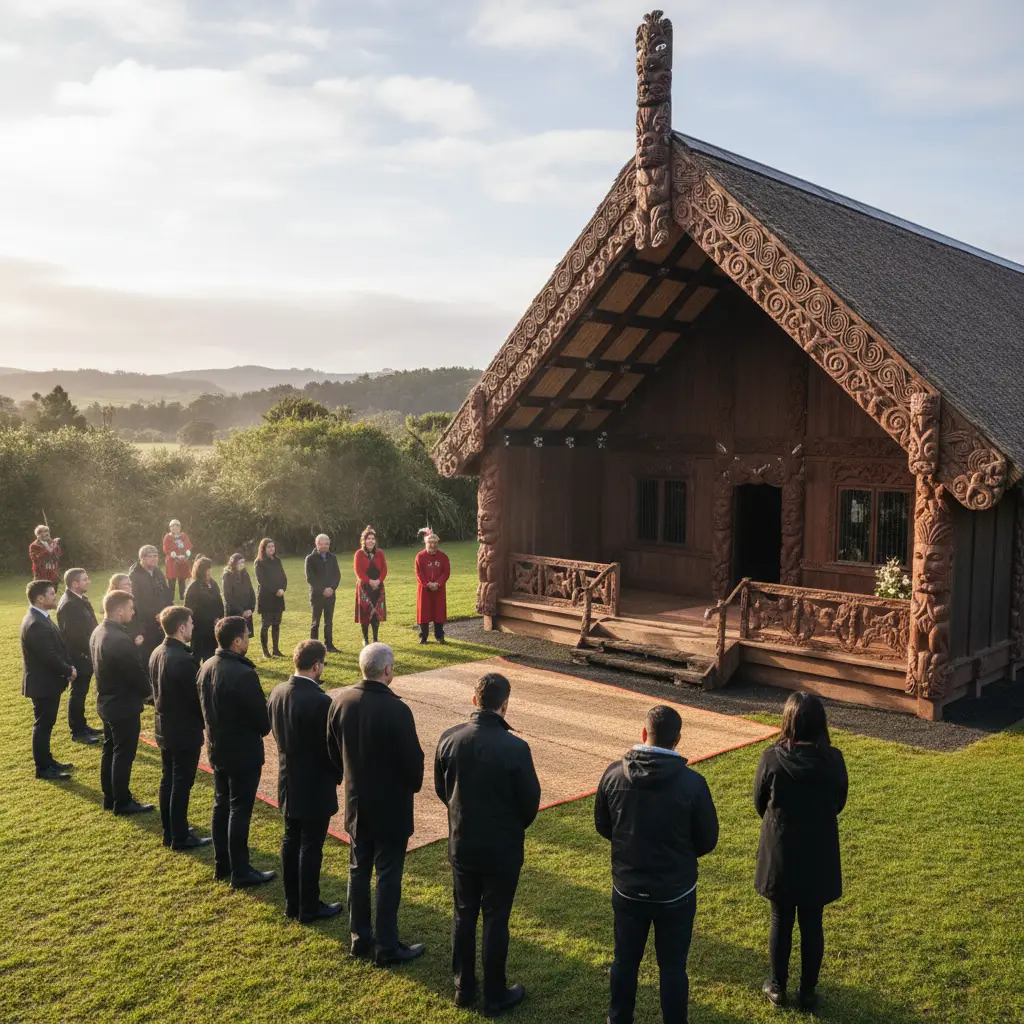
A Marae visit usually begins with a Pōwhiri (formal welcome). You will be called onto the grounds, speeches will be exchanged, and songs (waiata) will be sung. This is followed by the sharing of kai (food), which lifts the tapu (sacredness) of the formal ceremony.
Etiquette Tips for Visitors
- Dress Modestly: Smart casual is generally accepted. Remove hats when entering the Wharenui (meeting house).
- Koha: It is customary to provide a donation (koha) to the Marae to support their hospitality. This is usually given by the group leader during the welcome ceremony.
- Ask Permission: Always ask before taking photos, especially inside the meeting house or during formal speeches.
Planning Your Matariki Itinerary
To maximize your experience of Matariki Rotorua events and beyond, logistics are key. The holiday falls in mid-winter (June/July), so preparation is essential.
Weather and Clothing
Rotorua and Hamilton will be cold (averaging 5°C – 12°C), but Dunedin will be freezing, potentially with frost or snow. Layers are mandatory. Merino wool is highly recommended, along with waterproof jackets for the outdoor light trails and thermal village tours.
Booking Timeline
- Accommodation: Book at least 3 months in advance. Matariki is a long weekend public holiday, and domestic tourism surges.
- Ticketed Events: Te Puia and major banquets release tickets around April/May. Sign up for newsletters from the respective tourism boards (RotoruaNZ, Hamilton & Waikato Tourism, DunedinNZ) to get early access.
- Transport: If driving between Hamilton and Rotorua, allow extra time for winter road conditions. The drive is scenic but can be foggy.
People Also Ask
When is the best time to visit Rotorua for Matariki?
The best time to visit is during the official Matariki public holiday weekend in June or July. However, festivities in Rotorua often span a two-week period surrounding the holiday, offering more availability for accommodation and events.
Are Matariki events in Rotorua suitable for children?
Yes, most Matariki Rotorua events are family-friendly. The Redwoods Treewalk, kite flying, and thermal village experiences are designed to educate and entertain all ages. Many venues offer special family passes.
Do I need to book tickets for the Hamilton Gardens Matariki events?
Entry to the Hamilton Gardens generally is free (for residents) or low cost, but specific Matariki guided tours, workshops, or light shows within the enclosed gardens usually require paid tickets booked in advance.
What is the traditional food eaten during Matariki?
Traditional Matariki food includes Kumara (sweet potato), fish and eels (representing Waitī and Waitā stars), birds, and preserved goods. Hangi (earth oven) is the most popular cooking method for celebrations.
Why is Matariki celebrated differently in Dunedin?
Dunedin celebrates the Puaka Matariki Festival because, in the lower South Island, the star Puaka (Rigel) is often more prominent and rises higher in the sky than the Matariki cluster, serving as the primary marker for the New Year.
Is it free to visit a Marae during Matariki?
While there is usually no ticket price for a Marae open day, it is culturally mandatory to offer a Koha (donation). This supports the marae’s running costs and the food provided to guests.