
A Matariki resource pack is a comprehensive digital collection of educational materials designed for Kaiako to teach students about the Māori New Year. To download Matariki resource pack files effectively, educators should seek bundles containing printable star charts, age-appropriate lesson plans, and creative art activities that align with the New Zealand Curriculum and Te Marautanga o Aotearoa.
Matariki, the Māori New Year, is a significant time for renewal, remembrance, and planning for the future in Aotearoa New Zealand. For Kaiako (teachers), integrating this cultural event into the classroom is not just a curricular requirement but a meaningful way to connect tamariki (children) with the environment and indigenous knowledge. Finding high-quality, culturally accurate resources can be time-consuming. This guide details everything you need to know about premium educational bundles and how to download Matariki resource pack content that engages learners across all age groups.
What is Included in a Comprehensive Matariki Resource Pack?
When you look to download Matariki resource pack bundles, you are accessing a toolkit designed to streamline your planning while maximising student engagement. A robust pack goes beyond simple colouring sheets; it provides a pedagogical framework for exploring the astronomical, agricultural, and spiritual significance of the cluster.
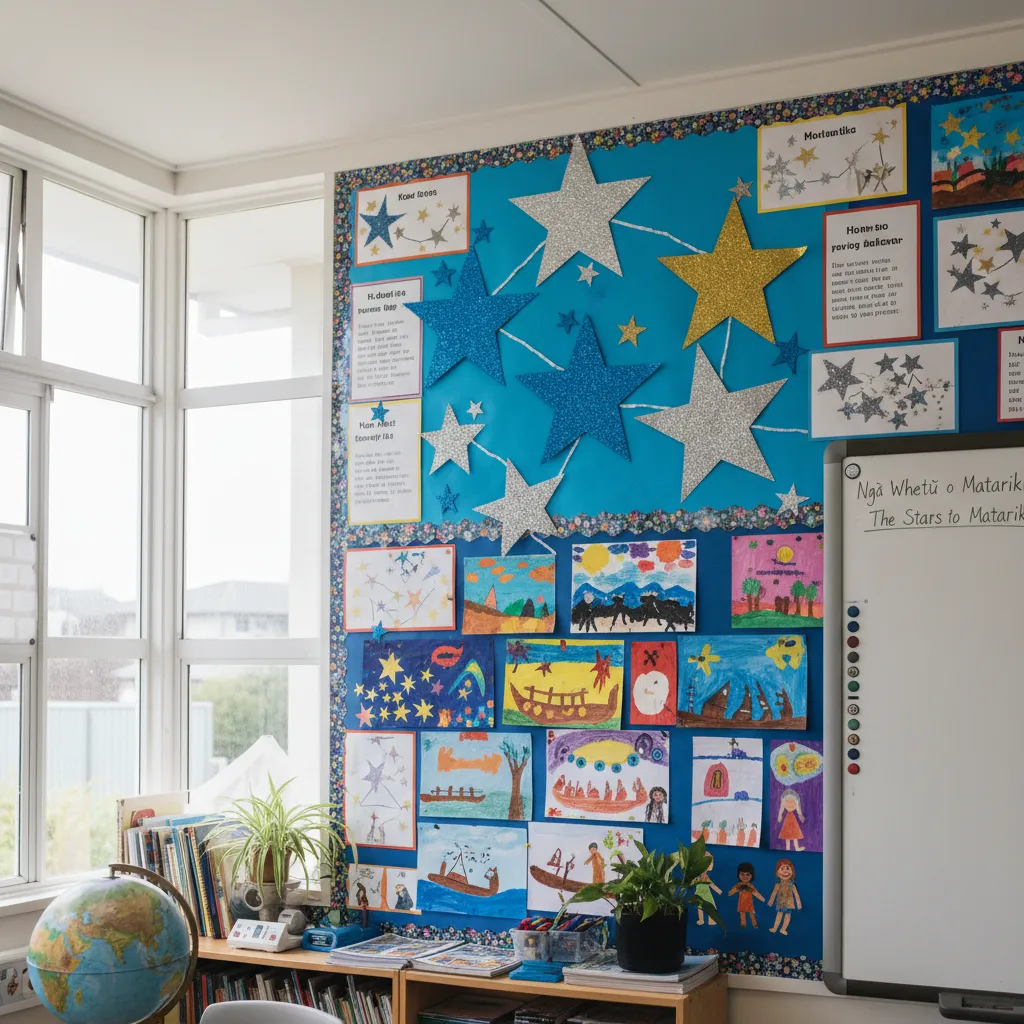
High-quality packs typically include cross-curricular resources that cover literacy, science, arts, and social sciences. Specifically, you should expect to find:
- Visual Aids: High-resolution posters of the Matariki cluster suitable for classroom walls.
- Te Reo Māori Integration: Vocabulary lists, pronunciation guides, and phrase cards relevant to the season.
- Narrative Resources: Stories and myths regarding the eyes of the god Tāwhirimātea or the journey of the stars.
- Activity Sheets: Worksheets ranging from word finds for juniors to research projects for seniors.
- Digital Assets: PowerPoint slides or interactive PDFs for whiteboard presentations.
These resources are crafted to reduce the administrative burden on Kaiako, allowing you to focus on delivery and interaction with your students. By having a centralized source of truth, you ensure that the mātauranga Māori (Māori knowledge) shared is accurate and respectful.
Printable Star Charts: Teaching Te Iwa o Matariki
One of the most sought-after components when you download Matariki resource pack materials is the printable star chart. Understanding the nine stars of Matariki (Te Iwa o Matariki) is fundamental to the celebration. Each star holds a specific domain and responsibility, providing a rich context for environmental science lessons.
Breakdown of the Nine Stars
A good resource pack will provide individual profile cards for each star. Here is how they are typically categorized in educational materials:
- Matariki: The mother of the other stars in the cluster, connected to health and wellbeing.
- Pōhutukawa: Connects to those who have passed on; often used for remembrance activities.
- Tupuānuku: Associated with food grown in the ground (kumara, potatoes).
- Tupuārangi: Associated with food from the sky (birds, fruit from trees).
- Waipuna-ā-rangi: Connected to rain and atmospheric conditions.
- Waitī: Connected to fresh water and food sources within it (eels).
- Waitā: Connected to the ocean and salt water food sources.
- Ururangi: Associated with the winds.
- Hiwa-i-te-rangi: The wishing star, connected to granting the desires of the heart for the coming year.

Using these charts, students can map the night sky. Advanced packs may include instructions on how to locate the cluster in the pre-dawn sky during June and July, incorporating practical astronomy into the curriculum. This visual connection helps ground the mythology in physical observation, bridging the gap between science and culture.
Lesson Plans for Different Age Groups
Effective teaching requires differentiation. A standard “one-size-fits-all” worksheet will not suffice for a diverse school environment. When you download Matariki resource pack files, ensure they are segmented by curriculum levels.
Early Childhood and Primary (Years 0-3)
For the younger tamariki, the focus is on sensory experiences, storytelling, and simple art. Lesson plans in this category often focus on:
- Storytelling: Reading illustrated books about the myths of Matariki.
- Music and Movement: Learning simple waiata (songs) about the stars.
- Nature Walks: Identifying Tupuānuku and Tupuārangi by looking at trees and soil in the school garden.
Intermediate (Years 4-8)
At this level, students can engage with more complex concepts regarding environmental stewardship (kaitiakitanga) and navigation.
- Science Projects: Investigating the life cycle of the eel (tuna) in relation to Waitī.
- Social Studies: Researching how traditional Māori used the stars for navigation and harvest timing.
- Writing Tasks: Creative writing prompts asking students to make a wish to Hiwa-i-te-rangi and outline the steps they will take to achieve it.
Secondary (Years 9-13)
For senior students, resources should provoke critical thinking and cultural analysis.
- Astronomy and Physics: Studying the stellar composition of the Pleiades cluster.
- Cultural Sociology: Discussing the revival of Matariki as a public holiday in New Zealand and its impact on national identity.
- Visual Arts: creating portfolios based on traditional Māori motifs (kowhaiwhai) representing specific stars.
Matariki Art Activities for Classrooms
Visual arts provide a tangible way for students to express their understanding of Matariki. When you download Matariki resource pack collections, look for detailed instructions for art projects that utilize readily available classroom supplies.
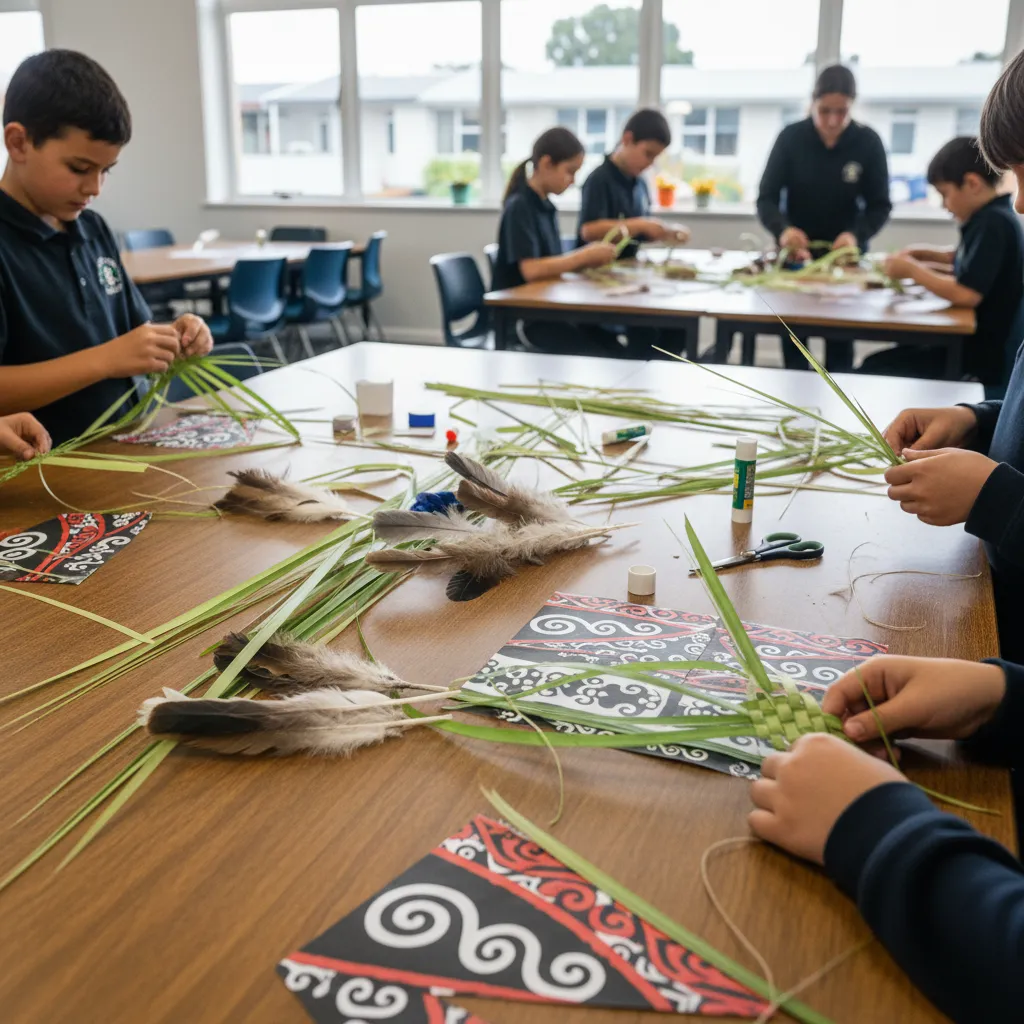
Manu Tukutuku (Kite Making)
Kites were traditionally flown during Matariki to connect the earth and the heavens. A resource pack should provide templates for constructing simple kites using paper, bamboo skewers, and string. This activity combines geometry, physics (aerodynamics), and art.
Star Weaving (Whetū Harakeke)
Weaving is a significant aspect of Māori culture. While traditional harakeke (flax) might not be available to every school, resource packs often include tutorials for weaving stars using paper strips or ribbon. This helps improve fine motor skills and introduces the concept of raranga (weaving) patterns.
Collaborative Murals
One popular activity found in these packs is the collaborative mural. Each student colours a segment of a larger image—perhaps a depiction of Ranginui (Sky Father) or the seven sisters (an alternative narrative). When assembled, it creates a large-scale piece of art for the school hall or classroom, symbolizing kotahitanga (unity).
Incorporating Tikanga and Legends
To teach Matariki authentically, Kaiako must incorporate tikanga (protocols) and legends. It is not enough to simply identify stars; one must understand the whakapapa (genealogy) behind them.
Resource packs act as a guide for teachers who may not be fluent in Te Reo Māori or fully versed in Tikanga. They provide scripts and background information to ensure cultural safety.
The Legend of Tāwhirimātea
One of the most compelling stories included in these packs is the origin of the cluster. According to one legend, the god of wind, Tāwhirimātea, was so angered by the separation of his parents, Ranginui and Papatūānuku, that he tore out his own eyes and threw them into the heavens, creating Matariki (Ngā Mata o te Ariki – The Eyes of the God). Discussing this story allows for deep conversations about emotions, conflict resolution, and family dynamics.
Hākari (The Feast)
Matariki is a time of feasting. Resource packs often include recipes for traditional kai (food) like rēwena bread or instructions for hosting a shared morning tea. This teaches the value of manaakitanga (hospitality) and sharing the fruits of the harvest.
How to Download Matariki Resource Pack Files
Accessing these resources is generally a straightforward process, but knowing where to look ensures you get high-quality material. Most Ministry of Education-aligned resources or premium teacher-created content will be available in ZIP or PDF formats.

Steps to Access Quality Resources:
- Identify the Provider: Ensure you are downloading from a reputable educational site, such as Te Kete Ipurangi (TKI), Te Papa, or trusted educational publishers.
- Check the License: Ensure the pack allows for classroom reproduction. Most educational packs grant a license for a single teacher or a whole school.
- File Format: Look for PDF files for easy printing and PowerPoint/Google Slides for digital projection.
- Download and Extract: Since these packs are comprehensive, they are often zipped. Download the file, right-click, and select “Extract All” to access the individual folders for posters, lesson plans, and worksheets.
By preparing early and securing your download of Matariki resource pack materials, you ensure a stress-free, culturally rich learning experience for your students. These packs serve as the bridge between curriculum requirements and the deep, spiritual significance of Aotearoa’s unique indigenous celebration.
People Also Ask
What acts as the sign of the Māori New Year?
The rising of the star cluster Matariki (the Pleiades) in the pre-dawn sky during mid-winter (typically late June or July) signals the beginning of the Māori New Year. It marks a time to honor the dead, celebrate the present, and plan for the future.
How many stars are in the Matariki cluster for teaching?
While the cluster contains hundreds of stars, teaching resources in New Zealand typically focus on nine specific stars: Matariki, Pōhutukawa, Tupuānuku, Tupuārangi, Waipuna-ā-rangi, Waitī, Waitā, Ururangi, and Hiwa-i-te-rangi.
What are suitable Matariki activities for preschoolers?
Suitable activities include singing Matariki waiata (songs), reading picture books about the stars, messy play with ‘star’ shapes, planting seeds to honor Tupuānuku, and simple star weaving using paper or ribbon.
Is Matariki a public holiday in New Zealand?
Yes, Matariki is an official public holiday in New Zealand. It is the first indigenous public holiday in the world, recognizing the importance of Māori culture and the lunar calendar (Maramataka).
Can I teach Matariki if I don’t speak Te Reo Māori?
Yes, you can. Many resource packs are designed for English-medium schools and include pronunciation guides, translations, and bilingual resources to help teachers confidently deliver the content while learning alongside their students.
Where can I find free Matariki teaching resources?
Free resources are often available through government educational portals like TKI (Te Kete Ipurangi), the Museum of New Zealand Te Papa Tongarewa website, and various library websites across New Zealand.