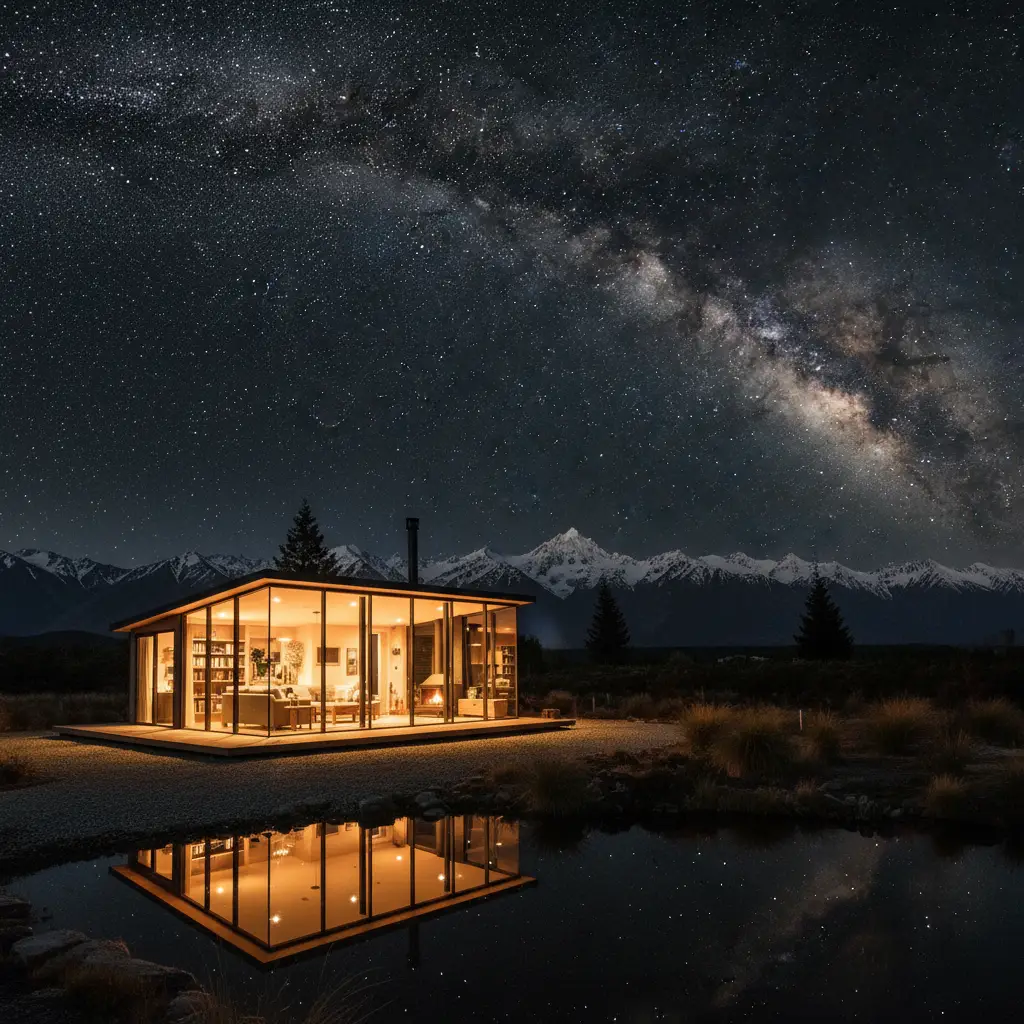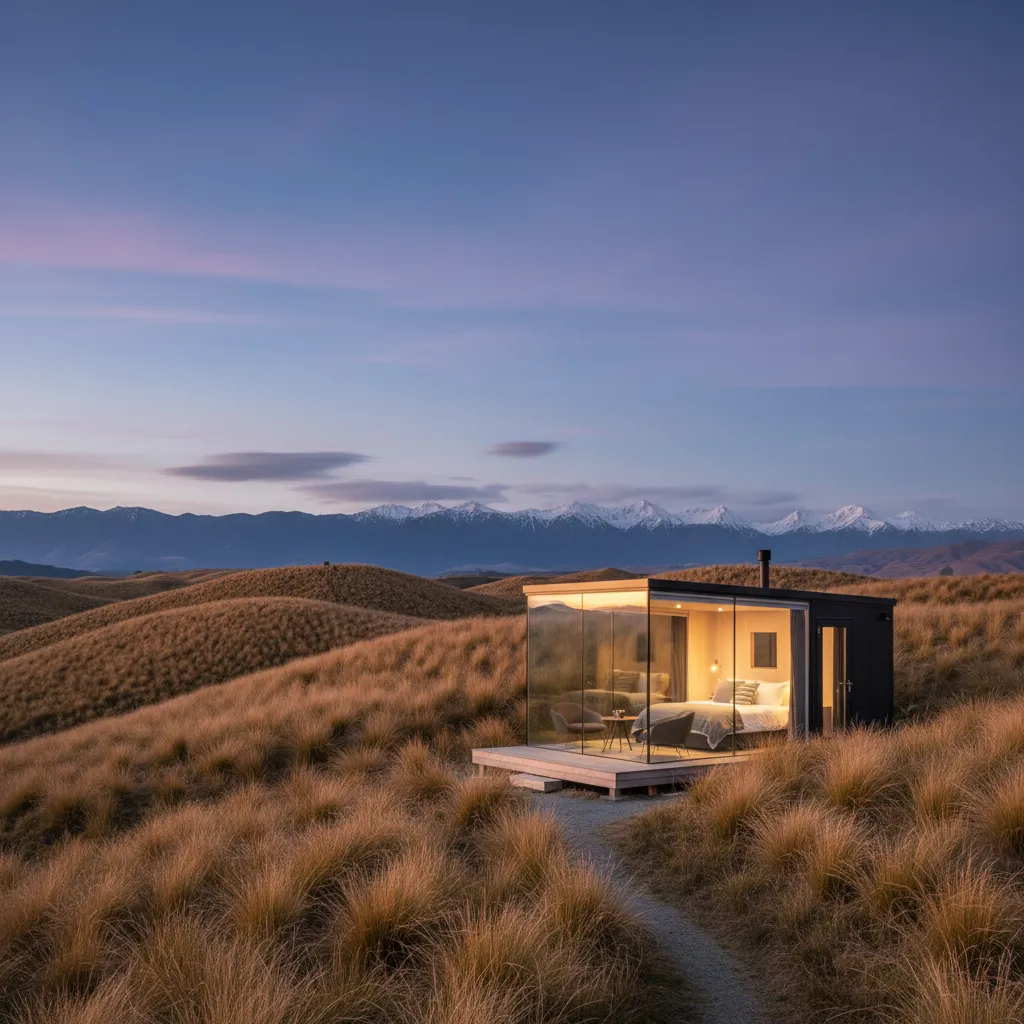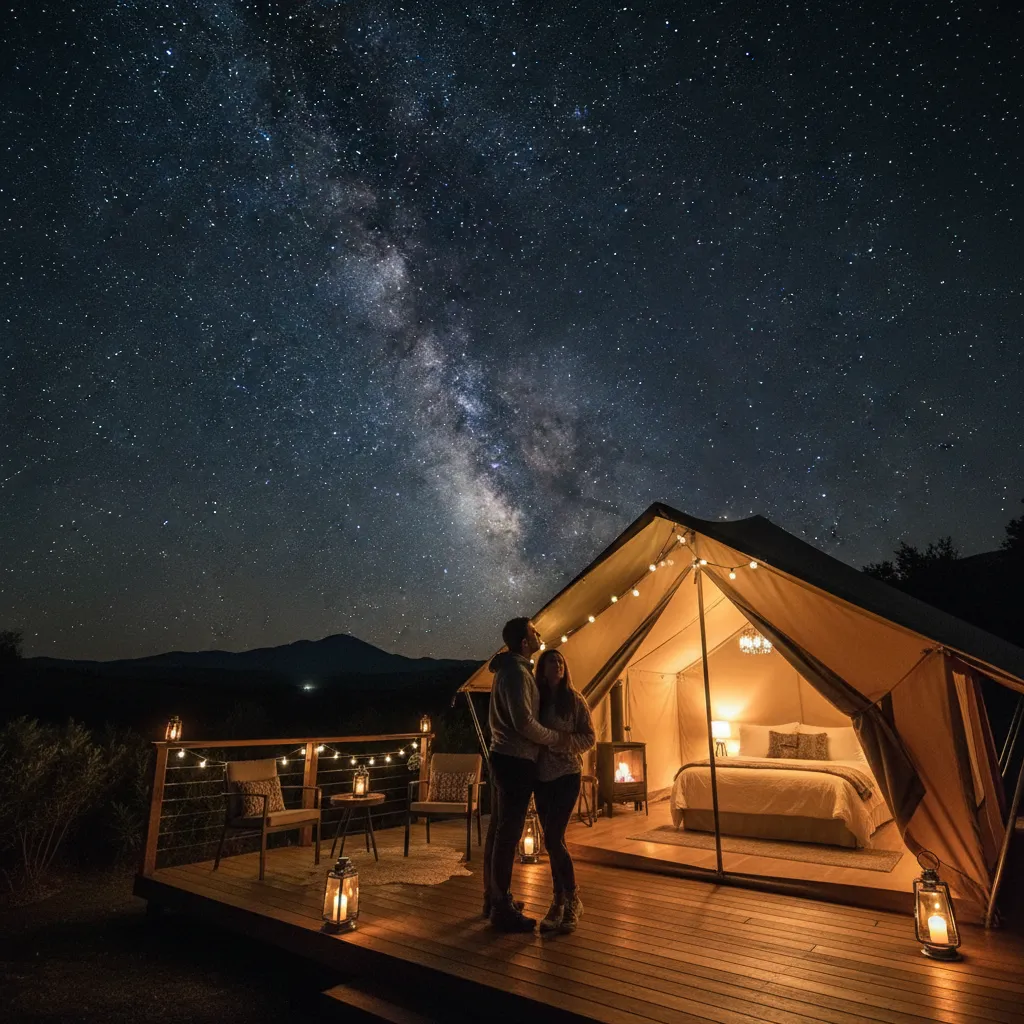
Glass pod accommodation prices in New Zealand typically range from $390 to $950 NZD per night. Rates vary significantly based on location, with premium sites in the Aoraki Mackenzie International Dark Sky Reserve commanding the highest fees. Prices often peak during the summer tourist season and the Matariki winter stargazing window due to high demand for clear night skies.
New Zealand has established itself as a premier destination for luxury glamping, particularly within the niche of dark sky tourism. With the rising popularity of Matariki (the Māori New Year) and the pursuit of pristine astrophotography conditions, glass pods offer an unrivaled connection to the cosmos. However, understanding the pricing structure is essential for travelers planning this bucket-list experience. This guide breaks down the costs, seasonal fluctuations, and value proposition of staying in a glass sanctuary under the stars.
What is the Average Cost per Night by Region?
The price of glass pod accommodation is heavily influenced by geography. In New Zealand, the proximity to established Dark Sky Reserves and the level of seclusion provided are the primary cost drivers. Generally, the South Island, known for its dramatic landscapes and low light pollution, hosts the majority of high-end glass pods, resulting in a higher average price point compared to the North Island.
Canterbury and the Mackenzie Basin
This region is the heart of dark sky tourism. Home to Lake Tekapo, Twizel, and the Aoraki Mackenzie International Dark Sky Reserve, accommodation here is priced at a premium. Travelers should expect to pay between $550 and $950 NZD per night. Properties in this area, such as those near Pukaki or nestled in the Ben Ohau range, often include high-end amenities like outdoor baths and telescopes to justify the cost.
Queenstown and Wanaka
As New Zealand’s luxury tourism capital, Queenstown and its neighbor Wanaka offer glass pod experiences that combine alpine views with stargazing. Prices here are competitive with 5-star hotels, typically ranging from $600 to $1,000+ NZD per night. The premium here is often due to the proximity to world-class dining and adventure activities, adding value beyond just the accommodation itself.
North Island (Banks Peninsula & Wairarapa)
While the South Island dominates the dark sky narrative, the North Island offers slightly more affordable options. Glass pods in regions like the Wairarapa (near the Wairarapa Dark Sky Reserve) or secluded spots on the Banks Peninsula often range from $350 to $650 NZD per night. These locations provide excellent value for those seeking privacy and nature without the extreme price tag of the southern alpine regions.
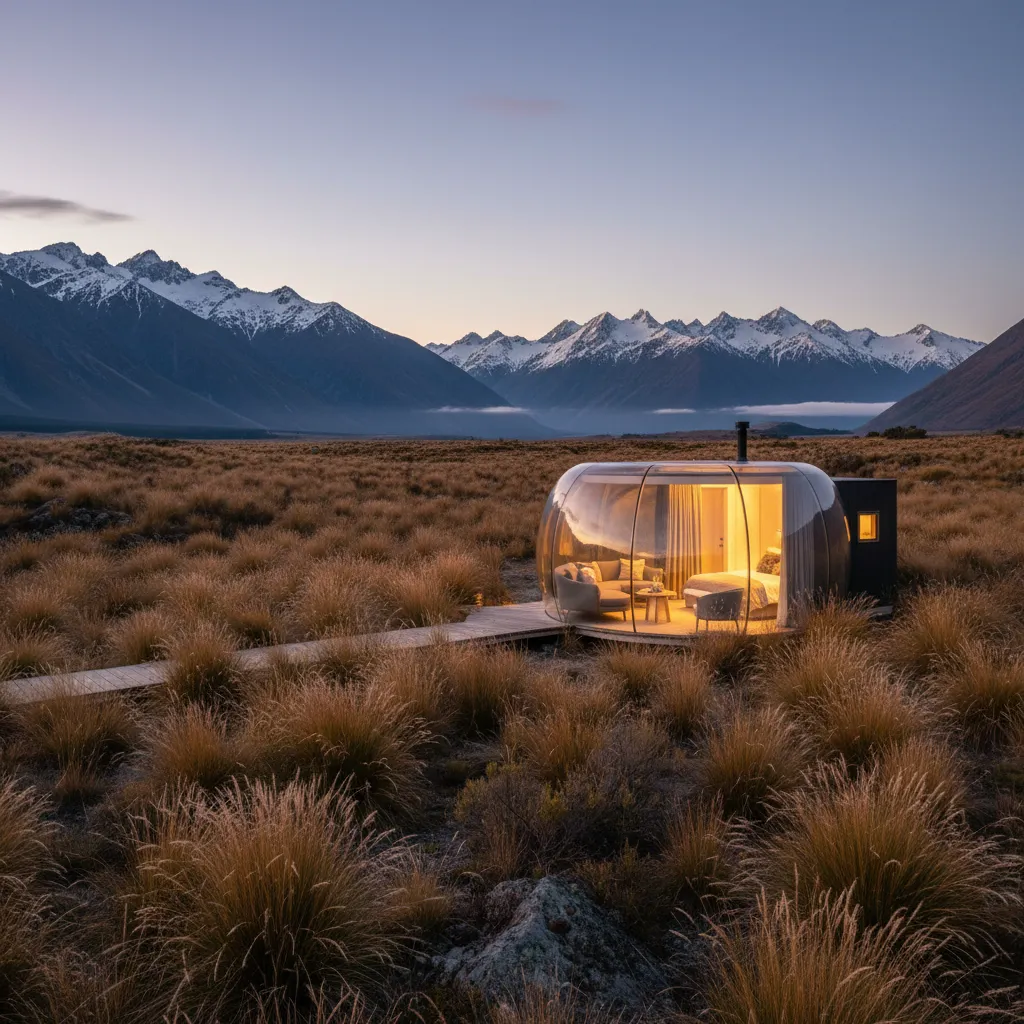
How Do Seasons Affect Glass Pod Prices?
Unlike traditional beach tourism where prices plummet in winter, the glass pod market in New Zealand operates on a unique bi-modal peak season. Understanding these fluctuations is critical for budgeting your trip.
Summer Peak (December – February)
Summer remains the most expensive time to visit due to general international tourism demand. Prices are at their absolute highest, often 20-30% higher than shoulder seasons. While the weather is warmer, the nights are shorter, meaning guests have a smaller window of true darkness for stargazing. Despite this, the demand for “indoor-outdoor” living keeps rates high.
Winter and Matariki (June – August)
Traditionally the off-season for general tourism, winter is prime time for dark sky enthusiasts. The rise of Matariki as a public holiday and cultural event has surged demand for stargazing experiences. Winter offers the clearest skies and the longest nights. Consequently, prices for glass pods do not drop as drastically as standard motels. Instead, they often hold steady or offer specialized “Dark Sky Packages” that maintain a price point of $450 – $700 NZD. While you might find slight discounts compared to Christmas week, do not expect bargain-basement rates during the new moon periods of winter.
What Hidden Costs Should You Expect?
The advertised nightly rate is rarely the final figure on your credit card statement. Glass pods are often located in remote, off-grid locations, which introduces specific logistical costs that operators pass on to guests.
Cleaning and Service Fees
Because these pods are isolated, cleaning crews often have to travel significant distances to service the units between guests. It is common to see cleaning fees ranging from $80 to $150 NZD added to the total booking, particularly for single-night stays. Many operators enforce a two-night minimum to mitigate this overhead.
Food and Catering
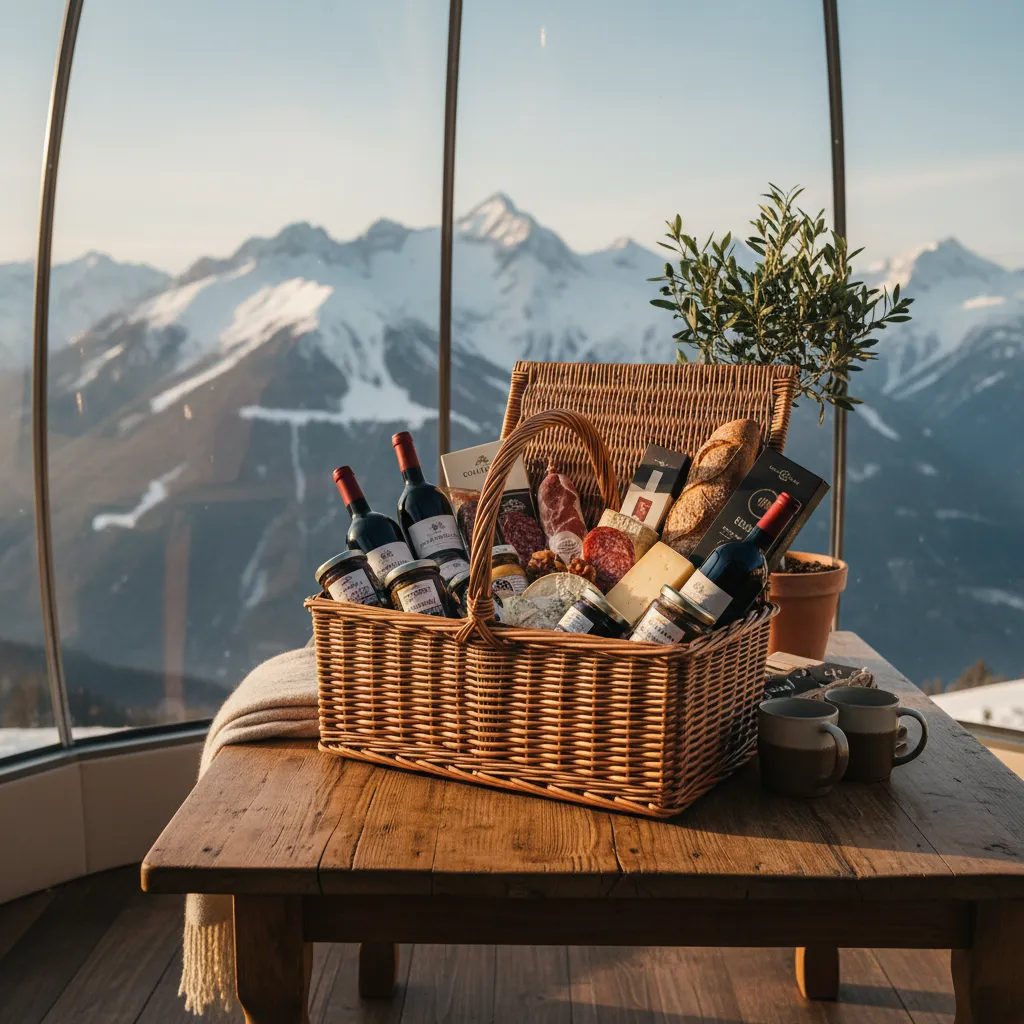
Most glass pods are self-catering but are located far from supermarkets or restaurants. Operators typically offer dinner and breakfast hampers featuring local produce. While convenient, these are not cheap. A dinner hamper for two can cost between $120 and $180 NZD, and breakfast provisions can run another $50 to $80 NZD. If you choose to bring your own food, you save money, but you must account for the transport of coolers and supplies to sites that may require a hike to access.
Access and Transport
Seclusion comes at a price. Some glass pods require a 4WD vehicle to access the parking area. If you have rented a standard sedan, you may need to pay for a transfer service provided by the host, or risk voiding your rental car insurance on unsealed private roads. Always check the “Getting There” section of the listing before booking.
The Matariki Factor: Dark Sky Tourism Demand
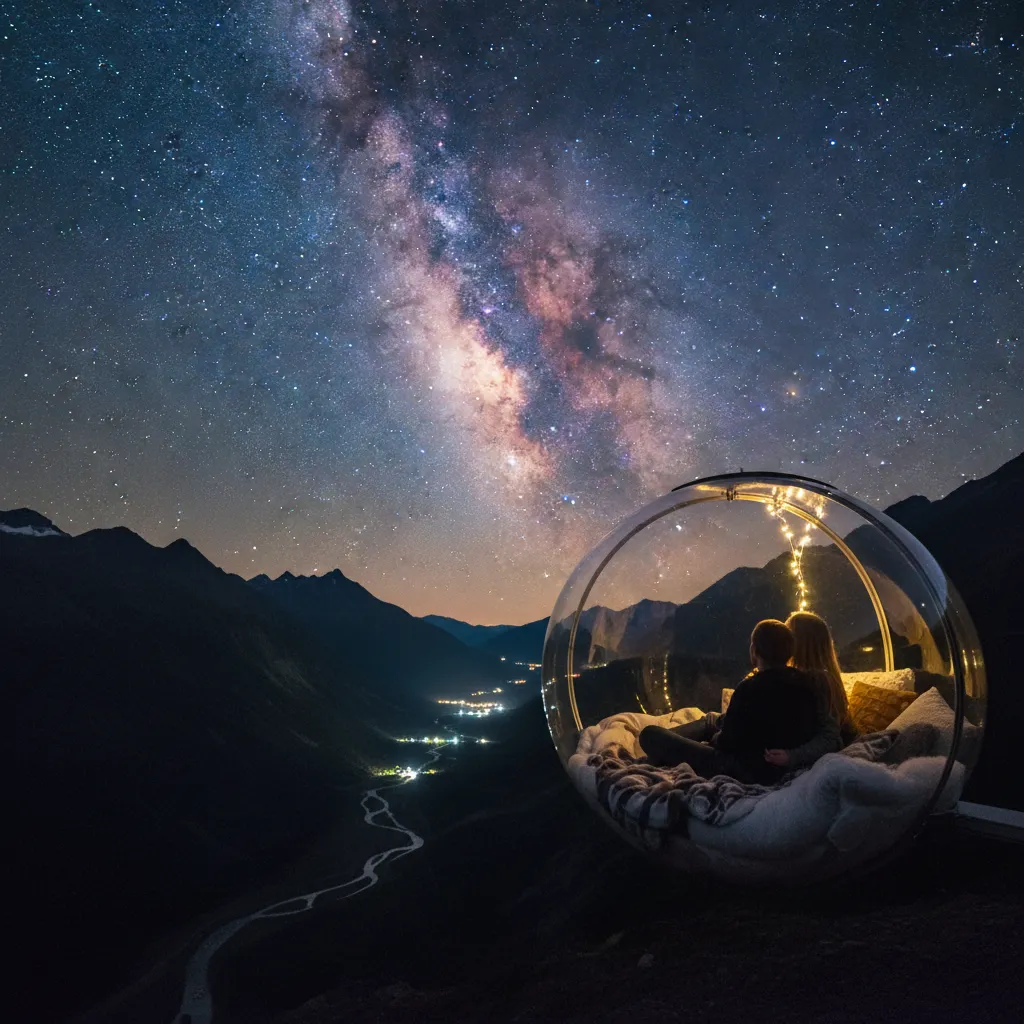
Matariki, the Māori New Year marked by the rising of the Pleiades star cluster, has fundamentally shifted the winter tourism economy in New Zealand. It is more than just a holiday; it is a period dedicated to reflection, remembrance, and observation of the stars.
For glass pod operators, this is a critical market niche. During late June and July, accommodation in Dark Sky Reserves is often booked months in advance. The “Matariki Premium” isn’t always a direct price hike, but rather a lack of discounting. During this period, guests are paying for the exclusivity of the view. The value proposition shifts from “accommodation” to “private observatory.”
Travelers specifically looking to experience Matariki should budget for the upper end of the price spectrum and book at least 3-6 months out. The cultural significance adds a layer of depth to the experience, with some operators providing guides on Māori astronomy (Tātai Arorangi) as part of the package, further increasing the overall cost.
Is the Premium Worth it? Cost vs Experience Analysis
When you compare a $800 glass pod to a $250 motel room, the price disparity is stark. However, an analysis of the “Cost vs. Experience” reveals that you are paying for commodities that standard hotels cannot offer.
The Privacy Premium
Glass pods are designed to be invisible to the outside world while making the world visible to you. You are paying for total isolation. In a hotel, you share walls. In a glass pod, your nearest neighbor might be a kilometer away. This level of privacy is a luxury asset.
Thermal Performance and Engineering
Building a structure made entirely of glass that stays warm in sub-zero alpine winters and cool in summer requires expensive engineering. You are paying for high-tech, thermally efficient glass and sophisticated HVAC systems that prevent condensation from ruining your view of the Milky Way. This infrastructure cost is amortized into the nightly rate.
The Immersive Nature
The primary value driver is the immersion. Waking up to a sunrise flooding the room without lifting your head from the pillow, or watching a storm roll over the valley while encased in a warm, dry bubble, is an emotional experience. Reviews consistently cite the “unforgettable” nature of the stay as justification for the price. For a special occasion, the ROI (Return on Investment) is high; for a quick place to sleep, it is low.
How to Secure the Best Rates
Despite the high costs, there are strategies to secure a glass pod experience without breaking the bank.
- Book Mid-Week: Friday and Saturday nights almost always command the highest rates. Booking a Tuesday or Wednesday stay can save you 10-15%.
- Shoulder Season (Spring/Autumn): April, May, September, and October offer a sweet spot. The nights are dark enough for stargazing, the weather is manageable, and prices are lower than the peak Summer or Matariki windows.
- Direct Booking: Booking platforms like Airbnb or Booking.com charge service fees. finding the operator’s direct website can often save you 10-15% on booking fees.
- Watch for “New Moon” Specials: Paradoxically, some operators offer deals during the full moon when stargazing is less optimal, or specific packages during the new moon for photographers.
People Also Ask
Why are glass pods so expensive in New Zealand?
Glass pods in New Zealand command high prices due to their remote, off-grid locations which increase operational costs (power, water, waste removal). Additionally, the cost of specialized thermally efficient glass, the exclusivity of the land access, and the high demand for luxury dark sky tourism contribute to the premium rates.
Can you see the stars from inside a glass pod?
Yes, seeing stars is the primary purpose of a glass pod. They are constructed with floor-to-ceiling glass, including the roof, to provide unobstructed views of the night sky. However, visibility depends on the weather and the phase of the moon; a full moon may outshine fainter stars.
Are glass pods cold in winter?
No, high-quality glass pods are designed for year-round use. They utilize double or triple-glazed glass for insulation and are equipped with heating systems (such as heat pumps, gas fires, or underfloor heating) to ensure guests remain warm even when outside temperatures drop below freezing.
Is there a toilet and bathroom in a glass pod?
Yes, modern luxury glass pods include ensuite bathrooms with flushing toilets and hot showers. The bathroom area is typically the only part of the pod with opaque walls or privacy blinds, ensuring comfort without sacrificing the open feel of the main living area.
Do glass pods have privacy?
Yes, privacy is a key selling point. Glass pods are usually situated on large private stations or remote land blocks, far from public roads and other dwellings. Many use mirrored glass or strategic landscaping so you can see out, but no one can see in.
What is the best time of year to stay in a glass pod?
For stargazing and Matariki, winter (June to August) is the best time due to long, crisp nights and the visibility of the galactic core. For warmer weather and general scenery, summer (December to February) is ideal, though prices are higher and nights are shorter.