
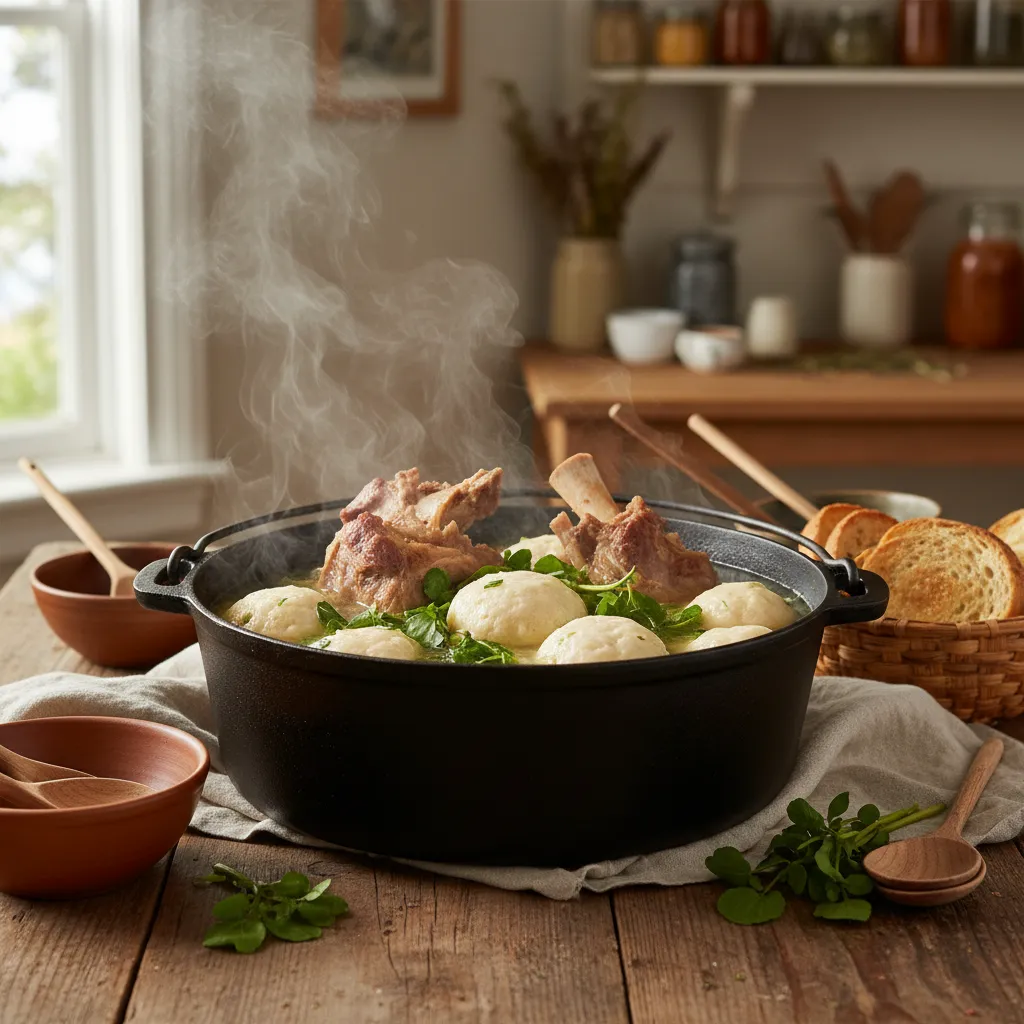
For many New Zealanders, the boil up is more than just a meal; it is a cultural institution, a staple of marae dining halls, and the ultimate winter comfort food. Traditionally, this dish relies heavily on wheat-based doughboys (dumplings) and often utilizes stocks that may contain hidden gluten. However, for those with Celiac disease or gluten intolerance, participating in this shared meal during Matariki or family gatherings can be fraught with anxiety. Reimagining this classic dish requires attention to detail, but the result is a gluten-free boil up that sacrifices none of the authentic flavor or mana of the original.
A gluten-free boil up is a dietary-safe adaptation of the traditional Māori dish that eliminates wheat proteins while preserving the classic flavor profile. It involves substituting standard wheat flour with high-quality gluten-free blends for the doughboys and rigorously sourcing certified gluten-free stocks, pork bones, and seasonings to prevent cross-contamination.
Identifying Hidden Gluten in Traditional Stocks and Ingredients
The foundation of any great boil up is the broth (wai). In a traditional setting, the broth is often seasoned with commercial stock powders, soy sauce for color, or thickeners derived from wheat. When constructing a gluten-free boil up, vigilance regarding these base ingredients is critical.
Where does gluten hide in a boil up?
Gluten is a master of disguise in processed foods. While fresh pork bones and watercress are naturally free of gluten, the additives used to enhance flavor are often the culprits for cross-contamination. Here are the primary risk factors you must manage:
- Stock Powders and Cubes: Many popular stock brands use wheat flour as a bulking agent or anti-caking agent. Always look for the “Gluten-Free” certification on the label. Massel and certain varieties of Continental are popular safe choices in New Zealand supermarkets.
- Soy Sauce: Often added to a boil up for a richer color and umami depth, traditional soy sauce is brewed with wheat. You must substitute this with Tamari or a specifically labeled Gluten-Free Soy Sauce.
- Processed Meats: If you are including bacon hocks or sausages alongside your pork bones, check the cure and the casing. Some marinades and sausage fillers contain gluten binders.
- Cross-Contamination: If you are cooking in a shared kitchen (like a Marae kitchen), ensure that the pot, ladle, and preparation surfaces have been thoroughly sanitized to remove any flour residue from previous meals.
By stripping the dish back to its raw elements—bones, water, vegetables, and salt—you naturally eliminate most risks. However, for that depth of flavor, using a high-quality gluten-free vegetable or pork stock cube is highly recommended.
The Holy Grail: Making Gluten-Free Doughboys That Work
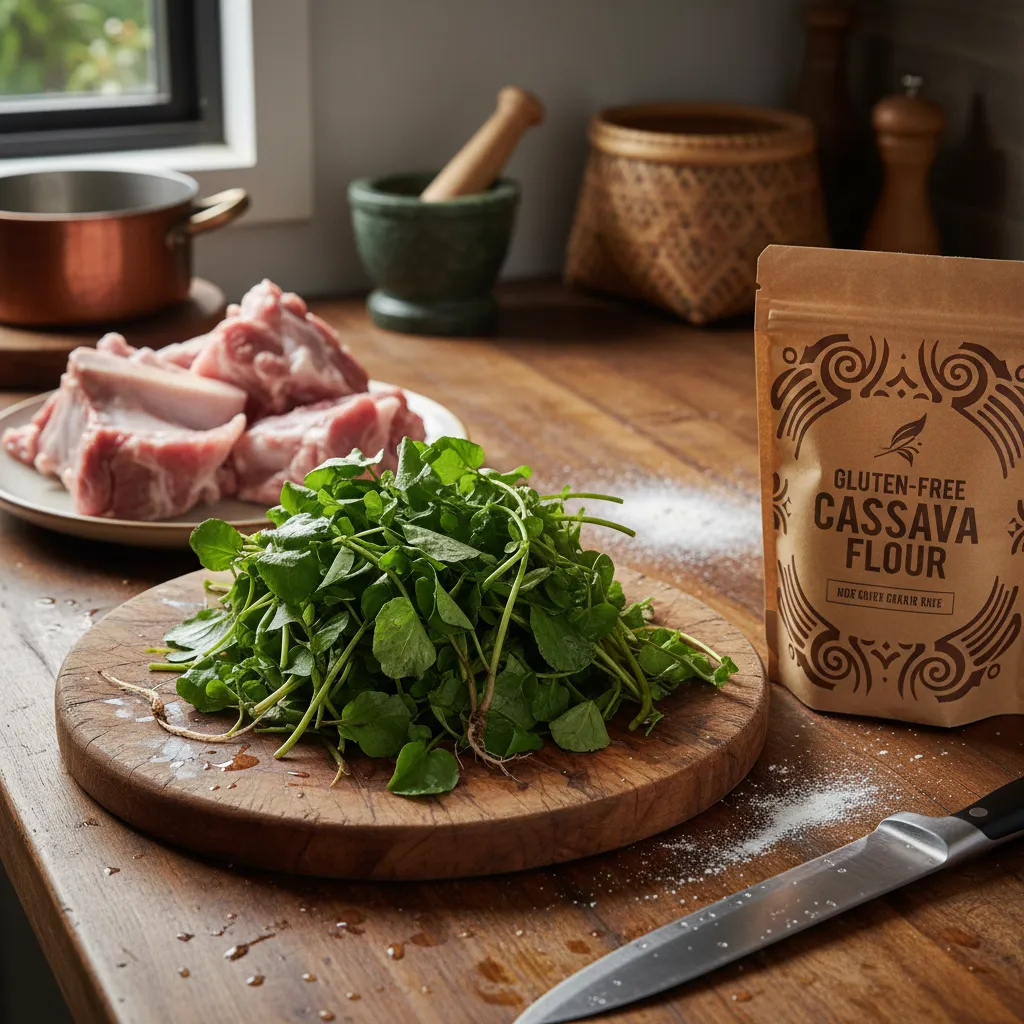
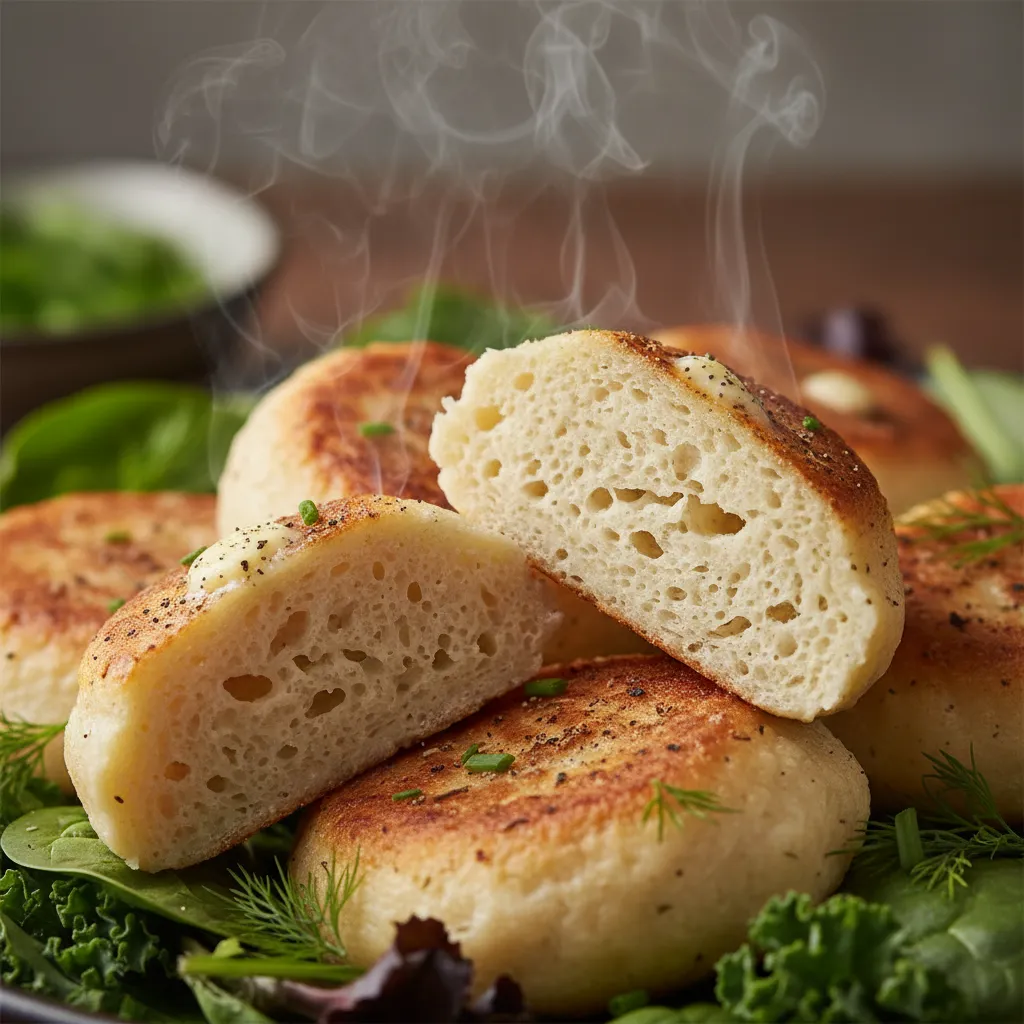
The doughboy (dumpling) is the heart of the boil up. It soaks up the fat and flavor from the meat and provides the carbohydrate component of the meal. The biggest challenge in a gluten-free boil up is replicating the texture of a wheat-based doughboy. Without gluten, dumplings can easily become hard, rubbery bullets or disintegrate entirely into the soup.
What is the secret to fluffy gluten-free doughboys?
The secret lies in hydration and the choice of flour blend. You cannot simply swap standard flour for a single gluten-free flour (like rice flour) and expect success. You need a blend.
The Golden Rules for GF Doughboys:
- Use a High-Quality Blend: Use a commercial “Gluten-Free Baking Blend” that includes xanthan gum or guar gum. These gums mimic the elasticity of gluten, holding the dumpling together. If your flour doesn’t have gum added, you must add 1/2 teaspoon of xanthan gum per cup of flour.
- Increase Leavening: Gluten-free flours are heavier. Increase your baking powder slightly. A good rule of thumb is 2 teaspoons of baking powder per cup of GF flour.
- Fat Incorporation: Rubbing butter or oil into the flour before adding liquid is crucial. This creates a barrier that prevents the starches from becoming too gummy.
- Don’t Overwork: Unlike wheat dough, you can’t “develop gluten” by kneading, but you can press the air out. Mix until just combined.
- Steam, Don’t Boil: GF doughboys are more fragile. They should sit on top of the meat and greens, steaming gently, rather than being submerged in a rolling boil where they might break apart.
A Simple GF Doughboy Formula
Combine 2 cups of GF Baking Mix, 4 teaspoons of baking powder, and a pinch of salt. Rub in 50g of butter until it resembles crumbs. Mix in approximately 3/4 cup of milk (or water) until a soft, sticky dough forms. Shape gently and place on top of your pot 20 minutes before serving.
Selecting the Best Cuts of Meat and Greens
A clean, nutritious boil up relies on the quality of fresh ingredients. Since we are avoiding processed thickeners, the collagen from the bones and the nutrients from the greens are essential for creating a satisfying broth.
What are the best meats for a boil up?
To achieve the traditional flavor, you need cuts that are high in bone marrow and connective tissue. These break down over time to enrich the water.
- Pork Bones (Neck or Spine): These are the standard. They are inexpensive and provide the most flavor. Ensure they are washed to remove bone dust.
- Bacon Hocks: These add a smoky, salty depth. As mentioned, check the packaging to ensure they are gluten-free, although most smoked hocks are safe.
- Brisket: For a beef variation, brisket is excellent, though it requires a longer cooking time to become tender.
Choosing your Greens: Puha vs. Watercress
The greens (inanga) provide the essential bitterness to cut through the fatty pork broth.
- Watercress: The most accessible option. It has a peppery bite. Ensure it is washed thoroughly to remove any grit or aquatic pests.
- Puha (Sow Thistle): The traditional favorite. It requires more preparation; the stems must be rubbed together under running water to remove the bitter milky sap and bruise the leaves.
- Spinach or Silverbeet: Acceptable modern substitutes if traditional greens are unavailable, though they lack the robust structure of puha.
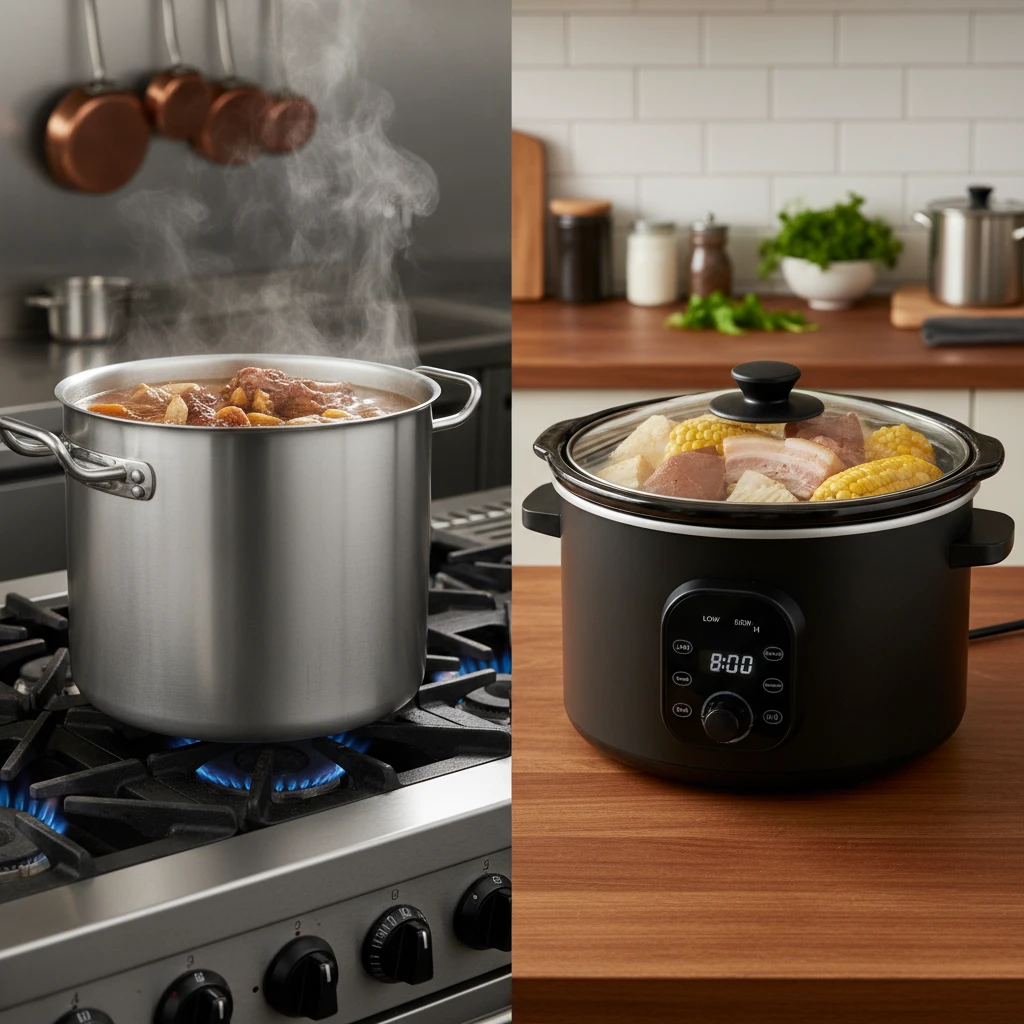
Slow Cooker vs. Stovetop Methods
Modern lifestyles have introduced the slow cooker to the boil up equation. Both methods have merits when preparing a gluten-free boil up.
The Traditional Stovetop Method
This method is faster and allows for better control over the doughboys.
- Pros: You can skim the fat (scum) off the top easily as it boils. The rapid boil emulsifies the fat and water, creating a milky, rich broth.
- Cons: Requires supervision.
- Time: Approx 1.5 – 2 hours.
The Slow Cooker Method
Perfect for busy families or preparing a meal while at work.
- Pros: Set and forget. The meat becomes incredibly tender, falling off the bone.
- Cons: The broth usually remains clear rather than milky. You cannot cook the doughboys for the full 8 hours.
- The Fix: If using a slow cooker, cook the meat and stock for 6-8 hours. 30 minutes before serving, turn the setting to HIGH and add the doughboys. Alternatively, steam the doughboys separately and add them at the end.
Step-by-Step Guide to the Perfect Pot
Follow this workflow to ensure your boil up is safe, delicious, and perfectly timed.
- Prep the Meat: Rinse 1.5kg of pork bones and 1 smoked bacon hock. Place in a large pot and cover with cold water. Bring to a boil.
- Skim the Scum: As the water boils, a grey foam will rise to the surface. Skim this off repeatedly for the first 15 minutes to ensure a clean-tasting broth.
- Season: Add salt, pepper, and 2 tablespoons of gluten-free stock powder. Lower the heat to a simmer. Cover and cook for 1.5 hours until the meat is tender.
- Prep the Greens: While the meat cooks, wash your watercress or prep your puha. Remove tough stalks. peel potatoes and kumara (sweet potato) if using.
- Add Root Vegetables: Add potatoes and kumara to the pot. Cook for 10 minutes.
- Make the Doughboys: Mix your GF flour, baking powder, butter, and milk. Shape into balls.
- The Final Layer: Place the greens on top of the meat and vegetables. Place the doughboys gently on top of the greens (this acts as a steamer bed).
- Final Steam: Put the lid back on tight. Do not open it for 20 minutes. This traps the steam needed to cook the dumplings through.
- Serve: Ladle into bowls, ensuring everyone gets a bone, some greens, a potato, and a doughboy.
People Also Ask
Can I use almond flour for boil up doughboys?
Almond flour is generally not recommended for traditional boil up doughboys. It lacks the starch required to create the fluffy, bread-like texture associated with the dish. Almond flour dumplings tend to be dense and grainy. A gluten-free all-purpose flour blend based on rice and tapioca is the best substitute.
Is watercress naturally gluten-free?
Yes, fresh watercress is naturally gluten-free. However, always wash it thoroughly. If purchasing pre-packaged watercress, check the label to ensure it hasn’t been processed in a facility that handles wheat, though this is rare for fresh produce.
How do I thicken a gluten-free boil up?
Traditional boil ups are often thickened by the starch leaching from the wheat doughboys and potatoes. To thicken a gluten-free version further, you can mix 1 tablespoon of cornstarch (cornflour) with a little cold water and stir it into the boiling broth 5 minutes before serving.
Why did my gluten-free doughboys dissolve?
Gluten-free doughboys dissolve if they lack a binding agent (like xanthan gum) or if they are submerged in vigorously boiling water. They are more delicate than wheat dumplings and should be steamed on top of the greens rather than boiled directly in the liquid.
Can I freeze leftover boil up?
Yes, the meat and broth freeze very well. However, gluten-free doughboys do not reheat well after freezing; they often become crumbly or mushy. It is best to freeze the stew and make a fresh batch of doughboys when reheating.
What are the best gluten-free stock brands in NZ?
In New Zealand, Massel is a widely trusted brand that is entirely gluten-free and vegan. Many of the ‘Continental’ stock pot gels are also gluten-free, as are products from the ‘Ceres Organics’ range. Always check the ingredients list for ‘wheat’ or ‘barley’.