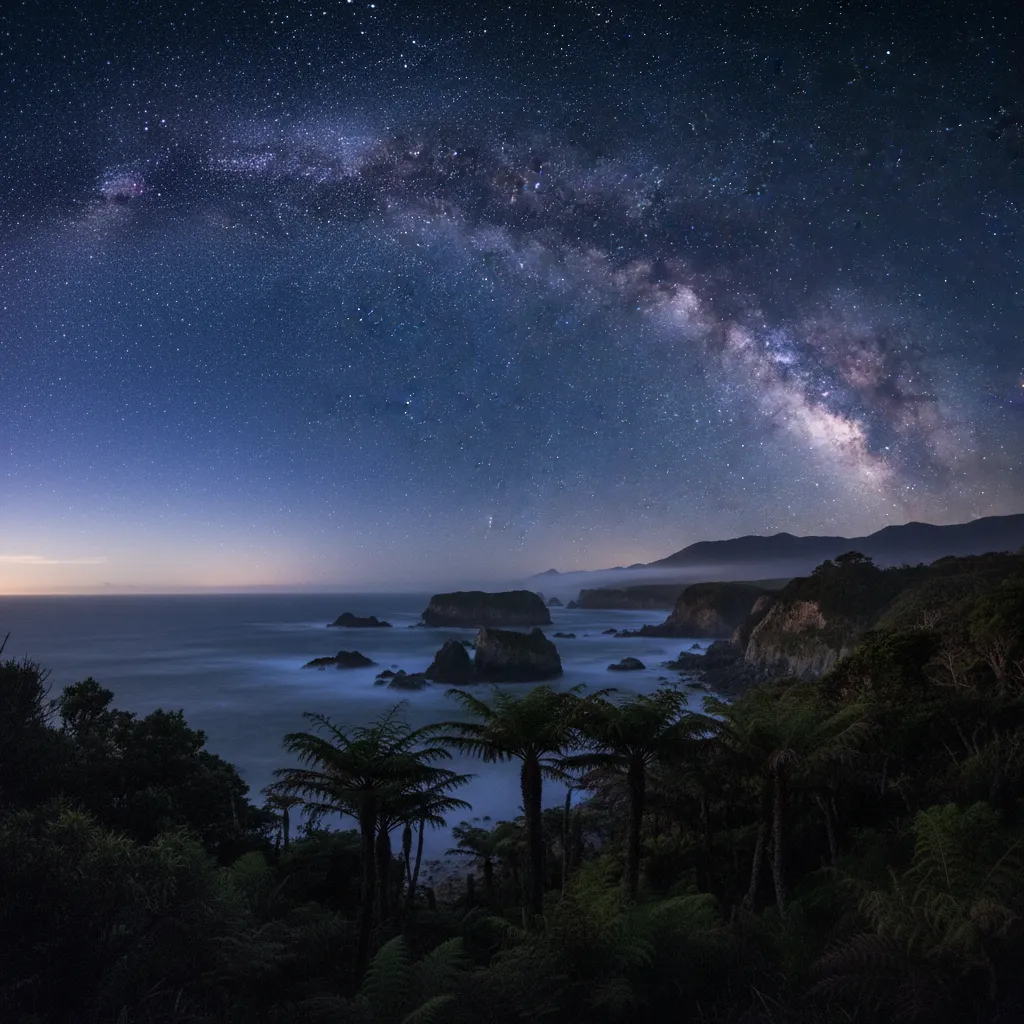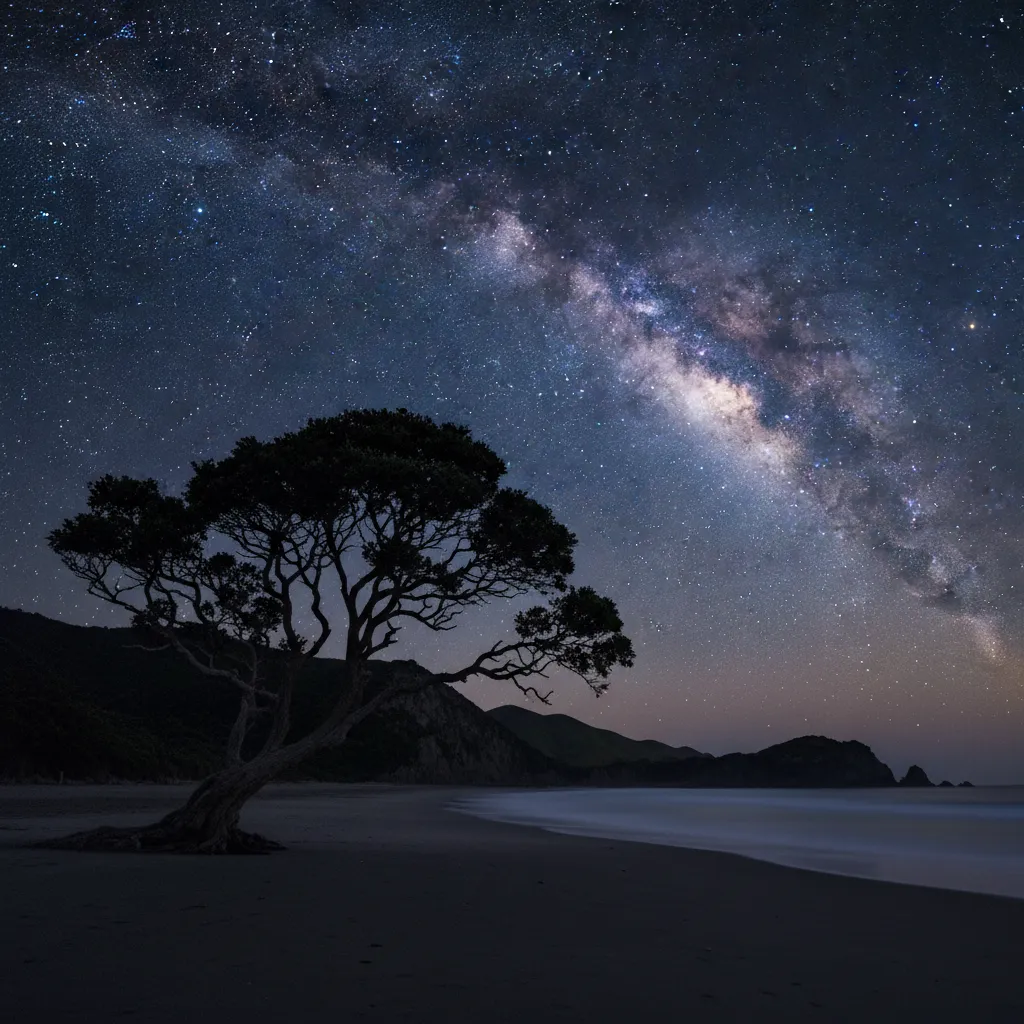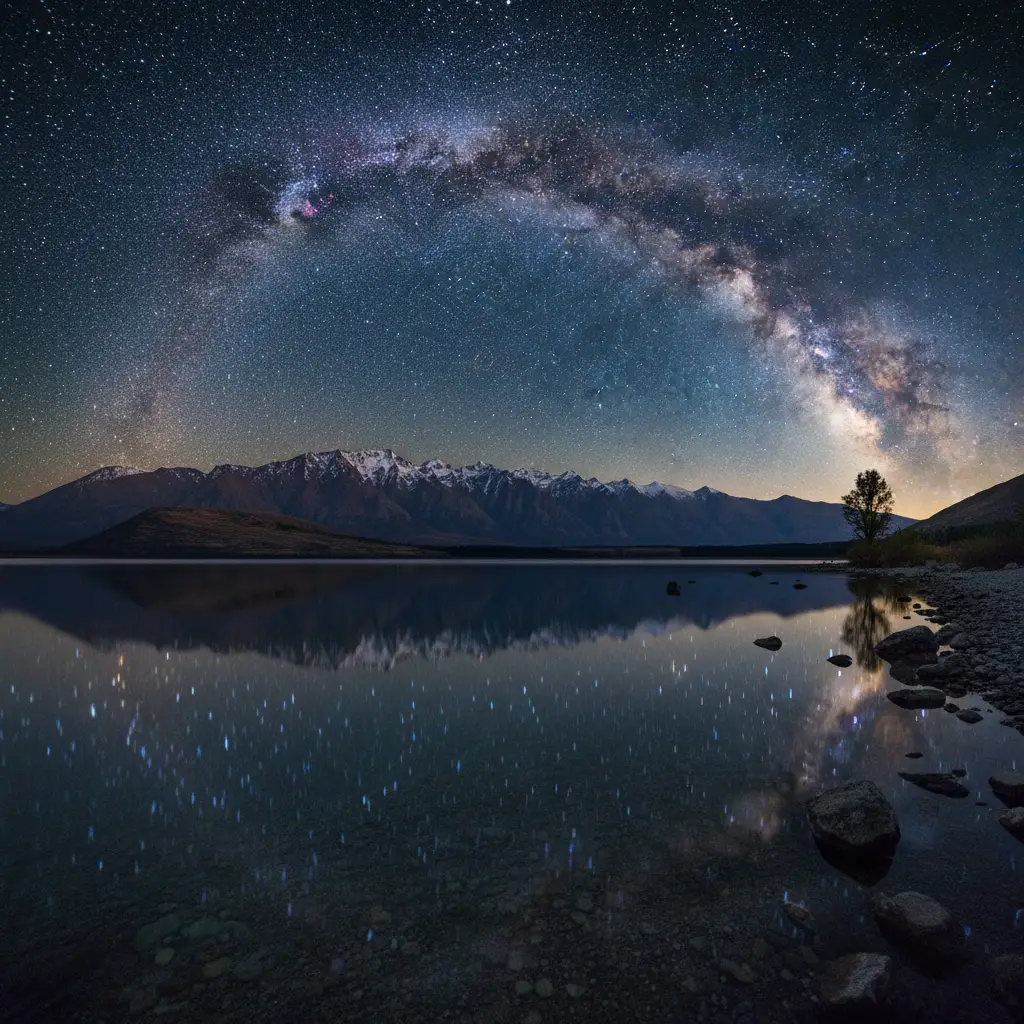
Great Barrier Island stargazing offers an unparalleled astronomical experience within an International Dark Sky Sanctuary. Located 100km off Auckland’s coast, Aotea boasts Bortle Class 1 skies, minimal light pollution, and visible phenomena like the Aurora Australis, making it one of the premier locations globally for observing the Milky Way and deep-sky objects.
For astronomy enthusiasts, astrophotographers, and travelers seeking a profound connection with the cosmos, Aotea (Great Barrier Island) is not merely a destination; it is a pilgrimage. As the first island in the world to be designated an International Dark Sky Sanctuary, it offers a window into the universe that few other places on Earth can rival. With no reticulated electricity and a community dedicated to preserving the night, the island provides a pristine backdrop for celestial observation.
What Does International Dark Sky Sanctuary Status Mean?
In 2017, Great Barrier Island was awarded the prestigious status of an International Dark Sky Sanctuary by the International Dark-Sky Association (IDA). This distinction is reserved for the most isolated, and often the darkest, places on Earth. Unlike Dark Sky Parks or Reserves, a Sanctuary is typically situated in a very remote location with few nearby threats to the quality of its dark night skies. Its fragile nature requires long-term conservation efforts to protect its nocturnal environment.
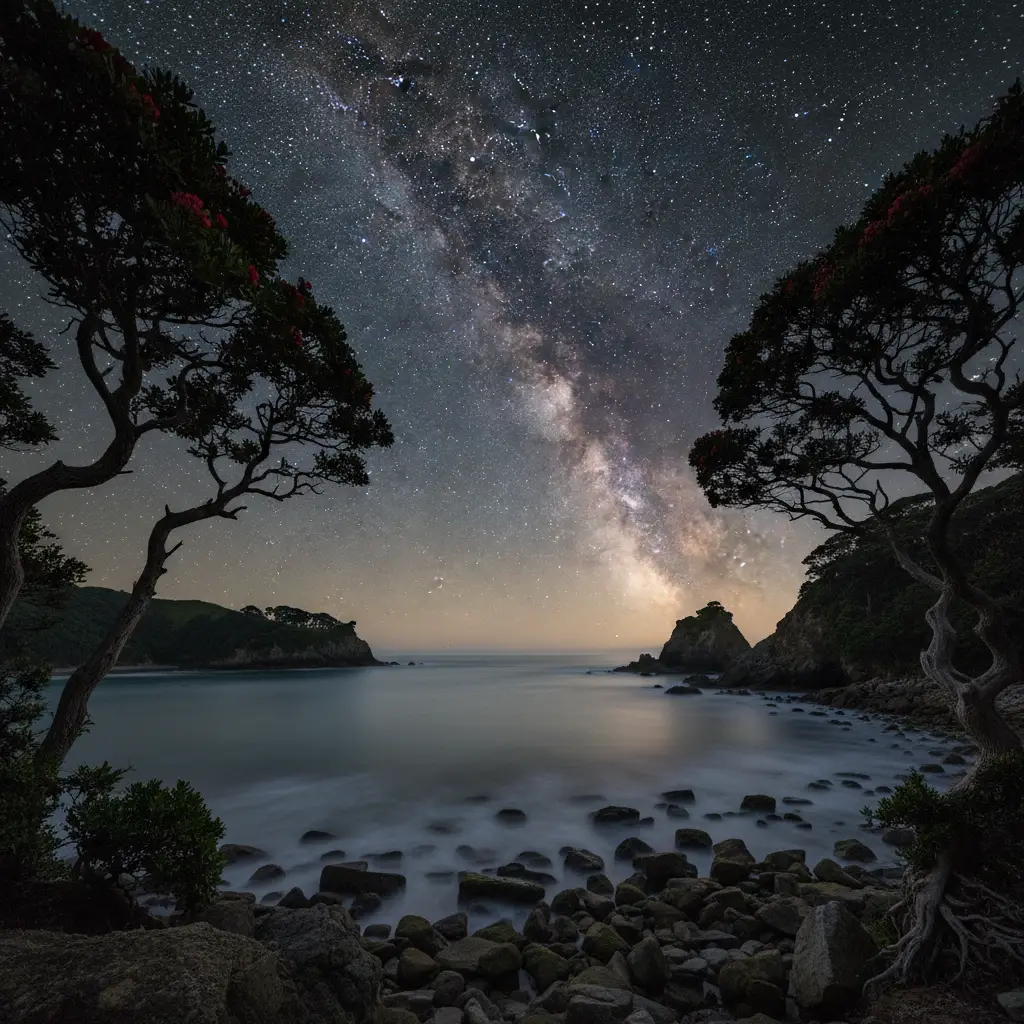
The island’s status is a result of its unique infrastructure—or lack thereof. There is no grid electricity on the island; residents rely on solar power, generators, and wind turbines. This lack of streetlights and commercial light pollution results in a night sky of exceptional clarity. On the Bortle Scale, which measures the brightness of the night sky, Great Barrier Island frequently registers as Class 1 or 2. This means that on a clear, moonless night, the center of the Milky Way casts a visible shadow, and phenomena like the Zodiacal light and Gegenschein are visible to the naked eye.
Why Aotea’s Skies Are Unique
The isolation of Aotea, located approximately 100 kilometers northeast of central Auckland, acts as a natural buffer against the light dome of New Zealand’s largest city. The prevailing winds and oceanic climate also help scour the atmosphere of particulate matter, resulting in “seeing” conditions (atmospheric stability) that are often excellent for telescopic observation. Whether you are hunting for the Magellanic Clouds or hoping to catch the elusive Aurora Australis, the baseline darkness here provides the high contrast necessary for deep-space viewing.
Getting to the Island: Your Journey to the Stars
Reaching this astronomical haven requires a bit of planning, as its remoteness is exactly what preserves its dark skies. Visitors have two primary options for transport: a scenic flight or a ferry crossing.
By Air
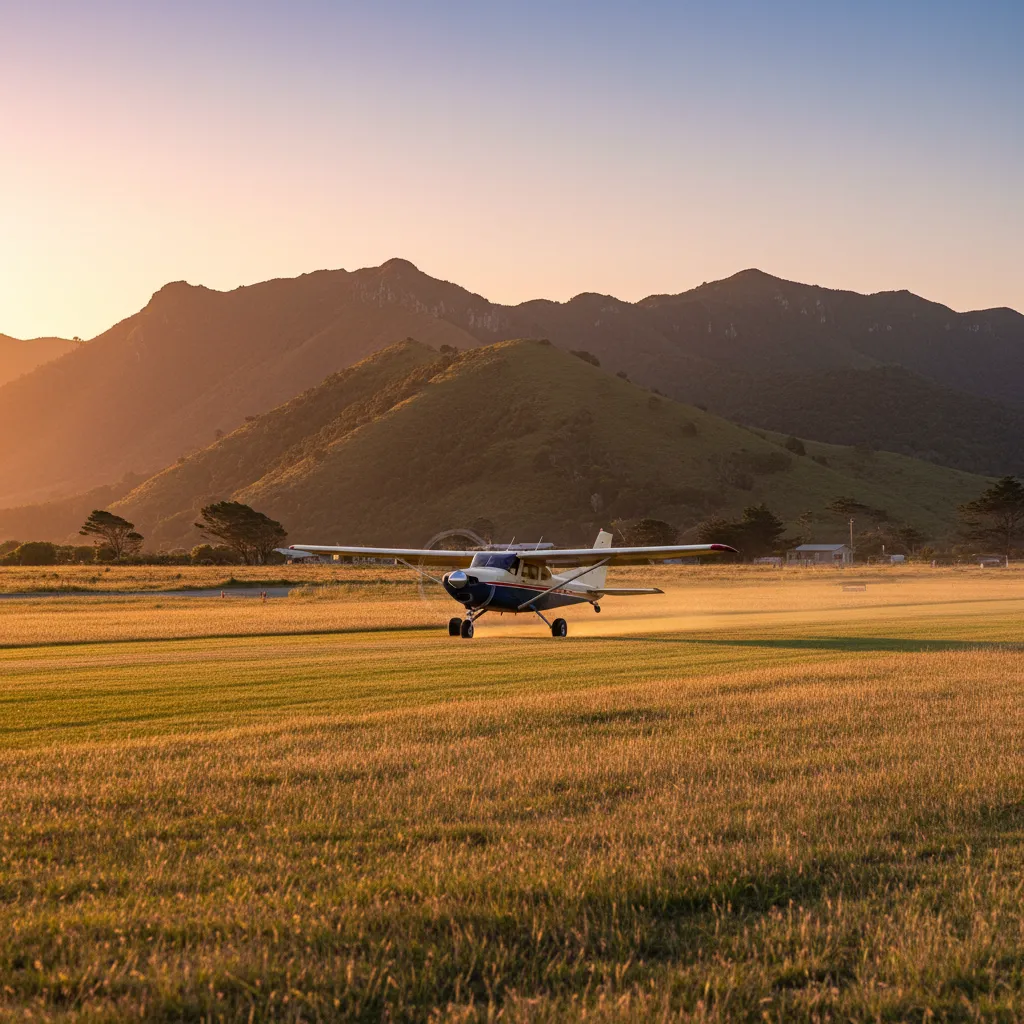
Flying is the quickest way to reach the island, with flights taking approximately 30 minutes from Auckland Airport or North Shore Aerodrome. Airlines such as Barrier Air operate small aircraft (typically Cessna Caravans) that offer breathtaking views of the Hauraki Gulf before landing on one of the island’s grass airstrips at Claris or Okiwi. For stargazers carrying delicate optical equipment, flying is often preferred to minimize travel time, though weight restrictions on baggage must be carefully managed.
By Sea
The SeaLink ferry transports passengers and vehicles from Auckland’s Wynyard Quarter to Tryphena Harbour. The journey takes approximately 4.5 hours. While slower, the ferry allows you to bring your own vehicle, which is highly recommended for accessing remote stargazing spots like Harataonga or Medlands Beach at night. It also allows for heavier luggage, making it the ideal choice for astrophotographers bringing heavy tripods, tracking mounts, and large aperture telescopes.
When is the Best Time for Stargazing?
While the Dark Sky Sanctuary is open year-round, the quality of your stargazing experience depends heavily on the lunar cycle and the seasons. To maximize your chances of seeing the Milky Way’s galactic core or the Aurora, timing is everything.
Winter (June – August): The Galactic Core and Matariki
Winter is arguably the best season for serious astronomy on Great Barrier Island. During these months, the galactic core of the Milky Way is high in the sky for the longest duration of the night. Furthermore, the sun sets early, providing long hours of darkness. This season also coincides with the rise of Matariki (the Pleiades), marking the Māori New Year, a culturally significant time for celestial observation in New Zealand.
Equinoxes and Aurora Australis
For those chasing the Aurora Australis (Southern Lights), the periods around the Spring and Autumn equinoxes generally offer higher geomagnetic activity. While Great Barrier Island is further north than classic aurora hunting grounds like Stewart Island, the extreme darkness of the northern horizon means that even moderate geomagnetic storms (G2 or G3) can result in visible pillars of light or a red glow on the southern horizon.
The Moon Phase Factor
Regardless of the season, always check the lunar calendar. Plan your trip during the New Moon phase or when the moon rises late or sets early. A Full Moon can wash out the faint details of the Milky Way, reducing the impact of the Sanctuary’s dark skies.
Local Guides and Astronomy Tours
While independent stargazing is rewarding, booking a tour with local experts can significantly enhance your understanding of the southern sky. The primary operator on the island is Good Heavens, a team of passionate locals who offer guided dark sky experiences.
What to Expect on a Tour
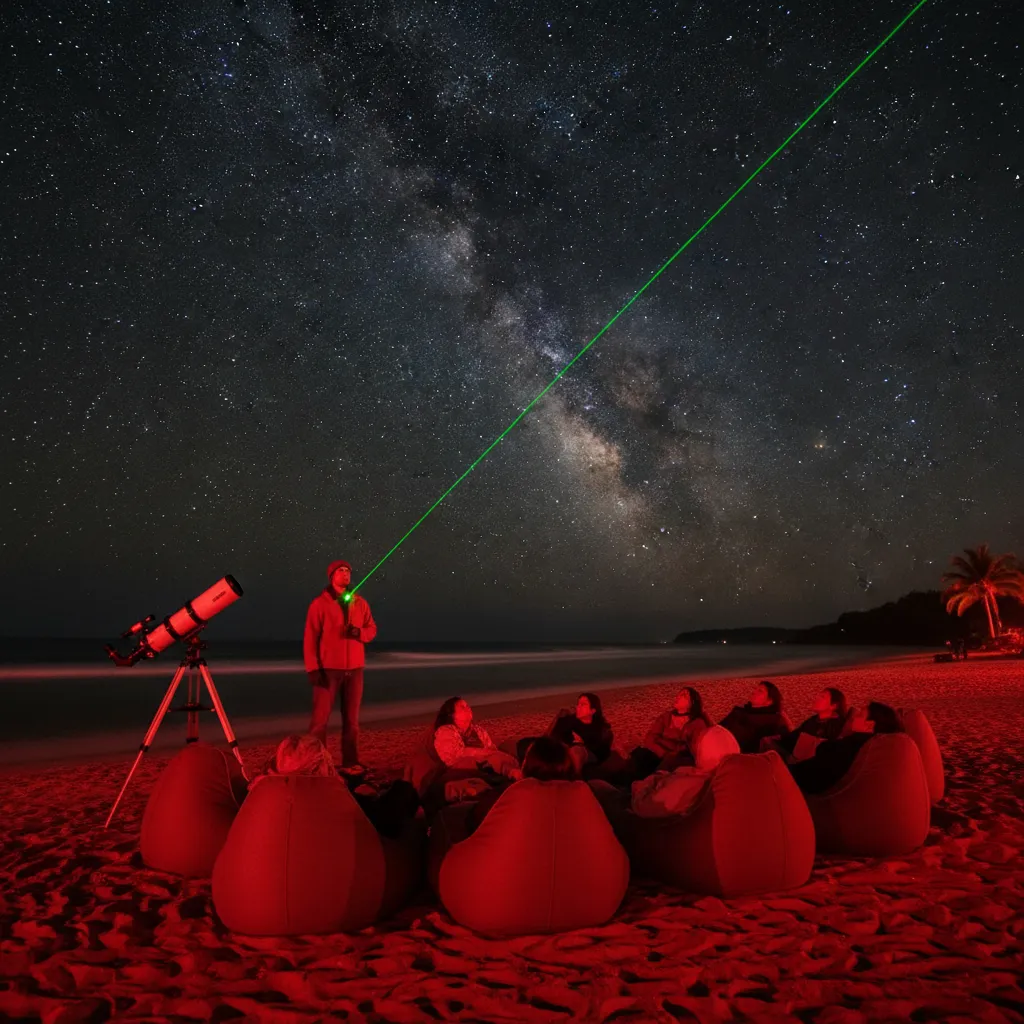
A typical guided tour involves meeting at a dark location, often on the dunes of a beach or a quiet reserve. Guides provide comfortable seating (often bean bags) and use high-powered laser pointers to navigate the constellations. They explain the science of astronomy while weaving in local storytelling.
Crucially, these tours provide access to high-quality telescopes (often 8-inch or larger Dobsonians). This allows you to see deep-sky objects that are invisible to the naked eye, such as the Jewel Box Cluster, the Tarantula Nebula, and Omega Centauri. The guides are also adept at explaining the difference between the Northern and Southern Hemisphere skies, helping visitors identify the Southern Cross (Crux) and the Pointers.
Off-Grid Stargazing Cabins and Accommodation
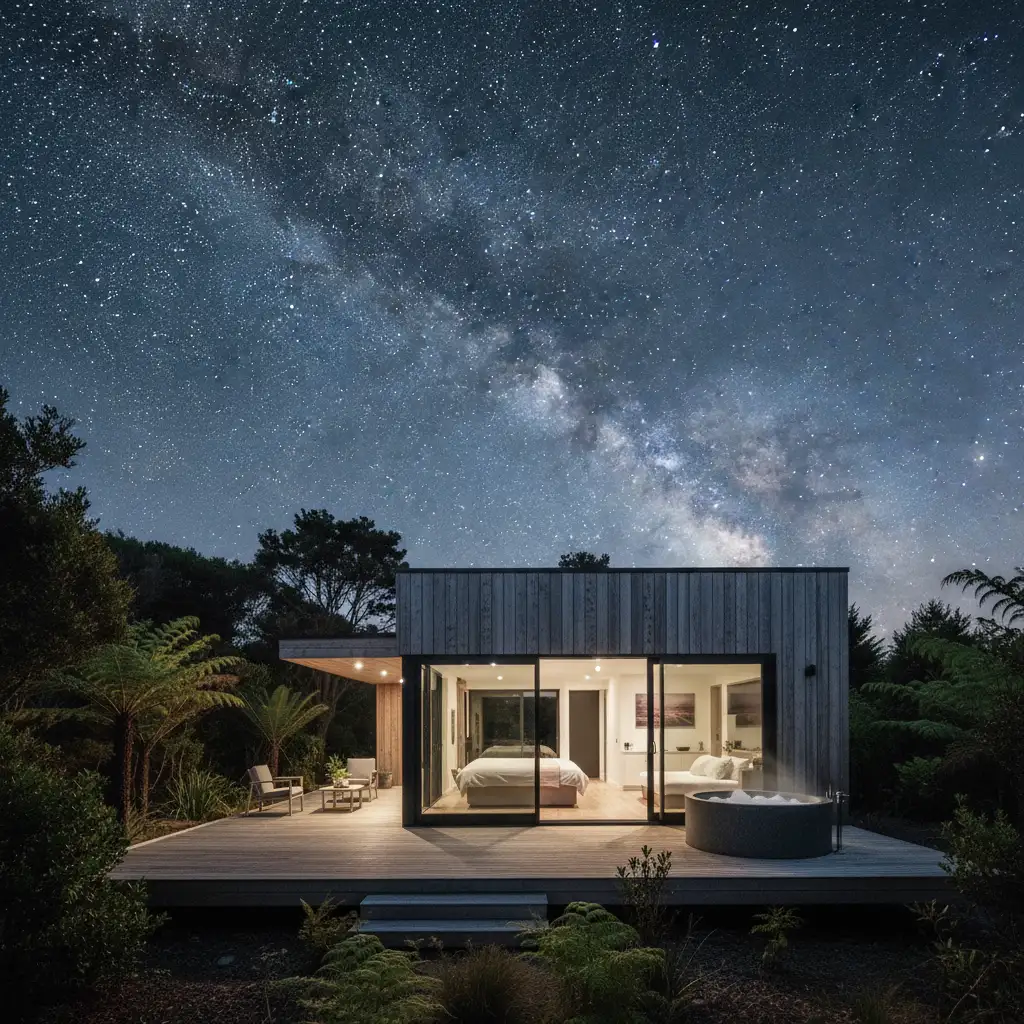
To fully immerse yourself in the Dark Sky Sanctuary experience, choose accommodation that embraces the off-grid ethos. Many baches (holiday homes) and cabins on the island are designed with astronomy in mind, featuring expansive decks, outdoor baths, and large windows.
Choosing the Right Location
When booking, look for properties in Medlands, Okiwi, or Awana. These areas are slightly removed from the main settlements of Tryphena and Claris, offering even darker micro-climates. Some luxury eco-lodges offer “star-gazing packages” that include binoculars and star maps.
Top features to look for in a rental:
- Unobstructed Views: Ensure the property isn’t located deep in a valley where hills might block the horizon.
- Dark Sky Friendly Lighting: Check if the property uses red lighting or low-lumen fixtures to preserve night vision.
- Outdoor Comfort: A hot tub or outdoor bath is a luxurious way to stargaze for hours without getting cold.
Maramataka and Cultural Astronomy
Aotea is not just a scientific sanctuary; it is a place of deep cultural resonance. For Māori, the night sky was essential for navigation, agriculture, and timekeeping. This system is known as Maramataka (the Māori lunar calendar).
The visibility of certain stars signaled when to plant kumara, when to fish, and when to rest. On Great Barrier Island, there is a resurgence of interest in this indigenous knowledge. Visitors can learn how the rising of Matariki (Pleiades) or Puanga (Rigel) connects to the cycles of the environment. Engaging with this cultural layer adds a profound dimension to the visual spectacle, grounding the celestial experience in the history and traditions of the tangata whenua (people of the land).
Astrophotography Tips for Aotea
Capturing the pristine skies of Great Barrier Island requires specific techniques. Because the sky is so dark, you can push your camera settings further than in light-polluted areas without blowing out the image with orange glow.
Recommended Gear and Settings
- Lens: A wide-angle lens (14mm to 24mm) with a fast aperture (f/2.8 or lower) is essential.
- Tripod: A sturdy tripod is non-negotiable due to the long exposure times.
- Settings: Start with ISO 3200 or 6400, an aperture of f/2.8, and a shutter speed of 20-25 seconds (depending on your focal length to avoid star trails).
- Foreground: Use the island’s dramatic landscape—ancient trees, white sand beaches, or rugged cliffs—to frame the Milky Way. Light painting (briefly illuminating the foreground with a flashlight) can add depth to your composition.
Remember to respect the sanctuary. If you are photographing near others, dim your LCD screen and avoid using bright white torches. Red headlamps are the standard etiquette for astronomy.
Frequently Asked Questions
Is Great Barrier Island a Dark Sky Sanctuary?
Yes, Great Barrier Island (Aotea) was designated an International Dark Sky Sanctuary in 2017. It was the first island in the world to receive this status and the third sanctuary globally, recognized for its exceptional quality of starry nights and nocturnal environment protected for its scientific, natural, educational, and cultural value.
When can you see the Aurora Australis from Great Barrier Island?
The Aurora Australis is most likely to be seen during periods of high solar activity, which can occur at any time of year. However, the longer nights of autumn and winter (March to September) provide a larger window of darkness. The equinoxes in March and September are statistically more active for geomagnetic storms.
How do I get from Auckland to Great Barrier Island?
You can fly with Barrier Air from Auckland Airport or North Shore Aerodrome, which takes about 30 minutes. Alternatively, you can take the SeaLink ferry from Auckland City, which takes approximately 4.5 hours and allows you to bring a vehicle.
Do I need a car on Great Barrier Island?
Yes, renting a car or bringing your own is highly recommended. The island is large, rugged, and lacks public transport. To access the best dark sky locations, such as remote beaches or high vantage points, a vehicle is essential.
What is the best time of year for stargazing in New Zealand?
Winter (June to August) is generally considered the best time for stargazing in New Zealand because the air is crisp and clear, the nights are long, and the galactic core of the Milky Way is most visible overhead.
Are there guided astronomy tours on Great Barrier Island?
Yes, “Good Heavens” offers guided stargazing experiences. They provide telescopes, binoculars, and expert guides who explain the constellations, Māori astronomy, and deep-sky objects. Booking in advance is recommended.