
Matariki seasonal foods in NZ center on the winter harvest and preserved provisions that sustained communities during the coldest months. Traditional staples include root vegetables like kūmara and taewa, alongside preserved proteins such as tuna (eel) and birds. These foods honor the stars Tupu-ā-nuku and Tupu-ā-rangi, representing the bounty from the earth and sky stored for the Māori New Year.
As the cluster of stars known as Matariki (the Pleiades) rises in the midwinter sky, it signals a profound shift in the seasonal calendar of Aotearoa New Zealand. This celestial event marks the Māori New Year (often compared in Matariki vs. Puanga), a time of remembrance, celebrating the present, and looking to the future. Central to these celebrations is the hākari (feast), a culinary tradition deeply rooted in the agricultural and environmental cycles of the land.
Understanding Matariki seasonal foods NZ requires looking beyond the supermarket shelves and returning to the māra (garden) and the mahinga kai (food gathering sites). It is a time when the storage pits are full, the preserving jars are sealed, and the fruits of the year’s labor are shared with whānau (family) and manuhiri (guests).
The Connection Between Stars and Soil
To fully appreciate the seasonal diet during Matariki, one must understand the intrinsic link between astronomy and agriculture in te ao Māori (the Māori world). The appearance of the stars was not merely a visual spectacle; for those visiting the Best Stargazing Locations NZ, it was an environmental indicator that governed the planting and harvesting cycles.
Within the Matariki cluster, specific stars hold dominion over different food sources. Recognizing these associations helps explain why certain foods are prioritized during the New Year celebrations.
Who are Tupu-ā-nuku and Tupu-ā-rangi?
Two stars in the cluster are directly responsible for the bounty of the harvest:
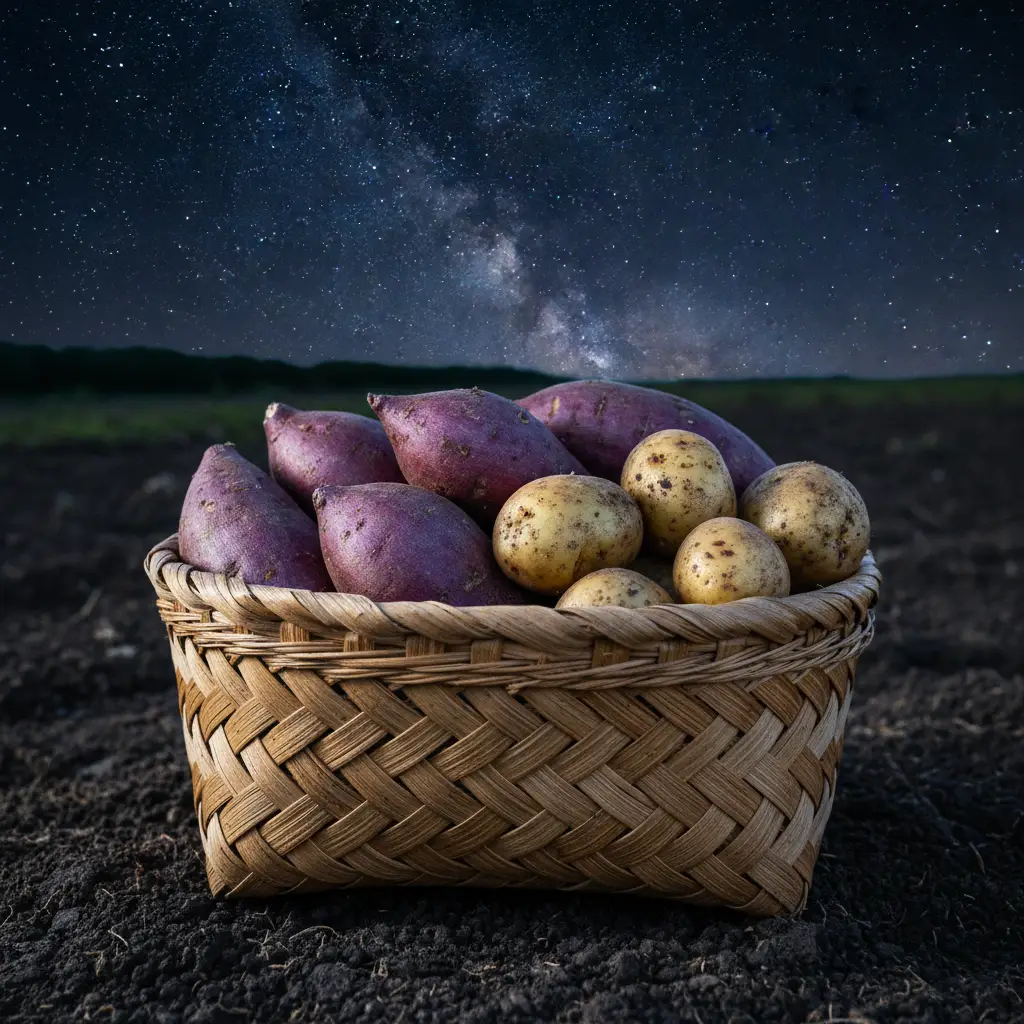
- Tupu-ā-nuku: This star is connected to food that grows within the soil. It is the guardian of the kūmara (sweet potato), taewa (Māori potato), and other root vegetables. When this star shines brightly, it is interpreted as a sign of a bountiful harvest for the coming season.
- Tupu-ā-rangi: This star is associated with food that comes from the sky. This includes birds (manu), berries, and fruits found in the tops of trees. It reminds the people of the importance of the forests and the creatures that inhabit the canopy. (Identify these stars using an Interactive Night Sky Map Tool: Locate Matariki Now).
During Matariki, the consumption of foods governed by these stars is a physical act of gratitude. It acknowledges the successful harvest that has just passed and the preparation of the soil for the new planting season.
Root Vegetables: The Foundation of the Feast
In the pre-European diet of Māori, and continuing into modern traditions, root vegetables form the carbohydrate backbone of the meal. By the time Matariki rises in June or July, the harvesting season is complete. The crops have been lifted from the ground and stored in rua (pits) to protect them from frost and rot.
The Prestige of Kūmara
Kūmara is more than just a vegetable; it is a taonga (treasure). Brought to Aotearoa by Polynesian ancestors, the tropical tuber required sophisticated adaptation to thrive in New Zealand’s cooler climate. The harvest of kūmara before the first frosts was a critical operation.
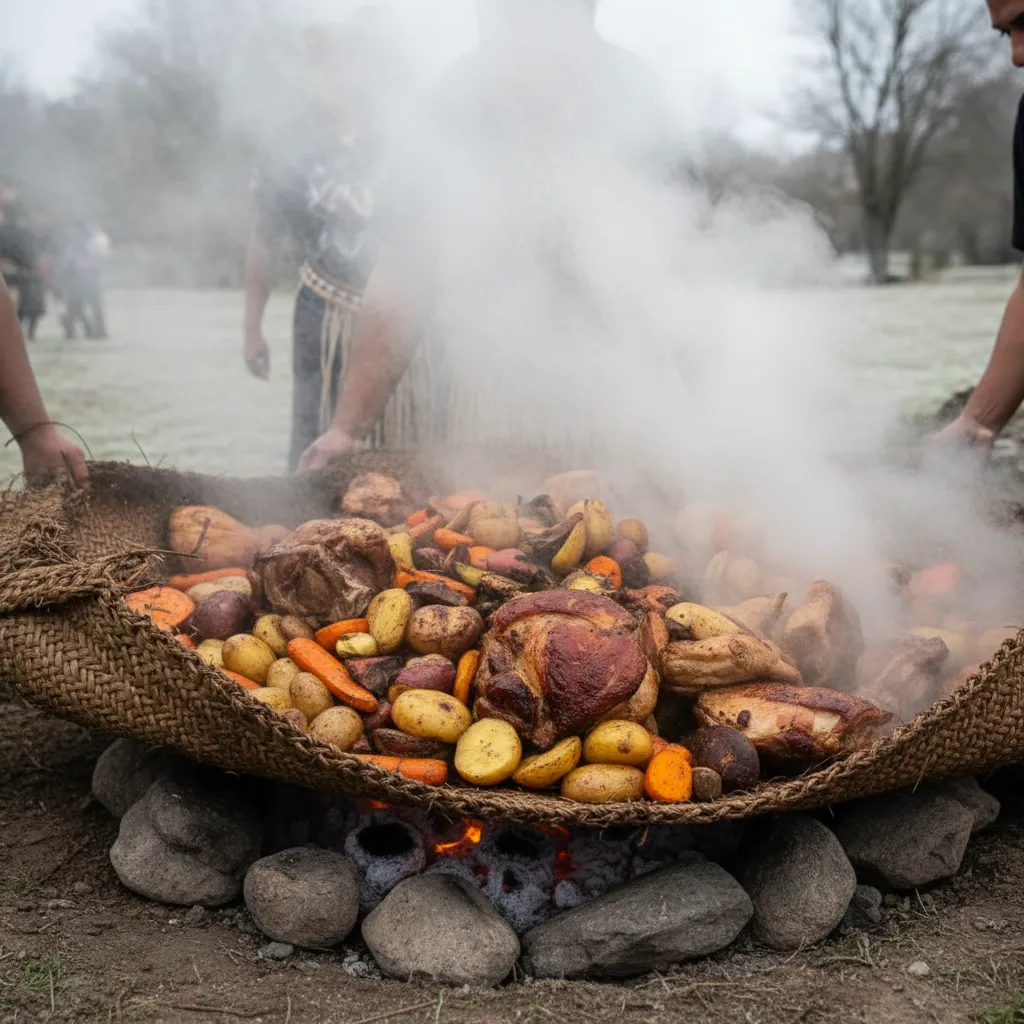
During Matariki, kūmara is roasted, boiled, or steamed in a hāngī (earth oven). Its sweetness contrasts perfectly with the savory meats and bitter greens often found on the plate. Varieties like the Owairaka Red, Toka Toka Gold, and the traditional Taputini are often sought after for special hākari.
Taewa (Māori Potatoes)
While often overshadowed by the kūmara, taewa are an essential component of Matariki seasonal foods NZ. These are potatoes that have been grown in New Zealand for hundreds of years. They differ significantly from modern commercial potatoes in texture, flavor, and appearance.
Common varieties enjoyed during the winter months include:
- Tūtaekurī: Distinctive deep purple skin and flesh. It has a floury texture that is perfect for steaming.
- Moemoe: A multi-colored potato with a waxy texture, ideal for boiling and salads.
- Peruperu: Known for its high nutritional value and hardiness.
Eating taewa during Matariki is an act of preserving biodiversity and keeping heritage food sources alive.
Preserved Birds and Eels: Surviving Winter
Winter in Aotearoa is harsh. In traditional times, fresh food was not always abundant during the coldest months, necessitating the development of advanced preservation techniques. Matariki is the time when these preserved stores were opened and enjoyed.
What is Huahua?
Huahua refers to birds (and sometimes rats, kiore) that were preserved in their own fat. This was a delicacy of the highest order, reserved for chiefs and significant guests. Birds like the kererū (wood pigeon) and tītī (muttonbird) were caught during their peak fatness in autumn, cooked, and stored in gourds (tahā) or kelp bags.
While the hunting of kererū is now illegal to protect the species, the tradition of preserving birds continues with the tītī, which is harvested sustainably by Rakiura Māori in the far south. The salty, rich flavor of preserved tītī is a quintessential winter taste for many whānau.
Tuna (Eel): The Winter Staple
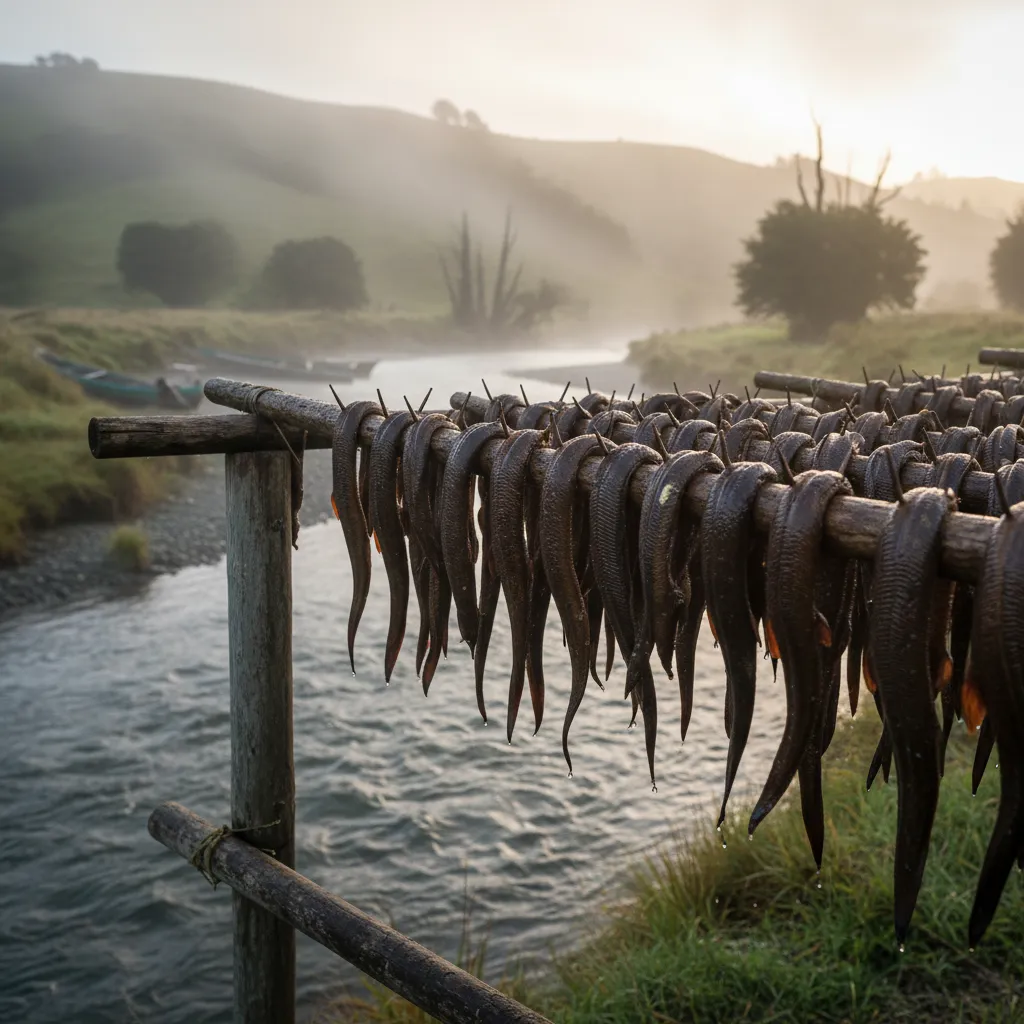
The tuna, or longfin eel, is a legendary creature in Māori mythology and a vital food source. The migration of eels (heke tuna) occurs in autumn, where they are caught in large numbers using hīnaki (eel pots).
To ensure a protein supply through the winter Matariki period, eels were processed in two main ways:
- Pawhara: The eel is split open, the backbone is removed, and it is hung to dry in the wind and sun.
- Smoking: Eels are smoked over native wood fires (like mānuka), which imparts a delicious flavor and preserves the flesh.
Dried and smoked eel is nutrient-dense, high in healthy fats, and provides the energy needed to withstand the winter chill.
Winter Greens and Foraging
While the garden beds lay dormant, the forests and riverbanks continue to provide. Foraging, or mahinga kai, ensures that fresh greens are available to balance the rich, heavy preserved meats and starchy root vegetables.
Pūhā (Sow Thistle)
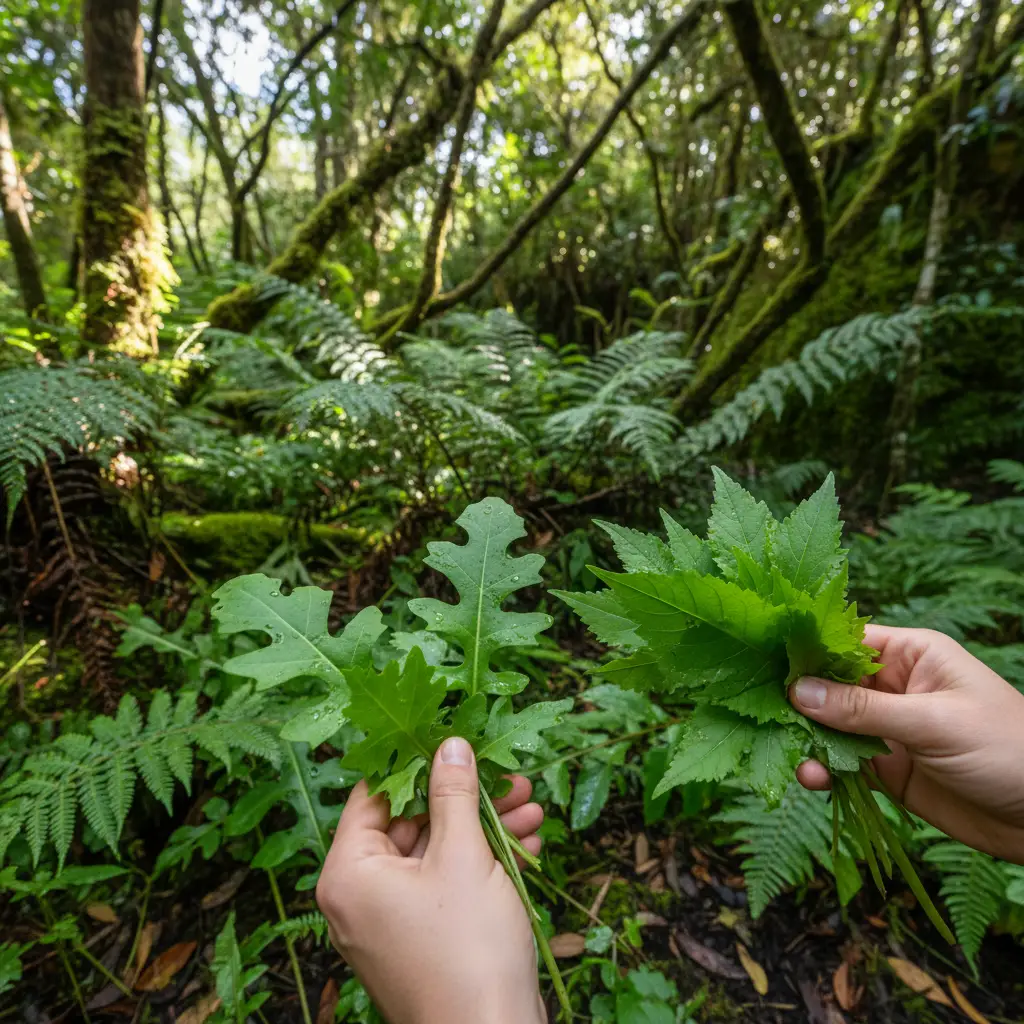
Pūhā is perhaps the most well-known green vegetable in Māori cuisine. While it grows year-round, it is a staple in the winter “boil-up”—a soup made with pork bones, doughboys (flour dumplings), and potatoes. The bitterness of pūhā aids digestion and cuts through the fattiness of the meat.
Kawakawa and Pikoiko
The native bush offers unique flavors during this season:
- Kawakawa: Known as the New Zealand pepper tree, its heart-shaped leaves are used both medicinally and culinarily. During Matariki, dried kawakawa leaves are often used as a rub for meats or brewed into a warming tea (rongoā) to ward off winter colds.
- Pikoiko: These are the young, curled fronds of ferns. They are best harvested when tender and taste somewhat like asparagus and green beans. They symbolize new life and growth, fitting for the New Year.
Why We Eat What We Grow: The Cycle of Sustainability
The menu of Matariki is not accidental; it is a lesson in sustainability and adaptation. The outline of the feast dictates a respect for the environment’s natural cycles.
Eating seasonally—consuming root vegetables in winter and fruits in summer—reduces the reliance on energy-intensive storage or importation. In traditional society, if you did not work the soil or respect the harvest signs of Matariki, the tribe went hungry. Consequently, the hākari is a celebration of hard work.
Today, this philosophy is seeing a resurgence. “Farm to table” is a modern term, but for Māori, it has always been the way of life. Matariki encourages us to reflect on where our food comes from, the energy required to produce it, and the importance of minimizing waste. It teaches us that the health of the people is directly tied to the health of the land (Whenua) and the waterways (Awa).
Bringing Matariki to the Modern Table
How does one translate these ancient traditions to a modern kitchen? You do not need a hāngī pit in your backyard to celebrate Matariki through food (though it certainly helps!).
Modern chefs and home cooks across New Zealand are fusing traditional ingredients with contemporary techniques. Examples include:
- Kūmara Gnocchi: Using the native sweet potato to create Italian-style dumplings, served with burnt butter and sage.
- Smoked Eel Pâté: Blending traditional smoked tuna with cream cheese and herbs for a sophisticated appetizer.
- Kawakawa Sourdough: Incorporating dried native herbs into daily bread.
- Slow-Cooked Pork and Pūhā: Elevating the humble boil-up into a slow-roast dish.
Regardless of the preparation method, the spirit remains the same: gratitude, sharing, and remembrance.
Conclusion
Matariki seasonal foods NZ are a delicious testament to the ingenuity and resilience of ancestors who thrived in a temperate climate. From the earthy sweetness of the kūmara watched over by Tupu-ā-nuku to the preserved birds of Tupu-ā-rangi, every bite tells a story of the stars and the seasons. As you gather with friends and family this Matariki, let the food on your table be a connection to the history of Aotearoa and a promise to protect its resources for the future.
What traditional foods are eaten during Matariki?
Traditional Matariki foods include root vegetables like kūmara and taewa (Māori potatoes), preserved birds (like tītī), eels (tuna), and fish. Fermented foods like kānga wai (fermented corn) and fresh greens like pūhā and watercress are also staples of the winter feast.
Why is Kūmara significant to Matariki?
Kūmara is associated with the star Tupu-ā-nuku. Its harvest is completed before Matariki rises to avoid frost damage. A successful kūmara harvest meant the community had enough carbohydrate stores to survive the winter, making it a symbol of prosperity and security during the New Year celebrations.
How was food preserved for the Māori New Year?
Food was preserved using methods like drying (rara), fermenting (kō), and preserving in fat (huahua). Eels and fish were often smoked or sun-dried, while birds were cooked and stored in their own fat inside gourds or kelp bags to prevent spoilage during the winter months.
Which Matariki stars are associated with food?
The two main stars associated with food are Tupu-ā-nuku and Tupu-ā-rangi. Tupu-ā-nuku governs food grown in the ground (like kūmara), while Tupu-ā-rangi governs food from the sky (like birds and berries). A third star, Waitī, is associated with freshwater food like eels, and Waitā is associated with ocean food.
Can you eat seafood during Matariki?
Yes, seafood (kai moana) is a significant part of the diet. The star Waitā represents the ocean and its bounty. While winter can make fishing difficult, stored dried fish and shellfish gathered at low tide are traditional additions to the Matariki hākari.
How is a Hāngī connected to Matariki?
The hāngī is the traditional earth oven used to cook large feasts for communities. The process of cooking food within the earth (Papatūānuku) is seen as a way to connect the people to the land. The steam rising from the hāngī is sometimes viewed as an offering to the stars, including Matariki.


