
Harvesting kumara typically takes place in New Zealand during late summer to early autumn, specifically between March and May, before the first ground frosts set in. The crop is ready for harvest when the vine leaves begin to yellow and die back. Successful harvesting requires gentle lifting to prevent skin damage, followed by a crucial curing period to harden the skins for long-term winter storage.
As the cluster of stars known as Matariki (the Pleiades) prepares to rise in mid-winter, marking the Māori New Year—a time when an Interactive Night Sky Map Tool: Locate Matariki Now becomes an essential resource—the focus of life in Aotearoa shifts from cultivation to the final stages of harvesting and preservation. The period leading up to Matariki is a critical time for securing food sources (kai) to sustain whānau (family) and hapū (sub-tribes) through the colder months. While modern supermarkets provide year-round convenience, the traditional practice of harvesting kumara and gathering kaimoana (seafood) remains a deeply spiritual and practical connection to the land and the maramataka (Māori lunar calendar).
This guide explores the essential practices of harvesting kai, focusing on the delicate art of digging and storing kumara, aligning fishing activities with lunar cycles, and the ethos of manaakitanga (hospitality) that defines the sharing of surplus during the New Year celebrations.
When is the Best Time for Harvesting Kumara?
Understanding the precise timing for harvesting kumara is the difference between a crop that rots within weeks and one that sustains a family throughout the winter. In New Zealand, the kumara growing season is long, requiring approximately 100 to 120 days of warm, frost-free weather. The harvest window generally opens in March and can extend into May in warmer northern regions, but the absolute deadline is dictated by the weather.
The primary indicator that your kumara are ready is the foliage. When the vigorous green vines begin to yellow and wither, the plant is signaling that energy is no longer being directed toward leaf growth but has finished storing starches in the tubers. However, you do not need to wait for the vines to die completely. If the tubers have reached a desirable size, they can be harvested.
The Frost Danger: Frost is the natural enemy of the kumara. If a frost hits the vines, the damage can travel down the stems and cause the tubers to rot underground. If an unexpected frost kills your vines, you must harvest the tubers immediately—ideally within 24 hours—to salvage the crop. For those strictly following the maramataka, harvesting is often aligned with the waning of the moon, known as the Korekore phases, or during the energetic Tangaroa phases, depending on local tribal variations.
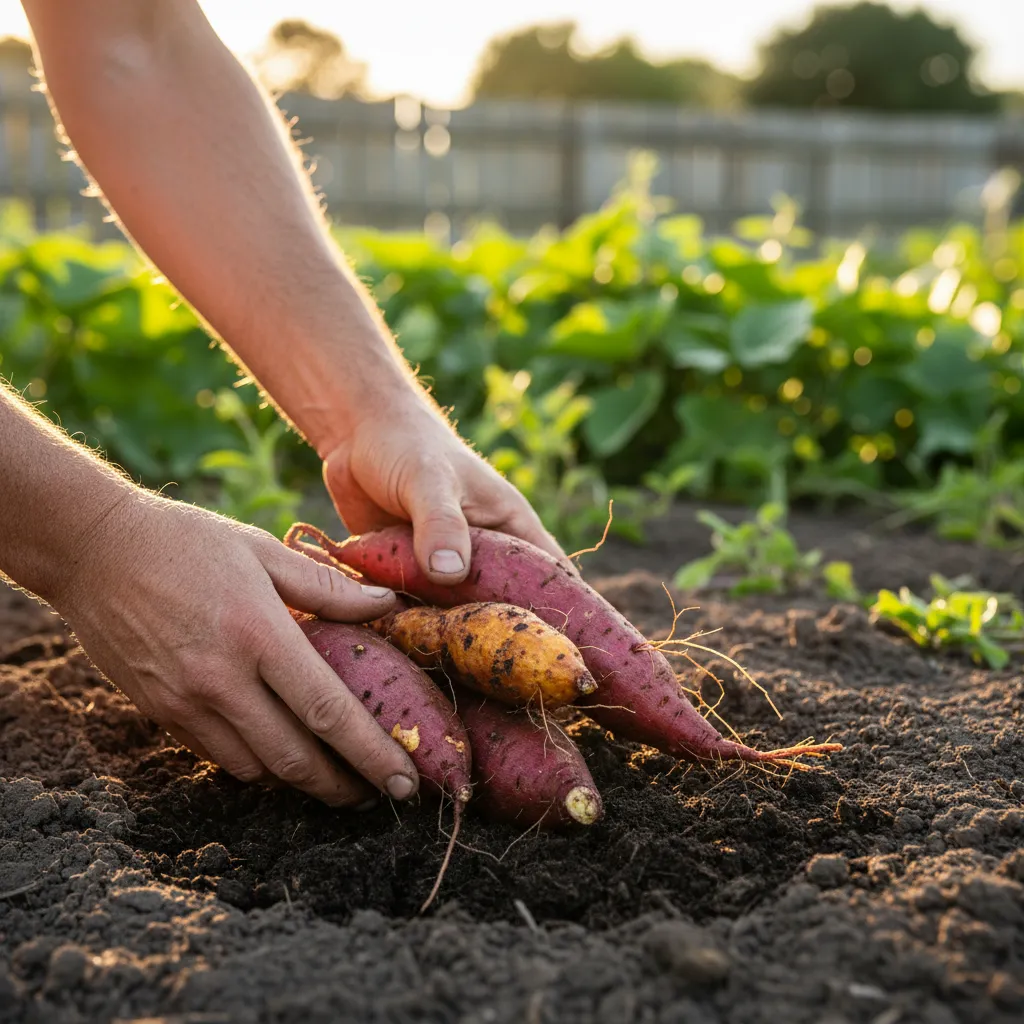
How to Harvest Kumara Without Damaging the Crop
The physical act of harvesting kumara requires patience and care. Unlike potatoes, which have somewhat tougher skins, fresh kumara have incredibly delicate skins that scratch and bruise easily. Any break in the skin serves as an entry point for fungal spores and bacteria, leading to rapid spoilage during storage.
Steps for a Successful Harvest
- Clear the Vines: Before digging, cut away the vines to expose the rows. This prevents tripping and gives you a clear view of where the main stems enter the ground. These vines can be composted or used as stock feed.
- Use the Right Tools: Avoid sharp spades if possible. A garden fork is preferable, but the best tool is often your hands or a blunt digging stick (kō). If using a fork, insert it into the soil well back from the main stem—at least 30cm—to avoid piercing the tubers.
- Lift, Don’t Pull: Loosen the soil around the perimeter of the plant and gently lift the entire root mass. Never pull the kumara by the stem, as they can snap.
- Inspect and Sort: As you harvest, separate the tubers immediately. Place undamaged tubers in one crate for long-term storage. Any tubers that are sliced, bruised, or damaged by insects should be set aside for immediate eating (within a few days). Do not attempt to store damaged kumara with healthy ones, as rot spreads quickly.
Curing and Storing Kumara for Winter
Once harvested, kumara are not yet ready for the pantry. They must undergo a process called “curing.” Curing heals minor scratches, toughens the skin, and converts some of the starches into sugars, improving the flavor.
To cure kumara, leave them in a warm, humid place out of direct sunlight for about 4 to 7 days. A temperature of around 25°C to 30°C with high humidity (85-90%) is ideal. In a home setting, this can be achieved by placing the tubers in crates covered with damp sacks or newspaper in a warm room or a greenhouse (ensuring they don’t cook in the sun). Proper curing creates a barrier against rot.
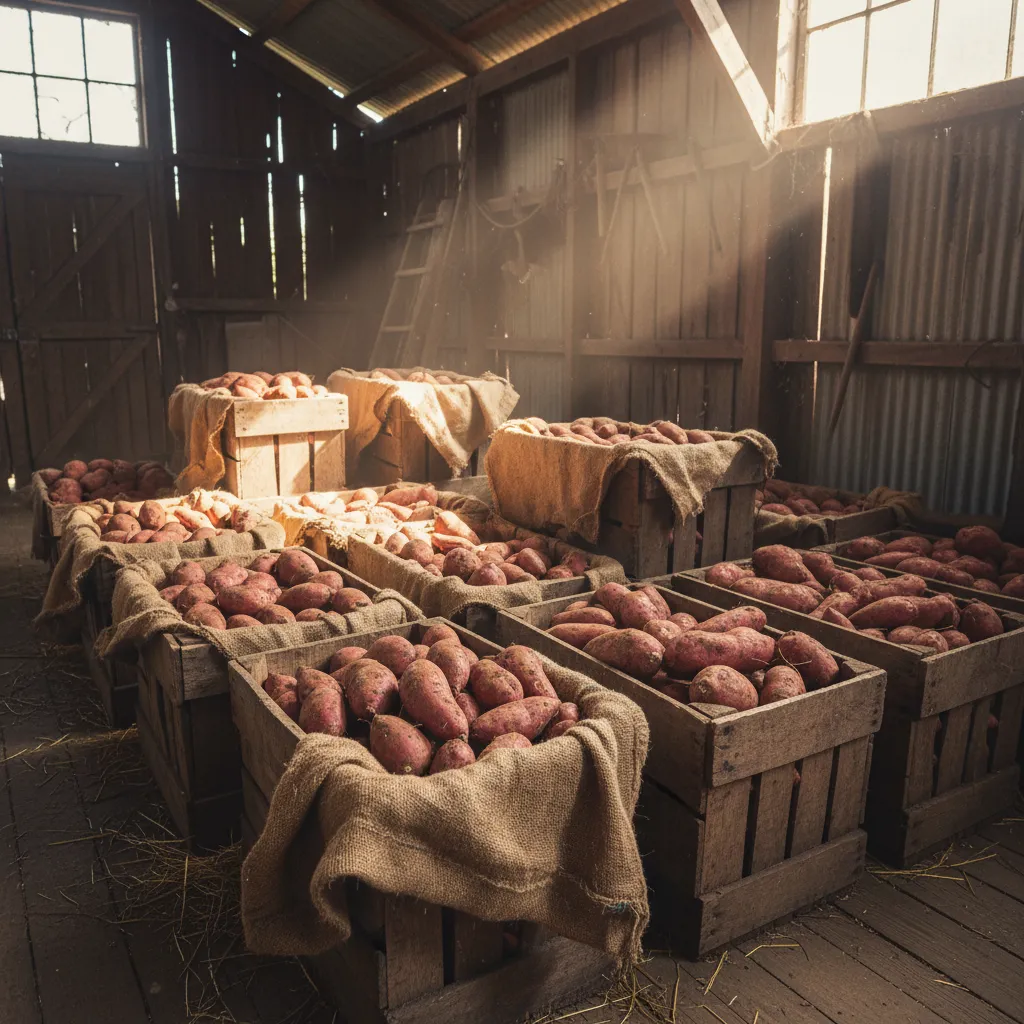
Long-Term Storage: After curing, move the kumara to a cool, dark, and well-ventilated location. The ideal storage temperature is between 13°C and 16°C. Do not refrigerate raw kumara; the cold temperature causes “chilling injury,” resulting in a hard core and off-flavors. Traditionally, Māori used rua (underground pits) which maintained a stable temperature and humidity. Today, wrapping individual tubers in newspaper and storing them in ventilated boxes in a cool pantry or garage works well.
The Maramataka: Fishing Calendars and Seafood
While the land provides carbohydrates, the ocean (Tangaroa) provides protein. For Māori, harvesting kai is never a random act; it is governed by the maramataka, the lunar calendar that tracks the movements of the moon and its influence on the earth’s energy levels.
Matariki occurs in winter, a time when certain fish species are plentiful and in prime condition. The maramataka helps identify the best days for fishing (harvesting kaimoana). For example, the Tangaroa phases of the moon (typically days 23, 24, and 25 of the lunar cycle) are considered highly productive for fishing and planting. Conversely, the Korekore phases are times when energy is low, and fishing is likely to be unproductive; these days are better spent on land-based maintenance or rest.
Winter Seafood Harvests
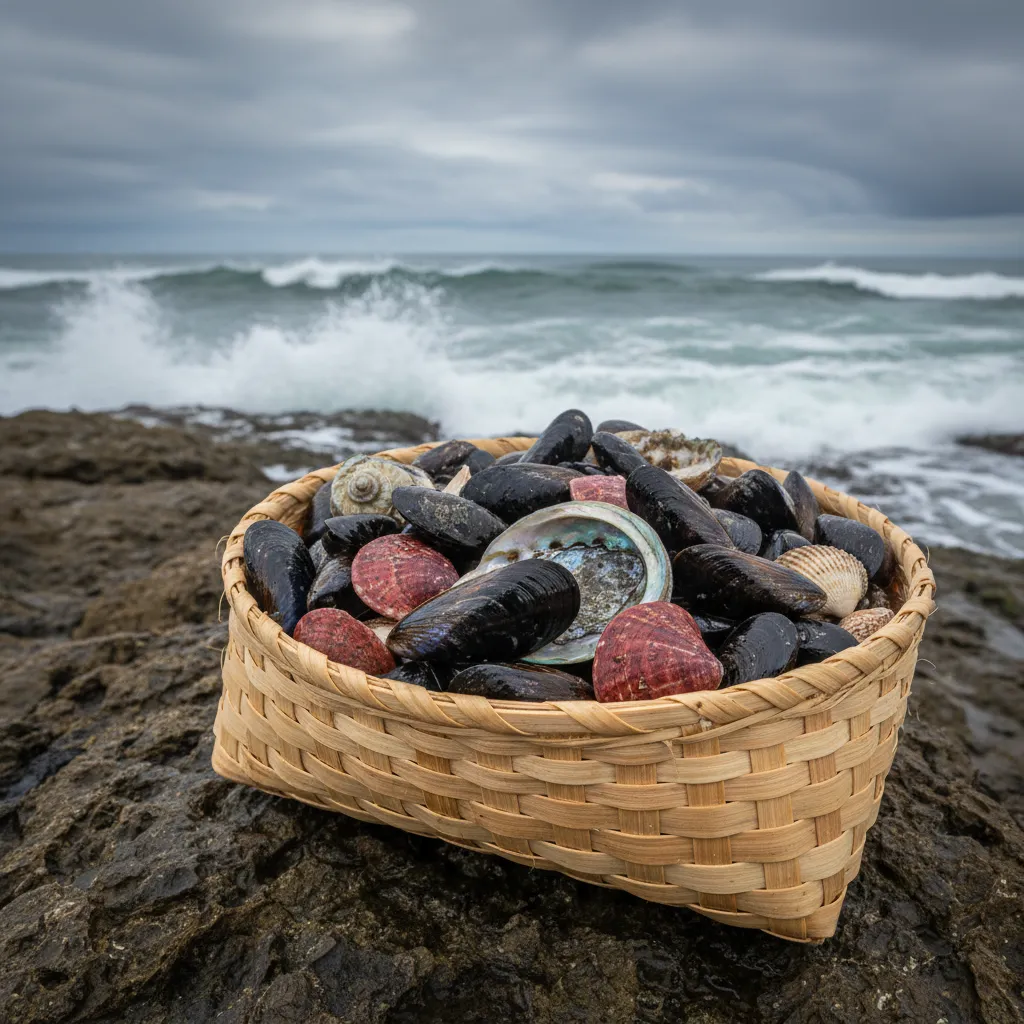
During the Matariki season, specific species are targeted. In many regions, harvesting kanae (mullet) and tuna (eels) is common as they migrate. Eels, in particular, are often caught as they move downstream to spawn. The colder water temperatures also mean that shellfish like pipi, tuatua, and mussels are crisp and flavorful.
Preserving Food for the Winter Months
The essence of the Matariki harvest is preparation. Historically, failing to store enough food meant starvation. Today, preservation is about enjoying seasonal abundance year-round and maintaining a connection to traditional flavors.
Drying (Kao): One traditional method for preserving kumara is making ‘kao’. This involves cooking the kumara in a hāngī (earth oven) or steamer until soft, and then drying them in the sun or a dehydrator until they become hard and chewy. Kao can be stored for months and eaten as a snack or rehydrated in stews.
Smoking (Paoa): Smoking is a favored method for preserving fish, particularly mullet and eel. The fish are gutted, split, salted (or brined), and then smoked over wood chips like mānuka or pōhutukawa. The smoke not only imparts a delicious flavor but also dehydrates the flesh and adds antimicrobial properties, extending the shelf life of the catch.
Fermentation: Fermented corn (kānga wai) and crayfish (kōura) are acquired tastes but represent sophisticated preservation techniques that utilize controlled fermentation to keep food edible long past its fresh date.
Community Gardens and Sharing Surplus
Harvesting kai is rarely a solitary pursuit in Te Ao Māori (the Māori world). It is intrinsically linked to manaakitanga—the process of showing respect, generosity, and care for others. Matariki is the ultimate expression of this value.
Community gardens (māra kai) play a vital role in modern Matariki celebrations. They are spaces where knowledge about harvesting kumara is passed down from kaumātua (elders) to rangatahi (youth), often enriched by educational Teacher Workshops (Wānanga). The harvest from these gardens is often not just for the gardeners but is distributed to the elderly, those in need, or used to supply the wharekai (dining hall) at the local marae.

When you harvest your kumara or return with a bin of fish, the custom is to share the surplus. This ensures that everyone in the community has enough to celebrate the New Year, a practice celebrated in regional events like Te Tai Hauāuru: West Coast Celebrations. The act of sharing food is seen as enhancing the mana (prestige/spiritual power) of the giver. As you plan your garden or fishing trips this autumn, consider planting or catching a little extra to give away. It is this spirit of collective survival and celebration that truly defines the season of Matariki.
How long does it take for kumara to be ready to harvest?
Kumara typically require a growing season of 100 to 120 days. However, this depends on the variety and the climate. In warmer northern regions of New Zealand, they may mature slightly faster, while cooler regions require the full season. Always check the vines for yellowing leaves as the primary sign of readiness.
Can you eat kumara immediately after harvesting?
Yes, you can eat kumara immediately after harvesting, but they may not be as sweet as cured kumara. Freshly dug kumara have a higher starch content. Curing them allows enzymes to convert some of these starches into sugars, resulting in a sweeter taste and better texture.
What is the best way to store kumara long term?
The best way to store kumara long-term is to cure them first, then wrap them individually in newspaper. Store the wrapped tubers in a ventilated box or crate in a cool, dark place with a temperature between 13°C and 16°C. Avoid plastic bags and refrigerators.
Why do my kumara rot in storage?
Kumara usually rot in storage due to three main factors: they were not cured properly, they were bruised or damaged during harvest, or the storage environment is too cold or damp. Even a small scratch can let in rot-causing fungi. Ensure you only store perfect, unblemished tubers.
What does Matariki have to do with the harvest?
Matariki (the Māori New Year) rises in mid-winter, marking the end of the harvest season. Historically, it was a time when the storage houses (pātaka) were full of harvested crops like kumara. The brightness of the Matariki stars was also used to predict the success of the next planting season.
What is the Maramataka?
The Maramataka is the traditional Māori lunar calendar. It is an environmental indicator system that uses the phases of the moon to determine the best times for planting, harvesting, and fishing. It aligns human activity with the natural energy cycles of the earth and ocean.


