
To hire a cultural advisor for business, organizations must engage experts who provide guidance on indigenous protocols, cultural safety, and authentic engagement. For Matariki and indigenous projects, this involves sourcing vetted consultants via tribal authorities or professional directories to ensure commercial activities respect Tikanga (customs) and avoid cultural appropriation.
In the modern commercial landscape, cultural intelligence is no longer optional—it is a critical component of brand integrity and operational success. As Matariki (the Māori New Year) becomes an entrenched public holiday and a pivotal moment in the corporate calendar, businesses are increasingly seeking to hire cultural advisors. These experts bridge the gap between corporate objectives and indigenous cultural safety, ensuring that celebrations and policies are authentic, respectful, and impactful.
Navigating the recruitment of a cultural advisor requires a specific approach distinct from standard hiring practices. It involves understanding the nuances of Mātauranga (knowledge), respecting the distinction between consultancy and partnership, and budgeting for expertise that holds deep community value. This guide provides a comprehensive roadmap for businesses ready to engage cultural advisory services for Matariki projects and broader indigenous cultural safety initiatives.

What is a Cultural Advisor in a Business Context?
A cultural advisor acts as a navigator for organizations traversing the complex waters of indigenous engagement and cultural competency. Unlike a Diversity, Equity, and Inclusion (DEI) manager, whose scope is often broad and internal, a cultural advisor—specifically in the context of Aotearoa New Zealand and Indigenous sectors—brings specific genealogical ties, community mandates, and deep knowledge of customs (Tikanga) and language (Reo).
Why do businesses need specific Matariki advisors?
Matariki is not merely a holiday; it is a period rich with environmental, spiritual, and social significance. Businesses often fall into the trap of commercializing the event without understanding its core values: remembrance, celebrating the present, and looking to the future. A cultural advisor ensures that:
- Marketing campaigns use imagery and language correctly, avoiding offensive appropriation.
- Internal celebrations follow proper protocols (e.g., the correct order of speakers, the handling of food).
- Strategic planning aligns with the environmental and community-focused principles of Matariki.
Scope of Work for Matariki Projects
When you prepare to hire a cultural advisor for business, defining the Scope of Work (SOW) is the first critical step to ensure clarity and accountability. For Matariki-specific projects, the deliverables can be categorized into strategic advisory, educational, and operational execution.
1. Strategic Alignment and Policy Review
The advisor reviews current company policies to ensure they align with principles of Indigenous Cultural Safety. This might include reviewing HR policies on bereavement (Tangihanga) leave, which is often a topic of discussion during Matariki (a time of remembrance).
2. Education and Workshops
A core deliverable is upskilling your workforce. The SOW should include:
- Matariki 101 Workshops: Explaining the nine stars of Matariki and their relevance to business (e.g., Tupuānuku relates to food from the earth, which may be relevant to agricultural businesses).
- Pronunciation Clinics: Ensuring staff can pronounce Māori terms correctly.
- Tikanga Training: Teaching the basics of meeting protocols (Mihi/Whakatau).
3. Event Management and Rituals
If your business plans to host an event, the advisor’s role shifts to operational oversight. This includes blessing ceremonies (Karakia), advising on menu selection (ensuring Kai aligns with the occasion), and managing relationships with local Iwi (tribes) if they are invited.

Directory of Vetted Cultural Consultants: Where to Look
One of the biggest challenges for businesses is locating a “directory” of vetted experts. Unlike hiring an accountant or a lawyer, there is no single centralized database for cultural advisors. However, you can build a vetted list through specific channels.
Engaging with Iwi and Rūnanga (Tribal Authorities)
The most authoritative source for a cultural advisor is the local Mana Whenua (people of the land). If your business operates in a specific region, contact the local Iwi authority or Rūnanga. They often have a commercial arm or a list of authorized cultural representatives who can engage with businesses.
Professional Consultancy Firms
There has been a rise in Māori-owned consultancy firms that specialize in bridging the corporate-indigenous divide. When looking for these firms, verify their credentials by checking:
- Community Standing: Do they have the backing of their community?
- Track Record: Have they successfully guided other corporate entities?
- Membership: Are they members of indigenous business networks (e.g., Whāriki in NZ)?
What credentials should you look for?
Do not look for university degrees alone. In this field, lived experience, fluency in language, and recognized status within the indigenous community are the primary credentials. A “vetted” advisor is one who is accountable to their community, not just their employer.
Budgeting for Cultural Advisory Services
Budgeting for cultural services requires a shift in mindset. It is not appropriate to offer “exposure” or small gifts (Koha) in exchange for significant commercial guidance. You must budget for professional consultancy rates.
Hourly Rates vs. Retainers
Hourly Rates: For one-off workshops or specific document reviews, senior cultural advisors command rates comparable to senior legal counsel or management consultants. Expect rates to range significantly based on mana (prestige) and experience, often between $200 and $500+ per hour.
Retainer Models: For ongoing cultural safety, especially leading up to and including Matariki, a monthly retainer is often more cost-effective. This secures the advisor’s availability for ad-hoc queries, which is crucial as issues can arise unexpectedly.
Understanding Koha vs. Fees
Koha is a gift, usually given in a ceremonial context. It is not a payment for services rendered in a commercial contract. When hiring a cultural advisor for business:
- Contract Fee: This is the taxable income paid for the work (SOW).
- Koha: This is an optional, additional gesture given during a welcome ceremony or specific ritual, separate from the invoice. Do not confuse the two in your budget lines.

Structuring Your Request for Proposal (RFP)
To hire a cultural advisor for business effectively, you should issue a Request for Proposal (RFP) that signals your organization’s cultural maturity. A standard corporate RFP may feel cold or transactional; adapt it to be relational.
Key Sections for a Cultural Advisory RFP
1. Whakawhanaungatanga (Relationship Building)
Start by introducing your organization, not just your metrics. Who are you? What are your values? Why do you want to embark on this journey? This section sets the tone.
2. Project Objectives (Kaupapa)
Clearly state what you want to achieve. For example:
“To develop a Matariki engagement strategy that honors indigenous principles while aligning with our brand’s commitment to sustainability.”
3. Deliverables and Timeline
Be specific but flexible. Cultural processes sometimes take longer than standard corporate timelines. Allow space for consultation processes.
- Deliverable 1: Cultural Audit of current brand assets.
- Deliverable 2: Staff training sessions (x3) in June.
- Deliverable 3: Matariki Event Plan.
4. Cultural Capability Requirements
Ask the respondent to detail their whakapapa (connections) and experience. Ask: “How do you ensure your advice is culturally safe and mandated?”
5. Evaluation Criteria
Weight your evaluation not just on price, but on “Cultural Fit” and “Community Impact.” An advisor who costs more but has deeper community ties brings higher value by mitigating reputational risk.
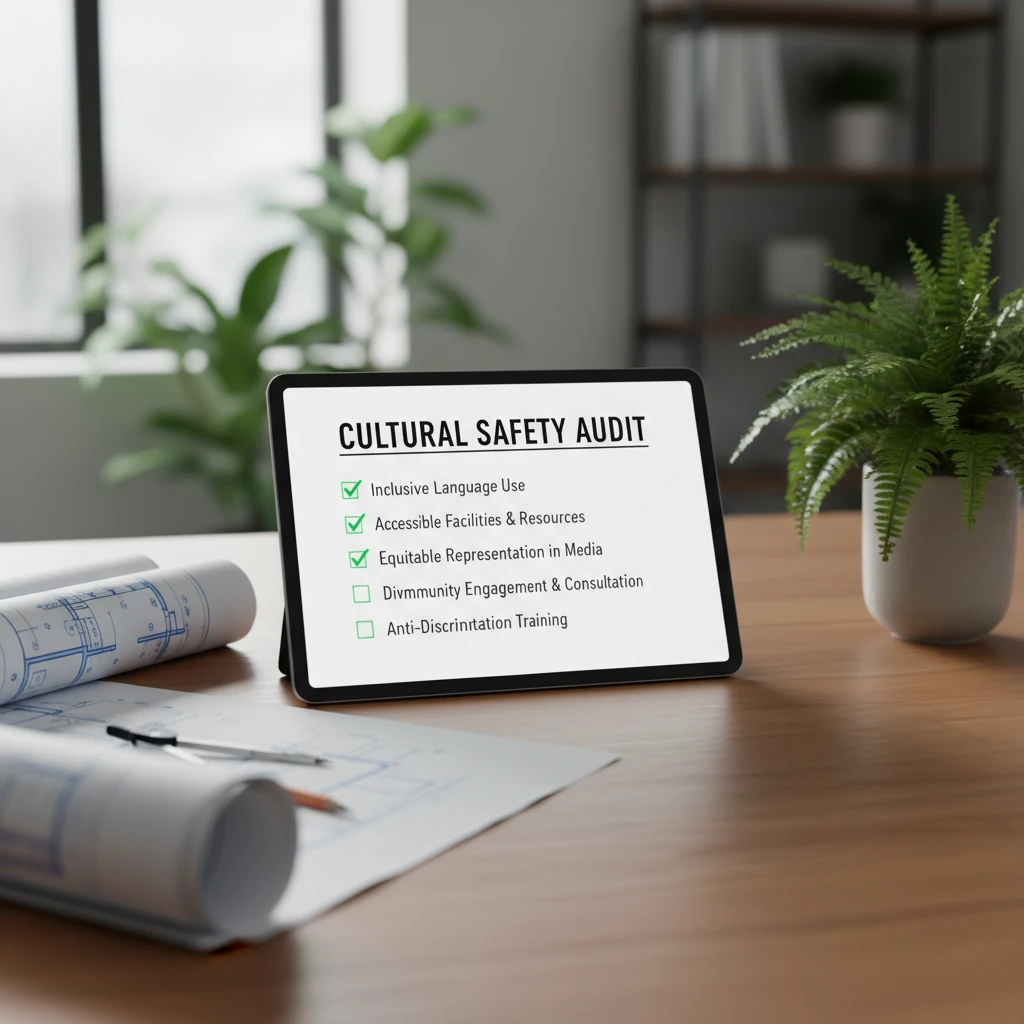
Avoiding Tokenism: Building Long-Term Relationships
The ultimate goal when you hire a cultural advisor for business is to move beyond transactional interactions. Tokenism occurs when a business hires an advisor solely for the month of Matariki (June/July) and ignores indigenous engagement for the rest of the year.
From Transaction to Transformation
Authentic cultural safety is a year-round commitment. Use the hiring of a Matariki advisor as a pilot for a longer-term engagement. Matariki is a time of renewal—making it the perfect time to sign a 12-month partnership agreement. This ensures that when other cultural issues arise, or when you wish to engage with other language weeks or treaty principles, you have a trusted navigator on board.
By investing in a high-quality, vetted cultural advisor and paying them what they are worth, your business demonstrates respect. This respect translates into trust from your staff, your customers, and the wider community, securing your social license to operate in an increasingly culturally conscious market.
People Also Ask
How much does a cultural advisor cost per hour?
Cultural advisor rates vary by experience and region, but typically range from $150 to $500+ per hour for senior consultants. Specialized services like high-level strategic reviews or ceremonial duties may command higher flat fees.
What is the difference between a cultural advisor and a Kaumātua?
A Kaumātua is a respected tribal elder who provides spiritual guidance and community leadership, often in a ceremonial capacity. A cultural advisor is a professional role that may or may not be held by an elder, focused on translating cultural concepts into business strategy and operations.
Can I hire an internal cultural advisor?
Yes, many large organizations hire full-time Kaihautū or Cultural Leads. However, for smaller businesses or specific projects like Matariki, hiring an external consultant is often more feasible and provides an objective perspective.
What questions should I ask in an interview for a cultural advisor?
Ask about their connection to the community (Whakapapa), their experience in navigating corporate-indigenous conflicts, their approach to cultural safety, and examples of how they have guided other businesses through Matariki celebrations.
Why is cultural safety important in business?
Cultural safety ensures that the workplace is respectful and inclusive of indigenous people and values. It mitigates the risk of public backlash from cultural appropriation, improves employee retention, and enhances brand reputation among diverse consumer bases.
How do I prepare my team for a cultural advisor?
Prepare your team by setting expectations of openness and respect. Brief them on the advisor’s role—that they are there to guide and teach, not to be the sole representative of all indigenous people. encourage staff to ask questions respectfully and to be open to unlearning biases.