The history of Puanga refers to the celebration of the star Rigel as the harbinger of the Māori New Year, primarily observed by iwi in western and northern New Zealand. While most tribes look to Matariki, regions where the Pleiades are geographically obscured utilize the rising of Puanga to signal the seasonal transition, harvest preservation, and the remembrance of ancestors.
What is Puanga and How Does it Differ from Matariki?
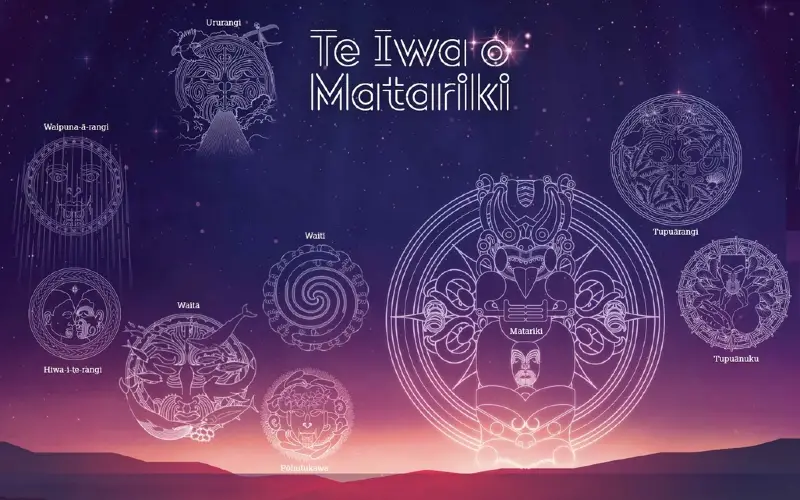
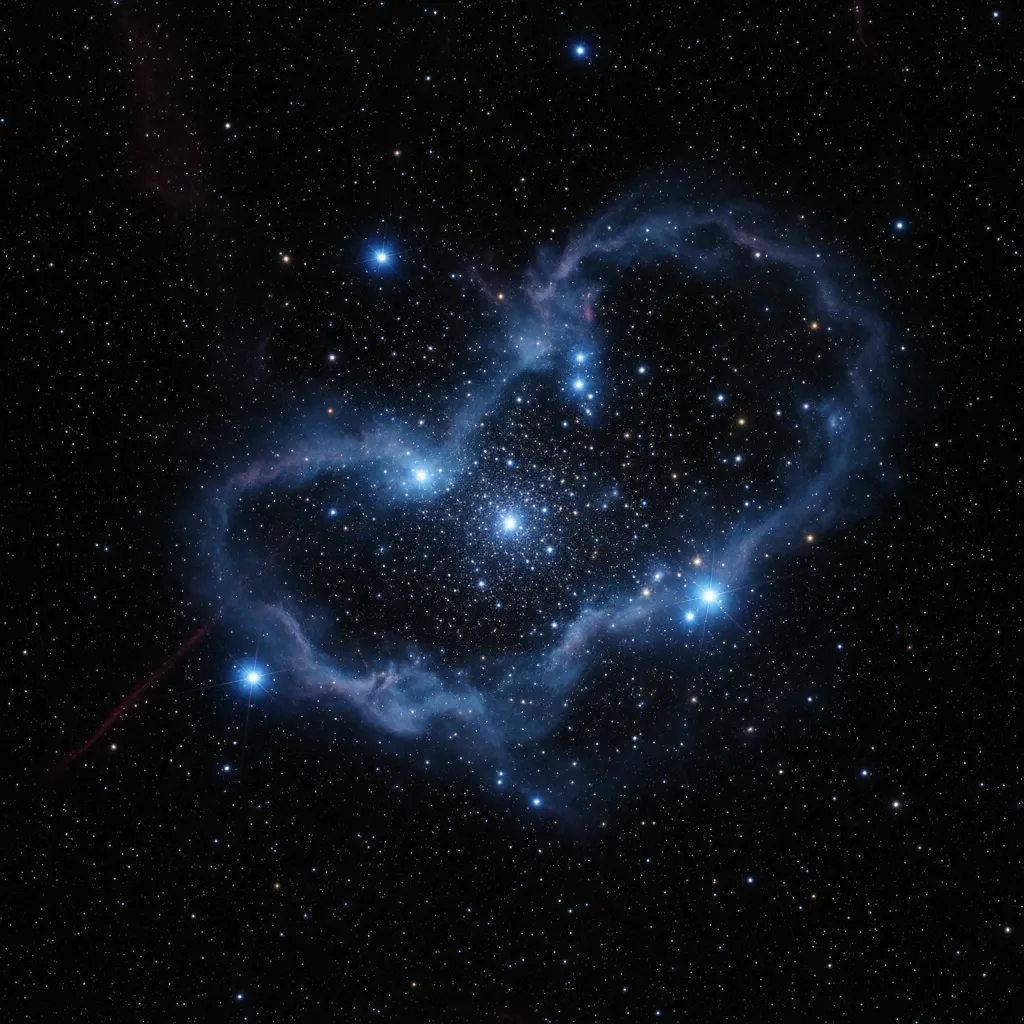
To understand the history of Puanga, one must first look to the southern night sky. While the Matariki star cluster (the Pleiades) is the most widely recognized signifier of the Māori New Year, it is not a universal marker across all of Aotearoa (New Zealand). In specific regions, particularly the West Coast of the North Island and the Far North, the geography of the land—specifically high mountain ranges—often obscures the view of Matariki on the eastern horizon during the mid-winter months.
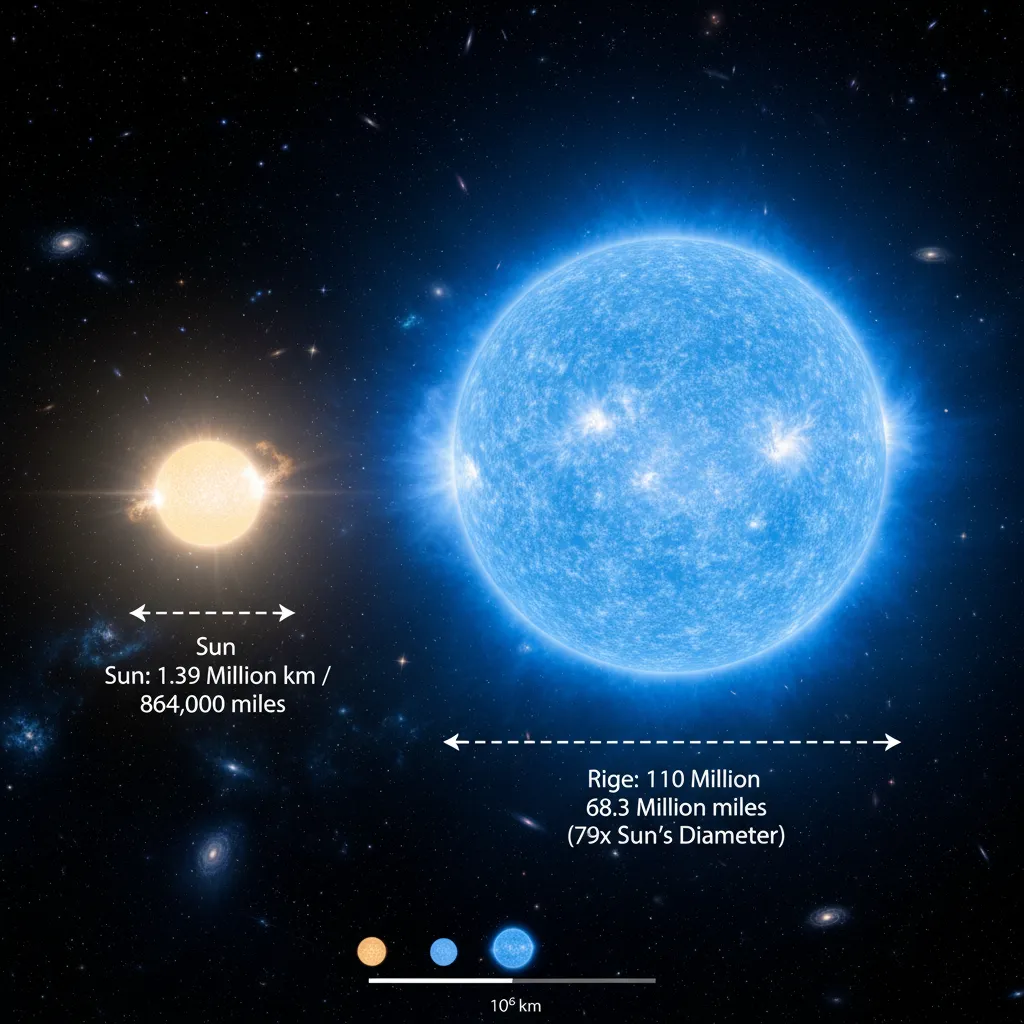
In these areas, the iwi (tribes) look to a different celestial body: Puanga. Known astronomically as Rigel, Puanga is the brightest star in the constellation of Orion (often seen as the pot or the hunter). It is a blue-white supergiant that rises earlier and higher in the eastern sky than Matariki, making it a far more reliable indicator of the new season for tribes living in the shadow of mountains like Taranaki or in the deep valleys of Whanganui.
The history of Puanga is deeply intertwined with the concept of diversity within mātauranga Māori (Māori knowledge). It serves as a reminder that timekeeping and seasonal calibration were not monolithic but were adapted to the specific environments in which different hapū (sub-tribes) lived. Puanga is not merely a substitute; for the people of Whanganui, Taranaki, and parts of Te Tai Tokerau, it is the primary celestial authority.
Mythology and Legends of Puanga
The oral history of Puanga is rich with personification and narrative. In Māori cosmology, stars are not just burning balls of gas; they are deities and ancestors with distinct personalities and relationships. Puanga is often viewed as the older sibling or cousin to Matariki, and their relationship is sometimes depicted as one of friendly rivalry.
The Jealousy of the Stars
One prevalent legend suggests a tension between the brilliance of Puanga and the collective beauty of Matariki. Because Puanga is a singular, intensely bright star, it commands attention. Some narratives describe Puanga as striving to outshine Matariki, rising earlier to herald the dawn. However, rather than conflict, this is often interpreted as a division of labor—Puanga announces the season for some, while Matariki announces it for others, ensuring all of Aotearoa is covered.
Puanga and Rehua
Another significant historical association is the pairing of Puanga with Rehua (Antares). In many traditions, Puanga is female and Rehua is male (though this varies by iwi). Together, they are seen as key pillars of the celestial sphere. While Rehua is associated with the heat of summer and the ripening of fruit, Puanga is the star of the winter months, associated with the preservation of food and the dormant earth. This duality represents the balance of the seasons—heat and cold, growth and rest.
Historical Navigation and Planting Signals
The practical application of the history of Puanga lies in its role as an agricultural and environmental regulator. For pre-European Māori, survival depended on the ability to read the tohu (signs) of the natural world. The rising of Puanga in the pre-dawn sky (heliacal rising) usually occurs in late May or June and signals the shift into the winter phase of the Maramataka (Māori lunar calendar).
“Puanga Kai Rau”
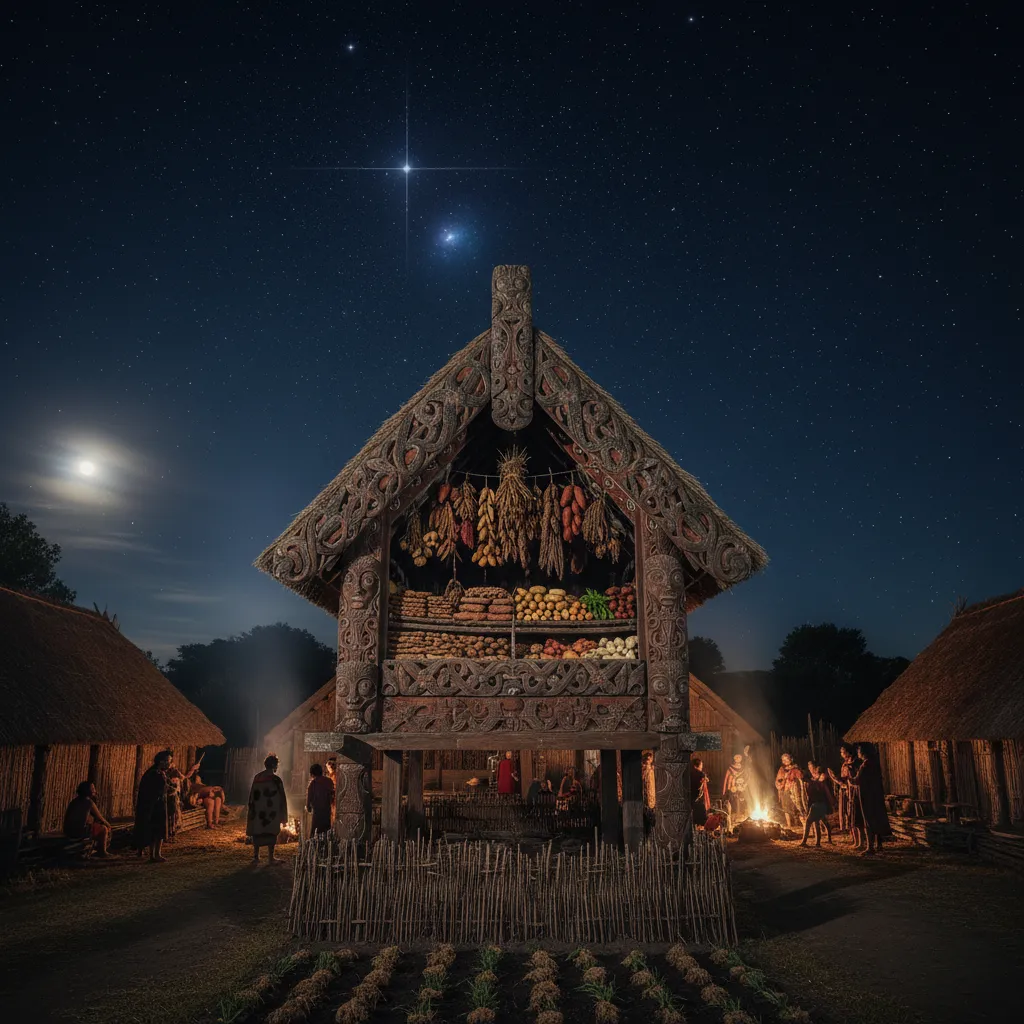
A famous whakataukī (proverb) associated with this star is “Puanga kai rau,” which translates to “Puanga of a hundred foods” or “Puanga of the abundant harvest.” This phrase encapsulates the historical purpose of the season. By the time Puanga rises, the harvesting of kūmara (sweet potato) and other crops should be complete. The food stores (pātaka) should be full.
Therefore, the appearance of Puanga was a signal to stop major outdoor labor. It marked the time to retreat indoors, process the harvested food, weave, carve, and share knowledge. It was a time of abundance where the hard work of summer and autumn paid off, allowing the community to survive the harsh winter months.
Reading the Star for Weather Prediction
Historically, tohunga (experts/priests) would closely observe the appearance of Puanga when it first rose. The visual characteristics of the star were believed to predict the coming year’s productivity:
- Clear and Bright: If Puanga appeared bright and the rays were distinct, it was interpreted as a sign of a warm growing season ahead and a fruitful harvest.
- Hazy or Shimmering: If the star appeared hazy, red, or seemed to shimmer excessively, it was seen as a warning of a cold, wet winter and a potentially poor harvest for the following season.
The Regional History: Taranaki, Whanganui, and Northland
To truly grasp the history of Puanga, one must look at the specific regions where its mana (prestige) is highest. The distinction between Matariki and Puanga is not just astronomical; it is a marker of tribal identity.
The Whanganui and Taranaki Connection
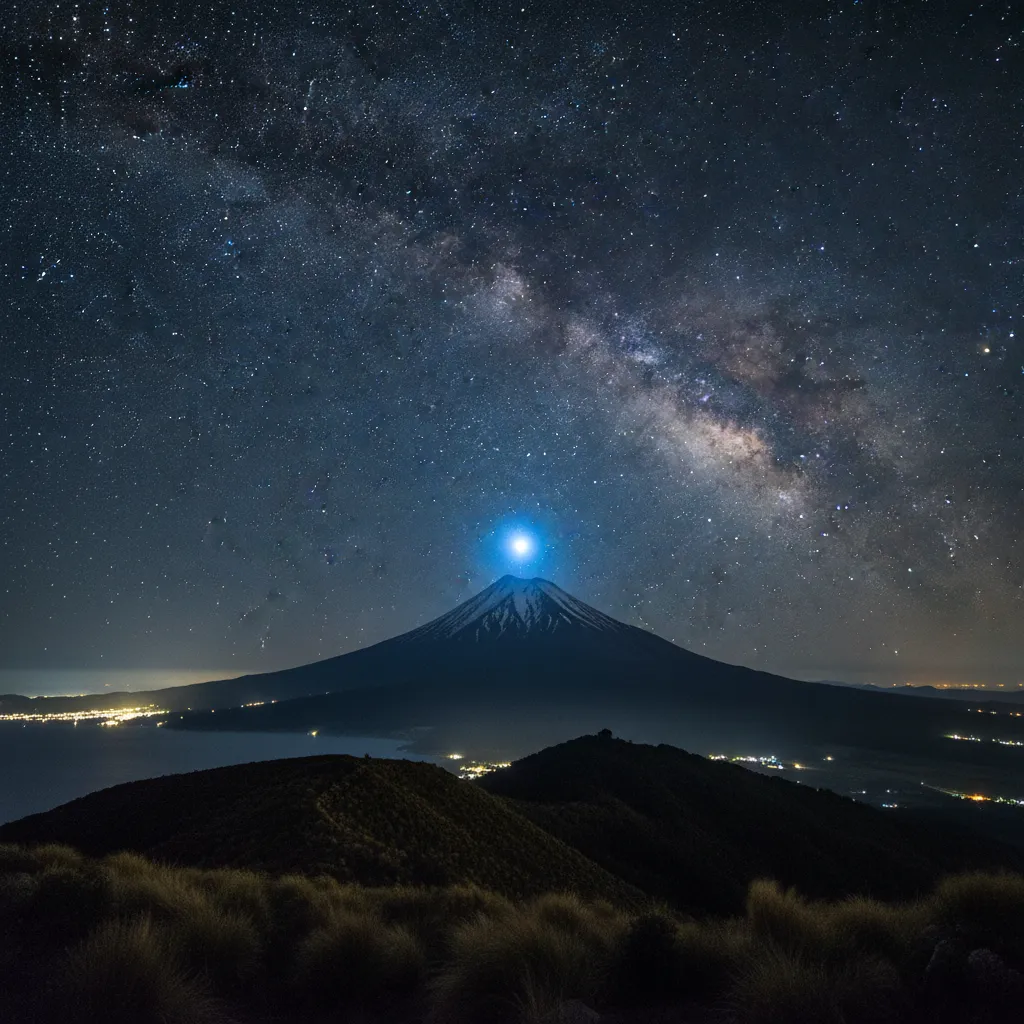
In the Taranaki and Whanganui regions, the landscape is dominated by Mount Taranaki and the rugged hill country. From many vantage points in these areas, the eastern horizon where Matariki rises is blocked by the mountain or high ranges. Consequently, the tribes of Taranaki and Whanganui developed a deep historical reliance on Puanga, which rises in the north-east and travels higher across the sky.
For the Whanganui iwi, the river is the central artery of life, and Puanga is the celestial counterpart. The period of Puanga is historically a time for wānanga (learning forums). As the rivers swelled with winter rain, travel became difficult, so communities would gather in the marae to recite whakapapa (genealogy) and teach the younger generation.
Te Tai Tokerau (Northland)
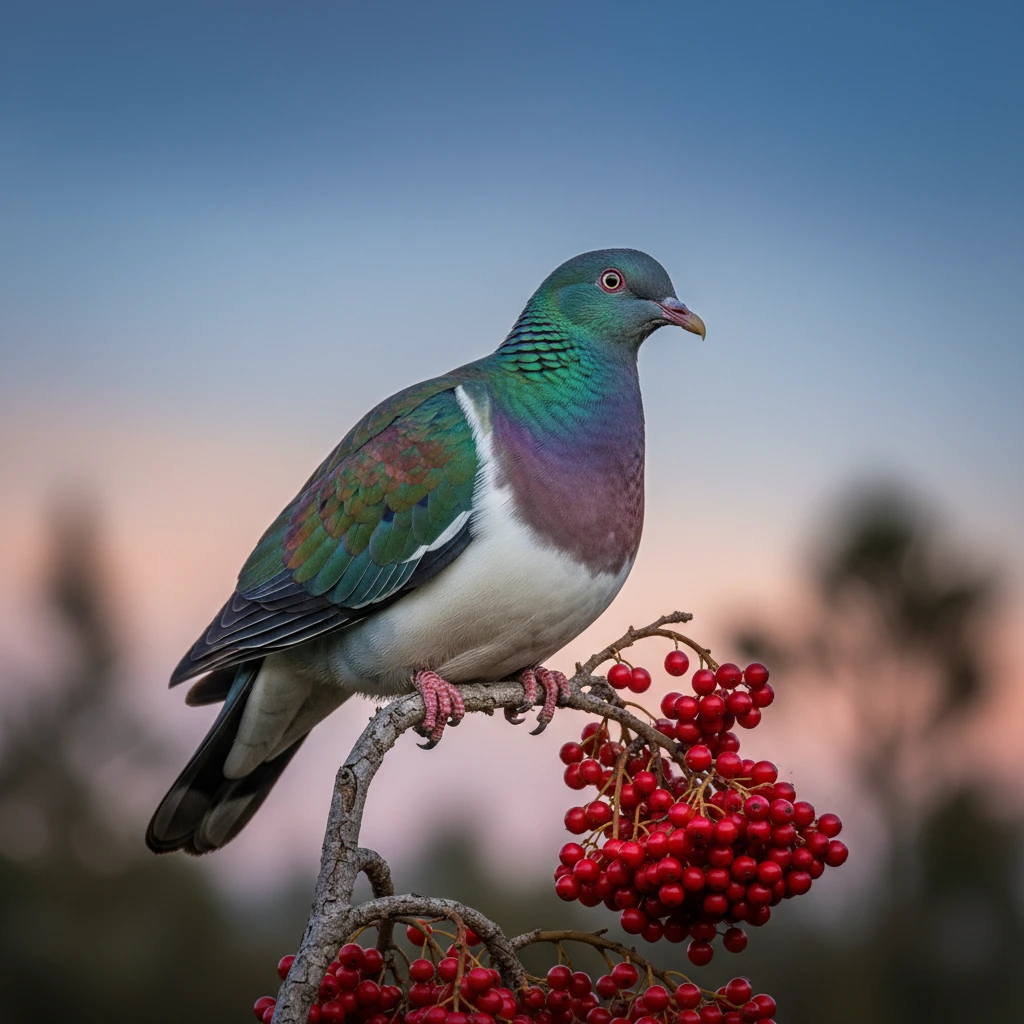
In the Far North (Te Tai Tokerau), Puanga also holds significant status. Here, the history of Puanga is linked to the kererū (wood pigeon). The rising of the star coincides with the time when the kererū are fattest after feasting on miro berries. This was historically a critical time for hunting and preserving birds for the months ahead. The connection between the star and the food source is a recurring theme in the history of Puanga.
The Revival of Puanga Celebrations
Like many aspects of Māori culture, the observation of Puanga suffered a decline during the process of colonization. The introduction of the Gregorian calendar and the suppression of tohunga practices meant that for many decades, the specific knowledge of Puanga was kept alive only within a few families.
The Renaissance
However, the last twenty years have seen a massive renaissance in Māori astronomy. As the campaign to make Matariki a public holiday gained momentum, iwi from the west and north ensured that Puanga was recognized alongside it. They advocated successfully that the public holiday should acknowledge regional variances.
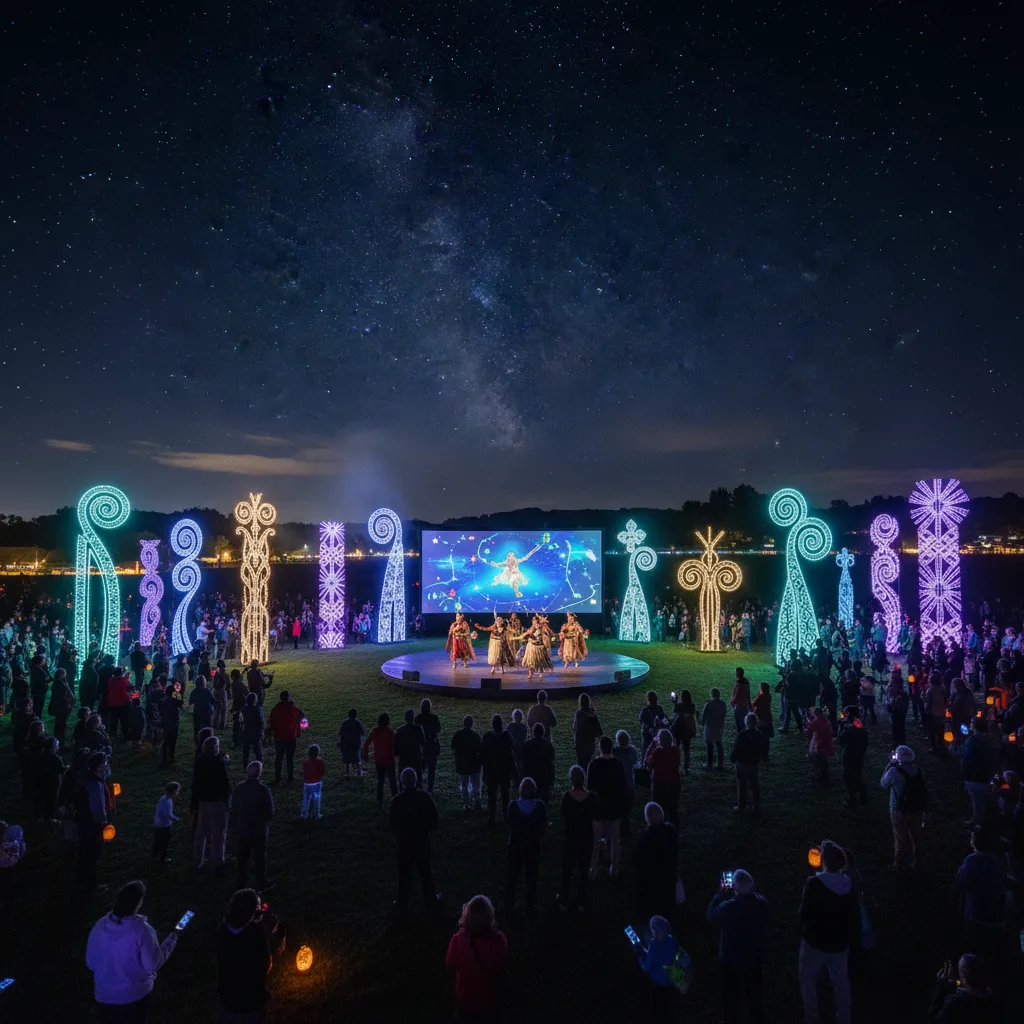
Today, the history of Puanga is honored through vibrant festivals, particularly in New Plymouth and Whanganui. These celebrations often include:
- Remembrance: Calling out the names of those who have passed away since the last rising of Puanga.
- Arts and Performance: Kapa haka competitions and visual art installations.
- Environmental Action: Tree planting ceremonies to honor the earth.
Educational Resources and Modern Significance
The inclusion of Puanga in the national curriculum is a significant step in preserving its history. Schools in Taranaki and Northland now utilize the season to teach students about astronomy, physics, and ecology through an indigenous lens.
For the Dark Sky Tourism niche, Puanga offers a unique opportunity. While Matariki is a cluster that requires a dark horizon to see clearly, Puanga (Rigel) is the seventh brightest star in the sky. It is easily visible even in areas with some light pollution, making it an excellent entry point for amateur astronomers and tourists. Educational resources now emphasize looking for “The Pot” (Orion’s Belt) to find Puanga, bridging the gap between Western and Māori astronomical traditions.
Frequently Asked Questions
What is the difference between Puanga and Matariki?
Matariki is a star cluster (The Pleiades), while Puanga is a single bright star (Rigel). They both signal the Māori New Year, but Puanga is observed by tribes in western and northern regions where Matariki is often obscured by mountains or geography.
When does Puanga rise?
Puanga typically rises in the pre-dawn eastern sky in late May or June. The exact timing varies slightly depending on latitude and the specific phase of the moon within the Māori lunar calendar.
Which iwi celebrate Puanga instead of Matariki?
Iwi (tribes) primarily in the Taranaki, Whanganui, and parts of the Far North (Te Tai Tokerau) regions celebrate Puanga. This includes tribes such as Te Āti Awa, Ngāruahine, and Ngāti Ruanui.
What does “Puanga kai rau” mean?
It translates to “Puanga of a hundred foods” or “Puanga of the abundant harvest.” It signifies the time of year when food stores are full, and the hard work of the harvest is complete.
How do I find Puanga in the sky?
Look for the constellation Orion (often called “The Pot”). Puanga (Rigel) is the bright blue-white star located above the three stars of Orion’s Belt (from a Southern Hemisphere perspective, looking East/North-East).
Is Puanga a public holiday?
The public holiday is officially named “Matariki,” but the legislation acknowledges Puanga. The date of the holiday shifts annually to align with the maramataka (lunar calendar) and covers the period when both celestial bodies are significant.