Hiwa-i-te-rangi is the specific star within the Matariki cluster (Pleiades) associated with granting wishes, setting aspirations, and realizing dreams for the upcoming year. In Māori tradition, it is to Hiwa-i-te-rangi that people send their heart’s desires, hoping for prosperity and success as the new lunar year begins.
As the Matariki cluster rises in the mid-winter sky, signaling the Māori New Year, eyes turn upward not just to remember those who have passed, but to look forward with hope. Among the nine visible stars of Matariki, one holds a special place for dreamers and visionaries: Hiwa-i-te-rangi. This star is the guardian of our aspirations, the celestial entity to whom we entrust our goals for the year ahead.
Who is Hiwa-i-te-rangi?
Hiwa-i-te-rangi is the youngest child of Rehua and Matariki within the celestial narrative. Her name can be translated to mean “vigorous of growth” or “prosperous in the heavens.” While other stars in the cluster govern specific environmental domains—such as Tupu-ā-nuku for food from the earth or Waitī for fresh water—Hiwa-i-te-rangi is unique because her domain is abstract. She governs the desires of the heart.
In many ways, Hiwa-i-te-rangi aligns with the universal human practice of “wishing upon a star.” However, within the context of Matariki, this is not a frivolous act of fantasy but a solemn and spiritual practice of setting the trajectory for the coming year. She represents the potential for growth, the breaking of new ground, and the hope that the future will be better than the past.
The Role of Hiwa-i-te-rangi in Aspirations
The rising of Matariki is a time of transition. It marks the end of one cycle and the beginning of another. In this transition, two stars play pivotal, opposing roles: Pōhutukawa and Hiwa-i-te-rangi.
Connecting Past and Future
Pōhutukawa is the star connected to the dead; it is where we mourn those lost in the previous year. Once the grieving is done and the names of the departed are called out (a ceremony known as ‘whāngai i te hautapu’), the focus shifts to Hiwa-i-te-rangi. This duality ensures a psychological and spiritual balance: we acknowledge our history and loss, but we do not dwell there. We move toward light, life, and ambition.
The Guardian of Desires
Hiwa-i-te-rangi’s role is to receive the aspirations of the people. These are not merely material wishes but deep-seated intentions for wellbeing, community success, and personal development. By focusing on Hiwa-i-te-rangi wishes, individuals articulate their goals, which is the first psychological step toward achieving them. In traditional Māori society, declaring one’s intentions to the stars was a way of binding oneself to a path of action.
How to Send Your Hiwa-i-te-rangi Wishes
Participating in the tradition of sending wishes to Hiwa-i-te-rangi can be a profound personal ritual. While there are formal ceremonies conducted by iwi (tribes) and hapū (sub-tribes), individuals and families can also observe this practice in a respectful and meaningful way.
The Early Morning Ritual
Traditionally, Matariki is observed in the pre-dawn hours (around 5:00 AM to 6:30 AM) when the cluster rises on the northeastern horizon. To send your wishes:
- Find a Dark Sky Location: Go to a place away from city lights where the horizon is visible.
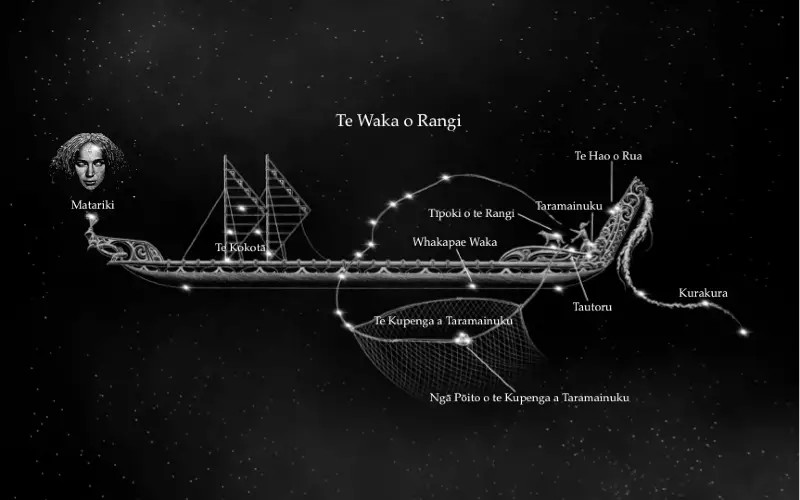
- Locate the Cluster: Find the three stars of Orion’s Belt (Tautoru), follow the line left to the triangular face of Taurus (Te Kokotā), and continue left to the cluster of Matariki.
- Focus Your Intention: Clear your mind of daily clutter. Focus intensely on your primary goal or wish for the year.
- Vocalize or Internalize: You may speak your wish aloud to the star or hold it silently in your heart. The key is the sincerity and depth of the intention.
Setting Intentions for the Year Ahead
While “wishing” implies a passive hope that something will happen, the concept of Hiwa-i-te-rangi wishes is closer to setting a strategic intention. It is about aligning your wairua (spirit) with your actions.
From Wish to Action
When you cast a wish to Hiwa-i-te-rangi, you are essentially engaging in goal visualization. To make the most of this cultural practice, consider the following framework for your intentions:
- Specificity: Instead of wishing for “happiness,” wish for the specific conditions that bring you joy, such as “reconnecting with my whānau (family)” or “mastering a new skill.”
- Community Focus: Matariki is a communal event. Include wishes that benefit your community or environment, not just yourself.
- Sustainability: Align your wishes with the natural world, reflecting the environmental focus of the other Matariki stars.
Journaling the Journey
A modern adaptation of this tradition is to write your wishes down. Create a “Hiwa-i-te-rangi Journal.” On the morning of Matariki, write down your goals. Seal the page or envelope, and do not open it until the next rising of Matariki. This serves as a time capsule of your growth and allows you to reflect on how Hiwa-i-te-rangi has guided you through the seasons.

The Cultural Context of the Wishing Star
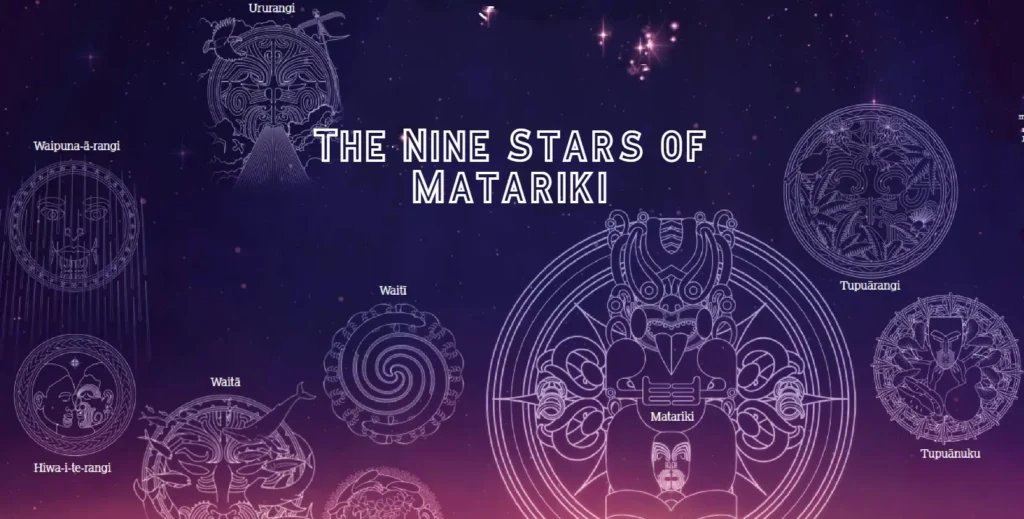
To fully appreciate the significance of Hiwa-i-te-rangi, one must understand her place within the wider whānau (family) of stars. Dr. Rangi Mātāmua, a leading Māori astronomer, identifies nine stars in the cluster, whereas many other cultures only identify seven (the Seven Sisters).
The inclusion of Pōhutukawa and Hiwa-i-te-rangi is significant because they represent the human element—life and death—amidst the agricultural and environmental stars. While Tupu-ā-nuku (food from soil), Tupu-ā-rangi (food from the sky), Waitī (fresh water), Waitā (salt water), Waipuna-ā-rangi (rain), and Ururangi (winds) dictate the physical survival of the people, Hiwa-i-te-rangi dictates their spiritual progression.
This demonstrates that for Māori, survival was not just about food and weather; it was about hope, ambition, and the mental fortitude to plan for the future. Hiwa-i-te-rangi is the embodiment of the Māori proverb: “Whaowhia te kete mātauranga” (Fill the basket of knowledge), as she encourages the pursuit of things not yet attained.
Educational Activities for Children regarding Hiwa-i-te-rangi
Teaching children about Hiwa-i-te-rangi is a fantastic way to introduce concepts of goal setting, astronomy, and cultural appreciation. Here are several activities tailored for young learners.
1. The Wishing Star Wall
Create a classroom or home display dedicated to Hiwa-i-te-rangi. Cut out large stars from silver or gold cardboard. Have children write or draw their wish for the year on the star. Place these stars high up on a wall or hang them from the ceiling. This visual representation keeps their goals in sight throughout the year.
2. Planting Seeds of Hope
Since Matariki is also about the environment, combine the concepts. Have children plant a seed or a bulb. As they plant it, ask them to whisper a wish to Hiwa-i-te-rangi into the soil. As they nurture the plant over the coming months, explain that their wish also needs work and care to grow, just like the plant.
3. Star Navigation Craft
Help children understand where Hiwa-i-te-rangi sits in the cluster. Use black construction paper and star stickers. Have them map out the nine stars. Use a special, glittery sticker for Hiwa-i-te-rangi to distinguish her as the wishing star. Discuss why she is special and what makes her different from the other stars.

How to Locate Hiwa-i-te-rangi in the Sky
For those wishing to make a direct connection, finding the specific star within the cluster is a rewarding challenge. The Matariki cluster appears low on the northeast horizon before sunrise in mid-winter (June/July).
To pinpoint Hiwa-i-te-rangi:
- Identify the main body of the cluster.
- Matariki (the mother star) is the brightest and usually in the center.
- Hiwa-i-te-rangi is generally depicted as being further away from the central group, often to the side or “above” the others, symbolizing her role in looking forward and reaching high.
- Binoculars or a small telescope are highly recommended, as the separation between the nine stars can be difficult to see with the naked eye, especially in areas with light pollution.
By taking the time to locate her, you demonstrate dedication to your wishes. It transforms the abstract idea of a resolution into a tangible interaction with the cosmos.
What does Hiwa-i-te-rangi mean in English?
Hiwa-i-te-rangi is often translated as “vigorous of growth” or “prosperous in the heavens.” It refers to the star’s capacity to help life flourish and wishes to be granted.
Why do we send wishes to Hiwa-i-te-rangi?
We send wishes to Hiwa-i-te-rangi because she is the star in the Matariki cluster designated as the guardian of aspirations and the future. It is a cultural practice to set intentions for the new year through her.
Is Hiwa-i-te-rangi the youngest star?
In Māori mythology regarding Matariki, Hiwa-i-te-rangi is often considered the youngest child of Rehua and Matariki, representing the new potential and future growth of the coming year.
When is the best time to see Hiwa-i-te-rangi?
The best time to see Hiwa-i-te-rangi is during the rising of Matariki in mid-winter (June or July), specifically in the early morning before dawn, looking toward the northeast horizon.
Can I make a wish to Hiwa-i-te-rangi at any time?
While you can set intentions anytime, the cultural tradition of Hiwa-i-te-rangi wishes is specifically tied to the Māori New Year (Matariki), as this is the period of renewal and resetting for the year ahead.
What is the difference between Matariki and Hiwa-i-te-rangi?
Matariki is the name of the entire star cluster (and the central mother star), while Hiwa-i-te-rangi is one specific star within that cluster responsible for wishes and aspirations.