
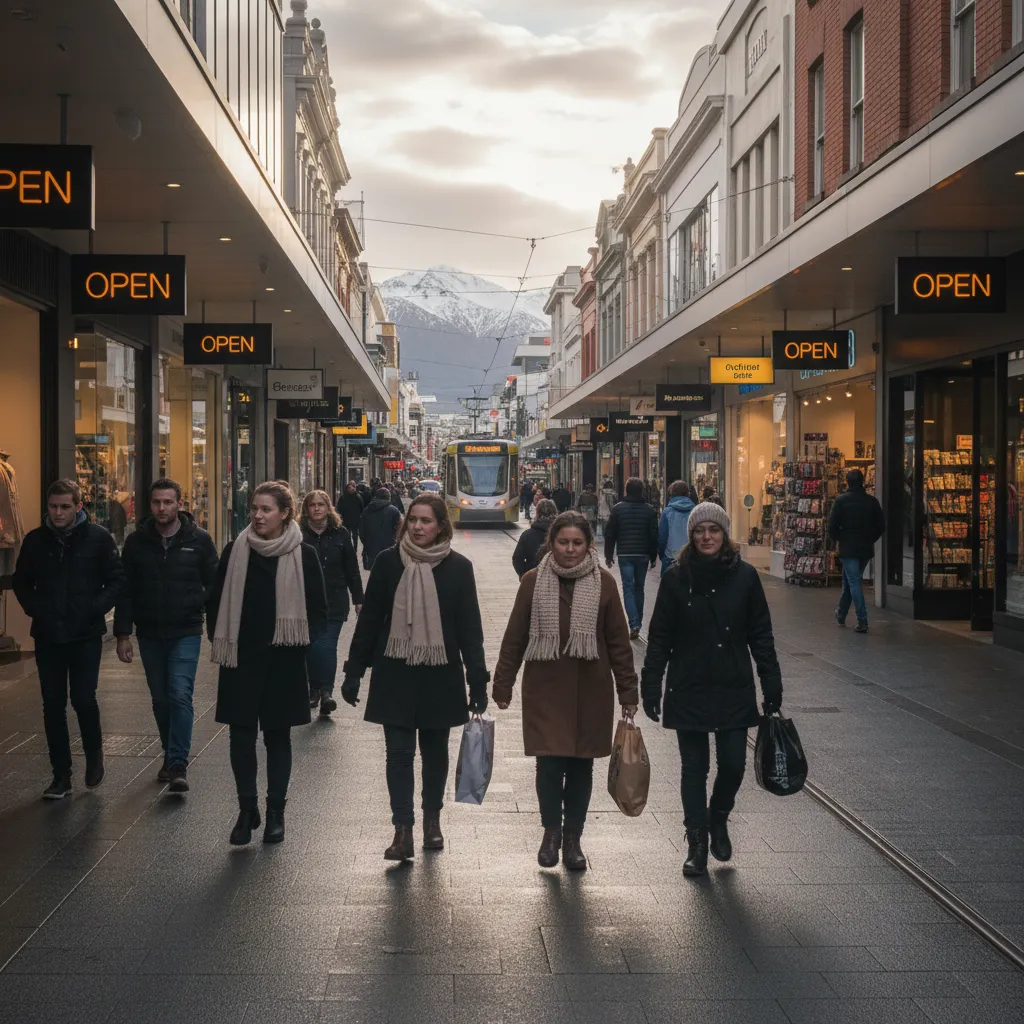
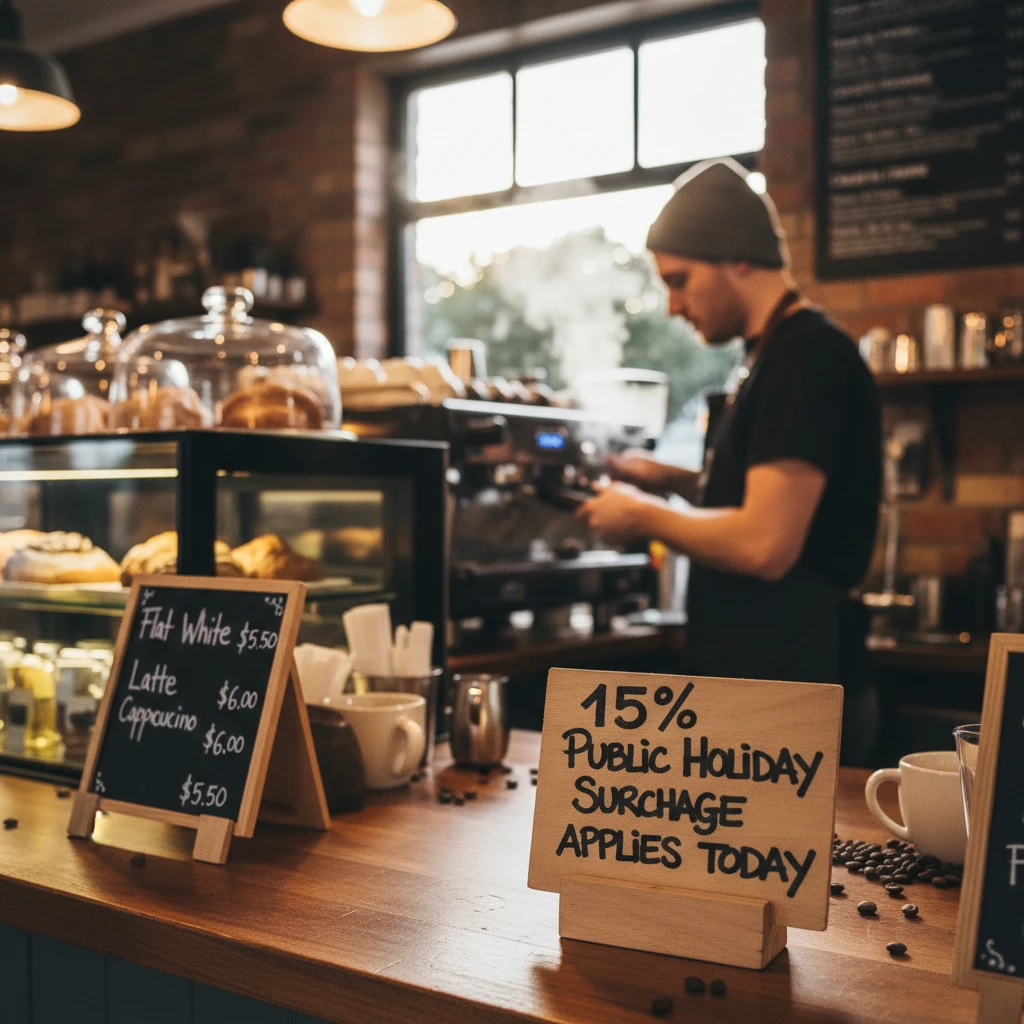
Matariki is a standard public holiday in New Zealand, meaning shops are generally permitted to open with no specific restricted trading hours. Unlike Good Friday or Easter Sunday, retailers—including supermarkets, malls, and cafes—can operate freely, though many may choose reduced hours. Consumers should expect a 15% surcharge at hospitality venues to cover holiday wage costs.
As New Zealand’s newest public holiday, Matariki marks the Māori New Year and typically falls in June or July. Because it is not classified as a “restricted shop trading day” under the Shop Trading Hours Act 1990, the decision to open rests largely with individual business owners. While major chains usually remain open, smaller boutiques and regional services may close to allow staff to celebrate.
Understanding Matariki Trading Laws
One of the most common questions surrounding the Matariki long weekend is whether it falls under the same strict closure rules as Easter or Christmas. The short answer is no. To plan your logistics effectively, it is crucial to understand the legal framework that governs this holiday.
Is Matariki a Restricted Trading Day?
In New Zealand, there are only three and a half days where strict trading restrictions apply: Christmas Day, Good Friday, Easter Sunday, and ANZAC Day (until 1:00 pm). Matariki is not on this list.
This means that legally, any shop can open on Matariki if they choose to. There are no fines for opening, and businesses do not need to apply for special exemptions. However, because it is a statutory public holiday, strict employment laws still apply regarding staff wages. This financial implication is often the deciding factor for small businesses when choosing whether to open their doors.
Employee Rights and Business Decisions
While shops are allowed to open, they must pay eligible employees “time and a half” (1.5x their normal hourly rate) and provide a paid day off in lieu if the employee would normally work that day. This significantly increases operating costs for the day.
For shoppers, this means that while large retailers like The Warehouse, Kmart, and Westfield malls will almost certainly be open, your local independent bakery or boutique might decide it isn’t financially viable to trade. Always check the social media pages of small local businesses before making a special trip.
Public Holiday Surcharges
If you are planning to dine out or grab a coffee during the Matariki long weekend, you should budget for higher prices. It is standard practice in the New Zealand hospitality industry to apply a surcharge on public holidays.
Why Do Cafes Charge Extra?
The surcharge, typically ranging between 10% and 15%, is directly related to the employment laws mentioned above. Because restaurant owners must pay staff significantly more to work on the public holiday, these costs are passed on to the consumer.
Legally, businesses must clearly display any surcharge. This can be done via:
- Signs at the entrance.
- Notices on the menu.
- A visible declaration at the point of sale (register).
If you do not see a sign, you are within your rights to ask before ordering. While some major fast-food chains may absorb the cost, almost all independent cafes and restaurants will apply the fee.
Retail and Service Availability Guide
To help you structure your errands and shopping trips, we have compiled a breakdown of what services are typically available during Matariki.
Supermarkets and Liquor Stores
Supermarkets: Major chains such as Woolworths (Countdown), New World, and PAK’nSAVE will be open. However, they often operate on reduced hours, similar to a Sunday schedule (e.g., 8:00 am to 9:00 pm rather than 7:00 am to 10:00 pm).
Liquor Stores: Alcohol sales are permitted. Unlike Good Friday or Easter Sunday, there are no restrictions on buying alcohol from supermarkets or liquor stores on Matariki.
Banks and Postal Services
This is where you are most likely to encounter closures. As Matariki is a statutory holiday:
- Banks: Physical branches will be closed nationwide. ATMs and online banking services will remain operational.
- NZ Post: There will be no mail delivery and no courier services. Post Shops will be closed. If you have urgent parcels, they must be sent prior to the weekend.
- Government Offices: WINZ, IRD, and local council offices will be closed.
Travel Logistics and Road Safety
The Matariki long weekend has quickly become a popular time for domestic travel. Because it falls in winter, logistics planning is more complex than summer holidays due to shorter daylight hours and potential road hazards.
Traffic Expectations
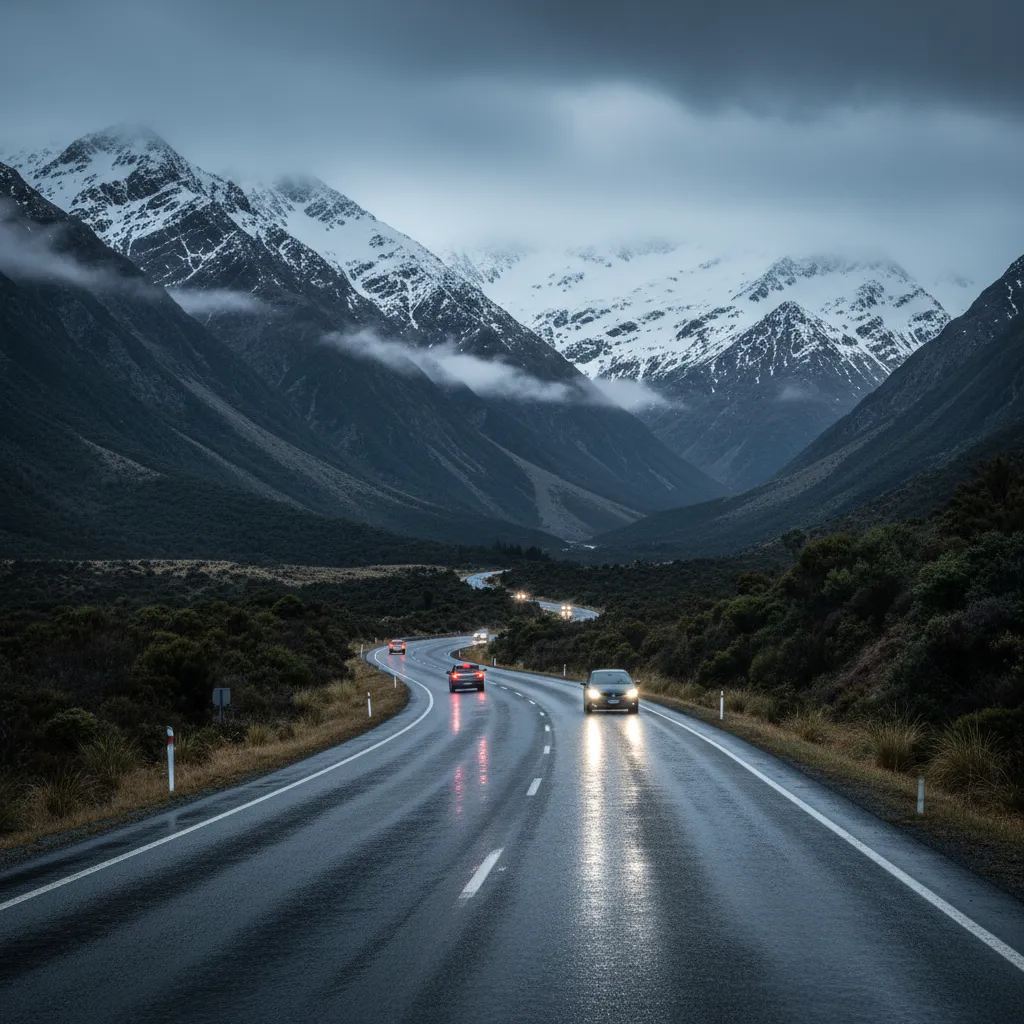
Waka Kotahi (NZ Transport Agency) typically warns of heavy traffic leaving major centers like Auckland, Wellington, and Christchurch. The congestion usually peaks:
- Friday Afternoon: 2:00 pm – 6:00 pm (Exiting cities)
- Monday Afternoon: 12:00 pm – 5:00 pm (Returning to cities)
If you are travelling out of Auckland, expect delays on SH1 north towards Warkworth and south towards the Bombays. In the South Island, traffic around ski fields (Queenstown/Wanaka) will be significantly heavier than usual.
Public Transport Schedules
Public transport does not stop, but it slows down. Most regions, including Auckland Transport and Metlink in Wellington, operate on a Sunday or Public Holiday Timetable.
- Buses & Trains: Reduced frequency. Check the app before you travel, as your usual commuter bus will likely not be running.
- Ferries: Often run a limited holiday service.
Weather Expectations for the Long Weekend
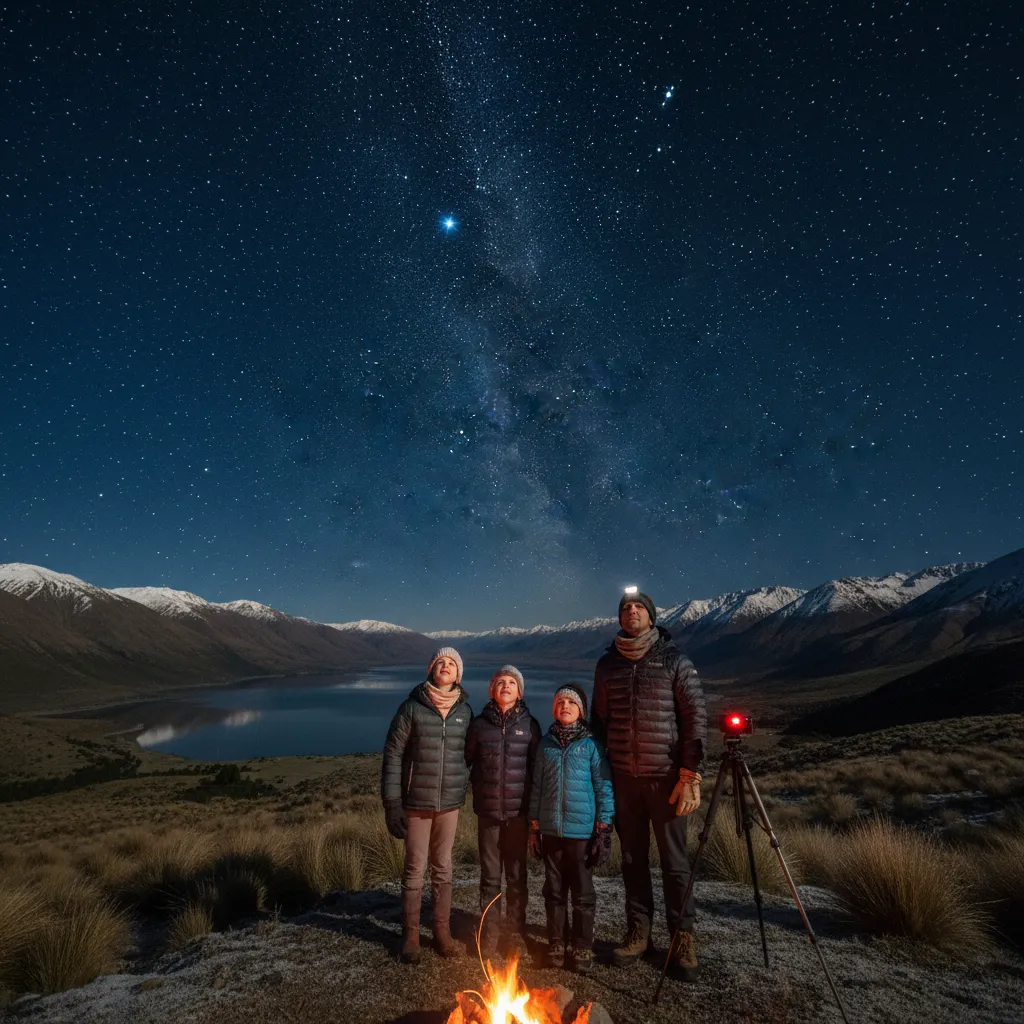
Matariki appears in the mid-winter sky, which means the holiday always falls during the coldest time of the year in New Zealand. Whether you are shopping or travelling, weather plays a critical role in logistics.
Driving Hazards
If you are travelling through the central North Island (Desert Road) or the South Island passes (Arthur’s Pass, Lindis Pass), carry snow chains. Ice and black ice are common risks during late June and July.
Shopping Comfort
For those hitting the shops, malls are popular destinations simply because they are heated. Open-air shopping precincts like Ponsonby Road or Cuba Street can be bitterly cold and wet. If you are planning a day of retail therapy, indoor shopping centers offer the most comfortable logistical option.
Strategic Planning for the Weekend
To make the most of the holiday without getting caught out by closures or traffic, follow this strategic checklist:
- Shop Early for Essentials: While supermarkets are open, shelves can get stripped of entertaining essentials (chips, dips, charcoal/wood) early. Shop on Wednesday or Thursday.
- Book Tables in Advance: Restaurants will be busy. Do not rely on walk-ins for dinner service.
- Check “Open” Status: If you need a specific specialist store (e.g., a mechanic, a hairdresser, or a trade supply store), call them on Thursday. Many trade-based businesses take the long weekend off.
- Allow Extra Travel Time: Add 30-45 minutes to any road trip estimate to account for holiday congestion and winter driving speeds.
Frequently Asked Questions
Are supermarkets open on Matariki?
Yes, most supermarkets including Countdown, New World, and PAK’nSAVE are open on Matariki. They usually operate on reduced hours (e.g., 8am–9pm), so it is wise to check your local store’s specific hours online before heading out.
Do I have to pay a surcharge at cafes on Matariki?
Yes, most likely. Because businesses must pay staff time-and-a-half on public holidays, cafes and restaurants typically add a surcharge of 10-15% to the bill. They are legally required to display signage alerting you to this extra cost.
Is alcohol sold on Matariki?
Yes. Matariki is not a restricted trading day like Good Friday or Easter Sunday. Liquor stores, supermarkets, and bars are permitted to sell alcohol under their normal license conditions.
Are banks and post offices open on Matariki?
No. Banks and NZ Post retail outlets are generally closed on all statutory public holidays, including Matariki. ATMs and online banking remain available, but courier deliveries will pause until the next business day.
Is public transport running on Matariki?
Yes, but usually on a reduced schedule. Most cities in New Zealand operate buses, trains, and ferries on a Sunday or Public Holiday timetable, meaning services are less frequent.
Why do some small shops close if they are allowed to open?
Small businesses often close because the cost of wages (time-and-a-half plus a day in lieu) outweighs the potential profit from opening. Others choose to close simply to allow their staff and themselves to enjoy the holiday with their families.