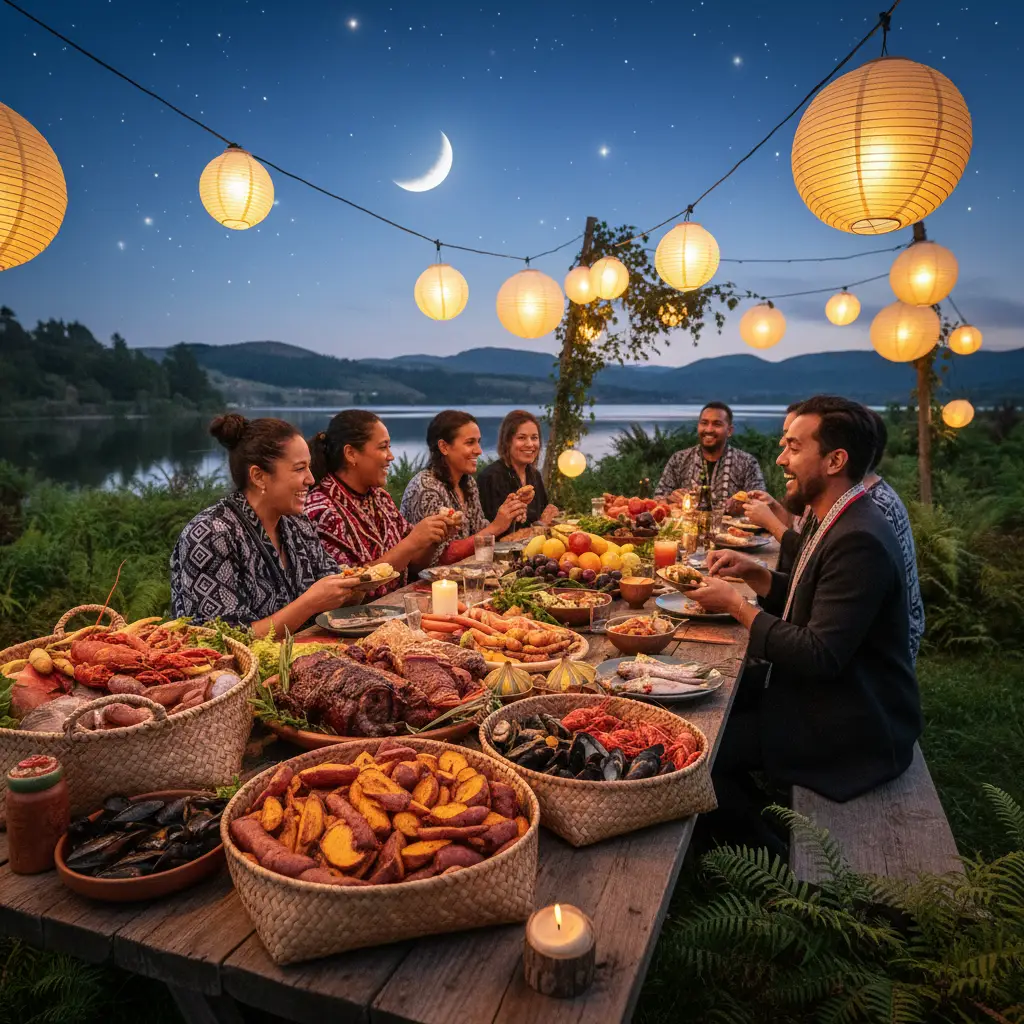
Hosting a Matariki dinner involves gathering whānau and friends to celebrate the Māori New Year through remembrance, abundance, and future aspirations. Successful Matariki dinner party ideas center on sharing a hākari (feast) featuring indigenous ingredients like kūmara and kaimoana, incorporating natural decor, and observing cultural protocols such as karakia to honor the rising star cluster.
Introduction: Embracing the Spirit of Matariki
Matariki, the Māori New Year, is a time of profound cultural significance in Aotearoa New Zealand. Marked by the rising of the Pleiades star cluster, it signals a shift in seasons and provides a unique opportunity for communities to come together. While traditionally a time for harvesting and preparing the ground for new crops, in a modern context, it has evolved into a period of reflection, celebration, and hospitality (manaakitanga).
Hosting a Matariki dinner is more than just organizing a meal; it is an act of cultural participation. It requires a thoughtful approach to the environment, the food served, and the conversations shared. Whether you are seasoned in Māori tikanga (customs) or are approaching this celebration for the first time, the goal is to create an atmosphere of warmth, gratitude, and togetherness. This guide provides comprehensive Matariki dinner party ideas to help you host a memorable and respectful event.
Setting the Scene: Decorating with Natural Elements
When considering Matariki dinner party ideas, the ambiance should reflect the connection between the stars (Ranginui) and the earth (Papatūānuku). The aesthetic of Matariki is grounded, organic, and focused on the natural world. Avoid plastic decorations or overly garish colors; instead, look to the winter landscape of New Zealand for inspiration.
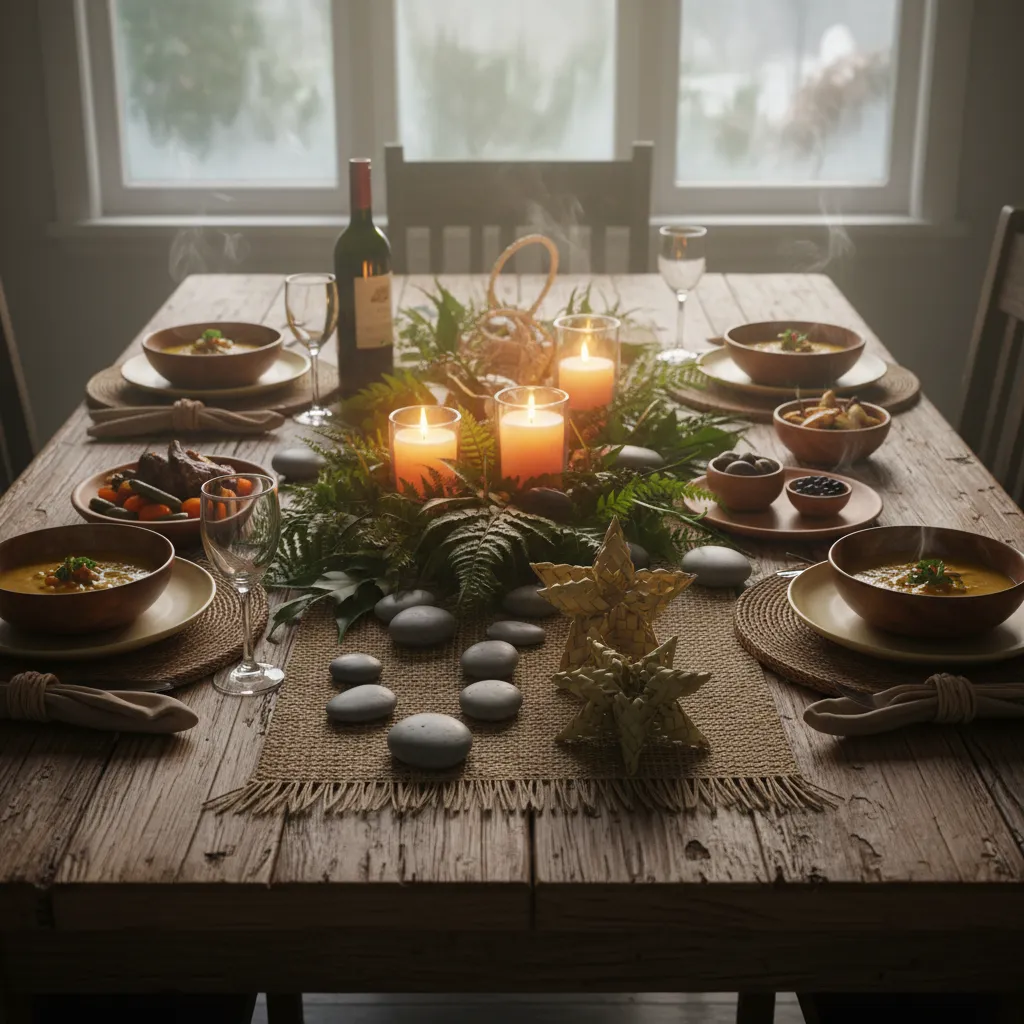
How do you decorate a table for Matariki?
To create an authentic atmosphere, utilize materials that honor Te Taiao (the environment). The color palette should be drawn from nature: deep greens of the forest, earthy browns of the soil, the black of the night sky, and the shimmering silver or gold of the stars.
- Harakeke (Flax): Woven flax flowers (putiputi) or simple flax mats (whāriki) make excellent table runners or placemats. If you have access to a weaver, traditional kete (baskets) can be used to hold bread or cutlery.
- Native Foliage: Use cuttings of Kawakawa, Ferns, or Pōhutukawa leaves as table scatter. Ensure you harvest these respectfully, taking only what you need and offering thanks to the plant.
- Light and Warmth: Matariki occurs in mid-winter. Lighting plays a crucial role in combating the cold and symbolizing the stars (Te Whānau Mārama). Use clusters of white candles to represent the Matariki constellation. String lights can also be draped across the ceiling to mimic the night sky.
- Natural Textures: Incorporate wood, stone, and clay. Earthenware plates and wooden serving platters enhance the rustic, grounded feel of the feast.
The Hākari: Menu Planning for Large Groups
Food is the heart of any Māori gathering. The hākari (feast) is a demonstration of manaakitanga—showing care and generosity to your guests. When brainstorming Matariki dinner party ideas, prioritize ingredients that are indigenous to New Zealand or have been gathered from the land and sea.
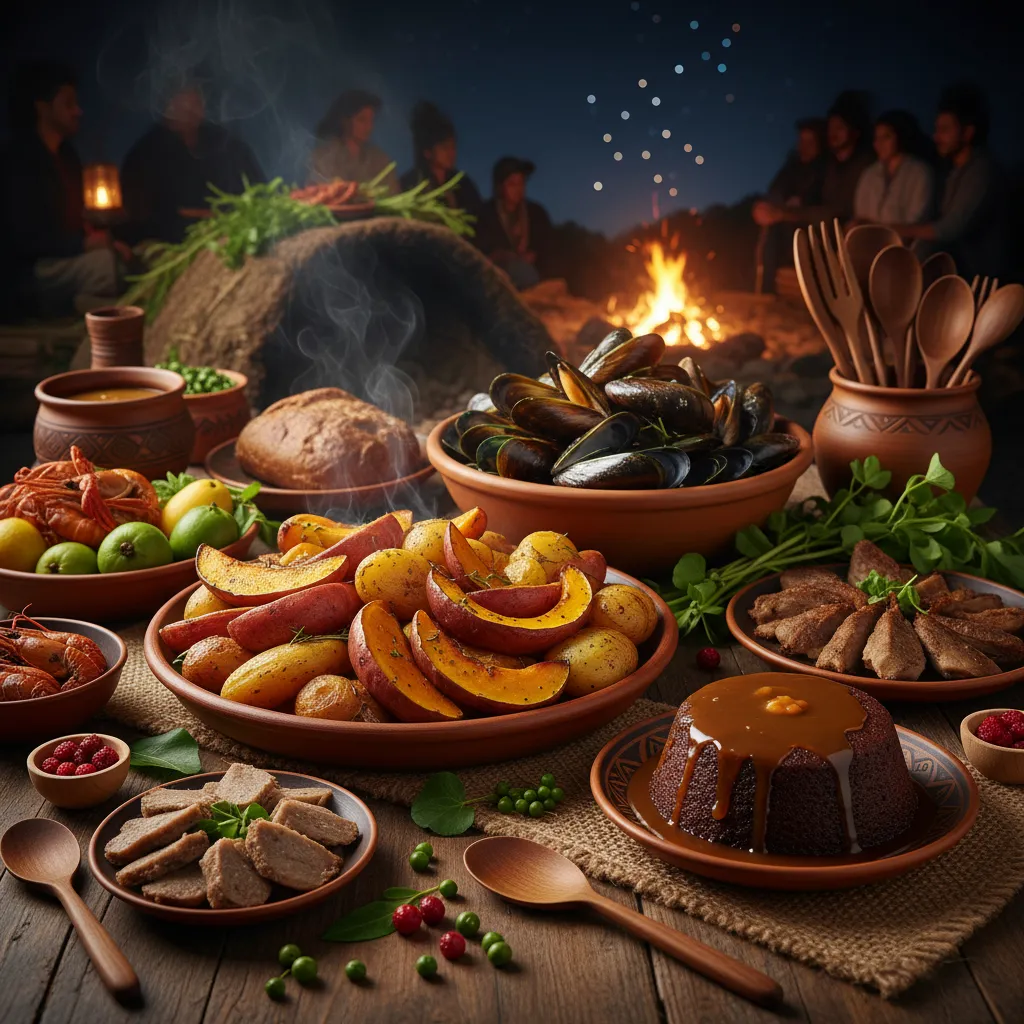
What foods are traditional for Matariki?
The Matariki stars themselves are associated with different food sources. For example, Tupu-ā-nuku is connected to food grown in the ground, while Waitā represents food from the ocean. A well-rounded menu should acknowledge these domains.
1. Kai Whenua (Food from the Land)
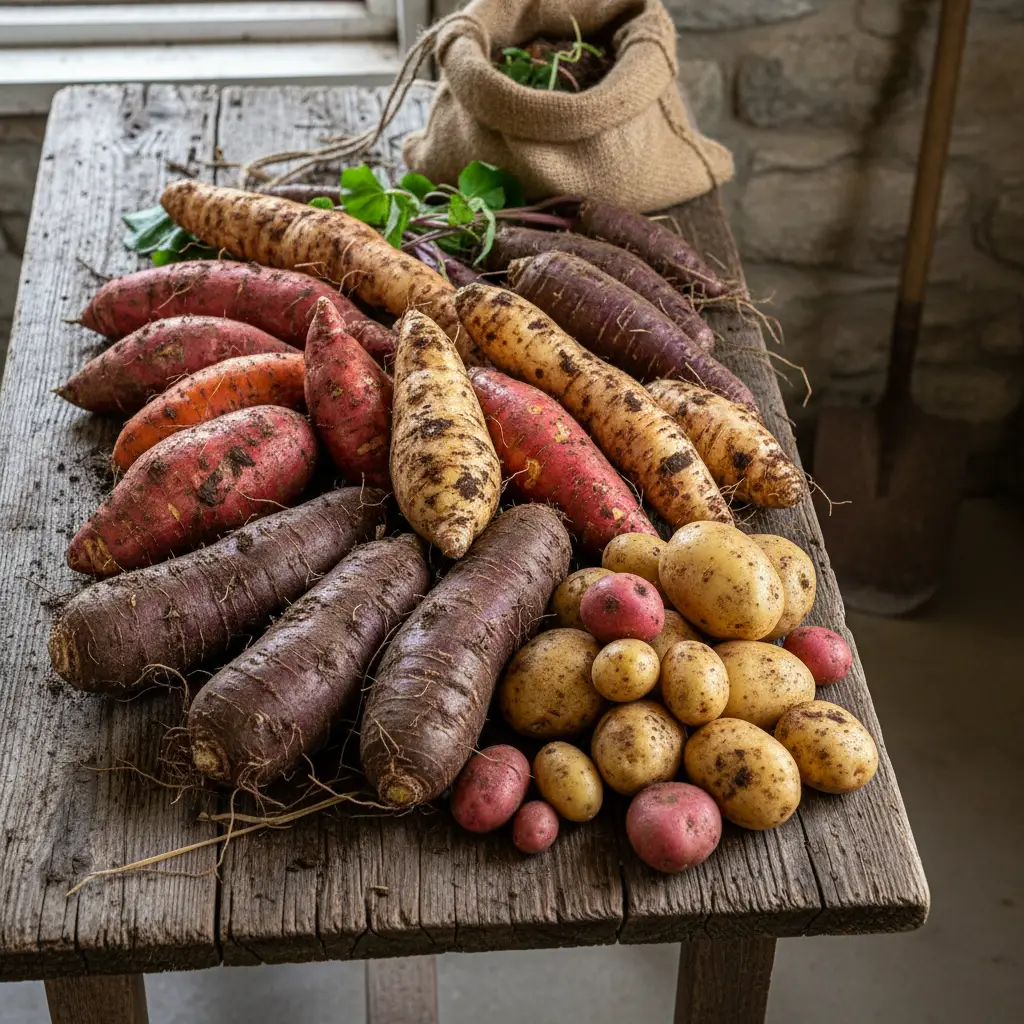
Root vegetables are a staple. Kūmara (sweet potato) is essential. Historically, Matariki signaled the time to check the storage pits to ensure the kūmara harvest was preserved.
- Roasted Root Vegetable Platter: Combine gold, orange, and red kūmara with pumpkin, parsnips, and Māori potatoes (taewa). Roast them with horopito (native pepper) and olive oil for a modern twist.
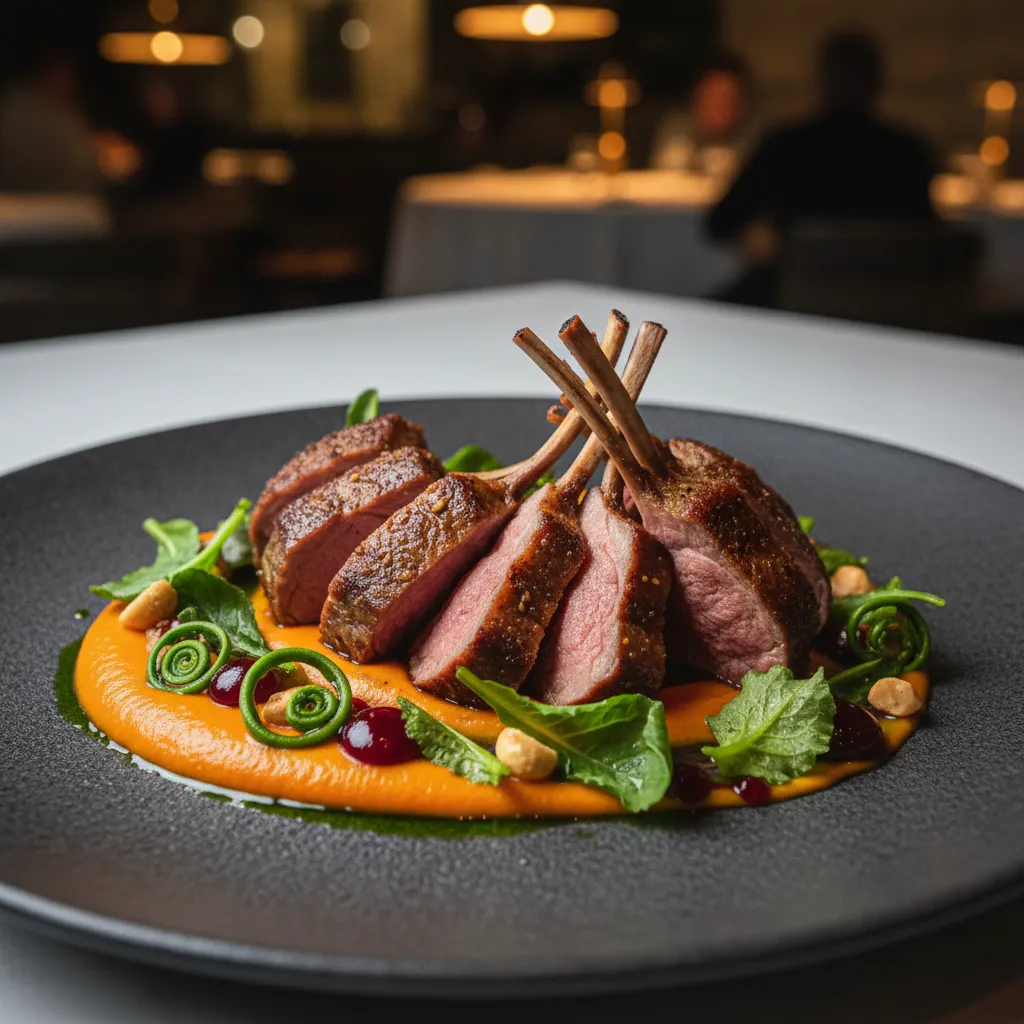
- Slow-Roasted Lamb: While not pre-colonial, lamb has become synonymous with New Zealand cuisine. A slow-roasted leg of lamb, cooked until it falls off the bone, is perfect for feeding a crowd.
2. Kai Moana (Food from the Sea)
Seafood honors the star Waitā. It brings the salt and abundance of the ocean to your table.
- Steamed Mussels (Kūtai): These are economical for large groups and delicious steamed in a broth of white wine, garlic, and fresh herbs.
- Raw Fish (Ika Mata): Fresh fish cured in lemon juice and mixed with coconut cream, diced tomatoes, and spring onions provides a refreshing contrast to the heavy roasted meats.
- Smoked Fish Pie: A comforting winter dish that combines smoked kahawai or snapper with a creamy white sauce and mashed potato topping.
3. Rewena Bread
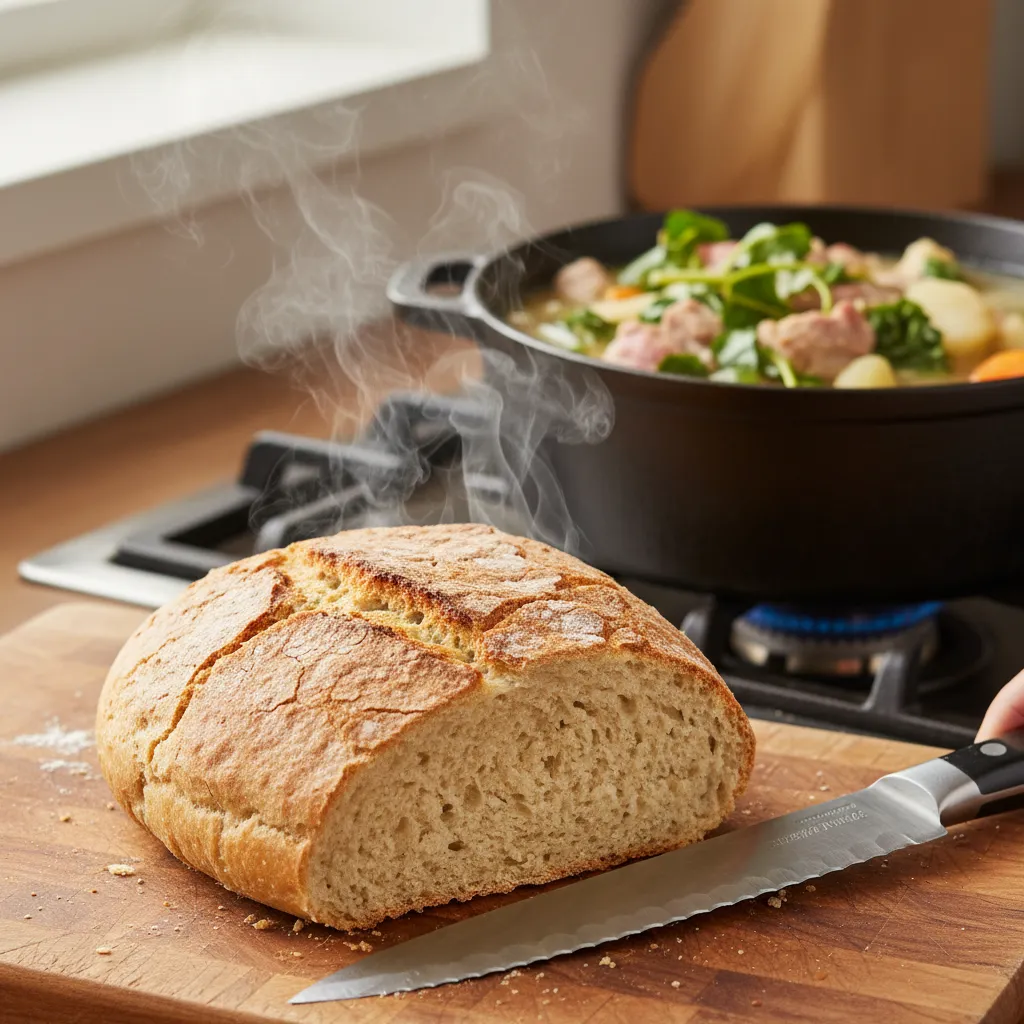
No Matariki table is complete without Rēwena parāoa. This traditional sourdough potato bread is dense, sweet, and perfect for mopping up gravies and broths. Serving this warm with butter is a gesture of true hospitality.
Cooking for a Crowd
Matariki is about community, which often means a large guest list. To manage this stress-free:
- Potluck Style: Embrace the concept of ‘bring a plate’. Ask guests to bring a dish that represents their heritage or a specific Matariki star (e.g., a vegetable dish for Tupu-ā-nuku).
- Hāngī (or Oven Hāngī): If you have the space and expertise, a traditional earth oven hāngī is the ultimate celebration. However, ‘oven hāngī’ methods using manicured cabbage leaves and smoked salts can replicate the flavor profile indoors for urban hosts.
Cultural Protocol: Incorporating Karakia Kai
Matariki is a spiritual time, and incorporating protocol adds depth to the evening. Before eating, it is customary to recite a Karakia Kai (grace). This acknowledges the source of the food, thanks the hands that prepared it, and blesses the gathering.
How to perform a Karakia Kai?
If you or your guests are not fluent in Te Reo Māori, it is perfectly acceptable to use a simple karakia or to say a grace in English that reflects the same values. The intention is respect and gratitude.
A Simple Karakia Kai:
Nau mai e ngā hua
o te wao,
o te ngākina,
o te wai tai,
o te wai Māori.
Nā Tāne
Nā Rongo
Nā Tangaroa
Nā Maru
Ko Ranginui e tū iho nei
Ko Papatūānuku e takoto nei
Tuturu whakamaua
Kia tina! TINA!
Hui e! TĀIKI E!
Translation:
Welcome the gifts of food
from the sacred forests,
from the cultivated gardens,
from the sea,
from the fresh waters.
The food of Tāne
of Rongo
of Tangaroa
of Maru
I acknowledge Ranginui who stands above me
And Papatūānuku who lies beneath me
Let this be the commitment to all!
Draw together! Affirm!
Invite a guest to lead this, or lead it yourself. Stand together, perhaps holding hands, to unify the group before breaking bread.
Meaningful Kōrero: Conversation Starters for the New Year
Once the meal has begun, the focus shifts to whanaungatanga (building relationships) and kōrero (conversation). Matariki is distinct from the Western New Year; it is less about “resolutions” and more about remembrance, celebrating the present, and looking to the future. If you are looking for ways to engage the family in the significance of the stars, checking out the Interactive Night Sky Map Tool: Locate Matariki Now can spark great discussion about the celestial elements of the celebration.

What do you talk about during Matariki?
To guide the conversation towards the themes of the holiday, consider these topics:
- Remembrance (Hiwa-i-te-rangi): Take a moment to acknowledge those who have passed away in the previous year. Share a favorite memory of a loved one. This keeps their memory alive and honors the star Pōhutukawa (connected to those who have passed).
- Gratitude for the Harvest: Go around the table and ask guests to share one thing they have “harvested” or achieved this year that they are proud of. This could be a personal growth milestone, a career success, or a relationship strengthened.
- Aspirations (Manako): The star Hiwa-i-te-rangi is the wishing star. Ask your guests: “If you could send one wish to Hiwa-i-te-rangi for the year ahead, what would it be?” This encourages vulnerability and hope.
- Connection to Nature: Discuss how everyone has connected with the environment recently. Have they noticed the changing seasons? Have they planted anything? This grounds the conversation in the physical reality of the season.
By steering the conversation toward these themes, you elevate the dinner from a simple meal to a transformative experience that strengthens the bonds between your friends and family. Exploring fun and meaningful Whānau Activities can also serve as excellent pre-dinner entertainment.
Frequently Asked Questions
What is the best time to host a Matariki dinner?
The best time is during the Matariki period, which typically runs from late June to mid-July. Dates vary annually based on the lunar calendar. An evening dinner is ideal as it aligns with the visibility of the stars and the winter season.
Can non-Māori host a Matariki dinner?
Absolutely. Matariki is a celebration for everyone in Aotearoa New Zealand. The key is to approach the celebration with respect, willingness to learn, and an appreciation for the cultural history behind the holiday. Understanding the significance of the stars, such as Ngā Mata o te Ariki: The Eyes of the God, deepens this appreciation.
Do I need to give gifts at a Matariki dinner?
Gift-giving is not a mandatory tradition for Matariki in the same way it is for Christmas. However, bringing food (koha) to share is a standard cultural expectation. If you wish to give gifts, focus on sustainable, handmade, or natural items.
What are the 9 stars of Matariki?
The nine stars are Matariki (the mother), Pōhutukawa, Tupu-ā-nuku, Tupu-ā-rangi, Waitī, Waitā, Waipuna-ā-rangi, Ururangi, and Hiwa-i-te-rangi. Each star holds dominion over a specific environmental or spiritual aspect.
How do I make the dinner kid-friendly?
Involve children in the preparation. Let them create star-shaped cookies, weave simple flax flowers, or learn the names of the stars. Storytelling is a huge part of Matariki, so reading legends about the stars is a great activity for tamariki.
What drink pairings work best for a Matariki menu?
Since the food is earthy and rich (kūmara, pork, seafood), New Zealand wines like Pinot Noir or Sauvignon Blanc pair beautifully. For non-alcoholic options, consider Kawakawa tea or sparkling water infused with lemon and mint.