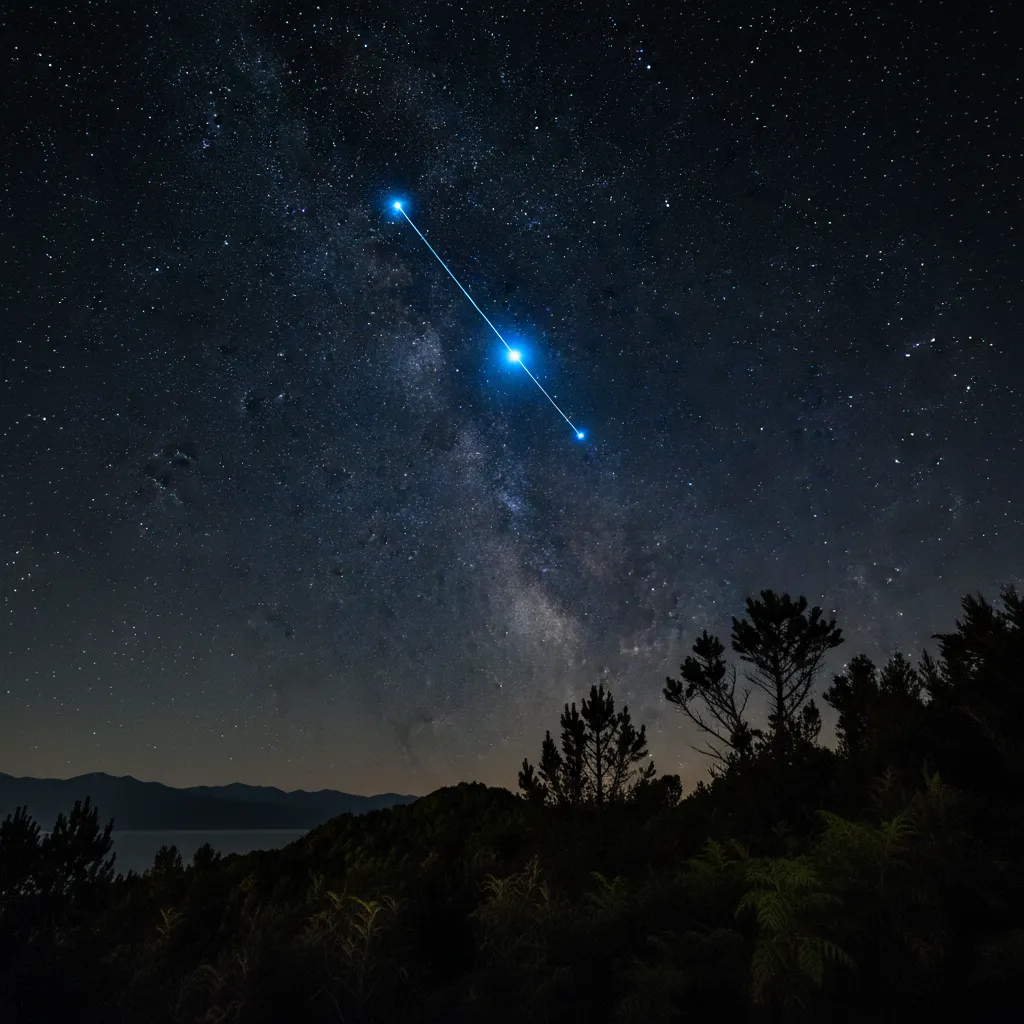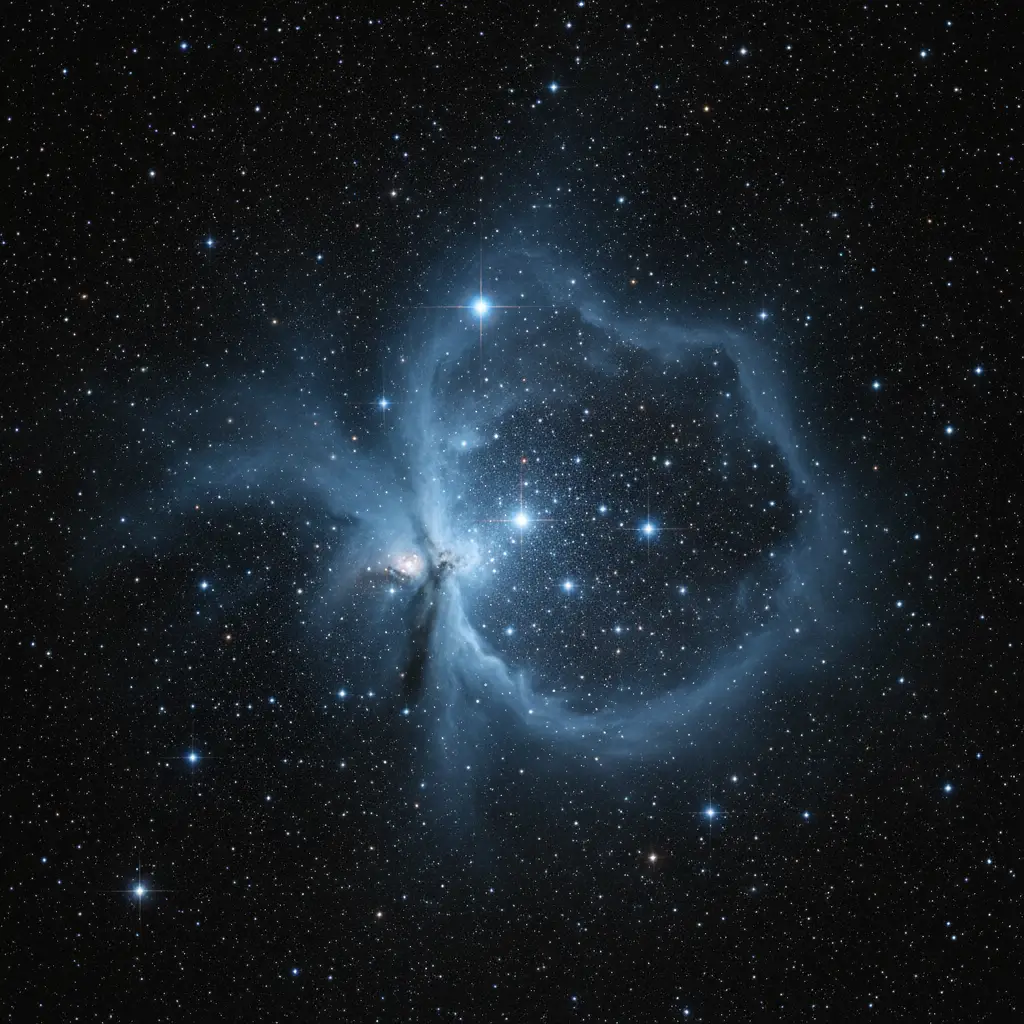
To find Matariki in the sky, look towards the northeastern horizon approximately 30 to 60 minutes before sunrise during mid-winter (late June to mid-July). Locate the three bright stars of Tautoru (Orion’s Belt), follow a line northward through the triangular shape of Te Kokota (The Face/Hyades), and continue until you reach the distinct cluster of twinkling stars known as Matariki.
For observers in New Zealand and throughout the Southern Hemisphere, the reappearance of the Matariki star cluster signals the beginning of the Māori New Year. This celestial event is not merely an astronomical curiosity; it is a profound cultural marker that has guided navigation, planting, and harvesting for centuries. While the cluster, known globally as the Pleiades, is visible for much of the year, its pre-dawn rising in mid-winter holds specific significance. Locating it requires understanding specific celestial markers and timing.
The Best Time of Day: Pre-Dawn Viewing
Timing is the single most critical factor when learning how to find Matariki in the sky. Unlike evening stargazing sessions, viewing Matariki during the New Year period requires dedication and an early start. The cluster becomes visible during its “heliacal rising”—the moment it rises above the eastern horizon just before the sun.
For the clearest view, you must be in position between 5:30 AM and 6:30 AM. This window occurs after the cluster has risen high enough to be seen over low-lying hills or structures, but before the sun’s light begins to bleed into the sky and wash out the fainter stars. Once the sky turns a light blue (civil twilight), Matariki will fade from view.
Why Mid-Winter?
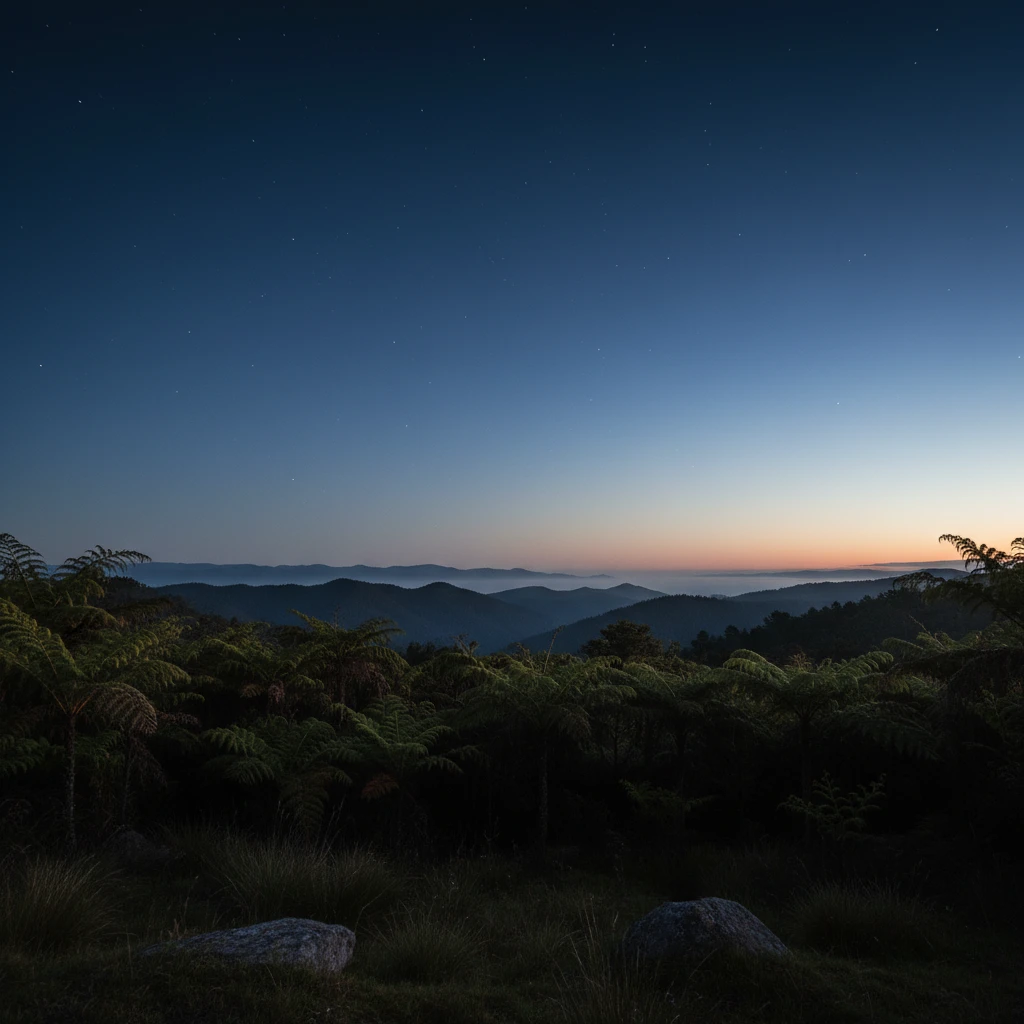
While the Pleiades cluster is visible in the night sky during summer, it appears in the west after sunset. In Māori astronomy, the New Year is marked specifically when the cluster reappears in the morning sky in the east after being absent for roughly a month. This usually aligns with the lunar phases of Tangaroa (the last quarter moon), ensuring the sky is dark enough for optimal viewing.
Compass Direction: Looking North-East
Once you are awake and outside in the crisp winter air, orientation is key. You must look towards the North-East horizon. If you have a compass or a smartphone app, orient yourself between 40 and 60 degrees azimuth.
It is essential to find a viewing spot with an unobstructed view of the horizon. Matariki does not rise directly overhead during the pre-dawn hours of June and July; it sits relatively low in the sky. Large buildings, mountain ranges, or dense forests blocking the northeastern view will make locating the cluster impossible. Coastal areas looking out over the ocean are often ideal locations because they offer a flat, uninterrupted horizon line. For those needing help with orientation, the Interactive Night Sky Map Tool: Locate Matariki Now is an excellent resource.
The Three-Step Navigation Method
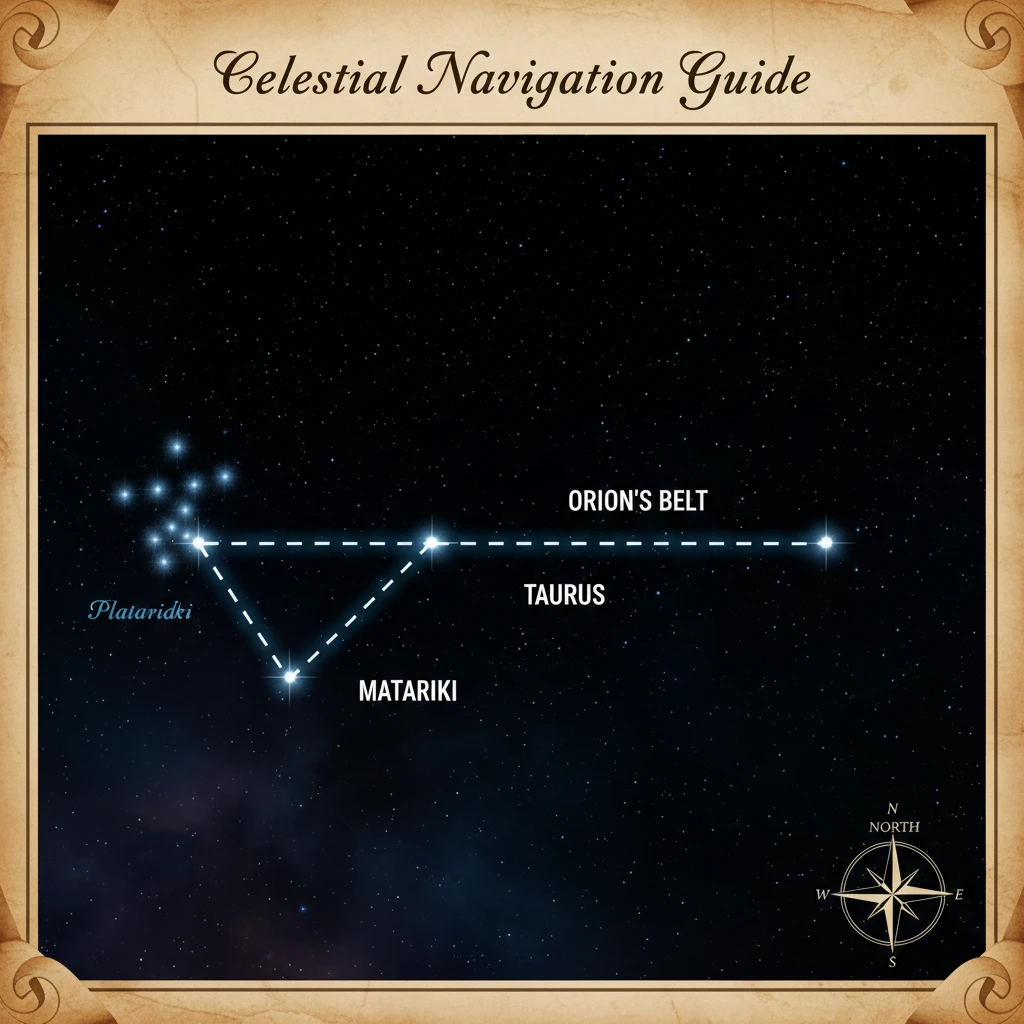
The most reliable way to locate Matariki is by using a celestial method known as “star hopping.” By identifying larger, brighter constellations first, you can navigate your way to the smaller, fainter cluster. This method utilizes Tautoru (Orion’s Belt) and Te Kokota (The Face of Taurus).
Step 1: Find Tautoru (Orion’s Belt)
Your journey begins with Tautoru, widely known as Orion’s Belt. This is one of the most recognizable features in the night sky and serves as your anchor.
- Look toward the North/North-East.
- Identify the three bright stars aligned in a distinct, straight row.
- In New Zealand skies, the pot (Orion’s sword) appears above the belt, but your focus should remain on the three stars of the belt itself.
Step 2: Locate Te Kokota (The Face)
Once you have locked onto Tautoru, imagine a straight line running through the three stars and extending northward (to your left, if you are facing East/North-East).
Follow this line until you reach a bright orange star surrounded by a V-shaped pattern of stars. This is Te Kokota (associated with the constellation Taurus). The bright orange star is Taumata-kuku (Aldebaran), which forms the eye of the bull. This V-shape is a distinct arrowhead pointing the way to your final destination.
Step 3: Arrive at Matariki
Continue following that same imaginary line past Te Kokota. Roughly the same distance from Tautoru to Te Kokota, you will continue leftward until you see a small, shimmering cluster of stars. This is Matariki.
Unlike the geometric shapes of Orion or the V-shape of Taurus, Matariki appears as a tight bunch of grapes or a small diamond of light. It is much smaller in apparent size than the constellations you used to find it.
What Does Matariki Look Like?
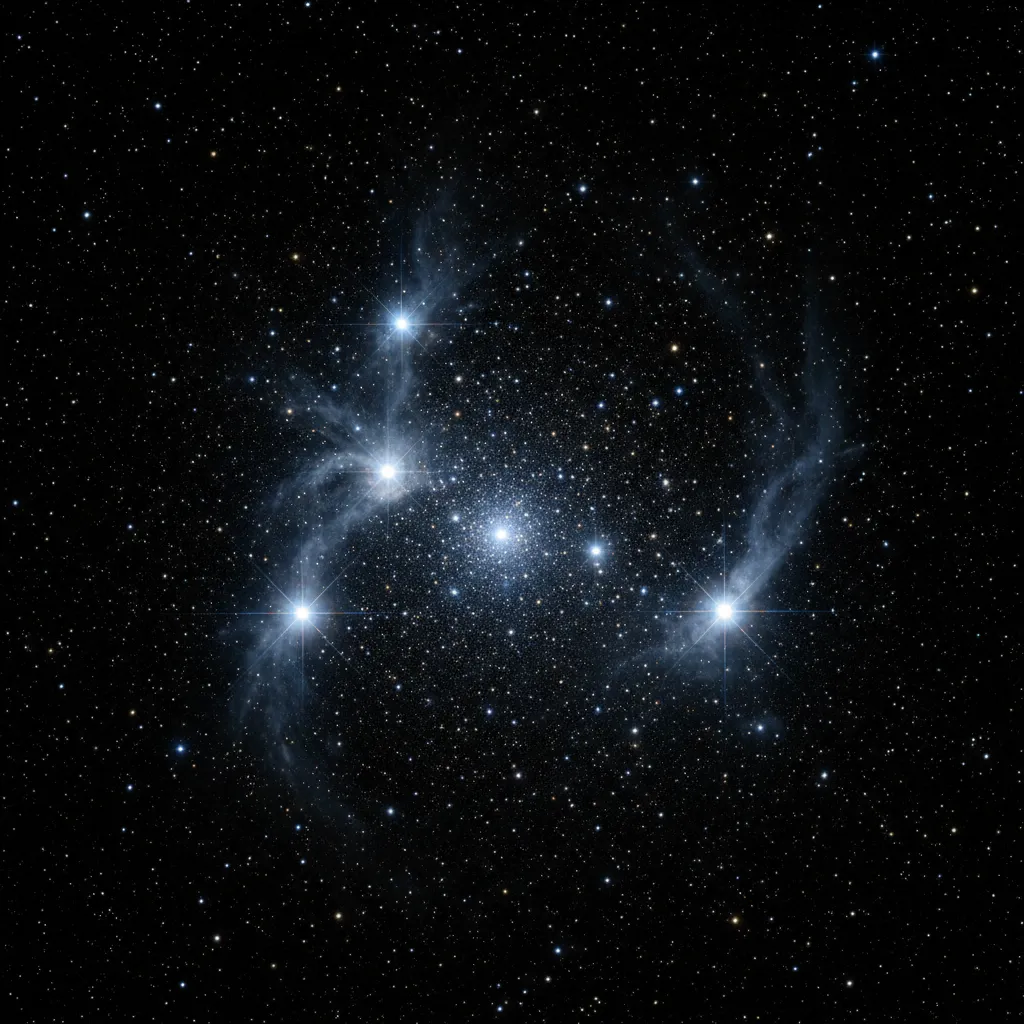
Many first-time observers are surprised by the appearance of Matariki. It is not a sprawling constellation but a tight open star cluster. To the naked eye, it often appears as a fuzzy patch of light or a “cloud” of stars. Depending on your eyesight and the darkness of the sky, you may resolve between five and nine individual stars without optical aid.
Using Optical Aids
While finding Matariki is a naked-eye activity, using binoculars can transform the experience. Through a standard pair of 7×50 or 10×50 binoculars, the “fuzzy patch” explodes into dozens of brilliant, diamond-like blue stars. This is often the best way for educators and parents to show the cluster to children, as the magnification helps isolate the cluster from the surrounding sky.
The Significance of the Stars
Learning how to find Matariki in the sky is only half the journey; understanding what you are looking at provides the cultural context necessary for true appreciation. In Māori tradition, each star within the cluster holds dominion over a specific aspect of the environment and wellbeing.
While there are hundreds of stars in the cluster, nine are culturally identified in Aotearoa:
- Matariki: The mother star, signifying reflection, hope, and the health of the people.
- Pōhutukawa: Connected to those who have passed away.
- Tupuānuku: Associated with food grown in the ground (kumara, potatoes).
- Tupuārangi: Associated with food from the sky (birds, fruit from trees).
- Waitī: Connected to fresh water and the creatures within it.
- Waitā: Connected to the ocean and salt water food sources.
- Waipuna-ā-rangi: Associated with the rain.
- Ururangi: Associated with the winds.
- Hiwa-i-te-rangi: The wishing star, to which people send their dreams and desires for the coming year.
When you locate the cluster, you are viewing a celestial map of the environment, encompassing earth, sky, water, and weather. It is a time for feasting and community, often held at the Best Restaurants for Matariki.
Troubleshooting Your Stargazing Session
Even with perfect navigation, environmental factors can hinder your ability to find Matariki. Here is how to mitigate common issues.
Light Pollution
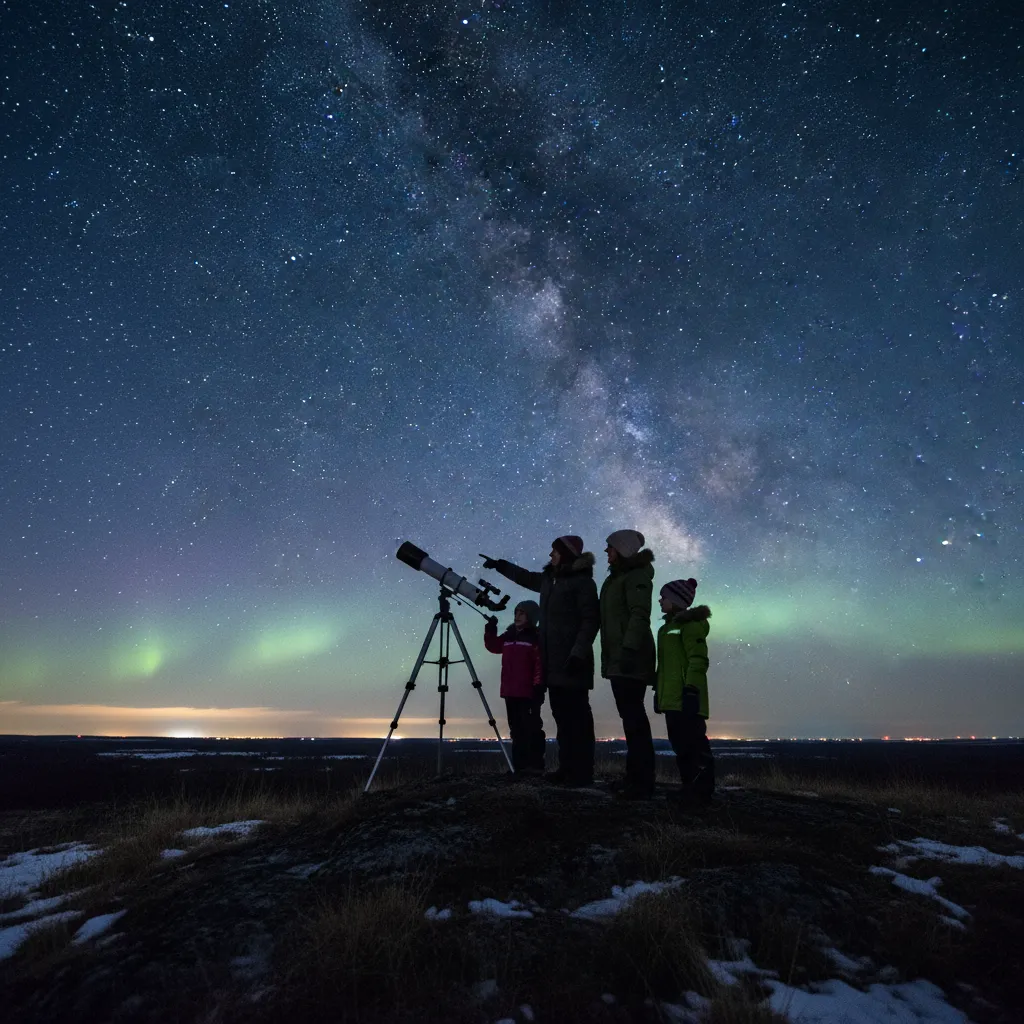
City lights are the enemy of stargazing. Matariki is relatively faint compared to Tautoru. If you are in the center of Auckland or Wellington, you may struggle to see it clearly. Travel to the outskirts of the city, or better yet, a designated Dark Sky Sanctuary, to increase visibility.
Weather Conditions
Winter in New Zealand often brings cloud cover. It is advisable to check the meteorological forecast specifically for “cloud cover percentage” rather than just rain. You need a clear patch on the northeastern horizon. If the forecast is poor, do not be discouraged; the viewing window lasts for several weeks.
The Moon Phase
The brightness of the moon can wash out faint star clusters. The best time to view Matariki is during the darker phases of the moon (Tangaroa phases), typically the last quarter or waning crescent. If the Full Moon is present in the morning sky, locating Matariki will be significantly more difficult.
People Also Ask
What is the best date to see Matariki?
The best dates vary slightly each year based on the lunar calendar, but generally, the prime viewing window is late June to mid-July. The official Matariki public holiday in New Zealand often aligns with the most visible period.
Can I see Matariki with the naked eye?
Yes, Matariki is visible to the naked eye as a small, shimmering cluster of stars. However, if you are in an area with high light pollution, it may look like a faint smudge. Binoculars will reveal distinct individual stars.
Why does Matariki disappear during the year?
Matariki disappears from view in roughly May because it moves too close to the sun from our perspective on Earth. It is hidden by the sun’s glare for about a month before reappearing in the pre-dawn sky in late June.
How many stars are in the Matariki cluster?
Astronomically, the Pleiades cluster contains over 1,000 confirmed stars. However, to the naked eye, most people see between 6 and 9 stars. In Māori tradition, 9 distinct stars are recognized and named.
Is Matariki the same as the Seven Sisters?
Yes, Matariki is the Māori name for the star cluster known in Greek mythology as the Pleiades or the Seven Sisters. To dive deeper into the stories, read The Legend of the Sisters. It is also known as Subaru in Japan and Krittika in India.
Which direction is Matariki in usually?
During the Matariki New Year period (mid-winter mornings), the cluster is found in the North-East. As the year progresses, it moves higher and further west across the sky.