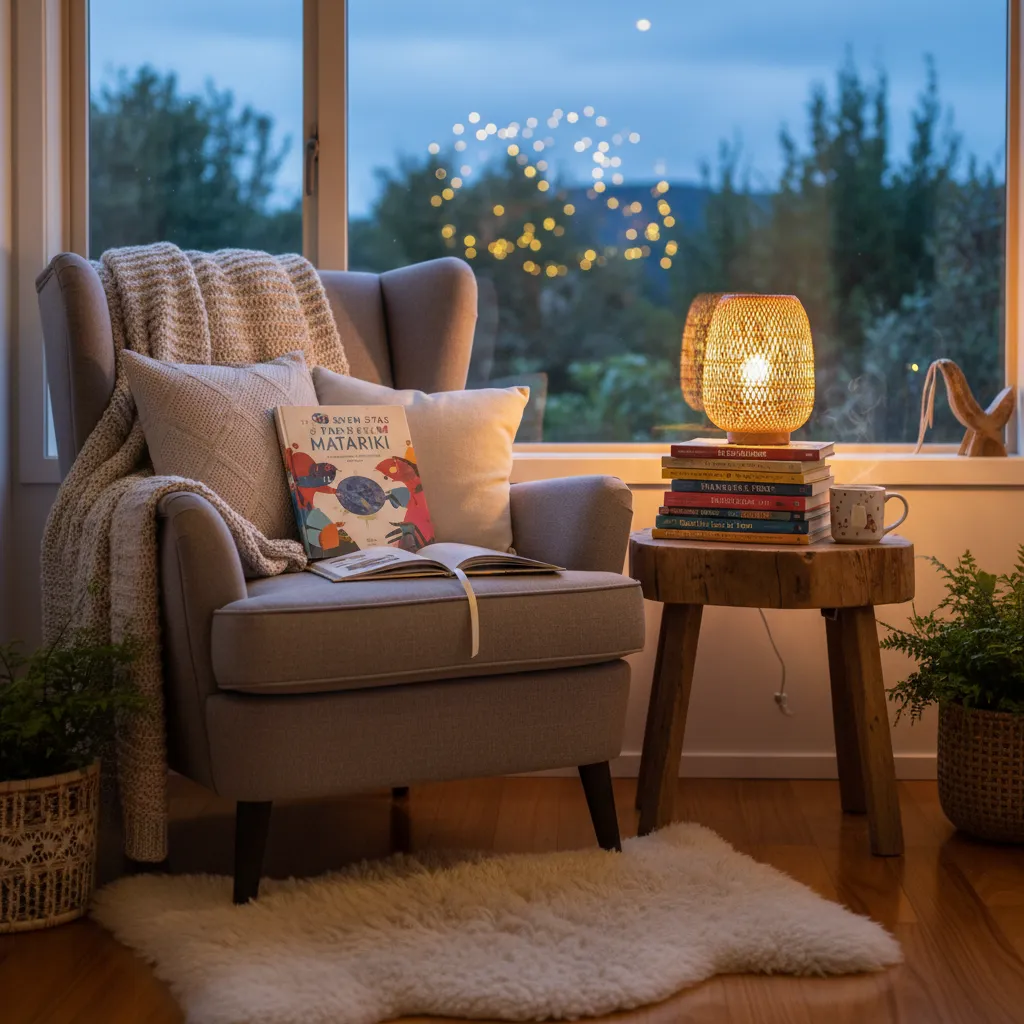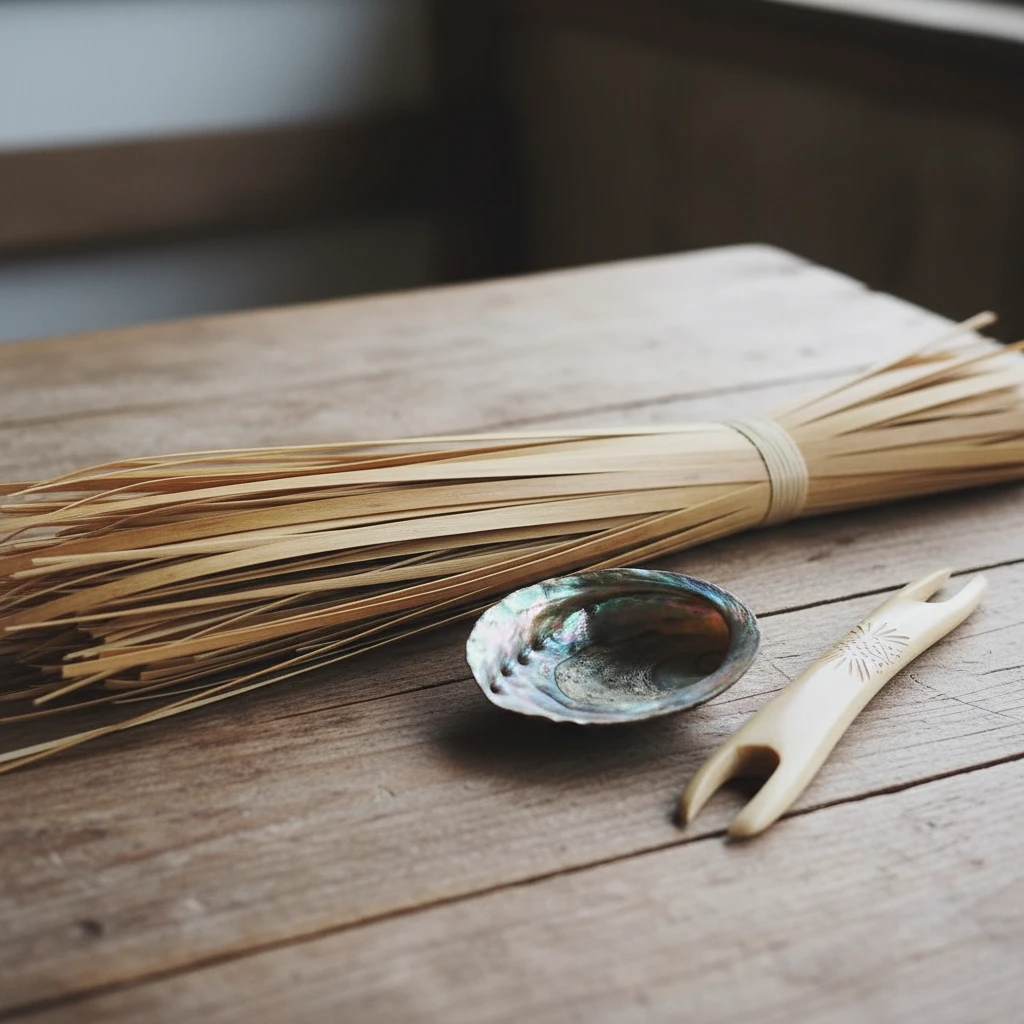
Indigenous home decor involves integrating authentic cultural narratives into interior design through ethically sourced art, textiles, and lighting. Specifically, incorporating Māori art prints, traditional weaving patterns, and star-inspired motifs allows homeowners to celebrate Matariki while supporting indigenous creators and adhering to principles of cultural safety and respect.
Incorporating Māori Motifs into Modern Homes
As the significance of Matariki (the Māori New Year) grows globally, there is a profound shift in interior design toward spaces that tell a story of connection, ancestry, and renewal. Indigenous home decor is not merely a stylistic choice; it is an acknowledgment of the land and its history. When we speak of incorporating Māori motifs into modern homes, we are discussing the fusion of contemporary minimalism with the deep, ancestral complexity of Toi Māori (Māori art).
Modern interiors often suffer from a lack of soul. Indigenous design remedies this by introducing Kowhaiwhai (rafter patterns) and Tukutuku (lattice-work) designs that carry specific meanings regarding genealogy and nature. For instance, the Koru, representing the unfurling fern frond, symbolizes new life, growth, and peace—themes perfectly aligned with the spirit of Matariki.
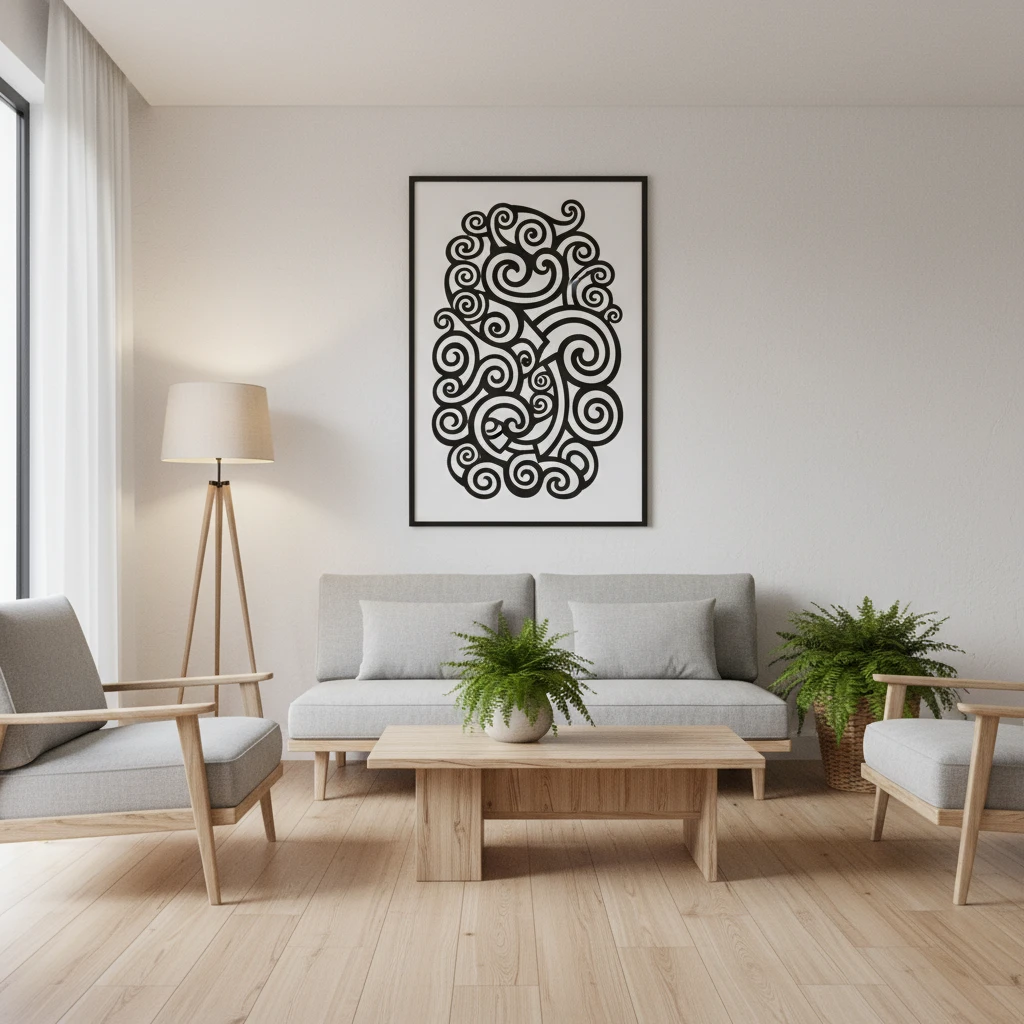
To successfully integrate these motifs, consider the principle of “less is more” to allow the artwork to command the respect it deserves. A feature wall adorned with a high-quality print or a carved wooden piece can serve as the manawa (heart) of the room. The goal is to create a space that feels grounded and connected to the earth (Papatūānuku) and the sky (Ranginui).
Where can I find authentic Māori art prints for sale?
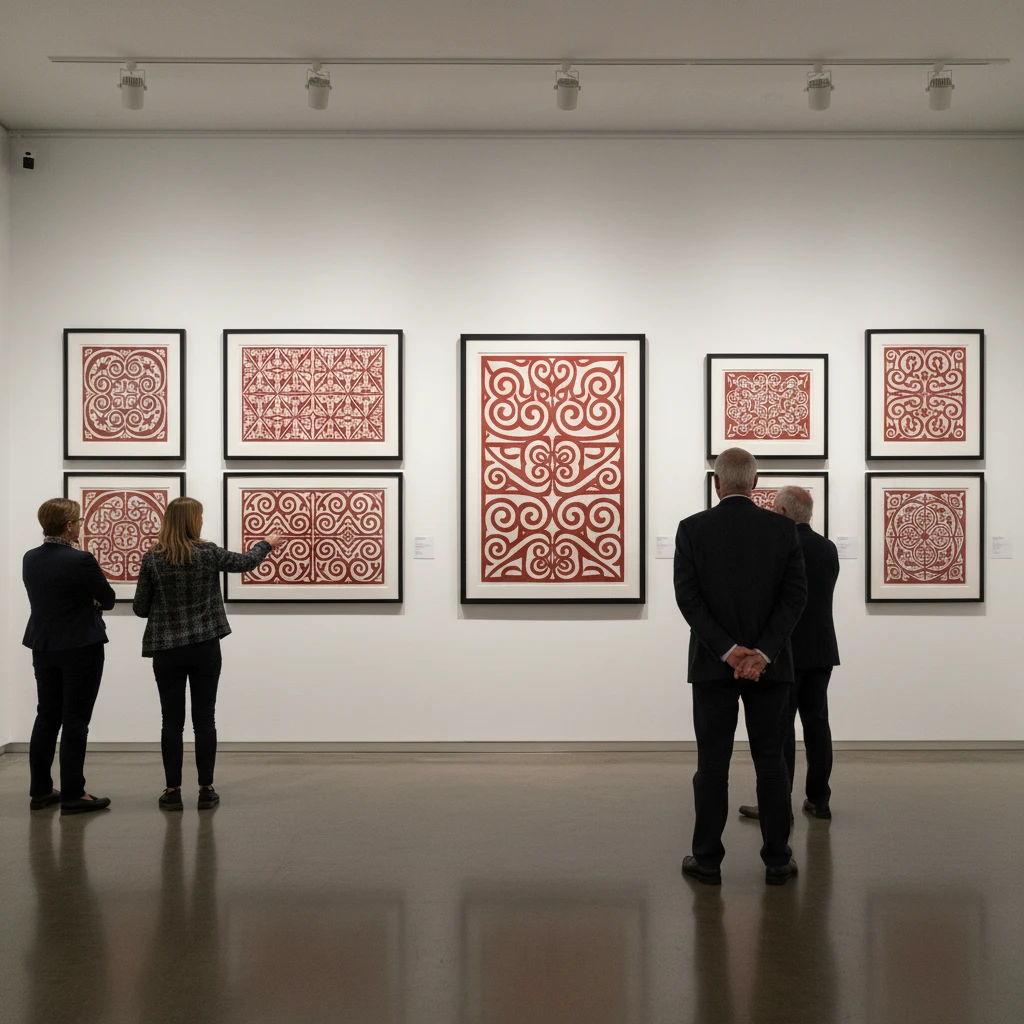
The search for maori art prints for sale is often the first step for homeowners looking to embrace indigenous decor. However, navigating the market requires discerning taste and an understanding of provenance. Authentic prints are more than just decoration; they are visual representations of whakapapa (genealogy) and stories passed down through generations.
Types of Prints to Look For
When curating art for your home, look for diversity in medium and style. Contemporary Māori artists are pushing boundaries, moving beyond traditional wood carving into digital mediums, screen printing, and giclée prints.
- Contemporary Giclée: High-resolution digital reproductions of paintings that capture the texture of the original canvas. Look for limited edition runs signed by the artist.
- Screen Prints: often feature bold, graphic interpretations of traditional figures like the Tiki or Manaia, utilizing vibrant colors that pop against neutral walls.
- Historical Reproductions: Archival prints of early contact period art or traditional tattoo (Tā moko) diagrams can add a layer of historical depth to a study or library.
Supporting Indigenous Artists
The commercial intent of buying art must be balanced with ethical responsibility. Prioritize buying directly from artists or galleries that are owned and operated by local Iwi (tribes). Platforms that certify authenticity ensure that the revenue supports the preservation of the culture. When you search for maori art prints for sale, check for the “Toi Iho” trademark, a registered trademark of authenticity and quality for Māori arts and crafts.
How to use lighting design inspired by the stars?
Matariki is the Māori name for the cluster of stars also known as the Pleiades. Its rising in mid-winter marks the start of the Māori New Year. In interior design, this celestial event inspires lighting choices that mimic the night sky and bring warmth to the darker months.
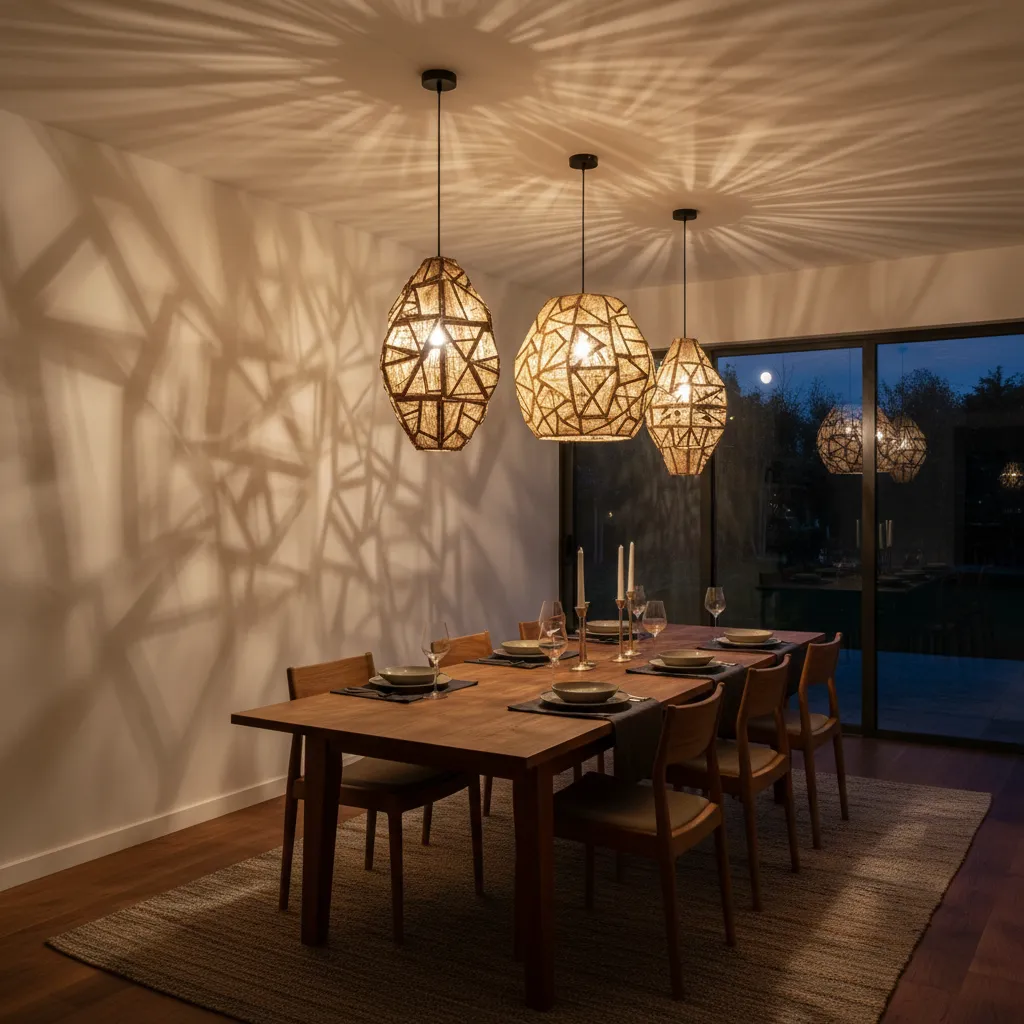
Lighting is crucial in setting the wairua (spirit) of a space. To channel the energy of Matariki, move away from harsh overhead lighting and embrace ambient, scattered light sources. Pendant lights made from laser-cut wood or metal featuring indigenous patterns can cast intricate shadows on the walls, mimicking the stars or the forest canopy.
The Concept of Te Ao Mārama
In Māori creation stories, the separation of Earth and Sky brought Te Ao Mārama (the world of light). You can replicate this transition in your home decor:
- Cluster Lighting: Group pendant lights at varying heights to represent the Matariki star cluster. Seven or nine small lights (depending on the tribal tradition regarding the number of stars) create a stunning focal point over a dining table.
- Natural Materials: Look for lampshades woven from flax (harakeke) or constructed from timber. The light filtering through the weave creates a warm, organic glow that softens modern architecture.
- Shadow Play: Fixtures with cut-outs of the Poutama (stairway to heaven) pattern project geometric shadows, turning your walls into a dynamic canvas of light and dark.
Ethically Sourced Textiles and Cushions
Textiles offer a tactile way to introduce indigenous aesthetics into a home. However, the market is flooded with mass-produced items that appropriate cultural designs without permission. Ethical sourcing is paramount. Authentic Māori textiles often utilize wool, flax, and feathers, connecting the user to the natural resources of Aotearoa (New Zealand).
The Art of Raranga (Weaving)
Traditional weaving is a highly skilled art form. While you may not use a traditional cloak (Korowai) as a throw blanket, contemporary designers are translating these techniques into modern homewares.
- Wool Throws: New Zealand wool blankets featuring Tāniko borders (geometric finger weaving) are perfect for the winter season associated with Matariki. They offer warmth and visual heritage.
- Cushions: Look for cushions that feature embroidered or screen-printed Māori motifs. Authentic creators will often share the story of the pattern—whether it represents a specific river, mountain, or value like Manaakitanga (hospitality).
- Rug Design: Large area rugs incorporating the Niho Taniwha (dragon’s teeth) pattern can ground a room. These triangular patterns are bold and rhythmic, providing a strong foundation for furniture placement.
Cultural Safety: Where to buy authentic indigenous decor?
Cultural safety in home decor means understanding what is appropriate to display and how to display it. In Māori culture, certain items are considered tapu (sacred) and others noa (common/free from restriction). Misusing sacred imagery is not only offensive but diminishes the integrity of your design.
Guidelines for Respectful Decor
1. Avoid Head Imagery on Food Items: The head is considered the most sacred part of the body. Consequently, you should never buy tea towels, placemats, or cutting boards that feature images of faces or heads (especially those with Moko). Authentic artists will not produce these items.
2. Verify the Source: When looking for maori art prints for sale, investigate the seller. Are they Māori? If not, do they collaborate with Māori artists and pay royalties? Appropriation involves taking a style without understanding or permission. Appreciation involves supporting the culture economically and intellectually.
3. Understand the Story: Every pattern has a name and a narrative. When you buy a piece, ask for the story. Being able to explain to guests that the pattern on your wall represents the navigation of ancestors by the stars adds immense value and depth to your home.
Top Marketplaces for Authentic Decor
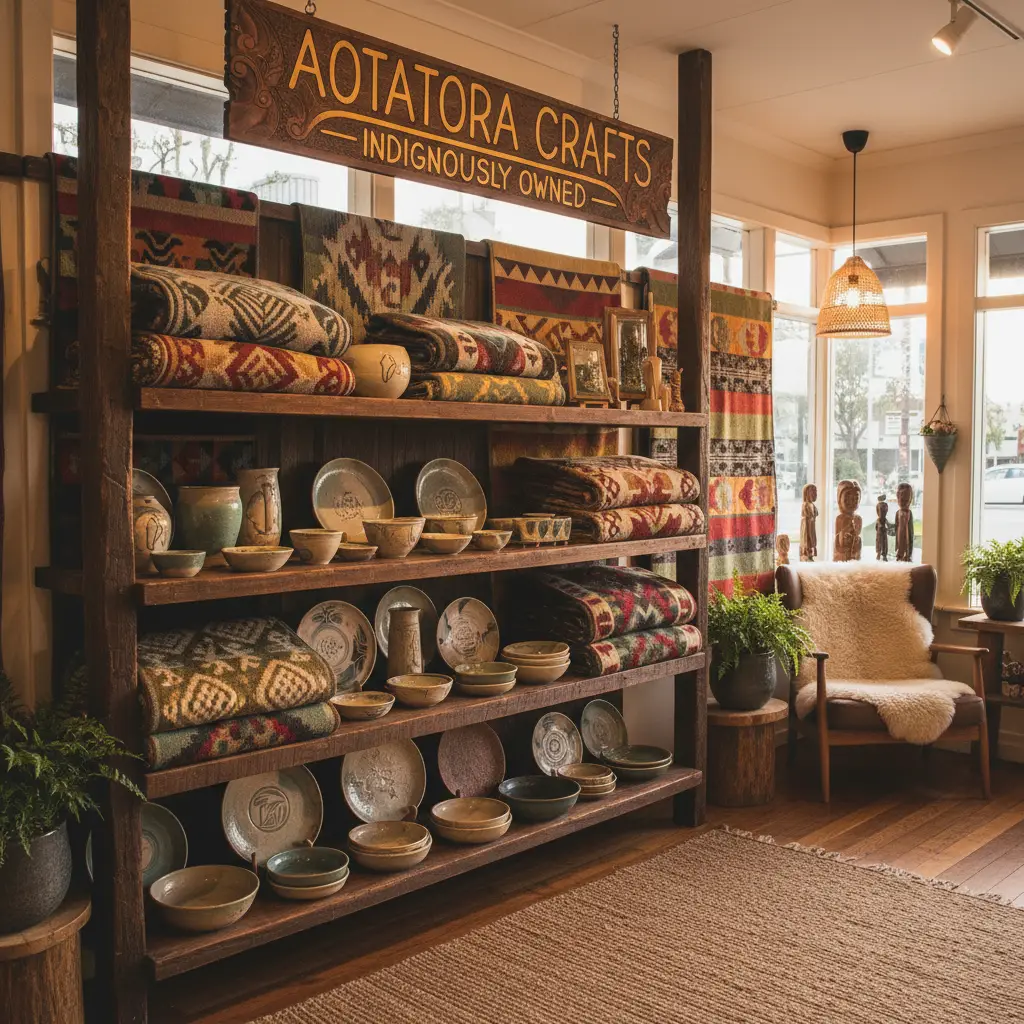
To ensure your purchase supports the indigenous economy, focus your commercial search on these types of outlets:
- Iwi-led Art Centres: Many tribes have their own cultural centers with attached galleries.
- Museum Stores: Major museums in New Zealand (like Te Papa) have rigorous sourcing standards and commission exclusive lines from renowned artists.
- Direct-to-Artist Websites: Platforms like Instagram and Etsy have enabled artists to sell directly. Look for bios that state tribal affiliations (Iwi/Hapu).
Celebrating Matariki Through Design
Updating your home for Matariki using indigenous trends is a powerful way to honor the past while looking toward the future. By choosing authentic maori art prints for sale, utilizing star-inspired lighting, and selecting ethically sourced textiles, you create a home that is not only visually stunning but also culturally rich and spiritually grounded. Remember, the most beautiful item in your home is the one that carries a story you are proud to tell.
People Also Ask
What is the significance of Matariki in home decor?
Matariki marks the Māori New Year and is a time for reflection, remembrance, and renewal. In home decor, this translates to refreshing living spaces, bringing in light (symbolizing the stars), and incorporating ancestral patterns to honor heritage and family connection.
How can I tell if Māori art prints are authentic?
Look for the “Toi Iho” trademark, which verifies authenticity. Research the artist to see if they state their Iwi (tribal) affiliation. Avoid mass-produced items from generic big-box stores that do not credit a specific artist.
What are popular Māori patterns used in interiors?
Common patterns include the Koru (spiral/new life), Poutama (stepped pattern/growth and learning), Kowhaiwhai (curvilinear rafter patterns), and Niho Taniwha (triangular teeth pattern/strength).
Is it disrespectful for non-Māori to display Māori art?
No, it is generally considered a gesture of appreciation and respect, provided the art is purchased from authentic sources (supporting the artist) and displayed respectfully (e.g., not placing sacred images in areas associated with food or waste).
Where is the best place to hang Māori art prints?
Māori art commands respect. High-traffic communal areas like the living room or entranceway are ideal. Avoid placing portraits of ancestors or sacred imagery in bathrooms or on the floor.
What colors are associated with Indigenous NZ decor?
Traditional colors include Black (Te Pō), Red (Te Whei Ao), and White (Te Ao Mārama). However, modern indigenous decor also draws from nature, utilizing ochre, forest greens, deep ocean blues, and natural flax tones.