
What is Kaitiakitanga for households?
Kaitiakitanga for households is the active practice of guardianship and environmental stewardship within the home. It involves adopting sustainable habits—such as reducing waste, conserving energy, and nurturing the land—to ensure resources are preserved for future generations. This concept transforms daily chores into meaningful acts of respect for Papatūānuku (Earth Mother).
Understanding the Spirit of Kaitiakitanga
As the cluster of stars known as Matariki rises in the mid-winter sky, Aotearoa New Zealand enters a period of reflection, celebration, and renewal. While Matariki is famously a time for gathering with whānau (family) and remembering those who have passed, it is also intrinsically linked to the environment. The stars themselves were historically used to predict the success of the harvest and the weather for the coming year.
At the heart of this connection is kaitiakitanga. Often translated simply as ‘guardianship’, the concept is far deeper. It implies a reciprocal relationship between people and the land. The land provides for us, and in return, we must care for the land. Implementing kaitiakitanga for households does not require moving to a lifestyle block or living off the grid. Instead, it is about making small, intentional changes in our urban and suburban homes that align our daily lives with the rhythms of nature.

This Matariki, as we look to the stars Tupu-ā-nuku (connected to food from the ground) and Tupu-ā-rangi (connected to food from the sky), we can honor them by reducing our environmental footprint at home. By viewing our homes as a microcosm of the wider ecosystem, we empower ourselves to make a tangible difference.
Para Kore: Composting Your Matariki Feast Scraps
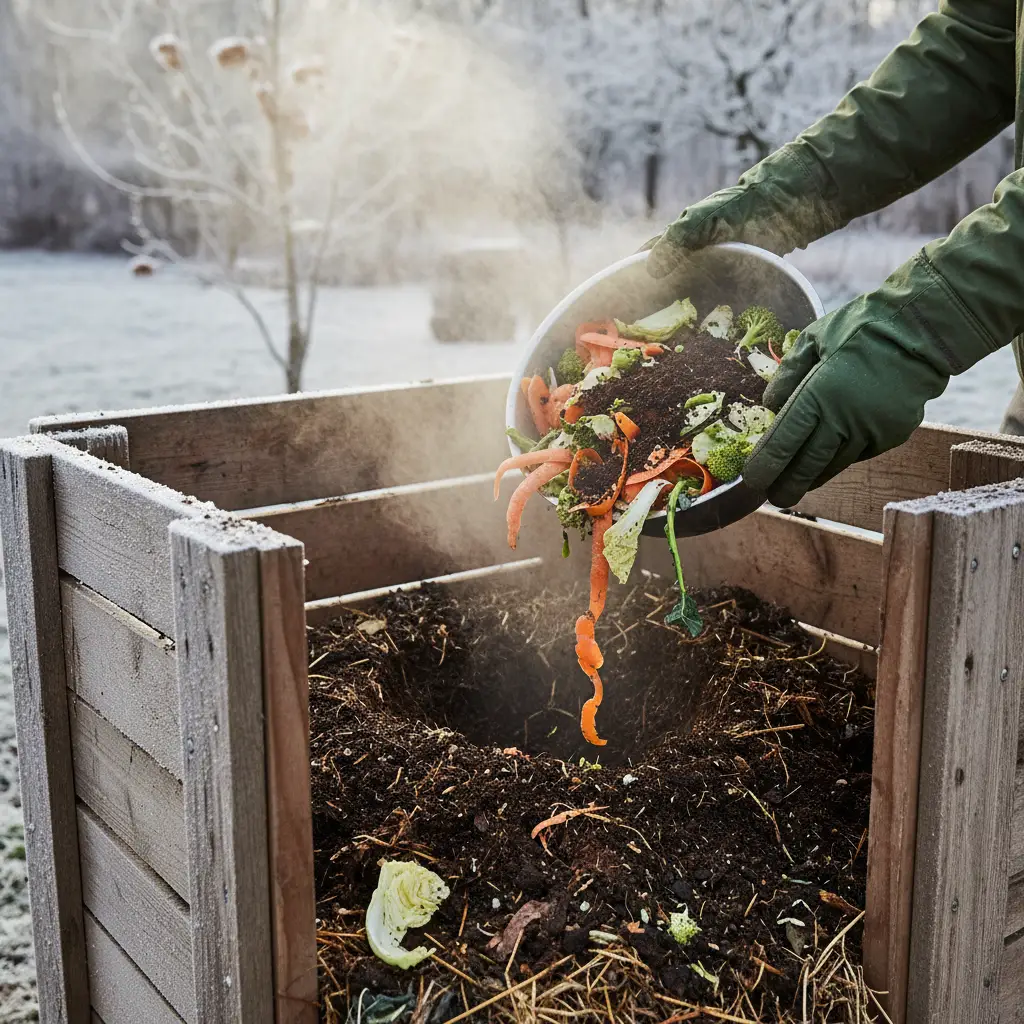
One of the central elements of Matariki celebrations is the Hākari, or feast. It is a time to share kai (food) and abundance. However, feasts often generate significant organic waste. Sending food scraps to a landfill generates methane, a potent greenhouse gas. Practicing kaitiakitanga means taking responsibility for this waste through the principles of Para Kore (Zero Waste).
Choosing the Right Composting Method
Returning organic matter to Papatūānuku is one of the most direct ways to practice guardianship. Depending on your household size and space, consider these methods:
- Bokashi Bins: Ideal for smaller households or those with limited garden space. This anaerobic fermentation process allows you to compost meat, dairy, and cooked foods—items often left over from a roast dinner—which traditional compost heaps struggle to break down without pests.
- Worm Farms: Perfect for vegetable peelings and fruit scraps. The resulting vermicast and ‘worm tea’ are liquid gold for your garden, closing the nutrient loop.
- Traditional Cold Composting: If you have a backyard, a standard compost bin is excellent for garden waste and uncooked vegetable scraps. Layering ‘greens’ (nitrogen-rich food scraps) with ‘browns’ (carbon-rich dried leaves or cardboard) is key to a healthy breakdown.
By composting your Matariki feast scraps, you are not merely disposing of rubbish; you are feeding the soil that will grow next year’s kai. This cyclical view of resources is the essence of kaitiakitanga.
Winter Warmth: Reducing Energy Consumption
Matariki occurs in the depths of the New Zealand winter. While it is essential to keep our whānau warm and dry, energy generation consumes natural resources. Being a kaitiaki in the modern home involves being mindful of how we consume this energy (hiko).
Practical Steps for Energy Efficiency
Reducing your energy demand reduces the strain on the national grid and lowers your carbon footprint. Here are actionable steps for the winter season:
- Thermal Curtains: Heat escapes rapidly through glass. Ensure you have thick, thermal-lined curtains and, crucially, close them before the sun goes down to trap the day’s heat inside.
- Stop the Draughts: A significant amount of heating is lost through gaps under doors and around windows. Using ‘snake’ draught stoppers is a simple, low-cost solution that makes a massive difference to home comfort and energy usage.
- Efficient Heating: If using a heat pump, clean the filters regularly to ensure it runs efficiently. Set the temperature between 18°C and 21°C; setting it higher does not heat the room faster but does consume significantly more electricity.
- Cold Water Washing: Modern detergents are designed to work effectively in cold water. Switching your washing machine cycle from warm to cold can save a substantial amount of power over the course of a year.
These actions align with the star Ururangi, which is associated with the winds. By managing the airflow and temperature in our homes, we respect the elements while maintaining a healthy environment for our families.
Taonga Tuku Iho: Water Conservation Tips
Water (wai) is a taonga (treasure) in Māori culture. It is the lifeblood of the land and the people. While winter in New Zealand is often wet, water conservation remains a critical aspect of kaitiakitanga for households. Treating water with respect ensures that our waterways remain healthy and that we do not deplete our reservoirs unnecessarily.
Protecting Our Waterways from Home
What we put down the drain eventually finds its way to the ocean, the domain of Tangaroa. To protect our water systems:
- Eco-friendly Cleaning Products: Switch to biodegradable, phosphate-free cleaners. Harsh chemicals can disrupt aquatic ecosystems.
- Fats, Oils, and Grease: Never pour cooking oils down the sink, especially after a big meal. They solidify and cause blockages (fatbergs) that damage infrastructure and the environment. Wipe greasy pans with a paper towel and compost it, or collect oil in a container for disposal.
- Rainwater Harvesting: Even a small barrel connected to a downpipe can collect water for the garden or washing the car. This reduces the demand on the treated town supply.

Mokopuna of the Land: Teaching Children Guardianship
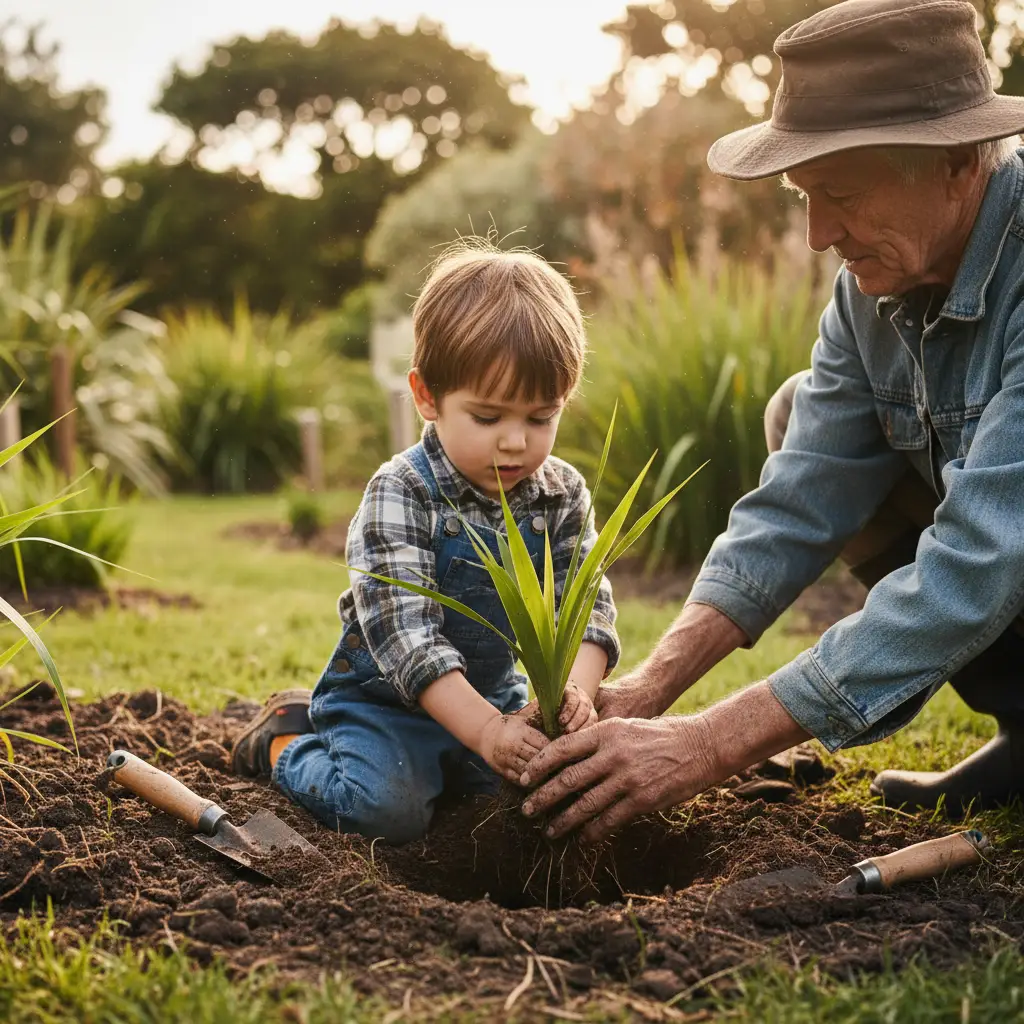
Matariki is about looking to the future. A vital component of kaitiakitanga is passing knowledge to the next generation. Our children (tamariki) and grandchildren (mokopuna) will be the future guardians of Aotearoa. Integrating environmental education into home life ensures this legacy continues.
Engaging Activities for Kids
Teaching guardianship doesn’t have to be a lecture; it can be hands-on fun:
- The Star Walk: Take the children outside to view Matariki. Explain that just as the stars watch over us, we must watch over the earth. Identifying the stars Tupu-ā-nuku and Tupu-ā-rangi provides a perfect segue into talking about where our food comes from.
- Sorting the Recycling: Make waste separation a game. Teach children the difference between plastics, glass, and paper, and explain why we recycle—to stop Papatūānuku from being filled with rubbish.
- Device-Free Evenings: In honor of energy conservation and reconnecting with each other, designate one night a week as a ‘low energy’ night. Use candles or dim lights, tell stories, and play board games. This reduces electricity usage and strengthens whānau bonds.
Hiwa-i-te-rangi: Planting for the Future
Hiwa-i-te-rangi is the star in the Matariki cluster to which we send our wishes for the new year. It represents growth and prosperity. There is no better way to physically manifest these wishes than by planting native trees or a winter garden.
Restoring Biodiversity at Home
Even a small urban balcony can contribute to biodiversity. Native plants attract native birds and insects, strengthening the local ecosystem.
Consider planting:
- Kawakawa: A versatile medicinal plant that thrives in shade.
- Harakeke (Flax): Provides nectar for Tūī and Bellbirds.
- Winter Vegetables: Planting silverbeet, kale, or spinach during Matariki ensures a harvest in spring, connecting the household to the cycle of food production.
By planting native flora, you are actively restoring the mauri (life force) of your local area. It is a tangible act of hope and commitment to the future.
Conclusion
Embracing kaitiakitanga for households transforms the way we live. It shifts our perspective from being consumers of resources to being guardians of them. Matariki offers the perfect cultural framework to reset our habits, assess our impact, and make plans for a greener year ahead. Whether it is through composting, saving power, or teaching our tamariki, every small step contributes to the wellbeing of the whenua (land) and the whānau. As the stars rise, let us commit to being better ancestors for those who will follow.
People Also Ask
What are the core principles of kaitiakitanga in daily life?
In daily life, kaitiakitanga relies on three core principles: conservation (using only what you need), sustainability (ensuring resources last for the future), and respect (treating the environment as a living ancestor rather than a commodity).
How does Matariki relate to environmental sustainability?
Matariki is historically tied to the seasons, harvest, and planting. It serves as an environmental indicator. Celebrating Matariki involves acknowledging these natural cycles and committing to practices that protect the environment for the coming year.
What is the best way to start a compost bin for beginners?
For beginners, a closed plastic bin or a tumbler is best as it keeps pests out. Start by layering dry leaves or cardboard (browns) with vegetable scraps (greens). Keep it moist like a wrung-out sponge and turn it occasionally to aerate.
Why is water conservation important in New Zealand winters?
Although winters are wet, processing and heating water requires significant energy and infrastructure. Conserving water reduces the load on treatment plants, saves electricity (hot water), and prepares habits for drier summer months.
How can I make my NZ home more energy efficient cheaply?
Cheap efficiency upgrades include using draught stoppers (snakes) for doors, applying window film insulation kits, switching to LED bulbs, and washing clothes in cold water. These require low upfront costs but offer immediate savings.
What native plants are best for attracting birds in winter?
Kōwhai, Harakeke (flax), and Pūriri are excellent for attracting native birds like Tūī and Kererū. They provide essential nectar and berries during colder months when food sources can be scarce.