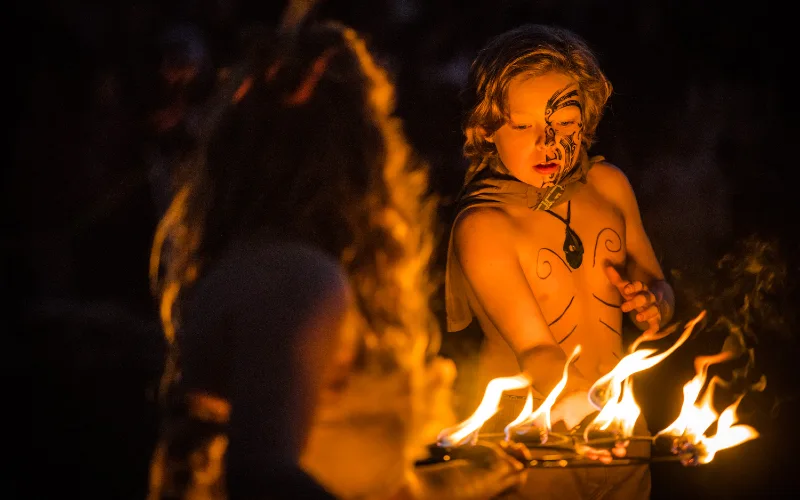
Matariki karakia are traditional Māori incantations recited during the rising of the Pleiades star cluster. These prayers serve three primary purposes: to farewell the spirits of those who have passed, to give thanks for the harvest of the past year, and to set intentions for prosperity in the coming New Year.
What is the significance of Karakia during Matariki?
In Te Ao Māori (the Māori world), words possess mana—spiritual power and authority. Karakia are not merely prayers in the Western sense; they are incantations used to establish a connection between the physical world and the spiritual realm. During Matariki, the Māori New Year, this connection becomes particularly potent.
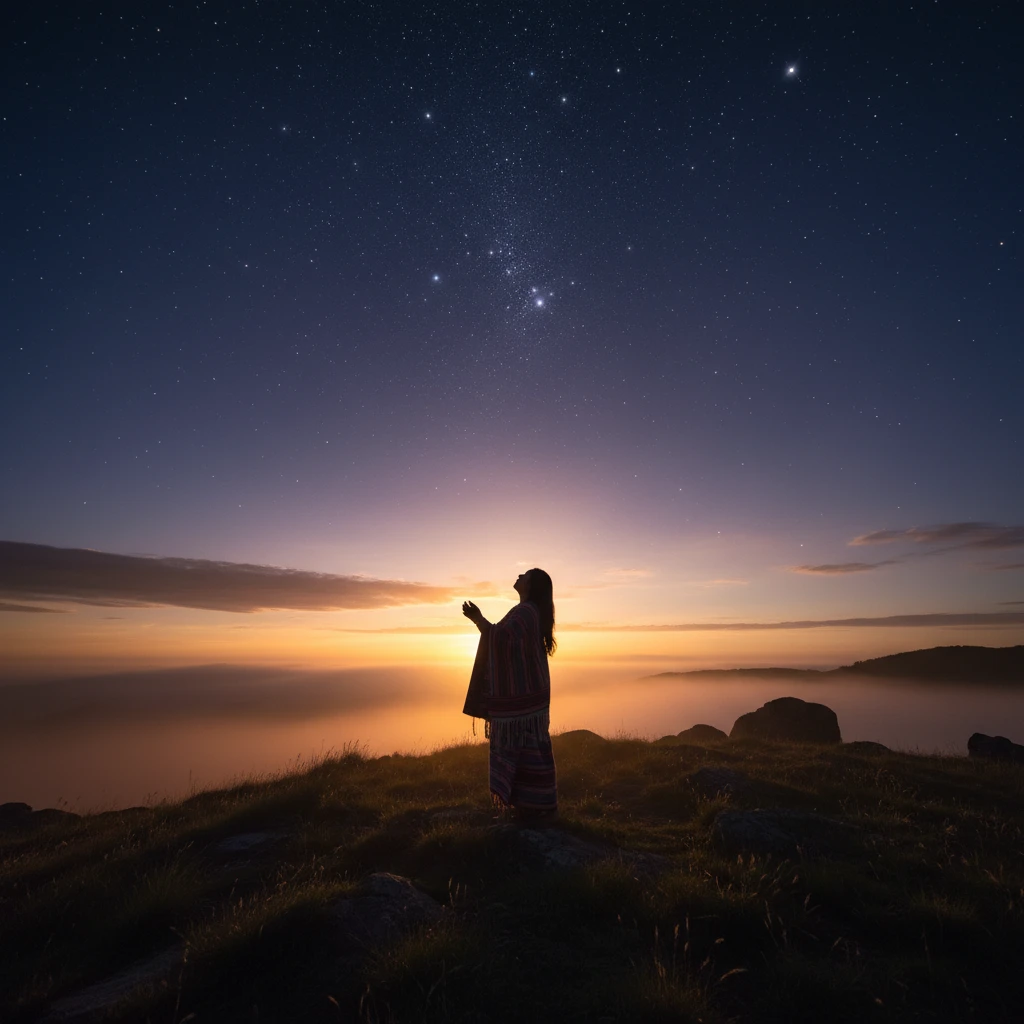
The rising of Matariki (the Pleiades) marks a transition point in the environmental calendar. It is a time when the veil between the living and the ancestors is considered thin. Consequently, Matariki karakia lyrics are carefully composed to acknowledge the celestial bodies, the environment, and the people.
When we recite these incantations, we are performing a ritual known as whāngai i te hautapu (feeding the stars). Historically, tohunga (priests) would chant to the cluster to predict the fortunes of the coming year based on the brightness and clarity of each star. Today, while we may not all be tohunga, the use of karakia allows communities, schools, and whānau to participate in Whānau Activities and this ancient tradition, grounding themselves in gratitude and hope.
What are the protocols for reciting Karakia?
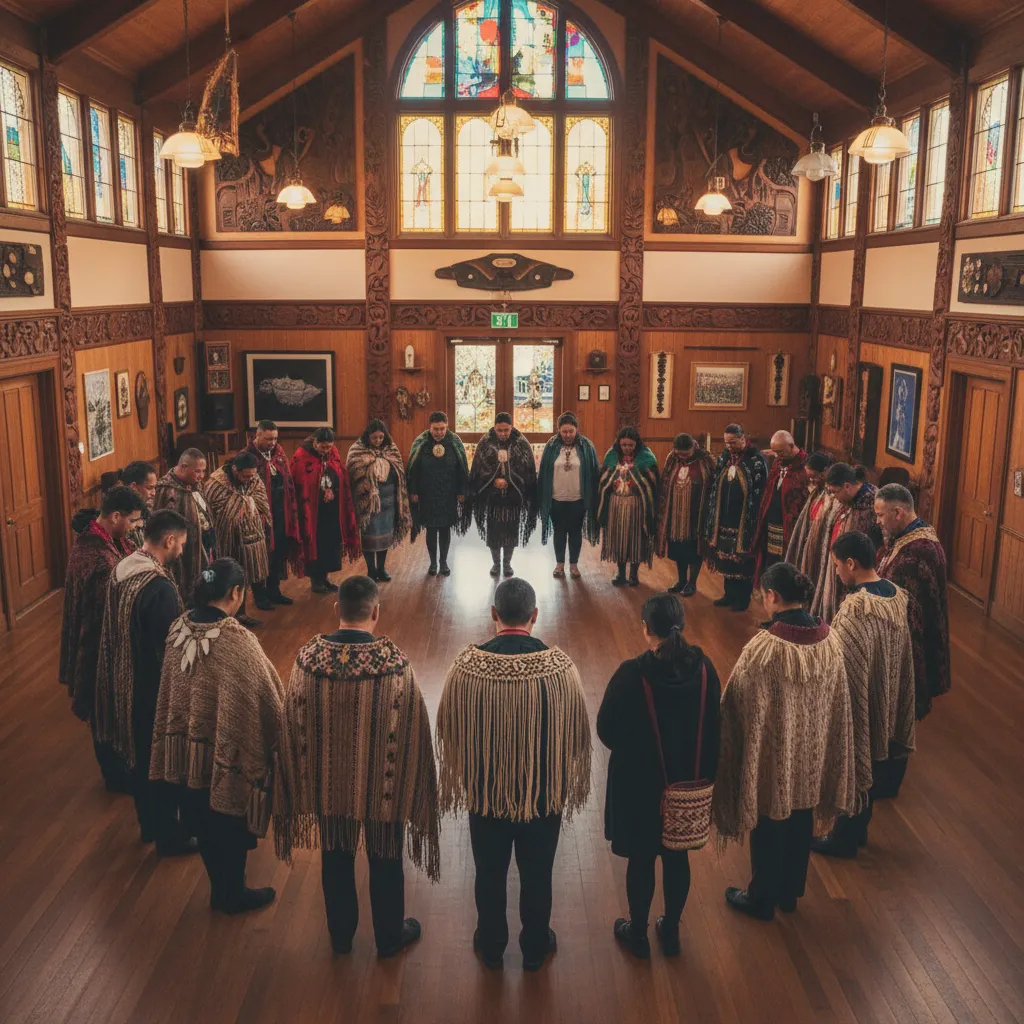
Before accessing specific lyrics, it is vital to understand the tikanga (protocols) surrounding their delivery. Karakia are sacred, and treating them with respect ensures the safety (spiritual and cultural) of everyone involved.
1. Timing and Context
Traditionally, Matariki ceremonies take place pre-dawn, just before the sun rises. This is when the Interactive Night Sky Map Tool: Locate Matariki Now can be used because the stars are most visible. However, for general events, school assemblies, or dinners, karakia can be performed at the opening of the gathering. The key is intent: the karakia should be the very first thing that happens to settle the energy of the room.
2. Pronunciation
Te Reo Māori is a vowel-based language. Correct pronunciation is important to maintain the mana of the words. If you are learning, take time to listen to audio recordings. Key pronunciation tips include:
- A as in ‘car’
- E as in ‘egg’
- I as in ‘feet’
- O as in ‘or’
- U as in ‘to’
3. Tapu and Noa
Karakia often moves a group from a state of noa (common/neutral) to tapu (sacred) for the duration of a ceremony, and then back again. This is why we have opening karakia (Timatanga) and closing karakia (Whakamutunga). Food is an agent of noa, which is why eating usually happens after the formal ceremonies are concluded, to ground everyone back in the physical world.
Simple Matariki Karakia Lyrics for Opening Events
For those looking for accessible Matariki karakia lyrics to open a morning tea, a school assembly, or a workplace celebration, the following incantations are widely accepted and culturally safe for general use.
Option 1: Manawa Maiea (Welcoming the Essence)
This is a specific karakia acknowledging the arrival of Matariki. It speaks to the rising of the star and the essence of the land.
Māori Text:
Manawa maiea te putanga o Matariki
Manawa maiea te ariki o te rangi
Manawa maiea te Mātahi o te Tau
Whano, whano
Haere mai te toki
Haumi e, hui e, tāiki e!
English Translation:
Celebrate the rising of Matariki
Celebrate the lord of the skies
Celebrate the New Year
Proceed, proceed
Bring forth the adze (strength/tools for the new year)
Join, gather, unite!
Option 2: Whakataka te Hau (Universal Opening)
While not specific only to Matariki, this is perhaps the most famous opening karakia used to clear the atmosphere and prepare a group for learning or meeting.
Māori Text:
Whakataka te hau ki te uru
Whakataka te hau ki te tonga
Kia mākinakina ki uta
Kia mātaratara ki tai
E hī ake ana te atakura
He tio, he huka, he hau hū
Tihei mauri ora!
English Translation:
Cease the winds from the west
Cease the winds from the south
Let the breeze blow over the land
Let the breeze blow over the ocean
Let the red-tipped dawn come with a sharpened air
A touch of frost, a promise of a glorious day
Behold the breath of life!
Karakia mō te Kai (Blessing for Food)
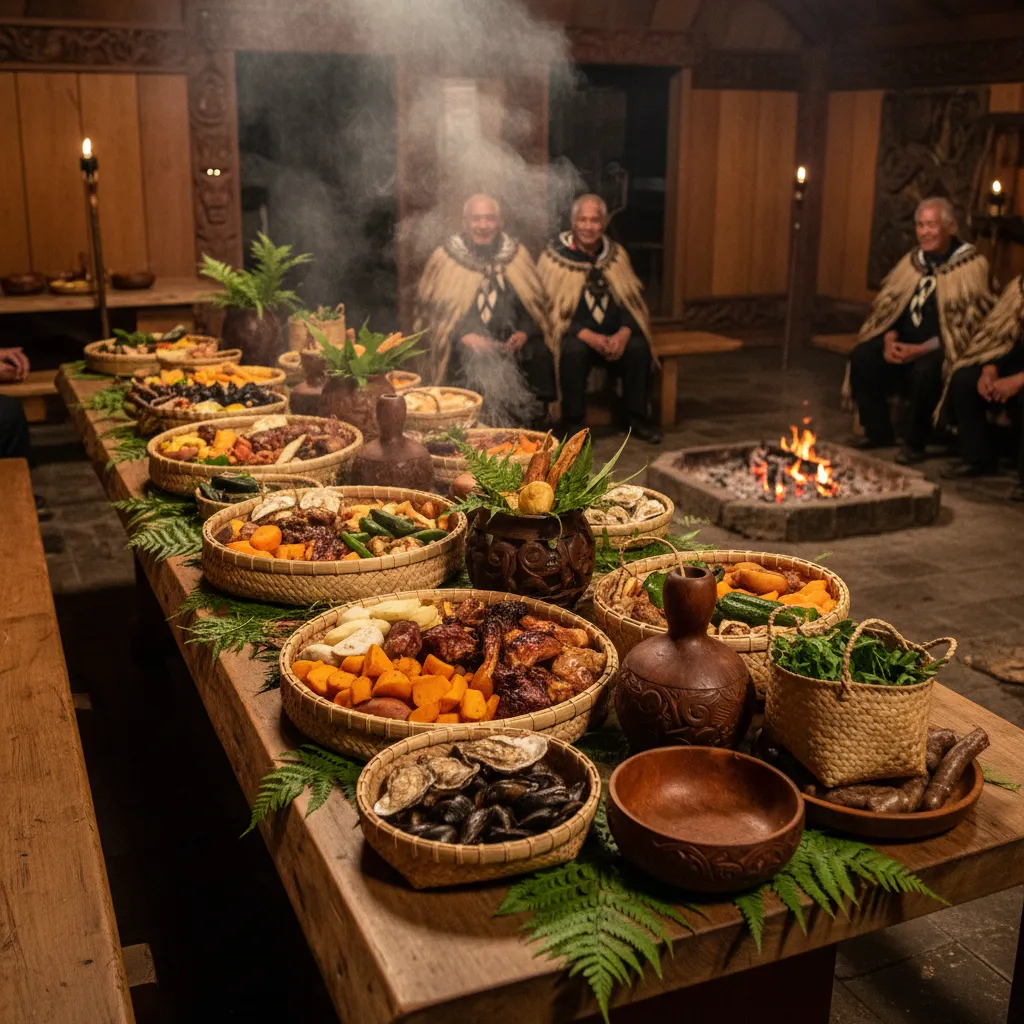
Matariki is historically a harvest festival. Feasting (hākari) is a central component, celebrating Māori Food: A Journey Through Traditional Dishes and Cultural Significance. You must never eat food without blessing it first, especially during a cultural event. This karakia acknowledges the source of the food (the earth and sky) which is highly relevant to the stars of Matariki that govern food growth (Tupu-ā-nuku and Tupu-ā-rangi).
Māori Text:
Nau mai e ngā hua
o te wao
o te ngakī
o te wai
Nā Tāne
Nā Rongo
Nā Tangaroa
Nā Maru
Ko Ranginui e tū iho nei
Ko Papatūānuku e takoto nei
Tūturu o whiti
Whakamaua kia tina! TINA!
Haumi e, hui e, TĀIKI E!
English Translation:
Welcome the gifts of food
from the forest
from the cultivated gardens
from the sea
From Tāne (forest deity)
From Rongo (cultivated food deity)
From Tangaroa (sea deity)
From Maru
It is Sky Father standing above
It is Earth Mother lying below
Let the commitment be fixed
Make it firm! FIRM!
Join, gather, UNITE!
Waiata: Songs About the Stars for Schools
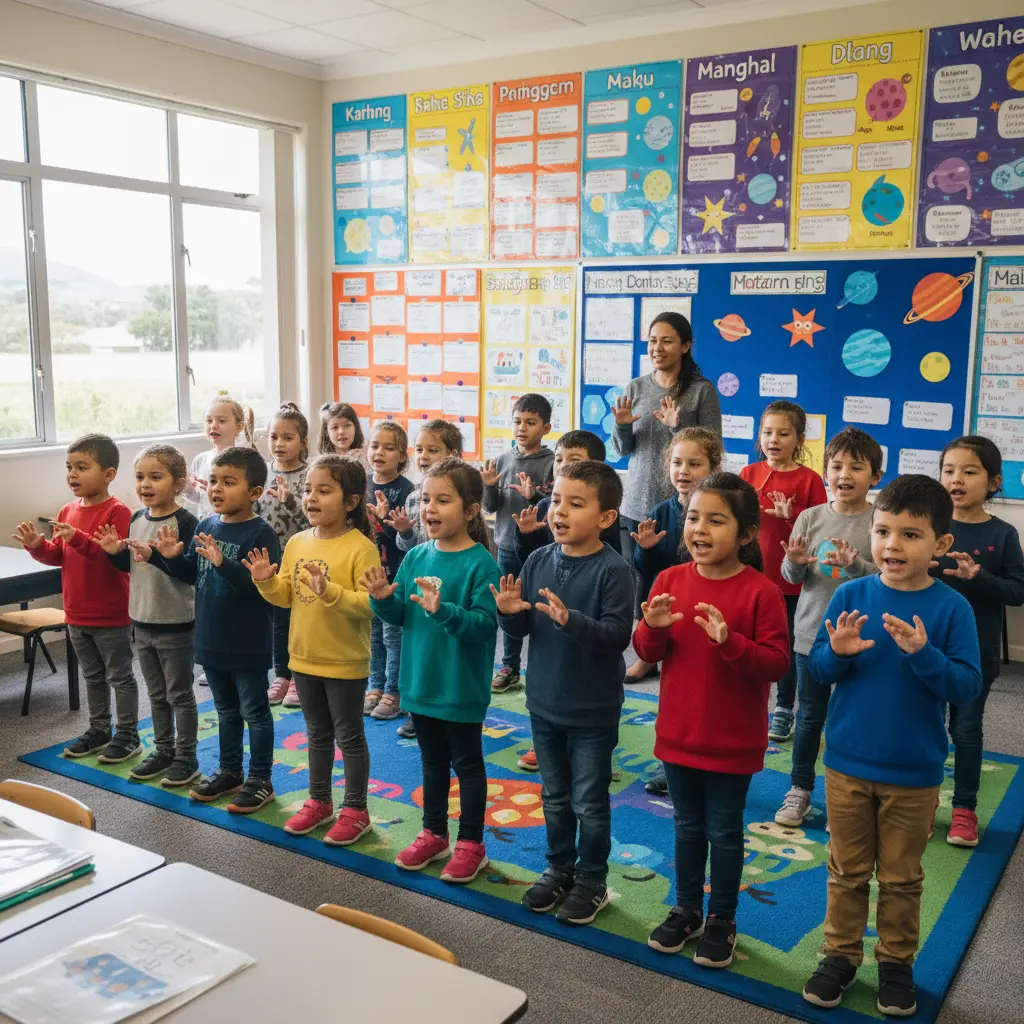
Waiata (songs) are an excellent way to embed knowledge. For schools and educational settings, singing helps with pronunciation and memory retention of the star names. The most popular waiata for this season lists the names of the stars in the cluster.
Ngā Tamariki o Matariki (The Children of Matariki)
This song is catchy, simple, and educational. It teaches the names of the stars associated with the Matariki cluster.
Lyrics:
Tīrama, tīrama, ngā whetū
Kei runga ake, i te rangi
Ko Matariki te whaea
O ngā tamariki, tamariki toa
(Chorus)
Waitī, Waitā, Waipuna-ā-rangi
Tupu-ā-nuku, Tupu-ā-rangi
Ururangi, ko Pohutukawa
Hiwa-i-te-rangi, Matariki e!
Meaning:
The song describes the stars twinkling above in the sky. It identifies Matariki as the mother and the other stars as her children. The chorus simply lists the names of the stars, making it a perfect mnemonic device for students.
The Meaning Behind the Incantations
To truly deliver a karakia with impact, one must understand the whakapapa (genealogy) behind the words. Why do we reference specific elements? In the context of Matariki karakia lyrics, we are often addressing specific domains of nature.
Connecting to the 9 Stars
While many people know Matariki as seven stars, many iwi acknowledge nine. A deep karakia might subtly reference the domains of these stars:
- Waitī & Waitā: These stars represent fresh water and salt water. Incantations referencing these ask for healthy waterways and abundant seafood.
- Tupu-ā-nuku & Tupu-ā-rangi: These represent food grown in the earth and food from the sky (birds/fruits). Karakia here are about sustenance and harvest.
- Waipuna-ā-rangi: Associated with rain. We chant for balanced weather patterns—neither drought nor flood.
- Ururangi: The winds. We ask for the winds to be favorable.
- Pohutukawa: Connected to the dead. This is the solemn part of the karakia where we weep for those lost in the past year.
- Hiwa-i-te-rangi: The wishing star. This is where the karakia turns to the future, setting goals and aspirations.
When you recite a karakia like “Manawa Maiea,” you are encapsulating all of these hopes—acknowledging the grief of Pohutukawa and the hope of Hiwa-i-te-rangi simultaneously. This balance of light and dark, past and future, is the essence of the Māori worldview.
Bringing it All Together
Integrating Matariki karakia lyrics into your celebrations is a beautiful way to honor the indigenous culture of Aotearoa. Whether you are a teacher looking for a waiata for your class, or a business leader opening a Matariki breakfast, the key ingredients are sincerity and respect.
Start with the simple “Whakataka te Hau” or “Manawa Maiea.” Ensure your pronunciation is practiced. Understand that you are not just saying words; you are participating in a tradition that has navigated the Pacific Ocean for thousands of years. By giving voice to these incantations, you help keep the spirit of Matariki alive and vibrant for future generations.
People Also Ask (PAA)
What is a simple prayer for Matariki?
A simple and popular prayer is “Manawa maiea te putanga o Matariki,” which translates to “Celebrate the rising of Matariki.” It is short, specific to the holiday, and focuses on welcoming the new year and the star cluster.
How do you say Happy Matariki in Māori?
You can say “Ngā mihi o Matariki” (Greetings of Matariki) or “Mānawatia a Matariki” (Celebrate/Welcome Matariki). Both are widely used and culturally appropriate.
What are the words to the Matariki Macarena song?
While often called the “Matariki Macarena” due to its actions, the song is actually “Ngā Tamariki o Matariki.” The lyrics list the stars: “Waitī, Waitā, Waipuna-ā-rangi, Tupu-ā-nuku, Tupu-ā-rangi, Ururangi, ko Pohutukawa, Hiwa-i-te-rangi, Matariki e!”
Can non-Māori recite karakia?
Yes, non-Māori can recite karakia, provided it is done with respect, correct pronunciation, and an understanding of the meaning. It is viewed as a way of honoring the culture and the occasion.
What is the karakia for food?
A common food karakia is “Nau mai e ngā hua…” (Welcome the gifts of food). It acknowledges the sources of the food from the sky, earth, and water, and gives thanks to the deities responsible for them.
Why do we do karakia at dawn for Matariki?
Dawn is the time when the Matariki star cluster is visible on the horizon before the sun rises. Culturally, this transition from darkness (Te Pō) to light (Te Ao) is a spiritually significant time for new beginnings and remembering those who have passed.