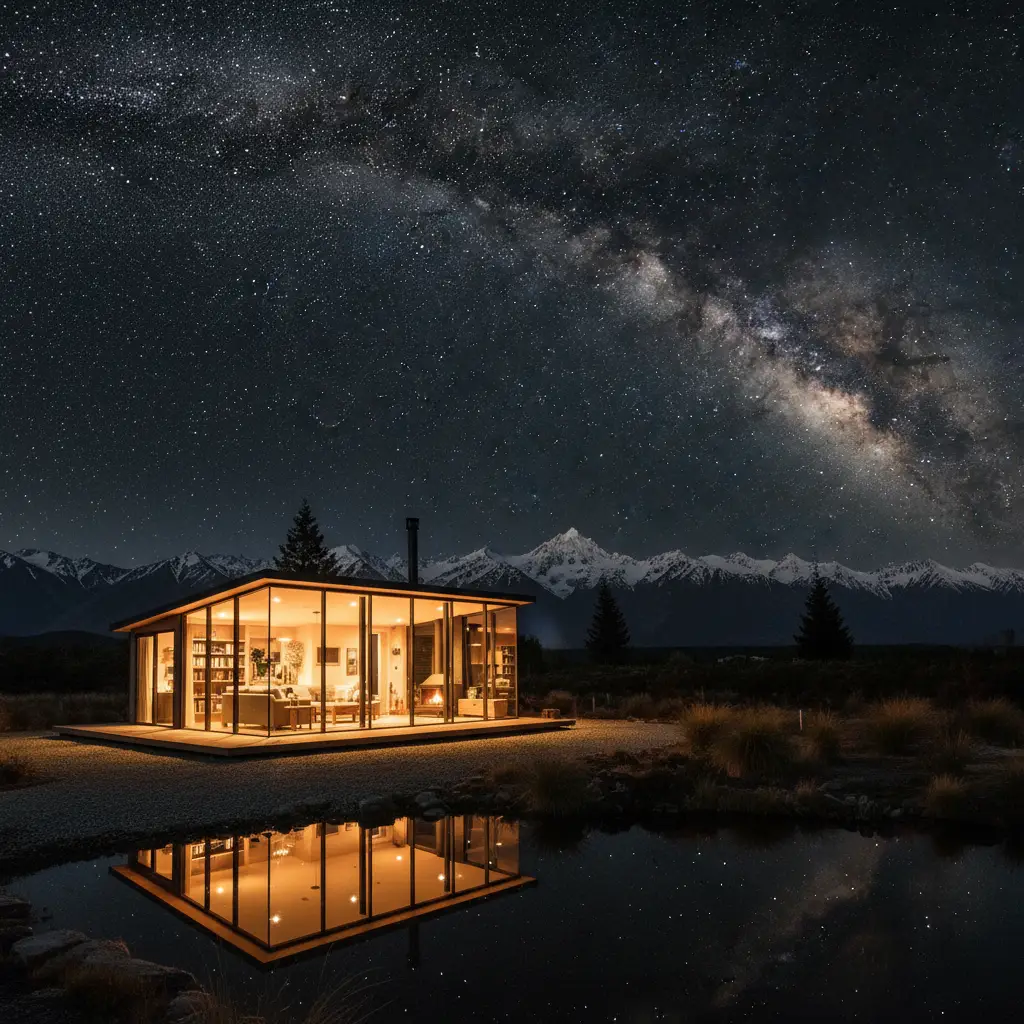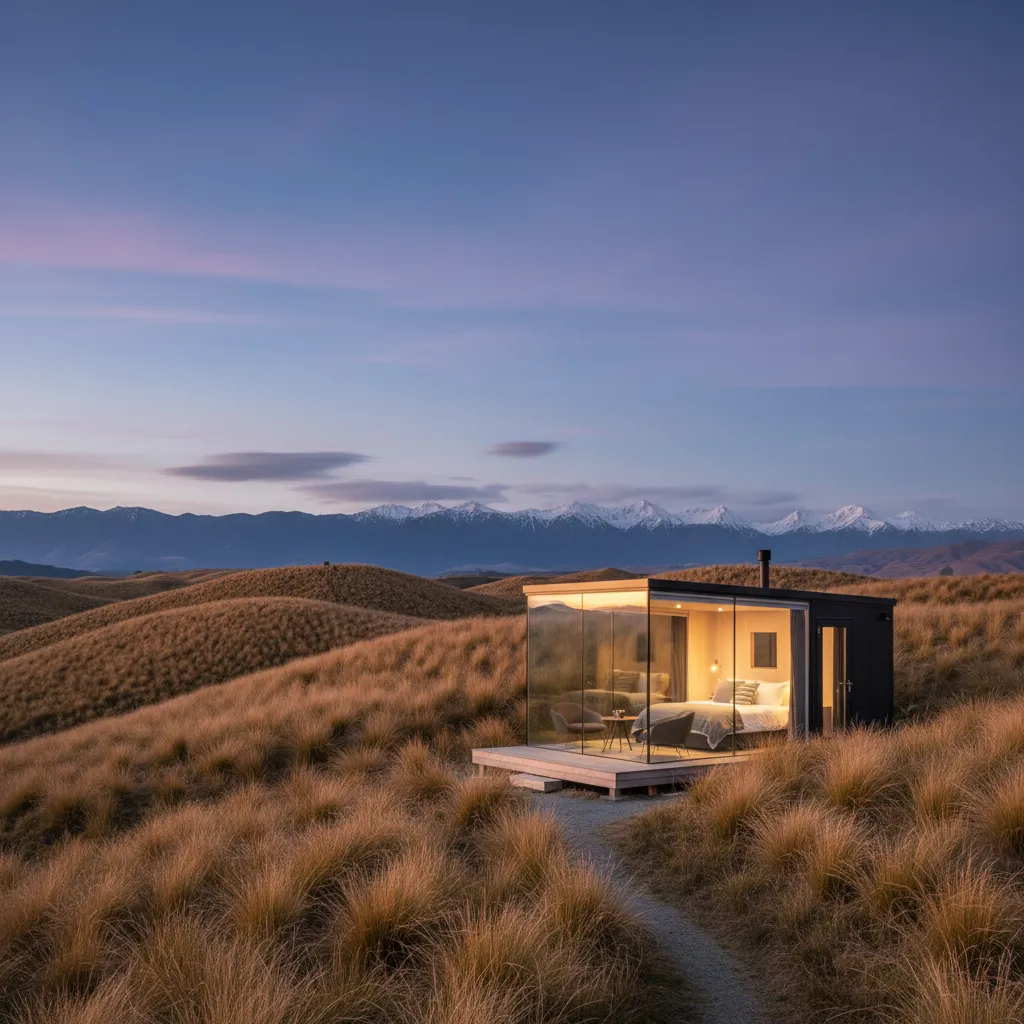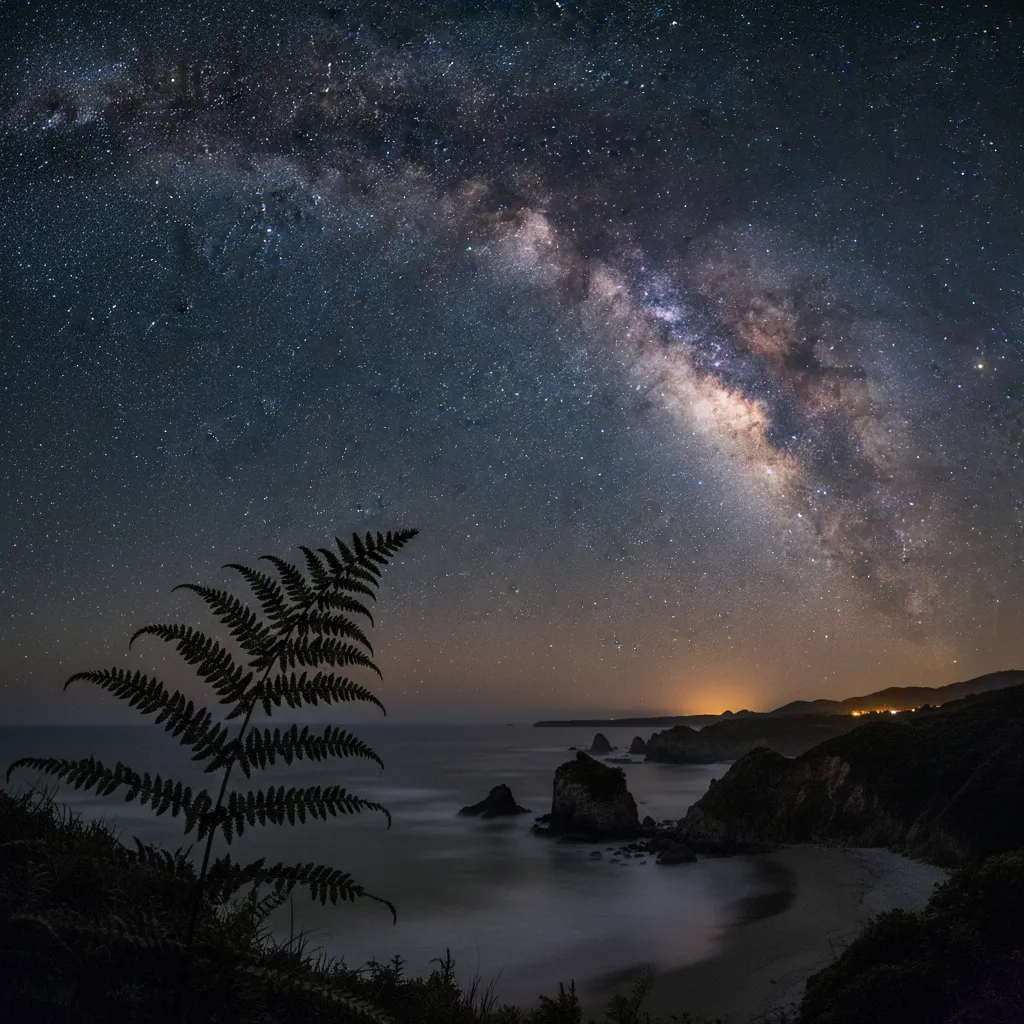
Luxury glamping in Wairarapa combines high-end accommodation with the region’s status as an International Dark Sky Reserve. Located just an hour from Wellington, these exclusive sites offer amenities like outdoor baths, vineyard settings, and plush interiors, providing the perfect vantage point for world-class stargazing and Matariki celebrations.
The Wairarapa region, separated from Wellington by the rugged Remutaka Ranges, has transformed into New Zealand’s premier destination for astro-tourism and boutique accommodation. Known for its award-winning Pinot Noir and untamed coastlines, the area now boasts an accolade that sets it apart on the global stage: an International Dark Sky Reserve certification. For travelers seeking an immersive experience that balances the comforts of a five-star hotel with the raw beauty of the cosmos, luxury glamping in Wairarapa offers an unrivaled escape.
What Makes Wairarapa’s Dark Sky Reserve Unique?
The Wairarapa Dark Sky Reserve is not merely a location with low light pollution; it is a protected sanctuary dedicated to the preservation of the night sky. Covering over 3,600 square kilometers, this reserve encompasses the districts of South Wairarapa and Carterton. It is one of only 21 such reserves in the world, making it a bucket-list destination for astronomers and romantic travelers alike.
For the luxury glamper, this certification guarantees an experience that is becoming increasingly rare in the modern world: true darkness. The local councils and communities have committed to managing outdoor lighting to minimize light spill, ensuring that the Milky Way appears with startling clarity. When you book a glamping site here, you are securing a front-row seat to a celestial theater where shooting stars, satellites, and the Magellanic Clouds are visible to the naked eye.
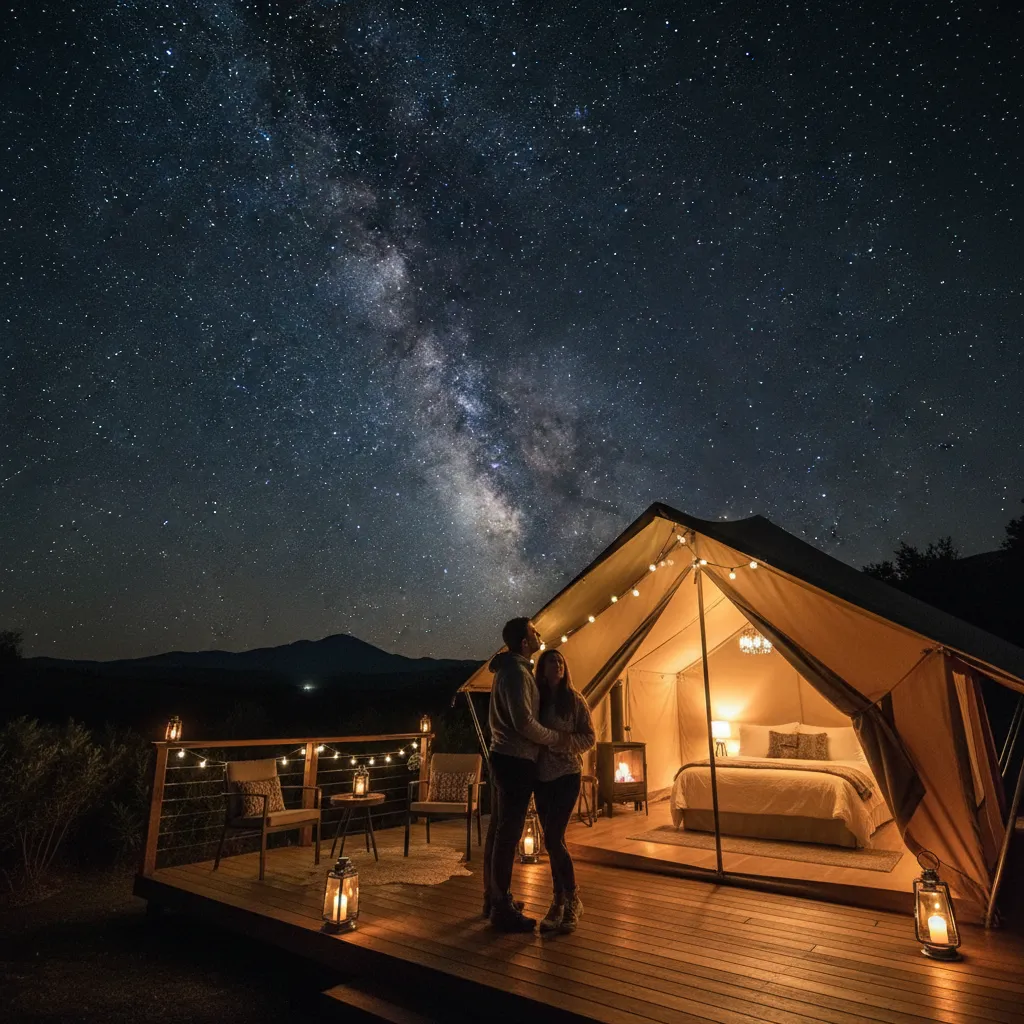
Understanding the Visual Quality
The quality of the night sky in Wairarapa often reaches a level 1 or 2 on the Bortle Scale, which measures the brightness of the night sky. In comparison, a typical city suburb is a class 5 or 6, where only the brightest stars are visible. In the Wairarapa countryside, the sky is so dark that the clouds of the Milky Way can cast shadows on the ground. This pristine environment is the primary driver behind the surge in luxury glamping developments, as site owners design their accommodations—often featuring glass ceilings or expansive decks—specifically to maximize sky visibility.
Top Luxury Glamping Sites Near Wellington
The glamping landscape in Wairarapa has evolved significantly. Gone are the days of basic bell tents; the current market offers architectural marvels designed for year-round comfort. These sites cater to the commercial intent of high-value travelers looking for “turn-key” nature experiences.
Riverside Retreats and Geodesic Domes
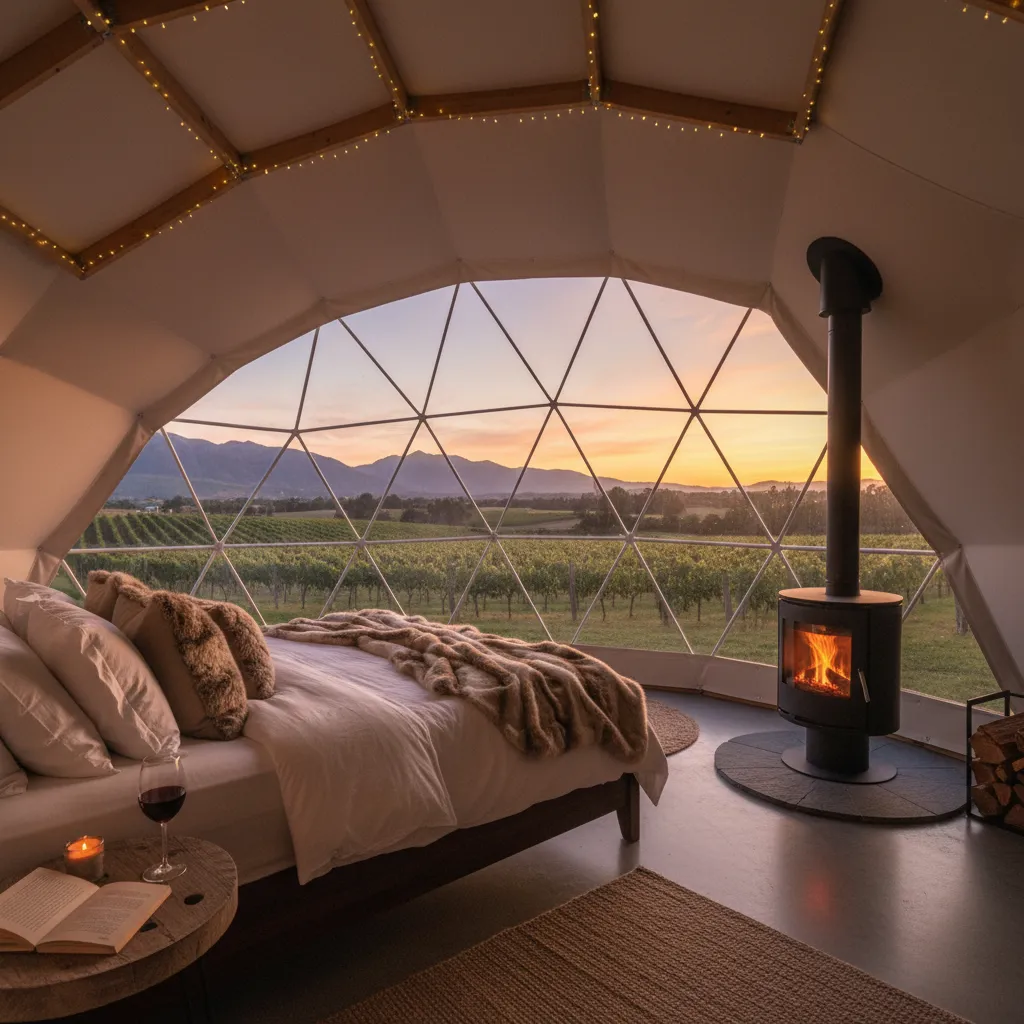
One of the most popular forms of glamping in the region is the geodesic dome. These structures are engineered to withstand the Wairarapa winds while offering panoramic windows. Situated often along the Ruamahanga River or tucked into the foothills of the Tararua Ranges, these domes feature en-suite bathrooms with rain showers, kitchenettes stocked with local produce, and wood-burning fireplaces.
Key features to look for when booking:
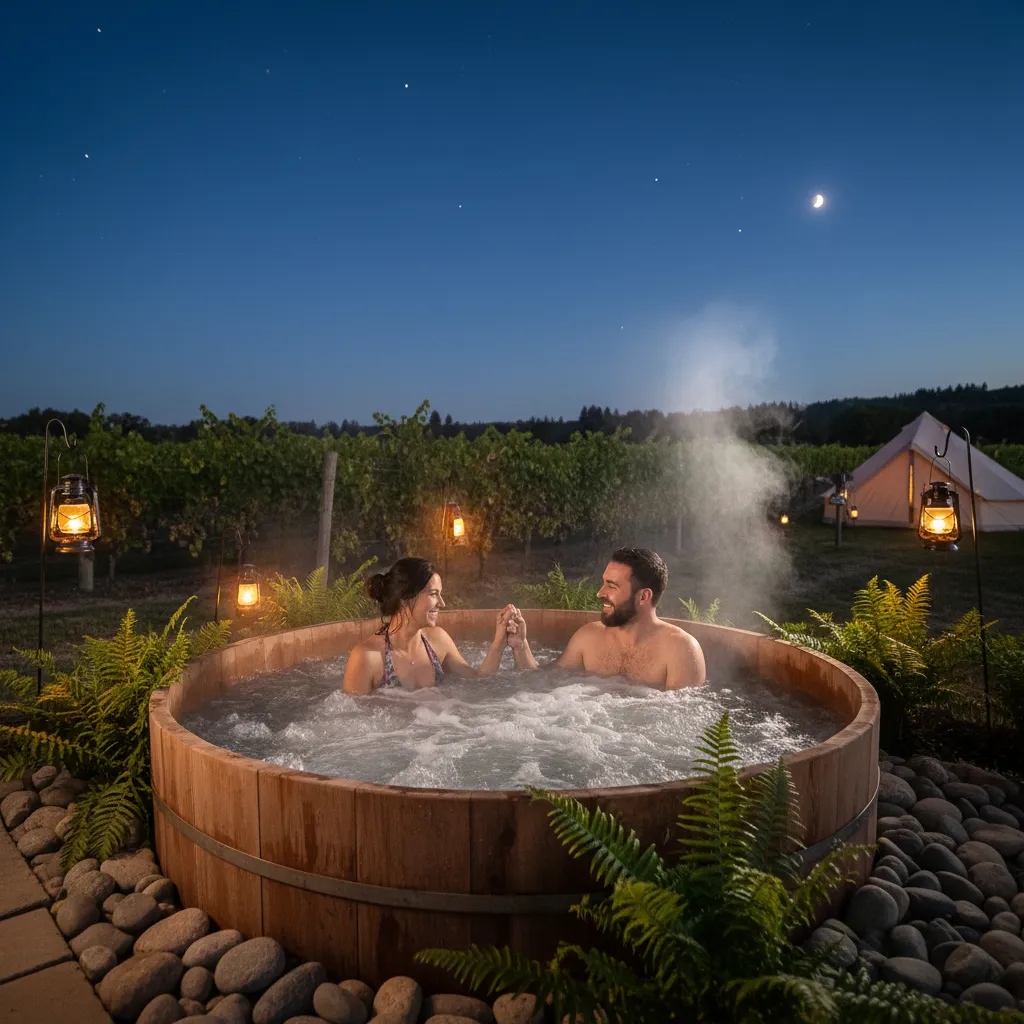
- Outdoor Baths: A staple of Wairarapa luxury. Look for clawfoot bathtubs or cedar hot tubs positioned on private decks.
- Climate Control: Essential for winter stargazing. Ensure the site offers heat pumps or log burners.
- Privacy: The best sites are isolated, ensuring you don’t see neighbors, only nature.
High-End Safari Tents
Inspired by African luxury lodges, these permanent canvas structures offer a different aesthetic. They often feature hardwood floors, internal partition walls, and full-sized furniture. Located frequently near Martinborough, these sites provide easy access to the vineyards while maintaining a sense of rural seclusion. The canvas walls allow the sounds of the New Zealand bush—the call of the Tui and the Ruru (morepork)—to filter through, enhancing the connection to the environment without sacrificing comfort.
Martinborough Vineyards and Stargazing Combos
The commercial appeal of Wairarapa glamping is heavily tied to its viticulture. Martinborough is world-renowned for its Pinot Noir, and many glamping sites offer packages that combine oenology with astronomy.
The Day-to-Night Transition
A typical luxury itinerary involves cycling through the vines during the day. The flat terrain of Martinborough makes it accessible for e-biking between cellar doors. As evening falls, the focus shifts upwards. Several glamping operators partner with local astronomy guides, such as Star Safari, to bring high-powered telescopes directly to your accommodation. This “private astronomer” experience creates a seamless transition from tasting complex reds to viewing complex constellations.
This combination is particularly attractive for the “romance” market segment. The ability to sip a vintage Pinot Noir in a hot tub while a guide points out the Jewel Box cluster or the rings of Saturn is a unique selling proposition of the Wairarapa region.
The Matariki Connection: Indigenous Astronomy
New Zealand’s embrace of Matariki (the Māori New Year) has added a profound cultural layer to the glamping experience. Matariki is the Māori name for the star cluster known as the Pleiades. Its rise in mid-winter marks the start of the new year and is a time for remembrance, celebrating the present, and looking to the future.
Glamping during the Matariki season (typically June or July) offers a distinct experience. The nights are longer and colder, meaning the stars are visible for longer periods. High-end glamping providers often curate Matariki packages that include:
- Cultural Storytelling: Guides who explain the Māori legends associated with the stars.
- Hāngī-inspired Cuisine: Gourmet hampers featuring traditional Māori cooking methods or ingredients like kumara and horopito.
- Morning Viewing: Matariki is best viewed just before dawn. Waking up in a luxury tent, wrapped in wool blankets, to watch the cluster rise is a spiritual experience for many visitors.
Weekend Itineraries for Couples
To maximize a short stay, structured itineraries help ensure you experience the best of the region’s food, wine, and skies.
Option 1: The “Wine and Unwind” (Relaxation Focus)
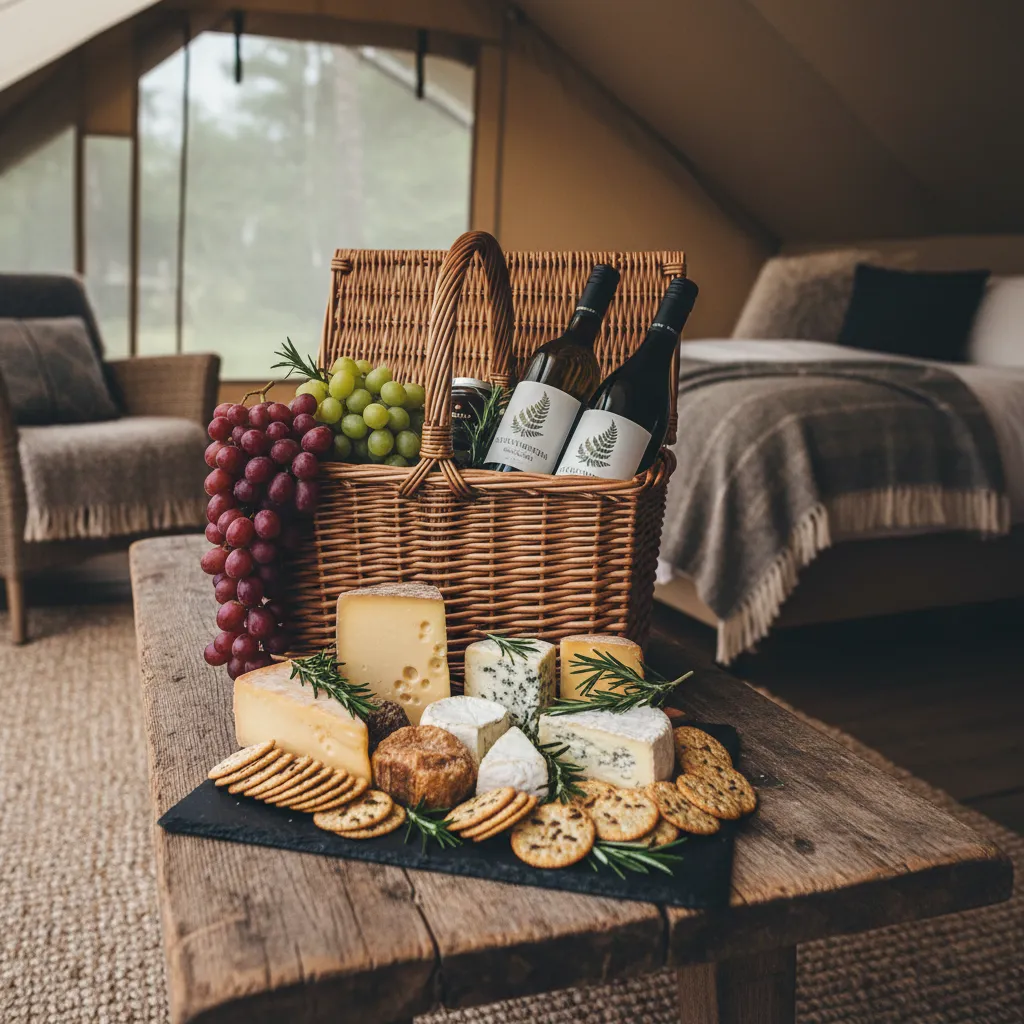
Friday PM: Arrive at your glamping site. Check-in is usually contactless. Unpack a pre-ordered local produce hamper featuring Kapiti cheeses and Martinborough crackers. Soak in the outdoor bath under the stars.
Saturday AM: Late breakfast on the deck. Head into Martinborough village for coffee. Rent bikes and visit 3-4 vineyards (e.g., Poppies, Colombo, or Moy Hall).
Saturday PM: Dinner at a local bistro like Union Square, or use the BBQ facilities at your glamping site. Late-night stargazing session.
Sunday AM: Visit the Sunday markets (if operating) or take a short walk to the Putangirua Pinnacles before heading back to Wellington.
Option 2: The “Astronomer’s Dream” (Activity Focus)
Friday PM: Arrive and head straight to a scheduled tour at Stonehenge Aotearoa, a modern open-air astronomical observatory adapted for the Southern Hemisphere.
Saturday AM: Drive to Cape Palliser. Visit the lighthouse and the seal colony. The rugged coast offers dramatic photo opportunities.
Saturday PM: Book a private “Star Safari” tour where experts bring telescopes to your glamping site. Learn to navigate using the Southern Cross.
Sunday AM: Enjoy a slow morning with a view of the Tararua Ranges. Stop at Greytown for boutique shopping on the return drive.
Planning Essentials: Seasons and Packing
While glamping implies luxury, the Wairarapa climate requires preparation. The region is known for hot, dry summers and crisp, cold winters.
Best Time to Visit
- Summer (Dec-Feb): Best for vineyard cycling and outdoor dining. The nights are shorter, so stargazing happens later (after 10 PM).
- Autumn (Mar-May): Often considered the “sweet spot.” Stable weather, golden vines, and earlier sunsets for stargazing.
- Winter (Jun-Aug): The best time for serious astronomy and Matariki. The air is clearest, and the nights are long. Requires booking sites with robust heating and insulation.
- Spring (Sep-Nov): beautiful blooms, but can be windy (the famous equinox winds).
The Luxury Glamper’s Packing List
Even though linens and toiletries are provided, consider bringing:
- Slip-on shoes: For moving between the tent and the outdoor bath/deck.
- Warm layers: Even in summer, temperatures drop significantly at night due to the clear skies. Merino wool is ideal.
- Binoculars: While telescopes are great, a good pair of binoculars is perfect for scanning the Milky Way from a deck chair.
- Red light torch: Regular white light ruins night vision. A red light allows you to navigate without disrupting your eyes’ adaptation to the dark.
Conclusion
Luxury glamping in Wairarapa offers a compelling blend of sophistication and nature. It is a rare opportunity to disconnect from the digital world and reconnect with the physical universe, all while enjoying the finest wine and hospitality New Zealand has to offer. Whether for a romantic engagement, a Matariki celebration, or simply a retreat from the city, the Dark Sky Reserve awaits.
What is the best time of year for glamping in Wairarapa?
For the best balance of weather and activities, Autumn (March to May) is ideal. However, for the best stargazing and Matariki experiences, Winter (June to August) is superior, provided you book accommodation with heating.
How much does luxury glamping in Wairarapa cost?
Prices typically range from $250 to $600 NZD per night. High-end sites with private hot tubs and weekend packages will be at the upper end of this spectrum.
Are Wairarapa glamping sites suitable for families?
While many sites focus on couples and romance, several operators offer larger safari tents or family domes. Always check the specific site policy regarding children and extra bedding.
Do glamping sites have electricity and WiFi?
Yes, luxury glamping sites in Wairarapa generally provide electricity, power points, and WiFi. However, some “off-grid” experiences may limit WiFi to encourage disconnection.
Can I see the Southern Lights (Aurora Australis) from Wairarapa?
Yes, during periods of high solar activity, the Aurora Australis can be visible from the south coast of Wairarapa (like Cape Palliser), as there is nothing between the coast and Antarctica.
How far is Wairarapa from Wellington?
The Wairarapa region is approximately a 1-hour to 1.5-hour drive from Wellington, crossing the Remutaka Hill. It is also accessible by train to Featherston, Carterton, or Masterton.