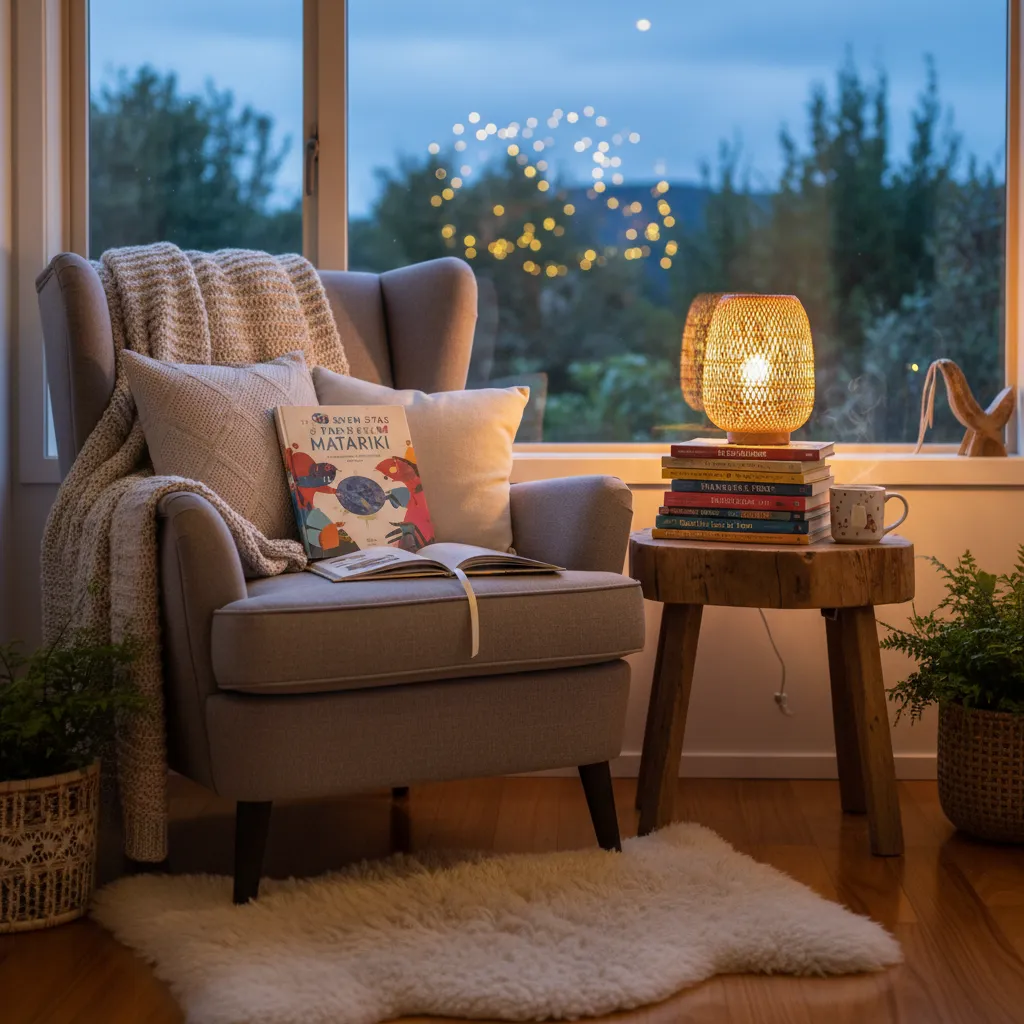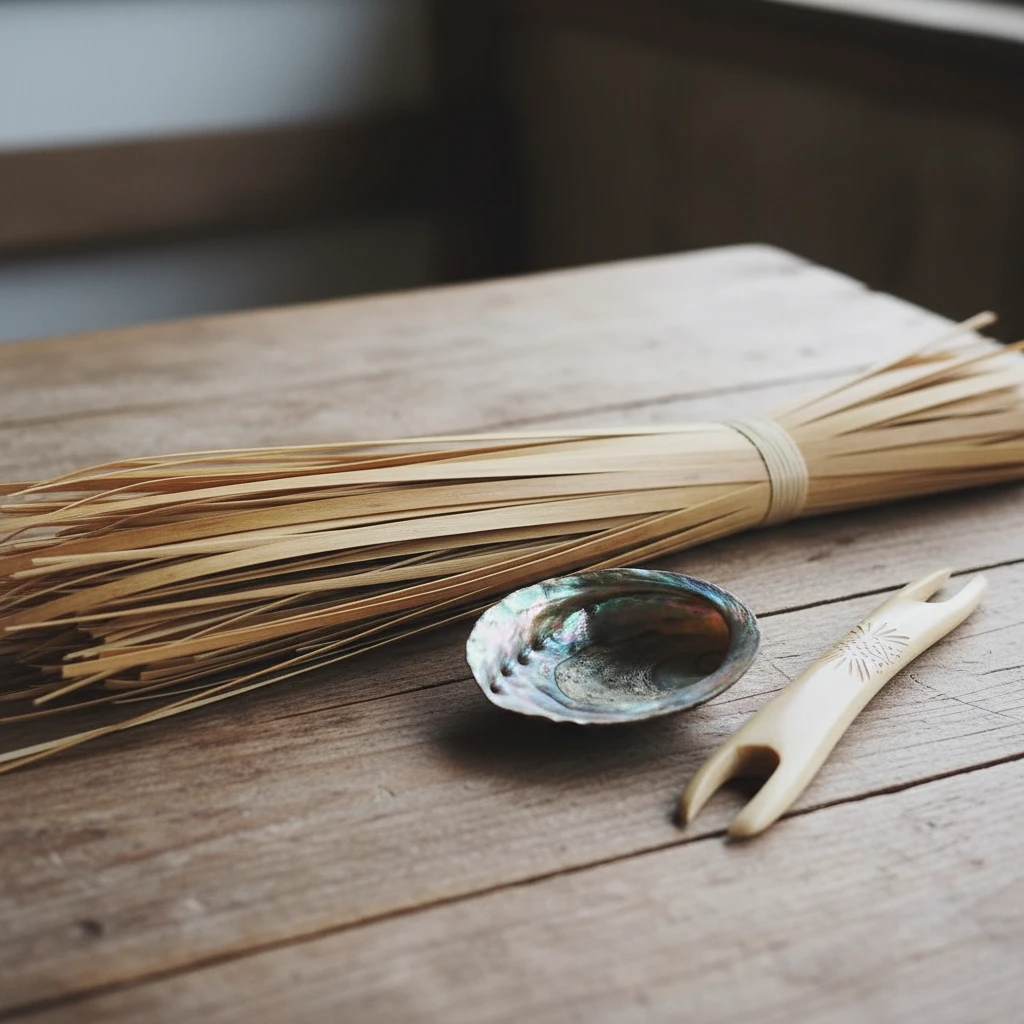
Maori art prints for sale encompass high-quality reproductions of indigenous Toi Māori, ranging from traditional kowhaiwhai patterns to contemporary digital interpretations. These prints offer an accessible entry point for collectors to own culturally significant taonga (treasures), particularly during Matariki, while ensuring ethical support for artists and the preservation of New Zealand’s unique visual heritage.
Toi Māori (Māori art) is more than just decoration; it is a visual language that communicates whakapapa (genealogy), mythology, and the deep spiritual connection between the people and the land of Aotearoa. As the market for Maori art prints for sale expands, so does the responsibility of the buyer to engage with these works respectfully and ethically. Whether you are seeking a limited edition piece to commemorate the Matariki public holiday or a contemporary print to modernize your living space, understanding the nuance between commercial availability and cultural safety is paramount.
What are Limited Edition Matariki Themed Prints?
With the recent official recognition of Matariki as a public holiday in New Zealand, there has been a significant surge in artistic expression dedicated to this celestial event. Matariki signals the Māori New Year, a time for remembrance, celebrating the present, and looking to the future. Art prints released during this season are often limited runs, making them highly collectible assets.
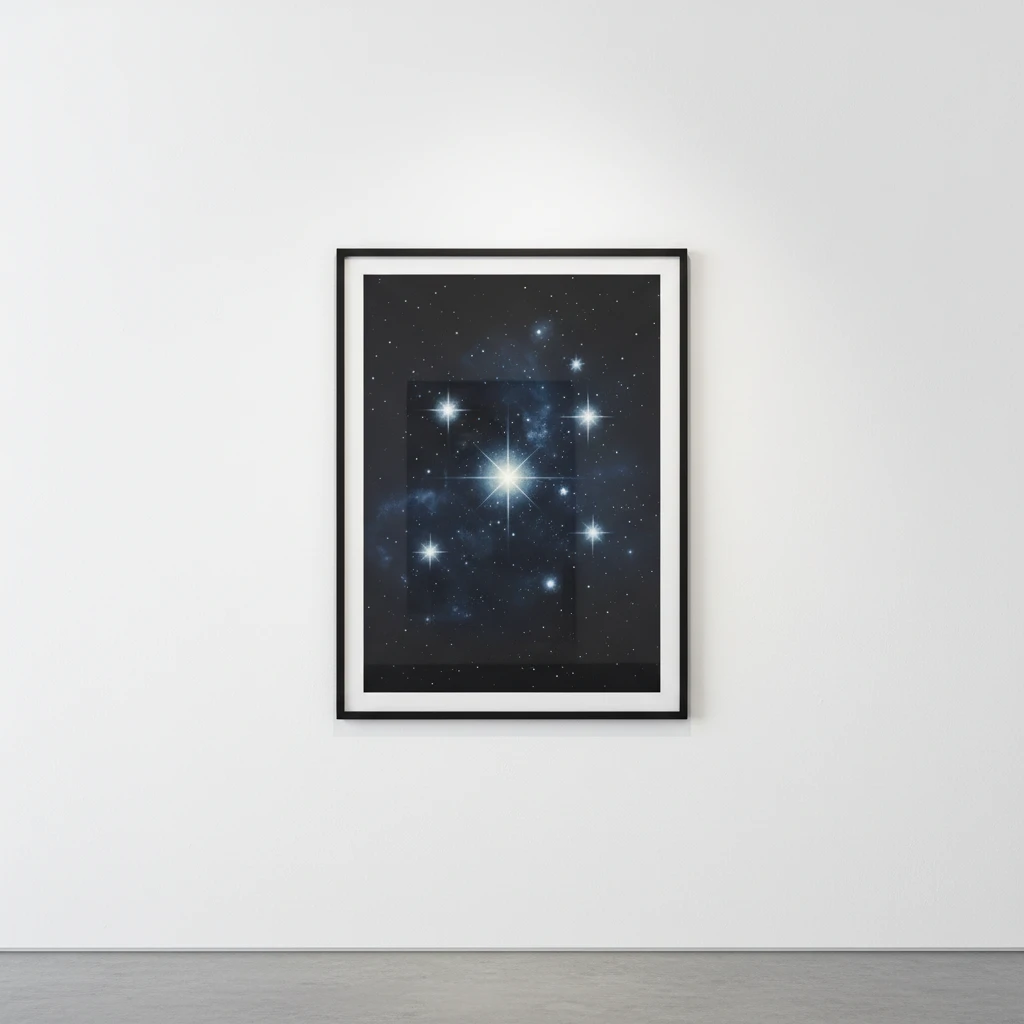
Matariki-themed prints often feature the nine stars of the cluster (Matariki, Pōhutukawa, Tupuānuku, Tupuārangi, Waipuna-ā-rangi, Ururangi, Hiwa-i-te-rangi, Waitī, and Waitā). Artists utilize these prints to tell stories of the harvest, environmental stewardship, and navigation.
Why Invest in Matariki Collections?
Purchasing prints specifically curated for Matariki supports the revitalization of indigenous knowledge. These collections are often released with specific narratives attached to them:
- Seasonal Relevance: The artwork often reflects the specific environmental cues of the New Zealand winter and the promise of spring.
- Exclusivity: Many artists release “Matariki Editions” which are numbered and signed, ensuring that once the edition sells out, it will not be reprinted.
- Educational Value: These prints frequently come with artist statements explaining the specific star or environmental aspect depicted, serving as an educational tool for the buyer.
What is the Difference Between Traditional and Contemporary Maori Art Styles?
When searching for Maori art prints for sale, buyers will generally encounter two distinct schools of design. Understanding the difference is crucial for ensuring the artwork aligns with your aesthetic preferences and the atmosphere of the room it will inhabit.
Traditional Styles (Toi Tuku Iho)
Traditional prints are often high-resolution reproductions of physical mediums such as Whakairo (carving), Raranga (weaving), or Kowhaiwhai (rafter painting). These works adhere strictly to the rules of composition passed down through generations.
- Color Palette: Predominantly utilizes the traditional trio of Whero (red), Ma (white), and Pango (black).
- Motifs: Heavily features the Koru (spiral), Mangopare (hammerhead shark), and Poutama (stairway to heaven).
- Intent: Often focused on genealogy and tribal storytelling.
Contemporary Styles (Toi Hou)
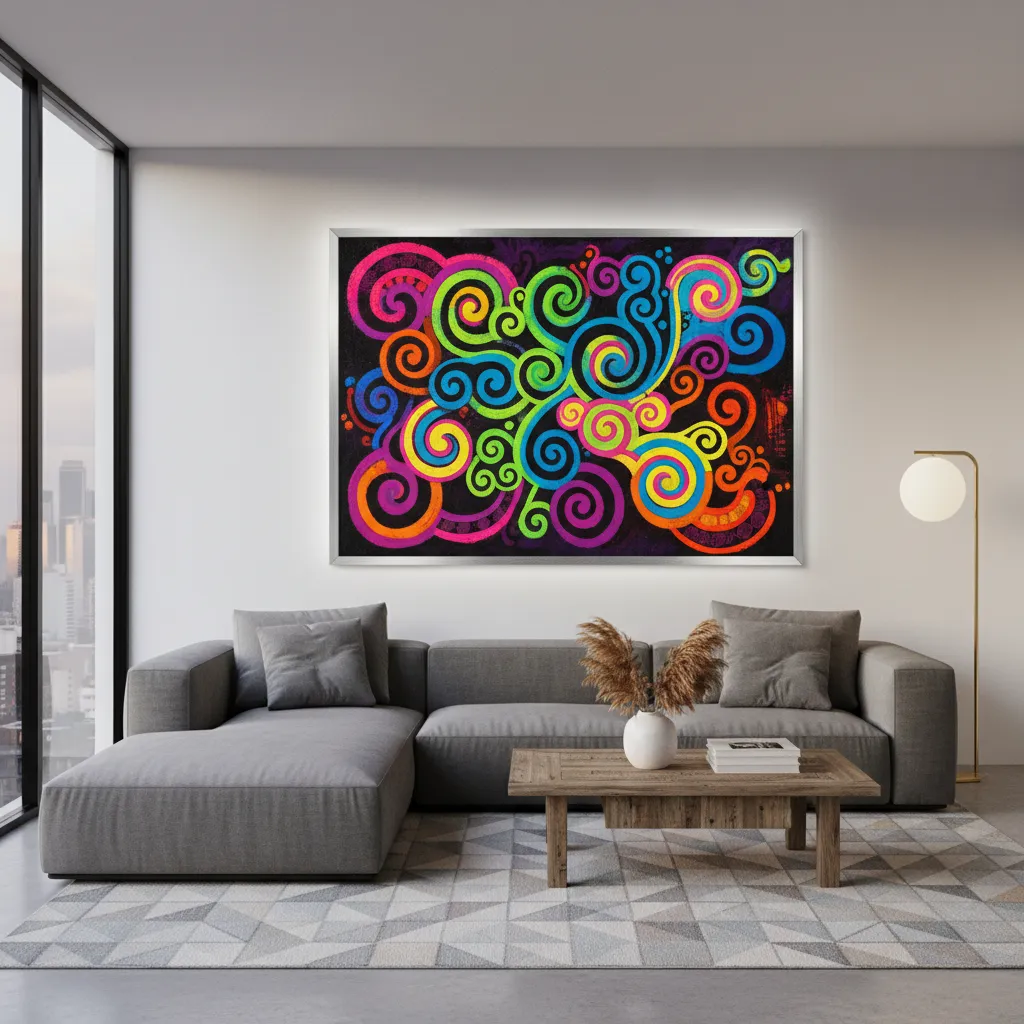
Contemporary Māori art prints represent the evolution of the culture. These artists use modern tools—digital illustration, photography, and mixed media—to reinterpret traditional concepts for a modern world.
- Color Palette: Unrestricted. You will often see vibrant teals, purples, and metallics that break away from the traditional triad.
- Motifs: Traditional shapes may be deconstructed, abstracted, or combined with urban graffiti styles and pop culture references.
- Intent: Focuses on current political issues, urban identity, and the futuristic vision of Māori culture.
How to Ensure Cultural Safety and Authenticity?
In the commercial market, “Cultural Safety” refers to the ethical consumption of indigenous art. It ensures that the purchase respects the culture from which it originates and that the artist is fairly compensated. Unfortunately, the market is rife with mass-produced “Māori-style” prints made overseas that appropriate sacred designs without permission.
Identifying Authentic Maori Art
To ensure you are buying authentic Maori art prints for sale, look for the following indicators:
- Toi Iho Trademark: This is a registered trademark of authenticity and quality for Māori art. It guarantees the artist is of Māori descent and the work is of high quality.
- Artist Whakapapa: Reputable galleries and online stores will always list the artist’s tribal affiliations (Iwi and Hapu). If the seller cannot identify the artist or their background, proceed with caution.
- Direct from Artist: Buying directly from an artist’s website or a verified collective is the safest way to ensure revenue goes back to the creator.
Cultural Appropriation vs. Appreciation: Buying a print from a Māori artist is appreciation. Buying a print of a Māori design made by a non-Māori corporation is appropriation. Always check the source.
Who Are the Key Artists to Watch?
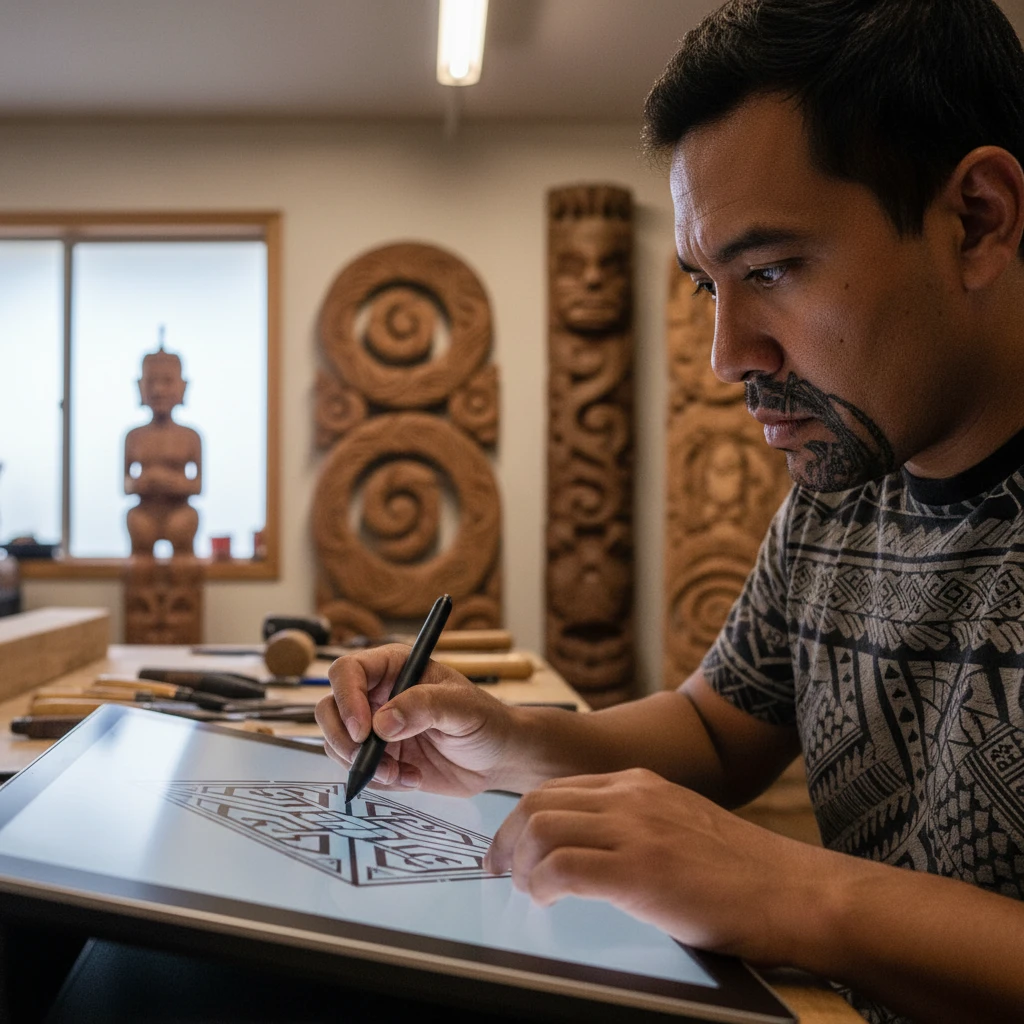
The landscape of New Zealand art is being defined by a mixture of established masters and emerging talent. When browsing prints, understanding the artist’s background adds immense value to the piece.
The Masters
Prints by established artists often hold their value well. These artists have spent decades refining their craft and have often exhibited in major galleries like Te Papa. Their prints are usually higher in price but come with significant pedigree.
The Emerging Wave
A new generation of digital natives is producing incredible work specifically for the print market. These artists often focus on themes of decolonization, mental health, and environmentalism. Their work is often more accessible in price, making it perfect for new collectors.
How to Handle Framing and Shipping in NZ?
Once you have selected your artwork, the logistics of preservation and display are critical. High-quality Maori art prints are typically produced using Giclée printing on archival paper, meaning they are designed to last for decades without fading—provided they are treated correctly.
Understanding Print Quality
When reviewing Maori art prints for sale, look for these specifications:
- Paper Weight: Measured in GSM (grams per square meter). A quality art print should be on paper between 200gsm and 310gsm. This ensures the paper doesn’t ripple or warp over time.
- Ink Type: Ensure the listing mentions “pigment-based inks” or “archival inks.” Dye-based inks, common in standard home printers, will fade within a few years.
- Acid-Free: The paper must be acid-free to prevent yellowing.
Framing for Longevity
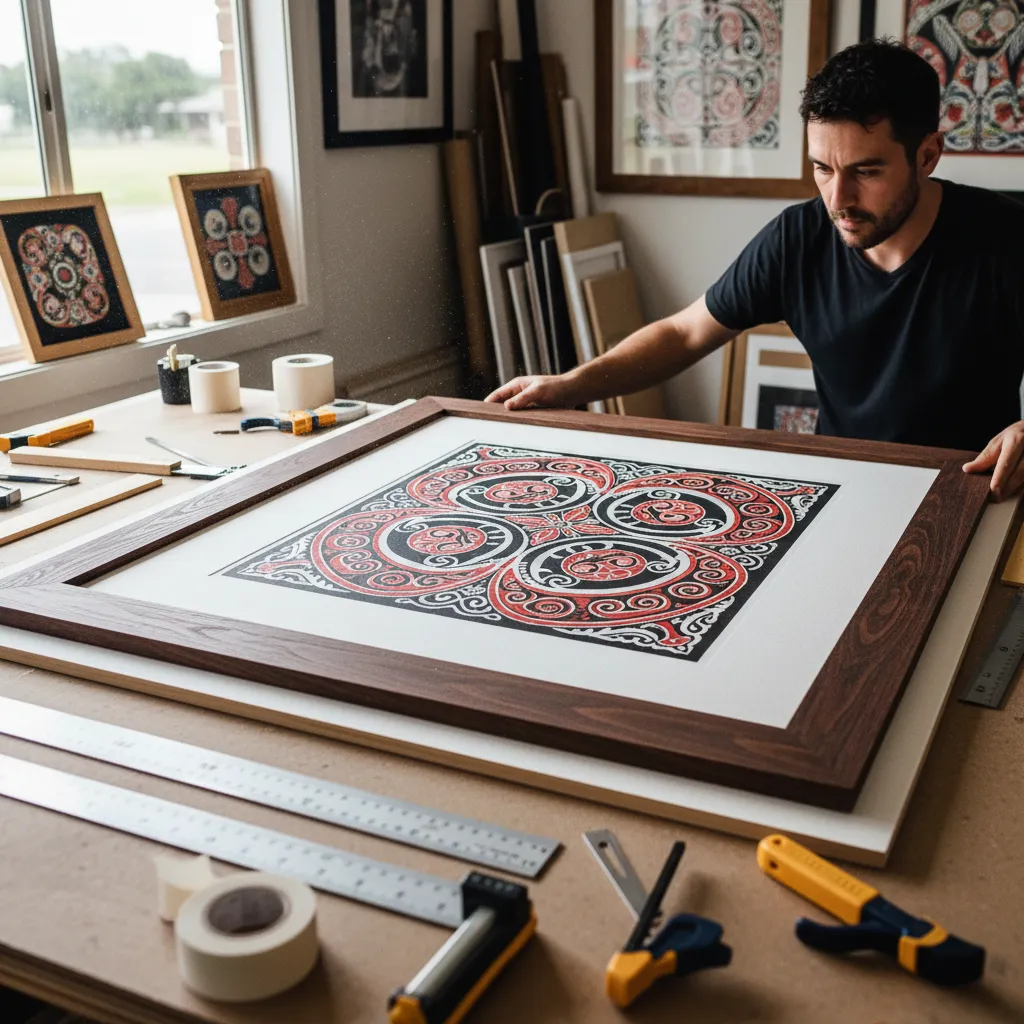
Proper framing is not just aesthetic; it is a conservation measure. If you are buying an unframed print, ensure your local framer uses UV-protective glass. This is particularly important in New Zealand, where the UV index is high and can damage artwork rapidly.
Shipping Logistics within New Zealand
Shipping art requires specialized care. Most reputable sellers in NZ will ship prints rolled in heavy-duty tubes to prevent creasing. Flat shipping is risky for larger prints as they can bend during transit.
- Insured Shipping: Always opt for insured shipping / track and trace. Art is irreplaceable if it is a limited edition.
- Rural Delivery: If you live in a rural NZ location, allow extra time. Rural couriers often hand off packages, increasing the risk of handling damage. Ensure the seller marks the package clearly as “Fragile.”
People Also Ask
Is it culturally offensive for non-Māori to buy and display Māori art?
No, it is generally not offensive. In fact, Māori artists create prints for sale specifically to share their culture with the world. Purchasing authentic art supports the artist and the culture. However, it is important to display the art respectfully (e.g., not placing images of heads or ancestors in areas associated with food or bathrooms).
What is the difference between an original and a limited edition print?
An original is the unique, one-of-a-kind artwork created by the artist’s hand (e.g., a painting or drawing). A limited edition print is a high-quality reproduction of that original, produced in a specific quantity (e.g., 1 of 50). Once the limit is reached, no more are made, which retains some exclusivity and value compared to open-edition prints.
What do the different colors in Māori art represent?
Traditionally, Red (Whero) represents warmth, blood, and the earth (Papatūānuku). White (Ma) represents purity, harmony, and the spirit world (Te Ao Mārama). Black (Pango) represents the potential, the void, and the heavens (Ranginui). Contemporary prints may use a wider spectrum to represent modern interpretations of these concepts.
How can I tell if a Maori art print is authentic?
Check for the artist’s name, tribal affiliation (Iwi), and biography. Authentic prints are often sold through recognized galleries, the artist’s personal website, or collectives bearing the “Toi Iho” mark. Avoid mass-produced items from generic souvenir shops that do not credit a specific artist.
Can I ship Māori art prints overseas?
Yes, prints are one of the easiest forms of art to ship internationally because they can be rolled into tubes. However, if the art incorporates organic materials (like feathers or wood—rare for prints but possible for mixed media), you must check customs regulations for the destination country. Standard paper prints do not require special export permits.
What is the best way to hang a Maori art print?
Hang the print at eye level in a location out of direct sunlight to prevent fading. From a cultural perspective, avoid hanging depictions of ancestors or tapu (sacred) subjects in bathrooms or near where food is prepared. High-traffic living areas or hallways are ideal locations.