
Maori art supplies encompass a range of traditional and contemporary materials essential for Toi Māori, including prepared Harakeke (flax) for weaving, specialized chisels for Whakairo (carving), and natural or synthetic dyes for textile work. Sourcing these items requires identifying reputable New Zealand suppliers who respect traditional harvesting protocols and offer quality, sustainable resources for schools and artists.
As Matariki rises and the Māori New Year approaches, the demand for high-quality Māori art supplies surges across Aotearoa. Whether you are a seasoned kaiako (teacher) preparing for a term of cultural immersion, an artist refining your craft, or a community group organizing Matariki festivities, sourcing the right materials is foundational to the integrity of the artwork. You can also utilize an Interactive Night Sky Map Tool: Locate Matariki Now to time your creative projects with the cluster’s arrival. Authentic supplies not only facilitate the creation of beautiful taonga (treasures) but also uphold the mana of the traditions being practiced.
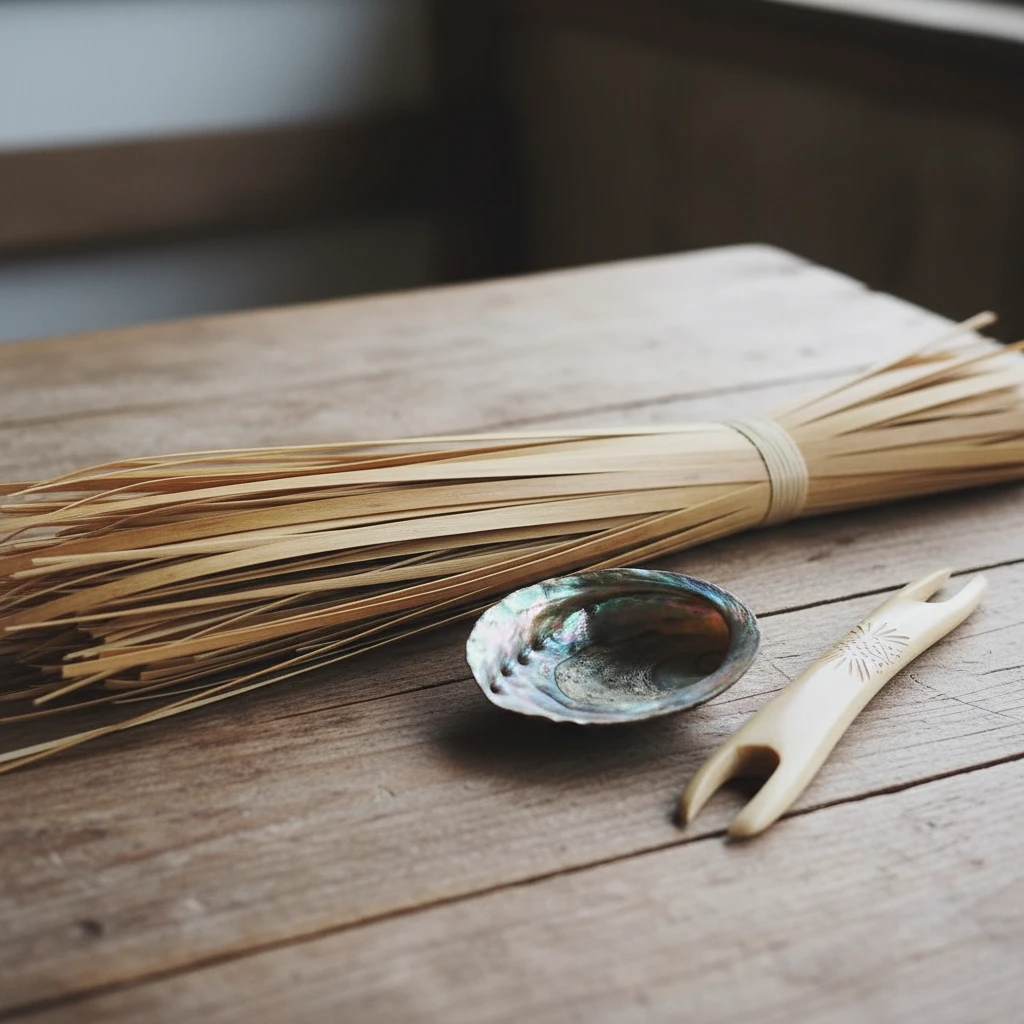
Where can you source Harakeke and Raranga materials?
Raranga (weaving) is perhaps the most accessible and widely practiced form of Māori art, especially during Matariki celebrations. However, the quality of the final kete (basket) or whāriki (mat) is entirely dependent on the quality of the harakeke (flax) used. While many weavers harvest their own, commercial and educational settings often require purchasing prepared materials.
Prepared vs. Raw Harakeke
For schools and beginners, purchasing prepared harakeke is often the most efficient route. This flax has already been harvested, stripped, boiled, and dried (though often re-soaking is needed). When buying prepared flax, look for suppliers who specify the variety. Cultivars like Kohunga are superior for softness and strength compared to wild swamp flax.
Essential Weaving Tools
Beyond the plant material, specific hardware is required to process the leaves properly:
- Mussel Shells: Traditional scraping tools used to remove the muka (fibre) or soften the leaf. While plastic scrapers exist, authentic mussel shells provide the best edge for stripping without damaging the fibers.
- Hāpine: A metal tool, often a dull blade or specialized scraper, used to soften the flax strip as it dries to prevent curling.
- Sizing Tools: Simple gauges to ensure all strips are of uniform width, crucial for geometric patterns.
What are the best dyes and paints for Māori art?
Color plays a vital role in Māori visual arts, carrying symbolic meaning regarding status, genealogy, and the natural world. Today, artists choose between traditional natural pigments and convenient modern synthetics.
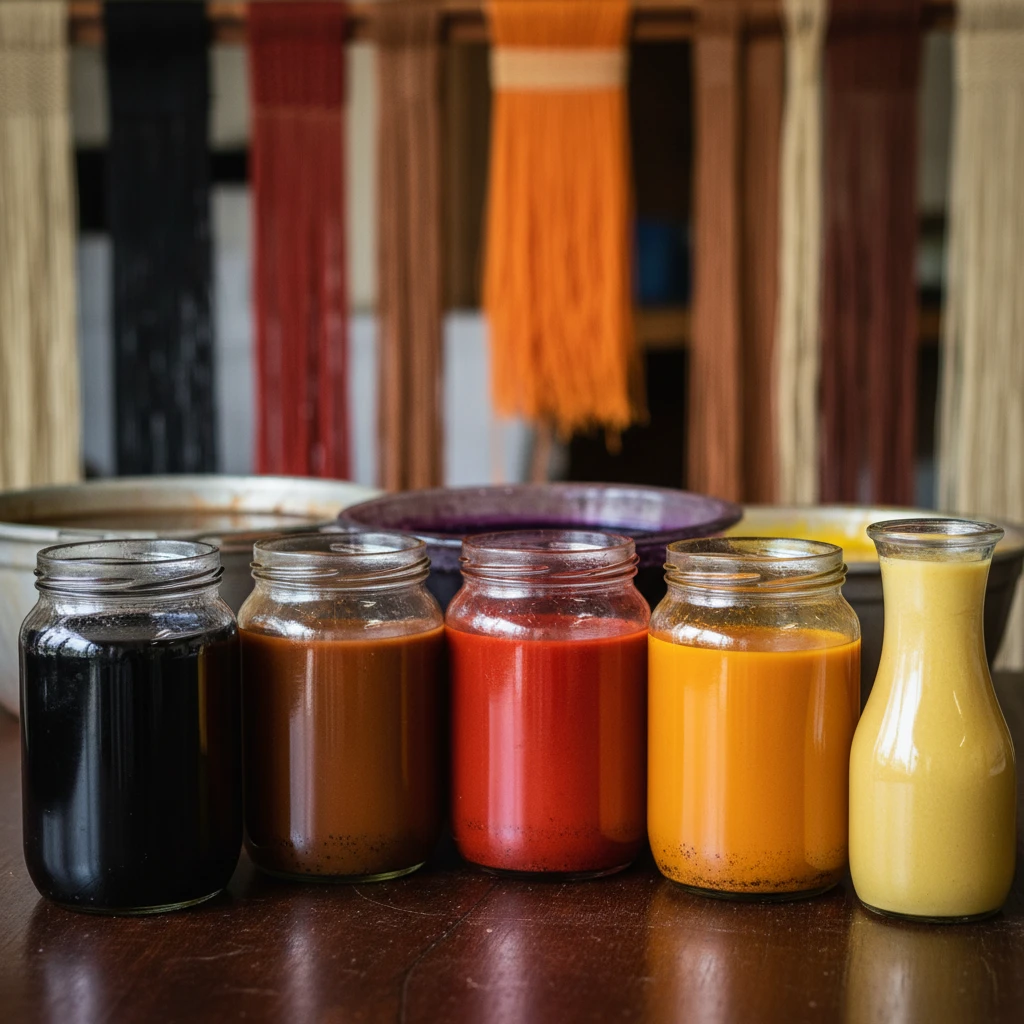
Modern Synthetic Dyes
For commercial applications and classroom environments, synthetic dyes are the standard due to their consistency, safety, and ease of use. The most common brands found in New Zealand art supply stores include:
- RIT Dye: Accessible and easy to mix, suitable for general classroom projects.
- Teri Dyes: Highly concentrated powder dyes favored by professional weavers for their vibrancy and fade resistance. They offer specific shades like “Maori Black” and “Golden Yellow” that mimic traditional colors.
Traditional Natural Pigments
For high-end art and strict adherence to tikanga, natural dyes are sourced from the environment:
- Paru (Black Mud): Sourced from specific swamps rich in iron salts. Flax is soaked in this mud to achieve a deep, permanent black.
- Tanekaha (Bark): The bark of the Celery Pine is boiled to produce a rich reddish-brown dye.
- Raurekau: Produces a yellow tone.
When selling or purchasing “traditional” supplies, verify if the dyes are genuinely natural or merely synthetic approximations, as this significantly affects the value and care instructions of the finished piece.
How to choose tools for Whakairo (Carving)?
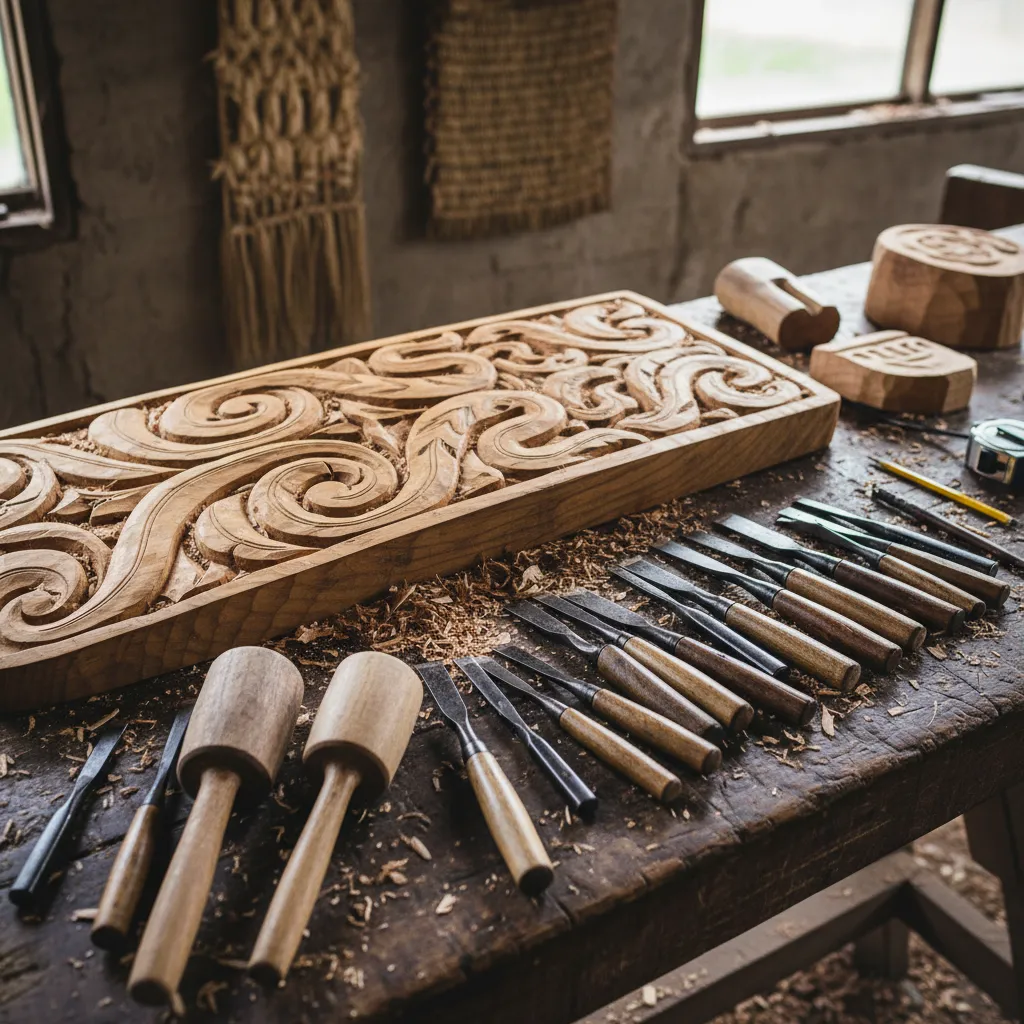
Whakairo requires precision steel tools. Unlike soft-wood whittling, Māori carving often involves dense native timbers, necessitating high-carbon steel chisels that hold a razor-sharp edge.
The Whao (Chisel) Kit
A standard starter kit for a student carver should include:
- Flat Chisels: For clearing background space and defining main forms.
- Gouges (V-chisels and U-chisels): Essential for surface patterns (haehae) and detailing (pākati).
- Mallet: Typically made from a dense wood or high-density polymer to drive the chisel without damaging the handle.
Sourcing Wood Blanks
Due to conservation laws, sourcing native timber requires diligence. You generally cannot harvest native trees without strict permits. Instead, purchase wood blanks from certified timber merchants who specialize in:
- Totara: The gold standard for carving; relatively soft, straight-grained, and durable.
- Kauri: Highly prized but expensive and rarer.
- Jellutong or Lime: Excellent, sustainable exotic alternatives for schools practicing technique before moving to native timbers.
Where to find suppliers for schools and bulk orders?
Matariki is a peak time for schools, and budget constraints often dictate purchasing decisions. Suppliers that cater specifically to the education sector often provide “Matariki Packs” which bundle essential items at a discounted rate.
What to Look for in a Bulk Supplier
When ordering for 30+ students, verify the following with your vendor:
- Consistency of Material: If buying bulk flax, ensure it is all from the same harvest batch to avoid color variation.
- Safety Certifications: Ensure all paints and dyes are non-toxic and suitable for children (e.g., AP certified).
- Cultural Resources: The best suppliers include instructional resources or lesson plans (such as raranga weaving instructions) with their bulk kits, adding immense value for teachers who may not be experts themselves, often complementing Matariki History Webinars & Talks.
Printmaking Alternatives
For schools where weaving or wood carving is too resource-intensive, printmaking supplies are a fantastic alternative for Matariki art. Lino cuts and woodblock printing allow students to explore Māori motifs (kowhaiwhai and moko patterns) using Matariki Merchandise & Prints as reference material:
- Soft-cut lino sheets (easier for young hands than traditional linoleum).
- Water-based block printing inks (easy cleanup).
- Brayers and bench hooks.
How to identify sustainable and eco-friendly options?
Māori art is intrinsically linked to the environment. Kaitiakitanga (guardianship) dictates that we must care for the resources we use. When purchasing supplies, the “commercial” intent should not override environmental responsibility.
Tikanga in Purchasing
Responsible suppliers will often outline their harvesting protocols. For example, if you are buying raw flax, ask if the “rito” (the baby leaf) and “awhi rito” (parent leaves) were left intact to ensure the bush’s survival. Avoiding suppliers who clear-cut flax bushes is critical for long-term sustainability.
Eco-Friendly Pigments and Materials
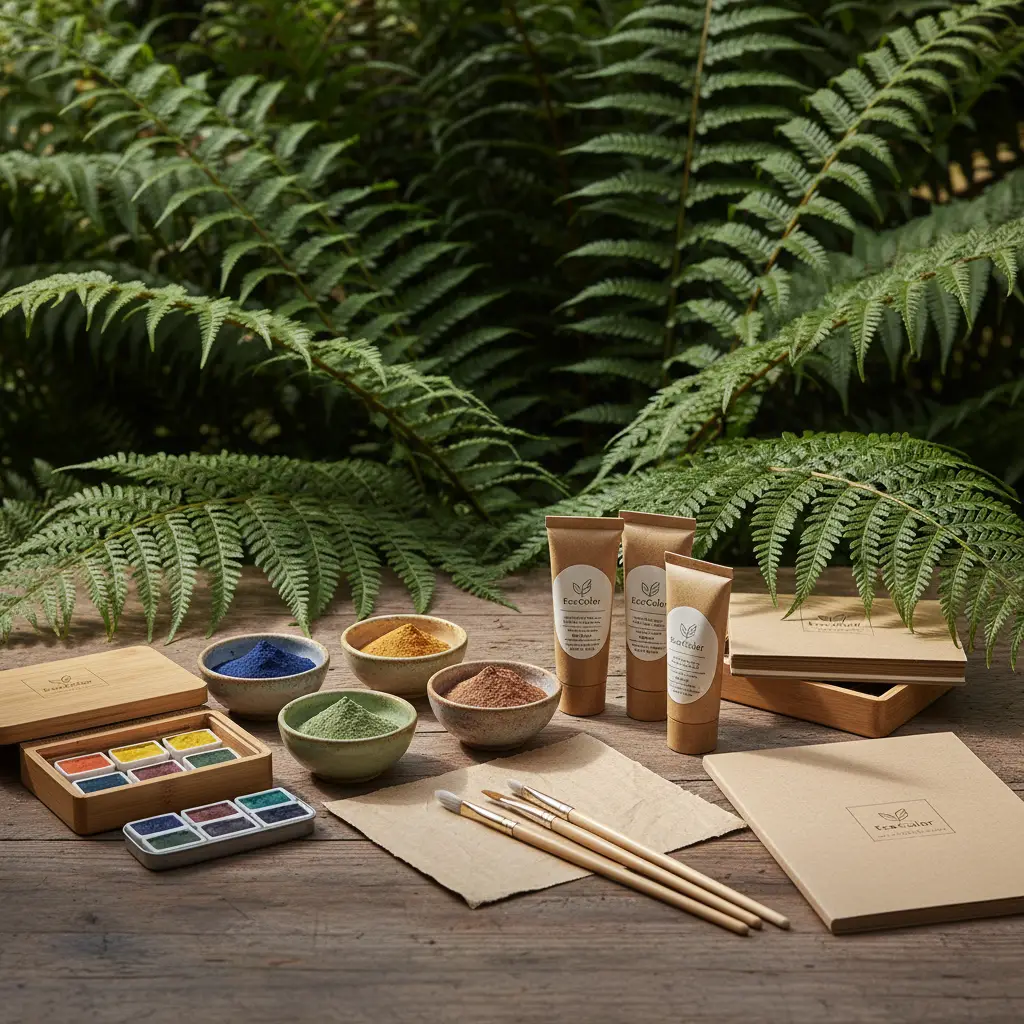
Look for the following eco-conscious indicators:
- Vegetable-based Inks: For printmaking, choose soy or vegetable-based inks over petroleum-based ones.
- Recycled Synthetic Dyes: Some modern manufacturers are producing dyes with lower water-consumption footprints.
- FSC Certified Wood: Only purchase carving blanks that are Forest Stewardship Council certified or sourced from recycled/swamp kauri timber (ancient buried wood recovered without felling live trees).
People Also Ask
What are the essential supplies needed for a beginner Maori weaving class?
For a beginner class, you need prepared harakeke (flax) strips, plastic or shell scrapers for softening, clothes pegs or clips to hold strips in place, and sharp scissors. A spray bottle with water is also helpful to keep the flax pliable while working.
Where can I legally buy native wood for Maori carving?
You can legally buy native wood like Totara or Kauri from certified timber merchants, specialty carving supply stores, or demolition yards selling recycled timber. Always ask for proof of legal sourcing to ensure it wasn’t illegally harvested from conservation land.
Can I use acrylic paint for Kowhaiwhai patterns?
Yes, high-quality acrylic paints are excellent for Kowhaiwhai patterns on wood or paper. They offer vibrant colors, dry quickly, and are water-resistant. For traditional looks, use matte medium to reduce the plastic sheen, or stick to a palette of red (ochre), black, and white.
What is the best alternative to traditional Paru (mud) dye?
The best modern alternative to Paru is a high-quality commercial fabric dye in a “Maori Black” or “Slate” shade. Teri Dyes are a popular brand in New Zealand that replicates the deep, matte black finish of traditional mud dyeing without the complex chemical process.
How do I store prepared Harakeke supplies?
Store prepared harakeke in a cool, dry place away from direct sunlight to prevent fading and brittleness. If the flax is dried (muka), it can be wrapped in paper. If it is fresh/green, it must be used quickly or refrigerated for a short period to prevent mold.
Are there specific brands of lino cutters recommended for schools?
For schools, brands like Essdee or Abig are highly recommended. They offer safety hand guards and changeable blades that are cost-effective. Soft-cut lino blocks are also preferred over traditional battleship lino as they are safer and easier for children to carve.