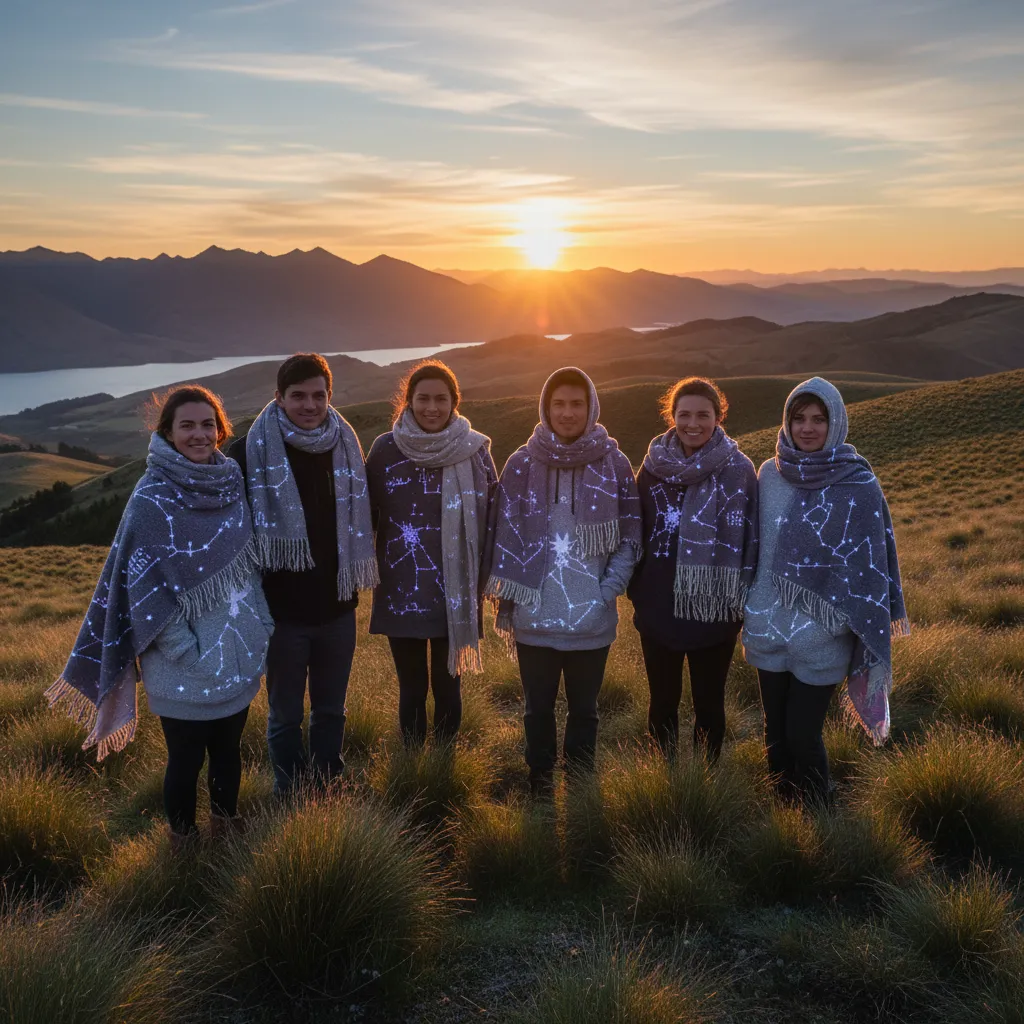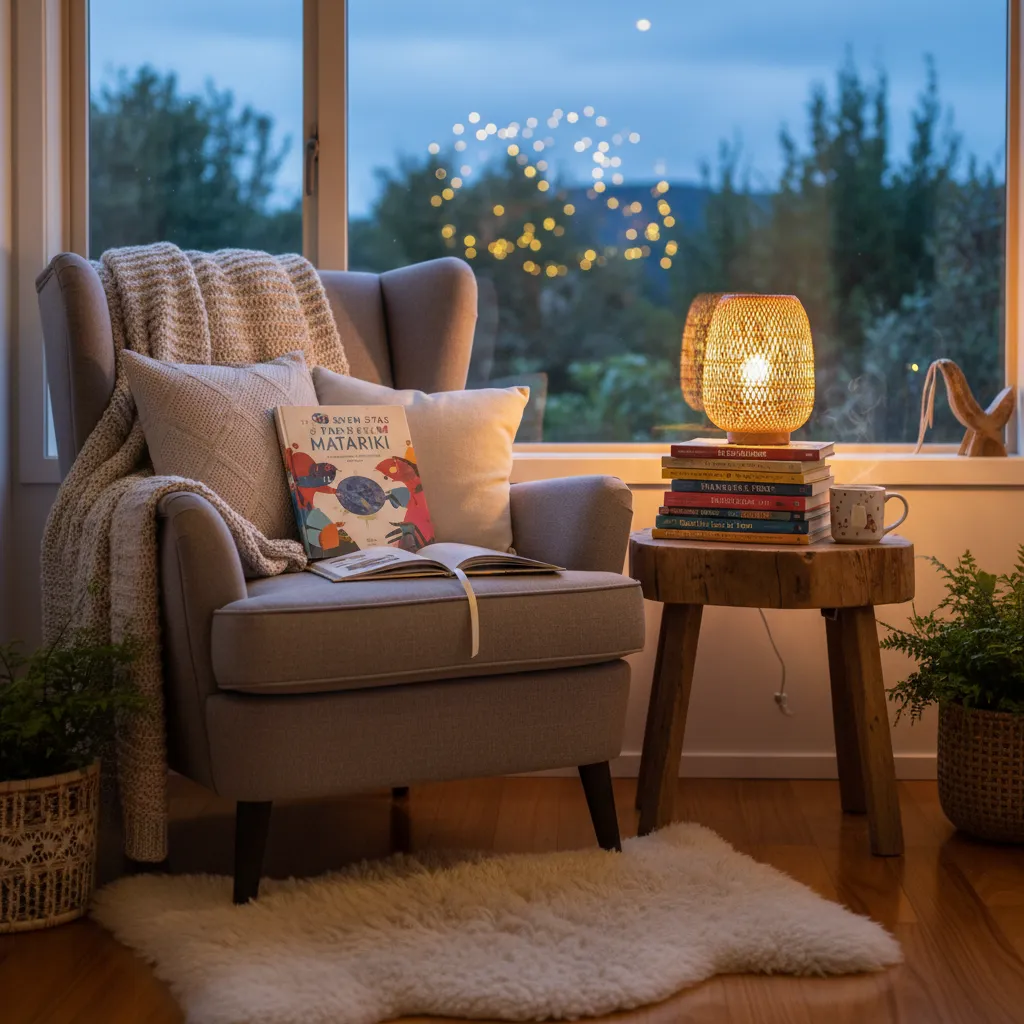
Buying Māori designed winter fashion involves purchasing high-quality, culturally significant garments created by indigenous designers from Aotearoa New Zealand. It supports the Māori economy and ensures authenticity in patterns and materials like ethically sourced wool, blending traditional storytelling with contemporary cold-weather aesthetics suitable for the Matariki season.
As the chill of winter settles over Aotearoa and the star cluster of Matariki rises, signaling the Māori New Year, the fashion landscape shifts toward warmth, reflection, and storytelling. Indigenous fashion is not merely about aesthetics; it is a vehicle for retaining history, expressing identity, and practicing kaitiakitanga (guardianship) over the environment. For consumers looking to buy Māori designed winter fashion, the options have evolved from traditional ceremonial wear to high-end streetwear, luxury coats, and sustainable knitwear that rivals the best in the world.
This guide serves as a comprehensive resource for navigating the indigenous fashion market, ensuring that your purchase respects cultural protocols while delivering exceptional style and durability against the cold.
Top Māori Designers to Watch This Winter
When you look to buy Māori designed winter fashion, you are investing in a narrative. The designers leading the charge in Aotearoa are masters of blending customary practices with modern silhouettes. This winter, several key names are dominating the conversation, offering pieces that range from heavy wool coats to layered streetwear.
Kiri Nathan: The Standard of Luxury
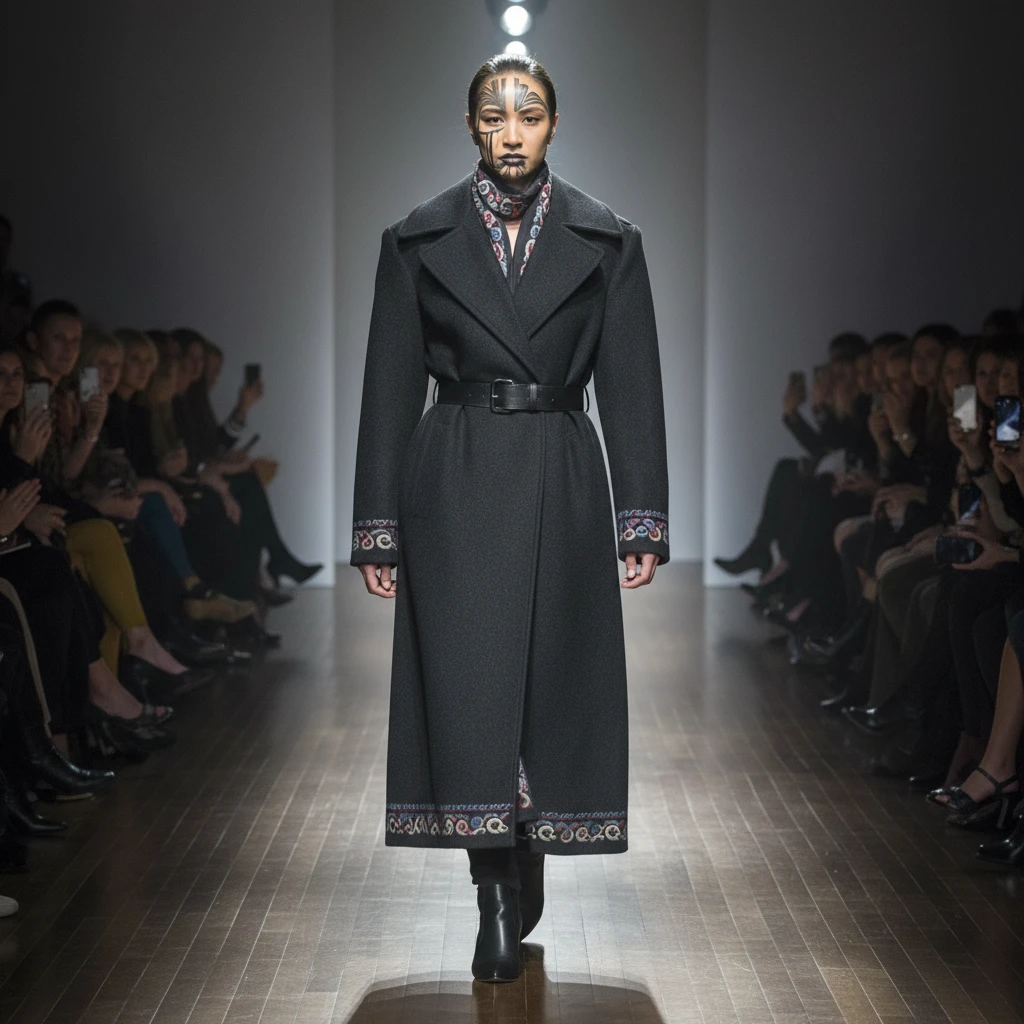
Kiri Nathan is arguably the most recognized name in high-end Māori fashion. Her label is synonymous with prestige, often gifted to international dignitaries and celebrities. For winter, Nathan often utilizes high-grade wools and silks, incorporating hand-woven taniko borders into contemporary capes and jackets. Her work is deeply rooted in Whakapapa (genealogy), making every garment a piece of wearable art. Buying a piece from her collection is an investment in heirloom-quality winter wear that honors the mana of the wearer.
Mitchell Vincent: Contemporary Drapes
For those seeking a more urban aesthetic, Mitchell Vincent Design offers a minimalist approach. His signature style involves fluid drapes and monochromatic palettes, perfect for layering during the colder months. Vincent’s designs often feature subtle motif prints that nod to his heritage without overwhelming the modern silhouette. His winter collections frequently include long-line hoodies, scarves, and draped cardigans made from comfortable, high-quality cotton blends and merinos, ideal for the commercial market looking for everyday wearability.
Campbell Luke: Romanticism and Resistance
Dr. Bobby Campbell Luke creates collections that challenge colonial narratives while embracing the beauty of Māori domestic life. His winter pieces often feature high collars, ruffled detailing, and heavy linens or wools that evoke a sense of Victorian-era silhouettes reclaimed through an indigenous lens. His work is perfect for those looking to buy Māori designed winter fashion that makes a bold, artistic statement.
Sustainable Wool and Textile Choices
A critical aspect of Māori design is the connection to the Whenua (land). Authentic Māori fashion prioritizes sustainability, moving away from fast fashion synthetics toward biodegradable and renewable resources. Winter fashion, in particular, relies heavily on Aotearoa’s greatest agricultural export: wool.
The Role of Merino and Strong Wool
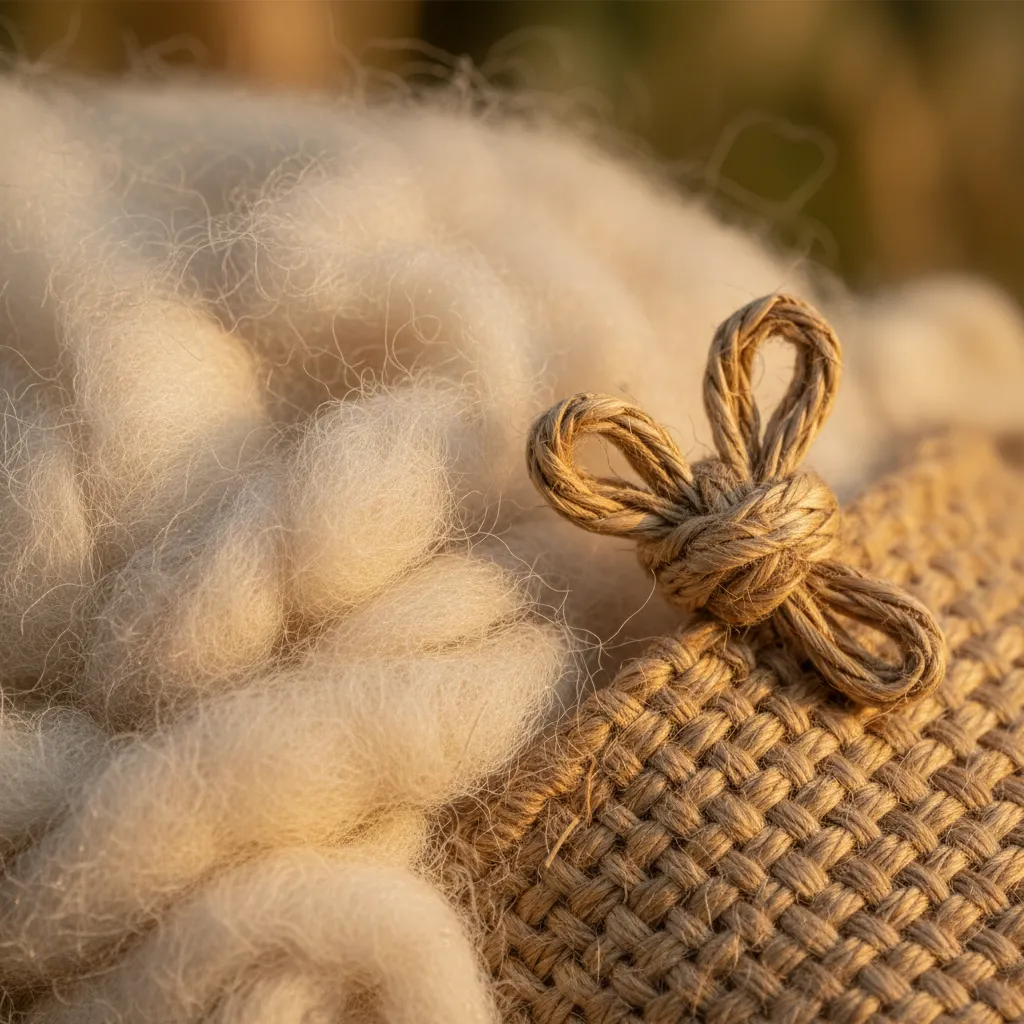
New Zealand Merino is world-renowned for its warmth-to-weight ratio, making it the fabric of choice for indigenous designers creating base layers and fine knitwear. However, there is a resurgence in the use of “strong wool” for outer garments. This coarser wool is incredibly durable, water-resistant, and supports local farming communities. Designers are innovating with felted wool techniques to create windproof jackets that require no synthetic linings.
Harakeke and Traditional Fibers
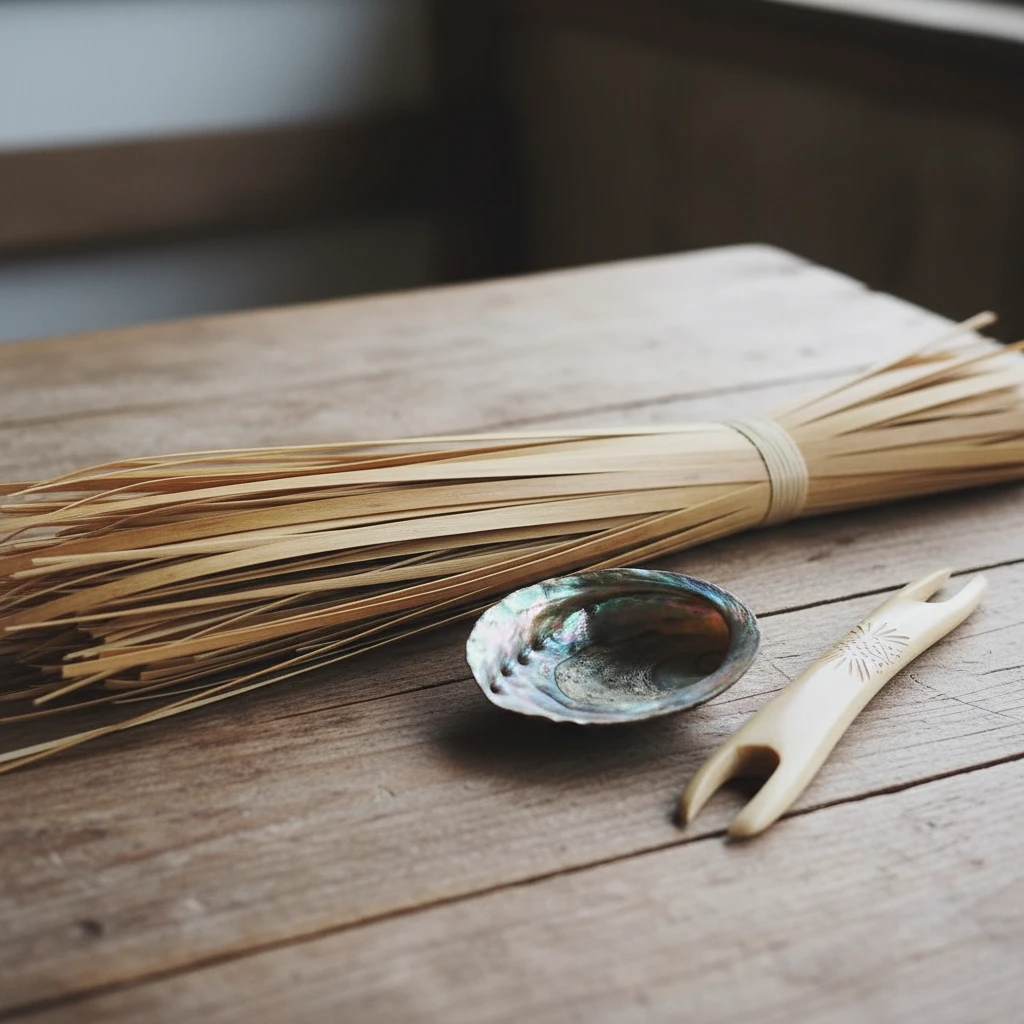
While wool dominates the commercial winter market, traditional fibers like Harakeke (flax) and Muka (prepared flax fiber) are still used in accessories and detailing. Modern technology is allowing for blends where these traditional fibers are woven with silk or cotton to create textiles that breathe but provide substantial insulation. When you buy items utilizing these materials, you are supporting the preservation of traditional weaving knowledge (Raranga).
Symbolism in Modern Indigenous Patterns
What distinguishes Māori fashion from general New Zealand fashion is the use of visual language. The patterns are not random; they possess deep meaning. Understanding these symbols adds value to your purchase and ensures you are wearing the garment with appropriate intent.
The Poutama (Stairway to Heaven)
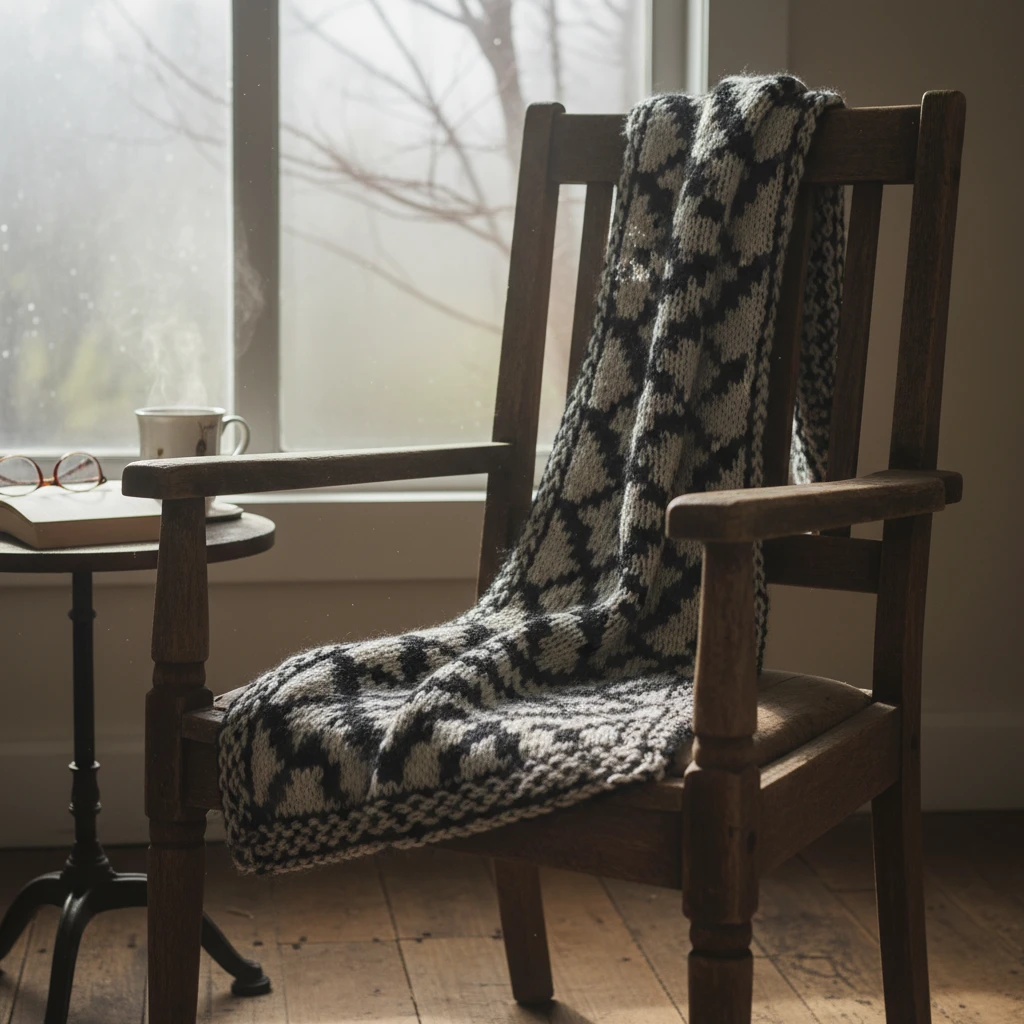
Frequently seen in winter knitwear and scarves, the Poutama pattern resembles a stepped staircase. It symbolizes the pursuit of knowledge, growth, and self-improvement. It represents the journey of Tāne-nui-a-Rangi to the heavens to retrieve the three baskets of knowledge. Wearing this pattern during Matariki, a time of planning and aspiration, is particularly culturally poignant.
Niho Taniwha (The Dragon’s Teeth)
This triangular pattern represents the teeth of the Taniwha (guardian spirit) and symbolizes strength, resilience, and protection. It is a popular motif on heavy winter coats and streetwear, acting as a symbolic layer of armor against the elements.
Kowhaiwhai: Flow and Connection
Kowhaiwhai patterns are curvilinear and often represent the natural world—fern fronds, hammerhead sharks, or the flow of water. These are often printed on linings of jackets or used in silk scarves. They represent the connection between people, the land, and the ancestors, reinforcing the whakapapa of the design.
Where to Buy Māori Designed Winter Fashion Online and In-Store
To ensure your money goes directly to indigenous creators, it is vital to know where to shop. The market has shifted from souvenir shops to high-end boutiques and direct-to-consumer e-commerce platforms.
Dedicated Online Marketplaces
Kahu Collective: This is a premier destination for finding a curated selection of Māori designers. They often feature seasonal drops specifically for winter, including beanies, scarves, and hoodies.
Designer Websites: Buying direct is always the best option. Websites for Mitchell Vincent Collection, Nichola, and Jeanine Clarkin offer full catalogs that allow you to see the breadth of their winter ranges.
Physical Boutiques and Pop-Ups
If you are in Aotearoa, visiting a physical store allows you to feel the quality of the materials.
- Auckland (Tāmaki Makaurau): Look for boutiques in the Britomart and Ponsonby districts that stock local labels. The Te Papa Store in Wellington also carries a highly curated range of authentic high-end fashion.
- Rotorua: As a cultural hub, Rotorua offers numerous boutiques specializing in authentic Māori design, particularly focusing on knitwear and jade accessories.
Matariki Markets
During the Matariki public holiday period (June/July), numerous pop-up markets appear across New Zealand. These are excellent places to buy limited-edition winter runs and meet the designers in person. Keep an eye on local council listings for “Matariki night markets” or “Indigenous creative markets.”
Navigating Cultural Safety and Authenticity
With the rise in popularity of indigenous aesthetics, the market has seen an influx of mass-produced, appropriated designs. Cultural safety in fashion means ensuring that the taonga (treasure) of Māori design is treated with respect and that the benefits return to the community.

Identifying Authentic Toi Māori
Look for the Toi Iho trademark. This is a registered trademark used to verify authenticity and quality in Māori art and design. While not every contemporary designer uses it, it is a guarantee of indigenous origin.
Ask Questions: Authentic designers are transparent about their whakapapa (ancestry) and the stories behind their designs. If a brand cannot explain the meaning of a pattern or the origin of the design, it is likely appropriated. Avoid “tribal print” items sold by fast-fashion giants, as these rarely involve indigenous consultation.
Ethical Consumption
Buying Māori designed fashion is an act of ethical consumption. It usually involves smaller production runs, fair wages, and a lower carbon footprint. Be prepared to pay a premium for this; the cost reflects the artistry, the quality of the sustainable materials, and the livelihood of the artist.
Styling Indigenous Wear for the Matariki Season
Styling Māori fashion for winter is about layering textures and balancing bold patterns with neutral staples.
The Statement Coat: If you buy a coat with a Kowhaiwhai print or Taniko border, let it be the hero piece. Wear it over all-black or monochrome outfits to let the design speak.
Layering with Pounamu: Winter necklines often obscure jewelry, but wearing a Pounamu (Greenstone) pendant over a high-neck merino sweater is a classic look that grounds the outfit in the culture. The green of the stone contrasts beautifully with black or cream wool.
Streetwear Fusion: Pair a graphic hoodie featuring Māori typography with a structured blazer and tailored trousers. This high-low mix is popular in Auckland’s fashion scene and bridges the gap between casual comfort and professional respectability.
Frequently Asked Questions
What is the difference between Māori and Pakeha fashion design?
Māori fashion design is distinct in its incorporation of cultural storytelling, whakapapa (genealogy), and traditional motifs (like koru or taniko). It often prioritizes a connection to the land and spiritual concepts, whereas Pakeha (European/non-Māori) fashion may focus more on Western trends and aesthetics without the specific indigenous cultural narrative.
Is it culturally appropriate for non-Māori to wear Māori designs?
Yes, generally it is appropriate and welcomed for non-Māori to wear contemporary Māori fashion, provided the items are purchased from authentic Māori designers. This supports the artist and the culture. However, one should avoid wearing items restricted to specific achievements or ranks (like a Korowai, unless gifted or guided by protocols) and treat all garments with respect.
What does Matariki mean for the fashion industry?
Matariki (the Māori New Year) is becoming a significant season for fashion releases in New Zealand. It represents a time of renewal, remembrance, and looking forward. Designers often release winter collections during this time that reflect themes of stars, navigation, harvest, and warmth, aligning commerce with the cultural calendar.
Where can I find sustainable Māori clothing online?
You can find sustainable Māori clothing on collective marketplaces like the Kahu Collective, or directly through designer websites such as Kiri Nathan, Mitchell Vincent, and Jeanine Clarkin. Look for descriptions mentioning organic cotton, New Zealand wool, and ethical production practices.
What are traditional Māori winter clothes made of?
Historically, traditional Māori winter clothing relied on Harakeke (flax), feathers (huruhuru), and skins of kuri (dog) or seals for warmth. The rain cape (pākē) was essential for repelling water. Today, designers replicate the thermal properties and textures of these traditional garments using modern wools, furs (often faux or ethical possum), and heavy cottons.
How do I identify authentic Māori art and patterns?
Authentic Māori art is characterized by specific, disciplined patterns like the Koru, Kowhaiwhai, and Tukutuku geometries. To ensure authenticity, look for the ‘Toi Iho’ mark, check the artist’s biography for their tribal affiliations (Iwi), and buy from reputable galleries or direct from the artist. Authentic art always has a story or meaning attached to it.