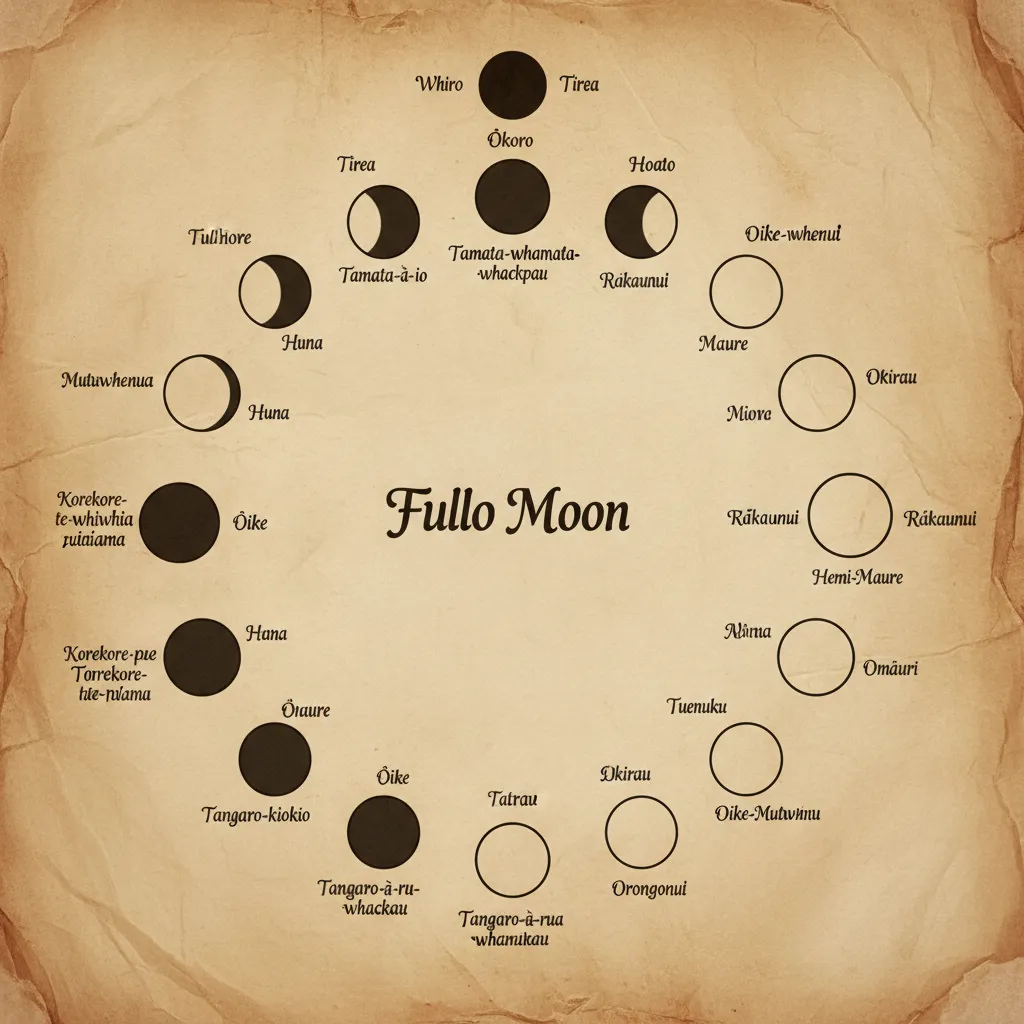
The Māori lunar calendar planting guide, known as the Maramataka, is an ancestral timekeeping system that aligns agricultural activities with the phases of the moon. It identifies specific days for planting, harvesting, and resting the soil based on lunar energy, directing gardeners on how to maximize crop yields and maintain ecological balance.
Introduction to the Maramataka
Gardening is not merely a physical act of putting seeds in the soil; it is a dialogue with the environment. For centuries, Māori ancestors developed a sophisticated system of timekeeping based on the movements of the moon, the stars, and the natural world. Understanding The Connection Between Matariki and Māori Mythology helps contextualize the Maramataka, a comprehensive Māori lunar calendar planting guide that remains highly relevant for modern horticulture.
Unlike the solar Gregorian calendar, which is fixed, the Maramataka is fluid and observational. It recognizes that the gravitational pull of the moon affects the moisture content in the soil and the sap flow in plants, much like it dictates the tides. By aligning gardening practices—such as when to plant root vegetables versus leafy greens or when to rest the soil—with these lunar cycles, gardeners can harness natural energy to produce healthier, more abundant crops.
Core Principles of the Maramataka
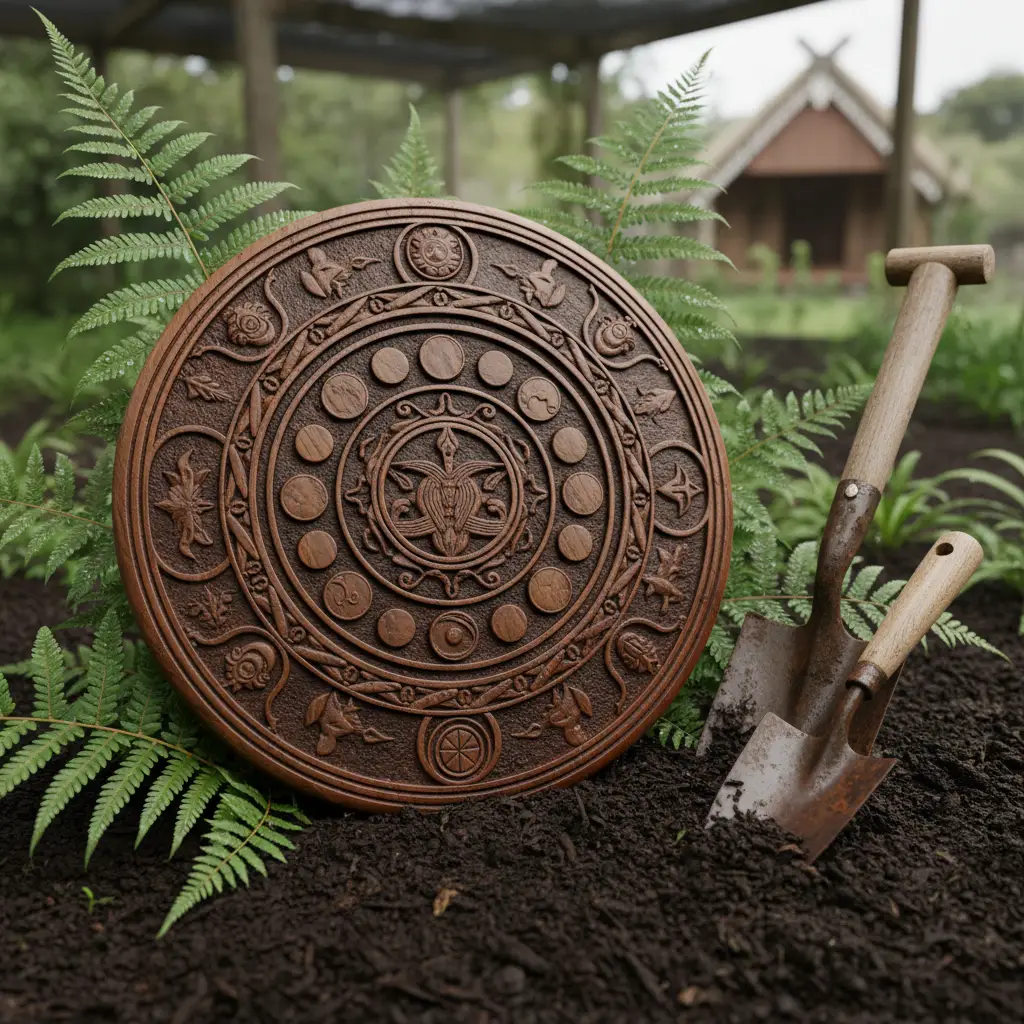
The word Maramataka literally translates to “the moon turning.” However, it is more than just a calendar; it is an environmental almanac. Each phase of the moon brings a distinct energy, known as mauri, which influences the behavior of flora and fauna. In the context of mahinga kai (food gathering and cultivation), understanding these energy shifts is critical.
The cycle typically begins with Whiro (the new moon) and progresses through waxing phases to Rakaunui (the full moon) before waning back to darkness. The days are not just numbered; they are named and possess unique characteristics. For a gardener, the Maramataka answers the critical question: Is the energy rising (good for growth) or falling (good for roots and rest)?
It is important to note that while the general principles apply across Aotearoa (New Zealand), different iwi (tribes) may have variations in the naming and exact timing of phases based on their local geography and observations. The guide below follows a widely accepted framework suitable for general gardening application.
Best Moon Phases for Planting Root Vegetables vs. Leafy Greens
One of the most valuable aspects of the Māori lunar calendar planting guide is its specificity regarding crop types. The gravitational pull of the moon impacts soil moisture. During high-energy phases, moisture is drawn up, benefiting surface growth. During lower-energy or waning phases, moisture settles, benefiting root systems.
The Waxing Moon: Leafy Greens and Above-Ground Crops
As the moon grows from the new moon (Whiro) towards the full moon, light and energy increase. This is generally the time to plant crops that produce their yield above the ground.
- The Tamatea Phases: Often occurring around the first quarter, the Tamatea days are generally unpredictable regarding weather (often associated with wind), but they can be high energy. Caution is advised, but hardy above-ground plants can be tended to.
- Mawharu: This is an excellent day for planting. The energy is conducive to rapid germination. It is particularly auspicious for planting kūmara (sweet potato) in some traditions, but mostly for leafy greens, brassicas, and herbs.
- Atua: A day of moderate energy, suitable for general maintenance and planting of crops that require strong stalks.
The Full Moon (Rakaunui): Peak Energy
Rakaunui represents the peak of the lunar cycle. The moon is full, the tides are high, and the water table in the soil is elevated. This is the optimal time for planting almost any crop, but specifically those where you want lush, abundant foliage and fruit.
Use this phase for:
- Tomatoes, peppers, and beans.
- Fruit trees and berries.
- Pumpkin and squash.
The Waning Moon: Root Vegetables
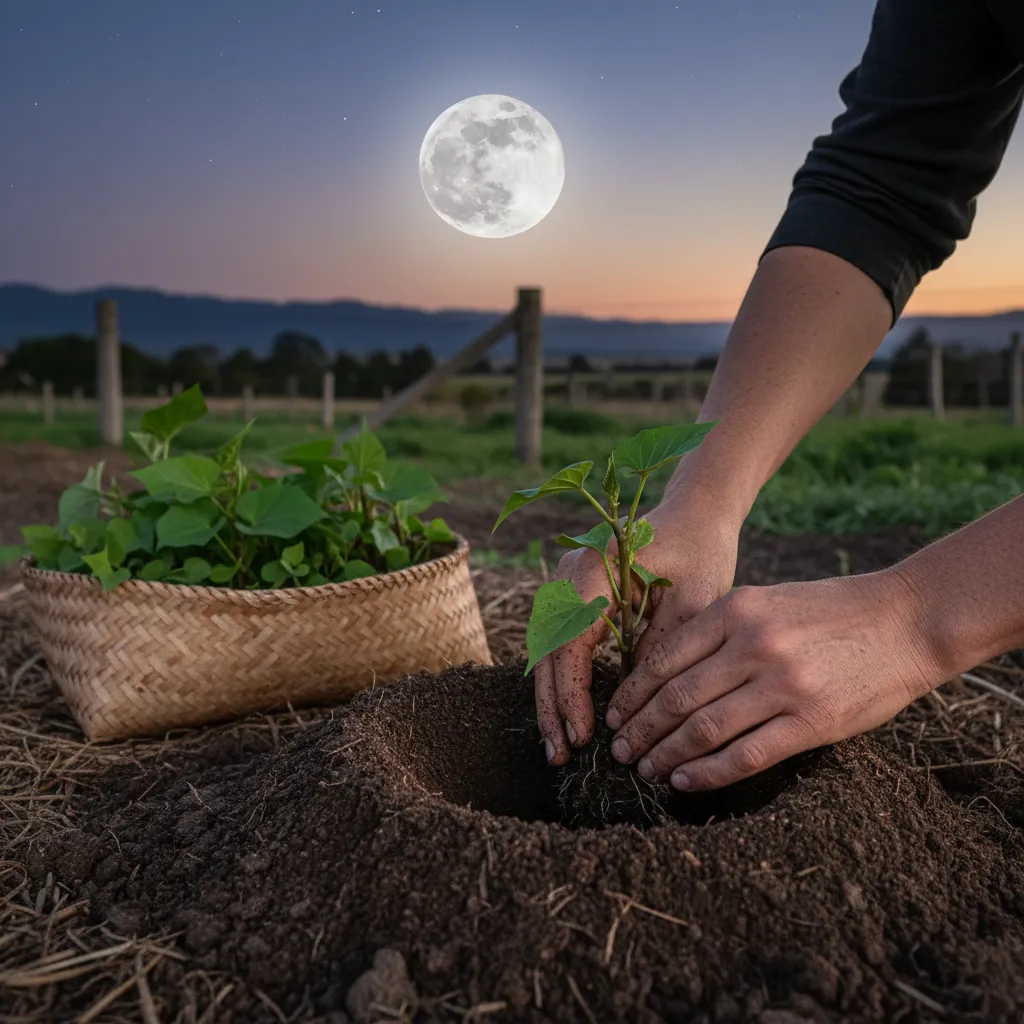
Following the full moon, the light begins to decrease. The energy of the plant starts to descend into the root system. This is the Tangaroa phase period, which is highly productive, followed by the darkening moon.
The Tangaroa Phases: These days are incredibly productive for both fishing and gardening. For the gardener, this is the prime window for root crops. The sap flow is directing energy downward, helping roots establish quickly.
Plant the following during Tangaroa phases:
- Kūmara (Sweet Potato): The staple crop of traditional Māori agriculture.
- Taewa (Māori Potatoes): Varieties like Moemoe and Tutaekuri thrive when planted here.
- Carrots, Parsnips, and Beetroot: Modern root crops also follow this rule.
When to Rest the Soil According to the Maramataka
In modern agriculture, the drive is often for constant production. However, the Maramataka teaches the vital importance of rest. Just as people need sleep, Papatūānuku (Earth Mother) requires time to regenerate her energy. These periods are primarily known as the Korekore phases.
The Korekore Days
The prefix “Kore” implies “nil,” “nothing,” or “void.” During the Korekore days (usually occurring around the last quarter of the moon), the energy for growth is low. Planting during this time is believed to result in poor yields, stunted growth, or crops that are small and withered.
What to do during Korekore phases:
- Weeding: Since growth energy is low, weeds pulled now are less likely to return quickly.
- Soil Maintenance: Mulching and composting are excellent activities. You are feeding the soil without demanding it to produce.
- Planning and Observation: Use this time to observe the garden, check for pests, and plan your next rotation.
- Rest: It is also a time for the gardener to rest, sharpen tools, and reflect.
Ignoring the Korekore phases is a common mistake. Attempting to force growth during these low-energy periods is often a waste of seed and labor. By respecting these pauses, you ensure that when the Tangaroa or Rakaunui phases return, the soil is primed and ready.
Traditional Gardening Tools (Kō) and Methods
To fully utilize the Māori lunar calendar planting guide, it helps to understand the traditional methods that accompanied it. Māori were expert horticulturalists who modified the landscape to suit their crops, particularly the tropical kūmara which required warmer soil than New Zealand naturally provided.
The Kō (Digging Stick)
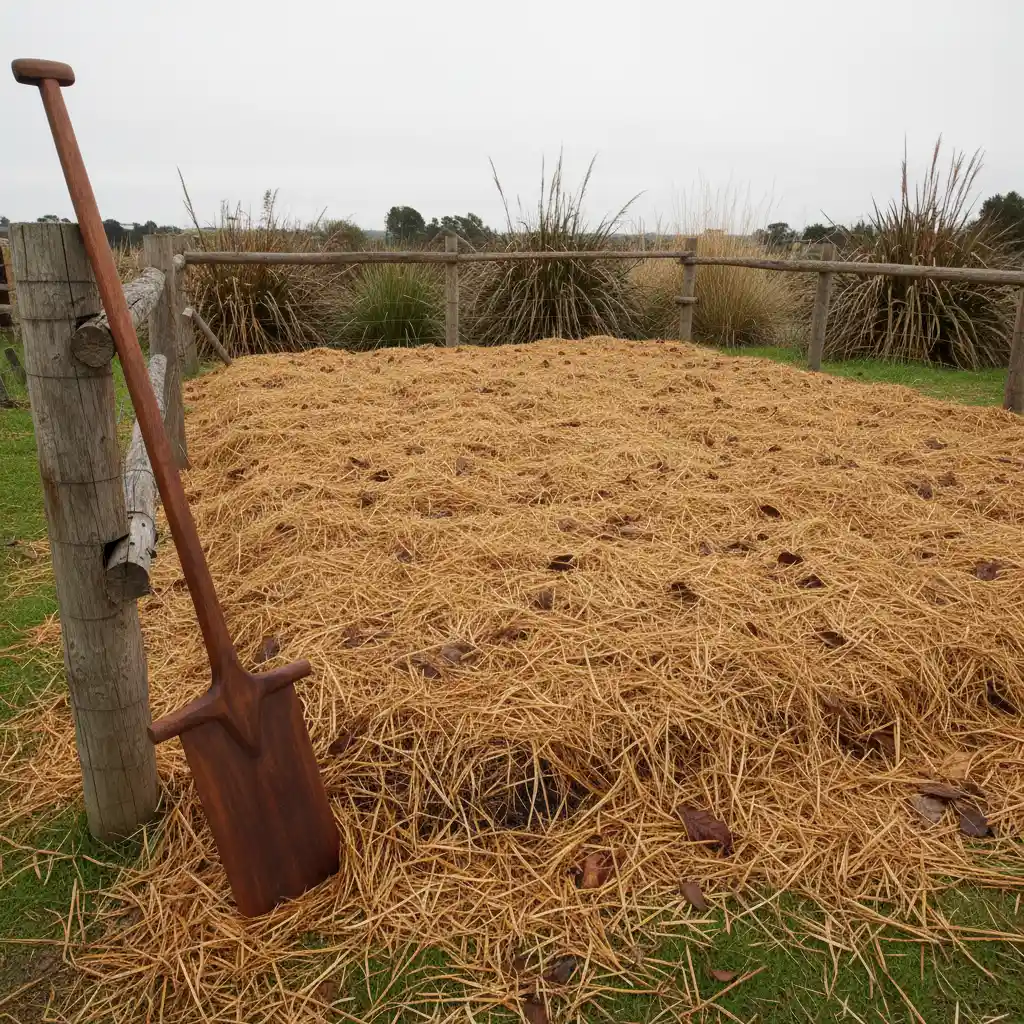
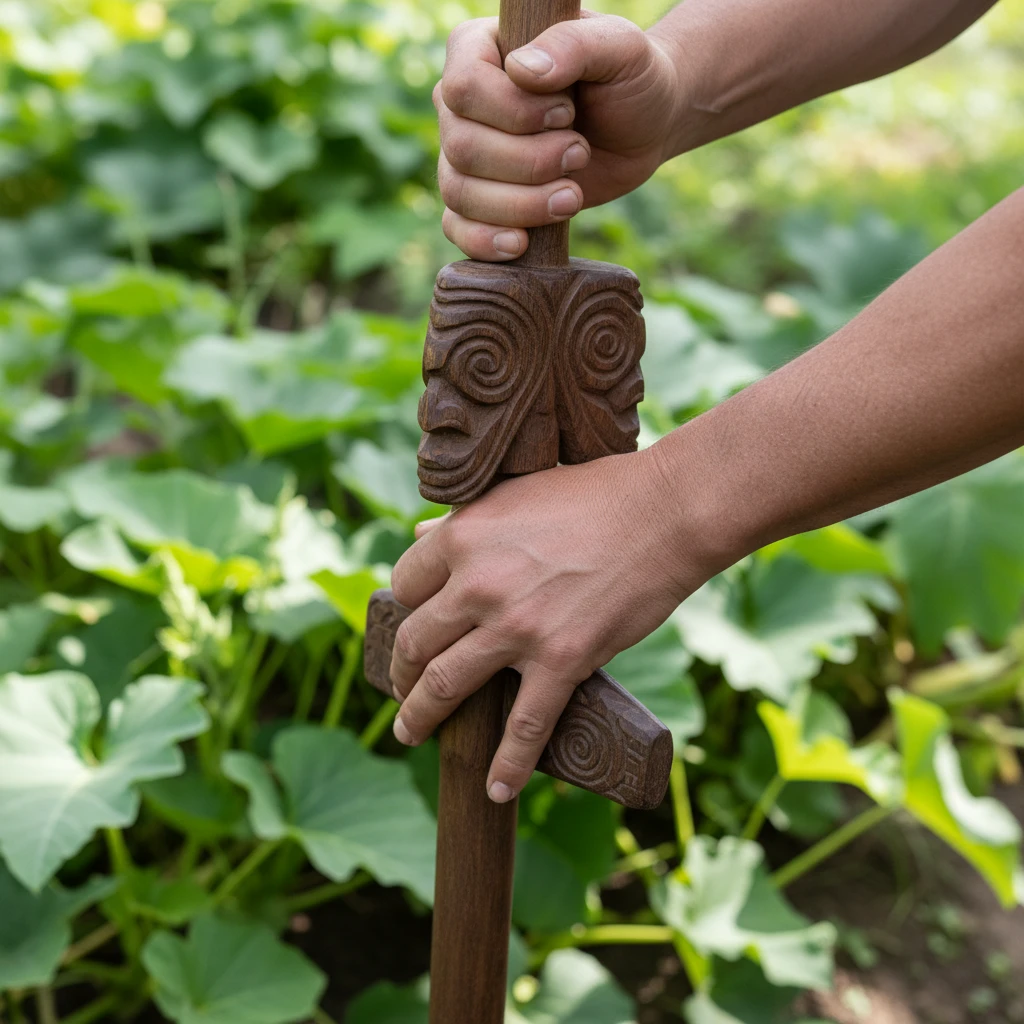
The primary tool of the traditional gardener is the kō. Unlike a broad spade which turns over large amounts of soil (often disrupting the soil food web), the kō is a long wooden shaft with a footrest (teka) lashed to it. It is designed to loosen the soil deeply without inverting it entirely.
Benefits of the Kō:
- Aeration: It pierces the ground to allow air and water penetration.
- Precision: It disturbs only the planting spot, leaving the surrounding soil structure intact.
- Ergonomics: Used with a rhythmic motion, often accompanied by chant (waiata), it allows for extended periods of work with less fatigue.
Puke (Mounds)
Māori gardening often utilized puke, or mounds. Instead of planting in flat rows, soil was mounded up. This method offered several advantages aligned with the Maramataka:
- Drainage: In wet phases, the mounds kept the tubers from rotting.
- Heat Retention: The mounds captured more solar radiation, warming the soil for the heat-loving kūmara.
- Orientation: Mounds were often aligned to face the sun (Ra) for maximum exposure.
Incorporating these methods—minimizing soil disturbance and using mounding techniques—alongside the lunar schedule creates a holistic system of gardening that respects the earth’s structure.
Preparing the Garden for the Matariki New Year
Matariki (the Pleiades star cluster) heralds the Māori New Year, typically rising in mid-winter (June or July). In the context of the gardening calendar, Matariki is not a time for planting, but a time of completion, celebration, and preparation for the upcoming cycle.
The End of the Harvest
By the time Matariki rises, the harvest should be safely stored in the pātaka (storehouse). The kumara has been lifted, and the soil is largely dormant. Matariki is the time to give thanks for the food that has been preserved.
Planning for the New Cycle
While the soil rests, the gardener works on:
- Seed Selection: Sorting through the saved seeds from the harvest, selecting the strongest for the next planting season.
- Tool Repair: Oiling and sharpening the kō and other implements.
- Composting: Building up the compost piles so that nutrient-rich matter will be ready for the spring planting during the waxing moons of August and September.
Observing the stars during Matariki was also used to predict the weather for the coming growing season. Utilizing an Interactive Night Sky Map Tool: Locate Matariki Now can assist in these observations. If the stars appeared clear and bright, a warm and productive season was expected. If they were hazy, it foretold a cold, difficult season, prompting gardeners to plant later or prepare for hardships.
People Also Ask
What is the best moon phase for planting root vegetables?
The best time to plant root vegetables like kumara, potatoes, and carrots is during the waning moon phases, specifically the Tangaroa phases. During this time, lunar energy draws sap and moisture down into the roots, encouraging strong underground development.
What are the Korekore days in the Maramataka?
The Korekore days are low-energy phases of the moon, typically occurring during the last quarter. ‘Kore’ means nothing or void. These days are considered unsuitable for planting or fishing but are excellent for weeding, soil maintenance, and resting.
Can I plant during Whiro (New Moon)?
Whiro, the new moon, is generally considered a time of very low energy and is often associated with negative outcomes for planting. It is better suited for planning and reflection rather than active cultivation. It is best to wait for the moon to become visible again.
What vegetables did Māori traditionally grow?
Traditional Māori crops included kūmara (sweet potato), taewa (potatoes), taro, yams (uwhi), and hue (gourd). They also harvested wild greens like pūhā and watercress, managing them within the garden environment.
How does the Maramataka differ from the Gregorian calendar?
The Gregorian calendar is a solar calendar based on the earth’s revolution around the sun, with fixed months. The Maramataka is a lunar-stellar calendar based on the cycles of the moon and the rising of stars. It is environmental and observational, meaning dates shift slightly each year relative to the solar calendar.
What is the significance of Matariki for gardeners?
Matariki marks the Māori New Year and the end of the harvest cycle. For gardeners, it is a time to rest the soil, store the harvest, repair tools, and plan for the spring planting; it is also an ideal time to share the Best Children’s Books about Puanga & Puaka with whānau. The appearance of the Matariki stars is also used to predict the weather for the coming growing season.