Printable Matariki bingo cards are educational resources designed to teach participants about the Māori New Year and the nine stars of the Matariki cluster. These downloadable game sets often feature Te Reo Māori vocabulary, star illustrations, and cultural symbols, providing an interactive way to foster learning in classrooms and community gatherings.
Why Use Printable Matariki Bingo Cards in Education?
Integrating printable Matariki bingo cards into your curriculum or event planning is more than just a time-filler; it is a strategic approach to cultural education through gamification. In the context of New Zealand education and community events, Matariki offers a unique opportunity to reflect, celebrate, and look forward. However, memorizing the names of the stars, their meanings, and associated domains can be challenging for learners of all ages.
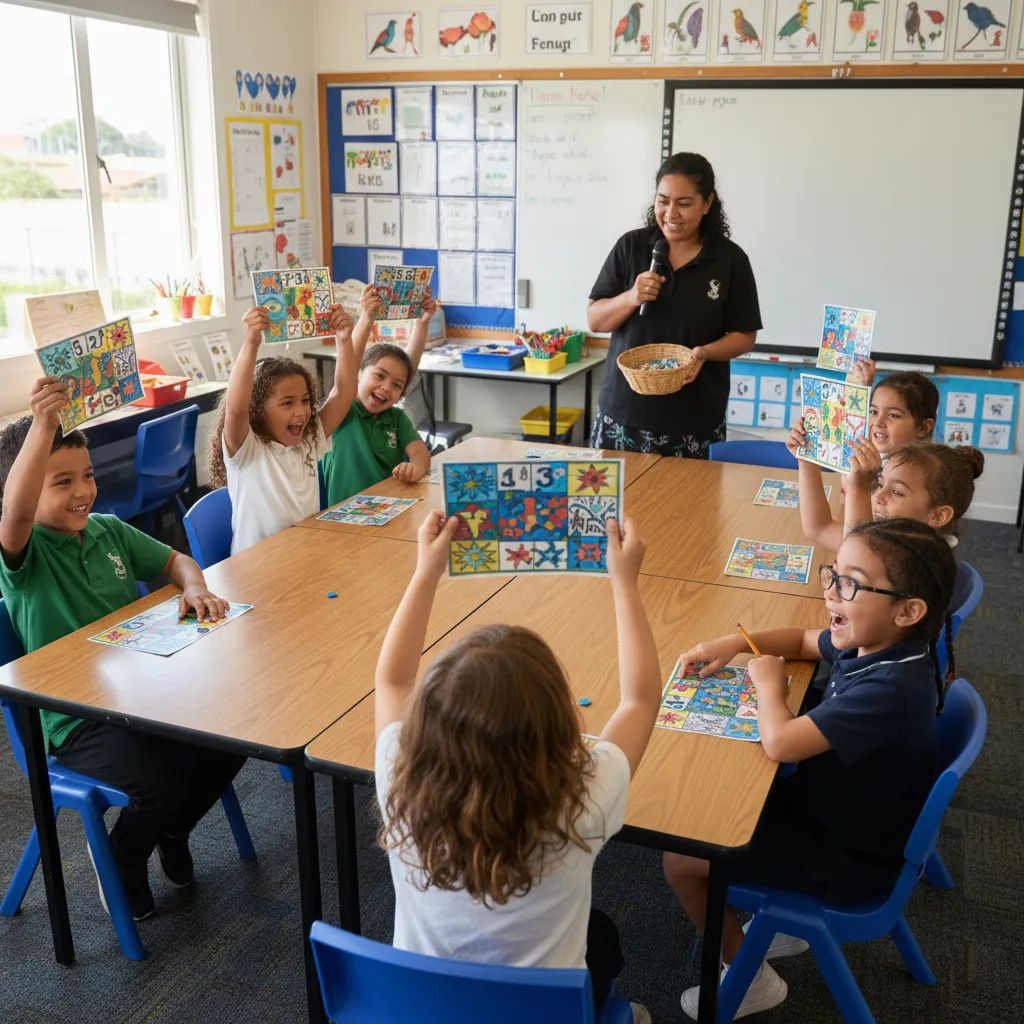
Bingo, or “Wharewhare” in Te Reo Māori, bridges this gap by utilizing visual association and repetition. When students utilize printable Matariki bingo cards, they are engaging in active recall. As the caller announces a star’s name or a related concept (such as “Waitī” or “Freshwater”), the player must scan their card, reinforcing the link between the visual symbol and the terminology. This method is particularly effective for visual and kinesthetic learners who may struggle with rote memorization from a textbook.
Enhancing Te Reo Māori Vocabulary
One of the primary benefits of using these resources is language acquisition. High-quality printable Matariki bingo cards should prioritize Te Reo Māori. By repeatedly hearing and reading words like whetū (star), kai (food), and specific star names, participants improve their pronunciation and vocabulary retention. It transforms a language lesson into a social activity, reducing the anxiety often associated with learning a new language.
Understanding Te Iwa o Matariki for Gameplay
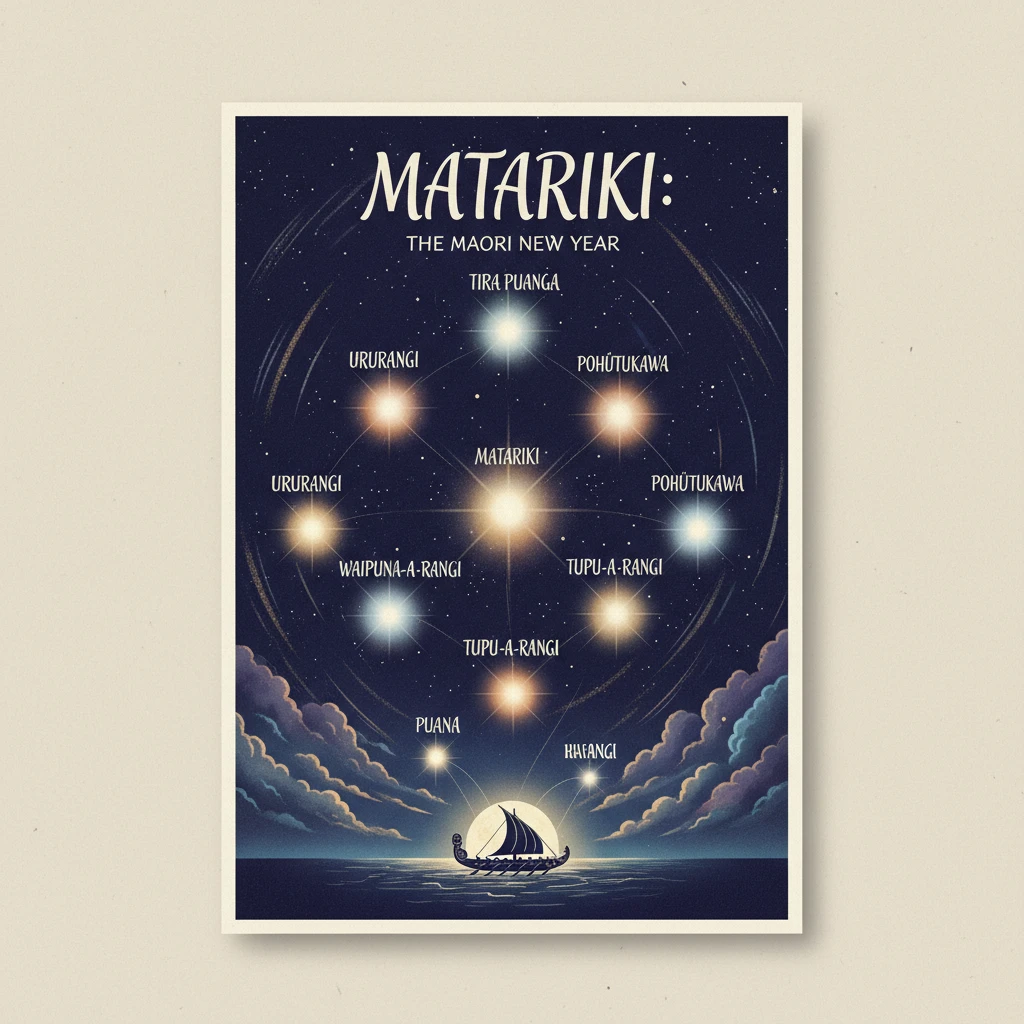
To maximize the effectiveness of your printable Matariki bingo cards, it is essential that the facilitator (the caller) and the players understand the significance of the symbols on the cards. While some older resources only reference seven stars, modern educational standards recognize Te Iwa o Matariki (the nine stars). Your bingo set should ideally include all nine to ensure accuracy and depth of learning.
Below is a guide to the nine stars often featured on these cards, which can also serve as a “cheat sheet” for the bingo caller to add context during the game:
- Matariki: The mother of the other stars in the cluster. She signifies reflection, hope, and the health of the people. On a bingo card, she is often depicted as the brightest or central star.
- Pōhutukawa: Connected to those who have passed on. This star encourages us to remember our mate (dead) and cherish our memories.
- Tupuānuku: Associated with food grown in the ground (hūhua whenua). Look for icons of kūmara or potatoes on your bingo cards.
- Tupuārangi: Associated with food that comes from the sky and forests, such as birds and berries.
- Waitī: Connected to fresh water and the food within it (eels, koura).
- Waitā: Connected to the ocean and salt water food resources.
- Waipuna-ā-rangi: Associated with the rain.
- Ururangi: Associated with the winds.
- Hiwa-i-te-rangi: The wishing star. This is the star to which you send your dreams and aspirations for the year ahead.
How to Play Matariki Wharewhare (Bingo)
Once you have sourced your printable Matariki bingo cards, setting up the game is straightforward. However, you can adapt the rules to suit the proficiency level of your group.
Standard Rules
- Distribution: Hand out a unique bingo card to every player. Ensure you have enough variations so that not everyone wins at once.
- Tokens: Provide markers (counters, buttons, or even dried beans) for players to cover their squares.
- The Call: The facilitator draws a card or reads a name from the master list (e.g., “Tupuānuku”).
- The Mark: Players search their grid. If they have the corresponding image or word, they cover it.
- The Win: The first player to complete a defined pattern (a line, four corners, or a full house) shouts “Matariki!” or “Wharewhare!”
Advanced Educational Variations
To increase the educational value, change how the items are called:
- Description Only: Instead of saying “Waitā,” the caller says “The star connected to the ocean.” The players must identify the correct star name on their card.
- Te Reo Challenge: Conduct the entire game in Te Reo Māori, including instructions (e.g., “Kapi” for cover, “Rārangi” for line).
Preparing Your Printable Class Sets
When searching for the best printable Matariki bingo cards, look for high-resolution PDF files. These ensure that the intricate Māori designs and text remain crisp when printed. Blurry images can lead to confusion and disengagement.
Printing and Preservation Tips
If you are a teacher or community leader, you want these resources to last beyond a single session.
- Paper Quality: Print on heavy cardstock (at least 200gsm) rather than standard copy paper. This prevents the cards from tearing easily.
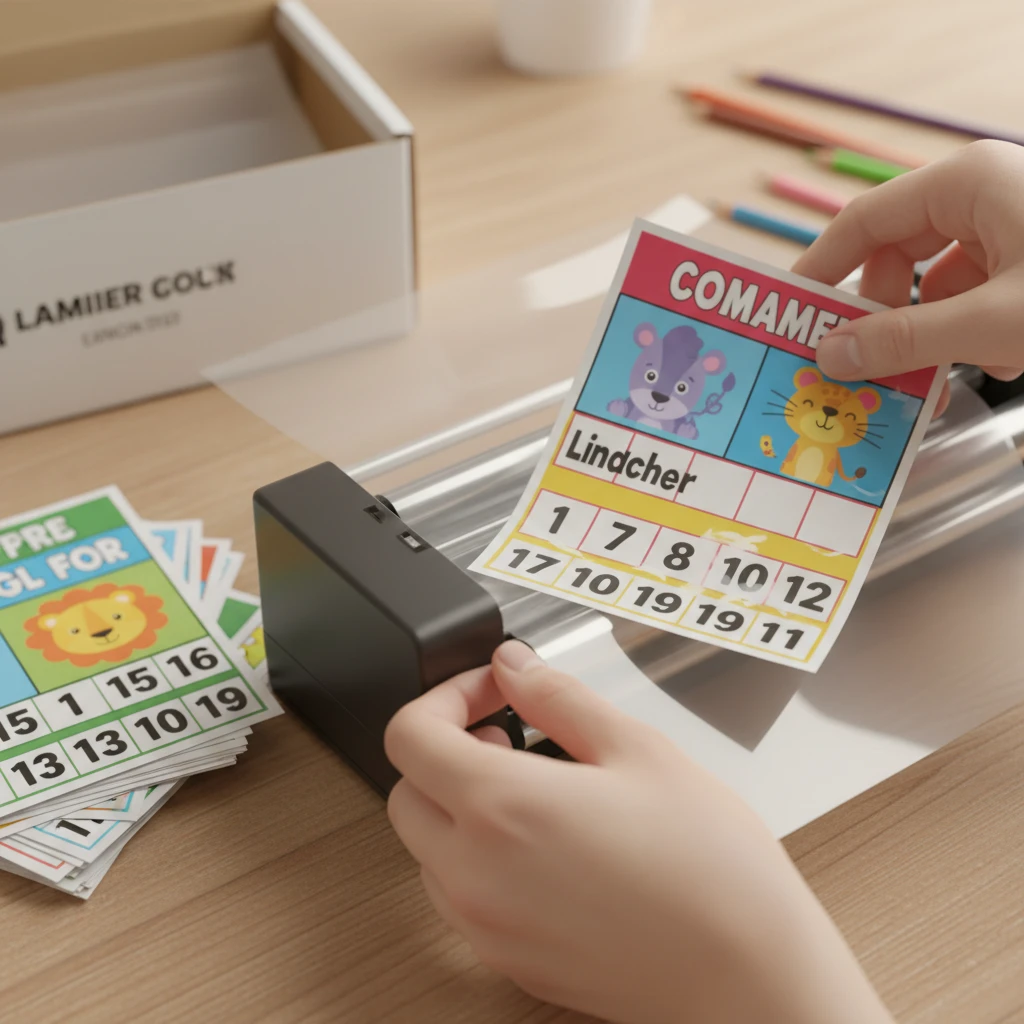
- Lamination: Laminating your class set is highly recommended. This makes them spill-proof and allows students to use whiteboard markers to circle answers instead of using loose physical counters, which are easily lost.
- Eco-Friendly Options: If lamination isn’t an option, consider using reusable plastic sleeves.
Matariki Quiz Questions & Trivia
To complement the bingo session, or to settle a tie-breaker, a quiz is an excellent addition. Below are questions categorized by difficulty that focus on the 9 stars and general Matariki knowledge.
Beginner Questions
Q: How many stars are officially recognized in the Matariki cluster for educational purposes?
A: Nine (Te Iwa o Matariki).
Q: What time of year does Matariki appear?
A: Mid-winter (usually June or July).
Q: Which star is connected to the ocean?
A: Waitā.
Intermediate Questions
Q: If the stars appear bright and clear, what does this signal for the year ahead?
A: It signals a warm season and a productive, bountiful harvest.
Q: Which star would you look to if you wanted to make a wish?
A: Hiwa-i-te-rangi.
Q: Why is Pōhutukawa different from the other stars related to food/weather?
A: Pōhutukawa is connected to the dead and those who have passed away in the last year, rather than physical resources for the living.
Culturally Appropriate Prizes and Rewards (Ngā Taonga)
When hosting a game using printable Matariki bingo cards, the prizes should reflect the spirit of the holiday. Avoid cheap plastic trinkets that end up in the landfill, as this contradicts the environmental stewardship (kaitiakitanga) inherent in Matariki values.
Sustainable and Cultural Prize Ideas
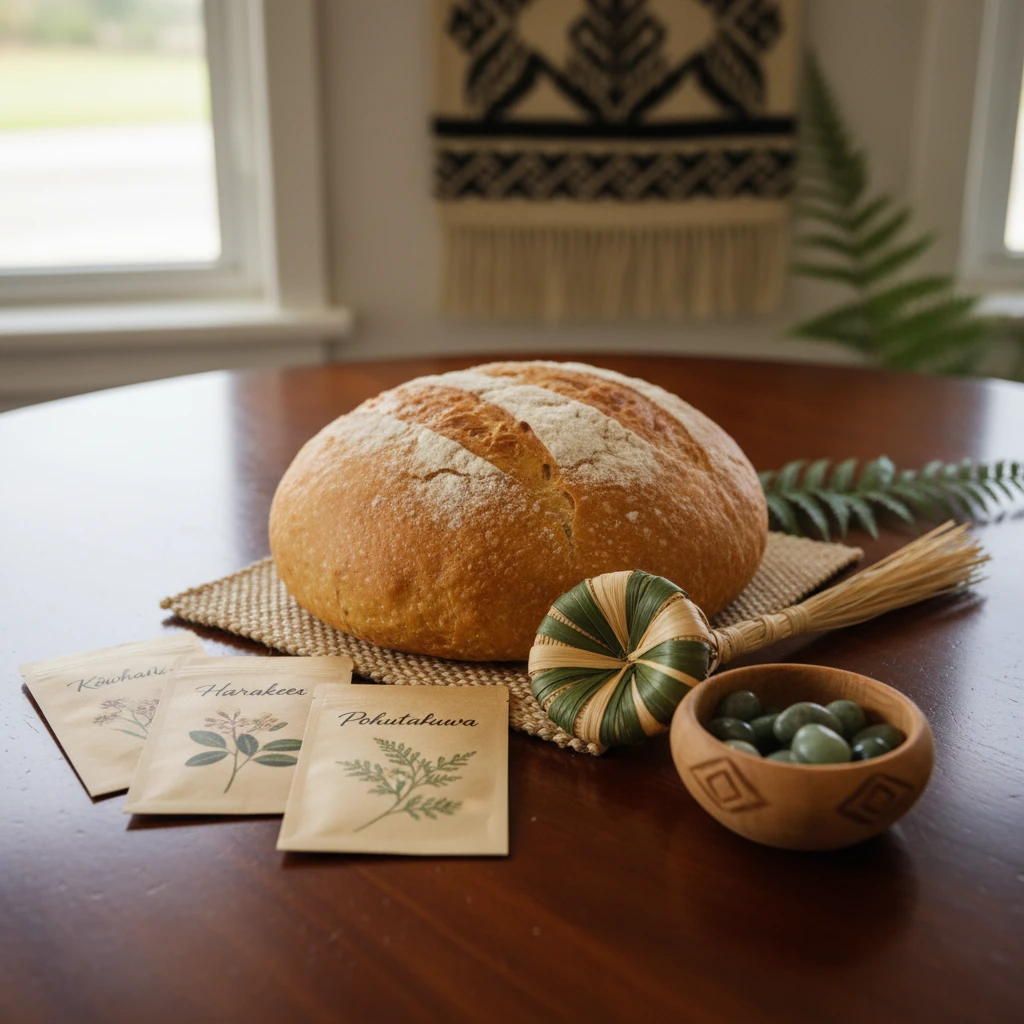
- Native Seeds: Packets of kōwhai or harakeke seeds encourage planting and growth, aligning with Tupuānuku.
- Rēwena Bread: Homemade traditional bread is a fantastic prize that can be shared (kai).
- Books: Illustrated books about Māori myths and legends.
- Stationery: High-quality pens or notebooks for setting goals (Hiwa-i-te-rangi).
- Taonga: Simple woven flax flowers (putiputi) are meaningful rewards that students can keep.
Integrating Gamification into Lesson Plans
The use of printable Matariki bingo cards serves as a gateway to deeper inquiry. Once the game is finished, use the excitement generated to transition into more complex topics.
From Bingo to Research
Assign each student the star they “won” with. Ask them to research that specific star further. For example, if a student won on “Waitī,” they could research the health of local waterways or the life cycle of the longfin eel. This moves the learning from simple identification (Bingo) to synthesis and application.
Community Engagement
Matariki is about whanaungatanga (connection). Organize a Matariki breakfast for parents and whānau where the students act as the bingo callers. This empowers the students to share their knowledge and brings the community together, utilizing the printable resources as the focal point of the event.
By utilizing high-quality, printable Matariki bingo cards, you provide a fun, low-barrier entry point into the rich cultural history of Aotearoa. Whether for a classroom, a library event, or a family gathering, these resources help keep the stories of the stars alive.
People Also Ask (PAA)
What are the 9 stars of Matariki?
The nine stars are Matariki, Pōhutukawa, Tupuānuku, Tupuārangi, Waitī, Waitā, Waipuna-ā-rangi, Ururangi, and Hiwa-i-te-rangi. Each star holds a specific dominion, ranging from fresh water and food sources to rain, wind, and the remembrance of the dead.
How do you play Matariki bingo?
Matariki bingo is played by distributing unique cards featuring Matariki symbols or star names to players. A caller reads out a name or description, and players cover the matching square on their card. The first player to cover a specific pattern (like a line or full card) wins by shouting “Matariki!”
Is Matariki 7 or 9 stars?
While historically only seven stars were visible to the naked eye in some regions (leading to the “Seven Sisters” narrative), in Māori tradition, particularly recognized now in education, there are nine stars in the cluster (Te Iwa o Matariki).
What activities can you do for Matariki?
Popular activities include kite flying (manu tukutuku), sharing kai (feasting), weaving harakeke, stargazing, planting trees, remembering loved ones who have passed, and playing educational games like Matariki bingo or trivia quizzes.
Where can I download free Matariki resources?
Free Matariki resources, including printable bingo cards, can often be found on New Zealand educational websites like Te Kete Ipurangi (TKI), the Te Papa museum website, and various teacher resource blogs dedicated to Māori culture.
What is the best way to teach Matariki to children?
The best way to teach Matariki is through interactive and sensory experiences. Use storytelling, songs (waiata), arts and crafts, and gamification like bingo to make the concepts of the stars and their meanings tangible and engaging for young learners.