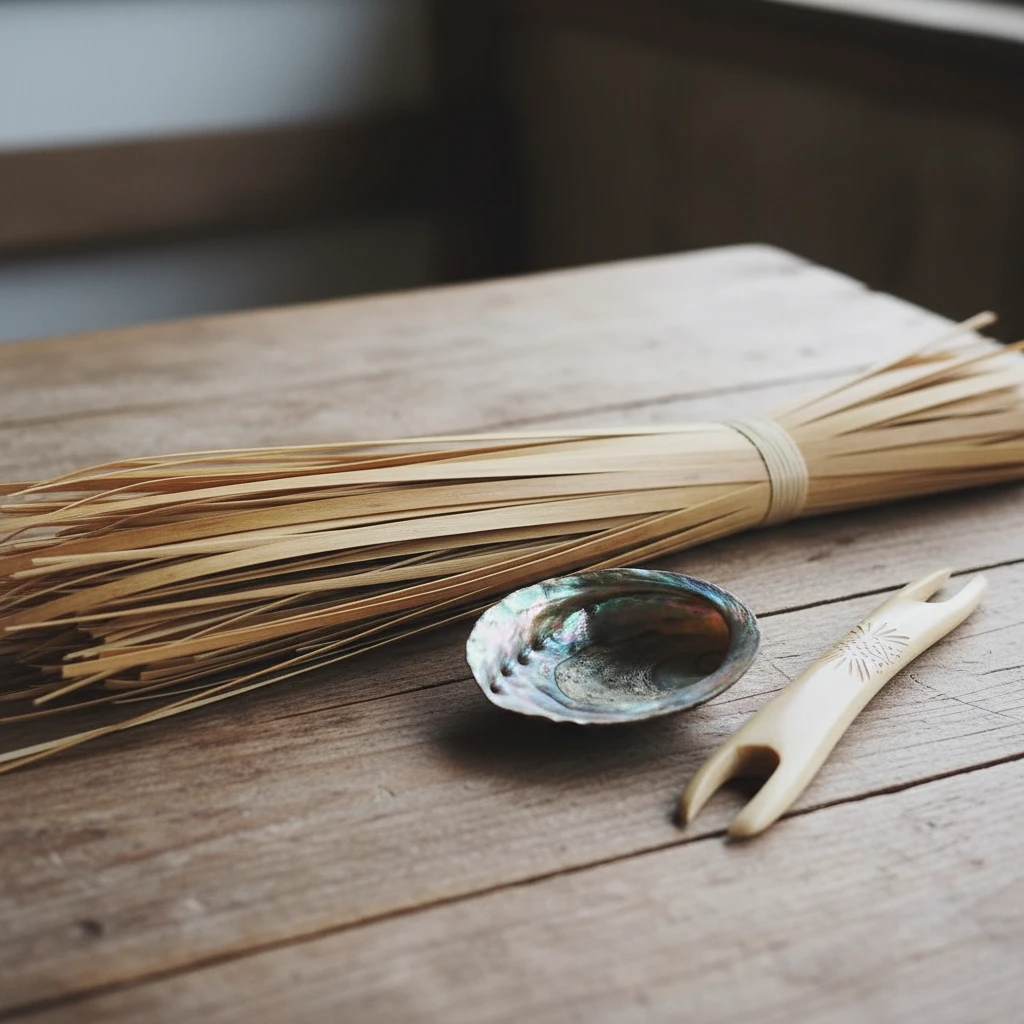
Matariki clothing merchandise refers to apparel and accessories featuring Toi Māori (Māori art) designs that celebrate the Māori New Year. Authentic merchandise is produced by Māori-owned businesses or respectful collaborations, incorporating symbols like the nine stars (Ngā Whetū o Matariki) to honor remembrance, abundance, and cultural identity in Aotearoa.
The Significance of Matariki Apparel
Matariki, the Māori New Year, is a time of profound cultural importance in Aotearoa New Zealand. It marks the rising of the Pleiades star cluster in mid-winter, signaling a time to remember those who have passed (maumahara), celebrate the present (whakanui), and plan for the future (wawata). As Matariki has evolved into a recognized public holiday and a nationwide celebration, including Events in Hamilton, Rotorua & Dunedin, the demand for Matariki clothing merchandise has surged. However, wearing these items is more than a fashion statement; it is an act of cultural participation and identity.
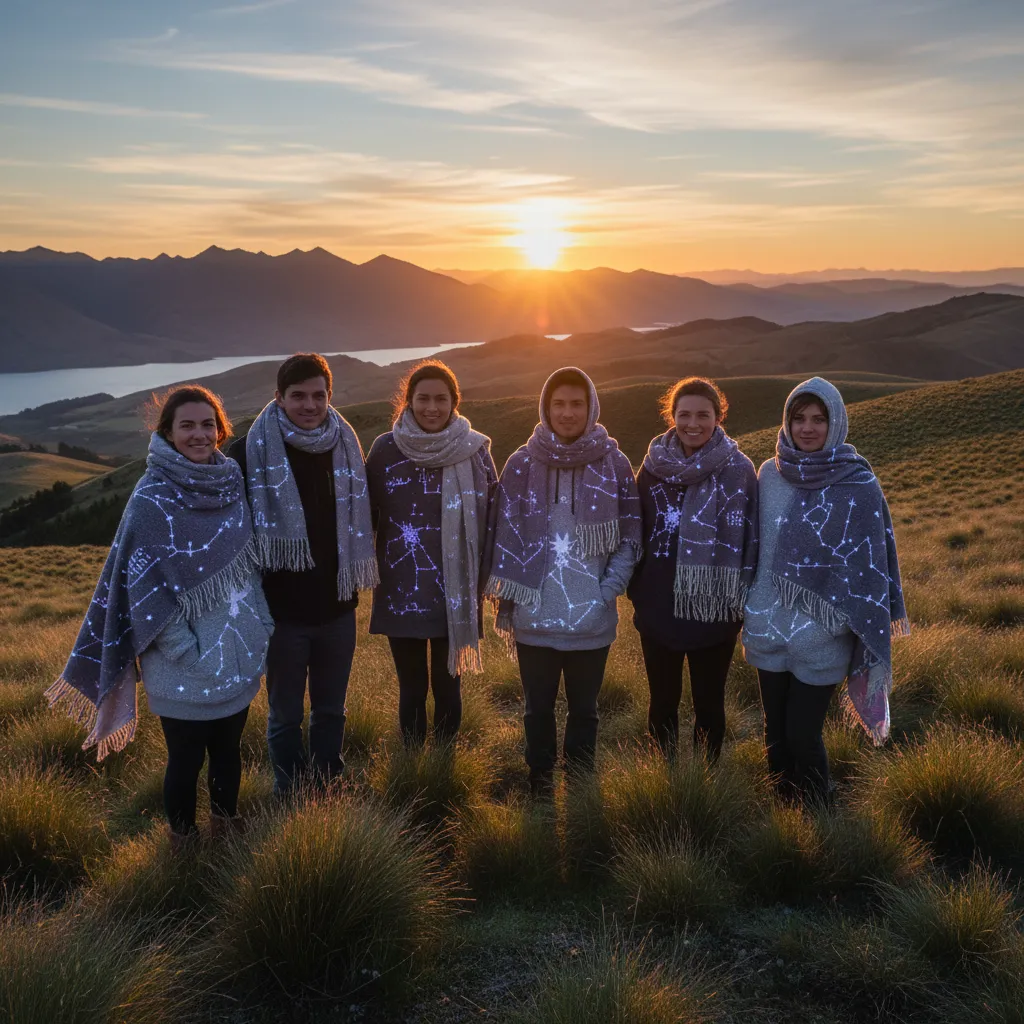
Clothing featuring Matariki motifs serves as a visual language. It allows wearers—both Māori and non-Māori (Tauiwi)—to physically display their support for indigenous knowledge and the revitalization of Māori traditions. When you put on a hoodie emblazoned with the names of the nine stars, you are helping to normalize the use of Te Reo Māori and indigenous astronomy in everyday life.
Why Supporting Māori-Owned Businesses is Critical
When searching for Matariki merchandise, the most impactful decision a consumer can make is to buy directly from Māori-owned businesses (pakihi Māori). This supports Tino Rangatiratanga (self-determination) and economic sovereignty.
Economic Impact on Communities
Purchasing from indigenous creators ensures that the profits from cultural intellectual property remain within the communities that generated them. Many Māori businesses are small, whānau-run enterprises. Supporting them contributes directly to the livelihood of artists, designers, and their families, rather than funding mass-production corporations that may have no connection to the culture.
Preservation of Narrative
Māori-owned businesses do not just sell clothes; they share stories. A t-shirt designed by a Māori artist often comes with a whakapapa (lineage) or a narrative explaining the specific pattern (kowhaiwhai) or the representation of the stars. This educational aspect, which includes Matariki Books for Children, adds immense value to the product, transforming it from a simple garment into a vessel of knowledge.
Authentic Design vs. Cultural Appropriation
With the commercialization of Matariki, there is a risk of cultural appropriation—where sacred symbols are used by non-Māori entities for profit without understanding or permission. Distinguishing between authentic Matariki clothing merchandise and appropriated goods is essential for ethical consumption.
How to Identify Authentic Goods
To ensure you are buying authentic Toi Māori, look for the following indicators:
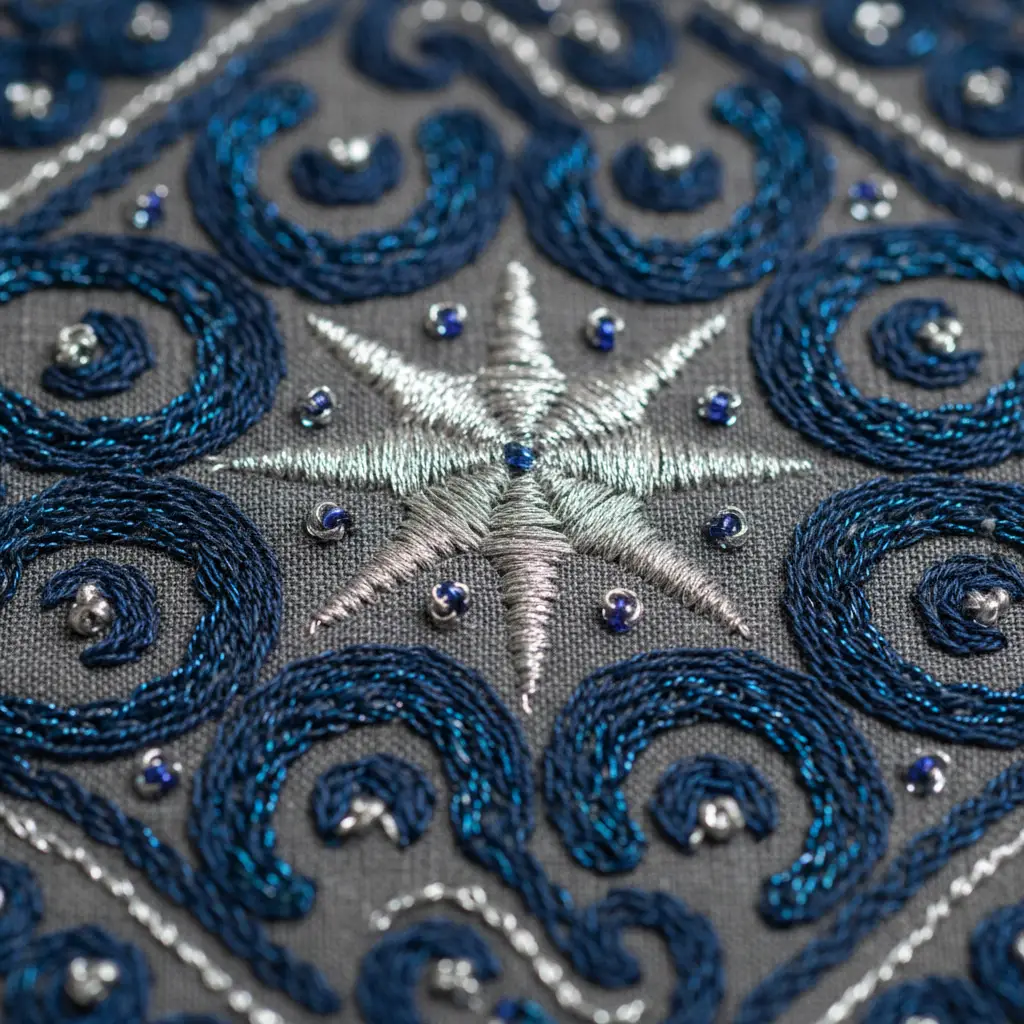
- Artist Attribution: Does the label or website clearly name the artist? Is the artist Māori? Authentic brands proudly display the creator’s identity.
- Toi Iho Mark: Look for the Toi Iho trademark, which verifies authenticity and quality of Māori arts and crafts.
- Cultural Context: Authentic sellers provide context about the design. If a shirt features a generic tribal pattern with no explanation, it may be a mass-produced imitation.
- Business Ownership: Check the “About Us” section. Is the company Māori-owned or is it a respectful collaboration where the artist is fairly compensated?
Appropriate Attire for Dawn Ceremonies (Hautapu)
One of the central events of the holiday is the Hautapu ceremony, which involves viewing the stars before sunrise (using the Interactive Night Sky Map Tool: Locate Matariki Now) and cooking food to send steam up to the cluster. These ceremonies take place in June or July, the depths of the New Zealand winter. Consequently, the search for Matariki clothing often focuses on warmth and practicality.
Layering for the Winter Elements
Attending a dawn ceremony requires preparation. The temperature can often drop below freezing. While you may want to display your Matariki-branded outer layer, functionality must come first.
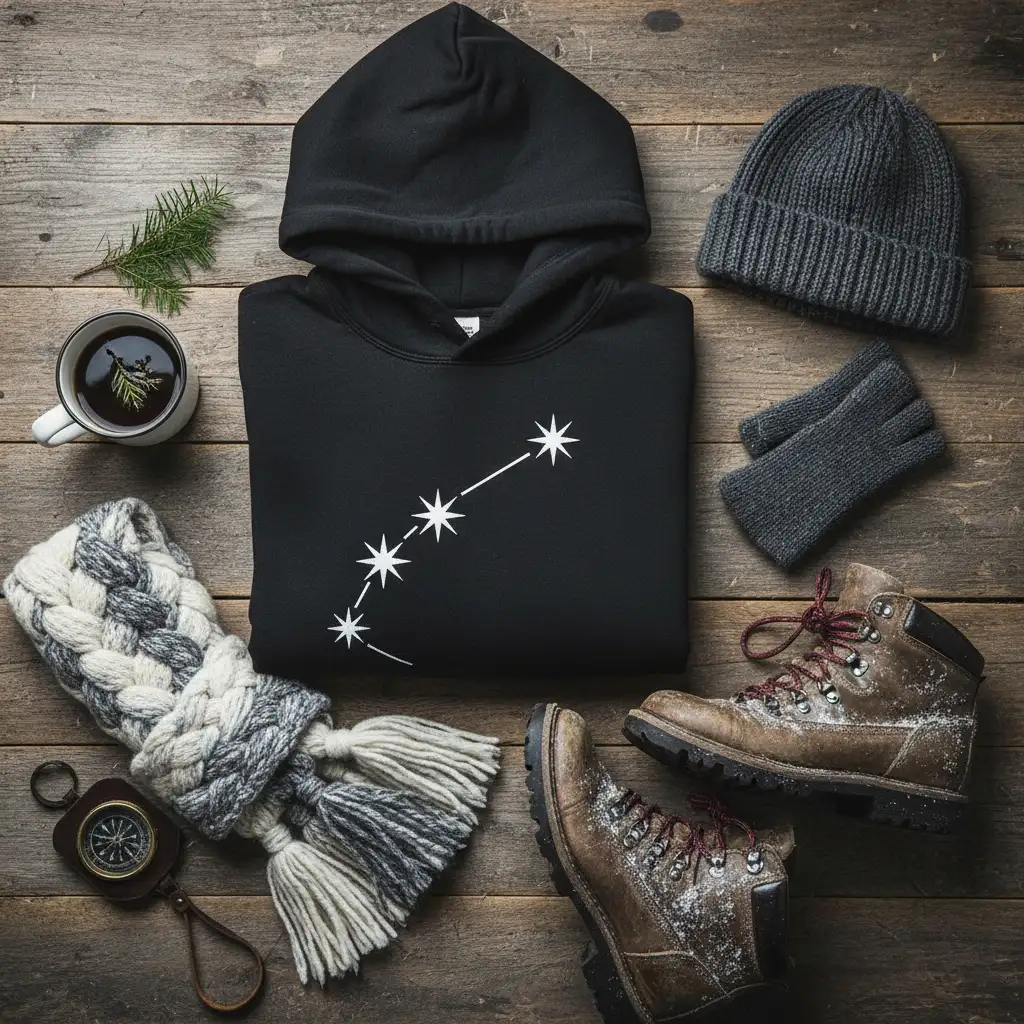
- Base Layers: Merino wool thermals are essential. They trap heat while being breathable.
- Mid-Layers: This is where your Matariki hoodie shines. Look for heavy-weight cotton or fleece-lined options that feature cultural designs.
- Outer Layers: A windproof and waterproof jacket is often necessary. Some Māori designers are now producing soft-shell jackets featuring indigenous prints, merging technical performance with cultural style.
- Accessories: Do not forget beanies (pōtae) and scarves. These are popular merchandise items and are often the most visible parts of an outfit during a bundled-up ceremony.
Respectful Presentation
While Hautapu is a spiritual event, it is not necessarily formal in the Western sense of suits and ties. It is an event of connection with the environment. Clean, warm, and respectful casual wear is the norm. Wearing items that display the stars (Waitī, Waitā, Waipuna-ā-rangi, Tupu-ā-nuku, Tupu-ā-rangi, Ururangi, Pohutukawa, Hiwa-i-te-rangi, and Matariki) is highly appropriate as it aligns with the kaupapa (purpose) of the gathering.
Where to Buy Matariki T-Shirts and Hoodies
Finding high-quality Matariki clothing merchandise involves looking beyond generic department stores. Here are the primary channels for finding authentic gear.
Direct from Māori Artists and Designers
The best source is always the artist’s own website. Many renowned Māori fashion designers release specific Matariki collections annually. These collections often sell out quickly due to their limited runs and high demand. Following these designers on social media is the best way to stay updated on drop times.
Māori Marketplaces and Collectives
Online marketplaces dedicated to New Zealand made and Māori-made goods are excellent aggregators. These platforms vet their vendors to ensure authenticity. They offer a wide range of styles, from streetwear-inspired tees to high-fashion garments. Buying from these hubs supports an ecosystem of indigenous commerce.
Museums and Cultural Institutions
Museum stores (such as those at Te Papa or Auckland Museum) are reliable sources for authentic merchandise. They usually commission artists for specific ranges and ensure that the provenance of the design is accurate. Profits often go back into the museum’s conservation efforts or directly to the collaborating artists.
Styling and Wearing Cultural Merchandise
Integrating Matariki clothing into your wardrobe is a way to celebrate the season, but it is natural to have questions about how to wear it respectfully, especially for non-Māori.
Can Non-Māori Wear Matariki Merchandise?
Yes, absolutely. Matariki is a celebration for all of Aotearoa. When non-Māori wear authentic merchandise, it shows solidarity and respect for the host culture. The key is the intent and the source. Wearing a garment purchased from a Māori business supports that business. It is different from wearing a sacred taonga (treasure) like a specific family korowai (cloak) without permission, which would be inappropriate. Commercial merchandise like t-shirts and hoodies are designed to be shared and worn by all.
Corporate and Team Wear
Many businesses in New Zealand now order Matariki merchandise for their staff. This is a positive step toward cultural competency in the workplace. If you are a business owner looking to outfit your team, ensure you are commissioning a Māori artist to create a design for you, or purchasing bulk orders from an established Māori brand. Avoid simply printing a generic fern or star logo on a cheap imported shirt; this lacks the mana (integrity) required for the occasion.

Frequently Asked Questions
What colours represent Matariki?
Matariki is often associated with deep blues and blacks, representing the night sky (Te Pō) and the winter season. Silver and white are used to represent the stars themselves. However, you will also see earth tones representing Tupu-ā-nuku (food from the earth) and blues/greens for Waitī and Waitā (fresh and salt water). There is no single mandatory colour palette, but night-sky themes are most common.
Is it okay for non-Māori to wear Matariki clothing?
Yes, it is encouraged for non-Māori to wear Matariki clothing as a sign of celebration and support for the holiday, provided the items are authentic and purchased from Māori creators. It is a way to participate in the national identity of Aotearoa.
What do the 9 stars of Matariki mean on clothing?
When you see 9 stars on merchandise, they represent the Matariki cluster. Each star holds dominion over a specific environmental or spiritual aspect: Matariki (health/wellbeing), Pōhutukawa (the dead), Tupu-ā-nuku (soil/plants), Tupu-ā-rangi (birds/trees), Waitī (freshwater), Waitā (ocean), Waipuna-ā-rangi (rain), Ururangi (wind), and Hiwa-i-te-rangi (wishes/aspirations).
Where does the money go when buying Matariki merch?
If you buy from a Māori-owned business or a certified collaboration, the money goes to the indigenous artists, their families, and the local economy. If you buy cheap knock-offs from overseas retailers, the money leaves the New Zealand economy and fails to support the culture that provided the design.
What should I wear to a Matariki dawn service?
Prioritize warmth. Wear thermal base layers, a warm mid-layer like a wool jumper or fleece hoodie, a windproof jacket, a beanie, gloves, and sturdy footwear. The ground is often wet and cold. Dark colours are traditional for pre-dawn, but warmth is the safety priority.
How can I tell if a design is authentic Māori art?
Look for the artist’s name and story attached to the product. Authentic art usually has a specific meaning or name. Check for the “Toi Iho” mark or research the brand to see if they are a registered Māori business. Authentic designs generally have a flow and symmetry rooted in traditional rules, whereas imitations often look disjointed or mix incompatible styles.