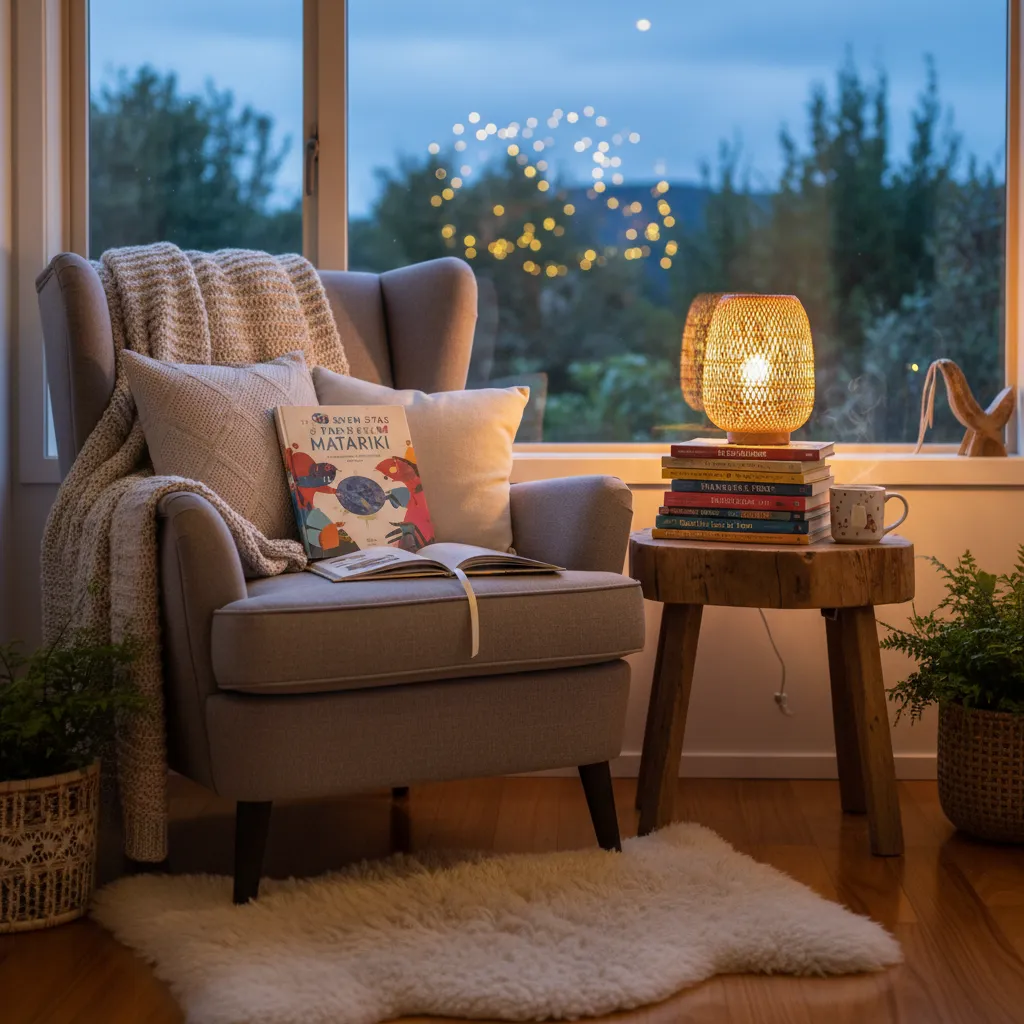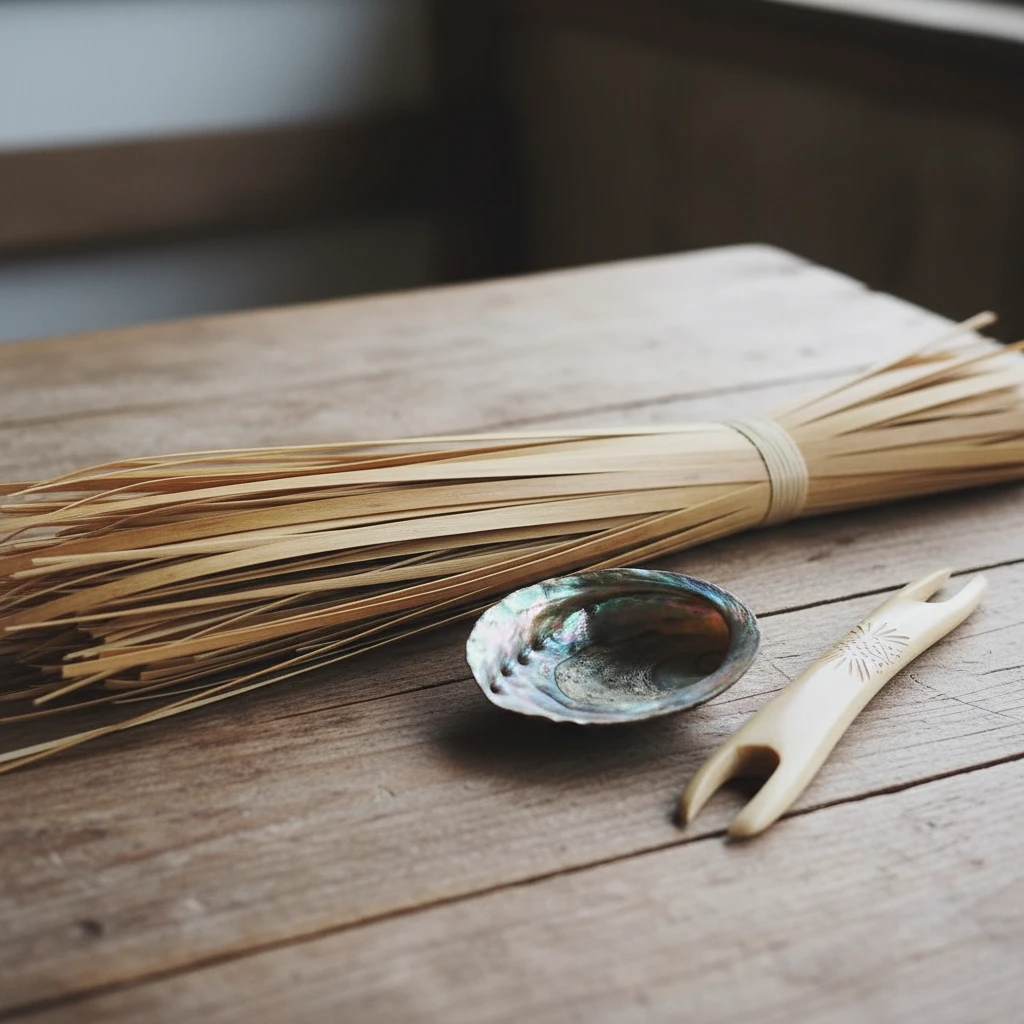
Matariki decorations NZ encompass a diverse range of festive items used to celebrate the Māori New Year, including whetū (stars), manu tukutuku (kites), and ambient lighting. These decorations typically utilize a color palette of deep blues, blacks, silver, and gold to represent the night sky, alongside natural materials like harakeke (flax) and wood to honor the connection to the environment.
The Significance of Decorating for Matariki
Matariki, the Māori New Year, is a time of profound cultural significance in Aotearoa New Zealand. Marked by the rising of the Pleiades star cluster, it is a period dedicated to remembering those who have passed (maumahara), celebrating the present (whakanui), and planning for the future (wawata). With Matariki now officially recognized as a public holiday, more New Zealanders are seeking ways to bring the spirit of this celebration into their homes and workplaces through visual storytelling and decoration.
Decorating for Matariki is not merely about aesthetics; it is an act of whanaungatanga (building relationships) and kotahitanga (unity). By transforming our physical spaces, we create an environment that fosters reflection and festivity. The visual language of Matariki decorations often draws heavily from the night sky, the nine stars of the cluster, and the harvesting of kai (food), grounding the celebration in the natural rhythms of the environment.
Where to Buy Themed Decorations in NZ
As the popularity of Matariki grows, so does the availability of commercial decorations. However, for those seeking authenticity and a desire to support the local economy, it is vital to know where to look. The market is split between mass-market retailers offering accessible options and pakihi Māori (Māori businesses) providing handcrafted, culturally significant pieces.
Supporting Pakihi Māori (Māori Businesses)
Purchasing from Māori-owned businesses ensures that the designs are culturally appropriate and that the economic benefits return to the community. Many of these artisans create high-quality, heirloom pieces that can be used for years to come.
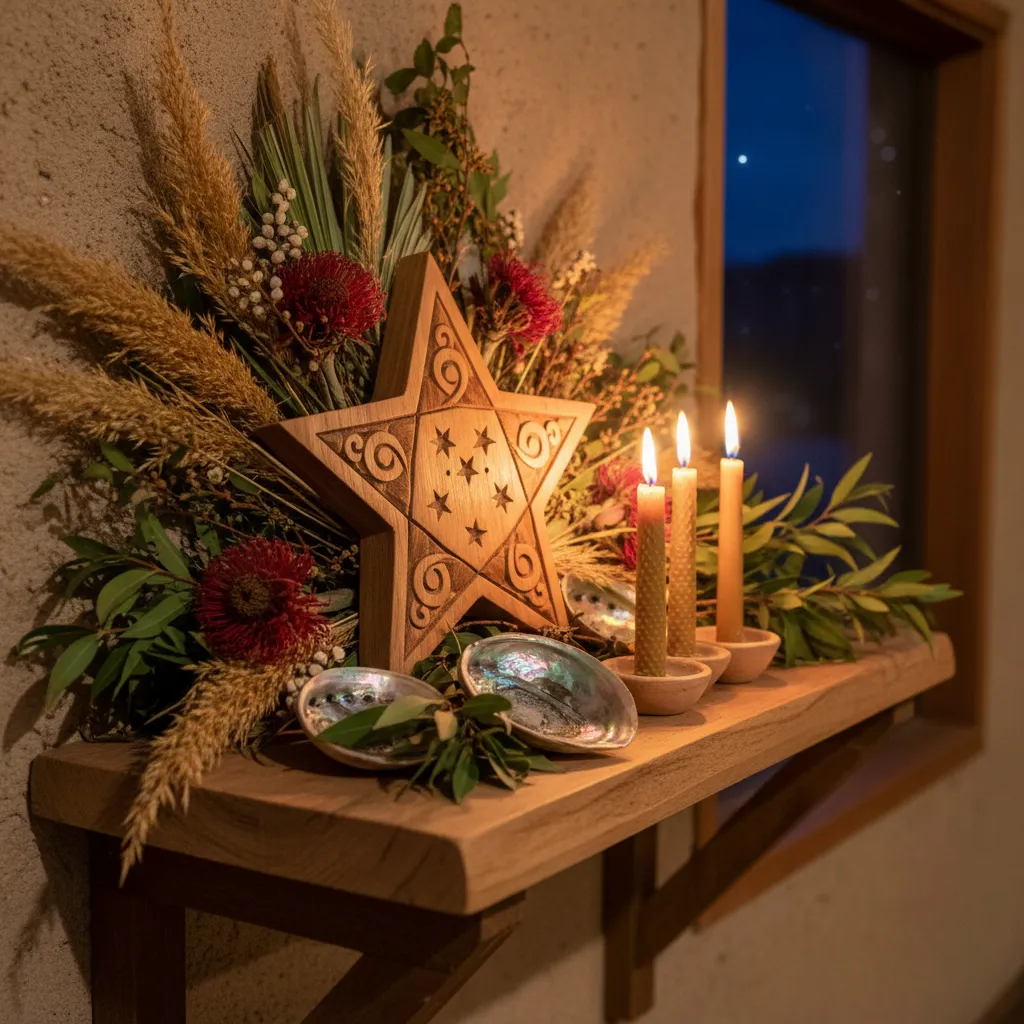
- Toi Māori Retailers: Look for online marketplaces that aggregate Māori creators. Items often include laser-cut wooden stars, printed cushion covers featuring kōwhaiwhai patterns, and hand-woven harakeke whetū.
- Local Markets: During June and July, local craft markets across NZ often feature stalls specifically dedicated to Matariki wares.
- Art Galleries: Museum and gallery shops (like Te Papa Store or Auckland Museum Store) curate high-end decor items that are perfect for sophisticated home styling.
Mainstream Retailers
For those on a budget or needing to decorate large spaces like schools or corporate offices, mainstream retailers have begun stocking Matariki ranges. Stores such as The Warehouse, Kmart NZ, and Spotlight now offer specific lines. When buying from these sources, look for products that have been designed in collaboration with Māori artists to ensure cultural integrity.
DIY Decoration Ideas for Homes and Offices
Matariki is fundamentally about creativity and connection. engaging in DIY (Do It Yourself) projects is a fantastic way to involve tamariki (children) or bond with colleagues. Crafting your own decorations allows for personalization and a deeper understanding of the symbols associated with the holiday.
Whetū Harakeke (Flax Stars)
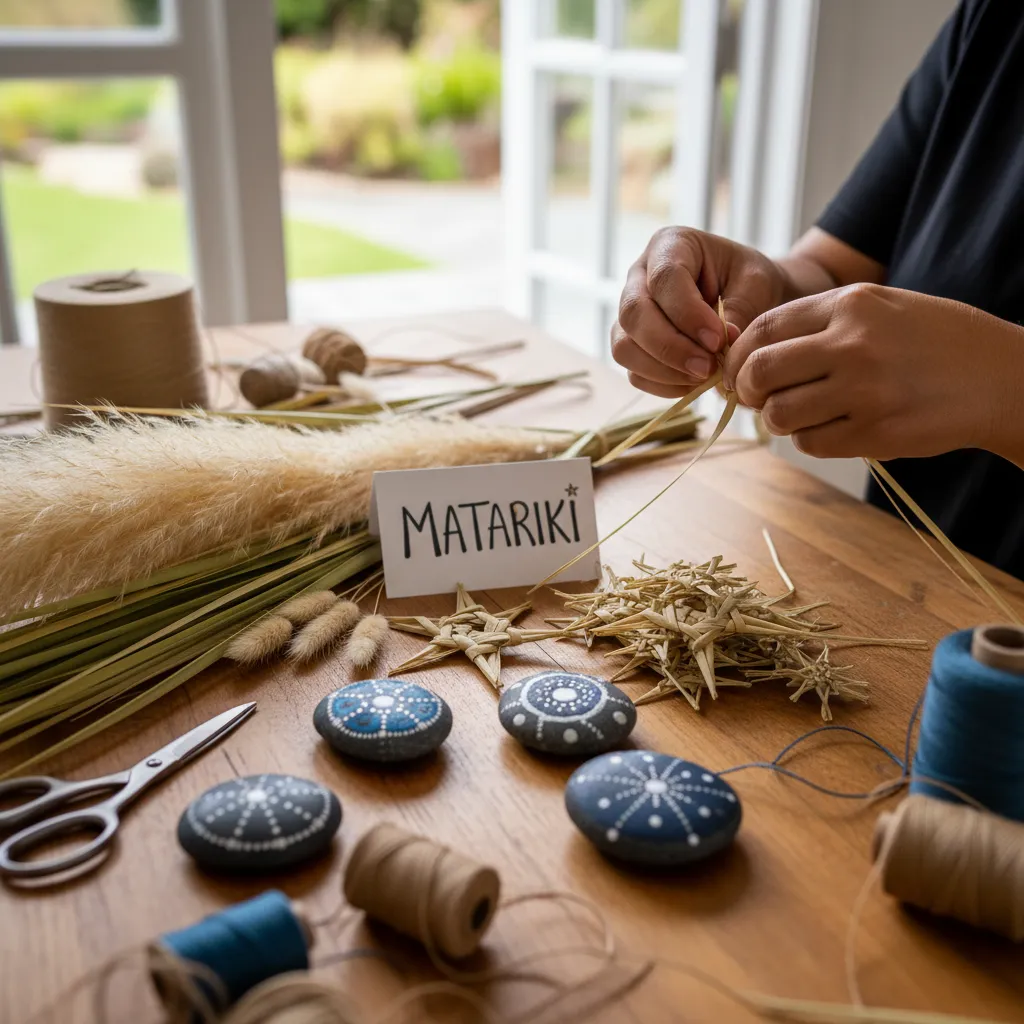
One of the most iconic symbols of Matariki is the star. Weaving stars from harakeke (flax) or paper strips is a traditional and meditative activity.
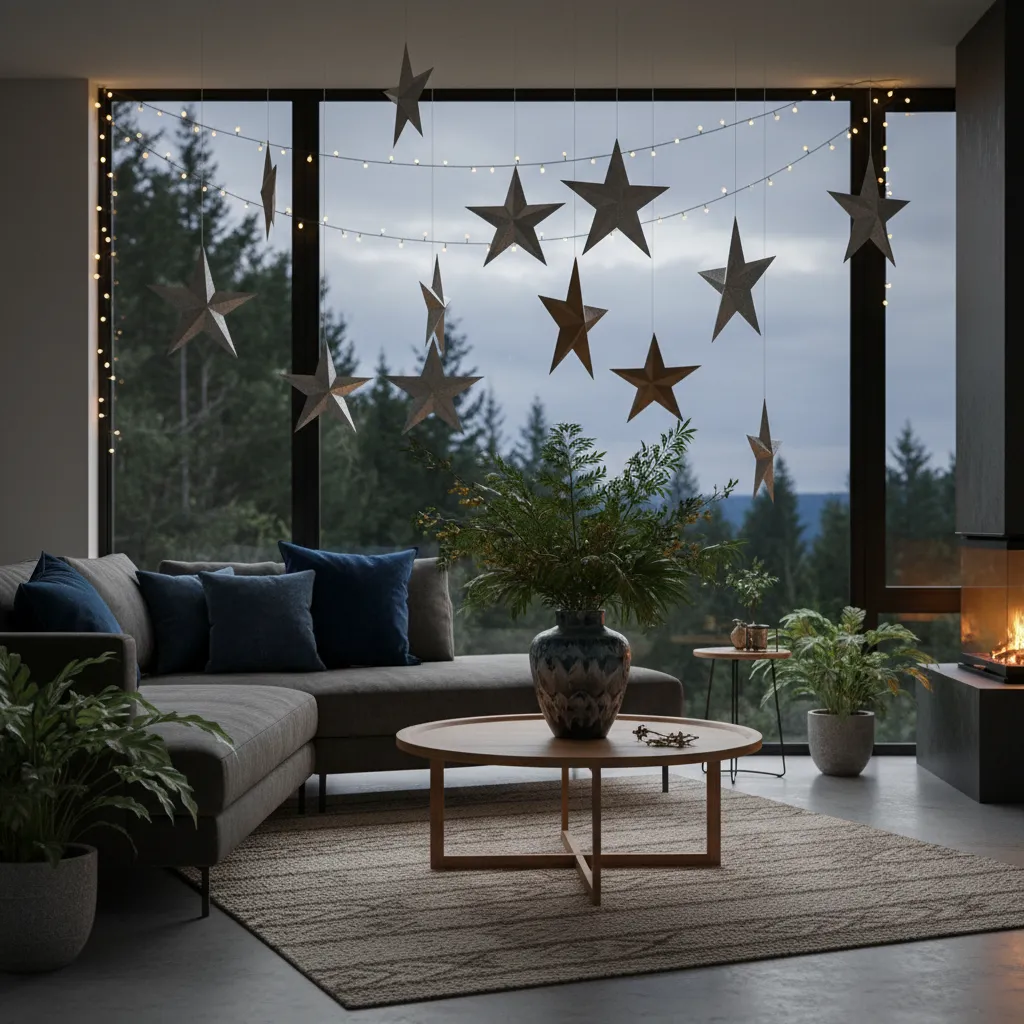
How to make them: traditional weaving requires four strips of flax. If harakeke is unavailable, brown craft paper or ribbon works as an excellent substitute. These stars can be strung together to create bunting or hung individually from the ceiling to mimic a starry night sky.
Manu Tukutuku (Kites)
Historically, kites were flown to connect the heavens and the earth. Making small decorative kites using bamboo skewers, tissue paper, and feathers is a great activity. These can be mounted on walls or hung in windows to catch the light.
The Seven (or Nine) Stars Mobile
Create a hanging mobile representing the Matariki cluster. You can use cardboard cutouts painted in metallic silver, gold, and white. Label each star (Matariki, Pōhutukawa, Tupuānuku, Tupuārangi, Waipuna-ā-rangi, Waitī, Waitā, Ururangi, and Hiwa-i-te-rangi) to turn the decoration into a learning opportunity.
Sustainable and Plastic-Free Options
A core value of Te Ao Māori (the Māori world) is Kaitiakitanga, or guardianship of the environment. Therefore, filling our homes with disposable plastic decorations contradicts the very spirit of Matariki. Opting for sustainable, eco-friendly decorations honors Papatūānuku (Earth Mother).
Natural Materials
Nature provides the most beautiful decorations. Foraging (sustainably and with permission) can yield incredible results:
- Driftwood: Use driftwood pieces to create a rustic hanging structure for lights or stars.
- Shells (Paua and Scallop): These catch the light beautifully and can be used as table scatter or hung on string.
- Dried Foliage: Dried fern fronds, toetoe, and flax flowers make stunning, long-lasting floral arrangements that fit the winter aesthetic perfectly.
Lighting without Waste
Light is essential for Matariki, representing the stars and the return of the sun. Instead of battery-operated plastic novelties, consider:
- Beeswax Candles: Natural, non-toxic, and emitting a warm glow.
- Solar Fairy Lights: If decorating outdoors, harness the winter sun.
- Paper Lanterns: Biodegradable and effective at diffusing light softly.
Setting the Table for a Matariki Feast (Hākari)
The culmination of many Matariki celebrations is the hākari, or feast. The dining table becomes the focal point of the gathering, and dressing it appropriately sets the tone for the meal. The goal is to create an atmosphere that is warm, inviting, and reflective of the harvest.
Color Palette and Textiles
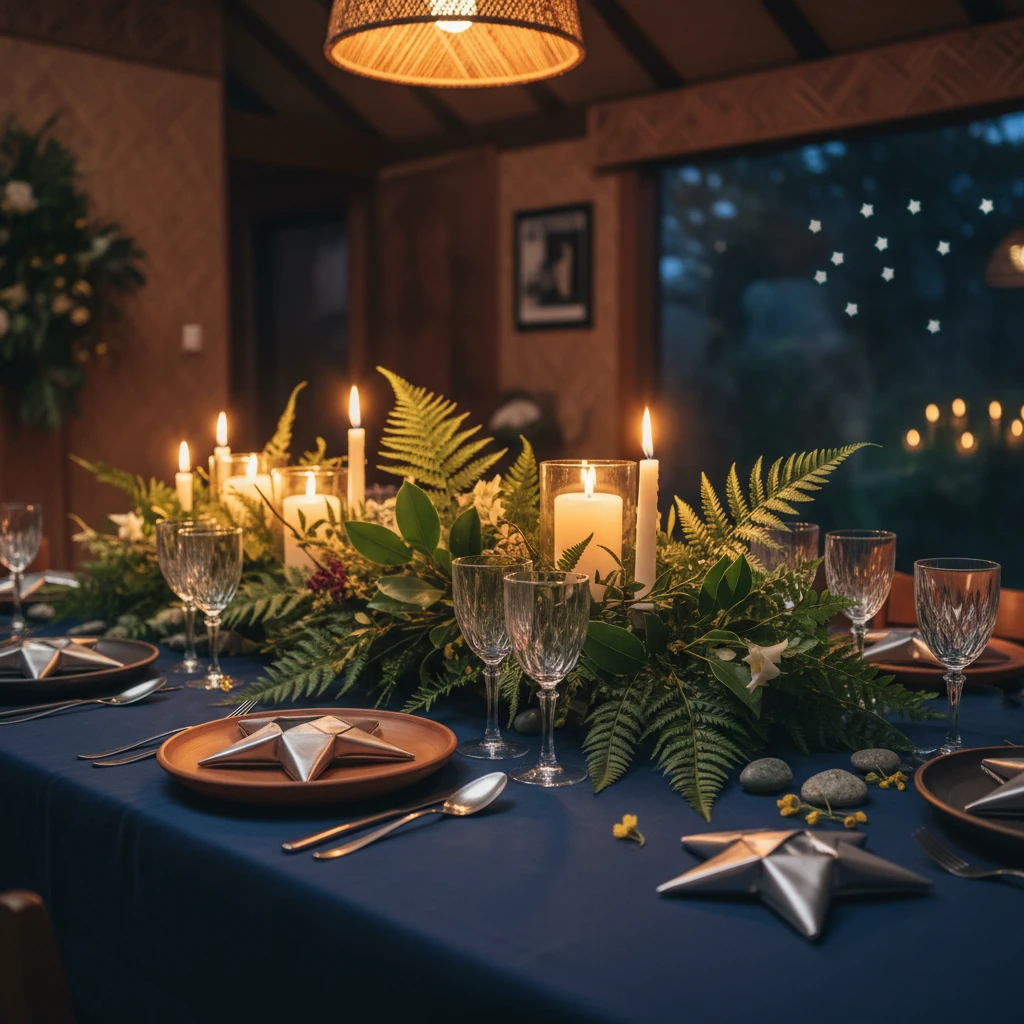
Start with a base of deep blues, blacks, or dark purples for your tablecloth to represent the winter night sky. Layer this with runners in contrasting textures like hessian or woven flax. Napkins in silver or gold add a touch of starlight elegance.
Centerpieces
Avoid tall centerpieces that block conversation. Instead, create a low-profile runner down the center of the table using:
- Native Greenery: Kawakawa leaves or silver fern fronds laid flat.
- Kumara and Pumpkin: Small, washed vegetables can actually be part of the decor, symbolizing the harvest (related to Tupuānuku).
- River Stones: Smooth stones painted with symbols or left natural can anchor the arrangement.
Place Settings
Personalize the experience for your manuhiri (guests). A small handwritten place card attached to a sprig of rosemary or a small flax star makes guests feel special. Using earthenware or ceramic plates adds an earthy, grounded feel to the dining experience.
Corporate and Office Decoration Tips
Bringing Matariki into the workplace acknowledges the cultural identity of Aotearoa and builds an inclusive culture. However, office decorations should be professional and respectful.
Reception and Common Areas
The reception area is the first point of contact. A tasteful display explaining the meaning of Matariki alongside a visual element (like a decal of the star cluster on a glass wall) is educational and decorative. In breakrooms, bunting made from fabric with Māori motifs can brighten the space without being intrusive.
Digital Decoration
Don’t forget the digital space. Updating desktop wallpapers, Microsoft Teams backgrounds, or email signatures with Matariki themes is a modern way to “decorate” the virtual office. Ensure these assets are sourced from reputable Māori designers.
People Also Ask
What are the traditional colors for Matariki decorations?
The traditional colors for Matariki decorations are deep blues, blacks, and purples, representing the night sky (Te Pō) and the winter season. These are often accented with silver, gold, or white to represent the stars (Ngā Whetū). Earthy tones like ochre, brown, and green are also used to symbolize the harvest and the earth (Papatūānuku).
When should I put up Matariki decorations?
You can start putting up decorations in early June, as the Matariki star cluster begins to rise. However, the specific dates for the Matariki public holiday shift slightly each year based on the lunar calendar (Maramataka). It is appropriate to keep decorations up throughout the celebration period, typically lasting until mid-July.
Is it culturally appropriate for non-Māori to decorate for Matariki?
Yes, it is culturally appropriate and encouraged for all New Zealanders to celebrate Matariki. It is a time for everyone in Aotearoa to come together. However, it is important to decorate respectfully. Avoid commercializing sacred symbols inappropriately and try to understand the meaning behind the decorations you use.
What are the 9 stars of Matariki to include in decorations?
The nine stars are Matariki (the mother), Pōhutukawa, Tupuānuku, Tupuārangi, Waipuna-ā-rangi, Waitī, Waitā, Ururangi, and Hiwa-i-te-rangi. Including all nine in your decorations is a great way to acknowledge the full cluster, as each star holds dominion over a specific environmental domain (e.g., fresh water, salt water, wind, food from the earth).
How can I make my Matariki decorations sustainable?
To make decorations sustainable, avoid single-use plastics and glitter. Utilize natural materials found in your garden or local environment, such as fallen leaves, pinecones, flax (harakeke), and driftwood. Use paper, cardboard, wood, and fabric that can be recycled or composted after use. Reusing decorations year after year is also a key sustainable practice.
Where can I buy authentic Māori-made decorations?
You can buy authentic Māori-made decorations from online marketplaces like Chooice or specific Māori business directories. Look for local art galleries, museums, and pop-up markets during the Matariki season. Buying directly from artists via their websites or social media channels is also a great way to support pakihi Māori.