To book a Matariki dinner, reservations should be made 2-4 weeks in advance at New Zealand restaurants offering dedicated set menus or hāngī feasts. Essential booking steps include checking local listings for “Matariki Dish Challenge” participants, securing tables for the public holiday weekend early, and confirming dietary accommodations for indigenous ingredients like kūmara, lamb, and seafood.
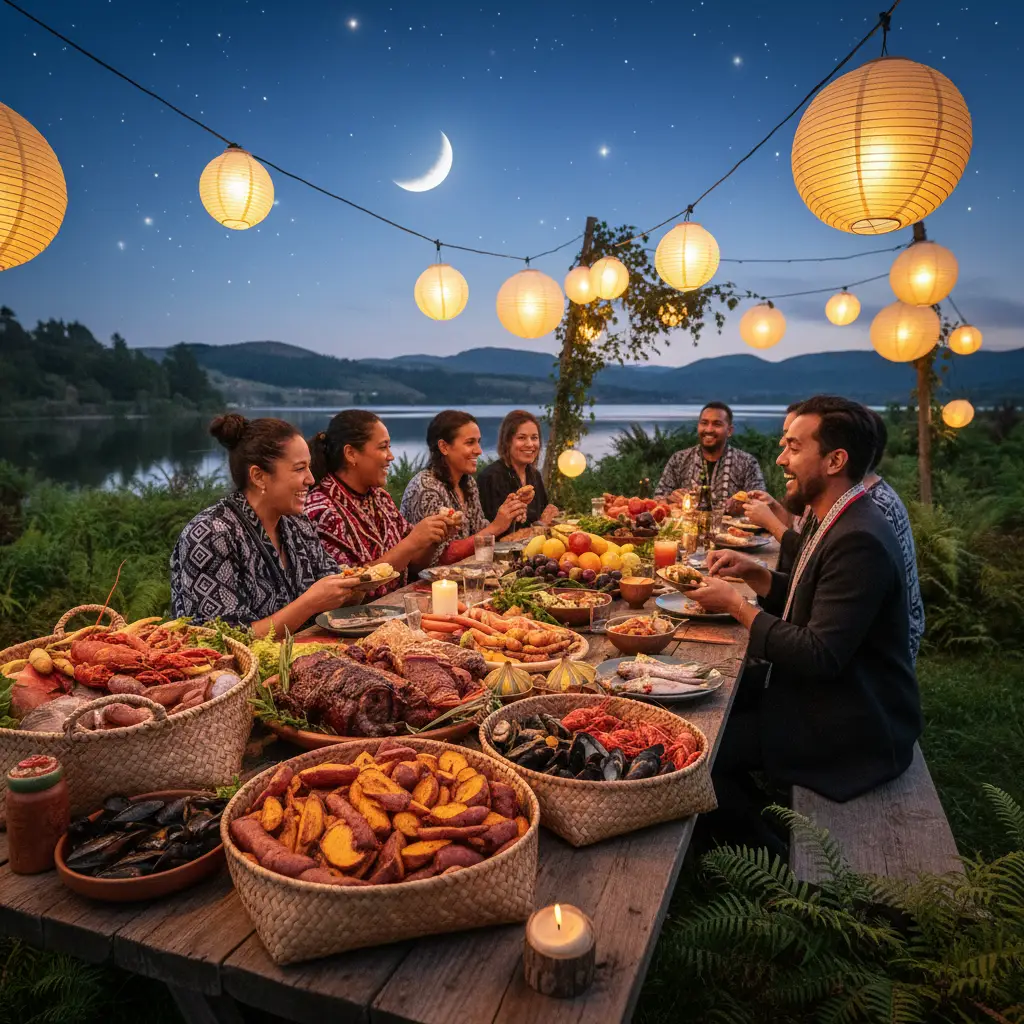
Matariki, the Māori New Year, is a time of remembrance, celebrating the present, and looking to the future. Central to this celebration is the gathering of whānau (family) and friends to share kai (food). As the cluster of stars rises, the culinary landscape of Aotearoa New Zealand comes alive with special events, indigenous ingredients, and communal feasting. Whether you are looking for a high-end gastronomic experience or a traditional hāngī, securing your spot is crucial during this high-demand public holiday.
The Significance of Kai During Matariki
Food is not merely sustenance during the Māori New Year; it is a spiritual and cultural connector. The stars of Matariki themselves are intrinsically linked to food sources. Tupu-ā-nuku is the star connected to food that grows in the ground, such as kūmara (sweet potato), while Tupu-ā-rangi is connected to food that comes from the sky, such as birds and fruit. Waitī watches over freshwater food, and Waitā watches over the ocean’s bounty.
When you book a Matariki dinner, you are participating in a tradition that honors these elements. Modern chefs across New Zealand interpret these stars by curating menus that feature earth, sky, and water elements, often sourcing ingredients locally to honor the harvest.
Restaurants Offering Matariki Set Menus
During the months of June and July, many of New Zealand’s top eateries transform their offerings to align with the season. The most sought-after reservations are for venues participating in regional events like the “Matariki Dish Challenge.” These establishments compete to create a dish that best represents the ethos of the new year.
What to Expect on a Set Menu
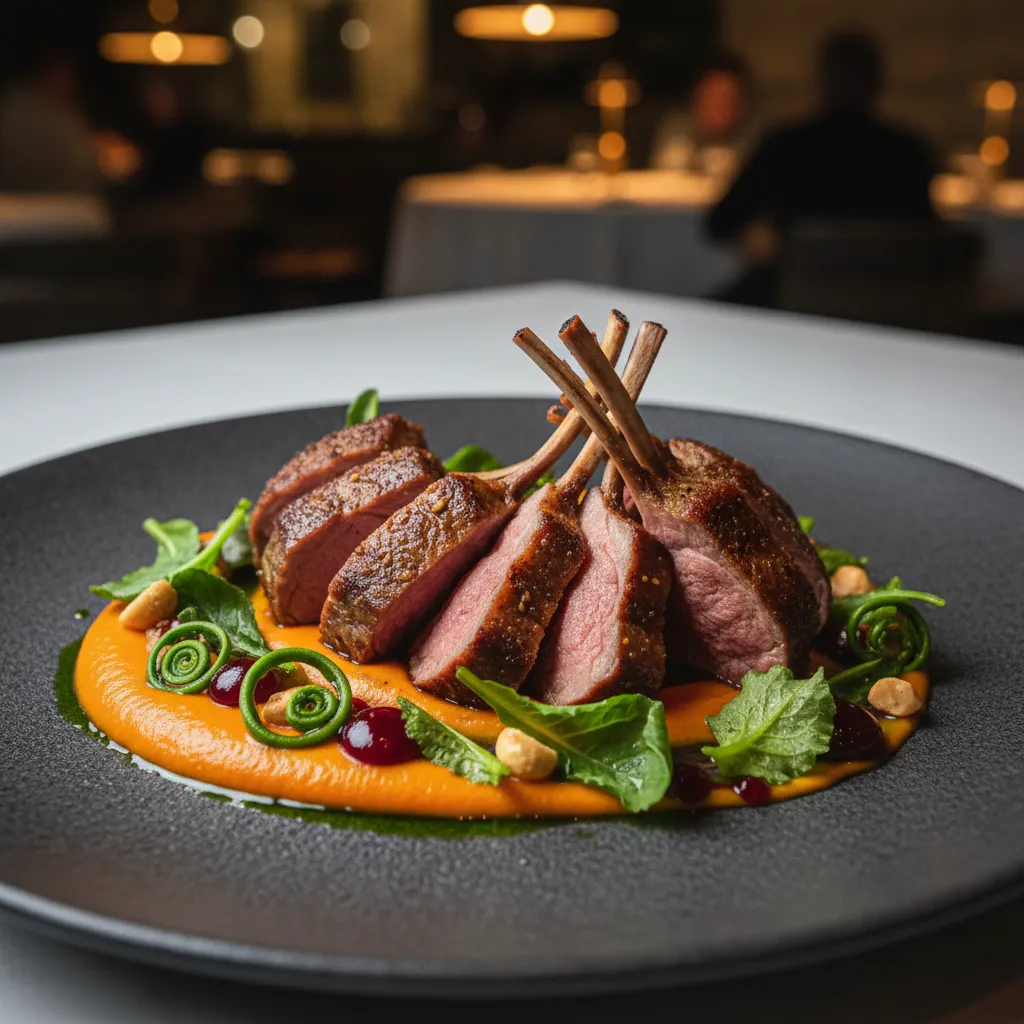
A typical Matariki set menu is designed to tell a story. It often moves through courses representing the different stars. You might begin with a starter focused on Waitā (seafood), such as raw fish (ika mata) or paua, move to a main course honoring Tupu-ā-nuku (earth) with slow-cooked meats and root vegetables, and finish with a dessert incorporating native berries or honey.
Chefs frequently utilize traditional cooking methods, such as smoking or steaming, adapted for a commercial kitchen environment. When looking to book Matariki dinner experiences, look for menus that explicitly mention:
- Hāngī-style meats: Pork, chicken, or lamb cooked with smoky flavors mimicking the earth oven.
- Native Herbs: Extensive use of horopito (pepper tree) and kawakawa.
- Fry Bread (Parāoa Parai): A staple side dish often served with watercress butter.
Regional Dining Guide: Where to Book
Finding the right location depends heavily on which region of Aotearoa you are visiting. The culinary scenes in the major cities offer distinct variations of the Matariki feast.
Auckland (Tāmaki Makaurau)
Auckland’s diverse dining scene offers the widest variety of options. From the Viaduct Harbour to Karangahape Road, restaurants often collaborate with local iwi to produce authentic menus. High-end establishments often require bookings at least 3 weeks in advance for the Matariki weekend. Look for special events at the Auckland Fish Market or fine dining rooms in the Britomart precinct.
Wellington (Te Whanganui-a-Tara)
The capital city is renowned for its food culture. Wellington on a Plate often overlaps or precedes the Matariki season, meaning the standard of dining is exceptional. Many restaurants here focus on “kai for the soul,” offering hearty, warming winter dishes. The waterfront area is a prime spot for booking dinners that coincide with light shows and firework displays.
Rotorua and Christchurch
Rotorua is the heartland of Māori culture and the best place to book a traditional Hāngī experience. Hotels and cultural centers here offer full dinner-and-show packages. Christchurch, conversely, is seeing a surge in modern Māori fusion cuisine, utilizing the fresh produce of the Canterbury plains.
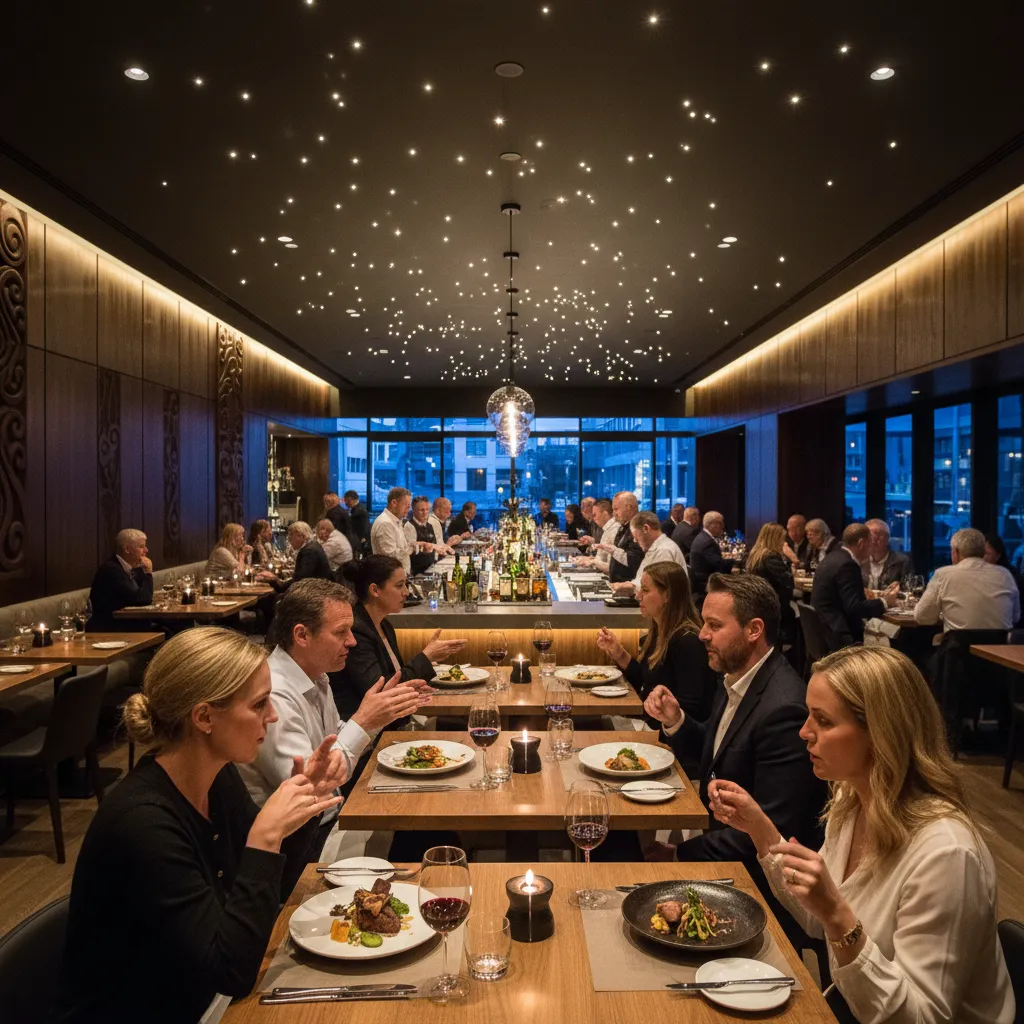
How to Book Tables for the Public Holiday Weekend
Since Matariki became an official public holiday in New Zealand, the demand for dining out has skyrocketed. The Friday of the holiday weekend is particularly busy. To ensure you secure a table, follow this strategic approach.
Timeline for Reservations
1 Month Out: This is the ideal time to book for large groups (6+ people) or for premium fine dining venues. Many set menus are released at this time.
2 Weeks Out: Most casual dining spots and bistros will start filling up their prime dinner slots (6:00 PM – 8:00 PM). If you haven’t booked by now, you may be left with very early or very late seatings.
The Week Of: It is risky to wait this long. However, cancellations do happen. Your best strategy here is to call restaurants directly rather than relying on online booking systems, which may show “full” even if a table has just opened up.
Deposit and Cancellation Policies
Be aware that for special event menus, restaurants often require a deposit or full prepayment. This is to reduce no-shows on a high-revenue night. Read the fine print regarding cancellation windows; usually, you must cancel 24 to 48 hours prior to receive a refund.
Matariki Food Festivals and Night Markets
Not everyone wants a formal sit-down meal. For a more vibrant, communal atmosphere, booking tickets to a food festival or visiting a night market is a fantastic alternative.
Tohunga Tūmau and Street Kai
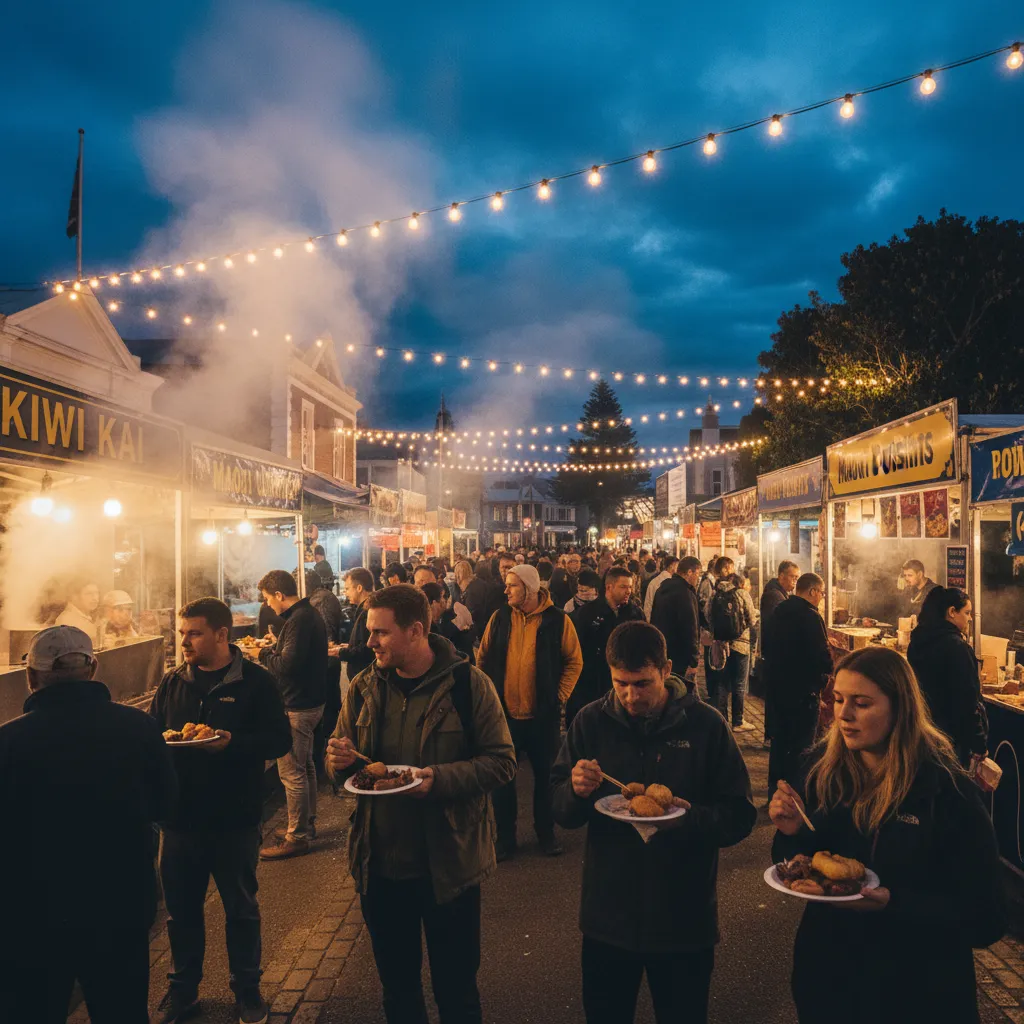
Across the country, pop-up events known as “Tohunga Tūmau” (master culinary arts) showcase Māori chefs. These events often function as ticketed dinners or walk-up markets. Night markets are particularly popular during Matariki, featuring stalls selling:
- Hāngī Puns: Traditional earth-oven food served in a bun.
- Mussel Fritters: Fresh seafood batter-fried on a griddle.
- Rewena Bread: Traditional sourdough potato bread.
These markets usually do not require table bookings, but they do require early arrival. The most popular stalls will have long queues, and food often sells out by 7:30 PM.
Price Ranges and Family-Friendly Options
Matariki is fundamentally a family celebration. Consequently, the hospitality industry caters to a wide range of budgets and age groups.
Budget Breakdown
- Fine Dining Set Menu ($120 – $200+ per person): Includes multiple courses, wine matching, and premium ingredients like crayfish or venison.
- Mid-Range Bistro ($50 – $90 per person): Typically a 2 or 3-course prix fixe menu. This is the most common option for families booking a celebratory dinner.
- Casual / Markets ($15 – $35 per person): Street food options, food trucks, and casual eateries.
Family Considerations
When you book Matariki dinner for a family, check if the venue offers a “tamariki” (children’s) menu. Many places will offer simplified versions of the adult dishes—such as a mini hāngī or fish and chips—allowing children to participate in the cultural experience without the complexity of a degustation menu. Furthermore, look for venues that host early seatings (5:00 PM), which allows families to dine before heading out to view star clusters or light displays.
Understanding the Menu: Indigenous Ingredients
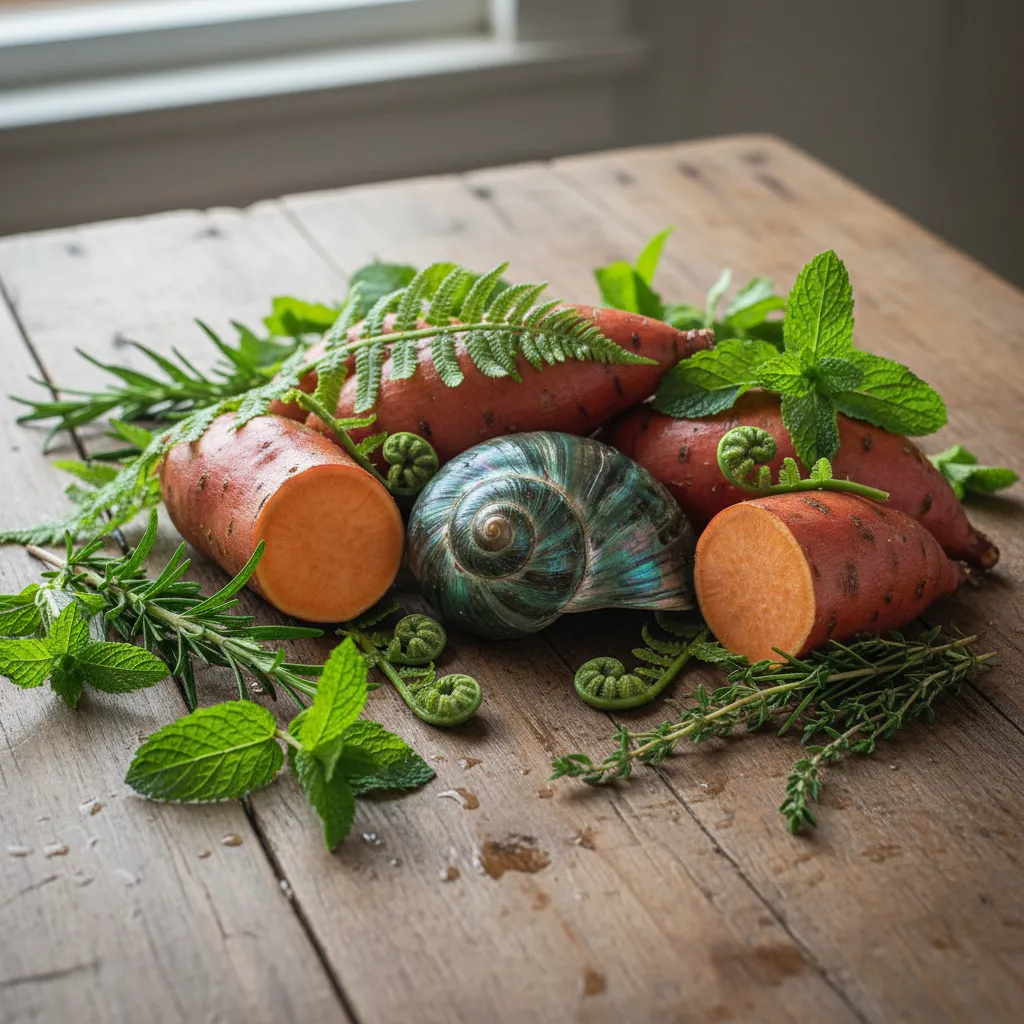
To truly appreciate the meal you are booking, it helps to understand the indigenous ingredients (kai) that define this season. Knowledge of these ingredients will help you select a restaurant that offers an authentic experience.
Kūmara (Sweet Potato)
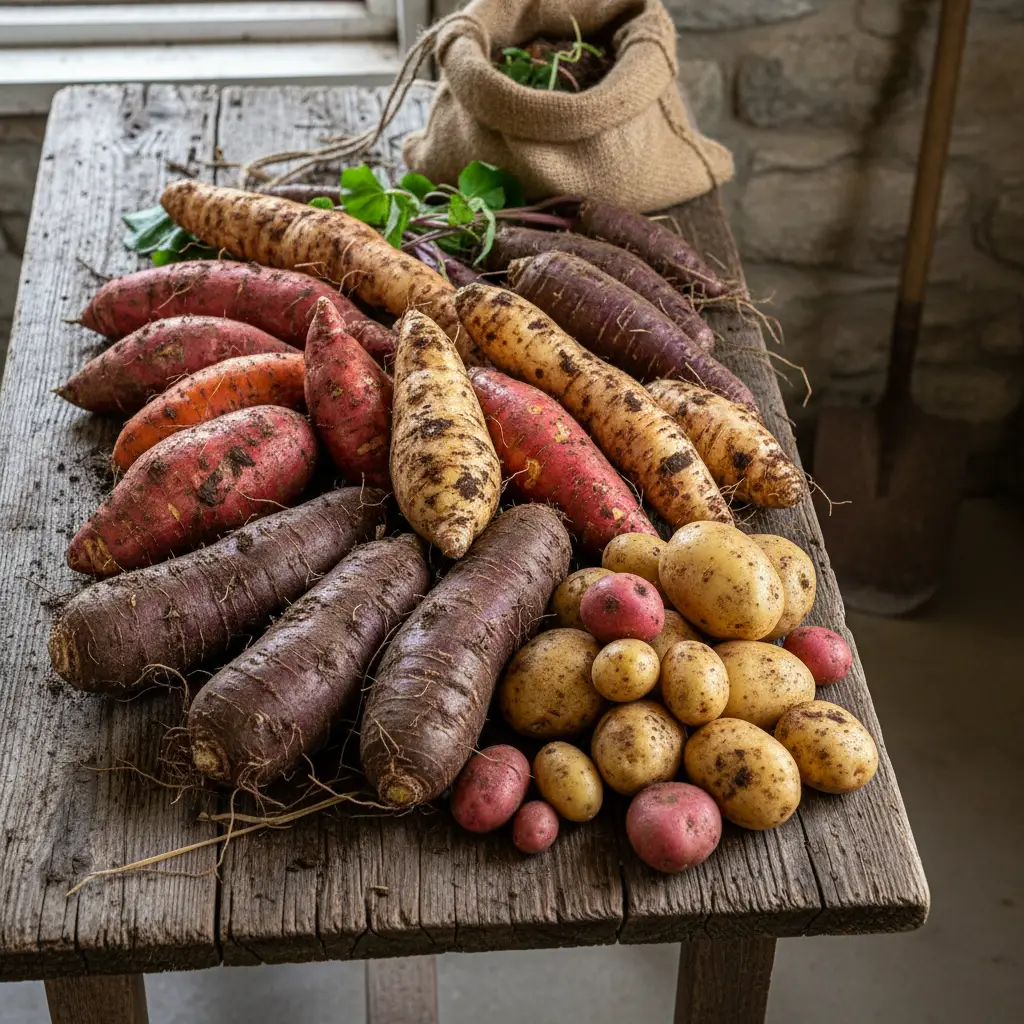
The harvesting of kūmara signifies the coming of Matariki. It is prepared in myriad ways: roasted, matched, or turned into a sweet fondant. Different varieties (orange, red, gold) offer different textures and sweetness levels.
Paua (Abalone)
A delicacy of the ocean, paua is rich and savory. In modern dining, it is often served thinly sliced as a ravioli filling or creamed in a traditional style. Its inclusion on a menu usually indicates a premium price point due to strict harvesting quotas.
Pikopiko (Fern Fronds)
These are the curled shoots of ferns. They taste somewhat like green beans or asparagus and are often used as a garnish or a side vegetable. They represent new life and growth, fitting for the New Year.
Frequently Asked Questions
When should I book a table for Matariki dinner?
You should book at least 2 to 4 weeks in advance, especially for the Friday public holiday and the surrounding weekend. Popular venues participating in food festivals may book out even earlier.
What is traditional Matariki food?
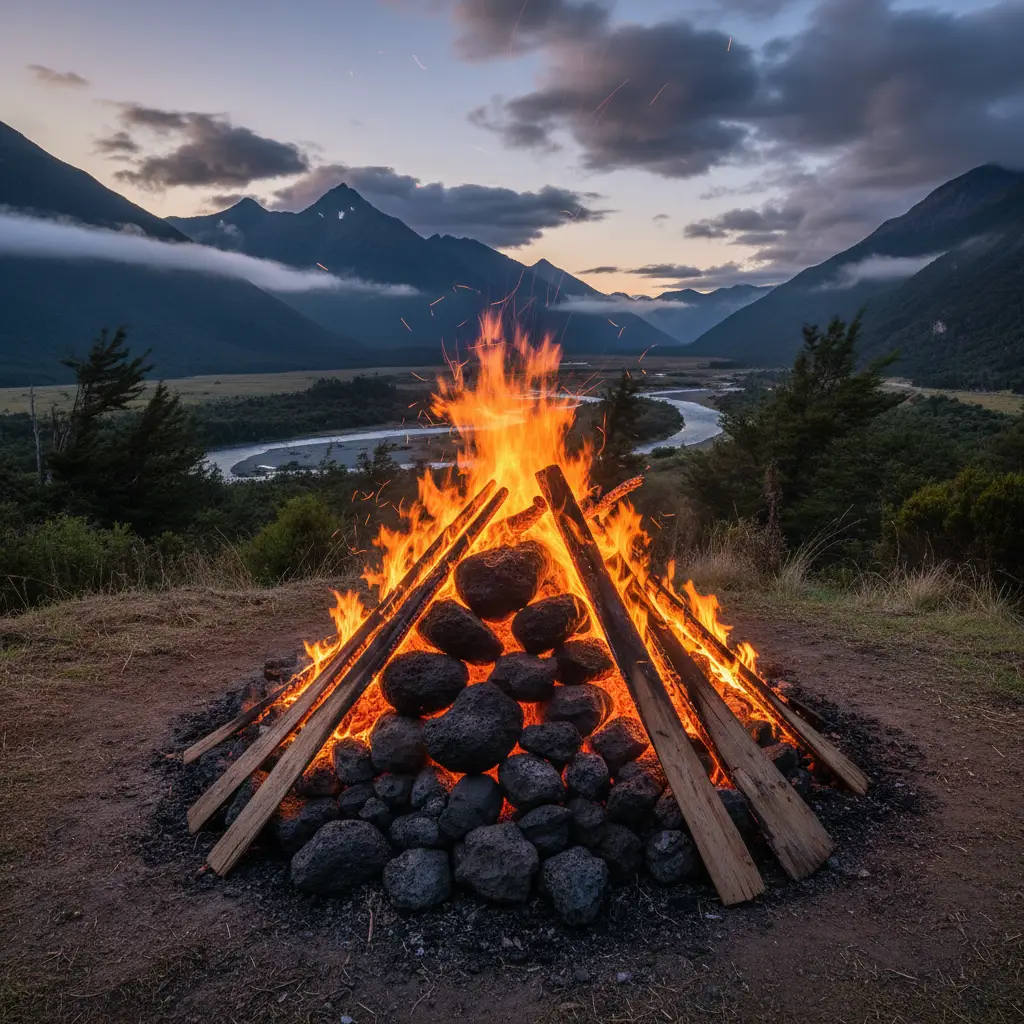
Traditional food includes ingredients sourced from the earth (kūmara, pikopiko), the sky (birds), and the water (fish, eels, shellfish). Hāngī (food cooked in an earth oven) is the most iconic preparation method.
Are there vegetarian options available for Matariki dinners?
Yes, most restaurants offer vegetarian options. Since Tupu-ā-nuku represents food from the earth, root vegetables like kūmara, yams, and potatoes feature heavily, making vegetarian dishes robust and flavorful.
Is Matariki dinner expensive?
It varies. You can find affordable street food at night markets for under $20, while exclusive set menus at top-tier restaurants can range from $100 to $200 per person.
Do restaurants charge a surcharge on the Matariki public holiday?
Yes, in New Zealand, it is common for hospitality venues to apply a surcharge of 15% on public holidays to cover increased staff wage costs. Always check the menu or website before booking.
Can I book a private Hāngī for a large group?
Yes, many cultural centers and catering companies offer private Hāngī bookings for large groups or corporate events. These usually require significant lead time (1-2 months) to arrange the logistics of the earth oven.