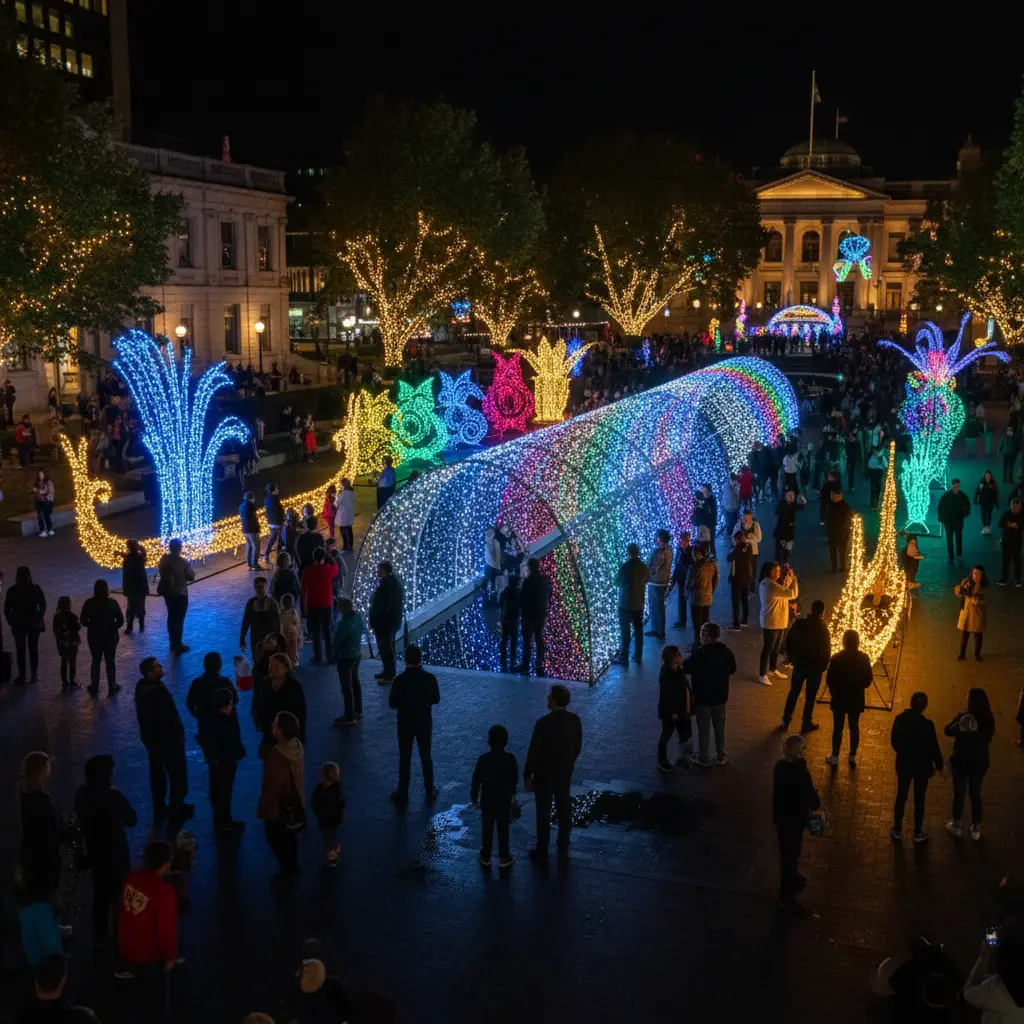
Matariki events in Wellington are a diverse collection of cultural celebrations marking the Māori New Year, typically occurring in June or July. These festivities include the spectacular Matariki Ahi Kā on the waterfront, immersive exhibitions at Te Papa, mana whenua-led ceremonies, and community fireworks displays honoring the rising of the Matariki star cluster.
Wellington, or Pōneke, transforms during the winter months into a vibrant hub of culture, light, and storytelling to honor Matariki. As the Pleiades star cluster rises, the capital city hosts a variety of events designed to bring communities together to reflect on the past, celebrate the present, and plan for the future. Whether you are looking for a spectacular light show, educational workshops for the whānau, or a solemn dawn ceremony, Wellington offers a comprehensive schedule of events to satisfy every interest.
Matariki Ahi Kā: The Waterfront Spectacular
The centerpiece of Wellington’s Matariki celebrations is undoubtedly Matariki Ahi Kā. Held on the Wellington waterfront, this immersive experience celebrates the concept of “keeping the home fires burning.” It is a free, whānau-friendly walk-through journey that utilizes large-scale projections, fire, and performance to tell stories unique to Te Whanganui-a-Tara (Wellington Harbour).
What can you expect at Ahi Kā?
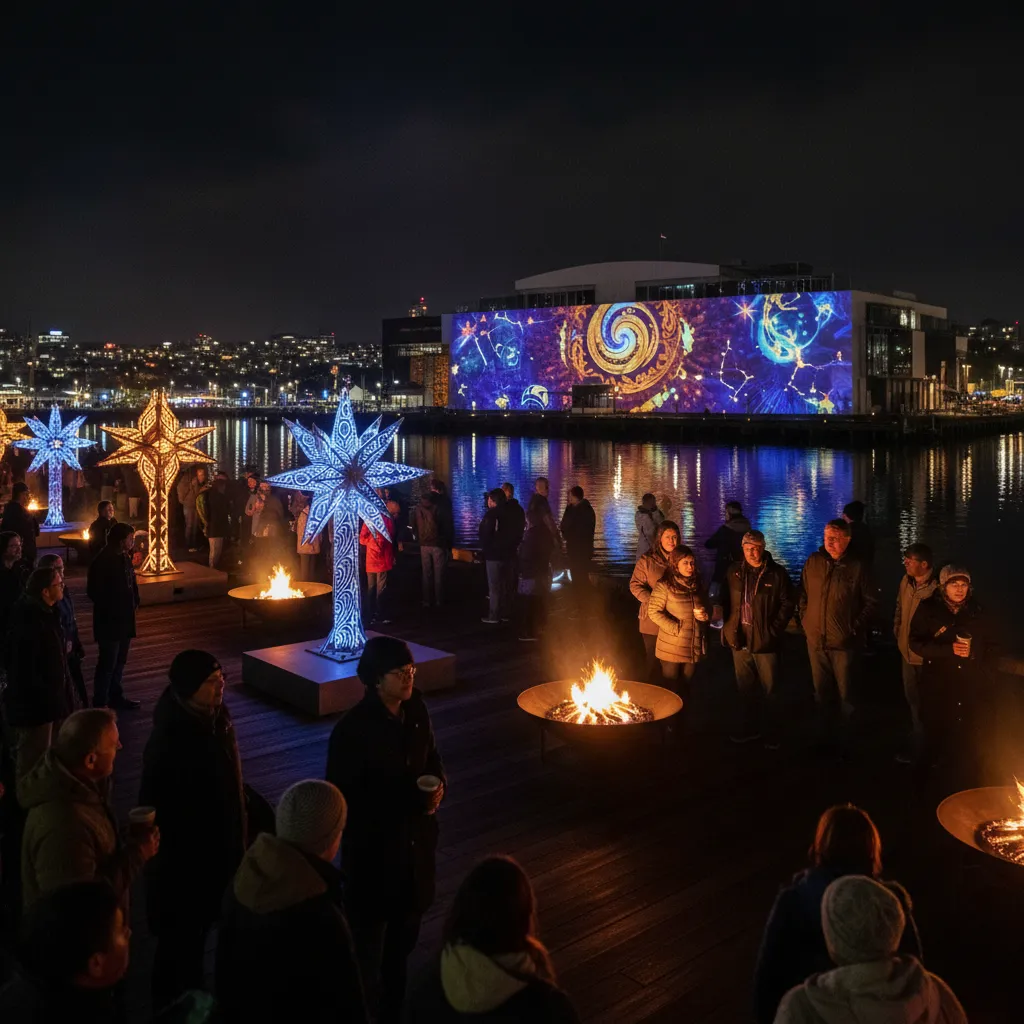
Visitors to Ahi Kā can expect a sensory feast. The event typically spans several evenings, turning the lagoon and surrounding areas into a glowing wonderland. Key features often include:
- Large-scale Light Projections: Buildings such as Te Papa and the surrounding waterfront structures become canvases for digital storytelling, depicting Māori myths, legends, and the significance of the Matariki stars.
- Fire Pits and Braziers: To combat the winter chill and honor the element of fire, numerous fire pits are stationed along the route. These serve as gathering points for warmth and reflection.
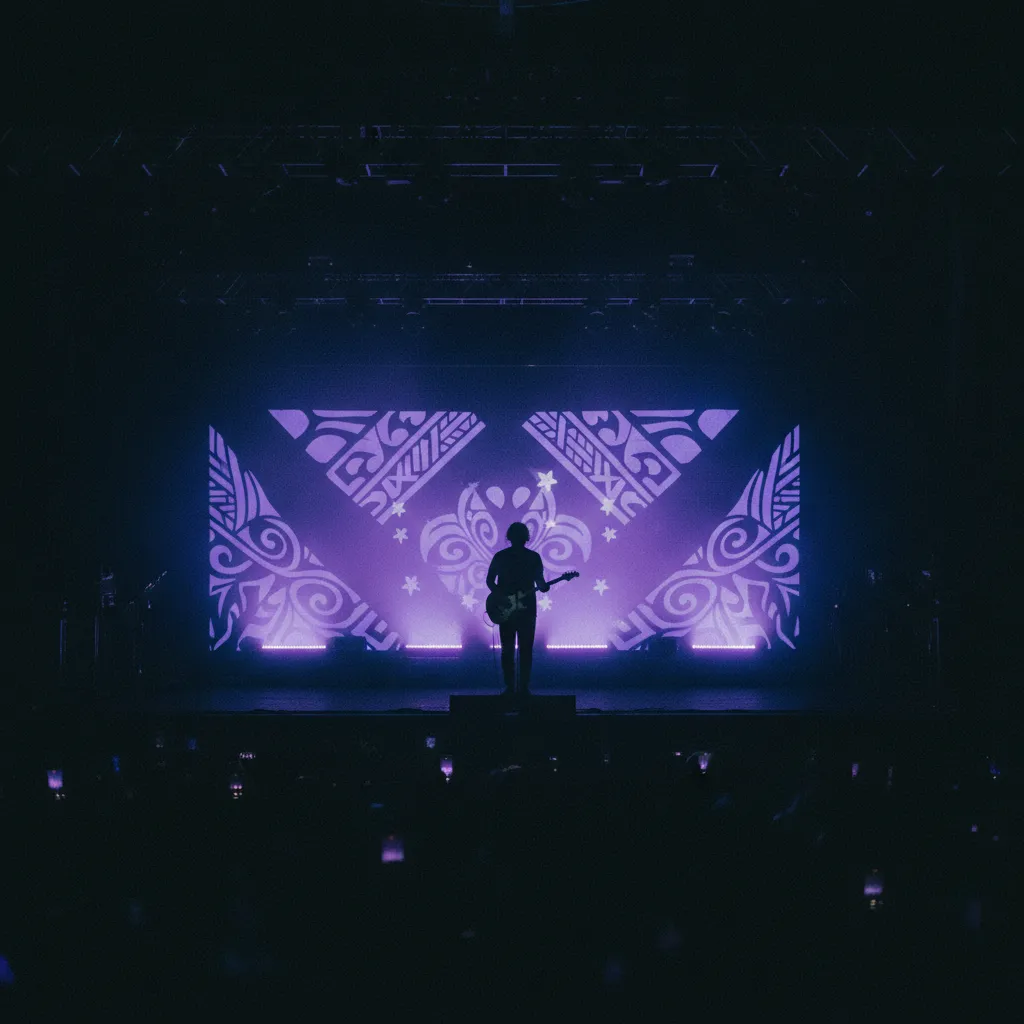
- Cultural Performances: Live kapa haka, waiata (songs), and storytelling sessions are performed by local iwi and community groups, providing a deep connection to the living culture of the region.
Food and Hospitality
No Māori celebration is complete without kai (food). The Ahi Kā festival hosts a dedicated precinct of food trucks and stalls offering a mix of traditional Māori cuisine, such as hāngī, alongside modern winter favorites. This allows attendees to share a meal—a fundamental aspect of Matariki, which emphasizes feasting and togetherness.
Te Papa Museum Exhibitions and Workshops
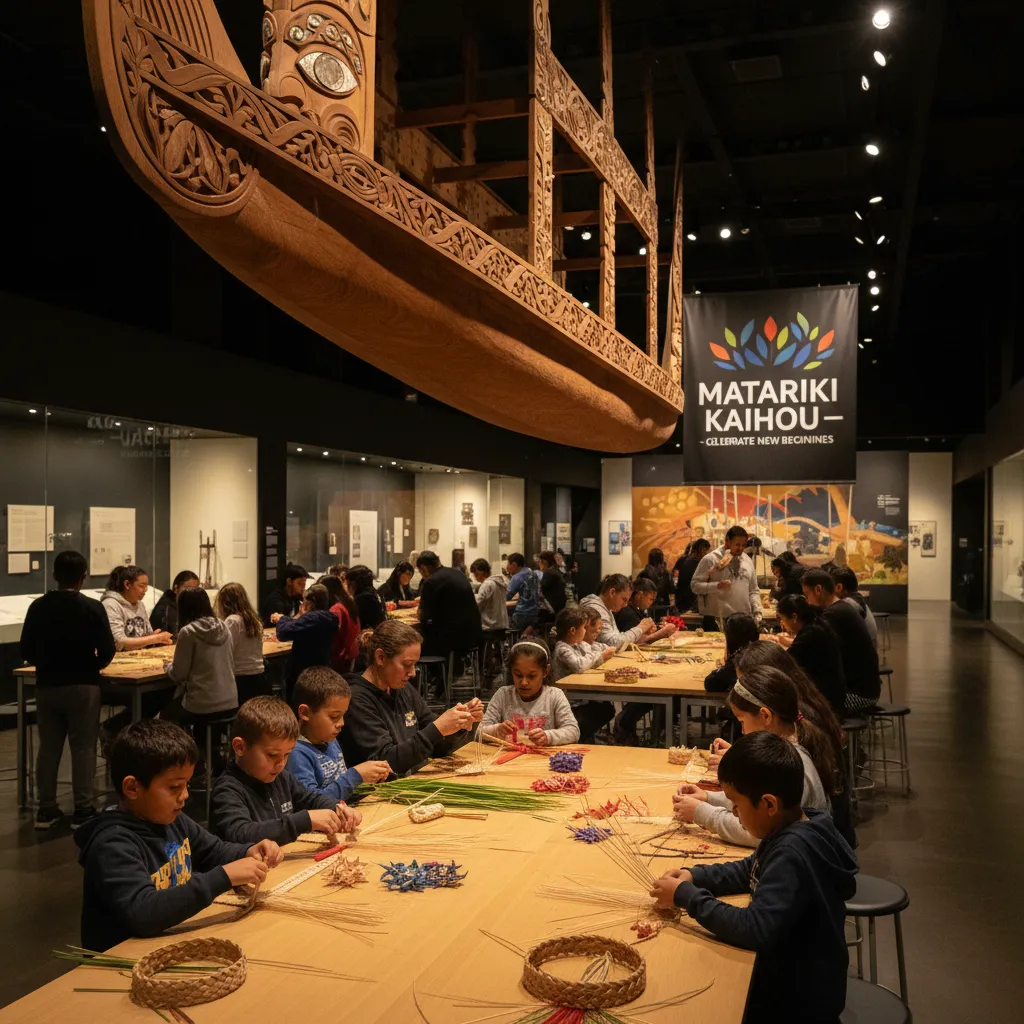
As the national museum of New Zealand, Te Papa Tongarewa plays a pivotal role in educating the public about the significance of Matariki. Located right on the waterfront, it serves as a central hub for indoor activities, making it an excellent option for celebrating regardless of the winter weather.
Interactive Storytelling and Workshops
Te Papa’s program is designed to be accessible to all ages. During the Matariki period, the museum hosts a variety of free and ticketed events:
- Whetū (Star) Workshops: Experts and educators guide visitors through the astronomy of the Matariki cluster. Using digital planetarium setups or interactive displays, they explain how to locate the stars and what each star represents in terms of the environment and well-being.
- Toi Māori (Māori Art) Classes: Hands-on workshops allow participants to learn traditional skills such as raranga (weaving) or poi making. These sessions are not just about crafting; they are about understanding the tikanga (protocols) and stories woven into the art forms.
- Guided Tours: Special Matariki-themed tours of the museum’s Māori collections provide context to the history of the New Year, explaining how ancestors used the stars for navigation and agriculture.
Mana Whenua Led Ceremonies
For those seeking a deeper spiritual connection to the holiday, attending a Mana Whenua led ceremony is a profound experience. These events are led by the local iwi (tribes) of the Wellington region, primarily Taranaki Whānui and Ngāti Toa Rangatira.
Understanding the Hautapu Ceremony
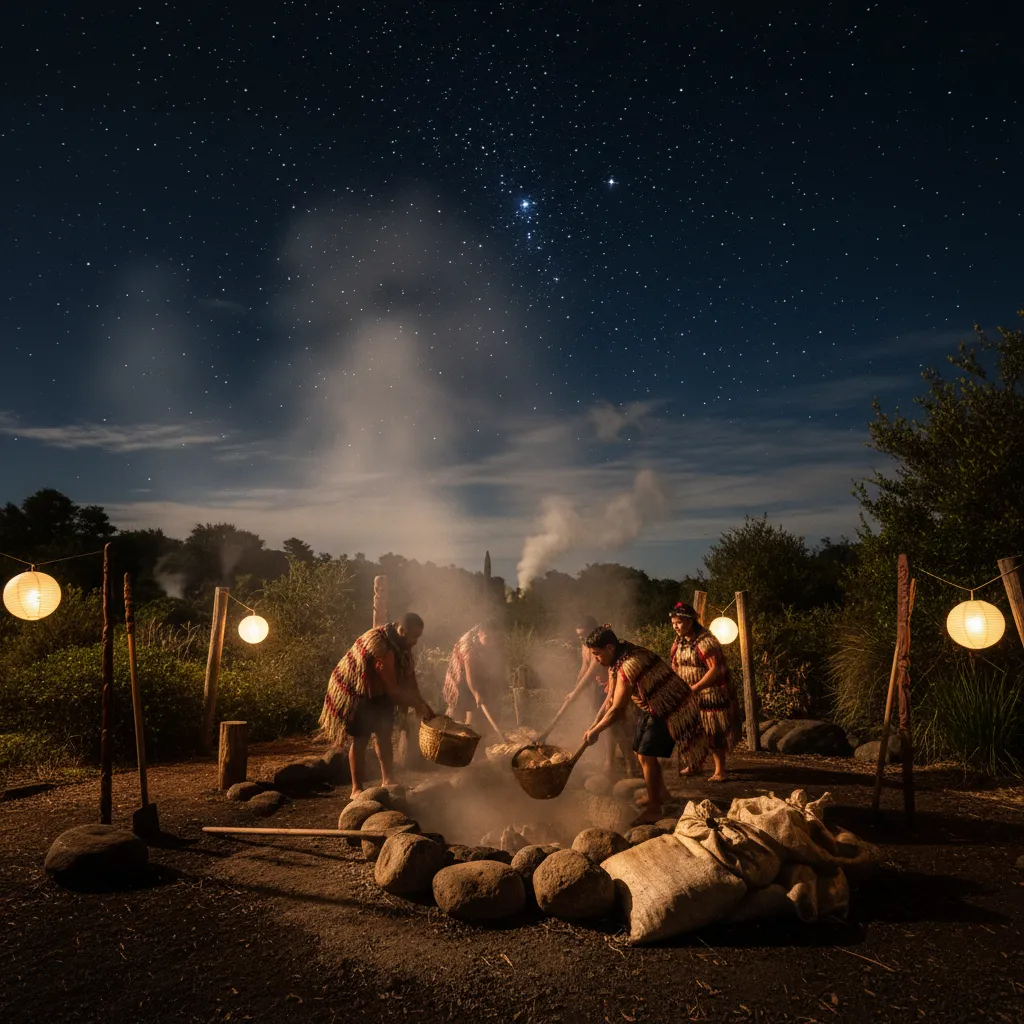
The most traditional of these is the Hautapu ceremony. Historically, this involves cooking food in a hāngī (earth oven) and uncovering it so the steam rises to feed the stars of Matariki. This offering is made to give thanks for the year that has passed and to request bounty for the year to come.
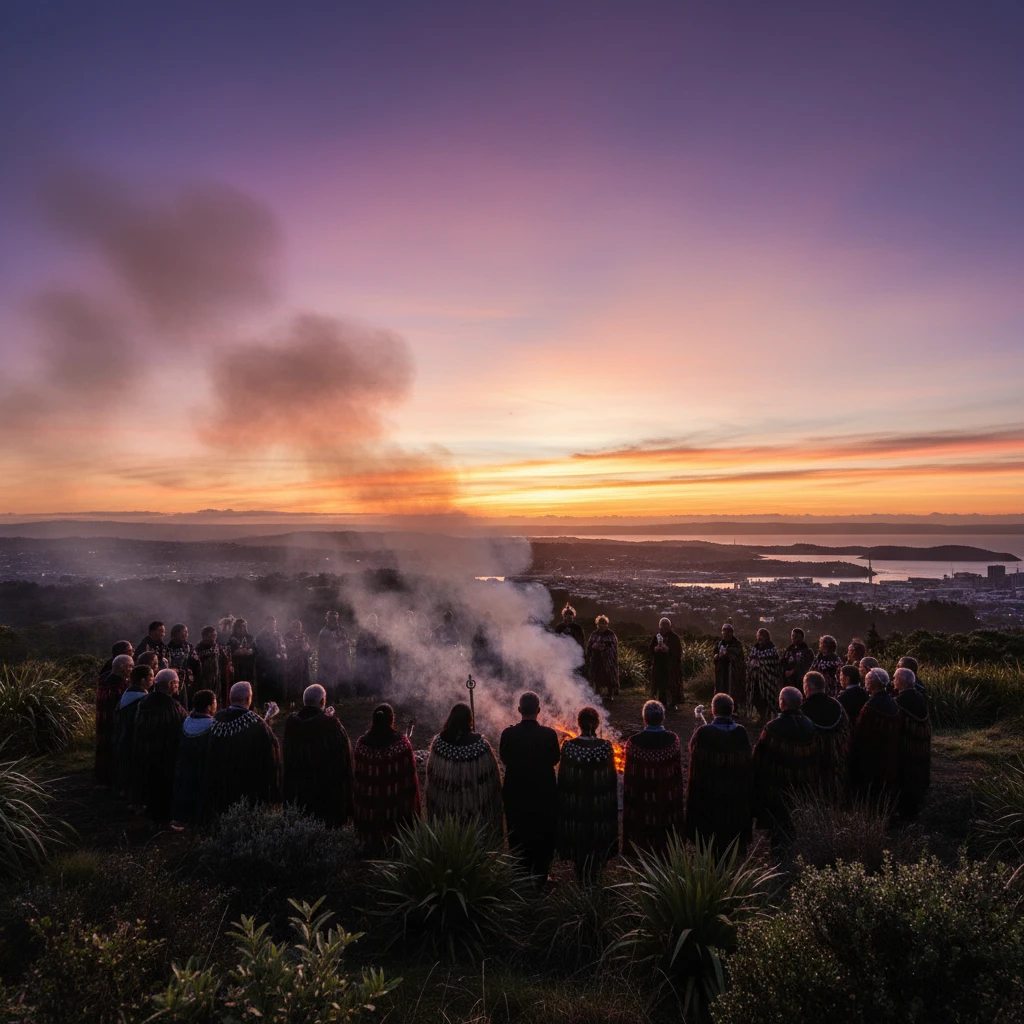
In a modern public context, these ceremonies often take place before dawn. They involve karakia (prayers), the calling of the names of those who have passed away during the year (poroporoaki), and acknowledging the stars as they rise on the horizon.
Where to Attend Dawn Ceremonies?
Public participation in these sacred events is welcomed but requires respect for protocol. Common locations for these ceremonies in Wellington include:
- Mt Victoria (Matairangi): Offering a panoramic view of the harbor and the eastern horizon, this is a prime spot for viewing the rise of the stars.
- Tarakena Bay: Located on the south coast, this site offers an unobstructed view of the horizon, essential for spotting the cluster.
Attendees are advised to dress warmly, arrive early (often around 5:00 AM or 6:00 AM), and follow the guidance of the kaikaranga (callers) and kaikōrero (speakers).
Best Spots to View the Fireworks
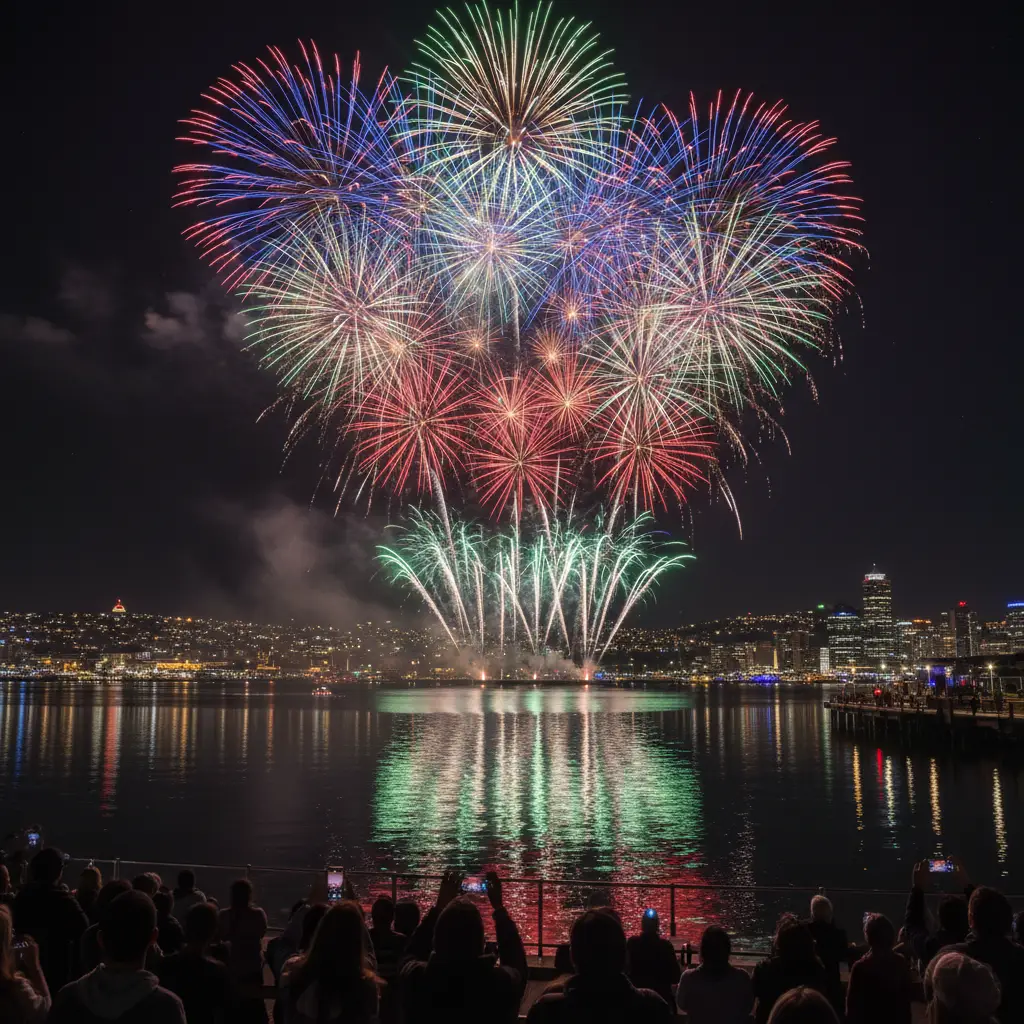
Wellington City Council has shifted its major fireworks display, formerly held in November for Guy Fawkes, to coincide with Matariki. This shift aligns the spectacle with a culturally relevant celebration for Aotearoa. The Matariki Sky Show is a massive drawcard, lighting up the harbor in a dazzling display of pyrotechnics set to a soundtrack of local music.
Top Vantage Points in Wellington
The fireworks are typically launched from barges in the harbor, making the waterfront the primary viewing area. However, the geography of Wellington—a natural amphitheater—offers numerous excellent vantage points:
- Wellington Waterfront (Queens Wharf & Te Papa Promenade): This is the heart of the action. The atmosphere is electric, with music pumped through speakers. However, it is also the most crowded location. Arrive hours early to secure a spot.
- Mount Victoria Lookout: For a bird’s-eye view, head to the top of Mt Vic. You will see the fireworks exploding below you against the backdrop of the city lights. Be prepared for limited parking and a cold wind.
- Oriental Bay Beach: A family favorite, the beach offers a wide viewing angle. It is slightly removed from the densest crowds at Queens Wharf but still offers a frontal view of the display.
- Roseneath and Evans Bay: For those wanting to avoid the city center traffic, the winding roads of Roseneath offer pockets of clear views, provided you can find safe parking.
Additional Ways to Celebrate Matariki in Pōneke
Beyond the major public events, Wellington offers niche activities that cater to specific interests, from astronomy to gastronomy.
Stargazing at Space Place
Located at the top of the Cable Car in the Botanic Gardens, Space Place at Carter Observatory is the premier destination for astronomical education. During Matariki, they run special planetarium shows that explain the Māori lunar calendar (Maramataka) and the navigational history of Polynesian voyagers. Their historic Thomas Cooke telescope allows visitors to view the night sky directly, weather permitting.
Matariki Dish Challenge
Foodies should look out for the local dining challenges that often run alongside the festival. Wellington’s renowned hospitality scene embraces the season by creating dishes that utilize indigenous ingredients like horopito, kawakawa, and kūmara. Participating restaurants offer special menus that reflect the themes of harvest and gathering, allowing you to taste the essence of the season.
Planning Your Matariki Visit
To make the most of the Matariki events in Wellington, a little preparation goes a long way. The city is known for its variable weather, and large events can impact transport logistics.
Transport and Parking
During major events like the Sky Show or Ahi Kā, road closures are common along the waterfront (specifically Jervois Quay and Cable Street). Public transport is highly recommended. Metlink often puts on extra bus and train services to accommodate the crowds. If you must drive, utilize parking buildings on the periphery of the CBD (such as those on The Terrace or Ghuznee Street) and walk down to the waterfront.
Weather Preparedness
Matariki falls in mid-winter. Wellington evenings can be near freezing, often accompanied by the city’s famous wind. Layered clothing is essential. A windproof and waterproof outer layer is non-negotiable. If attending the Ahi Kā or fireworks, bring blankets and possibly a thermos of hot drink if you plan to be stationary for long periods.
People Also Ask
When is Matariki celebrated in Wellington?
Matariki is celebrated in June or July, depending on the lunar calendar. The specific public holiday date varies each year; for example, in 2024 it was June 28, and in 2025 it will be June 20. Events in Wellington typically span a two-week period surrounding the public holiday.
Is Matariki a public holiday in New Zealand?
Yes, Matariki is an official public holiday in New Zealand. It is the first indigenous public holiday in the world, recognizing the Māori New Year. Most businesses and schools are closed on this day.
What is Matariki Ahi Kā?
Matariki Ahi Kā is a large-scale, free public event held on the Wellington waterfront. It translates to “the home fires” and features light projections, fire pits, cultural performances, and food trucks to celebrate the warmth and gathering spirit of the season.
Are Matariki events in Wellington free?
Many of the major events, such as the Matariki Ahi Kā light show, the Sky Show fireworks, and the dawn ceremonies, are completely free to attend. However, some specific workshops at Te Papa or special planetarium shows at Space Place may have an entry fee.
Where is the best place to see the Matariki stars in Wellington?
To see the stars, you need to get away from the city lights. Good locations include the South Coast (Red Rocks or Tarakena Bay), the top of Mount Victoria, or the Makara Coast. Space Place at the Botanic Gardens also offers telescope viewing.
What does Matariki mean?
Matariki is the Māori name for the Pleiades star cluster. It can be translated as “eyes of god” (mata ariki) or “little eyes” (mata riki). Its rising in mid-winter marks the start of the Māori New Year, a time for remembrance, celebrating the present, and looking to the future.