
To celebrate Matariki lifestyle in NZ involves embracing the principles of the Māori New Year: reflection, connection to the environment, and sharing abundance. This includes supporting indigenous fashion, participating in community stargazing events, performing home rituals like sharing kai (food), and remembering those who have passed while planning for the future.
Matariki, the Māori New Year, is more than just a public holiday in Aotearoa New Zealand; it is a profound seasonal shift that invites a lifestyle grounded in reflection, celebration, and aspiration. As the Matariki star cluster (the Pleiades) rises in the mid-winter sky, it signals a time to reconnect with the taiao (environment), our whānau (family), and our cultural identity.
Wearing Your Support: Indigenous Fashion
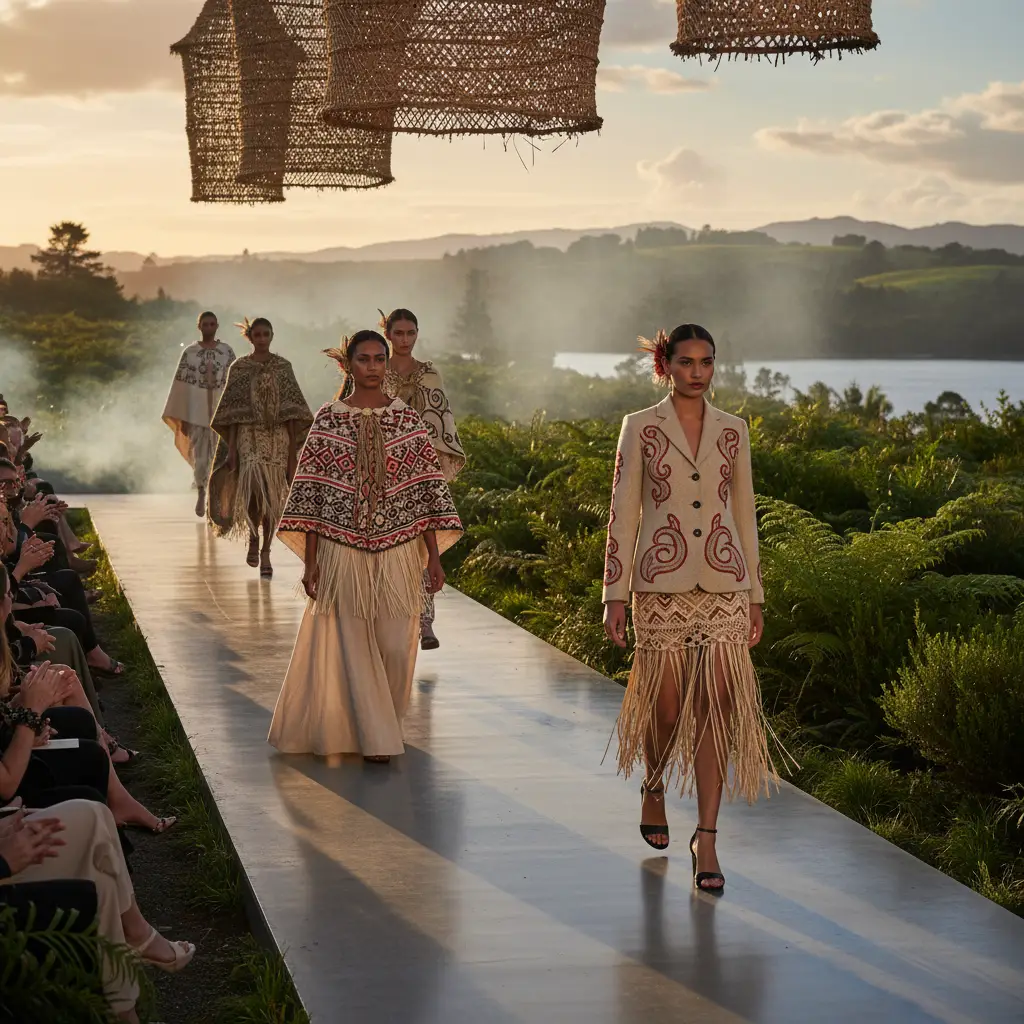
One of the most visible ways to celebrate Matariki lifestyle NZ is by supporting and wearing indigenous fashion. The rise of Māori fashion design is not merely a trend; it is a reclamation of identity and a storytelling medium that weaves ancestral knowledge into contemporary garments. When you choose to wear pieces created by Māori designers, you are directly contributing to the indigenous economy and helping to keep cultural narratives alive.
Why Choose Māori Design?
Māori fashion often prioritizes sustainability, aligning perfectly with the environmental ethos of Matariki. Many designers utilize natural fibers, ethical production methods, and slow-fashion principles. By purchasing these items, you move away from fast fashion—which harms Papatūānuku (Mother Earth)—and toward a model of consumption that respects resources.
Key Elements to Look For
When curating a Matariki-inspired wardrobe, look for:
- Tāniko Patterns: Traditional geometric weaving patterns that often tell stories of genealogy and nature.
- Pounamu and Bone Carving: Accessories are integral. A pounamu pendant is not just jewelry; it is a taonga (treasure) that connects the wearer to the land.
- Natural Materials: Harakeke (flax), wool, and ethically sourced feathers.
Whether it is a high-end garment for a gala or a casual t-shirt featuring Toi Māori (Māori art), wearing these designs fosters a sense of national pride and cultural appreciation. It turns the act of dressing into a statement of solidarity and celebration.
Navigating Matariki Events in Major Cities
Across Aotearoa, cities come alive with festivals that blend ancient tradition with modern entertainment. Knowing how to navigate these events ensures you get the most out of the season.
Auckland (Tāmaki Makaurau)
The Matariki Festival in Auckland is often the largest in the country. Key events usually include light shows on the Harbour Bridge and cultural performances at the Auckland Domain. To truly celebrate Matariki lifestyle NZ here, look for events that offer educational workshops, such as weaving or poi making, rather than just passive observation.
Wellington (Te Whanganui-a-Tara)
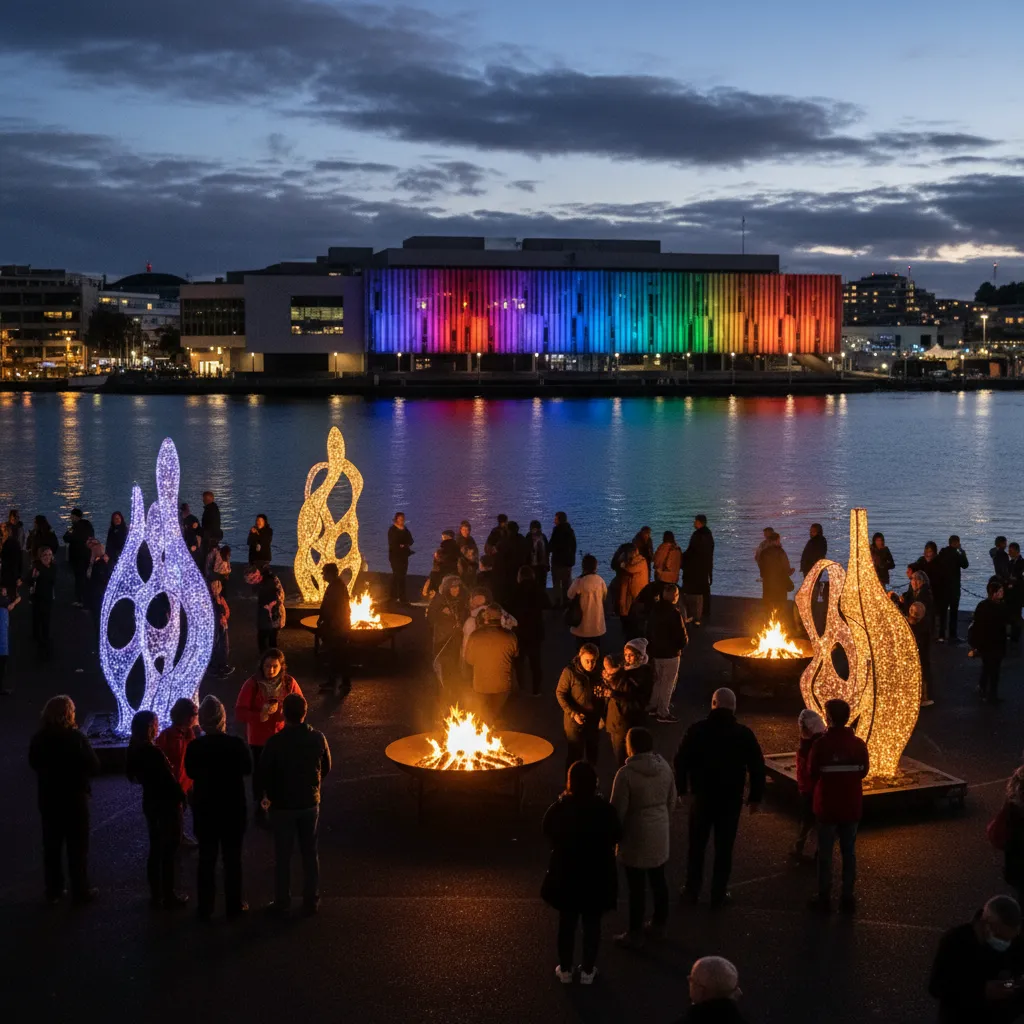
The capital often hosts the Ahi Kā, a celebration of fire and renewal on the waterfront. Te Papa Tongarewa usually features extensive exhibitions explaining the astronomy and mythology of the star cluster. The lifestyle approach here is intellectual and communal—attend lectures, visit the planetarium at Carter Observatory, and engage in the civic dialogue about what a uniquely New Zealand holiday looks like.
Christchurch (Ōtautahi)
In the South Island, the focus often turns to the winter chill and the clarity of the night sky. The Tīrama Mai lighting festival illuminates the city center. For a lifestyle-focused experience, seek out community hāngī events. Sharing food cooked in the earth is a visceral way to connect with the season of harvest and storage.
Stargazing for Beginners: Finding the Cluster
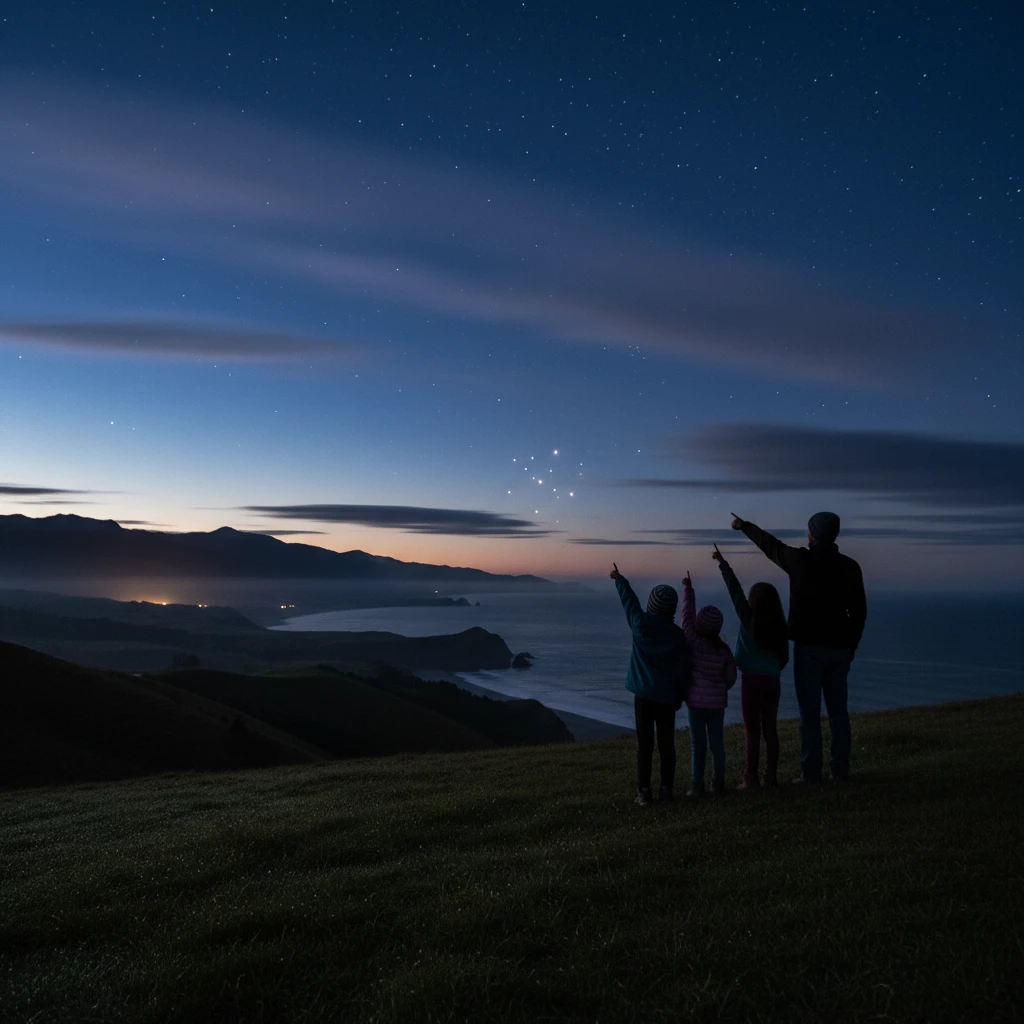
The core of the celebration is, of course, the stars themselves. Stargazing is a meditative practice that grounds you in the present moment and the physical environment.
When and Where to Look?
Matariki is visible in the pre-dawn sky (usually between 5:30 AM and 6:30 AM) in mid-winter. To find it:
- Face the northeast horizon.
- Look for Tautoru (Orion’s Belt)—the three bright stars in a row.
- Trace a line left from Tautoru to a triangular cluster of stars called Te Kokotā (The Face of the Taurus bull).
- Continue left until you see a small, shimmering cluster. That is Matariki.
Equipment and Comfort
You do not need a telescope; binoculars are sufficient and often better for seeing the cluster as a whole. Since this is a winter activity, dress warmly. Wear layers of wool (merino is excellent), a beanie, and gloves. Bring a thermos of hot tea or kawakawa tea to share. This turns a solitary observation into a warm, shared memory.
Home Rituals for Reflection and Connection
While public events are exciting, the essence of the Matariki lifestyle is found in the home. It is a time for ‘wānanga’ (learning/discussion) and ‘whakawhanaungatanga’ (building relationships).
The Umu Kohukohu Whetū
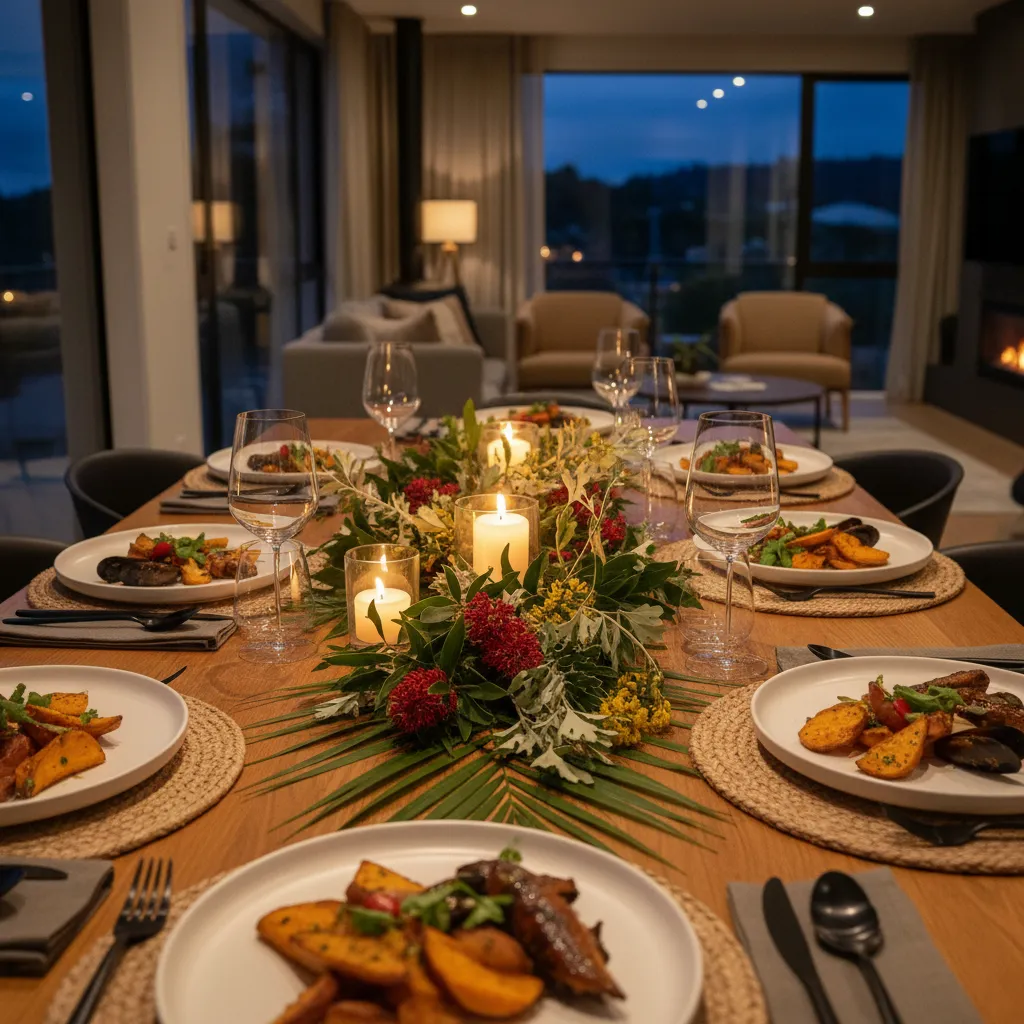
Historically, a ceremonial oven (umu) was used to send the steam of cooked food as an offering to the stars. In a modern context, you can replicate the spirit of this by preparing a special meal for your household. As the steam rises from your pot or oven, take a moment to acknowledge the year that has passed and set intentions for the year ahead.
Remembering the Departed
Matariki is the time to mourn those who have passed away since the last rising. Create a small space in your home with photos of loved ones. Light a candle and share stories about them. This keeps their memory alive and integrates their legacy into your daily life. It is a healthy, structured way to process grief and celebrate life simultaneously.
Planning for the Future
Just as the ancestors used the stars to determine when to plant crops, you can use this time to plan your year. Sit down with your whānau or flatmates and discuss your goals. These might be financial goals, garden planning (literally planting seeds), or personal development objectives. Write them down and revisit them when the stars set again in summer.
Understanding the Nine Stars in Daily Life
To fully celebrate Matariki lifestyle NZ, it helps to understand that Matariki is the mother, surrounded by her eight children. Each star governs a specific domain of the environment, offering cues for how we should live.
- Pōhutukawa: Connects to those who have passed on. Lifestyle Action: Visit urupā (cemeteries) or share memories.
- Tupuānuku: Associated with food grown in the ground (kumara, potatoes). Lifestyle Action: Start a compost bin or prepare a garden bed.
- Tupuārangi: Associated with food from the sky (birds, fruit). Lifestyle Action: Plant native trees to attract birdlife.
- Waitī: Connected to fresh water bodies. Lifestyle Action: Clean up a local stream or reduce water usage.
- Waitā: Connected to the ocean. Lifestyle Action: Participate in a beach clean-up or choose sustainable seafood.
- Waipuna-ā-rangi: Associated with rain. Lifestyle Action: Install a rainwater tank or simply appreciate the weather patterns.
- Ururangi: Connected to the winds. Lifestyle Action: Fly kites (manu tukutuku) with children.
- Hiwa-i-te-rangi: The wishing star. Lifestyle Action: Set your new year’s resolutions.
Matariki and Sustainable Living
Ultimately, Matariki is an environmental holiday. It marks the time when nature is at its most dormant, conserving energy for the spring burst. Adopting a Matariki lifestyle means aligning your personal energy with this cycle.
Rest is productive. In a world that glorifies constant hustle, Matariki grants permission to slow down, sleep more, and conserve energy. Use the long nights for reading, crafting, or simply resting. This is not laziness; it is biological alignment.
By integrating these practices—wearing indigenous fashion, attending cultural events, stargazing, and performing home rituals—you move beyond merely observing a holiday to living its values. You celebrate Matariki lifestyle NZ by becoming more connected to the land, the people around you, and yourself.
People Also Ask
What is the best way to celebrate Matariki at home?
The best way to celebrate at home is by hosting a shared meal (hākari) with family and friends. Include foods like kumara, fish, and pork. Before eating, take time to remember loved ones who have passed and share your goals for the coming year.
What colors should I wear for Matariki?
While there are no strict rules, colors that reflect the night sky and the earth are popular. Deep blues, blacks, and purples represent the sky, while silver or gold accents can represent the stars. Earthy greens and browns honor the connection to Papatūānuku.
Can non-Māori celebrate Matariki?
Absolutely. Matariki is a celebration for everyone in Aotearoa New Zealand. It is a time for all people to connect with the environment, reflect on the past, and plan for the future. Respectful participation is encouraged.
What traditional food is eaten during Matariki?
Traditional foods (kai) include kumara (sweet potato), fish (ika), eel (tuna), birds (historically), and preserved vegetables. Modern celebrations often feature a Hāngī (earth oven meal) or a roast dinner incorporating these ingredients.
How do I find the Matariki star cluster?
Look to the northeast horizon before dawn (around 6:00 AM) in mid-winter. Find Orion’s Belt (the Pot), look left to the V-shape of Taurus, and continue left to find the small, twinkling cluster of Matariki.
Why is Matariki important to New Zealand culture?
Matariki marks the Māori New Year and signifies a change in season. It is crucial for cultural identity, marking the time for harvest, remembering ancestors, and resetting for the year ahead. It is a unique indigenous celebration that defines New Zealand’s calendar.