Preparing a Matariki feast is one of the most culturally significant indoor activities to engage in during the Māori New Year. It involves sourcing traditional ingredients like kūmara and pūhā, utilizing modern cooking methods to replicate hāngī flavors indoors, and practicing manaakitanga (hospitality) to honor the past and celebrate the future.
What is the Matariki Feast and Why is it a Key Indoor Activity?
Matariki, the Māori New Year, rises in mid-winter, a time when the days are short and the nights are long and cold. Historically, this was a period for communities to retreat to the warmth of the wharenui (meeting house), share knowledge, weave, and engage in wānanga (learning). In a modern context, focusing on indoor activities that reconnect us with these traditions is the most authentic way to observe the holiday. Among these activities, the preparation and sharing of Kai (food) stands paramount.
The Matariki feast is not merely about consumption; it is a ritual of reflection and gratitude. The appearance of the Matariki star cluster signals the time to check food stores and celebrate the harvest. Because the weather often precludes outdoor festivities, bringing the celebration inside through culinary arts transforms the kitchen into a space of cultural revitalization.

Essential Traditional Ingredients for Your Matariki Menu
To create an authentic experience, your menu should feature ingredients that are indigenous to Aotearoa or have become staples in Māori cuisine. Sourcing and preparing these items are educational indoor activities in themselves, perfect for involving the whole whānau (family).
The Role of Kūmara (Sweet Potato)
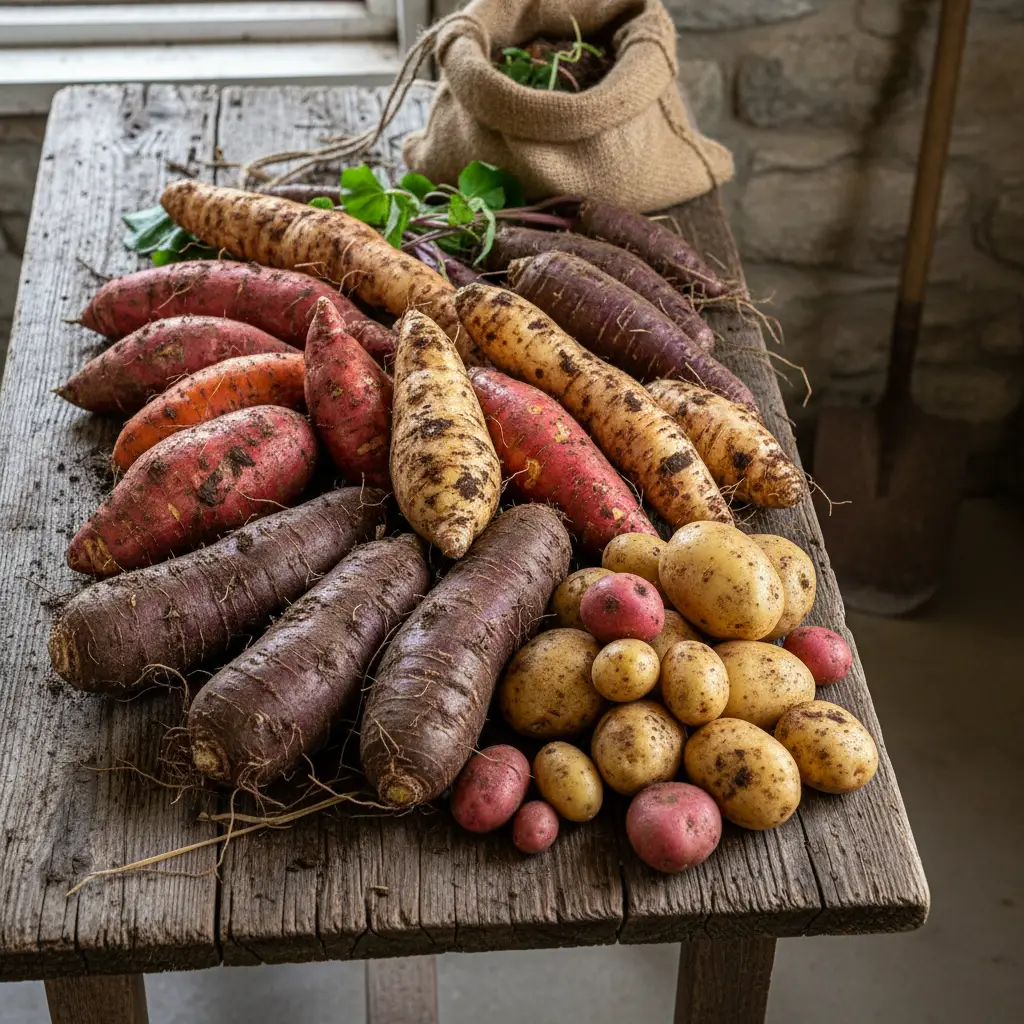
Kūmara is intrinsically linked to Matariki. Two stars within the cluster, Tupuanuku (associated with food from the earth) and Tupuarangi (associated with food from the sky), remind us of the harvest. Kūmara was the primary crop stored in pātaka (storehouses) for the winter.
When preparing kūmara for your feast, consider roasting it whole to retain its sweetness or mashing it with a touch of manuka honey. The preparation process—washing, peeling, and chopping—provides a tactile connection to Papatūānuku (Earth Mother).
Harvesting and Preparing Pūhā (Sow Thistle)
Pūhā is a traditional green vegetable often boiled with meat to soften its bitter profile. While it can be foraged, preparing it is a labor of love. The stalks must be crushed together under running water to remove the bitter milky sap. This rhythmic preparation is a meditative indoor task that teaches patience and respect for the ingredient.
The Art of Rēwena Bread Making
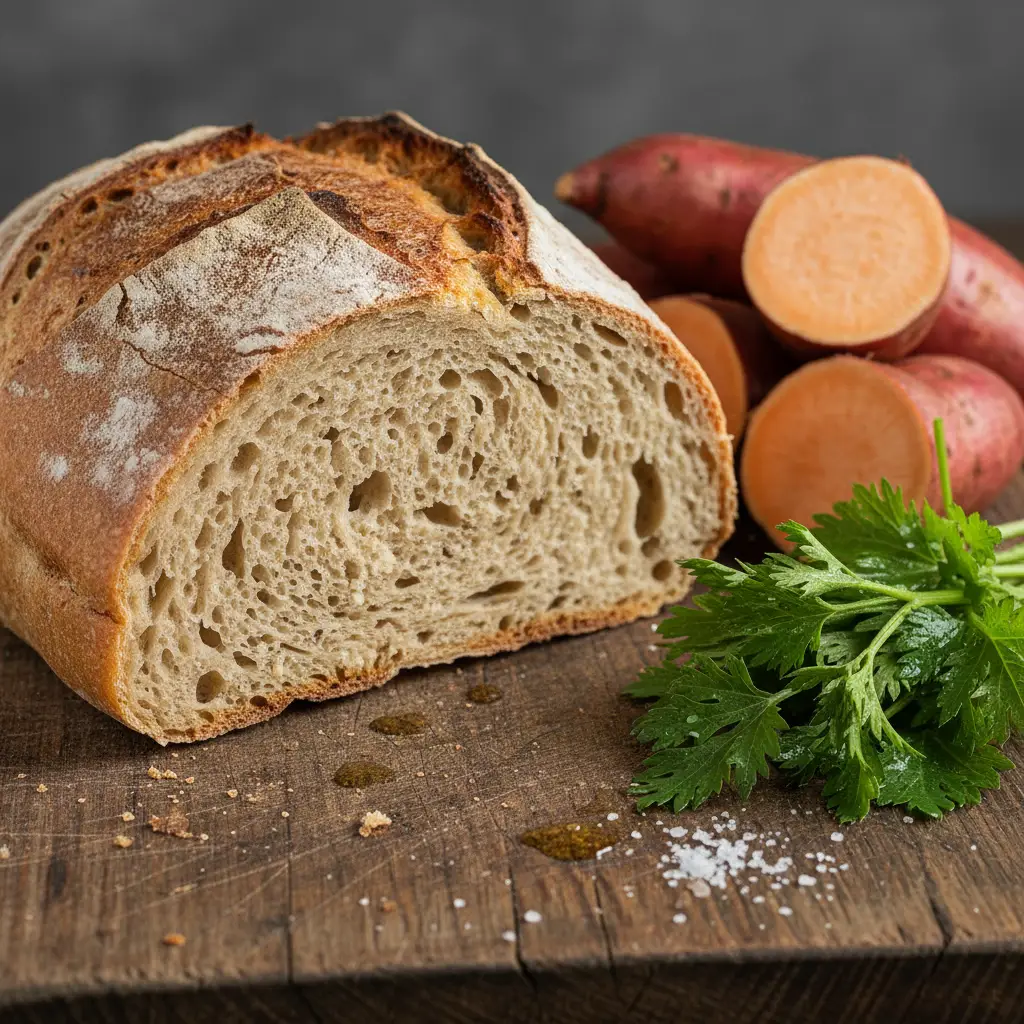
Baking Rēwena bread is one of the most rewarding indoor activities you can undertake during Matariki. Unlike standard loaves, Rēwena uses a potato-based starter (bug) that ferments over several days. Creating the starter is a biological and culinary experiment that results in a dense, flavorful loaf representing the sustenance of the land.
Modern Twists on Hāngī-Style Cooking for Indoors
Traditionally, a hāngī involves cooking food in an earth oven using heated rocks. However, digging a pit in the backyard during a wet winter is not always feasible. Fortunately, recreating the distinct smoky, earthy flavor of a hāngī using indoor appliances is entirely possible and serves as a fantastic culinary project.
How to Recreate Hāngī Flavors in an Oven
You can achieve a “hāngī in the oven” by utilizing heavy-duty foil and wet sacking or cloth. The key is to create a steam environment that mimics the earth oven. Layer your meats (pork, lamb, chicken) and root vegetables (kūmara, potato, pumpkin) in a large roasting pan. Season generously with salt and perhaps a sprinkle of smoked paprika or liquid smoke to replicate the fire’s essence.
Cover the food with cabbage leaves—this is crucial for trapping moisture and adding a traditional flavor profile. Seal the tray tightly with foil to prevent steam from escaping. Slow cooking at a lower temperature (around 150°C or 300°F) for 4–5 hours will render the meat tender and the vegetables succulent.
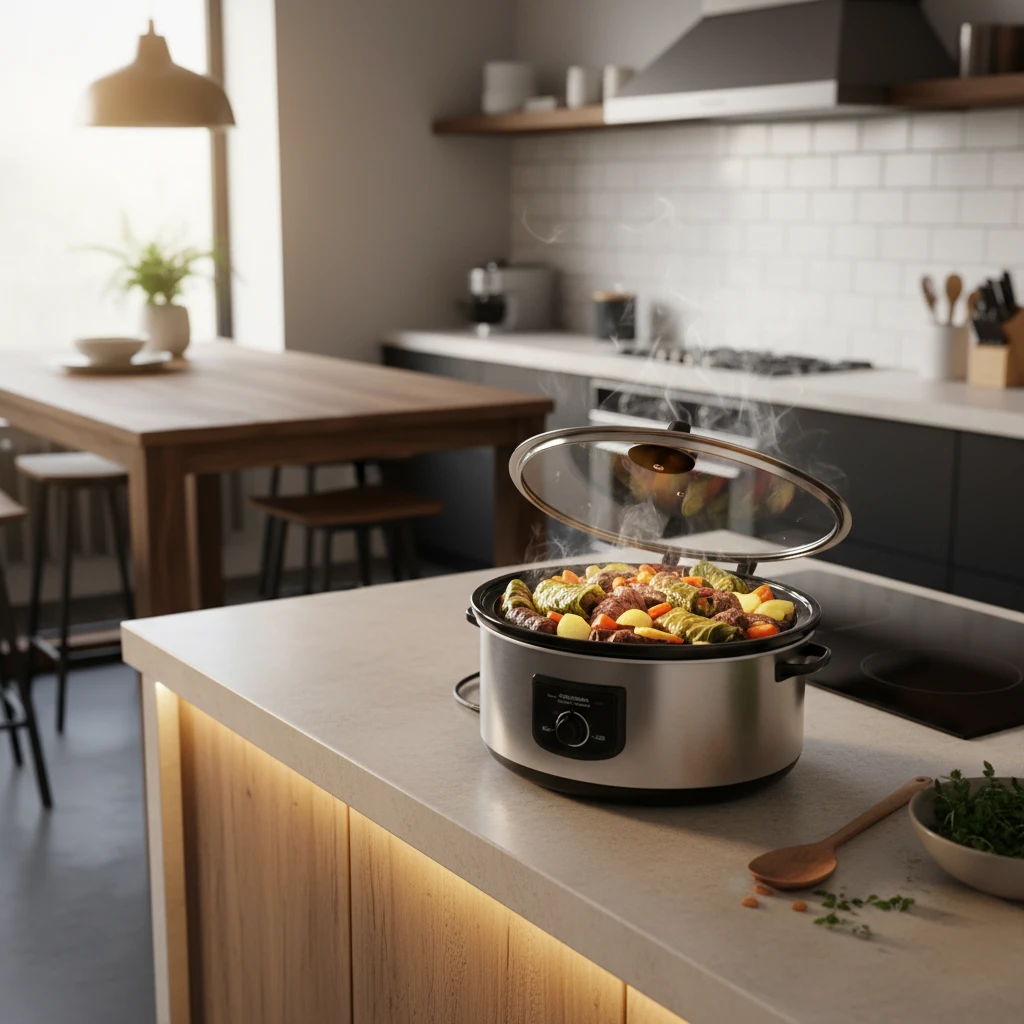
Using a Slow Cooker for “Hāngī in a Pot”
For a more hands-off approach, the slow cooker is an excellent tool for indoor Matariki cooking. To get the authentic taste:
- Layering: Place balls of foil at the bottom of the cooker to lift the food slightly.
- Wrapping: Wrap portions of meat and vegetables in foil or cabbage leaves individually.
- Smokiness: Use smoked salts or a small amount of manuka wood chips wrapped in foil with holes poked in it (if your slow cooker allows) to infuse aroma.
This method allows you to focus on other indoor activities, like weaving or storytelling, while the kai cooks itself.
The Significance of the Offering and Cultural Protocols
A vital component of Matariki is the acknowledgment of the spiritual realm. In traditional contexts, this involves the Hautapu ceremony, where kai is cooked in a ceremonial oven (Umu Kohukohu Whetū), and the steam is allowed to rise to feed the stars.
Understanding the ‘Umere’ and Gratitude
While the ‘Umere’ often refers to the shouting or chanting of joy upon sighting the stars, in the context of the feast, it connects to the joy of the harvest and the offering of gratitude. When hosting your dinner, you can incorporate a symbolic version of this offering.
Before eating, it is customary to perform a Karakia (blessing). This acknowledges the source of the food, the hands that prepared it, and the gathering of people. Taking a moment to set aside a small portion of food as a symbolic offering to the environment or remembering those who have passed during the year aligns with the principles of Matariki. It transforms a simple dinner into a profound cultural observance.
Hosting a Matariki Dinner Party at Home
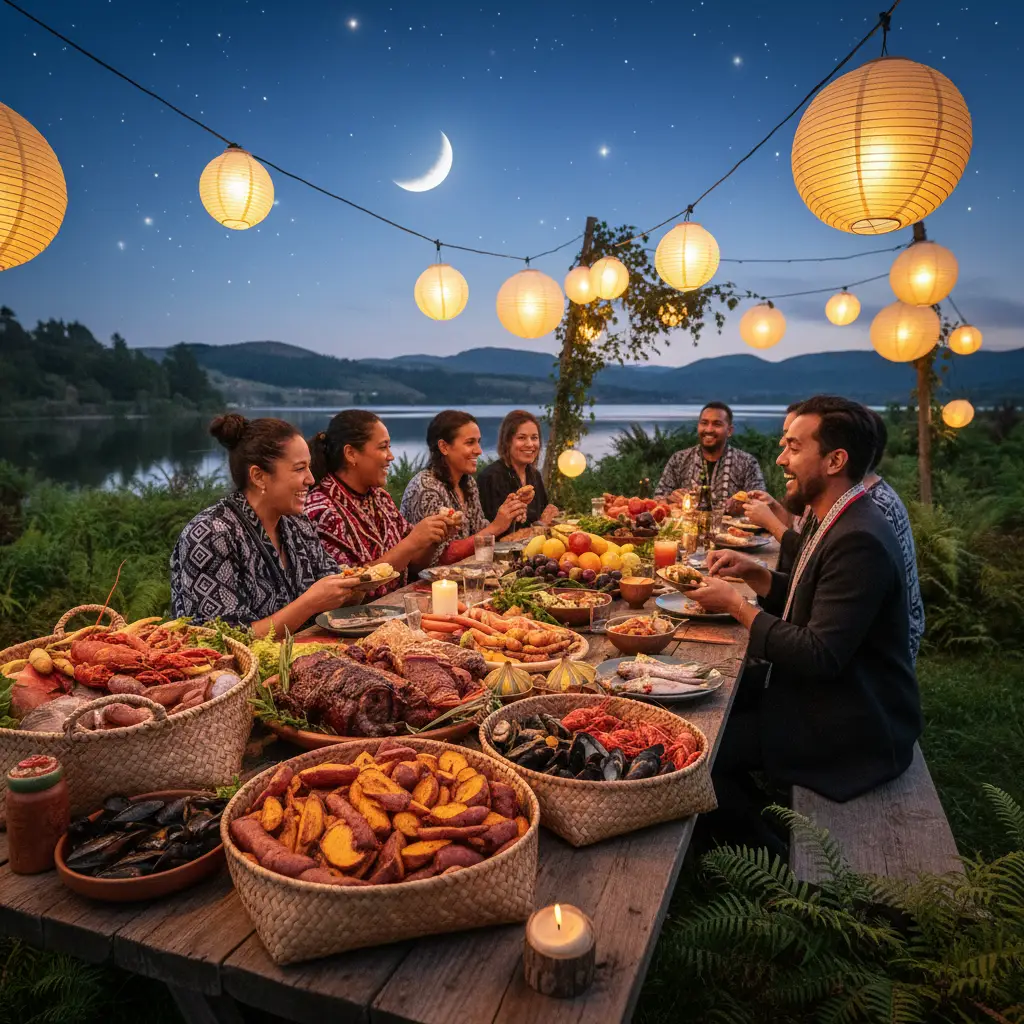
Hosting a dinner is the ultimate consolidation of these indoor activities. It brings together preparation, cooking, and social connection. Here is how to structure your evening for maximum impact and cultural safety.
Setting the Whare (House) for Manaakitanga
Manaakitanga means hospitality, kindness, and support. Your home should feel warm and welcoming. Use natural decorations where possible—flax weavings, river stones, or ferns can adorn the table. Lighting plays a crucial role; soft candlelight can represent the stars of Matariki.
Ensure your dining space is warm. Matariki is a winter festival, so the physical warmth of the room should match the warmth of the welcome. Have blankets available for guests if you plan to step outside to view the stars before or after dinner.
Engaging Guests with Storytelling and Waiata
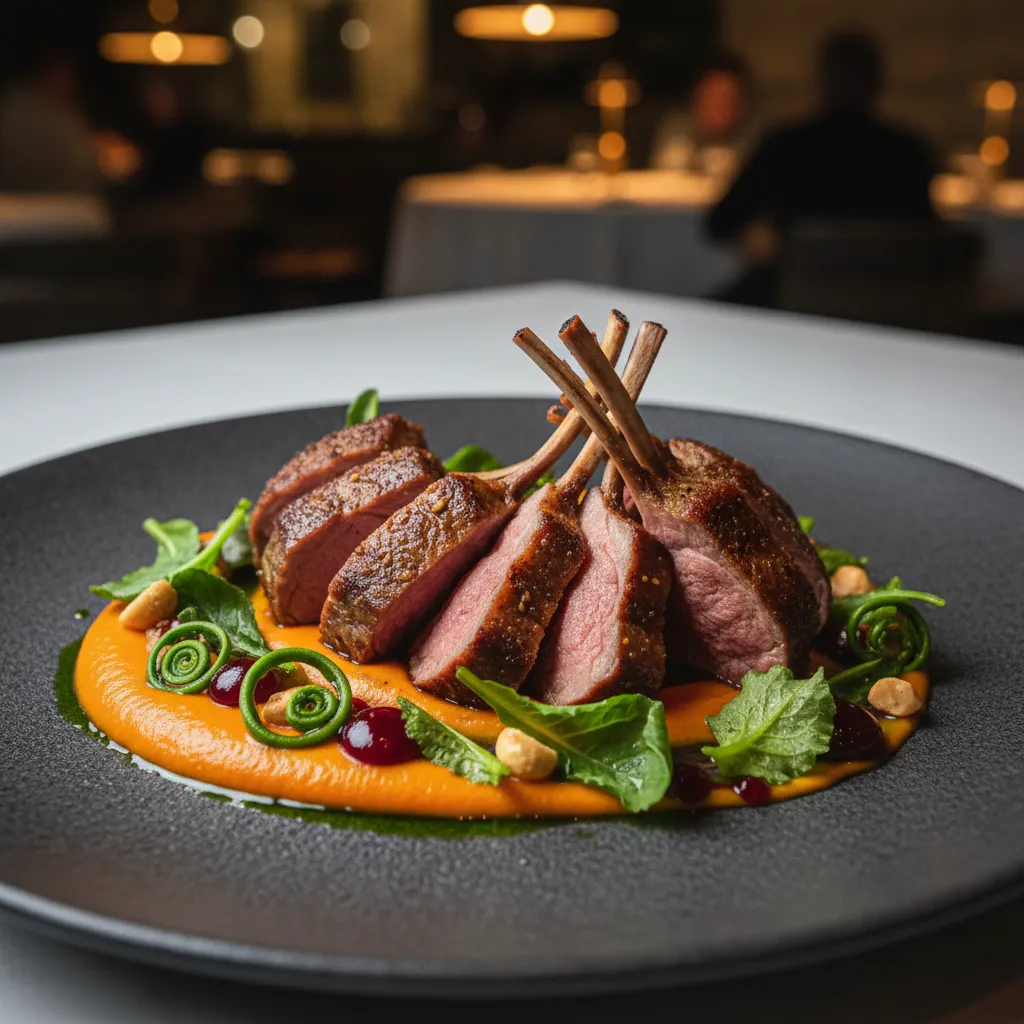
The feast is not just about eating; it is about wānanga (sharing knowledge). Prepare a few stories about the nine stars of Matariki to share during the meal. Each star has a specific purpose—Waitī watches over freshwater environments, while Waitā watches over the ocean. You can match your food to these stars (e.g., serving eel or fish) and explain the connection to your guests.
Encourage guests to share their aspirations for the coming year. This reflection is a core part of the holiday. You might also play traditional Waiata (songs) in the background to set the atmosphere. These shared indoor activities strengthen bonds and ensure the spirit of Matariki is felt by everyone present.

Frequently Asked Questions
What traditional foods are best served during Matariki?
The best foods are those connected to the harvest and the stars. This includes Kūmara (sweet potato), seasonal vegetables, fish (ika), eel (tuna), and birds (manu). Preserved foods are also traditional, as Matariki was a time to rely on stored provisions.
How can I celebrate Matariki indoors if I cannot cook a Hāngī?
You can celebrate by preparing a “Hāngī in the oven” or slow cooker, baking Rēwena bread, engaging in weaving (raranga), playing traditional stick games (tī rākau), or gathering to share stories and remember loved ones.
What is the significance of steam in Matariki cooking?
In the Hautapu ceremony, the steam rising from the cooking food is believed to rise up to the skies to feed the stars of Matariki. It serves as a spiritual offering and a connection between the earth (Papatūānuku) and the sky (Ranginui).
Is it appropriate for non-Māori to host a Matariki feast?
Yes, absolutely. Matariki is a public holiday for all of Aotearoa New Zealand. Non-Māori are encouraged to participate by learning about the traditions, respecting the protocols, and sharing kai with friends and family to celebrate the New Year.
What are some kid-friendly indoor activities for Matariki?
Cooking is a great start, especially making star-shaped cookies or preparing vegetables. Other activities include making kites (manu tukutuku), learning string games (whai), or drawing the Matariki star cluster.
Why is Matariki celebrated in winter?
Matariki appears in the pre-dawn sky in mid-winter (June or July). It marks the end of the harvest and the beginning of the new year. It is a time when the land is resting, and people retreat indoors to rest, reflect, and plan for the coming spring.