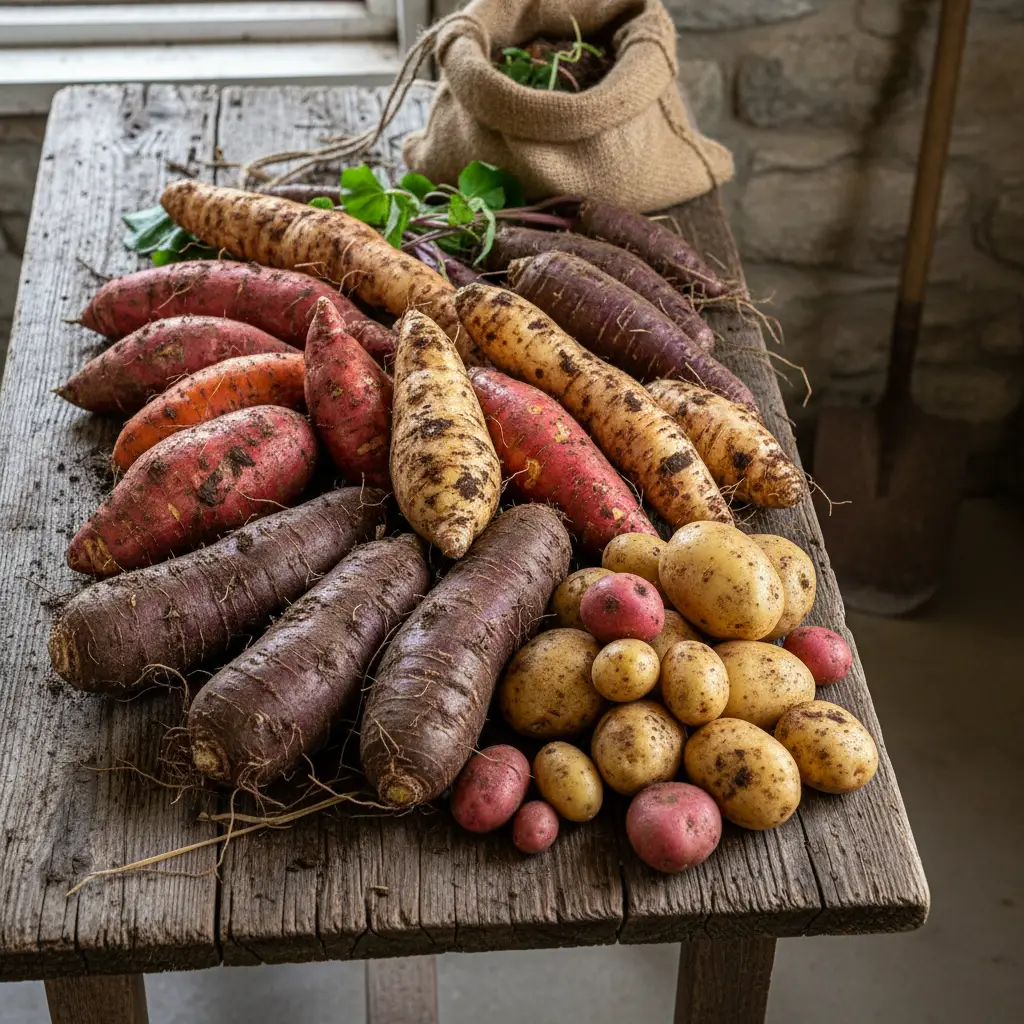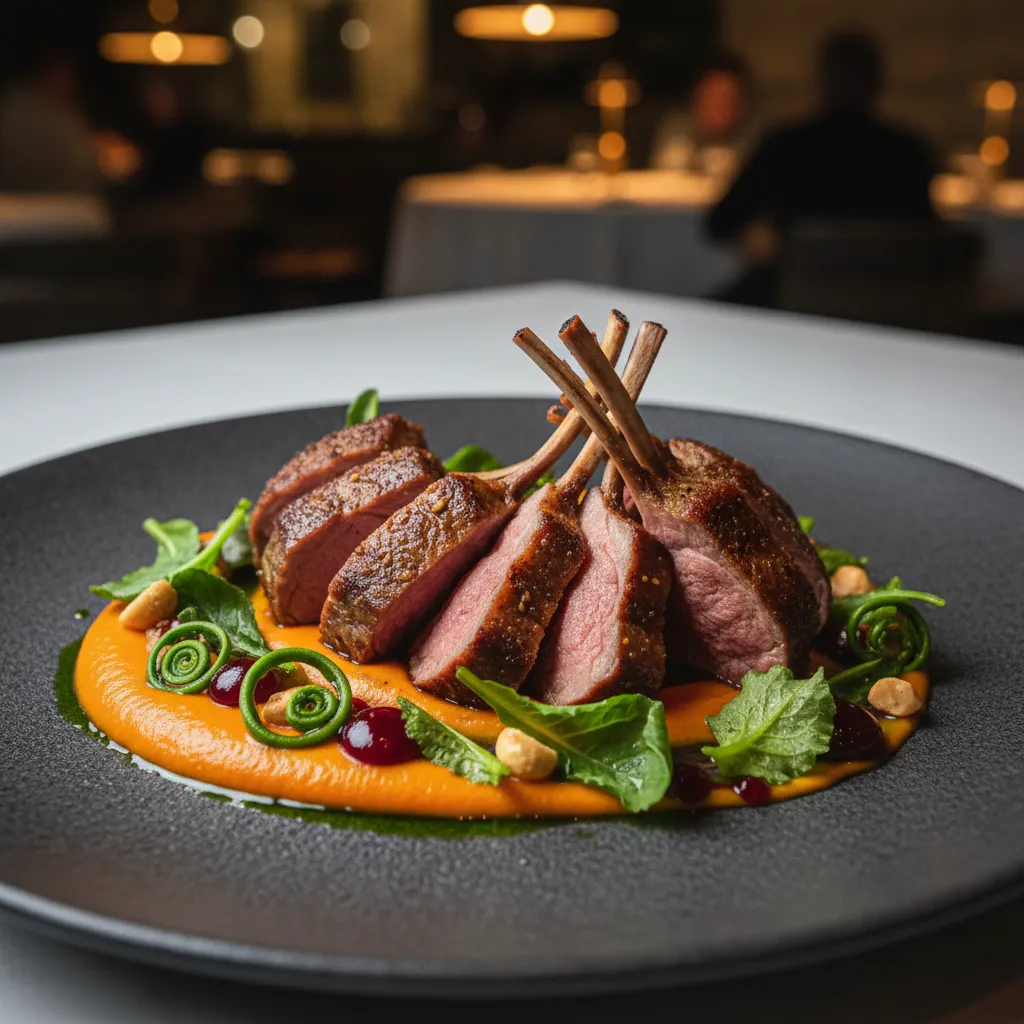
Matariki recipes for schools focus on utilizing seasonal, locally harvested produce such as kūmara, pumpkin, and potatoes to celebrate the Māori New Year. These dishes, ranging from Rēwena bread to vegetable soups and steamed puddings, encourage whanaungatanga (connection) and provide practical educational opportunities to teach students about traditional kai gathering and preparation methods.
The Significance of Kai During Matariki
Matariki, the Māori New Year, is a time of reflection, celebration, and renewal marked by the rising of the Pleiades star cluster. In the context of education, it offers a profound opportunity to connect students with the environment, the stars, and the harvest. Food, or kai, is central to these celebrations. Historically, Matariki occurred at the end of the harvest season, when food stores (pātaka) were full of crops like kūmara (sweet potato) and rīwai (potatoes).
When planning Matariki recipes for schools, educators should look beyond simple nourishment. Cooking becomes a vehicle for teaching history, science, and cultural values. Each dish connects to specific stars within the Matariki cluster. For instance, recipes utilizing root vegetables honor Tupu-ā-nuku (the star associated with food from the earth), while fish dishes acknowledge Waitā (the star associated with the ocean).
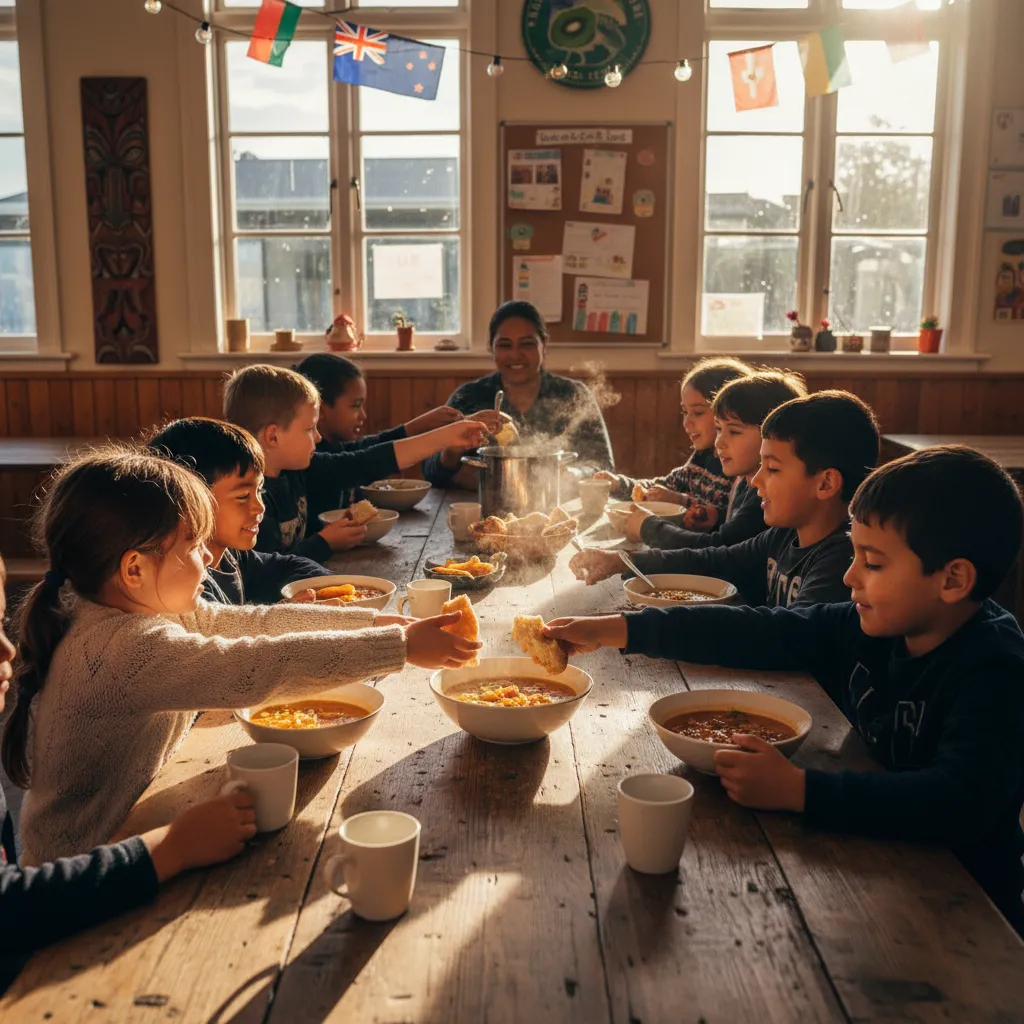
A school feast, or hākari, allows students to participate in the entire lifecycle of food—from understanding where it comes from to preparing it and, finally, sharing it. This communal act reinforces manaakitanga (hospitality) and whanaungatanga (building relationships), essential values in New Zealand classrooms. To enhance your cultural planning for the celebrations, consider Planning a Whānau Hautapu.
Rēwena Parāoa: A Lesson in Fermentation
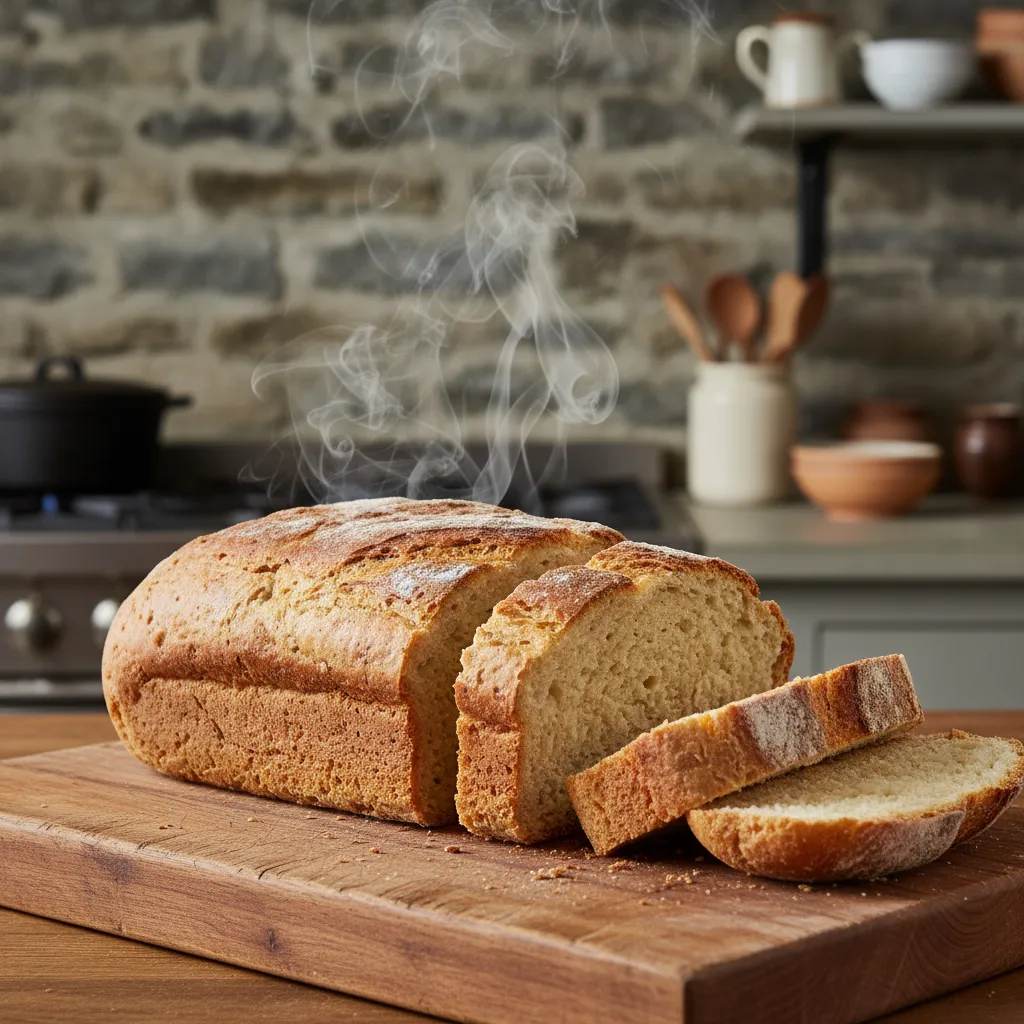
Rēwena Parāoa, or Māori potato bread, is one of the most culturally significant Matariki recipes for schools. Unlike standard yeast breads, Rēwena uses a natural starter made from fermented potatoes and flour, known as the “bug.” This recipe is excellent for a week-long science project, as students can observe the fermentation process daily.
The Science of the “Bug”
Before baking the bread, the class must create the starter. This teaches students about wild yeast, bacteria, and sugar consumption.
Ingredients for the Bug:
- 3 medium potatoes (peeled and diced)
- 1 cup water (from boiling the potatoes)
- 2 cups high-grade flour
- 1 teaspoon sugar
Method for the Bug:
- Boil the potatoes in water until soft. Mash them well, preserving the water.
- Allow the mixture to cool to lukewarm temperature (too hot will kill the yeast).
- Mix in the flour and sugar to form a batter.
- Cover and place in a warm spot. Feed it daily with a teaspoon of sugar and a little warm water for 3–4 days until it bubbles actively.
Baking the Bread
Once the bug is active, you can proceed to the dough. This recipe yields a dense, moist loaf with a distinct sourdough-like flavor.
Ingredients for the Bread:
- 5 cups high-grade flour
- 1 tsp salt
- 1 cup of the Rēwena bug
- Warm water (as needed)
Instructions:
- Mix flour and salt in a large bowl. make a well in the center.
- Pour in the bug and enough warm water to mix into a firm dough.
- Knead for 10–15 minutes. This is a great physical activity for students.
- Place in a greased tin and let it rise in a warm place. Note: Rēwena rises slower than commercial yeast bread; it may take 4–6 hours or overnight.
- Bake at 200°C (400°F) for approximately 45–50 minutes.
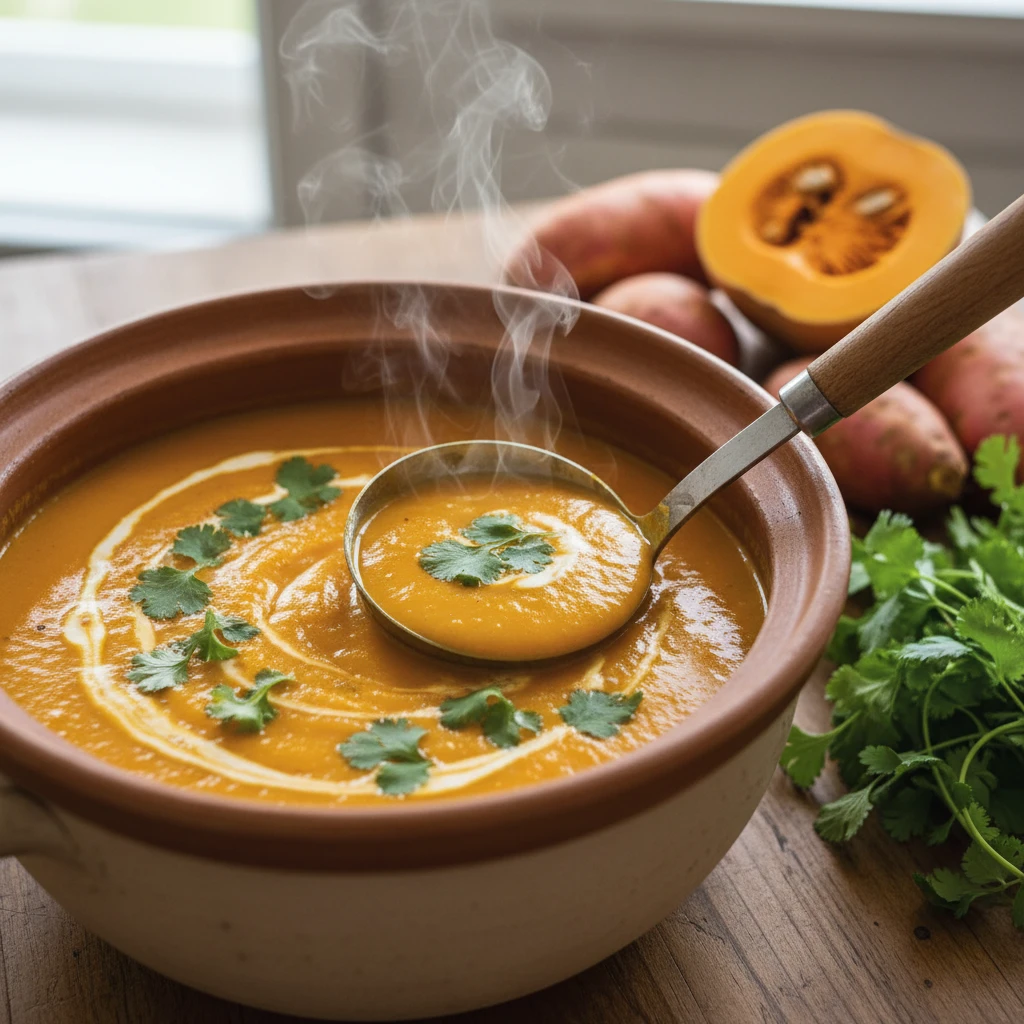
Warming Kūmara and Pumpkin Soup
Soup is an ideal dish for school celebrations because it is scalable, budget-friendly, and utilizes winter vegetables. This recipe honors Tupu-ā-nuku, acknowledging the bounty of the soil. It is arguably one of the easiest Matariki recipes for schools to execute in a standard food technology room or canteen.
Ingredients
- 1kg Kūmara (orange or red variety), peeled and chopped
- 500g Pumpkin, peeled and chopped
- 2 Onions, diced
- 2 cloves Garlic, crushed
- 2 liters Vegetable or Chicken stock
- 1 cup Coconut cream (optional, for richness)
- Fresh coriander or parsley for garnish
Preparation Method
- Sauté: In a large stockpot, heat a little oil and sauté the onions and garlic until soft but not browned.
- Simmer: Add the chopped kūmara, pumpkin, and stock. Bring to a boil, then reduce heat and simmer for 20–30 minutes until the vegetables are tender.
- Blend: Use a stick blender to purée the soup until smooth. Be careful with hot liquids around younger students.
- Finish: Stir in the coconut cream if using, and season with salt and pepper.
- Serve: Ladle into bowls and serve with a slice of the Rēwena bread prepared earlier.
Educational Tip: While the soup simmers, discuss the storage of crops. Explain how Māori ancestors used rua (pits) to store kūmara through the winter to ensure survival and hospitality.
Traditional Steamed Pudding (Pudina)
No Matariki feast is complete without a sweet finale. Steamed pudding is a classic New Zealand dessert often served at marae gatherings. For schools, this can be made in individual ramekins or large basins depending on the equipment available.
Ingredients
- 250g Butter, softened
- 1 cup Sugar
- 4 Eggs
- 1 tsp Vanilla essence
- 3 cups Self-raising flour
- 1 cup Milk
- Golden syrup (for the base)
Cooking Instructions
- Cream the butter and sugar until pale and fluffy. Beat in eggs one at a time, followed by vanilla.
- Fold in the flour alternatively with the milk until you have a smooth batter.
- Grease a pudding basin (or heat-proof bowl) generously. Pour a generous amount of golden syrup into the bottom of the basin.
- Spoon the batter gently over the syrup.
- Cover the basin with baking paper and foil, tying it securely with string to create a water-tight seal.
- Place in a large pot of boiling water (water should come halfway up the basin sides). Cover the pot and steam for 2 hours. Keep checking the water level, topping up with boiling water if necessary.
This dish teaches patience and the physics of steam cooking. It connects to the warmth and comfort required during the cold months of Matariki. If you are looking for other festive items, check out where you can Buy Puanga Merchandise.
Ika Mata: Freshness from the Ocean
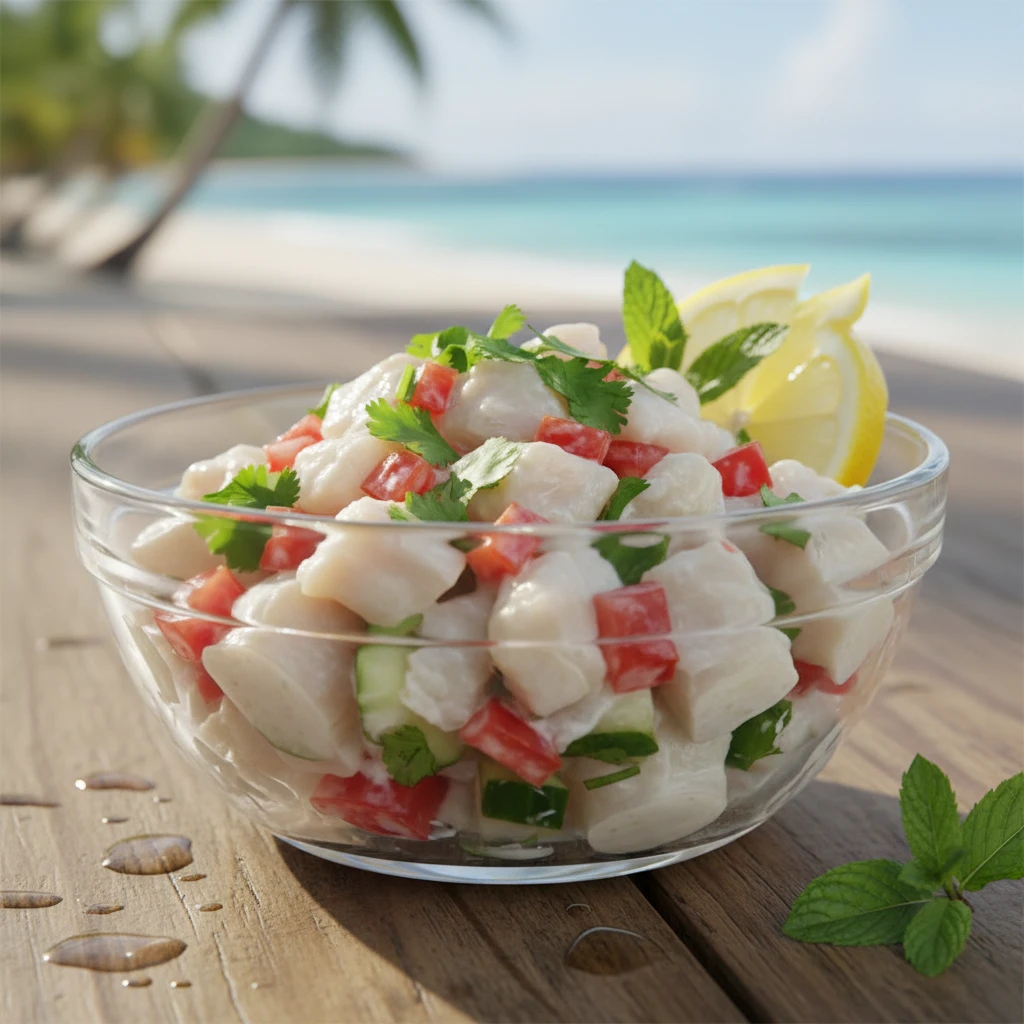
While often associated with the Pacific Islands (specifically the Cook Islands), Ika Mata (raw fish salad) has become a staple in New Zealand kai. Including this in your menu honors Waitā, the star connected to the ocean and marine food sources. However, when preparing Matariki recipes for schools, strict hygiene is paramount.
Safety First
If preparing this with students, ensure:
- Fish is fresh, high-quality, and kept chilled until the very last moment.
- Hands and surfaces are sanitized.
- If raw fish is prohibited by school policy, you can substitute with poached fish that is cooled, or create a vegetarian version using marinated tofu.
Ingredients
- 500g Fresh white fish (Snapper, Trevally, or Gurnard), diced into small cubes
- 1 cup Fresh lemon juice
- 1 cup Coconut cream
- 1/2 Red onion, finely diced
- 1 Cucumber, seeded and diced
- 1 Tomato, diced
- Spring onions and chili (optional)
Assembly
- Marinate: Place the diced fish in a glass bowl and cover with lemon juice. Stir well. Refrigerate for 20–30 minutes. The acid will “cook” the fish, turning it opaque white. Do not over-marinate, or the texture will become tough.
- Drain: Drain the lemon juice from the fish (you can leave a tablespoon if you like it tangy).
- Mix: Add the coconut cream and prepared vegetables. Stir gently to combine.
- Season: Add salt and pepper to taste.
- Serve: Serve immediately in small cups or lettuce leaves.
Tikanga and Food Safety in the Classroom
Implementing Matariki recipes for schools involves more than just cooking; it involves adhering to cultural protocols (tikanga). This elevates the lesson from a cooking class to a cultural experience.
Karakia (Blessing)
Always begin the preparation and the consumption of food with a karakia. This acknowledges the source of the food and gives thanks. A simple karakia mō te kai (blessing for food) is essential.
Tapu and Noa
In Māori culture, food (noa) and tapu (sacredness/restrictions) must be kept separate. Ensure students understand:
- Do not sit on tables where food is prepared or eaten.
- Wash hands thoroughly before handling food.
- Tea towels used for dishes should never be used for hands or wiping faces.
Kaitiakitanga (Guardianship)
Matariki is about the environment. Ensure your feast produces minimal waste. Compost vegetable scraps (returning them to Papatūānuku/Earth Mother) and avoid single-use plastics. This reinforces the concept of sustainable harvesting and guardianship over the land.
People Also Ask
What is traditional Māori food for Matariki?
Traditional Māori food for Matariki typically includes root vegetables like kūmara and potatoes, preserved birds or meats, and seafood (kai moana). Modern celebrations often feature Hāngī, steamed pudding, fried bread, and boil-up, focusing on seasonal winter ingredients.
What are the 3 food stars of Matariki?
The three stars associated with food are Tupu-ā-nuku (food grown in the ground, like kūmara), Tupu-ā-rangi (food from the sky, such as birds and fruits), and Waitī (food from fresh water) and Waitā (food from the ocean). These stars signal the productivity of these food sources for the coming year.
How do you explain Matariki to students?
Explain Matariki as the Māori New Year, marked by the rise of the Pleiades star cluster. It is a time to remember those who have passed, celebrate the present harvest with friends and family, and plan for the future. It connects people to the stars and the natural environment. For help visualizing this, use the Interactive Night Sky Map Tool: Locate Matariki Now.
What can I cook for a school Matariki shared lunch?
Great options for a school shared lunch include vegetable soup, fried bread or Rēwena bread, sausage rolls, fruit platters (representing Tupu-ā-rangi), and steamed pudding. Dishes that are easy to share and serve in large quantities are best.
Is Hāngī suitable for schools?
A traditional earth oven Hāngī can be difficult for schools due to safety and space. However, “Hāngī in an oven” or using commercial “Kai Cookers” (steamers) are excellent, safe alternatives that replicate the flavor and style of cooking for a school environment.
Why is food important in Matariki?
Food is central to Matariki because the holiday traditionally marked the end of the harvest season when food stores were full. Feasting (hākari) is a way to bring the community together, share abundance, and practice manaakitanga (hospitality).